Recovery · Reference
Muscle Recovery: What Actually Works, According to Research
The recovery tools with the strongest research behind them are the unglamorous ones: enough sleep, enough protein and total food, and a training load that rises gradually.
Medically reviewed by Dr. Gene, MD · November 20, 2026
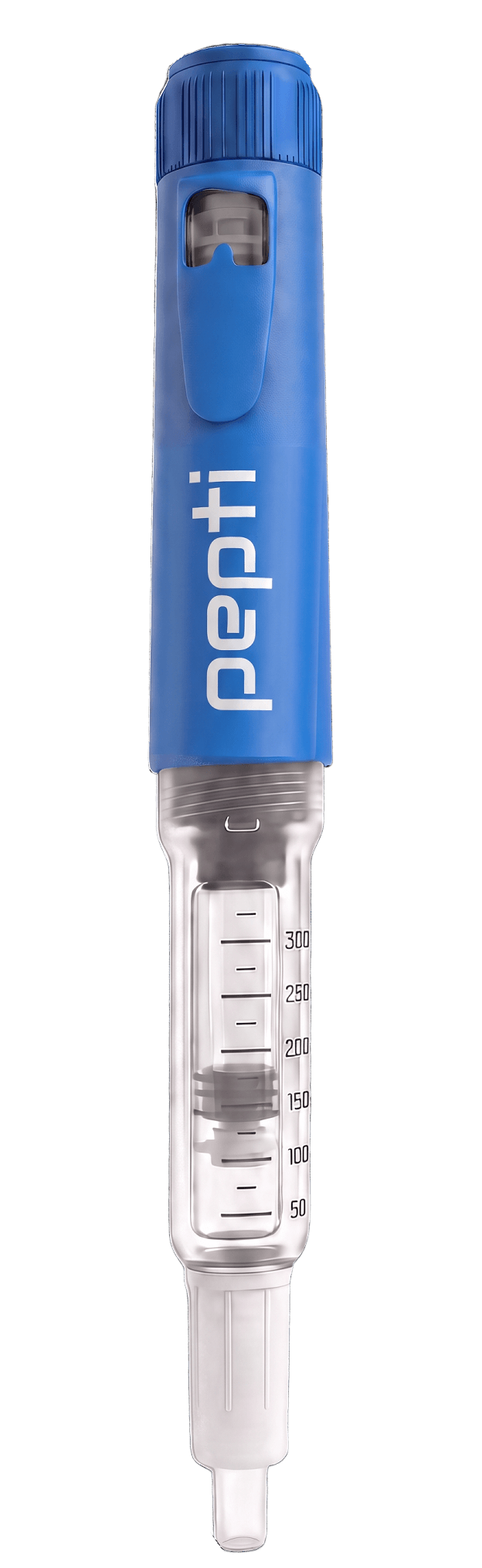
Treatments mentioned
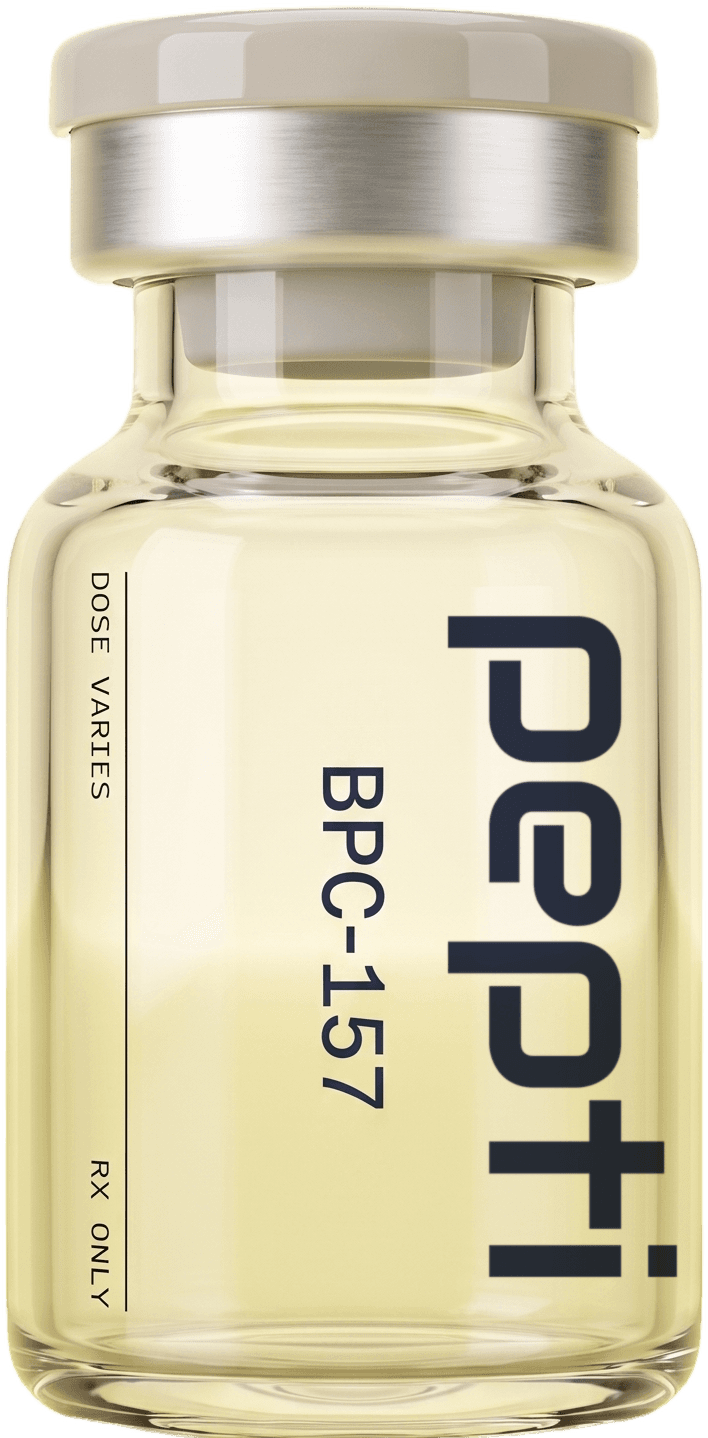
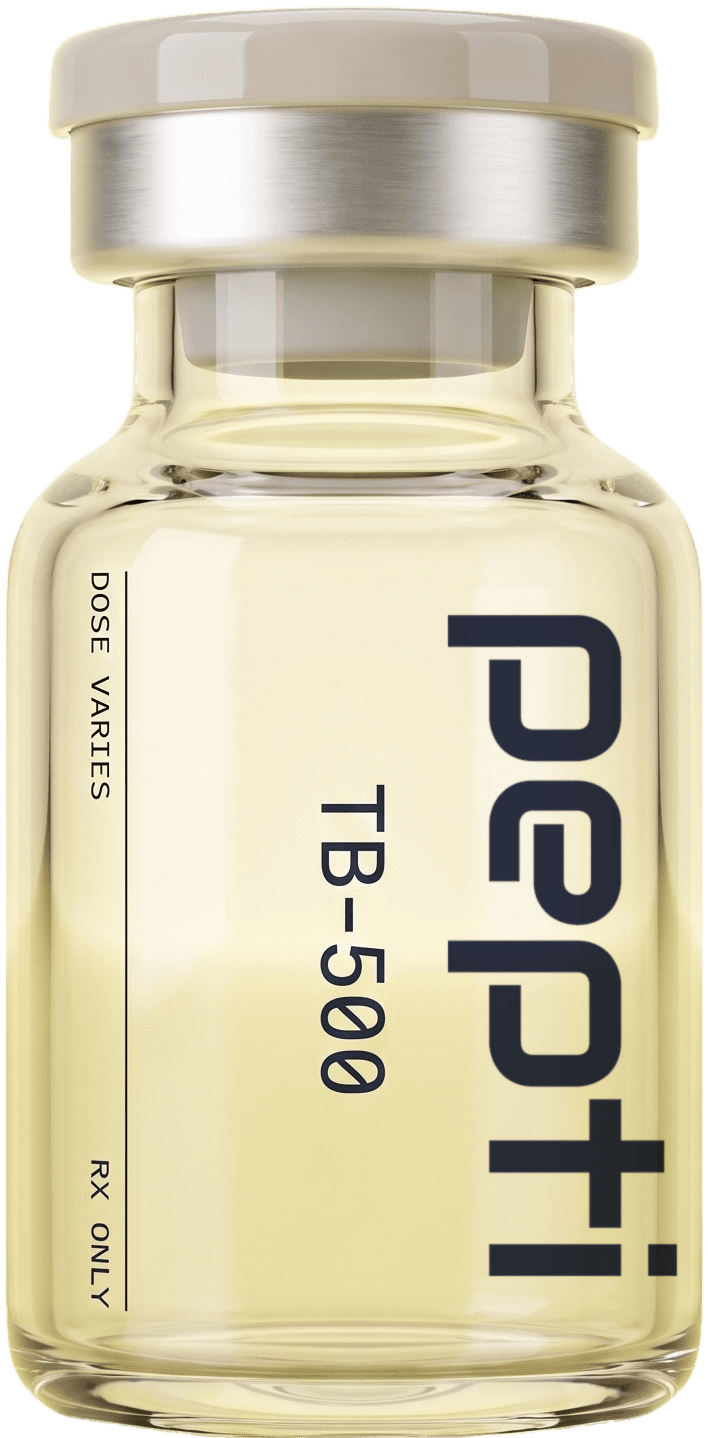
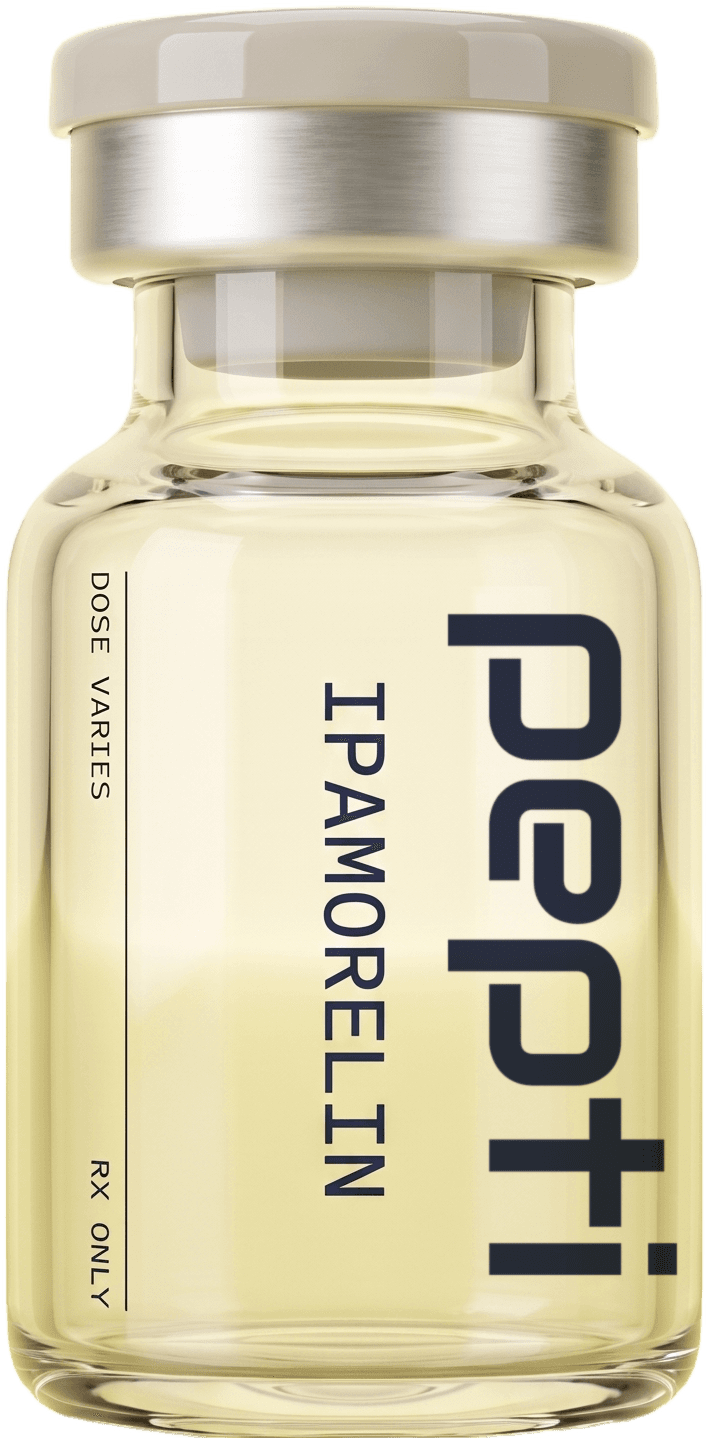
Massage and compression mostly help soreness and how recovered you feel, cold-water plunges can blunt muscle growth if used after every strength session, and peptides such as BPC-157 and TB-500 have almost no human evidence for exercise recovery yet.
This page sorts the common recovery methods by the quality of evidence behind them, explains what "recovery" actually means in muscle, and keeps a clear line between what has been shown in people and what is still being explored.
Muscle Recovery
What "recovery" means
Hard training, especially lifting and anything with lowering or braking under load (downhill running, eccentric reps), causes small amounts of muscle damage. Over the next hours and days the body:
- Clears damaged proteins and triggers local inflammation, which is part of the repair signal, not just a problem.
- Builds new muscle protein faster than usual (muscle protein synthesis), as long as amino acids from food are available.
- Restores fuel stores (glycogen) and fluid.
- Adapts, so the same work causes less damage next time.
Two points follow. First, soreness is not the same as recovery. Delayed-onset muscle soreness (DOMS) peaks one to three days after unfamiliar exercise and does not track closely with how much muscle was built or how ready you are to perform. Second, some inflammation is useful. Methods that shut it down hard can make you feel better while interfering with adaptation.
Muscle Recovery
The evidence at a glance
| Method | Quality of human evidence | What it mainly helps |
|---|---|---|
| Sleep (7 to 9 hours) | Strong | Muscle protein synthesis, hormones, performance, injury risk |
| Protein and total energy | Strong | Muscle repair and growth |
| Sensible training load | Strong | Adaptation without overreaching or injury |
| Creatine | Strong for performance; moderate for recovery | Training capacity, strength gains |
| Massage | Moderate | Soreness and perceived fatigue |
| Compression garments | Moderate | Perceived fatigue, some soreness |
| Cold-water immersion | Moderate, with a trade-off | Short-term soreness; may blunt strength and size gains |
| NSAIDs (ibuprofen etc.) | Mixed | Pain relief; high doses may blunt muscle growth |
| BPC-157, TB-500 | Very limited in humans | Unknown in people; mostly animal and cell studies |
| Growth-hormone secretagogues | Very limited for recovery | Unproven in healthy athletes |
Muscle Recovery
Sleep: the foundation
Sleep is when much of the body's repair work happens, and short sleep changes the hormonal environment muscle depends on.
- One bad night measurably affects muscle. In a randomized crossover study of 13 healthy young adults (Lamon et al., Physiological Reports, 2021), one night of total sleep deprivation reduced muscle protein synthesis by 18%, raised cortisol by 21% and lowered testosterone by 24% compared with a normal night.
- More sleep can improve performance. In a small study of Stanford basketball players (Mah et al., Sleep, 2011), extending sleep toward 10 hours in bed per night for several weeks was associated with faster sprint times and better shooting accuracy. It was not randomized and had 11 participants, so treat it as encouraging rather than proof.
Practical takeaway: for most adults, consistently getting seven to nine hours, on a regular schedule, does more for recovery than any product. If sleep is the bottleneck, see peptides for sleep for what is and is not known about sleep-focused options, but start with the basics: a fixed wake time, a dark cool room, and limiting late caffeine and alcohol.
Muscle Recovery
Protein and total energy: the raw materials
Muscle cannot be rebuilt without amino acids, and it is hard to build anything while badly underfed.
How much protein
The most cited analysis (Morton et al., British Journal of Sports Medicine, 2018) pooled 49 randomized trials with 1,863 participants doing resistance training. Protein supplementation increased gains in strength and fat-free mass, and benefits plateaued at a total intake of about 1.6 grams of protein per kilogram of body weight per day (roughly 0.73 g per pound). Some people benefit from more; the upper end of the confidence range was around 2.2 g/kg. The general adult recommendation of 0.8 g/kg is a minimum to avoid deficiency, not a target for people training hard.
How to spread it
How you distribute protein matters less than the daily total, but spreading it helps. In a controlled study (Areta et al., Journal of Physiology, 2013), 20 g of protein every three hours after exercise stimulated more muscle protein synthesis over 12 hours than the same total given as two large doses or eight small ones. In practice, three or four meals with roughly 20 to 40 g of protein each works for most people.
Do not under-eat
Chronic low energy intake relative to training, described in the International Olympic Committee's consensus on Relative Energy Deficiency in Sport (Mountjoy et al., British Journal of Sports Medicine, 2018), is linked to poorer recovery, hormonal disruption, bone stress injuries and declining performance. This applies to recreational athletes too, and it matters for anyone training while losing weight, including on a GLP-1 medicine. See GLP-1 and exercise.
Muscle Recovery
Training load: recovery is planned, not just treated
The biggest recovery decision is how hard you train in the first place.
- Volume has a dose-response, up to a point. A meta-analysis (Schoenfeld et al., Journal of Sports Sciences, 2017) found more weekly sets per muscle produced more growth, but more is only better if you can recover from it.
- Sudden spikes are the problem. Work on training load and injury (Gabbett, British Journal of Sports Medicine, 2016) suggests that well-built, high workloads can be protective, while rapid jumps in load relative to what an athlete is used to are associated with more injuries.
Practical patterns with good support: increase volume or intensity gradually, hard days followed by easier ones, and planned lighter weeks when performance stalls and fatigue builds.
Muscle Recovery
Creatine
Creatine monohydrate is one of the most studied supplements in sports nutrition. The International Society of Sports Nutrition's position stand (Kreider et al., Journal of the International Society of Sports Nutrition, 2017) concludes it improves high-intensity exercise capacity and training adaptations and is safe in healthy people at studied doses, with some evidence for improved recovery from intense training. It is a supplement, not a medicine, and people with kidney disease should discuss it with a clinician first.
Muscle Recovery
Massage and compression
A large meta-analysis of more than 100 studies (Dupuy et al., Frontiers in Physiology, 2018) compared common recovery techniques. Massage was the most effective for reducing soreness and perceived fatigue. Compression garments and water immersion also helped perceived fatigue. Most effects were small to moderate and measured over hours to a few days.
These tools help you feel better and may make the next session more comfortable. There is little evidence they increase how much muscle you build.
Muscle Recovery
Cold plunges: a real trade-off
Cold-water immersion reduces short-term soreness, which is why it is popular. But regular use after strength training may work against the training.
In a study published in the Journal of Physiology (Roberts et al., 2015), men who used cold-water immersion after strength sessions for 12 weeks gained less muscle mass and strength than men who did an active cool-down. Biopsies showed reduced activity in muscle-building signaling for up to two days after a session.
A reasonable reading: cold plunges may make sense when you need to feel fresh quickly (tournaments, multiple events in a day) and are probably best kept away from strength sessions when muscle growth is the goal.
Muscle Recovery
Anti-inflammatory painkillers
Ibuprofen and similar drugs (NSAIDs) relieve soreness, but high doses may interfere with adaptation. In a randomized trial of young adults training their legs for eight weeks (Lilja et al., Acta Physiologica, 2018), those taking ibuprofen 1,200 mg a day gained about half as much muscle volume as those taking low-dose aspirin (3.7% vs. 7.5%). An earlier study using a moderate dose (400 mg a day) found no effect on growth.
Occasional use for pain is different from daily use to train through soreness. NSAIDs also carry stomach, kidney and heart risks, especially with regular use.
Muscle Recovery
Where peptides fit: evidence vs. speculation
Peptides are short chains of amino acids. A few are marketed heavily for recovery. This is where the evidence gets thin, so here is a plain split between what has been shown in humans and what has not.
BPC-157
- What is known: BPC-157 is a synthetic peptide based on a fragment of a protein found in stomach juice. In animal and cell studies it has shown effects on tendon, ligament, muscle and gut healing.
- What the human evidence is: A 2025 systematic review in HSS Journal (Vasireddi et al.) found 36 relevant studies from 1993 to 2024. Published coverage of the review reports that 35 were preclinical and only one was a clinical study. The authors described the evidence as low level and noted risks from unregulated production and a lack of clinical safety data.
- What is not known: Whether it speeds recovery from training or injury in people, what dose would matter, and its long-term safety.
TB-500
- What is known: TB-500 is a synthetic fragment related to thymosin beta-4, a protein involved in cell movement and tissue repair. Interest comes from animal wound-healing and tissue-repair research.
- What is not known: There are no published controlled trials of TB-500 for exercise recovery or sports injuries in humans.
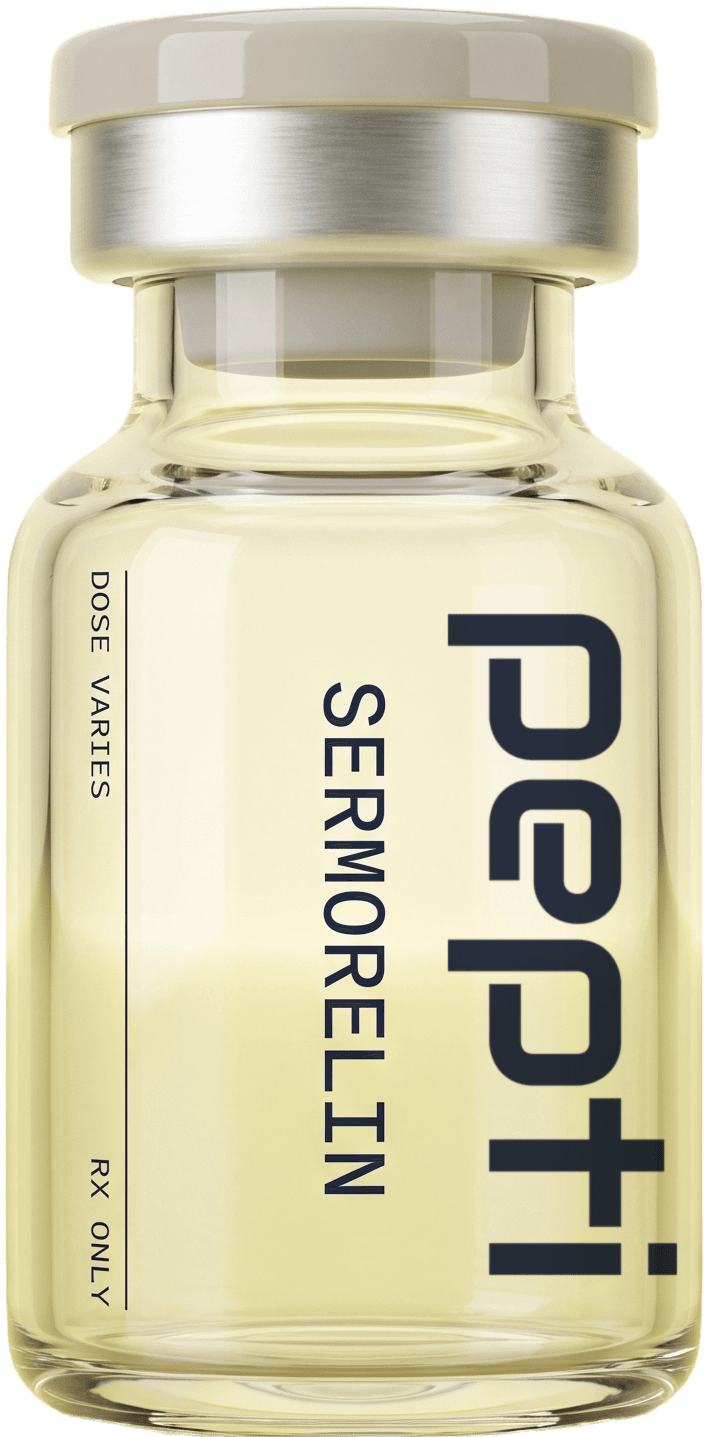
Growth-hormone secretagogues (CJC-1295, ipamorelin, sermorelin)
These peptides prompt the body to release more of its own growth hormone. The case for them in recovery rests on growth hormone's role in tissue repair. But even growth hormone itself has been disappointing for performance: a systematic review of trials in healthy young people (Liu et al., Annals of Internal Medicine, 2008) found it increased lean body mass by about 2 kg without improving strength, and it caused more fluid retention and fatigue. There are no good trials showing these secretagogues improve recovery in healthy athletes.
Regulatory and sport status
- None of these peptides is FDA approved for recovery or any sports use.
- In July 2026, an FDA advisory committee voted to recommend adding several peptides, including BPC-157, TB-500 and others, to the list of substances 503A compounding pharmacies may use. FDA staff had recommended against them. An advisory vote is not a final FDA decision, and the status may change. See FDA advisers back compounding access for six peptides.
- The World Anti-Doping Agency prohibits BPC-157 at all times and lists growth-hormone secretagogues among prohibited substances. Tested athletes should assume these will fail a test.
- Products sold online as "research peptides" are not made for human use and their contents are not verified. See research peptides vs. prescription peptides.
For a full breakdown of the peptides prescribed around training, their compounding status and what monitoring looks like, see peptides for muscle growth and recovery.
The honest bottom line on peptides
Peptides for recovery are an active research area with interesting animal data and very little human data. They are not a substitute for sleep, food and sensible training, and nobody can promise they will speed up recovery. Anyone considering them should have a licensed clinician review their history, medications and, for competitive athletes, testing rules first.
Muscle Recovery
A simple recovery checklist
- Sleep seven to nine hours, at consistent times.
- Eat around 1.6 g of protein per kg of body weight per day, spread across meals, and enough total food for your training.
- Increase training load gradually, with easier days and lighter weeks built in.
- Consider creatine monohydrate if it suits you.
- Use massage or compression if they help you feel better.
- Keep cold plunges and high-dose NSAIDs away from strength sessions if growth is the goal.
- Treat anything new, including peptides, as unproven until good human trials say otherwise.
Muscle Recovery
When soreness is not normal
See a clinician urgently for severe muscle pain with weakness, swelling, or dark (tea- or cola-colored) urine after exercise. These can be signs of rhabdomyolysis, a medical emergency. Pain that is sharp, one-sided, or does not improve after a week or two may be an injury rather than ordinary soreness.
Muscle Recovery
Related reading
Muscle Recovery
Sources
- Lamon S, et al. The effect of acute sleep deprivation on skeletal muscle protein synthesis and the hormonal environment. Physiol Rep. 2021;9:e14660.
- Mah CD, et al. The effects of sleep extension on the athletic performance of collegiate basketball players. Sleep. 2011;34:943-950.
- Morton RW, et al. A systematic review, meta-analysis and meta-regression of the effect of protein supplementation on resistance training-induced gains in muscle mass and strength in healthy adults. Br J Sports Med. 2018;52:376-384.
- Areta JL, et al. Timing and distribution of protein ingestion during prolonged recovery from resistance exercise alters myofibrillar protein synthesis. J Physiol. 2013;591:2319-2331.
- Mountjoy M, et al. IOC consensus statement on relative energy deficiency in sport (RED-S): 2018 update. Br J Sports Med. 2018;52:687-697.
- Schoenfeld BJ, Ogborn D, Krieger JW. Dose-response relationship between weekly resistance training volume and increases in muscle mass: a systematic review and meta-analysis. J Sports Sci. 2017;35:1073-1082.
- Gabbett TJ. The training-injury prevention paradox: should athletes be training smarter and harder? Br J Sports Med. 2016;50:273-280.
- Kreider RB, et al. International Society of Sports Nutrition position stand: safety and efficacy of creatine supplementation in exercise, sport, and medicine. J Int Soc Sports Nutr. 2017;14:18.
- Dupuy O, et al. An evidence-based approach for choosing post-exercise recovery techniques to reduce markers of muscle damage, soreness, fatigue, and inflammation: a systematic review with meta-analysis. Front Physiol. 2018;9:403.
- Roberts LA, et al. Post-exercise cold water immersion attenuates acute anabolic signalling and long-term adaptations in muscle to strength training. J Physiol. 2015;593:4285-4301.
- Lilja M, et al. High doses of anti-inflammatory drugs compromise muscle strength and hypertrophic adaptations to resistance training in young adults. Acta Physiol. 2018;222:e12948.
- Vasireddi N, et al. Emerging use of BPC-157 in orthopaedic sports medicine: a systematic review. HSS J. 2025.
- Liu H, et al. Systematic review: the effects of growth hormone on athletic performance. Ann Intern Med. 2008;148:747-758.
- U.S. FDA Pharmacy Compounding Advisory Committee meeting, July 23-24, 2026; World Anti-Doping Agency Prohibited List.
Ready when you are. The free assessment takes about five minutes, and a physician licensed in your state reviews it, usually within a day.
Pepti is a telehealth platform. All medical services are provided by independently licensed physicians. Results vary. A consultation does not guarantee a prescription. This is not medical advice. Compounded medications are prepared by licensed pharmacies pursuant to a valid prescription and are not FDA-approved.
References
What this is based on.
References
- Chang CH, Tsai WC, Hsu YH, Pang JH. Pentadecapeptide BPC 157 enhances the growth hormone receptor expression in tendon fibroblasts · Molecules (2014) · PMID 25415472
- Krivic A, Anic T, Seiwerth S, et al.. Achilles detachment of rat and stable gastric pentadecapeptide BPC 157 · Journal of Orthopaedic Research (2006) · PMID 16583442
- Sikiric P, Seiwerth S, Rucman R, et al.. Stable gastric pentadecapeptide BPC 157: novel therapy in gastrointestinal tract · Current Pharmaceutical Design (2011) · PMID 21548867
- Cerovecki T, Bojanic I, Brcic L, Radic B, et al.. Pentadecapeptide BPC 157 (PL 14736) improves ligament healing in the rat · J Orthop Res (2010) · PMID 20225319
- Sikiric P, Seiwerth S, Rucman R, Turkovic B, et al.. Stable gastric pentadecapeptide BPC 157-NO-system relation · Curr Pharm Des (2014) · PMID 23755725
- Cox HD, Miller GD, Eichner D. Detection and in vitro metabolism of the confiscated peptides BPC 157 and MGF R23H · Drug Test Anal (2017) · PMID 28035768
- Thomas A, Görgens C, Guddat S et al.. Simplifying and expanding the screening for peptides <2 kDa by direct urine injection, liquid chromatography, and ion mobility mass spectrometry · J Sep Sci (2016) · PMID 26578461
- Farrar JT, Young JP Jr, LaMoreaux L, Werth JL et al.. Clinical importance of changes in chronic pain intensity measured on an 11-point numerical pain rating scale · Pain (2001) · PMID 11690728
- Meyer JD, Ho B, Manning MC. Effects of conformation on the chemical stability of pharmaceutically relevant polypeptides · Pharm Biotechnol (2002) · PMID 11987755
- Xu C, Sun L, Ren F, Huang P, et al.. Preclinical Safety Evaluation of Body Protective Compound-157, a Potential Drug for Treating Various Wounds · Regul Toxicol Pharmacol (2020) · PMID 32334036
- He L, Feng D, Guo H, et al.. Pharmacokinetics, distribution, metabolism, and excretion of body-protective compound 157, a potential drug for treating various wounds, in rats and dogs · Front Pharmacol (2022) · PMID 36588717
- Lee E, Padgett B. Intra-Articular Injection of BPC 157 for Multiple Types of Knee Pain · Altern Ther Health Med (2021) · PMID 34324435
Citations are provided for educational purposes. They do not constitute medical advice. Always discuss any peptide protocol with your prescribing physician.
Common questions
Muscle Recovery, answered.
There is no shortcut that beats the basics. Sleep, adequate protein and total calories, and managing training load have the strongest evidence. Massage and compression can reduce soreness and help you feel recovered sooner.
A major meta-analysis found that benefits for muscle and strength plateaued at about 1.6 g per kilogram of body weight per day, with some people benefiting from up to about 2.2 g/kg. Spreading it across three or four meals helps.
They reduce short-term soreness, but one well-known study found that regular cold-water immersion after strength training reduced long-term gains in muscle size and strength. They may suit competition days better than strength-building phases.
At high daily doses it may. In one eight-week trial, 1,200 mg of ibuprofen a day roughly halved gains in muscle volume compared with low-dose aspirin. A moderate dose in an earlier study did not show this effect.
That has not been shown in humans. Almost all BPC-157 research is in animals or cells, and a 2025 systematic review called the evidence low level with unresolved safety questions. TB-500 has no published human recovery trials.
Yes. In one study, a single night without sleep reduced muscle protein synthesis by 18% and shifted hormones in a direction that works against muscle building.
Related answers
Keep reading.
- Peptides for Joint Health: What Is Prescribed for Tendons and Joints
- Peptides for Wound Healing and Recovery: What Is Used and When
- Peptides for Sleep: What Is Actually Prescribed and What It Costs
- Peptides for Energy and Fatigue: What Is Prescribed and What to Rule Out
- Peptides for Skin: Which Ones Are Prescribed, What They Do, What They Cost
Next step
See what a physician recommends for you.
A licensed physician in your state reviews your intake to see whether treatment fits your history. A consultation does not guarantee a prescription.