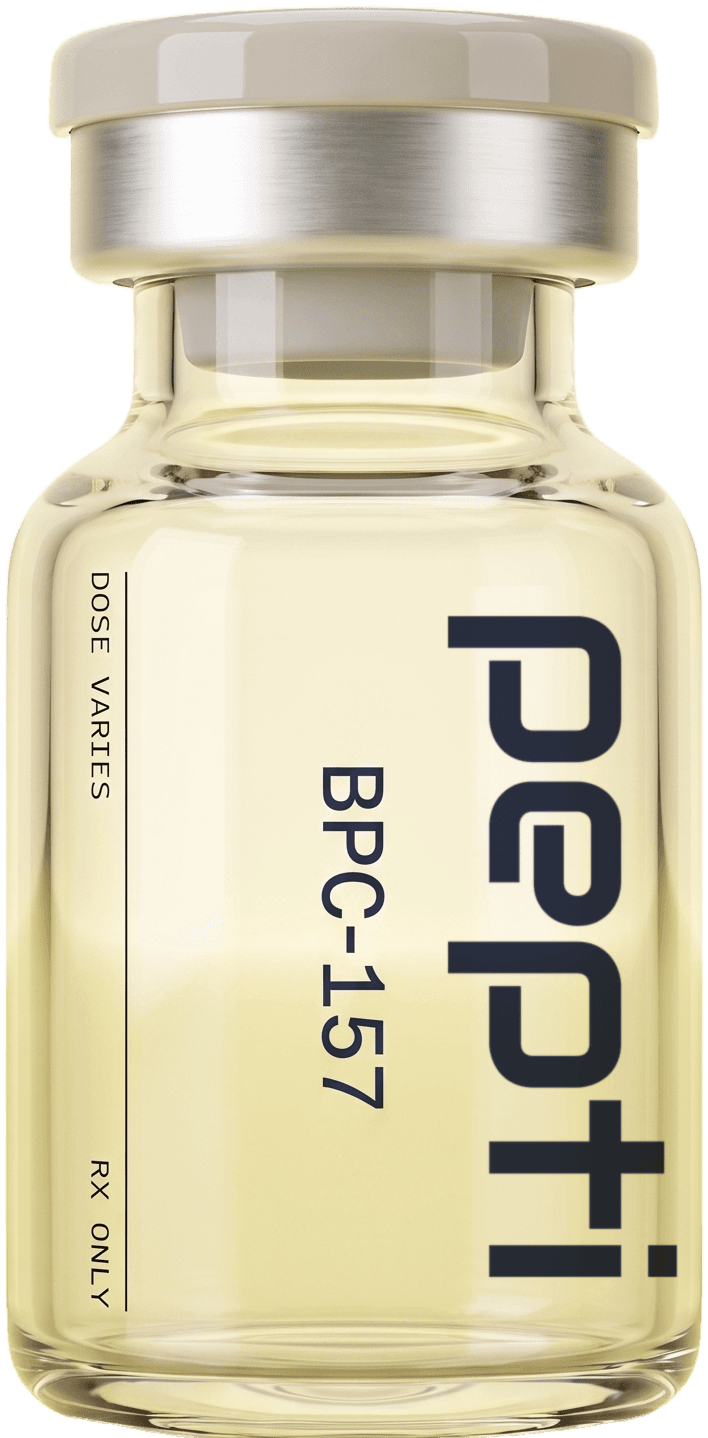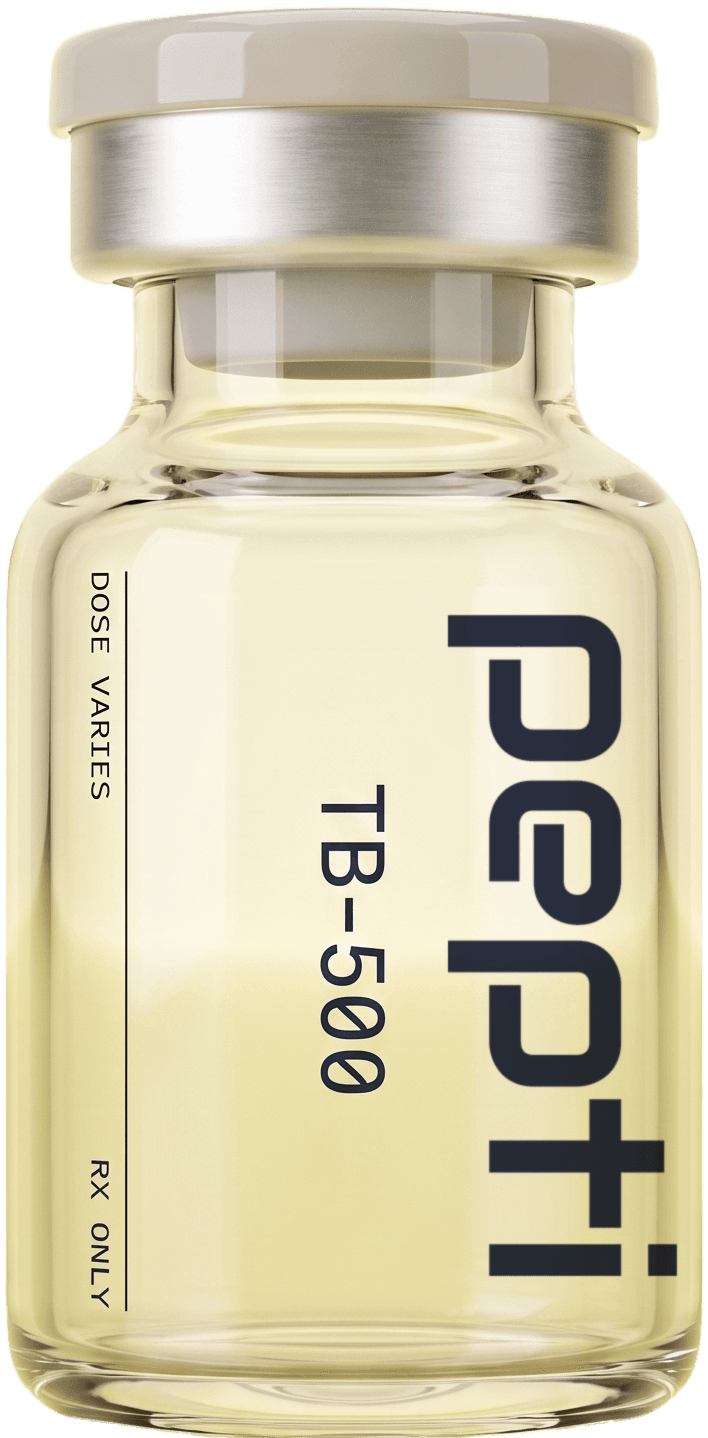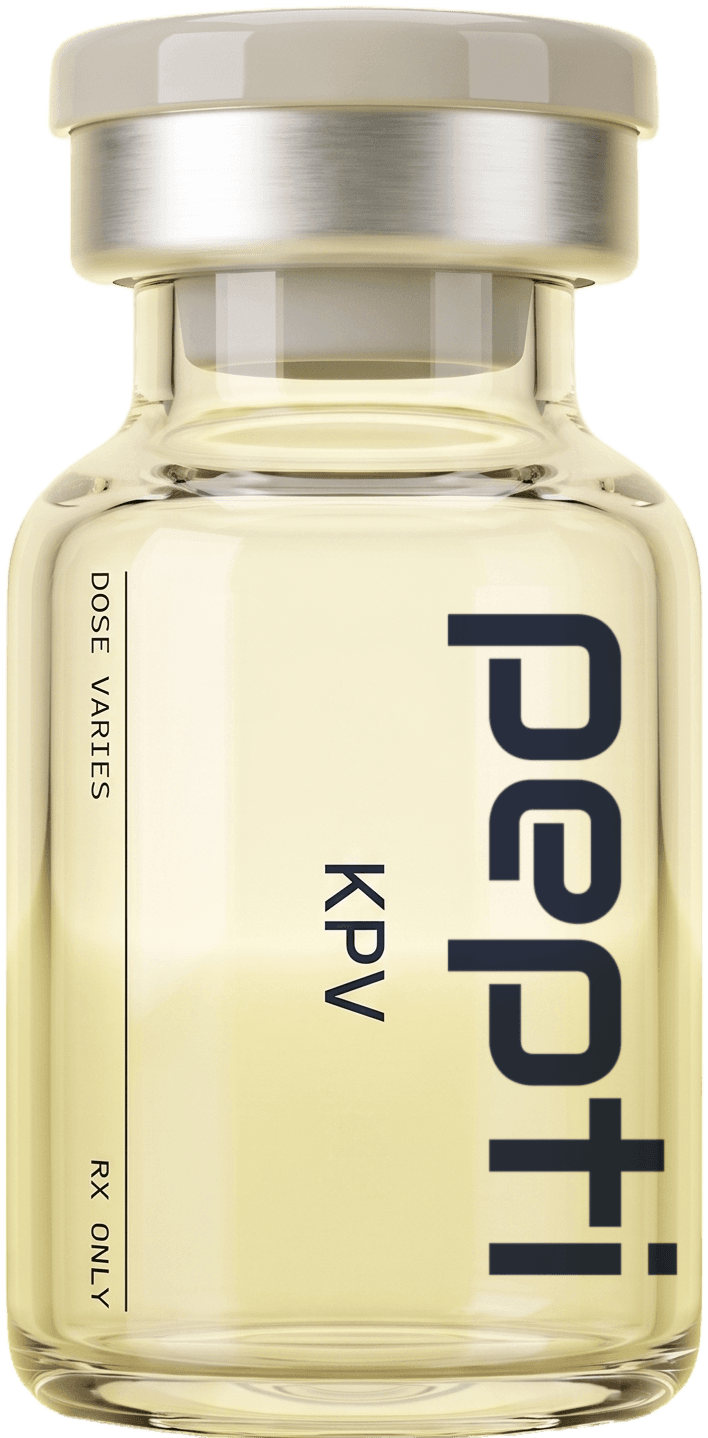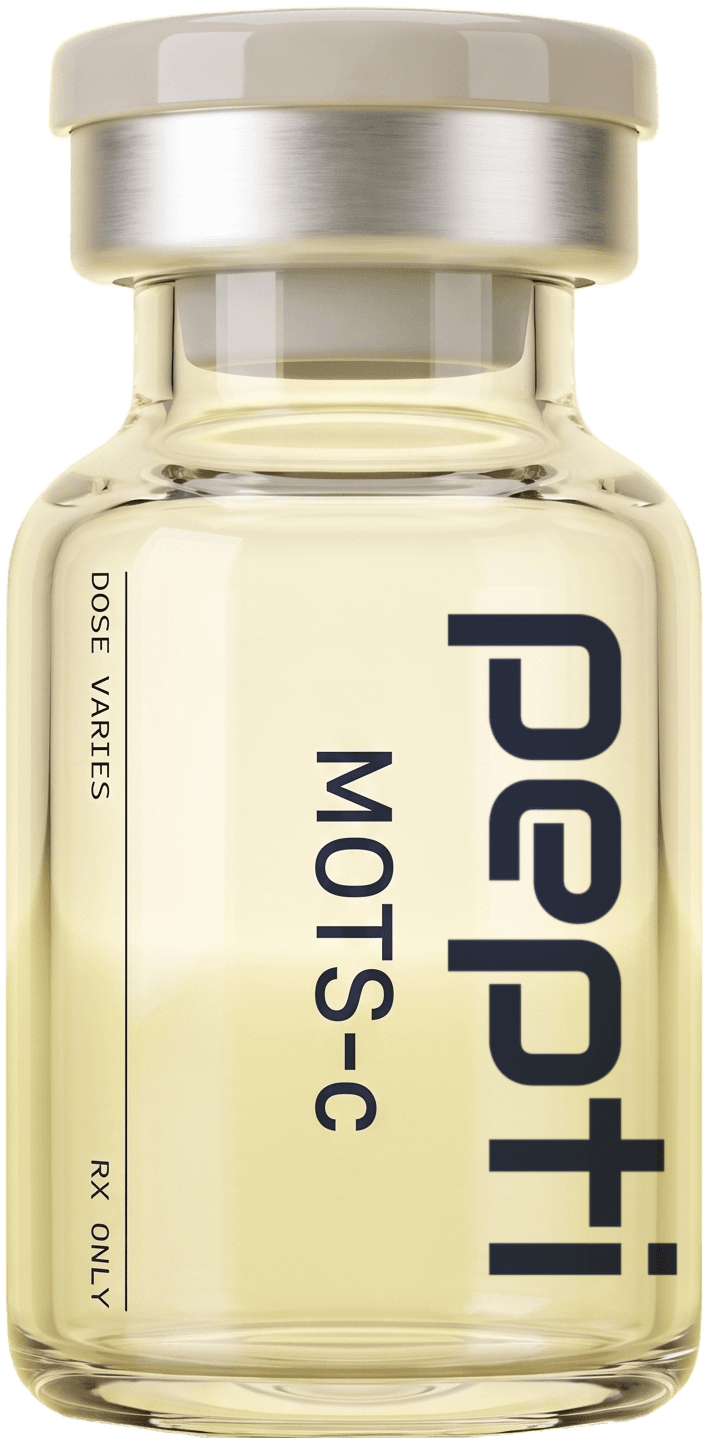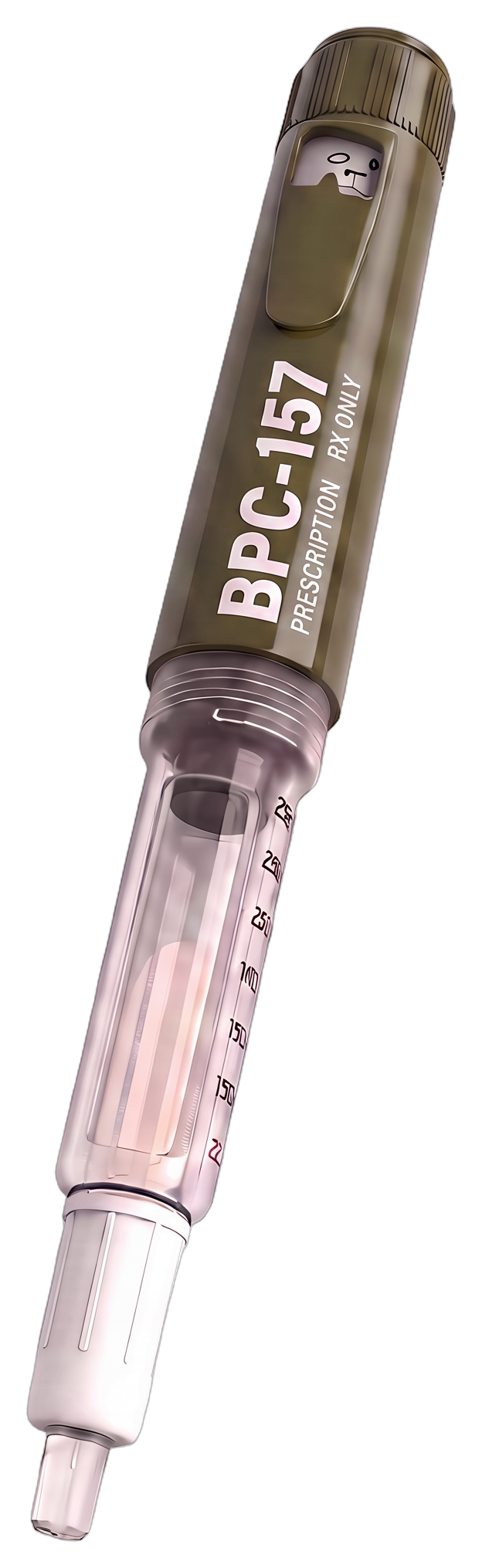
On 29 September 2026, FDA’s Pharmacy Compounding Advisory Committee voted to recommend that six peptide bulk drug substances be placed on the 503A bulks list: BPC-157, MOTS-c, KPV, TB-500, Epitalon and Semax. The vote affects patients and clinicians watching access to compounded peptide medications, including Pepti patients interested in BPC-157, TB-500, KPV, MOTS-c and Semax, but it does not change prescribing or dispensing rules today.
What happened
FDA’s Pharmacy Compounding Advisory Committee met on 29 September 2026 to consider seven peptide bulk drug substances nominated for use in compounding under section 503A of the Federal Food, Drug, and Cosmetic Act. According to FDA’s meeting materials and the committee record, the panel recommended that six substances be placed on the 503A bulks list: BPC-157, MOTS-c, KPV, TB-500, Epitalon and Semax. The committee did not recommend Emideltide.
The vote was advisory. FDA advisory committees provide independent recommendations, but FDA makes the final regulatory decision. For patients, that distinction matters: a committee vote can signal the direction of FDA review, but it is not the same thing as a final rule, final guidance or an enforceable change in access.
The FDA scientific review presented to the committee raised concerns about limited human data and potential safety questions for these substances. The committee vote means the advisers recommended access through the compounding pathway despite those concerns; it does not mean the substances have been evaluated under the drug-approval pathway.
What it changes for patients
As of 1 October 2026, nothing changes automatically for patients. A clinician still has to determine whether a peptide medication is appropriate for an individual patient, and any compounded medication still has to be prepared and dispensed under applicable federal and state compounding rules.
If FDA follows the advisory recommendation, 503A compounding pharmacies could have a clearer federal pathway to prepare the listed substances for individual patients with valid prescriptions. That would matter for BPC-157, TB-500, KPV, MOTS-c and Semax patients because those products are currently handled within a changing regulatory environment.
Patients should not treat the vote as a green light to buy unlabeled or research-only products. The safer path remains medical screening, prescribing when appropriate, pharmacy compounding where permitted, documentation, and follow-up through a clinician.
What it does not change
The vote does not create over-the-counter access. These products remain prescription-directed when used as medications, and a patient should not start, stop or combine them without a prescriber reviewing health history, current medications and goals.
The vote also does not turn compounded peptide preparations into approved new drugs. Compounded medications are prepared for specific patients under compounding law; FDA does not review each compounded preparation through the same premarket approval process used for new drug applications.
The vote does not remove the need for quality controls. Patients should still look for appropriate sourcing, sterility practices, testing documentation and clear labeling. Pepti’s quality references are available at quality and lab results.
For athletes, the vote does not change sport rules. The World Anti-Doping Agency list is separate from FDA compounding policy, and substances such as TB-500 may raise sport-eligibility issues. Competitive athletes should confirm the rules that apply to their sport before using any peptide.
The background
Section 503A of the Federal Food, Drug, and Cosmetic Act describes conditions under which certain human drug products may be compounded for identified individual patients. One condition concerns the bulk drug substances used in compounding, including whether a substance appears on a list developed by FDA. The Pharmacy Compounding Advisory Committee reviews nominated substances and gives FDA advice, including on clinical need and safety concerns. FDA then decides whether and how to act through its compounding process.
For Pepti reference pages, see what is BPC-157, what is TB-500, what is KPV, what is MOTS-c and what is Semax.
What happens next
The documented next step is FDA review of the committee recommendation. FDA can accept, modify or reject an advisory committee recommendation, and any change to the 503A bulks list would have to occur through FDA’s applicable compounding process.
Until FDA takes final action, patients should assume current rules still apply. Pepti will continue to screen patients through the assessment, use clinician review, and direct patients to relevant testing where appropriate, including blood testing.
Frequently asked questions
Can I get BPC-157 or TB-500 now because of the vote?
Not because of the vote alone. A recommendation from FDA advisers is not a final FDA action, and access still depends on clinician evaluation, prescription requirements, state rules and pharmacy availability.
Did FDA approve these peptides?
No. The committee vote concerned whether certain bulk drug substances should be available for 503A compounding, not whether a finished drug product should be approved through the new-drug pathway.
What should current Pepti patients do?
Current patients should continue following their active treatment plan and refill schedule unless their clinician gives different instructions. Pepti treatment uses ongoing 28-day refills, with follow-up based on the patient’s history, response, labs when relevant, and safety review.
Where can I check Pepti pricing and supplies?
Pepti posts product-specific pricing without changing clinical requirements: see BPC-157 cost, TB-500 cost, KPV cost, MOTS-c cost and Semax cost. Injection supplies and administration information are available at pen.