Weight Loss · Reference
GLP-1 and Exercise: Training on Semaglutide or Tirzepatide, Lean Mass and What to Watch
Exercise is part of GLP-1 treatment rather than an extra: every large semaglutide and tirzepatide trial ran the medication alongside a reduced-calorie diet and increased physical activity, and weight lost on a GLP-1 includes lean mass unless protein and resistance training are deliberately in place.
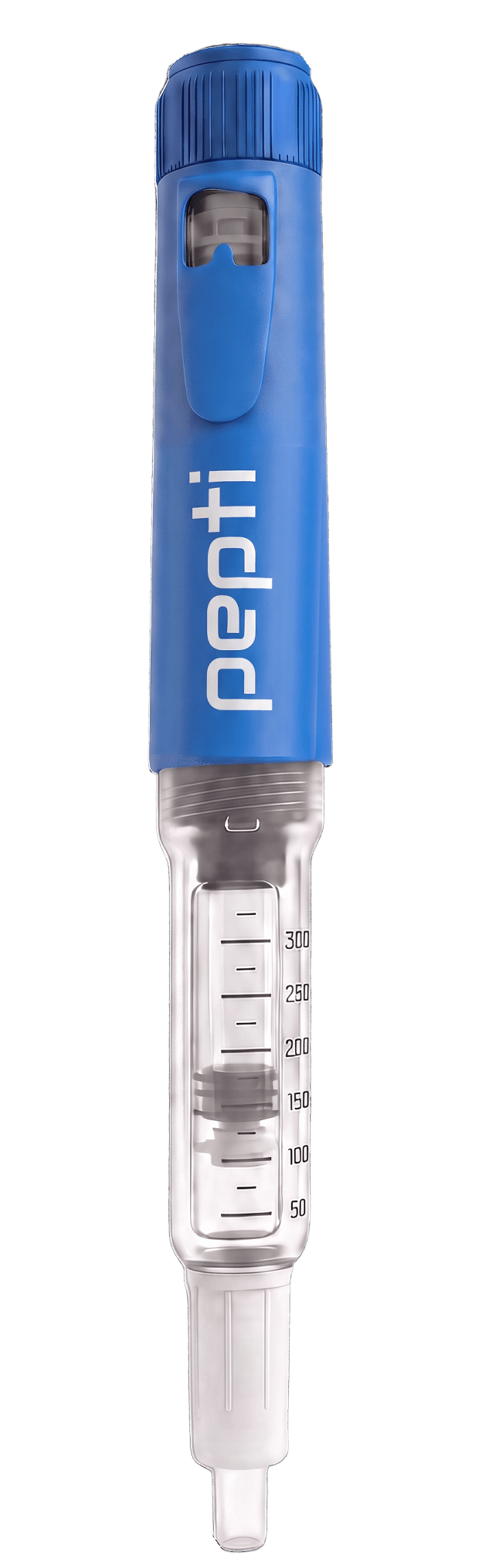
Treatments mentioned
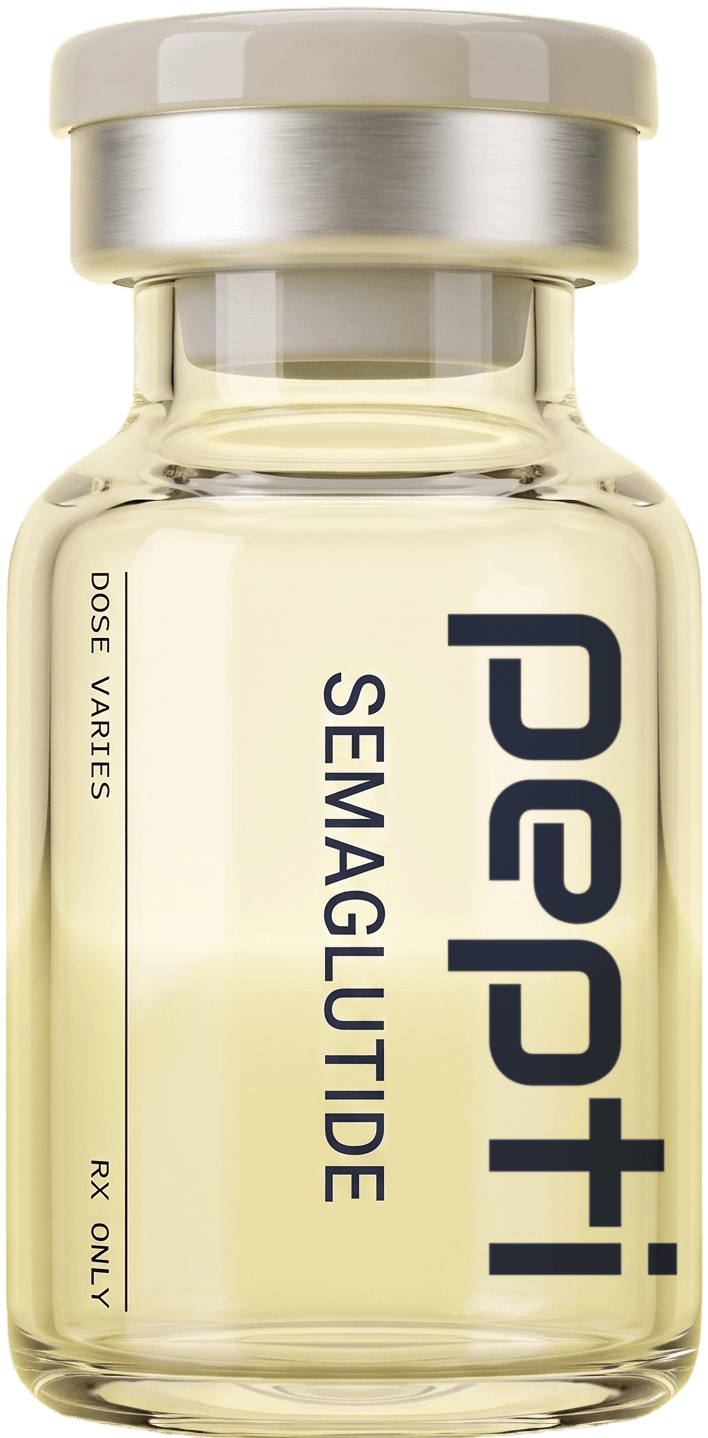
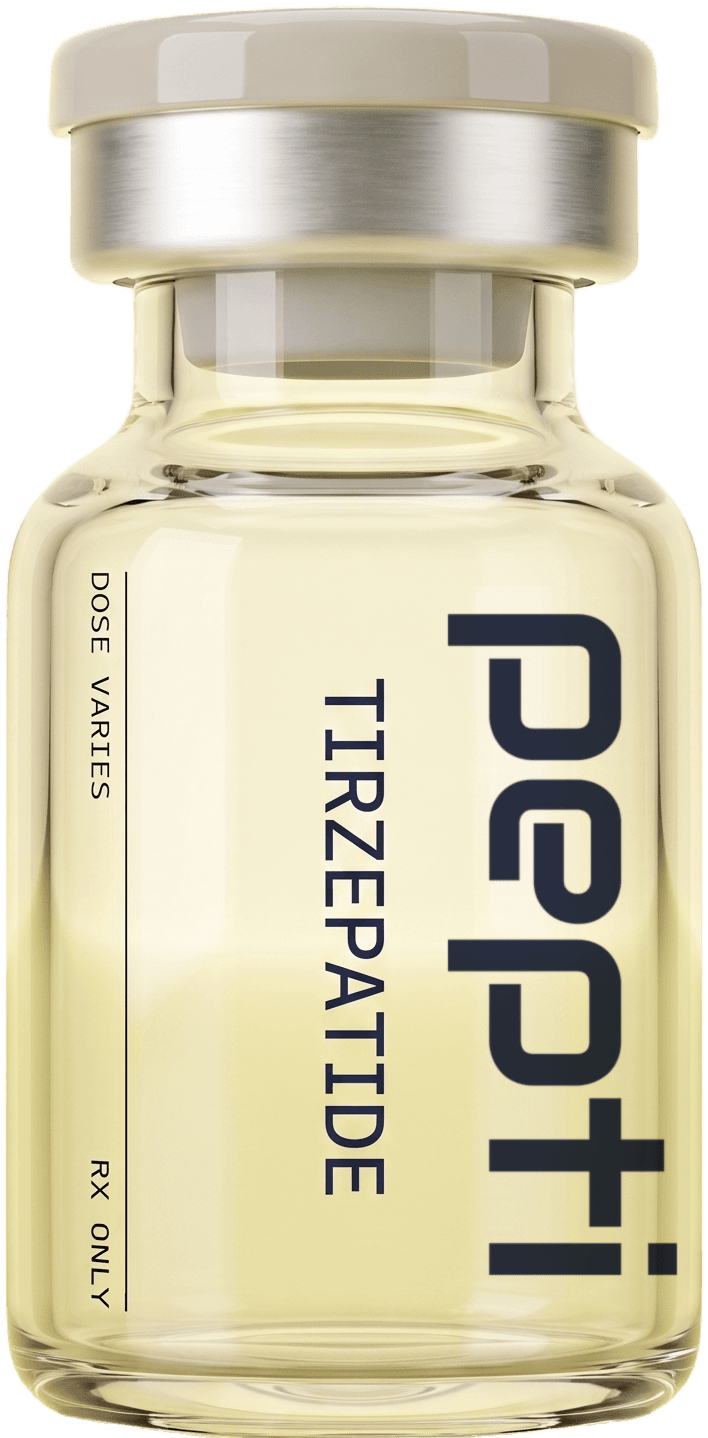
The approach with the most behind it is a daily protein target and resistance training two or three times a week, planned from the start. Training on a GLP-1 needs a little more care around fuel and fluid, because appetite is quiet and dizziness, low blood pressure and fatigue are listed side effects. Dizziness, fainting or a racing heart at rest are reasons to message your care team.
This page covers why exercise matters on a GLP-1, what the trials show about lean mass, how the side effects affect training, how to fuel and hydrate around workouts, and the signs to stop and report. The full side-effect lists are in semaglutide side effects, tirzepatide side effects and GLP-1 side effects.
GLP-1 and Exercise
The short answer
| Question | Answer |
|---|---|
| Is exercise part of GLP-1 treatment? | Yes; the trials and the approved indications pair the medication with diet and activity |
| What kind matters most for lean mass? | Resistance training, two or three times a week |
| Why does it matter? | Weight lost on a GLP-1 includes lean mass as well as fat |
| What goes with it? | A daily protein target set at the start |
| Can you exercise safely on a GLP-1? | Generally yes, with attention to fuel and fluid |
| Side effects that affect training | Dizziness, low blood pressure, fatigue, nausea after a dose step |
| Extra care needed | Insulin or a sulfonylurea, blood-pressure medication, age 75 and over |
| Stop and report | Dizziness, fainting, a racing heart at rest, not keeping fluids down |
The medications this page covers:
| Medication | How it acts | What is in it | Price |
|---|---|---|---|
| Semaglutide | GLP-1 receptor only | Dose-specific vials at six strengths, starting with 1 mg per 1 mL at the 0.25 mg starting dose | From $99/mo, priced by dose |
| Tirzepatide | GIP and GLP-1 receptors | Dose-specific 2 mL vials at six strengths, 2.5 mg to 15 mg; the 2.5 mg and 7.5 mg vials include glycine | From $159/mo, priced by dose |
Prices are all-in: medication, physician review, refill management and shipping, with no membership fee. Both are compounded by PCAB-accredited, FDA-registered US 503A pharmacies. Compounded medications are not FDA approved. The trial findings on this page come from the FDA-approved versions, which contain the same molecules.
GLP-1 and Exercise
Why exercise is part of GLP-1 treatment
The approved semaglutide label, revised in June 2026, carries indications for use in combination with a reduced-calorie diet and increased physical activity, and the approved tirzepatide label, revised in August 2026, is indicated alongside diet and physical activity. Every large trial of both medications ran them that way. A GLP-1 is not a substitute for eating and moving differently; the evidence behind it was built with both in place.
Lean mass is the main reason
Weight lost on a GLP-1 is not all fat. In the STEP 1 body-composition substudy of semaglutide, both fat mass and lean mass fell, though fat fell by more and the proportion of lean mass rose. The tirzepatide label states it lowers body weight with greater fat-mass loss than lean-mass loss; "greater" is not "none."
Losing muscle alongside fat leaves you lighter, weaker and with a lower resting metabolic rate, which is the mechanism behind regain. Appetite suppression this strong also makes under-eating protein the default. Lean mass loss is not a side effect in the regulatory sense, and it is the thing most likely to affect how you feel at the end of treatment.
| Lever | Why it matters |
|---|---|
| Resistance training two or three times a week | The signal telling the body to keep the muscle it has in a deficit |
| A daily protein target set at the start | Protein is what tends to disappear first when appetite falls |
| A sensible rate of change rather than a maximal one | A very large deficit leaves less room to protect lean mass |
| Regular meals even without hunger | Skipping meals is how intake falls further than intended |
Training in a deficit is defensive work
A 2022 meta-analysis and meta-regression in the Scandinavian Journal of Medicine and Science in Sports examined resistance training performed under an energy deficit and reported that the deficit impaired gains in lean mass while strength gains were comparatively preserved. On a GLP-1, training is less about building and more about keeping. The size of the deficit and the adequacy of protein decide how much lean mass survives.
Feeling cold, hair shedding and losing strength session over session are signals that intake has fallen further than intended. None is a reason to stop treatment. All are reasons to tell your care team what you are actually eating.
GLP-1 and Exercise
How GLP-1 side effects affect training
Most GLP-1 side effects are gastrointestinal and cluster in the days after starting and after each dose increase. A few of them bear directly on exercise.
| Side effect | Semaglutide | Placebo | Tirzepatide | Placebo | Why it matters for training |
|---|---|---|---|---|---|
| Nausea | 44% | 16% | 25 to 29% | 8% | Hard sessions can feel worse in the days after a step up |
| Fatigue | 11% | 5% | 5 to 7% | 3% | Lower energy, especially early on |
| Dizziness | 8% | 4% | 4 to 5% | 2% | Risk of light-headedness when standing or after effort |
| Low blood pressure | 1.3% | 0.4% | 1.6% | 0.1% | More likely with dehydration or blood-pressure medication |
| Diarrhea | 30% | 16% | 19 to 23% | 8% | Fluid loss on top of sweat |
| Vomiting | 24% | 6% | 8 to 13% | 2% | Fluid loss; not keeping fluids down is a same-day call |
These rates are from the approved weight-management labels: three placebo-controlled trials in 2,116 adults on semaglutide 2.4 mg for up to 68 weeks, and two in 2,519 adults on tirzepatide 5, 10 or 15 mg for up to 72 weeks. They come from different trials and cannot be compared head to head. Semaglutide's label also lists fainting at 0.8% against 0.2%.
Heart rate
On semaglutide, resting heart rate rose by an average of 1 to 4 beats per minute against placebo, and more people had a rise of 20 beats per minute or more at some visit (26% against 16%). A racing heart at rest is worth reporting.
Low blood sugar
On a GLP-1 alone, low blood sugar is uncommon. The risk rises with insulin or a sulfonylurea, and eating very little adds to it. If you take either, ask your care team how to plan meals around activity before you change your training.
Bones and older adults
In SELECT, hip and pelvis fractures were more frequent on semaglutide in women (1.0% against 0.2%) and in people aged 75 and over (2.4% against 0.6%). Older adults are not excluded, but frailty, bone health and hydration get a closer look over 75, and balance and fall risk are worth raising when you plan exercise.
GLP-1 and Exercise
Fuel and fluid around workouts
These points follow from the mechanism and from clinical experience rather than from trials that randomized GLP-1 users to exercise plans. They are low-risk and sensible.
| Situation | What tends to help |
|---|---|
| Training with little appetite | A small meal with protein beforehand rather than training on nothing |
| Long or hot sessions | Fluid sipped before, during and after; sweat adds to a lower baseline intake |
| The days after a dose step | Lighter sessions if nausea is high; keep the routine rather than abandoning it |
| Dizziness when standing up | Rise slowly, drink, and report it if it continues |
| Large meals before training | Usually sit badly, because the stomach empties slowly |
| Protein after training | Helps meet the daily target that appetite makes easy to miss |
Dehydration matters beyond comfort. Both approved labels describe kidney injury, some needing dialysis, mostly in people whose vomiting or diarrhea led to dehydration. Hard exercise in heat on a day you have eaten and drunk little stacks the same risks. Dark urine, passing little urine or light-headedness on standing are reasons to contact your care team the same day.
Does exercise change how the medication works?
It does not change what the medication does at its receptor. What exercise and protein change is the composition of the weight you lose and how much lean mass you keep. Nobody can promise a particular result from a particular training plan.
GLP-1 and Exercise
Peptides people ask about alongside a GLP-1
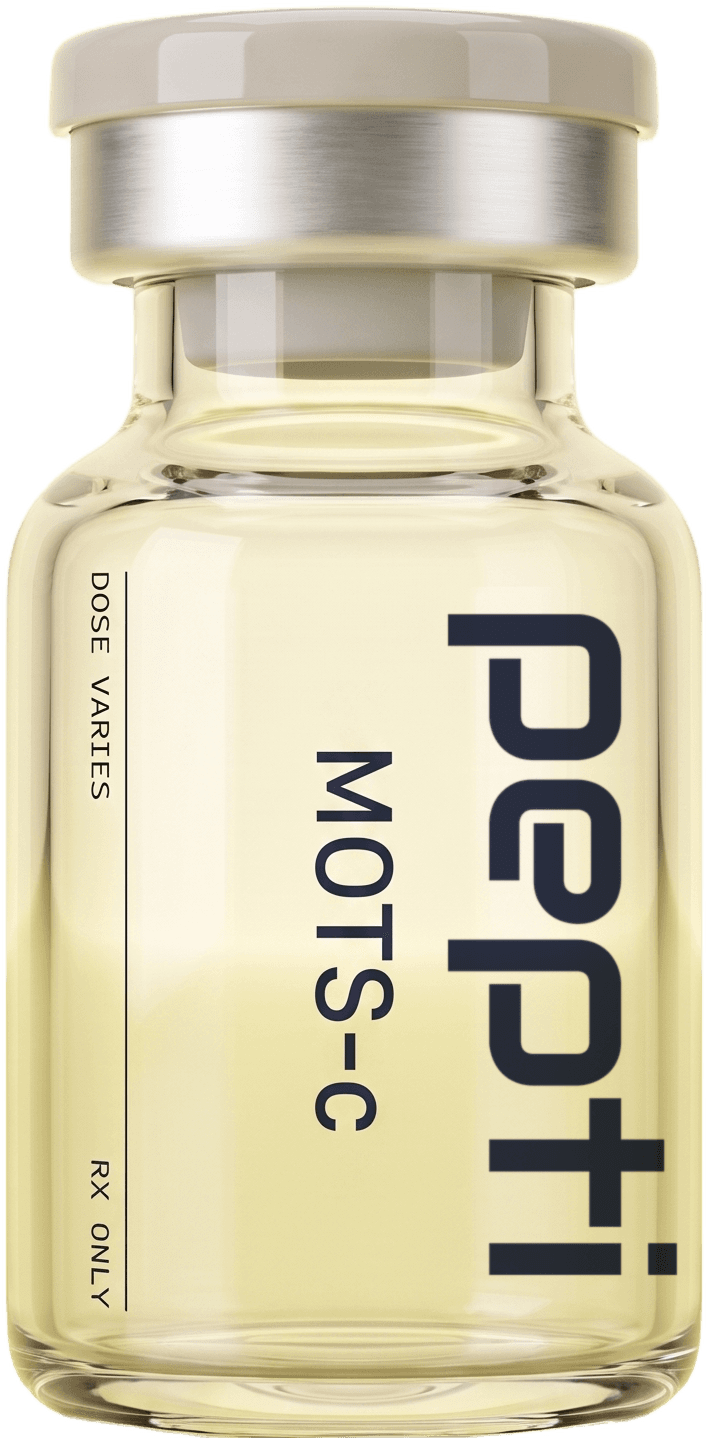
Some prescribers pair a GLP-1 with a second agent aimed at training or lean tissue. MOTS-c, 10 mg in a 5 mL vial at $259/mo, is a mitochondrial-derived peptide; exercise raises the body's own MOTS-c in human muscle and blood (Nature Communications, 2021), and its studied effects are in mice, with no human efficacy trials. L-carnitine, 20 mg in a 10 mL vial at $219/mo, is a cofactor that carries long-chain fatty acids into mitochondria and is described by prescribers around training tolerance; it is injected into muscle. Growth-hormone-axis peptides such as CJC-1295 / Ipamorelin are sometimes added with lean tissue in mind.
No trial shows that any adjunct adds weight loss on top of a GLP-1, and no trial shows that a growth hormone secretagogue preserves lean mass during GLP-1 treatment. Protein and resistance training remain the countermeasures with the most behind them. More is in what peptides can you take with tirzepatide.
GLP-1 and Exercise
Signs to stop and report
| Symptom | What it may be | What to do |
|---|---|---|
| Dizziness or light-headedness that keeps happening | Low fluid, low blood pressure | Message your care team |
| Fainting | Low blood pressure, dehydration or another cause | Contact your care team the same day; call 911 if you do not recover quickly or are injured |
| A racing heart at rest | Heart-rate rise | Message your care team |
| Shakiness, sweating, confusion with insulin or a sulfonylurea | Low blood sugar | Treat it, then report it |
| Not keeping fluids down, dark urine, little urine | Dehydration, with a risk to the kidneys | Contact your care team the same day |
| Chest pain, trouble breathing, swelling of the face or throat | An emergency | Call 911 |
| Severe, persistent abdominal pain, sometimes into the back | Possible pancreatitis | Seek medical care the same day |
GLP-1 and Exercise
Exercise and the dose ladder
| Point in treatment | What patients commonly describe |
|---|---|
| First weeks on the starting dose | Appetite falls; a good time to set the protein target and training routine |
| First days after each step up | Nausea and fatigue can make hard sessions harder |
| Weeks at the same strength | Side effects usually ease and training feels more normal |
| Long-term treatment | Protein, training and the dose are reviewed together at plateaus |
If side effects are getting in the way of eating or training, tell your care team before the next step. Your physician sets your directions after reviewing how you are doing, and they are printed on the vial. Never change your own dose.
Bloodwork is not required for any Pepti treatment. If your physician wants labs for your care, they'll ask through your account.
GLP-1 and Exercise
What the evidence shows, honestly
The case for pairing a GLP-1 with exercise rests on solid ground: the approved indications and every large trial include diet and activity, and body-composition data show lean mass falls along with fat. The 2022 meta-analysis on resistance training in a deficit supports protecting lean mass with training and adequate intake.
The limits: no GLP-1 trial randomized people to different exercise plans, so there is no tested best routine. The trial data belong to the FDA-approved versions; a compounded vial has the same molecule but has not been trialed. The fueling and hydration advice is sensible but untested in GLP-1 trials, and the evidence for adjunct peptides is thin. Any claim that a specific workout or supplement makes a GLP-1 work better has no trial behind it. More is in why am I not losing weight on semaglutide and best peptides for weight loss.
GLP-1 and Exercise
Where to get a GLP-1 prescribed
GLP-1 medications cannot be bought legitimately without a prescription. Products sold "for research use only" have no accountable pharmacy behind their identity, purity, sterility or concentration. The prescription route:
- Complete a free online intake covering your history, medications and what you want help with.
- A physician licensed in your state reviews it, usually within 24 hours.
- If it is appropriate, a state-licensed, FDA-registered US pharmacy compounds it to that prescription. Lot test results are published at /quality/lab-results.
- It ships refrigerated with ice packs, with sterile syringes and alcohol prep pads, and your directions printed on the vial.
- Your care team stays reachable for side effects and dose questions. Refills run every 28 days, one vial per fill.
Pepti is cash-pay and does not bill insurance. Step-by-step pages: how to get semaglutide prescribed online and how to get tirzepatide prescribed online.
References
What this is based on.
References
- Wilding JPH, Batterham RL, Calanna S, et al.. Once-Weekly Semaglutide in Adults with Overweight or Obesity (STEP 1) · New England Journal of Medicine (2021) · PMID 33567185
- Lincoff AM, Brown-Frandsen K, Colhoun HM, et al.. Semaglutide and Cardiovascular Outcomes in Obesity without Diabetes (SELECT) · New England Journal of Medicine (2023) · PMID 37952131
- Wadden TA, Bailey TS, Billings LK, et al.. Effect of subcutaneous semaglutide vs placebo as an adjunct to intensive behavioral therapy on body weight in adults with overweight or obesity (STEP 3) · JAMA (2021) · PMID 33625476
- Rubino D, Abrahamsson N, Davies M, et al.. Effect of Continued Weekly Subcutaneous Semaglutide vs Placebo on Weight Loss Maintenance in Adults With Overweight or Obesity: The STEP 4 Randomized Clinical Trial · JAMA (2021) · PMID 33755728
- Marso SP, Bain SC, Consoli A, et al.. Semaglutide and Cardiovascular Outcomes in Patients with Type 2 Diabetes (SUSTAIN-6) · New England Journal of Medicine (2016) · PMID 27633186
- Davies M, Færch L, Jeppesen OK, et al.. Semaglutide 2.4 mg once a week in adults with overweight or obesity, and type 2 diabetes (STEP 2): a randomised, double-blind, double-dummy, placebo-controlled, phase 3 trial · The Lancet (2021) · PMID 33667417
- Garvey WT, Batterham RL, Bhatta M, et al.. Two-year effects of semaglutide in adults with overweight or obesity: the STEP 5 trial · Nature Medicine (2022) · PMID 36216945
- Rubino DM, Greenway FL, Khalid U, et al.. Effect of Weekly Subcutaneous Semaglutide vs Daily Liraglutide on Body Weight in Adults With Overweight or Obesity Without Diabetes: The STEP 8 Randomized Clinical Trial · JAMA (2022) · PMID 35015037
- Aronne LJ, Horn DB, le Roux CW, et al.. Tirzepatide as Compared with Semaglutide for the Treatment of Obesity (SURMOUNT-5) · New England Journal of Medicine (2025) · PMID 40353578
- Sanyal AJ, Newsome PN, Kliers I, et al.. Phase 3 Trial of Semaglutide in Metabolic Dysfunction-Associated Steatohepatitis (ESSENCE) · New England Journal of Medicine (2025) · PMID 40305708
- Wilding JPH, Batterham RL, Davies M, Van Gaal LF, Kandler K et al.. Weight regain and cardiometabolic effects after withdrawal of semaglutide: The STEP 1 trial extension · Diabetes Obes Metab (2022) · PMID 35441470
- Batsis JA, Gavras A, Gross DC, Cheever CR, Da Silva BR et al.. Effect of Incretin-Based and Nonpharmacologic Weight Loss on Body Composition: A Systematic Review · Ann Intern Med (2026) · PMID 41996180
Citations are provided for educational purposes. They do not constitute medical advice. Always discuss any peptide protocol with your prescribing physician.
Common questions
GLP-1 and Exercise, answered.
Weight usually changes without it for people who respond, but the composition of that change will be worse. Resistance training and adequate protein are what protect lean mass while you lose fat, and the approved indications pair the medication with increased physical activity.
Resistance training two or three times a week is the form with the most behind it for keeping lean mass. Walking and other activity help too. No GLP-1 trial tested one routine against another, so there is no single best plan.
Some lean tissue is lost alongside fat in essentially everyone losing weight. In the STEP 1 body-composition substudy, fat fell by more than lean mass, but both fell. A protein target and resistance training are the countermeasures, and they belong in the plan from week one.
Fatigue and dizziness are listed side effects on both labels, and eating and drinking less adds to them. A small meal with protein before training and fluid through the day are the general first steps. If it keeps happening, or you faint, contact your care team.
Nothing on the labels rules it out. Many people find the days after a dose increase harder because nausea peaks then, and a lighter session that keeps the routine going is often easier than skipping.
Training on nothing tends to bring on light-headedness when appetite is already low. A small meal with protein, rather than a large one, tends to sit better because the stomach empties slowly.
Hard sessions can feel worse in the days after a step up, and sweat adds to fluid loss if you are vomiting or have diarrhea. Keep fluids up, and report not keeping fluids down the same day.
Yes, and lifting is encouraged for lean mass. If you compete under anti-doping rules, check your own sport's current rules and tell your physician before adding any other peptide.
Regular movement, including walking, is one of the standard measures alongside fluid and fiber. If constipation does not respond, message your care team and name it specifically.
Insulin or a sulfonylurea alongside a GLP-1 raises low blood sugar risk, and exercise with little food on board adds to it. Ask your care team how to plan around activity before changing your training. The free assessment goes to a physician licensed in your state. A consultation does not guarantee a prescription.
Related answers
Keep reading.
- What Is a GLP-1? Meaning, How GLP-1 Medications Work, and the List by Generic Name
- GLP-1 and the Gallbladder: Gallstone Risk on Semaglutide and Tirzepatide and the Symptoms to Act On
- GLP-1s and Your Kidneys: What Semaglutide and Tirzepatide Labels Say
- GLP-1s for Older Adults: What the Trials Show After 65 and 75
- GLP-1s and Pancreatitis: How Often It Happens and the Signs to Know
Next step
See what a physician recommends for you.
A licensed physician in your state reviews your intake to see whether treatment fits your history. A consultation does not guarantee a prescription.