Anti-Aging · Reference
SS-31 vs Glutathione: Targeted Mitochondrial Peptide vs the Body's Main Antioxidant
SS-31 and glutathione are both described around oxidative stress, but they work at very different scales: glutathione is the general antioxidant every cell makes, and SS-31 is a targeted peptide that protects one structure inside mitochondria.
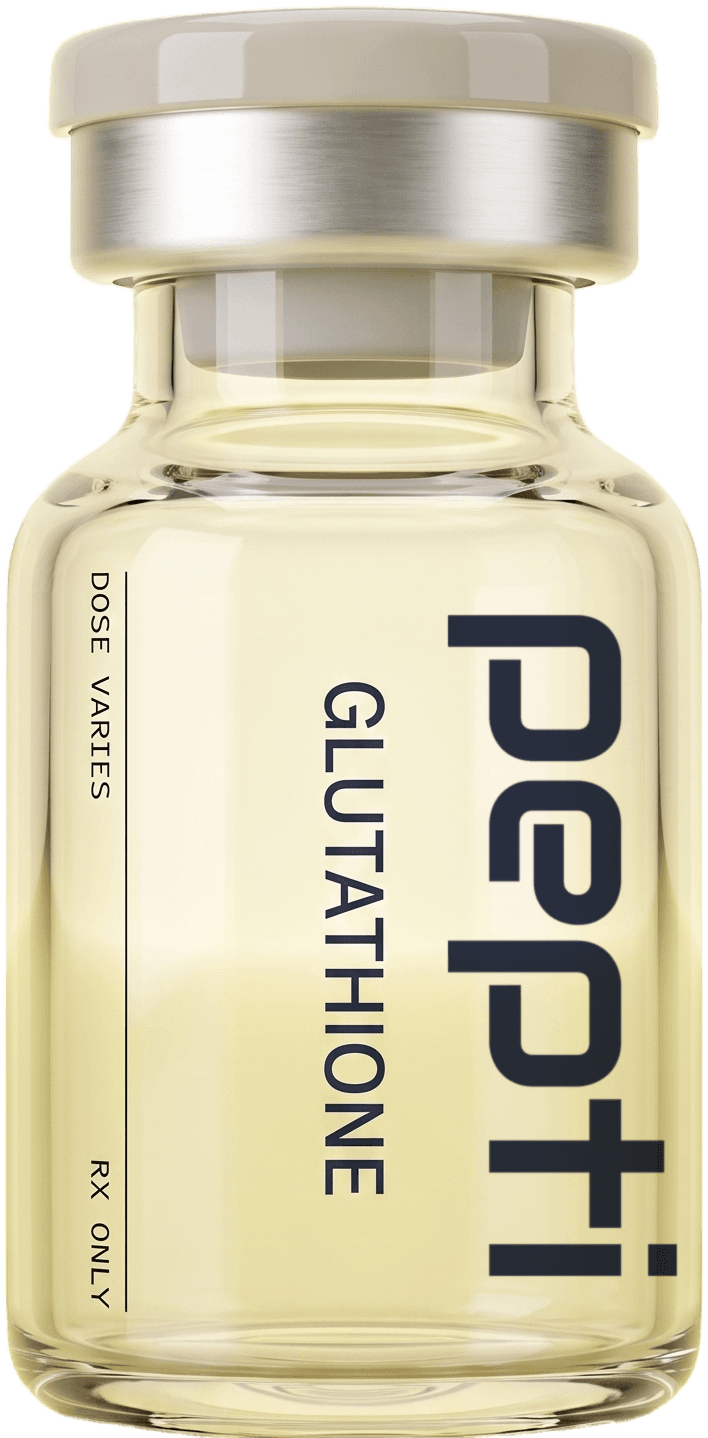
Treatments mentioned
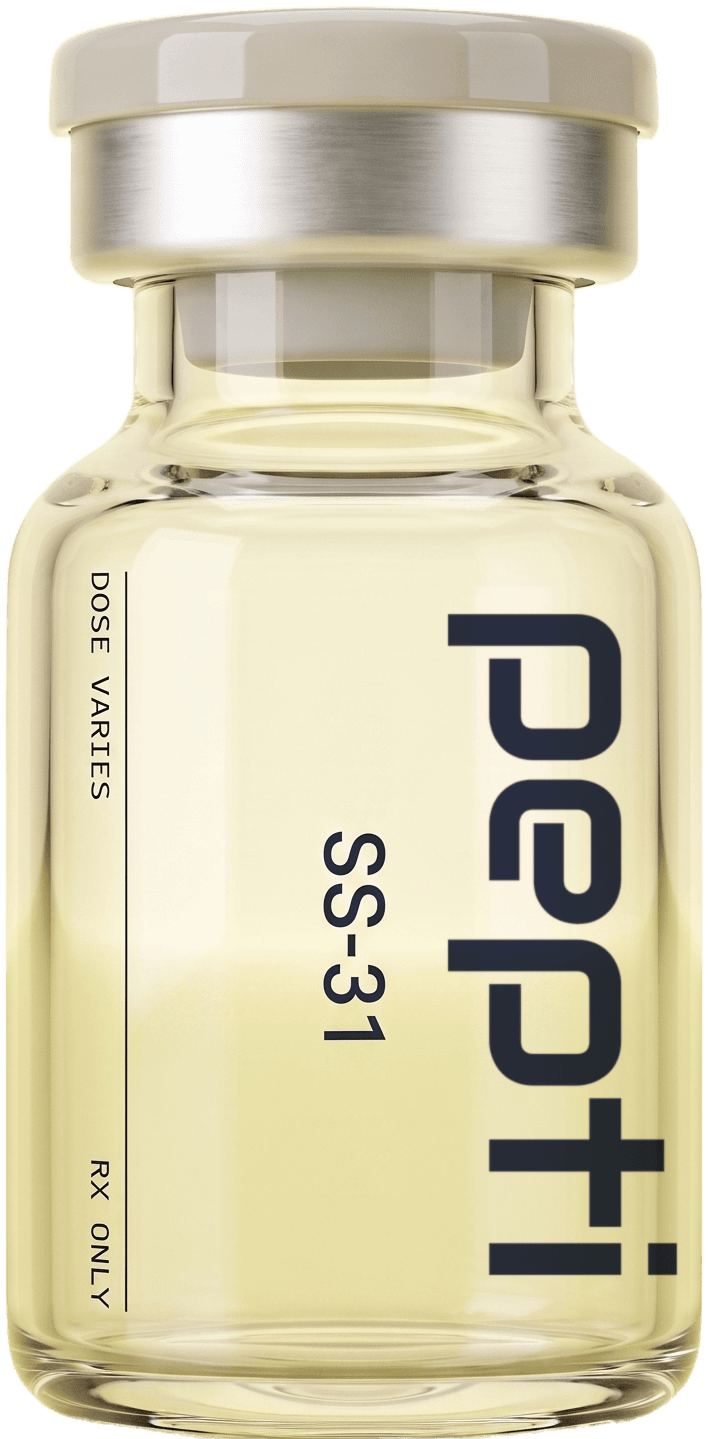
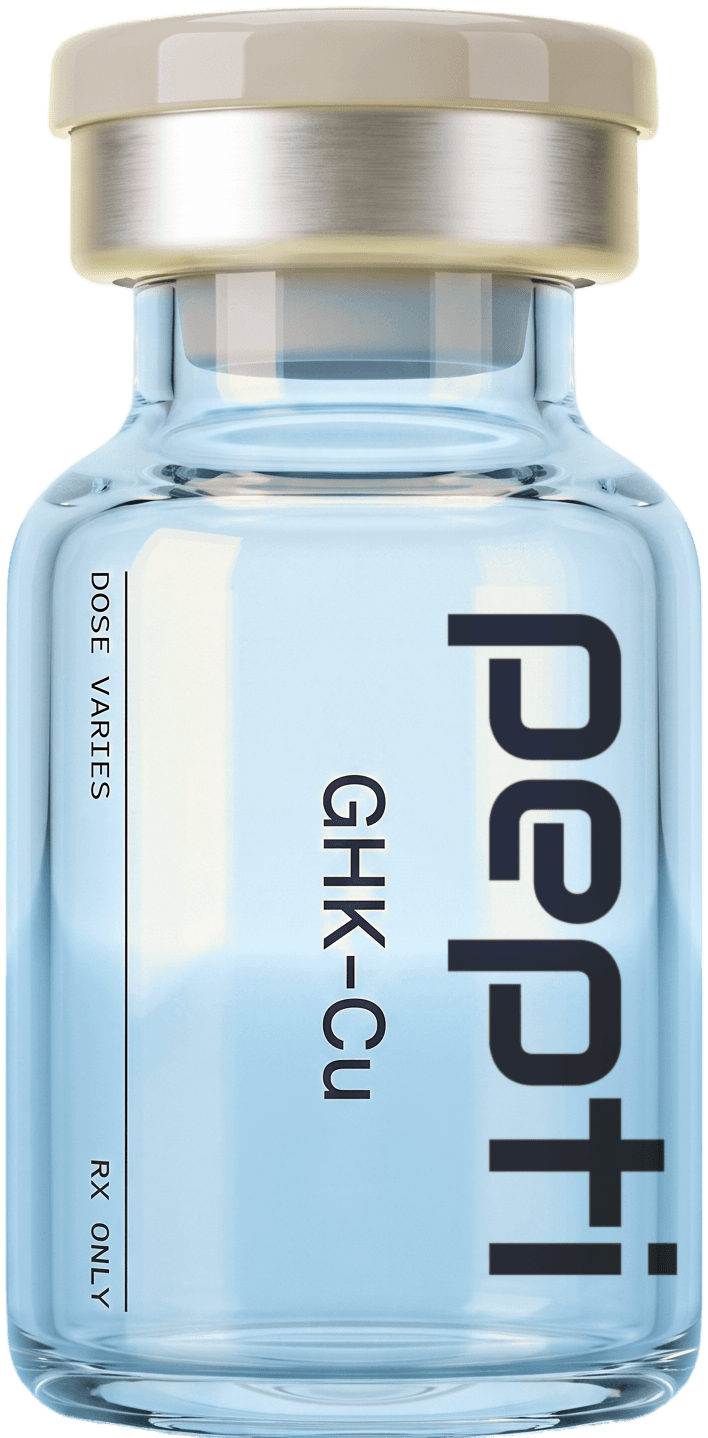
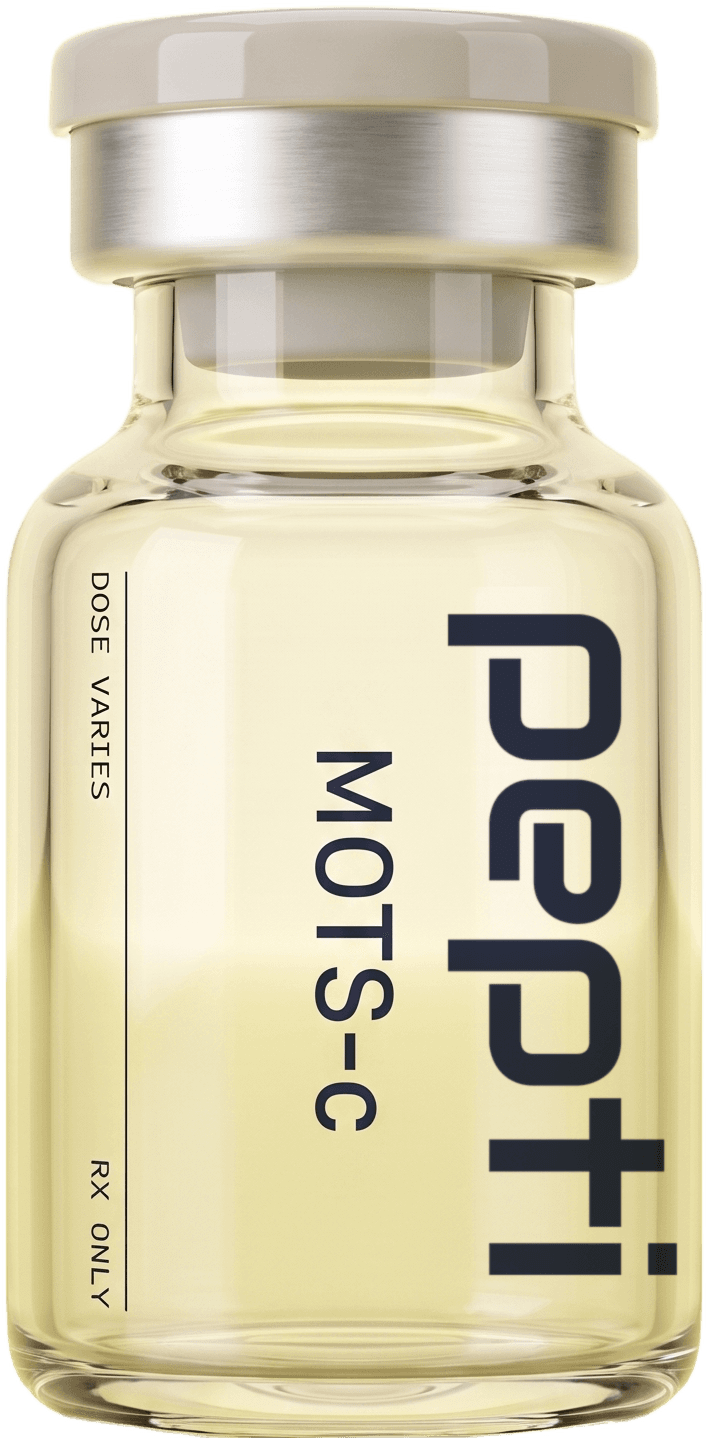
Glutathione is a three-amino-acid molecule present in every nucleated cell, which neutralizes reactive oxygen species directly and powers the enzymes that clear peroxides and drug metabolites; it has randomized human trials by mouth, by vein, by nose and on the skin, but none by subcutaneous injection. SS-31 (elamipretide) is a four-amino-acid peptide that binds cardiolipin in the inner mitochondrial membrane and is described as preventing one source of oxidative damage rather than mopping up afterwards; it has randomized trials in four diseases that mostly missed their primary endpoints. Glutathione is the broad, lower-cost option; SS-31 is the targeted mitochondrial one. Both are compounded prescriptions at Pepti, and compounded medications are not FDA approved.
This page explains each on its own terms, puts them side by side, covers what the research does and does not show, where each stands with the FDA, how each is dosed, what each costs, and who tends to suit which.
SS-31 vs Glutathione
The short answer
| If your main goal is | The usual prescription | What is in it | Price |
|---|---|---|---|
| General oxidative load, at the lower cost | Glutathione | 1000 mg glutathione in a 5 mL vial | $199/mo |
| Mitochondrial function specifically | SS-31 | 10 mg SS-31 in a 5 mL vial | $249/mo |
| Cellular energy with human study data | NAD+ Injection | 1000 mg NAD+ in a 10 mL vial | $249/mo |
| A mitochondrial peptide described around metabolic signalling | MOTS-c | 10 mg MOTS-c in a 5 mL vial | $259/mo |
| Skin, if that is the real goal | GHK-Cu | 50 mg GHK-Cu in a 5 mL vial | $239/mo |
Every figure is an all-in monthly price covering the medication, physician review, refill management and shipping, with no separate membership fee. Pepti is cash-pay and does not bill insurance. Current pricing always lives on each product page.
SS-31 vs Glutathione
Glutathione on its own terms
What it is
Glutathione is three amino acids joined together: glutamate, cysteine and glycine. Every nucleated cell makes it, and it sits inside cells at high concentrations, the most abundant small thiol in the body. Unlike most compounds on this site it does not bind a receptor; it is a working molecule, consumed and regenerated continuously. The active form is reduced glutathione (GSH); when it neutralizes a reactive species it becomes glutathione disulfide (GSSG), and an enzyme, glutathione reductase, converts it back using NADPH. Pepti's injection is the reduced form. The full reference is what is glutathione.
How glutathione is described to work
- Direct scavenging. The cysteine in glutathione donates an electron to peroxides and radicals, which is what most people mean by "antioxidant."
- Enzyme cofactor. Glutathione peroxidases use it to break down peroxides, and glutathione S-transferases attach it to reactive drug metabolites and toxicants so they can be excreted. This is the precise meaning of "detoxification": acetaminophen overdose becomes dangerous when liver glutathione runs out.
- Immune cells. Lymphocyte function depends on intracellular glutathione, and two oral trials used natural killer cell activity as an endpoint.
The biochemistry is established in human tissue. Whether giving more from outside changes anything, and by which route, is a separate question.
What human data exists for glutathione
Randomized human trials exist by four routes, and their results differ by route. Orally, a 2015 six-month randomized trial in the European Journal of Nutrition reported higher body stores at the larger dose, back to baseline a month after stopping, while a 2011 four-week trial found no change. Intravenously, a 2009 placebo-controlled pilot in Parkinson's disease in Movement Disorders found no significant difference from placebo, and a 1995 trial in the Journal of Clinical Oncology reported less nerve injury in patients receiving cisplatin. Intranasal and topical trials exist too. There are no randomized controlled trials of subcutaneous glutathione, the route Pepti uses. Glutathione benefits covers this in detail.
SS-31 vs Glutathione
SS-31 on its own terms
What it is
SS-31 is a tetrapeptide in an alternating aromatic and positively charged pattern that lets it cross cell membranes and concentrate on the inner mitochondrial membrane, even in mitochondria that are struggling. It was developed by Hazel Szeto and Peter Schiller; its development code was MTP-131 and its generic name is elamipretide. The full reference is what is SS-31.
How SS-31 is described to work
- Binding cardiolipin. A 2013 paper in the Journal of the American Society of Nephrology showed high-affinity binding to cardiolipin, the lipid that holds the inner membrane's folds (the cristae) in shape. In rat kidneys deprived of blood flow, pre-treatment kept the cristae from collapsing.
- Preventing one source of oxidative damage. When cytochrome c binds oxidized cardiolipin it starts oxidizing the membrane in a self-reinforcing loop. The SS-31 and cardiolipin complex was reported to block that while leaving cytochrome c's normal job intact. This is the specific sense in which SS-31 "reduces reactive oxygen species": preventing one source rather than cleaning up afterwards.
- Faster recovery of energy production. With the cristae protected, the animal work reports faster ATP recovery after an energy deficit.
The SS-31 reference is explicit that it is not a general antioxidant.
What human data exists for SS-31
Randomized, double-blind, placebo-controlled trials at 40 mg daily in Barth syndrome, primary mitochondrial myopathy, heart failure and dry macular degeneration. The randomized primary endpoints were missed in every one, including a clean negative in MMPOWER-3, the 218-person phase 3. The positive findings are sustained open-label improvements in Barth syndrome over 168 weeks, a short-term fatigue signal, and a secondary retinal endpoint. A branded version received FDA accelerated approval in September 2025 for muscle strength in Barth syndrome only. There are no randomized trials in healthy adults. SS-31 benefits covers this in detail.
SS-31 vs Glutathione
Head to head
| Glutathione | SS-31 (elamipretide) | |
|---|---|---|
| Size | 3 amino acids | 4 amino acids |
| Does the body make it? | Yes, every nucleated cell | No, it is synthetic |
| Where it works | Throughout the cell, and as an enzyme cofactor | One site: cardiolipin on the inner mitochondrial membrane |
| How it handles oxidative stress | Neutralizes reactive species directly and is regenerated | Prevents one source of oxidative damage at its origin |
| Other described roles | Detoxification enzymes, immune-cell function | Holding cristae in shape, energy recovery |
| Human trials | Randomized trials by mouth, vein, nose and skin; none subcutaneous | Randomized trials in four diseases by subcutaneous injection; primaries missed |
| Approval anywhere | Not an FDA-approved drug product | Branded elamipretide approved for Barth syndrome only |
| FDA compounding status | 503A Category 1, under evaluation | A component of an approved drug since September 2025 |
| Vial at Pepti | 5 mL, 200 mg/mL (1000 mg) | 5 mL, 2 mg/mL (10 mg) |
| Typical directions | 0.41 mL (41 units) three times a week | 0.25 mL (25 units) Monday to Friday mornings |
| Amount per dose | 82 mg | 0.5 mg |
| Doses per vial | 12, about 4 weeks | 20, about 4 weeks |
| Price at Pepti | $199 a month | $249 a month |
Broad cleanup versus a targeted shield
Think of the mitochondrion as the place where most of a cell's reactive oxygen species leak out. Glutathione is the general cleanup crew across the whole cell, used up as it works and regenerated. SS-31 is not a cleaner at all; it is described as sitting on the inner membrane and stopping one particular damaging reaction from starting. That is why the SS-31 reference sends readers to glutathione when "oxidative load is the concern rather than energy production," and the glutathione reference sends readers to SS-31 when "mitochondrial function specifically" is the goal. Each is the other's honest alternative.
Milligrams do not compare
An 82 mg glutathione dose and a 0.5 mg SS-31 dose are not stronger and weaker versions of the same thing. Glutathione is a bulk working molecule present in cells at high concentrations; SS-31 is a targeted peptide that binds one lipid. The numbers measure different things.
SS-31 vs Glutathione
Who suits which
Glutathione
Glutathione is the usual conversation when the reason for prescribing is general oxidative burden, it is the lower-cost option, and it has the broader human literature by other routes. It is injected three times a week. If skin tone is the interest, the pigmentation trials are oral and topical, there is no controlled evidence for injected glutathione and skin tone, and Pepti does not prescribe it for skin lightening.
SS-31
SS-31 is the usual conversation when the interest is mitochondrial function itself, such as post-exertional fatigue, and the person wants the compound with a mitochondria-specific mechanism and a human trial programme, understanding those trials were in diseases and mostly missed their goals. Morning dosing on weekdays is the usual direction.
Can you take SS-31 and glutathione together?
They act at different points and no study has tested them together. Whether a combination fits you is set by your physician after reviewing your intake.
SS-31 vs Glutathione
When neither is the right first step
| Situation | What makes more sense |
|---|---|
| Fatigue with an ordinary explanation | Iron, thyroid, B12, sleep and testosterone explain far more tiredness than mitochondria do |
| You would rather start by mouth | The strongest controlled evidence for correcting low glutathione used oral glycine plus N-acetylcysteine in older adults |
| Barth syndrome or a diagnosed mitochondrial disease | The approved elamipretide product through a specialist |
| Immune support is the reason | Thymosin alpha-1 has a much larger human evidence base there |
| Skin is the priority | GHK-Cu is aimed at skin more directly |
SS-31 vs Glutathione
Where each stands with the FDA
| Glutathione | SS-31 (elamipretide) | |
|---|---|---|
| Approved product | None; glutathione injection is not an FDA-approved drug product | Branded elamipretide, accelerated approval on 19 September 2025, Barth syndrome only |
| 503A status | Category 1, "Bulk Drug Substances Under Evaluation," as of the FDA's 14 May 2026 document | Eligible as a component of an approved drug, subject to the "essentially a copy" rule |
| Category 2 history | Never listed | Never listed |
| FDA alert | 2019 compounding alert about a dietary-supplement-grade powder with bacterial endotoxin, an ingredient-sourcing problem | None |
Both compounded vials are not FDA-approved drug products, and compounded medications never are. The 2019 glutathione alert concerned one repackager's non-pharmaceutical powder used for intravenous injections, not glutathione as a molecule; how Pepti's pharmacies handle sourcing is on the quality page. Are peptides FDA approved explains the difference between not approved and not legal.
SS-31 vs Glutathione
Dosing, side by side
Both are injected under the skin (subcutaneously) into the abdomen or thigh, rotating sites. They are not on the same schedule, and the vials are very different strengths. This is math only, for reading a label:
| Glutathione | SS-31 | |
|---|---|---|
| Directions printed on the vial | Inject 0.41 mL (41 units) subcutaneously three times per week | Inject 0.25 mL (25 units) subcutaneously Monday through Friday mornings |
| Concentration | 200 mg/mL | 2 mg/mL |
| Amount per dose | 82 mg (200 mg/mL x 0.41 mL) | 0.5 mg (2 mg/mL x 0.25 mL) |
| Total in the vial | 1000 mg in 5 mL | 10 mg in 5 mL |
| Doses per vial | 12 whole doses | 20 |
| Time per vial | 4 weeks at 3 doses a week | 4 weeks at 5 doses a week |
On a U-100 insulin syringe, 1 unit is 0.01 mL. Never carry a units number from one product to another; 25 units of glutathione would hold 50 mg, not 0.5 mg. Your physician sets your directions after reviewing your intake, and they are printed on the vial. Glutathione must never be injected into a vein; the intravenous trials used gram-level doses that cleared within an hour, a different thing from a small subcutaneous dose. The SS-31 trials used 40 mg daily, far above a compounded dose. Refills run every 28 days, one vial per fill, shipped refrigerated with ice packs, sterile syringes and alcohol prep pads. More in glutathione dosage and SS-31 dosage.
SS-31 vs Glutathione
Side effects
Glutathione. An unusually deep tolerability record for a compounded injectable: the 2009 intravenous trial reported adverse events similar to placebo at far higher doses. Reported with subcutaneous use: injection-site redness, mild soreness, occasional bruising, and in some people brief light-headedness or nausea. Fever, chills or shaking shortly after a dose are not expected and need a same-day message to your care team. Mention asthma, because inhaled glutathione has been reported to provoke bronchospasm. More in glutathione side effects.
SS-31. Injection-site reactions dominate every trial, usually mild: itching, pain, bruising and redness, reported in most participants. The approved product's label warns of hypersensitivity reactions, including serious allergic reactions, and reduces the dose in severe kidney impairment. More in SS-31 side effects.
For either, message your care team about anything that persists or worries you. Call 911 for facial or throat swelling, hives beyond the injection site or difficulty breathing.
SS-31 vs Glutathione
Who should not take either, or should discuss it first
| Situation | Why |
|---|---|
| Asthma | Inhaled glutathione has been reported to provoke bronchospasm |
| Severe kidney impairment | The approved SS-31 label reduces the dose |
| Prior allergic reaction to a peptide injection | SS-31's label warns of hypersensitivity |
| Many regular medications | Glutathione is a cofactor in the metabolism of many drugs, and neither has an established interaction list |
| Pregnancy or breastfeeding | Not used; safety data is absent |
| Tested athletes | Check your sport's current prohibited list before starting |
SS-31 vs Glutathione
What the evidence shows, honestly
Glutathione has controlled human trials by every route except the one Pepti uses; oral glutathione probably raises body stores over months, the controlled Parkinson's trials did not separate from placebo, and whether a subcutaneous dose raises tissue glutathione has not been measured. SS-31 has a precise mitochondrial mechanism and a substantial human trial programme that mostly missed its primary endpoints, at a dose far above a compounded vial. Neither has a trial in healthy adults for energy, aging or wellness. A provider who says subcutaneous glutathione "works like an IV" is extrapolating, and so is one who presents SS-31 as shown to boost energy.
SS-31 vs Glutathione
Where to get SS-31 or glutathione prescribed
Neither can be bought legitimately without a prescription. Sites selling them "for research use only" are not accountable for identity, purity, sterility or concentration, and the 2019 glutathione alert is a reminder of why ingredient grade matters. The prescription route:
- Complete a free online intake covering your history, medications and what you want help with.
- A physician licensed in your state reviews it, usually within 24 hours.
- If it is appropriate, a PCAB-accredited, FDA-registered US 503A compounding pharmacy prepares it to that prescription. Lot test results are published at /quality/lab-results.
- It ships refrigerated with your directions printed on the vial.
- Your physician stays reachable for questions and dose changes.
Step-by-step pages: how to get glutathione prescribed online and how to get SS-31 prescribed online.
References
What this is based on.
References
- Richie JP Jr, Nichenametla S, Neidig W et al.. Randomized controlled trial of oral glutathione supplementation on body stores of glutathione · Eur J Nutr (2015) · PMID 24791752
- Allen J, Bradley RD. Effects of oral glutathione supplementation on systemic oxidative stress biomarkers in human volunteers · J Altern Complement Med (2011) · PMID 21875351
- Sinha R, Sinha I, Calcagnotto A et al.. Oral supplementation with liposomal glutathione elevates body stores of glutathione and markers of immune function · Eur J Clin Nutr (2018) · PMID 28853742
- Witschi A, Reddy S, Stofer B, Lauterburg BH. The systemic availability of oral glutathione · Eur J Clin Pharmacol (1992) · PMID 1362956
- Aebi S, Assereto R, Lauterburg BH. High-dose intravenous glutathione in man. Pharmacokinetics and effects on cyst(e)ine in plasma and urine · Eur J Clin Invest (1991) · PMID 1907548
- Arjinpathana N, Asawanonda P. Glutathione as an oral whitening agent: a randomized, double-blind, placebo-controlled study · J Dermatolog Treat (2012) · PMID 20524875
- Weschawalit S, Thongthip S, Phutrakool P, Asawanonda P. Glutathione and its antiaging and antimelanogenic effects · Clin Cosmet Investig Dermatol (2017) · PMID 28490897
- Watanabe F, Hashizume E, Chan GP, Kamimura A. Skin-whitening and skin-condition-improving effects of topical oxidized glutathione: a double-blind and placebo-controlled clinical trial in healthy women · Clin Cosmet Investig Dermatol (2014) · PMID 25378941
- Sonthalia S, Daulatabad D, Sarkar R. Glutathione as a skin whitening agent: Facts, myths, evidence and controversies · Indian J Dermatol Venereol Leprol (2016) · PMID 27088927
- Sechi G, Deledda MG, Bua G et al.. Reduced intravenous glutathione in the treatment of early Parkinson's disease · Prog Neuropsychopharmacol Biol Psychiatry (1996) · PMID 8938817
- Hauser RA, Lyons KE, McClain T, Carter S, Perlmutter D. Randomized, double-blind, pilot evaluation of intravenous glutathione in Parkinson's disease · Mov Disord (2009) · PMID 19230029
- Mischley LK, Lau RC, Shankland EG, Wilbur TK, Padowski JM. Phase IIb Study of Intranasal Glutathione in Parkinson's Disease · J Parkinsons Dis (2017) · PMID 28436395
Citations are provided for educational purposes. They do not constitute medical advice. Always discuss any peptide protocol with your prescribing physician.
Common questions
SS-31 vs Glutathione, answered.
They do different jobs. Glutathione is the general antioxidant every cell uses; SS-31 is described as protecting one structure inside mitochondria. SS-31 has disease trials by the injected route that mostly missed their primary endpoints; glutathione has trials by other routes but none subcutaneous. No study has compared them.
Not in the general sense. It is described as preventing one specific source of oxidative damage, at cardiolipin in the inner mitochondrial membrane, rather than neutralizing reactive species throughout the cell the way glutathione does.
Yes, a very small one: a tripeptide of glutamate, cysteine and glycine. Unlike most peptides it does not act on a receptor; it is a working molecule that is consumed and regenerated. Is glutathione a peptide explains more.
No study has tested the combination. They act at different points. Whether a combination fits you is set by your physician after reviewing your intake.
Neither has trial evidence for energy in healthy adults. SS-31 had a short-term fatigue signal in one small trial in mitochondrial myopathy, and the larger phase 3 found no fatigue difference. Glutathione has no fatigue trials of its own. Ordinary causes of tiredness are worth ruling out first.
There is no controlled evidence that it does. The pigmentation trials are oral and topical, small and short. Pepti does not prescribe glutathione for skin lightening.
Because they are different kinds of molecule. Glutathione is a bulk antioxidant present in cells at high concentrations; SS-31 is a targeted peptide. The milligram figures are not comparable.
At Pepti, glutathione is $199 a month and SS-31 is $249 a month, all-in, including medication, physician review, refill management and shipping.
A branded elamipretide product has FDA accelerated approval for Barth syndrome only. Glutathione injection is not an FDA-approved drug product and sits in the FDA's 503A Category 1 under evaluation. Compounded medications, including both of Pepti's vials, are not FDA approved.
Neither has a timeline in healthy adults. The oral glutathione trial that raised body stores ran six months; the SS-31 trials ran four to 48 weeks in people with specific diseases. Neither tells you when, or whether, you would notice anything.
No. Bloodwork is not required for any Pepti treatment. If your physician wants labs for your care, they'll ask through your account. The free assessment goes to a physician licensed in your state. A consultation does not guarantee a prescription.
Related answers
Keep reading.
- SS-31 (Elamipretide): What It Is, Where to Get It Prescribed, and What It Costs
- Glutathione: What It Is, Where to Get It Prescribed, and What It Costs
- SS-31 vs MOTS-c: Two Mitochondrial Peptides, Compared Side by Side
- SS-31 vs Thymalin: Mitochondrial Peptide vs Thymic Extract, Compared
- TB-500 vs GHK-Cu: Repair Peptide vs Copper Peptide, Compared
Next step
See what a physician recommends for you.
A licensed physician in your state reviews your intake to see whether treatment fits your history. A consultation does not guarantee a prescription.