Anti-Aging · Reference
SS-31 vs Thymalin: Mitochondrial Peptide vs Thymic Extract, Compared
SS-31 and thymalin are both prescribed in the anti-ageing space, but they target different systems and rest on opposite kinds of evidence.
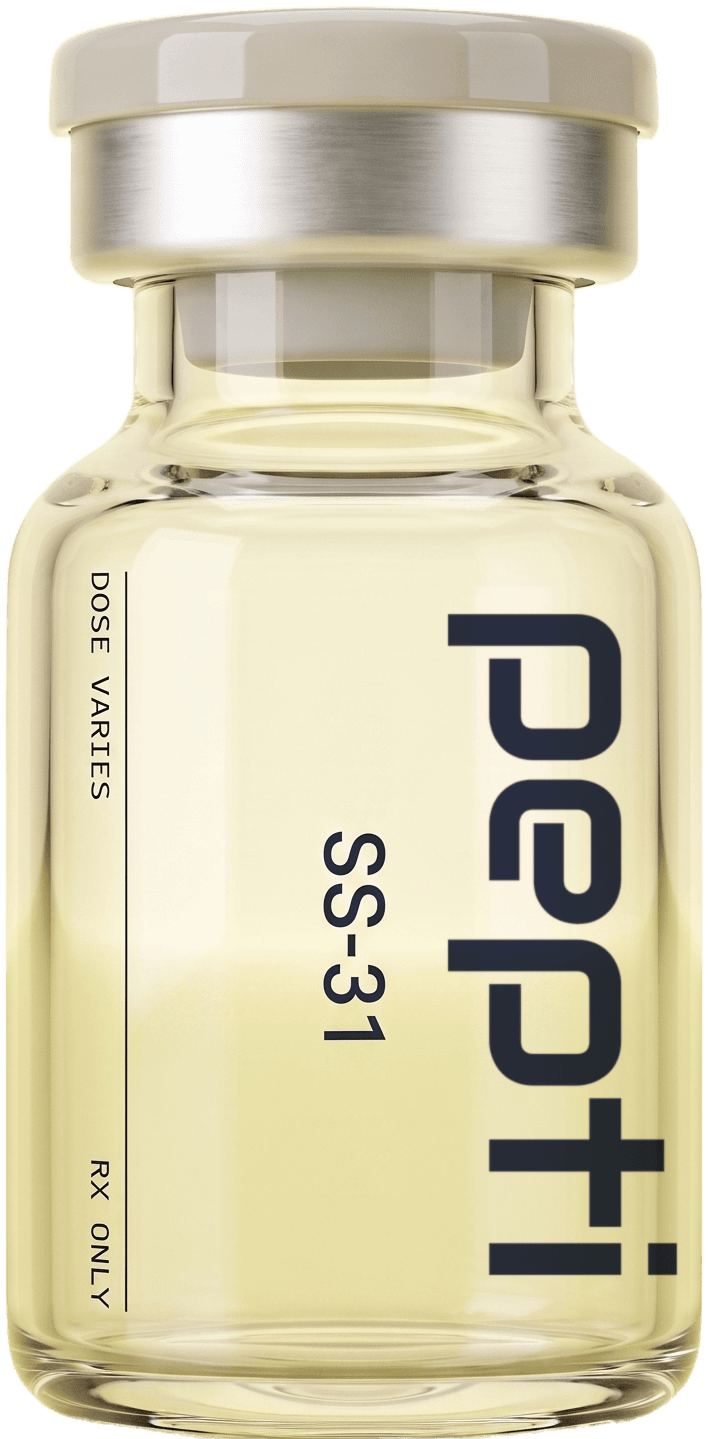
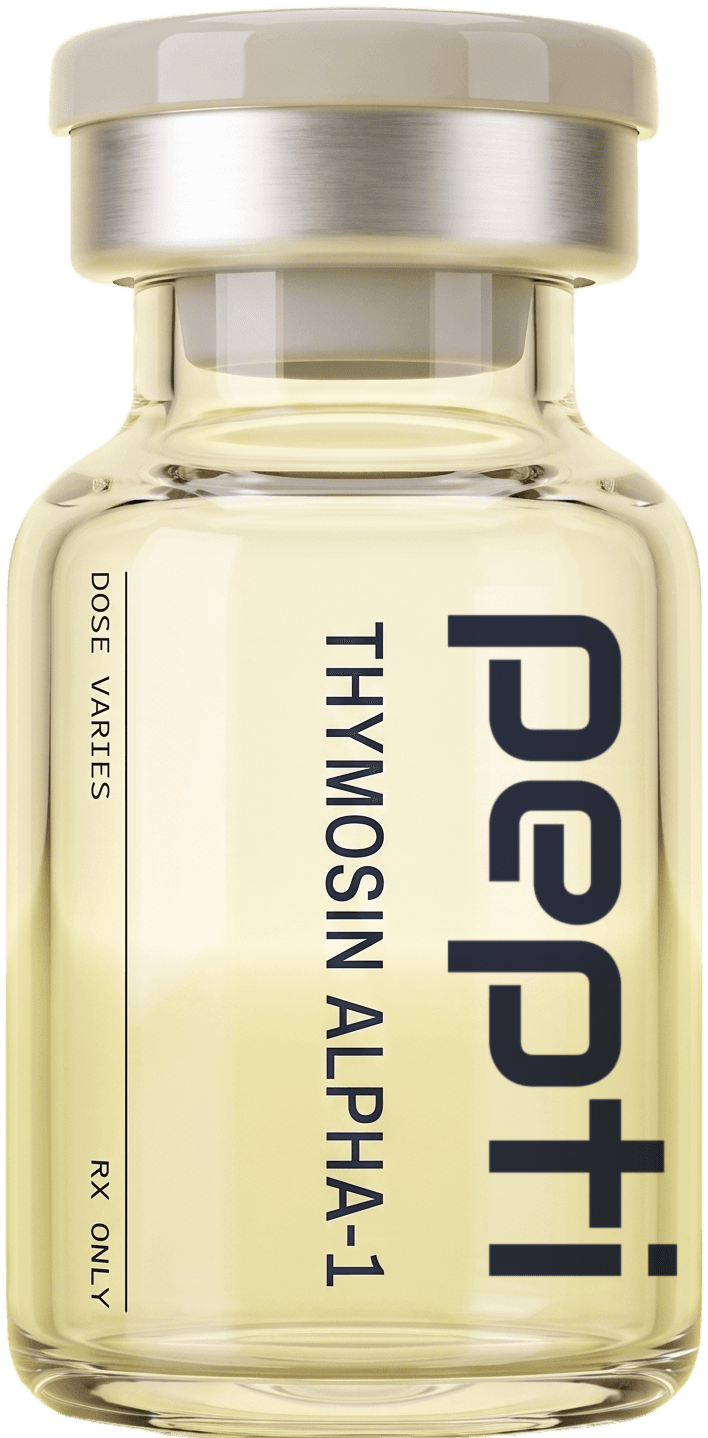
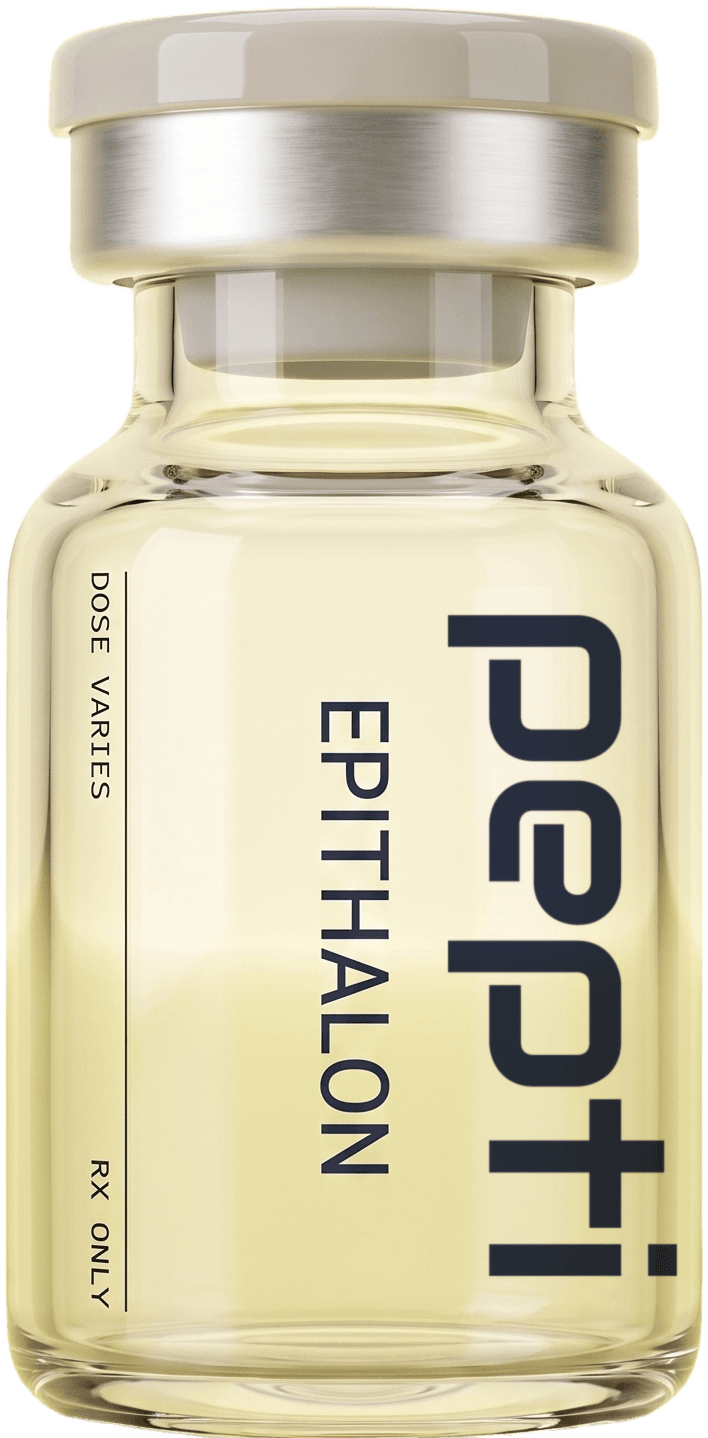
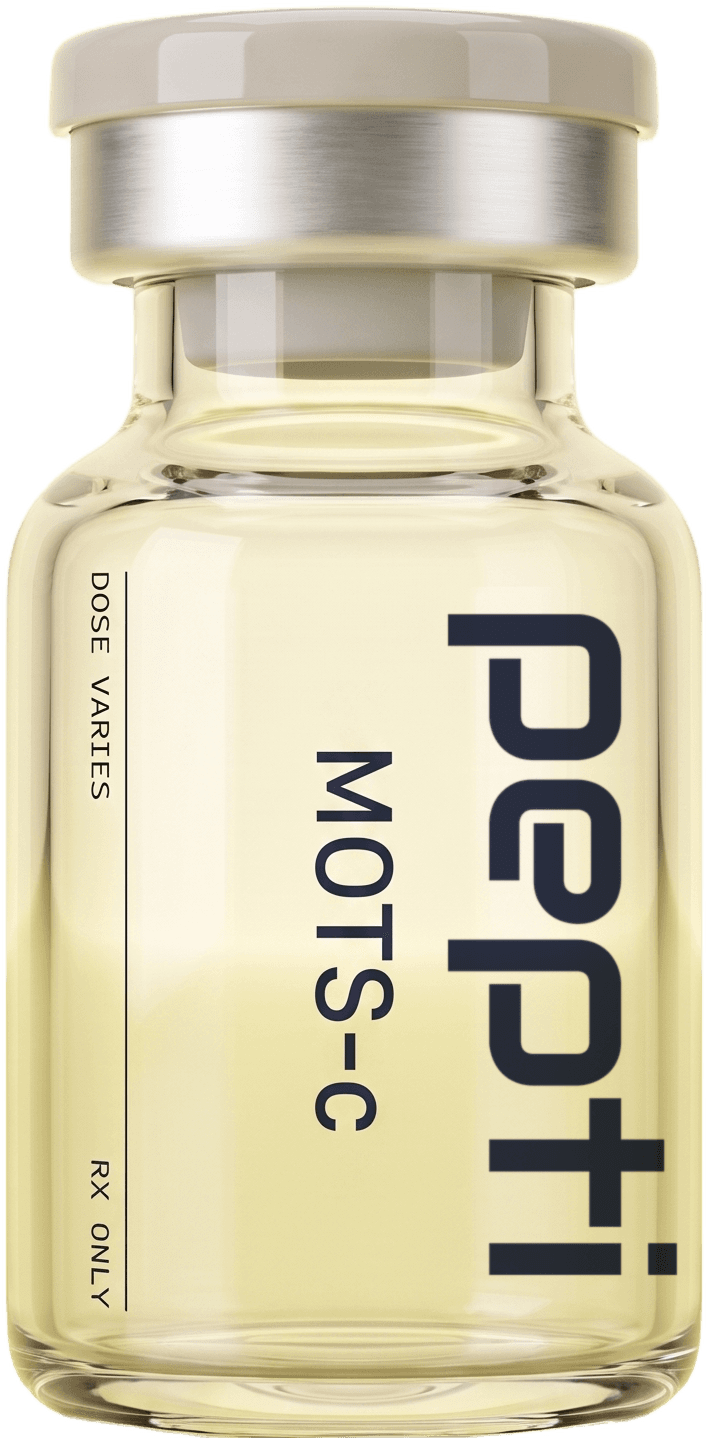
SS-31 (elamipretide) is a synthetic four-amino-acid peptide that binds cardiolipin in the inner mitochondrial membrane, with randomised Western trials in four diseases that mostly missed their primary endpoints. Thymalin is a mixture of short peptides extracted from calf thymus, developed in Leningrad in the 1970s and aimed at immune ageing, with a long Russian clinical record and no randomised trials. They are not alternatives for the same job: one is about cellular energy machinery, the other about T-cell function. Both are prescription-only, compounded by a licensed US pharmacy, and the compounded vials are not FDA approved.
This page explains each, puts them side by side, covers what the research shows and does not, where each stands with the FDA, how each is dosed at Pepti, what each costs, and who tends to suit which.
SS-31 vs Thymalin
The short answer
| If your main interest is | The usual prescription | What is in it | Price |
|---|---|---|---|
| Mitochondrial function and energy production | SS-31 (Elamipretide) | 10 mg SS-31 in a 5 mL vial | $249/mo |
| Immune ageing and the Russian geroprotective programme | Thymalin | 5 mg thymalin in a 5 mL vial | $209/mo |
| The immune peptide with randomised trials | Thymosin Alpha-1 | 10 mg thymosin alpha-1 in a 5 mL vial | $249/mo |
| The pineal half of the same Russian programme | Epithalon | 10 mg epithalon in a 5 mL vial | $249/mo |
| Metabolic signalling from the mitochondria | MOTS-c | 10 mg MOTS-c in a 5 mL vial | $259/mo |
Every figure is an all-in monthly price covering the medication, physician review, refill management and shipping, with no separate membership fee. Pepti is cash-pay and does not bill insurance.
SS-31 vs Thymalin
SS-31 on its own terms
What it is
SS-31 is a tetrapeptide whose alternating aromatic and positively charged pattern lets it cross cell membranes and concentrate on the inner mitochondrial membrane, even in mitochondria that are failing. Once there it binds cardiolipin, a lipid found almost only in that membrane, which holds the membrane's folds in shape and organises the respiratory complexes. Its generic name is elamipretide and its development code was MTP-131. The full reference is at what is SS-31.
How it is described to work
A 2013 paper in the Journal of the American Society of Nephrology showed high-affinity cardiolipin binding and, in rat kidneys deprived of blood flow, protection of the membrane folds and faster ATP recovery. The same work reported the peptide stopping cytochrome c from acting as a peroxidase that damages the membrane. That is the specific sense in which SS-31 "reduces reactive oxygen species": preventing one source at one site. It is not a general antioxidant, and it does not move anything on a standard blood panel.
What human data exists
Elamipretide has been studied in randomised, double-blind, placebo-controlled trials in Barth syndrome, primary mitochondrial myopathy (MMPOWER-3, 218 adults, Neurology 2023), heart failure and dry macular degeneration, at 40 mg a day for four to 48 weeks. The randomised primary endpoints were missed in every one. The positive findings are open-label gains in Barth syndrome that held to 168 weeks, a fatigue signal in a short crossover, a genotype subgroup and a secondary retinal measure. There are no trials in healthy adults or for any longevity use. More in SS-31 benefits.
SS-31 vs Thymalin
Thymalin on its own terms
What it is
Thymalin is a polypeptide complex, a standardised extract from the thymus gland of young cattle rather than one defined sequence. The developers describe two dipeptides inside it, Lys-Glu and Glu-Trp, as the active components. The thymus is where T-lymphocytes mature; it shrinks from puberty onward, and loss of thymic output is one of the best-described contributors to the weakening of the immune system with age. Thymalin was developed by Vladimir Khavinson and Vyacheslav Morozov from 1973 at what became the St. Petersburg Institute of Bioregulation and Gerontology, and it has been used clinically in Russia for decades. The full reference is at what is thymalin.
How it is described to work
- T-cell maturation. A 2020 paper in the Bulletin of Experimental Biology and Medicine reported that thymalin, added to human blood stem cells in culture, reduced stem-cell markers and increased CD28, a marker of mature T-cells, by nearly seven times.
- Inflammatory cytokines. A 2023 paper in the International Journal of Molecular Sciences reported thymalin and its two dipeptides reducing IL-1beta, IL-6 and TNF-alpha by 1.4 to 6 times in stimulated human immune cells.
- Markers in hospital patients. Russian COVID-19 studies in 2021 and 2022 reported faster falls in IL-6, C-reactive protein and D-dimer than standard care alone.
What human data exists
There are no randomised controlled trials of thymalin. The human record is a Russian observational programme that followed 266 older adults over six to eight years (reported in 2002 and 2003) and reported fewer respiratory infections and lower mortality in treated groups, plus the two COVID-19 hospital studies. None of the published abstracts describes randomisation, blinding or placebo, much of the work is in Russian, and almost all of it comes from one research group. More in thymalin benefits.
SS-31 vs Thymalin
Head to head
| SS-31 | Thymalin | |
|---|---|---|
| What it is | One synthetic tetrapeptide | Extract of calf thymus, a mixture of short peptides |
| System it targets | Mitochondria, inner membrane | Immune system, T-cell maturation |
| Main described mechanism | Binds cardiolipin, protects membrane folds and ATP production | Pushes progenitor cells toward mature T-cells; lowers inflammatory cytokines in cells |
| Where the research comes from | US and international drug-development programme | One Russian research group, mostly Russian-language journals |
| Human trials | Randomised trials in four diseases; primary endpoints missed | No randomised trials; long observational programme |
| Approved anywhere | An elamipretide product is FDA approved for Barth syndrome only | Used clinically in Russia; not approved in the US |
| FDA compounding status | Component of an FDA-approved drug; never in Category 2 | Never nominated to any 503A category |
| Theoretical caution | Hypersensitivity on the approved label | Allergy risk from a protein extract of animal origin |
| Vial at Pepti | 5 mL, 2 mg/mL (10 mg) | 5 mL, 1 mg/mL (5 mg) |
| Typical directions | 0.25 mL (25 units) Monday through Friday mornings | 0.25 mL (25 units) once daily Monday through Friday |
| Per dose | 0.5 mg | 0.25 mg |
| Doses per vial | 20, about four weeks | 20, about four weeks |
| Price at Pepti | $249 a month | $209 a month |
The real difference is the target, then the evidence
This is not a "which is stronger" question. SS-31 is aimed at how cells make energy; thymalin is aimed at how the immune system ages. Someone whose concern is low energy and someone whose concern is catching every cold are asking different questions, and these two peptides answer different ones.
The evidence differs in kind as well as amount. SS-31 has been through the Western trial process, which is why its record contains clear negatives as well as signals. Thymalin has decades of clinical use and striking reported outcomes, but in study designs that a regulator would not accept as trials, from one group, without independent replication. Neither has been tested in healthy adults for ageing.
SS-31 vs Thymalin
Who suits which
SS-31
SS-31 tends to suit someone whose interest is specifically mitochondrial and who wants the compound with an actual randomised trial record, accepting that those trials were in diagnosed diseases at 40 mg a day and that Pepti's typical dose is 0.5 mg. It is the more conventional evidence file, including its failures.
Thymalin
Thymalin tends to suit someone interested in immune ageing and in the Russian geroprotective work specifically, who understands that the human record is observational. Prescribers familiar with that programme sometimes discuss it alongside Epithalon, the pineal peptide studied with it in the 266-person cohort. A physician choosing on the strength of controlled evidence for the immune system will usually look at thymosin alpha-1 instead.
Can you take SS-31 and thymalin together?
They act on unrelated systems, and nothing in the literature describes an interaction, but no study has tested the combination. Two new medications at once makes it harder to tell what is doing what. Your physician sets your directions after reviewing your intake.
SS-31 vs Thymalin
When neither is the right first step
| Situation | What makes more sense |
|---|---|
| A diagnosed mitochondrial disease | Specialist care; the approved elamipretide product has its own pathway |
| A diagnosed immunodeficiency, active infection or autoimmune condition | Your physician and usually a specialist; a thymic extract is not a substitute |
| Inflammation that will not settle rather than weak immunity | KPV, described around inflammatory signalling |
| Fatigue with an ordinary cause | A work-up first: iron, thyroid, B12 and sleep explain far more tiredness than mitochondria do |
| Broad immune support alongside gut and inflammation | The FORTIFY Blend, built around thymosin alpha-1 |
SS-31 vs Thymalin
Where each stands with the FDA
Both are unusual, in different ways, as of the FDA documents checked in September 2026.
| SS-31 | Thymalin | |
|---|---|---|
| 503A bulks categories | Not listed; never in Category 2 | Never nominated; not in Category 1, 2 or 3 |
| April 2026 Category 2 removals | Not involved | Not involved |
| July 2026 advisory committee | Not on the agenda | Not on the agenda; no review announced |
| Basis for compounding | Elamipretide became a component of an FDA-approved drug in September 2025, subject to the "essentially a copy" rule | No FDA view either way; the pharmacy's regulatory judgement and state law apply |
Thymalin is easy to confuse with "thymulin acetate," a different thymic peptide that sits in Category 3. Neither compounded vial on this page is FDA approved; compounded medications never are. Are peptides FDA approved explains the distinction between not approved and not legal.
SS-31 vs Thymalin
Dosing, side by side
Both are injected under the skin, into the abdomen or thigh, rotating sites, five days a week with weekends off, at the same volume. The vials differ in strength, so the same draw carries a different amount.
| SS-31 | Thymalin | |
|---|---|---|
| Draw | 25 units (0.25 mL) on a U-100 syringe | 25 units (0.25 mL) on a U-100 syringe |
| Concentration | 2 mg/mL | 1 mg/mL |
| Per dose | 0.5 mg (2 x 0.25) | 0.25 mg (1 x 0.25) |
| Timing | Mornings | Once daily, weekdays |
| Doses per vial | 20 | 20 |
| One vial lasts | 4 weeks | 4 weeks |
That arithmetic reads a label; it does not set a dose. Your physician sets your directions after reviewing your intake, and your exact dose is printed on the vial. Vials are multi-dose solutions shipped ready to use, refrigerated with ice packs, with sterile syringes and alcohol prep pads; refills run every 28 days, one vial per fill. See SS-31 dosage and how long does a peptide vial last.
SS-31 vs Thymalin
Side effects
SS-31. Injection-site reactions dominate the trial record: redness, itching, pain and bruising in most participants, at 40 mg a day. The approved product's label warns of hypersensitivity, including serious allergic reactions, and reduces the dose in severe kidney impairment. See SS-31 side effects.
Thymalin. The Russian clinical reports do not describe a characteristic toxicity. What is reported is mostly at the injection site: redness, mild soreness, occasional bruising or itching. As an animal-derived protein extract it carries a theoretical allergy risk, so a rash, hives or swelling beyond the injection site should be reported to your care team rather than waited out. Anything else acting on the immune system, such as immunosuppressants or biologics, belongs on your intake.
For either, facial or throat swelling or difficulty breathing needs emergency care: call 911, then tell your care team.
SS-31 vs Thymalin
Who should not take either, or should discuss it first
| Situation | Why |
|---|---|
| Pregnancy or breastfeeding | Neither is used; safety data is absent |
| Autoimmune disease or immunosuppressive therapy | Especially for thymalin; raised at intake |
| Severe kidney impairment | The approved elamipretide label reduces the dose |
| Tested athletes | Check your sport's current prohibited list before starting |
SS-31 vs Thymalin
What the evidence shows, honestly
Neither peptide has been shown to slow ageing in healthy people. SS-31 has the stronger trial machinery and a record that includes clean negatives in its largest trial. Thymalin has a long clinical tradition and large reported effects, without randomisation, blinding or independent replication. A source calling either one proven for longevity is overstating it.
SS-31 vs Thymalin
Where to get SS-31 or thymalin prescribed
Neither can be bought legitimately without a prescription. Sites selling them "for research use only" are not accountable for identity, purity, sterility or concentration. The prescription route:
- Complete a free online intake covering your history, medications and what you want help with.
- A physician licensed in your state reviews it, usually within 24 hours.
- If it is appropriate, a PCAB-accredited, FDA-registered US 503A compounding pharmacy prepares it to that prescription. Lot test results are published at /quality/lab-results.
- It ships refrigerated with your directions printed on the vial.
- Your physician stays reachable for questions and dose changes.
Pepti prescribes both in every state except Oklahoma, plus DC Step by step: how to get SS-31 prescribed online and how to get thymalin prescribed online.
References
What this is based on.
References
- Khavinson VKh, Bondarev IE, Butyugov AA. Epithalon peptide induces telomerase activity and telomere elongation in human somatic cells · Bull Exp Biol Med (2003) · PMID 12937682
- Anisimov VN, Khavinson VKh, Popovich IG et al.. Effect of Epitalon on biomarkers of aging, life span and spontaneous tumor incidence in female Swiss-derived SHR mice · Biogerontology (2003) · PMID 14501183
- Al-Dulaimi S, Thomas R, Matta S, Roberts T. Epitalon increases telomere length in human cell lines through telomerase upregulation or ALT activity · Biogerontology (2025) · PMID 40908429
- Araj SK, Brzezik J, Mądra-Gackowska K, Szeleszczuk Ł. Overview of Epitalon—Highly Bioactive Pineal Tetrapeptide with Promising Properties · Int J Mol Sci (2025) · PMID 40141333
- Khavinson VKh, Morozov VG. Peptides of pineal gland and thymus prolong human life · Neuro Endocrinol Lett (2003) · PMID 14523363
- Korkushko OV, Khavinson VKh, Shatilo VB, Antonyk-Sheglova IA. Peptide geroprotector from the pituitary gland inhibits rapid aging of elderly people: results of 15-year follow-up · Bull Exp Biol Med (2011) · PMID 22451889
- Korkushko OV, Khavinson VKh, Shatilo VB, Magdich LV. Effect of peptide preparation epithalamin on circadian rhythm of epiphyseal melatonin-producing function in elderly people · Bull Exp Biol Med (2004) · PMID 15452611
- Goncharova ND, Khavinson BK, Lapin BA. Regulatory effect of Epithalon on production of melatonin and cortisol in old monkeys · Bull Exp Biol Med (2001) · PMID 11550036
- Djeridane Y, Khavinson VKh, Anisimov VN, Touitou Y. Effect of a synthetic pineal tetrapeptide (Ala-Glu-Asp-Gly) on melatonin secretion by the pineal gland of young and old rats · J Endocrinol Invest (2003) · PMID 12809170
- Khavinson V, Razumovsky M, Trofimova S, Grigorian R, Razumovskaya A. Pineal-regulating tetrapeptide epitalon improves eye retina condition in retinitis pigmentosa · Neuro Endocrinol Lett (2002) · PMID 12195242
- Vinogradova IA, Bukalev AV, Zabezhinski MA, Semenchenko AV et al.. Effect of Ala-Glu-Asp-Gly peptide on life span and development of spontaneous tumors in female rats exposed to different illumination regimes · Bull Exp Biol Med (2007) · PMID 18856211
- Ivko OM, Linkova NS, Ilina AR, Sharova AA, Ryzhak GA. AEDG peptide regulates human circadian rhythms genes expression during pineal gland accelerated aging · Adv Gerontol (2020) · PMID 33280326
Citations are provided for educational purposes. They do not constitute medical advice. Always discuss any peptide protocol with your prescribing physician.
Common questions
SS-31 vs Thymalin, answered.
SS-31 is a synthetic four-amino-acid peptide that binds cardiolipin in the mitochondrial membrane. Thymalin is an extract of calf thymus, a mixture of short peptides, aimed at T-cell maturation and immune ageing. They target different systems.
Neither has been tested for ageing in healthy adults. SS-31 has randomised trials in specific diseases, mostly negative on primary endpoints. Thymalin has a Russian observational programme in older adults with reported benefits, without controlled trials. They answer different questions, energy machinery versus immune ageing.
SS-31 has more controlled evidence: randomised, placebo-controlled trials in four diseases. Thymalin has a longer clinical history in Russia but no randomised trials. More evidence is not the same as better results; the SS-31 trials missed their primary endpoints.
They act on unrelated systems and no interaction is described, but no study has tested the combination. Your physician sets your directions after reviewing your intake.
No. Thymosin alpha-1 is a single 28-amino-acid synthetic sequence with international randomised trials. Thymalin is a calf-thymus extract with a Russian literature. See what is thymosin alpha-1.
An elamipretide product received FDA accelerated approval in September 2025 for one rare disease, Barth syndrome. The compounded SS-31 vial is a different product and is not FDA approved, and the approved product is not approved for any other use.
No. Thymalin has never been nominated for the 503A bulks list, was never in Category 2, and has not been on an advisory committee agenda. The FDA has expressed no view on it either way.
At Pepti both are typically 0.25 mL (25 units) under the skin five days a week. That is 0.5 mg of SS-31 from a 2 mg/mL vial, or 0.25 mg of thymalin from a 1 mg/mL vial, 20 doses per vial. Your exact directions are printed on the vial.
At Pepti, SS-31 is $249 a month and thymalin is $209 a month, all-in, covering medication, physician review, refill management and shipping.
No study says when a person would notice anything at the compounded doses. The SS-31 trials ran four to 48 weeks in people with specific diseases. The Russian thymalin programme treated older adults in courses over the first two to three years and followed them for six to eight years, measuring infections and mortality.
Bloodwork is not required for any Pepti treatment. If your physician wants labs for your care, they'll ask through your account. The free assessment goes to a physician licensed in your state. A consultation does not guarantee a prescription.
Related answers
Keep reading.
- SS-31 (Elamipretide): What It Is, Where to Get It Prescribed, and What It Costs
- Thymalin: What It Is, Where to Get It Prescribed, and What It Costs
- Best Place to Get SS-31 (Elamipretide) Online: How to Choose a Prescriber
- Can You Take SS-31 (Elamipretide) With Tirzepatide or Semaglutide?
- TB-500 vs GHK-Cu: Repair Peptide vs Copper Peptide, Compared
Next step
See what a physician recommends for you.
A licensed physician in your state reviews your intake to see whether treatment fits your history. A consultation does not guarantee a prescription.