Anti-Aging · Reference
SS-31 for Men: What the Elamipretide Trials in Men Found, and What to Check First
This page covers what SS-31 is, what research has and has not looked at in men, the considerations that change for men, side effects, and how Pepti supplies it.
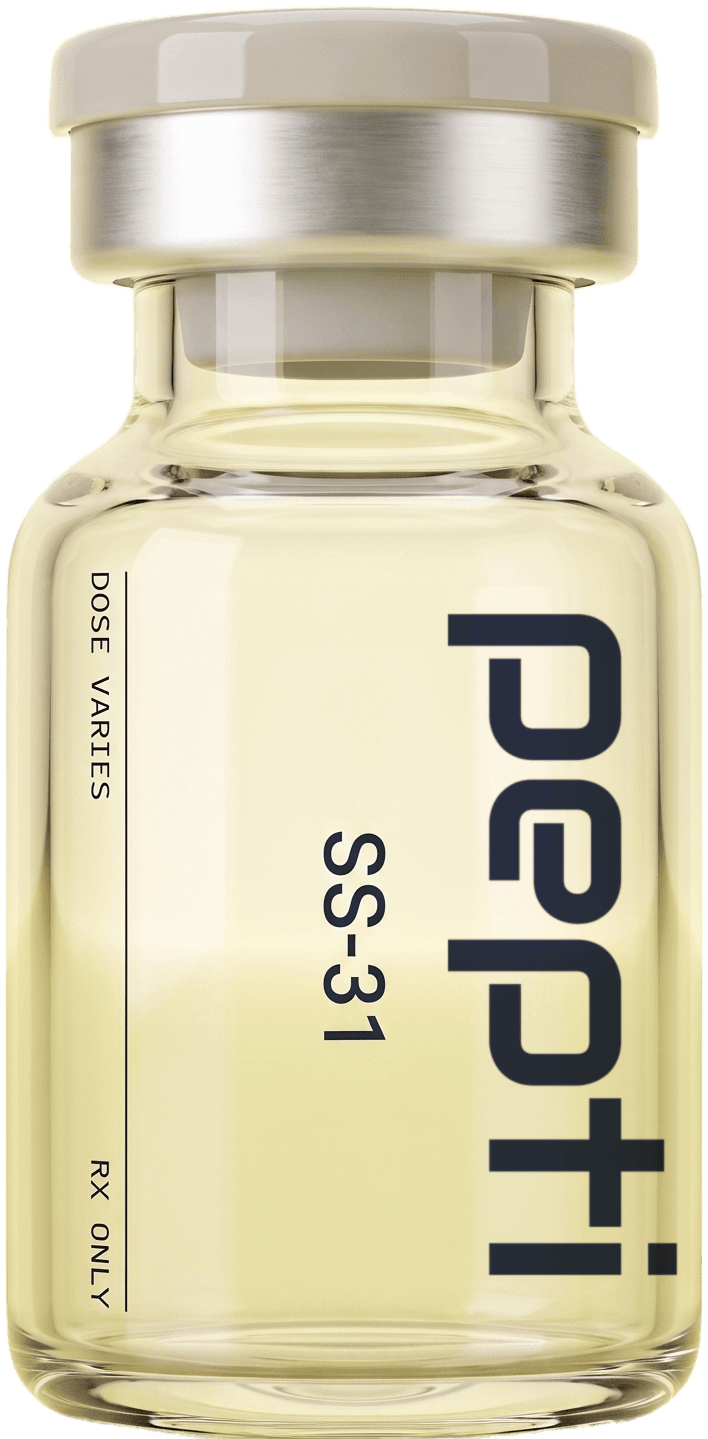
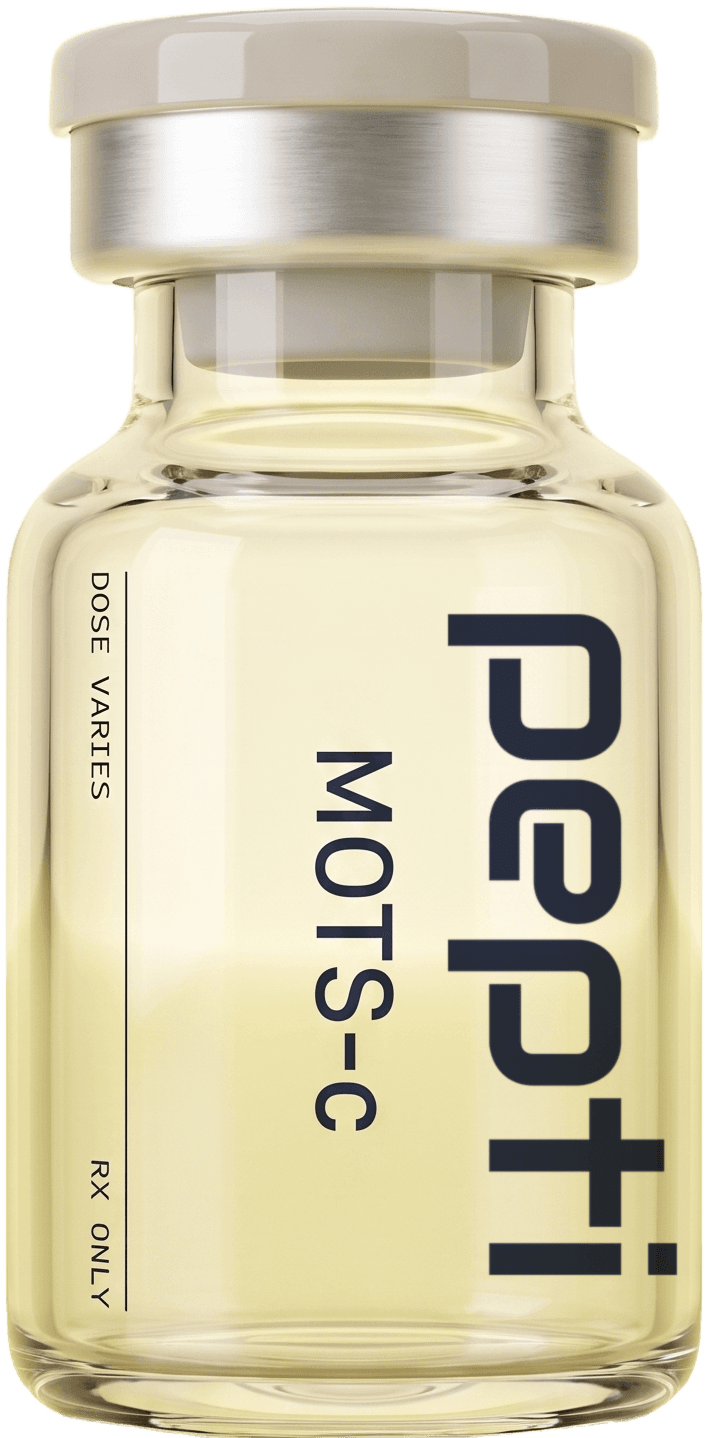
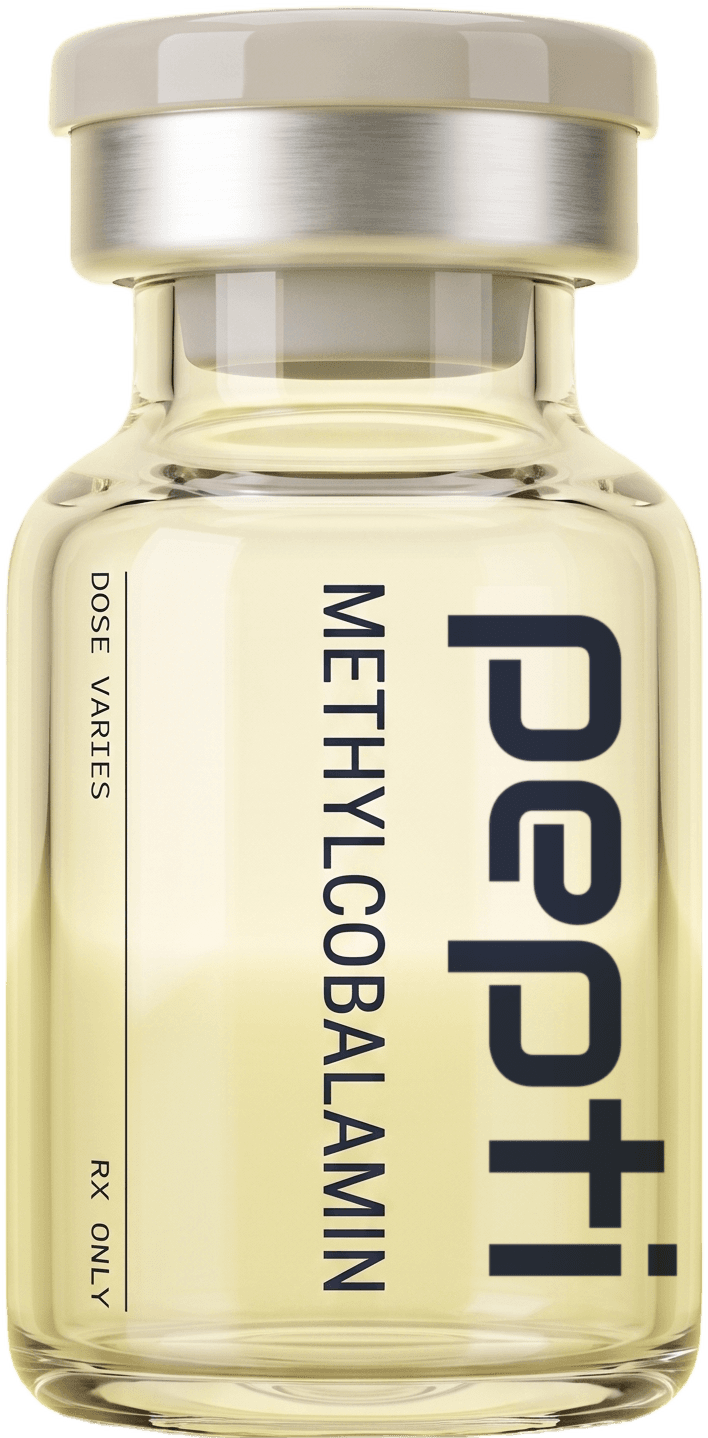
Treatments mentioned
The one SS-31 (elamipretide) trial that enrolled men only was TAZPOWER, a 2021 crossover in twelve males aged 12 to 35 with Barth syndrome, a rare genetic disease: it missed both primary endpoints in its randomized part, and the open-label extension reported walking and strength gains sustained to 168 weeks. The other randomized trials enrolled adults with mitochondrial myopathy, heart failure or macular degeneration and missed their primary endpoints too. No trial has tested SS-31 in healthy men, for energy, fitness, ageing or anything else. It is not a hormone and does not act on testosterone. Compounded SS-31 is a prescription injection, and compounded medications are not FDA approved.
For the evidence benefit by benefit, see SS-31 benefits; for the product reference and FDA position, what is SS-31.
SS-31 for Men
The short answer
| Question | What the live research shows | Strength of evidence |
|---|---|---|
| Has SS-31 been studied in men? | Yes, in one trial of twelve males with Barth syndrome (TAZPOWER, 2021 and 2024) | Small randomized crossover, then open-label |
| What did that trial find? | Primary endpoints missed in the randomized part; open-label walking and strength gains sustained to 168 weeks | Human, in a rare disease; basis of a 2025 accelerated approval |
| What about larger trials? | Adults with mitochondrial myopathy (218 people, phase 3) and heart failure (71 people): primary endpoints missed | Human, negative on the main endpoints |
| Has it been studied in healthy men? | No | None |
| Does it raise testosterone or change hormones? | It is not a hormone and does not move anything on a standard blood panel; testosterone was not studied | No evidence of a hormonal effect |
| Tested sport | Elamipretide is not named on the 2026 WADA Prohibited List | Check with your anti-doping body anyway |
The honest summary: SS-31 has more human data in men than most compounded peptides have in anyone, and all of it is in men with a serious disease, at a dose eighty times higher than a compounded weekday dose.
SS-31 for Men
What SS-31 is, in one paragraph
SS-31 is a tetrapeptide, four amino acids in an alternating aromatic and cationic pattern, developed by Hazel Szeto and Peter Schiller. Its development code was MTP-131 and its generic drug name is elamipretide; all three are the same molecule. The pattern lets it cross cell membranes and concentrate on the inner mitochondrial membrane, where it binds a single lipid, cardiolipin, that holds the membrane's folds in shape and organizes the machinery that makes ATP. In rat kidney work published in 2013 it protected that structure after a loss of blood flow and sped the recovery of ATP. It is not a hormone, not a growth hormone secretagogue and not a general antioxidant. In September 2025 the FDA granted accelerated approval to a branded elamipretide product for Barth syndrome; the compounded vial is a different strength and is not that product.
SS-31 for Men
What research has looked at in men
TAZPOWER: twelve males with Barth syndrome
Barth syndrome is a rare genetic disorder in which cardiolipin is not remodelled into its mature form. TAZPOWER, in Genetics in Medicine in 2021, was a randomized, double-blind, placebo-controlled crossover in twelve males aged 12 to 35 with genetically confirmed Barth syndrome: 40 mg daily or placebo for 12 weeks, a washout, then the opposite.
| Phase | What was reported |
|---|---|
| Randomized crossover, 12 weeks each | Neither primary endpoint, the six-minute walk test and a symptom score, was met |
| Open-label, 36 weeks (10 participants) | A 95.9 metre gain in walk distance, a symptom improvement, better knee extensor strength and some cardiac measures |
| Open-label, 168 weeks (2024; 8 of 10 reached the final visit) | The walk gain sustained, fatigue scores below baseline at every visit, improved heart volumes, and the diagnostic cardiolipin ratio improving |
| Safety | Every treated participant had some injection-site reaction, against two thirds on placebo |
What it shows. That in a small group of young males with a specific genetic defect in cardiolipin, long-term daily treatment at 40 mg was followed by sustained functional gains, open-label. The FDA's accelerated approval rested on knee extensor strength as an intermediate endpoint, with a confirmatory trial required.
What it does not show. Anything about men without Barth syndrome. The randomized part was negative, the positive results were open-label in ten people, and the dose was 40 mg a day, not the 0.5 mg weekday dose of the compounded vial. If you have Barth syndrome, the approved product through a specialist is the right path.
The larger trials enrolled men and women
| Trial | Who | Result on the primary endpoint |
|---|---|---|
| MMPOWER-3 (Neurology, 2023) | 218 adults with primary mitochondrial myopathy, 40 mg daily for 24 weeks | Missed both; walk and fatigue differences close to zero |
| MMPOWER-2 (2020) | 30 adults with mitochondrial myopathy, four weeks | Walk difference not significant; a patient-reported fatigue improvement was |
| PROGRESS-HF (Journal of Cardiac Failure, 2020) | 71 adults with reduced-ejection-fraction heart failure, 4 or 40 mg daily for 28 days | No difference from placebo in heart volume or ejection fraction |
| ReCLAIM-2 (Ophthalmology Science, 2024) | 176 adults with dry macular degeneration, 40 mg daily for 48 weeks | Missed; a secondary measure of retinal damage favoured treatment |
The live sources do not describe any of these as reporting separate results for men. Two are directly relevant to the conditions men bring to a physician: heart failure, where the randomized result was negative, and macular degeneration, where only a secondary endpoint moved. SS-31 is not a treatment for either, and anyone with heart failure or a retinal disease belongs with the specialist treating it.
SS-31 for Men
What changes for men
Male fatigue usually has an ordinary explanation
Fatigue is the reason most men ask about a "mitochondrial peptide." The live guidance is direct: iron, thyroid, B12, sleep and testosterone account for far more tiredness than mitochondrial dysfunction does. For men specifically, sleep apnea, low testosterone, poor glucose control, thyroid disease and alcohol explain most of the complaint list, and none is fixed by a vial. Peptides for men over 40 sets out the order a physician works through, and peptides for energy and fatigue covers the wider question. If B12 is low, methylcobalamin is the direct answer.
SS-31 does not act on testosterone
SS-31 binds a lipid inside mitochondria. It is not a hormone and is not described as acting on the pituitary, the testes or any part of the reproductive axis, and testosterone was not measured in the trials described in the live sources. If testosterone is low on two morning draws with symptoms, that is a separate conversation with its own treatment. If you already use testosterone, put it on your intake; can you take peptides with testosterone covers how the two are reviewed together.
Heart disease
Because heart muscle is so dependent on mitochondria, men with heart disease sometimes ask about SS-31. PROGRESS-HF is the answer the live sources give: 28 days at up to 40 mg daily did not change heart volume or ejection fraction on cardiac MRI compared with placebo, with adverse event rates similar across groups. A compounded vial is not heart failure treatment. Chest pain is an emergency whatever the cause.
Kidney function
The approved elamipretide label reduces the dose in severe kidney impairment. Kidney disease, including the kind that comes with long-standing diabetes or high blood pressure, belongs on the intake.
Exercise and performance
There is no randomized human trial of elamipretide in athletic performance or in healthy adults. If exercise capacity is the goal, L-carnitine has human data on fatty-acid transport into mitochondria, a different bottleneck. Elamipretide is not named on the 2026 WADA Prohibited List; a tested athlete should still confirm with their anti-doping organization and tell their physician before starting. See do peptides show up on a drug test.
Fertility
No live source describes any effect on sperm or male fertility, and it has not been studied. If you are trying to conceive, raise it with your physician first; do peptides affect fertility covers the conversation.
SS-31 for Men
What the evidence does not establish
- Benefit in men without a mitochondrial disease. Every randomized trial enrolled people with a diagnosed disease.
- That the compounded dose does what the trial dose did. The trials used 40 mg daily; the typical printed direction delivers 0.5 mg on weekdays.
- An effect on walking distance or fatigue in the largest population studied. MMPOWER-3 is a clean negative.
- An effect on heart function in heart failure. PROGRESS-HF was negative.
- Any effect on testosterone, muscle, strength or body composition in healthy men.
- An effect size or a timeline for any off-label use. What prescribers describe is clinical experience, and many people notice nothing.
- Long-term safety in healthy adults.
SS-31 for Men
Side effects and considerations
SS-31's safety record comes from trials in people with diseases, at 40 mg daily. Nothing in the live sources suggests the profile differs between men and women.
| What is reported or relevant | Where it comes from | What to do |
|---|---|---|
| Injection-site reactions: itching, pain, bruising, redness | Every treated participant in TAZPOWER; 80% in MMPOWER-2 | Rotate sites; report anything spreading or worse after 48 hours |
| Adverse events of any kind | 86% on treatment against 71% on placebo in ReCLAIM-2 | Read the placebo column: most people on placebo reported something too |
| Hypersensitivity, including serious allergic reactions | A warning on the approved label | Hives beyond the site, swelling or trouble breathing: call 911 first |
| Severe kidney impairment | The approved label reduces the dose | Tell your physician |
| Systemic effects | Reported as well tolerated across hundreds of people for up to a year | Report anything new |
If you think you injected far more than your directions, call Poison Control at 1-800-222-1222 and message your care team. No withdrawal, rebound or dependency is described anywhere in the literature, and the peptide is cleared within hours. The full list is in SS-31 side effects.
SS-31 for Men
Where SS-31 stands with the FDA
Since September 2025 elamipretide has been a component of an FDA-approved drug, an 80 mg/mL solution given as 40 mg daily for Barth syndrome. That makes it eligible for 503A compounding without a bulks-list entry, subject to the FDA's "essentially a copy" rule, and it has never been on the FDA's Category 2 list of substances flagged for significant safety risk. The compounded vial is a different strength, prepared to an individual prescription, and compounded medications are not FDA approved.
SS-31 for Men
How Pepti supplies SS-31
| Product | What is in it | Typical directions | Price |
|---|---|---|---|
| SS-31 (Elamipretide) | 5 mL multi-dose vial, 2 mg/mL (10 mg SS-31) | 0.25 mL (25 units) subcutaneously Monday through Friday mornings; 20 doses, about 4 weeks | $249/mo |
| MOTS-c | 5 mL multi-dose vial, 2 mg/mL (10 mg MOTS-c) | A different mitochondrial peptide, with no human trials | $259/mo |
| NAD+ Injection | 10 mL multi-dose vial, 100 mg/mL (1000 mg NAD+) | A separate product | $249/mo |
At 2 mg/mL, 0.25 mL is 0.5 mg of SS-31 per dose (arithmetic from the vial strength, on a U-100 insulin syringe). The full conversion is in SS-31 dosage, and the comparisons are in SS-31 vs MOTS-c and NAD+ vs SS-31. Your physician sets your directions after reviewing your intake, and they are printed on the vial.
Every price is all-in, covering medication, physician review, refill management and shipping, with no membership fee. Pepti is cash-pay and does not bill insurance. Vials arrive as solutions ready to use, with sterile syringes and alcohol prep pads, shipped refrigerated with ice packs. Refills run every 28 days, one vial per fill.
SS-31 for Men
Where to get SS-31 prescribed
SS-31 cannot be bought legitimately without a prescription. Products sold "for research use only" have no accountable pharmacy behind their identity, purity, sterility or concentration. The prescription route:
- Complete a free online intake covering your history, medications (including testosterone), kidney or heart disease, and what you want help with.
- A physician licensed in your state reviews it, usually within 24 hours.
- If it is appropriate, a PCAB-accredited, FDA-registered US 503A compounding pharmacy prepares it to that prescription. Lot test results are published at /quality/lab-results.
- It ships refrigerated with your directions printed on the vial.
- Your physician stays reachable for questions and side effects.
Step by step: how to get SS-31 prescribed online. Bloodwork is not required for any Pepti treatment. If your physician wants labs for your care, they'll ask through your account.
Common questions
SS-31 for Men, answered.
It has been studied in men once, in twelve males with Barth syndrome, a rare genetic disease, where the randomized part missed its endpoints and the open-label extension reported sustained gains. It has never been studied in healthy men, so any benefit for them is described, not established.
No live source describes any effect on testosterone, and it was not studied. SS-31 is not a hormone and does not act on the reproductive axis.
No trial in healthy men has measured that. In mitochondrial myopathy, a four-week crossover reported a fatigue improvement, and the 218-person phase 3 found none at 24 weeks. In men, sleep, testosterone, thyroid, iron and B12 explain far more tiredness.
There is no human trial of elamipretide in athletic performance. The walking gains in Barth syndrome were in a rare disease at 40 mg daily.
The randomized trial in 71 adults with heart failure found no difference from placebo in heart volume or ejection fraction. It is not a heart failure treatment, and heart disease belongs with your cardiologist.
No interaction has been described, but no study has looked at the combination. List testosterone on your intake so your physician can review both together.
Same molecule, different product. The approved elamipretide is an 80 mg/mL solution given as 40 mg daily for Barth syndrome. The compounded vial is 2 mg/mL, prepared to an individual prescription, and not FDA approved.
The same as for women: injection-site itching, pain, bruising and redness dominate in every trial. The approved label warns of hypersensitivity, including serious allergic reactions, and reduces the dose in severe kidney impairment.
Elamipretide is not named on the 2026 WADA Prohibited List. A tested athlete should still confirm with their anti-doping organization and tell their physician before starting.
At Pepti, $249 a month, all-in, covering medication, physician review, refill management and shipping.
No. Bloodwork is not required for any Pepti treatment. If your physician wants labs for your care, they'll ask through your account. The free assessment goes to a physician licensed in your state. A consultation does not guarantee a prescription.
Related answers
Keep reading.
- SS-31 (Elamipretide): What It Is, Where to Get It Prescribed, and What It Costs
- SS-31 for Women: What the Elamipretide Trials Show, and What to Check First
- SS-31 (Elamipretide) Side Effects: Injection-Site Reactions, Allergy Warnings, and What to Report
- SS-31 vs FOXO4-DRI: Mitochondrial Protector vs Senolytic, Compared
- SYNAPSE Blend for Men: What the Research Has Looked At, and What to Check First
Next step
See what a physician recommends for you.
A licensed physician in your state reviews your intake to see whether treatment fits your history. A consultation does not guarantee a prescription.