Anti-Aging · Reference
NAD+ vs SS-31 (Elamipretide): Mechanism, Evidence, FDA Status, Dosing and Cost
This page explains each on its own terms, puts them side by side, covers what the trials do and do not show, where each stands with the FDA, how each is dosed, what each costs at Pepti, and who tends to suit which.
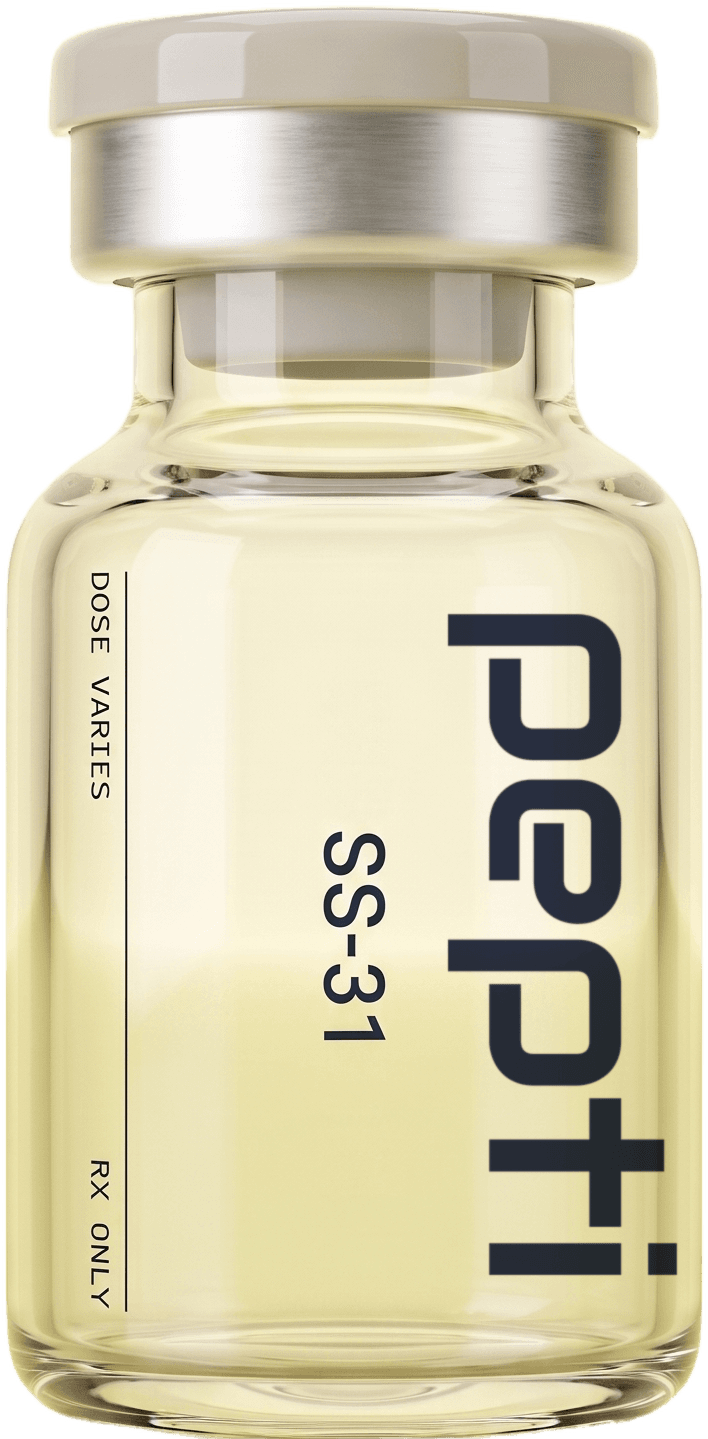
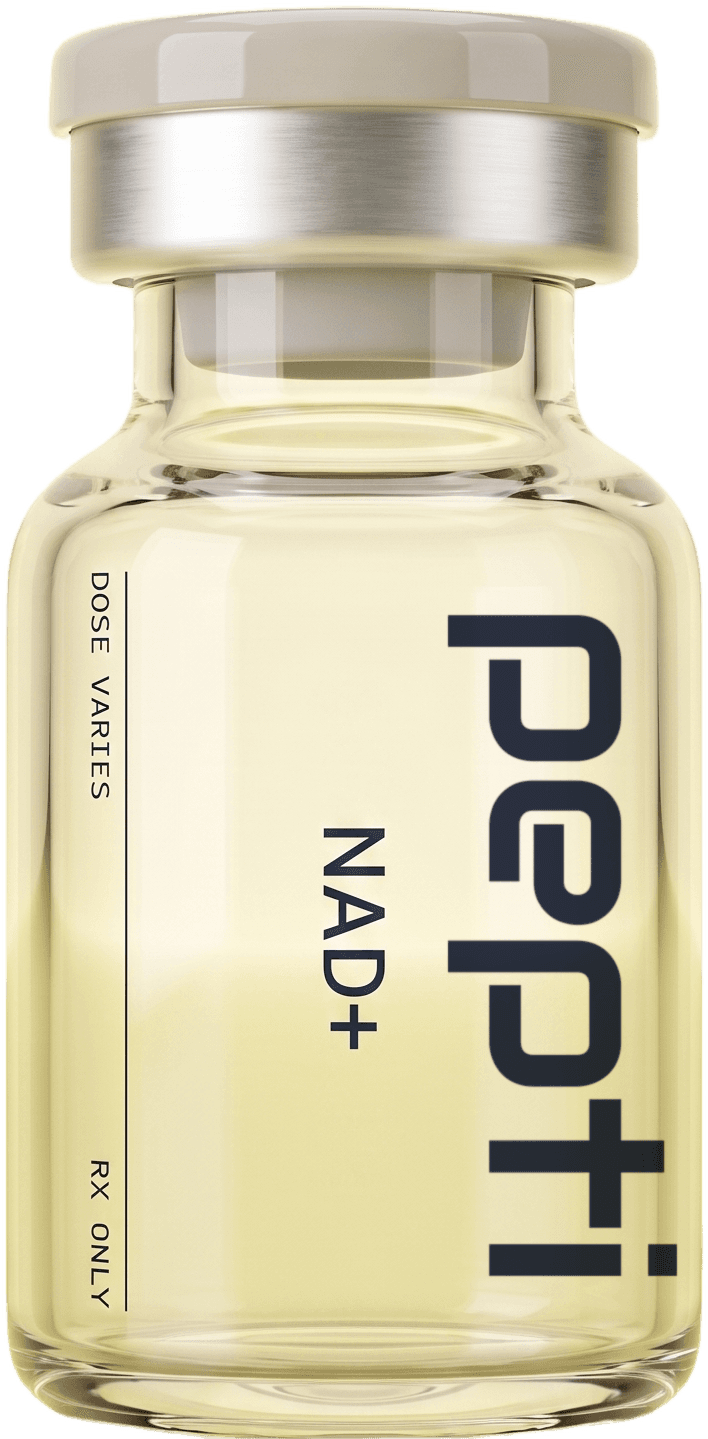
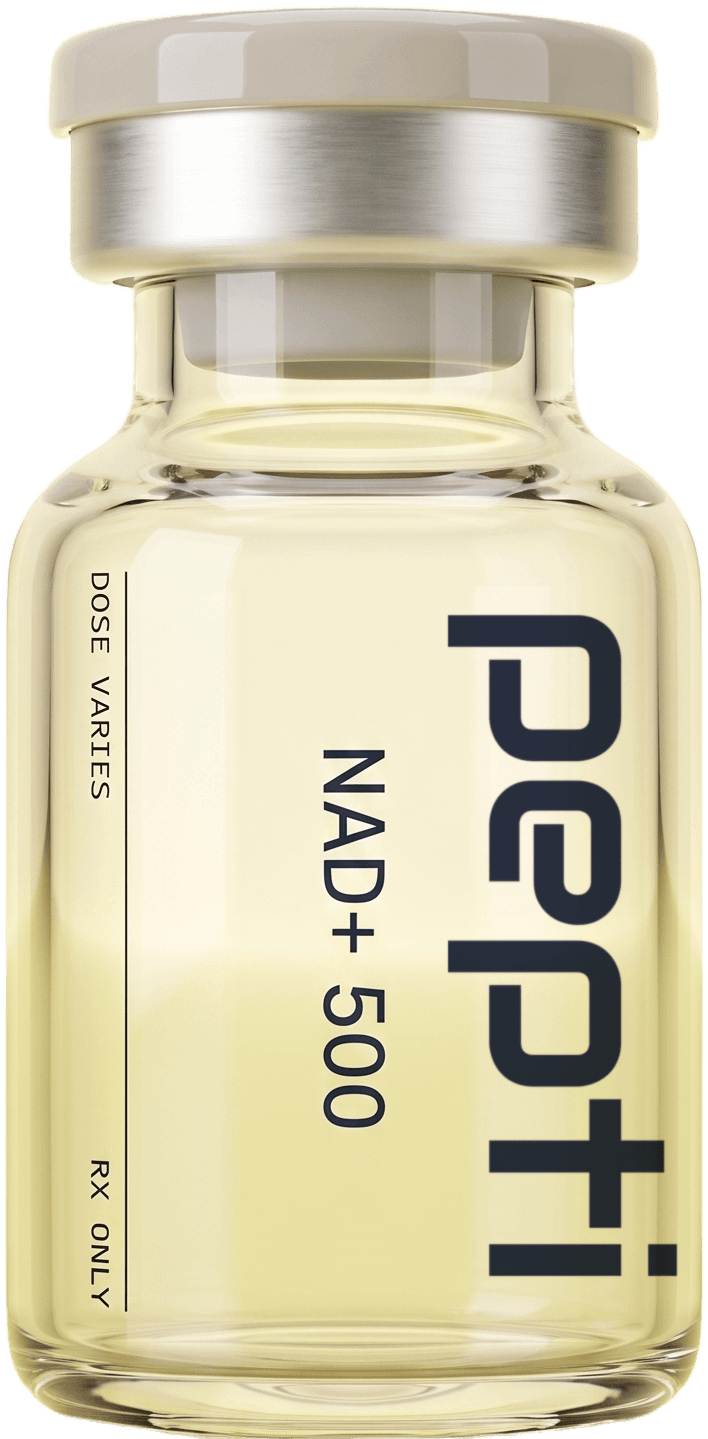
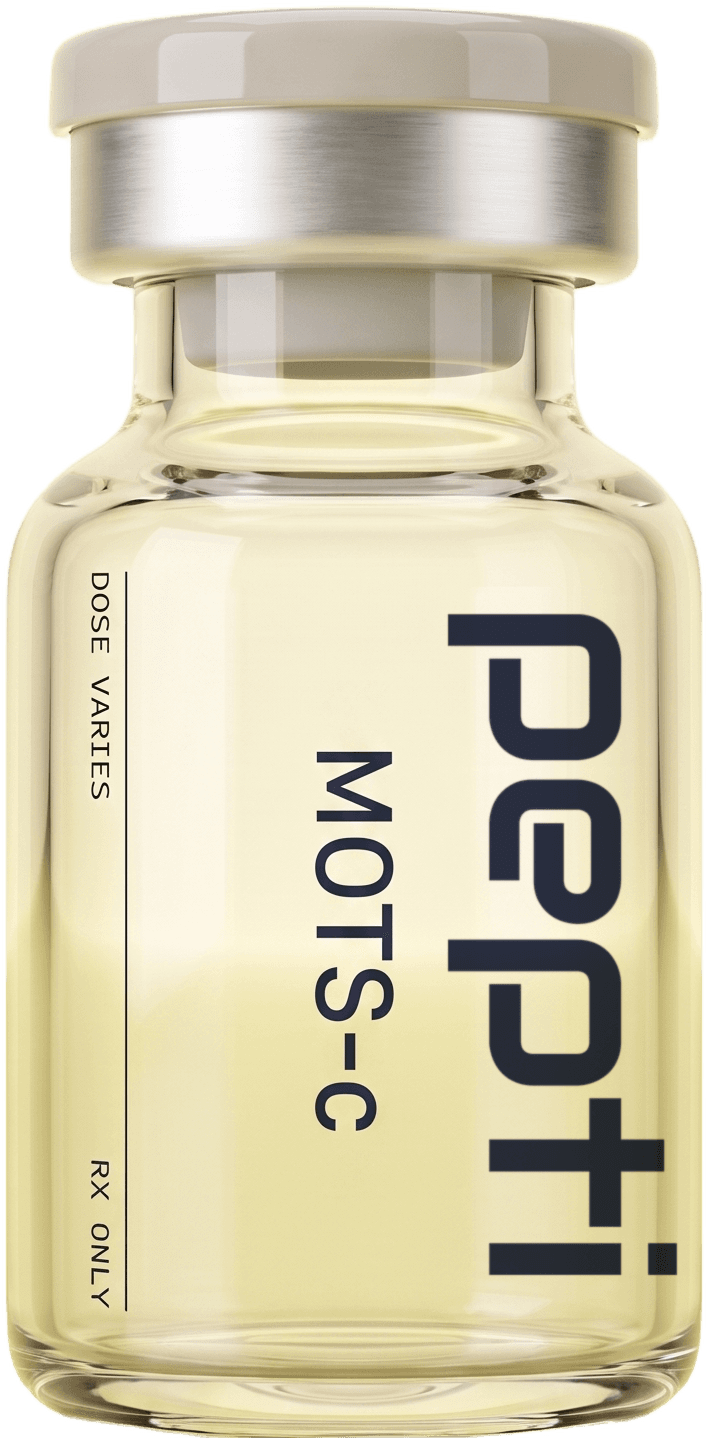
NAD+ and SS-31 both target the mitochondria, but at different points: NAD+ is a coenzyme that supplies the energy chain, while SS-31 (elamipretide) is a four-amino-acid peptide that binds cardiolipin in the inner mitochondrial membrane and is described as protecting the structure where energy is made. SS-31 has the larger human trial record, randomized trials in four diseases, but those trials missed their primary endpoints and none enrolled healthy adults. NAD+ has oral precursor trials and one small intravenous study, and none of subcutaneous injection. NAD+ is in Category 1 of the FDA's compounding list; elamipretide is the active ingredient of an FDA-approved drug for one rare disease. Neither compounded product is FDA approved.
This page explains each on its own terms, puts them side by side, covers what the trials do and do not show, where each stands with the FDA, how each is dosed, what each costs at Pepti, and who tends to suit which.
NAD+ vs SS-31 (Elamipretide)
The short answer
| If your main goal is | The usual prescription | What is in it | Price |
|---|---|---|---|
| Cellular energy, fatigue that has been worked up | NAD+ Injection | 1,000 mg NAD+ in a 10 mL vial | $249/mo |
| The same, at a lower dose per injection | NAD+ Injection (500 mg) | 500 mg NAD+ in a 10 mL vial | $229/mo |
| The mitochondrial membrane specifically | SS-31 (elamipretide) | 10 mg SS-31 in a 5 mL vial | $249/mo |
| Mitochondrial signalling and metabolism | MOTS-c | 10 mg MOTS-c in a 5 mL vial | $259/mo |
Every figure is an all-in monthly price covering the medication, physician review, refill management and shipping. There is no separate membership fee, and Pepti is cash-pay and does not bill insurance. Current pricing always lives on each product page.
NAD+ vs SS-31 (Elamipretide)
NAD+ on its own terms
What it is
NAD+ is nicotinamide adenine dinucleotide, a coenzyme made from a form of vitamin B3. It is not a peptide. Every cell makes it and uses it continuously, mostly rebuilding it by recycling nicotinamide through nicotinamide mononucleotide (NMN). NMN and nicotinamide riboside (NR) are the oral "precursors," and most of the human research is on them. The full reference is at what is NAD+ injection.
How NAD+ is described to work
- Supplying the energy chain. NAD+ picks up electrons from broken-down glucose and fat, becomes NADH, and delivers them to the mitochondrial electron transport chain to make ATP.
- Fuel for sirtuins and PARP enzymes. Both consume NAD+, sirtuins in stress responses and PARPs in DNA repair (Science, 2015; Cell Cycle, 2014; cell and animal work).
- Decline with age. A 2012 PLOS ONE study found lower NAD+ in older human skin, which is observational.
What human data exists for NAD+
Oral NR and NMN reliably raise blood NAD+ in randomized trials, with small and mixed effects on insulin sensitivity, walking distance and brain NAD levels. The only study of NAD+ given directly to people, a 2019 intravenous pilot in Frontiers in Aging Neuroscience, found plasma NAD+ did not rise for the first two hours of a six-hour infusion. There are no randomized trials of subcutaneous NAD+ injection. More is in NAD+ benefits.
NAD+ vs SS-31 (Elamipretide)
SS-31 on its own terms
What it is
SS-31 is a tetrapeptide, four amino acids in an alternating pattern that lets it cross cell membranes and concentrate on the inner mitochondrial membrane without a transporter, even in mitochondria that are struggling. It was developed by Hazel Szeto and Peter Schiller; its development code was MTP-131, and its generic drug name is elamipretide. All three names are the same molecule. The full reference is at what is SS-31.
How SS-31 is described to work
- Binding cardiolipin. Cardiolipin is a lipid found almost only in the inner mitochondrial membrane, where it holds the folds (cristae) in shape and organizes the respiratory complexes. A 2013 paper in the Journal of the American Society of Nephrology showed high-affinity binding, and in rat kidneys deprived of blood flow, pre-treatment protected the cristae.
- Stopping cytochrome c turning harmful. When cytochrome c binds oxidized cardiolipin it starts damaging the membrane it sits on. The 2013 work reports SS-31 inhibits that while leaving the normal electron-carrying role intact.
- Faster ATP recovery. With the cristae protected, the animal work reports much faster recovery of ATP once blood flow returns.
- The Barth syndrome biomarker. In Barth syndrome, an inherited cardiolipin disorder, a long open-label extension reported the diagnostic cardiolipin ratio improving on treatment (Genetics in Medicine, 2024).
What human data exists for SS-31
More than almost any compounded peptide, and it is mixed. Elamipretide has been studied in randomized, double-blind, placebo-controlled trials in four diseases, at 40 mg subcutaneously daily, and the randomized primary endpoints were missed in every one.
Trial Who What was reported TAZPOWER, Genetics in Medicine 2021 12 males with Barth syndrome Primary endpoints missed in the randomized part; walk distance and symptom gains in the open-label extension, sustained to 168 weeks MMPOWER-3, Neurology 2023 218 adults with primary mitochondrial myopathy, 24 weeks Did not meet either primary endpoint (walk distance, fatigue) PROGRESS-HF, Journal of Cardiac Failure 2020 71 people with reduced-ejection-fraction heart failure, 28 days Primary heart-volume endpoint not different from placebo ReCLAIM-2, Ophthalmology Science 2024 176 people with dry macular degeneration, 48 weeks Primary endpoints missed; a pre-specified secondary retinal measure favored treatment There are no randomized trials of elamipretide in healthy adults, age-related fatigue, athletic performance or longevity. The compounded vial is prescribed for uses the trials did not test, at a dose far below what they used. More is in SS-31 benefits.
NAD+ vs SS-31 (Elamipretide)
Head to head
| NAD+ | SS-31 | |
|---|---|---|
| What it is | A coenzyme (not a peptide) | A synthetic four-amino-acid peptide |
| Where it acts | Every cell; a substrate the energy chain consumes | The inner mitochondrial membrane, by binding cardiolipin |
| Role in one line | Supplies what the machinery uses | Protects the structure the machinery sits in |
| Human trials | Oral precursor trials; one intravenous pilot; none of subcutaneous NAD+ | Randomized trials in four diseases at 40 mg daily; primaries missed; long open-label data in Barth syndrome |
| Trials in healthy adults | Precursor trials included healthy adults | None |
| FDA position | 503A Category 1, under evaluation | Component of an FDA-approved drug (Barth syndrome, September 2025) |
| Characteristic side effect | Flushing, chest tightness or nausea during the injection | Injection-site reactions, reported by most trial participants |
| Vial at Pepti | 10 mL, 100 mg/mL (1,000 mg) | 5 mL, 2 mg/mL (10 mg) |
| Typical directions | 0.83 mL (83 units) three times per week | 0.25 mL (25 units) Monday through Friday mornings |
| Per dose | 83 mg | 0.5 mg |
| Doses per vial | 12, about 4 weeks | 20, about 4 weeks |
| Formats | Vial or pre-filled pepti Pen | Vial only |
| Price at Pepti | $249 a month | $249 a month |
Different bottlenecks
The NAD+ page and the SS-31 page describe the same relationship: NAD+ supplies a coenzyme the respiratory chain consumes, and SS-31 supplies nothing, instead protecting the membrane in which that coenzyme is used. If the limiting factor in a cell were fuel supply, NAD+ is the one aimed at it. If it were damage to the membrane structure, SS-31 is. Nobody can measure which bottleneck applies in a given person, and no study has compared them.
More trials does not mean more shown
SS-31 has far more human trial data, which is a genuine strength: the safety picture across hundreds of trial participants is better described than for NAD+ injection. But those trials were in people with serious disease, at 40 mg a day, and the randomized primary endpoints were missed. NAD+ has thinner direct data but its precursor trials did include healthy and older adults. Neither has shown a benefit for everyday energy in healthy people.
NAD+ vs SS-31 (Elamipretide)
Who suits which
NAD+ first
NAD+ is the usual starting point when the complaint is general energy or fatigue, after ordinary causes like B12, thyroid, iron and sleep have been checked. It is a molecule the body already uses, it comes in two strengths and as a Pen, and its precursor research includes healthy older adults.
SS-31
SS-31 suits someone specifically interested in the mitochondrial membrane hypothesis, who understands that the trials were in disease populations and that the compounded dose is a small fraction of the trial dose. If you have Barth syndrome or a diagnosed primary mitochondrial disease, the FDA-approved elamipretide product through a specialist is the right path, not a compounded vial.
Can you take NAD+ and SS-31 together?
Some prescribers use them together because they address different points in the same system. No trial has tested the combination. If you want both, say so on the intake; each would come with its own directions printed on its vial.
NAD+ vs SS-31 (Elamipretide)
When neither is the right first step
| Situation | What makes more sense |
|---|---|
| Fatigue you have not had checked | Iron, thyroid, B12, sleep and testosterone explain far more tiredness; methylcobalamin if B12 is low |
| A metabolic signal rather than a structural one | MOTS-c; see NAD+ vs MOTS-c |
| Oxidative load is the concern | Glutathione; see NAD+ vs glutathione |
| Exercise capacity is the goal | L-carnitine, described around fatty-acid transport into mitochondria |
| A diagnosed mitochondrial disease | A specialist; the approved elamipretide product exists for Barth syndrome |
NAD+ vs SS-31 (Elamipretide)
Where each stands with the FDA
The two are in unusual and very different positions:
| NAD+ | SS-31 (elamipretide) | |
|---|---|---|
| Basis for compounding | 503A Category 1, "Bulk Drug Substances Under Evaluation" (14 May 2026), under the FDA's interim policy | A component of an FDA-approved drug since September 2025, which makes it eligible under 503A without a bulks-list entry |
| Ever in Category 2? | No | No |
| Approved product | None | Accelerated approval on 19 September 2025, to improve muscle strength in people with Barth syndrome weighing at least 30 kg; 40 mg daily; a confirmatory trial is running |
| Condition that applies | A 2019 proposed rule not to list a 5 mg oral capsule has not been finalized | The "essentially a copy" rule: a 503A pharmacy may not regularly compound a copy of an approved product unless the prescriber documents a significant difference for that patient |
| Safety alert | October 2024: food-grade NAD+ powder unsuitable for sterile injections | None for the compounded product |
The approved elamipretide product covers one rare disease only. Pepti's vial is not that product; it is a 2 mg/mL multi-dose vial prepared to an individual prescription. Compounded medications are not FDA approved, and neither compounded NAD+ nor compounded SS-31 is. See are peptides FDA approved.
NAD+ vs SS-31 (Elamipretide)
Dosing, side by side
Both are injected under the skin into the abdomen or thigh, rotating sites, from multi-dose vials shipped ready to use, refrigerated with ice packs, with sterile syringes and alcohol prep pads.
| NAD+ Injection | SS-31 | |
|---|---|---|
| Typical printed directions | Inject 0.83 mL (83 units) subcutaneously three times per week | Inject 0.25 mL (25 units) subcutaneously Monday through Friday mornings |
| Concentration | 100 mg/mL | 2 mg/mL |
| Per dose (math only) | 0.83 mL x 100 mg/mL = 83 mg | 0.25 mL x 2 mg/mL = 0.5 mg |
| Doses per vial | 12 (10 mL divided by 0.83 mL) | 20 (5 mL divided by 0.25 mL) |
| How long a vial lasts | 12 doses at three a week, about 4 weeks | 20 doses at five a week, about 4 weeks |
| Compared with the trials | No subcutaneous trials to compare with | The trials used 40 mg daily, eighty times this amount |
On a U-100 insulin syringe, 1 unit is 0.01 mL. The milligram figures are arithmetic for reading a label, not a way to set a dose. Your physician sets your directions after reviewing your intake, and your directions are printed on the vial. The SS-31 weekday pattern is a prescriber convention that rests injection sites; the trials dosed every day. Refills run every 28 days, one vial per fill. More is in NAD+ injection dosage and SS-31 dosage.
NAD+ vs SS-31 (Elamipretide)
Side effects
NAD+. The reaction happens during the injection: flushing, warmth, chest or abdominal tightness, or nausea, fading within minutes and tied to injection speed. Stinging at the site is common. Chills, shaking or vomiting after a dose are not expected and should be reported the same day. More is in is NAD+ safe.
SS-31. Injection-site reactions dominate every trial: redness, itching, pain and bruising, in 80 percent of participants in one myopathy trial and in every treated participant in the Barth syndrome trial, usually mild. The approved label warns of hypersensitivity reactions, including serious allergic reactions, and reduces the dose in severe kidney impairment. More is in SS-31 side effects.
For both, message your care team about anything unexpected or persistent. Facial or throat swelling, hives beyond the injection site or difficulty breathing is an emergency: call 911 first, then tell your physician.
NAD+ vs SS-31 (Elamipretide)
Who should not take either, or should discuss it first
| Situation | Why |
|---|---|
| Pregnancy or breastfeeding | Not used for either; safety data is absent |
| Severe kidney impairment | The approved elamipretide label reduces the dose; the kidney also clears NAD+ |
| Active or recent cancer | Especially for NAD+, whose metabolism intersects with cell growth pathways |
| Barth syndrome or primary mitochondrial disease | Specialist care and the approved product, not a compounded vial |
| Tested athletes | NAD+ is not named on the 2026 WADA Prohibited List; check your sport's current list for either |
NAD+ vs SS-31 (Elamipretide)
What the evidence shows, honestly
SS-31 has a serious trial programme and a clear negative in its largest trial; its positive findings are open-label and secondary, in rare diseases. NAD+ has textbook biochemistry and oral precursor trials with small, mixed effects. Neither has a randomized trial showing benefit in healthy adults, and neither compounded dose has been tested at all. Any provider describing either as clinically shown to restore energy is overstating it. What is fair: both act on real, well-described mitochondrial biology, and both are reported as well tolerated.
NAD+ vs SS-31 (Elamipretide)
Where to get NAD+ or SS-31 prescribed
Neither can be bought legitimately without a prescription. Sites selling them "for research use only" are not accountable for identity, purity, sterility or concentration. The prescription route:
- Complete a free online intake covering your history, medications and what you want help with.
- A physician licensed in your state reviews it, usually within 24 hours.
- If it is appropriate, a PCAB-accredited, FDA-registered US 503A compounding pharmacy prepares it to that prescription. Lot test results are published at /quality/lab-results.
- It ships refrigerated with ice packs and your directions printed on the vial.
- Your physician stays reachable for questions and dose changes.
Pepti prescribes both in every state except Oklahoma, plus DC Step by step: how to get NAD+ prescribed online and how to get SS-31 prescribed online.
References
What this is based on.
References
- Szeto HH. First-in-class cardiolipin-protective compound as a therapeutic agent to restore mitochondrial bioenergetics · Br J Pharmacol (2014) · PMID 24117165
- Birk AV, Liu S, Soong Y et al.. The mitochondrial-targeted compound SS-31 re-energizes ischemic mitochondria by interacting with cardiolipin · J Am Soc Nephrol (2013) · PMID 23813215
- Reid Thompson W, Hornby B, Manuel R et al.. A phase 2/3 randomized clinical trial followed by an open-label extension to evaluate the effectiveness of elamipretide in Barth syndrome, a genetic disorder of mitochondrial cardiolipin metabolism · Genet Med (2021) · PMID 33077895
- Thompson WR, Manuel R, Abbruscato A et al.. Long-term efficacy and safety of elamipretide in patients with Barth syndrome: 168-week open-label extension results of TAZPOWER · Genet Med (2024) · PMID 38602181
- Karaa A, Bertini E, Carelli V et al.. Efficacy and Safety of Elamipretide in Individuals With Primary Mitochondrial Myopathy: The MMPOWER-3 Randomized Clinical Trial · Neurology (2023) · PMID 37268435
- Karaa A, Haas R, Goldstein A et al.. A randomized crossover trial of elamipretide in adults with primary mitochondrial myopathy · J Cachexia Sarcopenia Muscle (2020) · PMID 32096613
- Karaa A, Haas R, Goldstein A et al.. Randomized dose-escalation trial of elamipretide in adults with primary mitochondrial myopathy · Neurology (2018) · PMID 29500292
- Karaa A, Bertini E, Carelli V et al.. Genotype-specific effects of elamipretide in patients with primary mitochondrial myopathy: a post hoc analysis of the MMPOWER-3 trial · Orphanet J Rare Dis (2024) · PMID 39574155
- Ehlers JP, Hu A, Boyer D et al.. ReCLAIM-2: A Randomized Phase II Clinical Trial Evaluating Elamipretide in Age-related Macular Degeneration, Geographic Atrophy Growth, Visual Function, and Ellipsoid Zone Preservation · Ophthalmol Sci (2024) · PMID 39605874
- Butler J, Khan MS, Anker SD et al.. Effects of Elamipretide on Left Ventricular Function in Patients With Heart Failure With Reduced Ejection Fraction: The PROGRESS-HF Phase 2 Trial · J Card Fail (2020) · PMID 32068002
- Zhao C, Zhuang X, Gao J. Elamipretide: The first cardiolipin-directed mitochondrial therapeutic for Barth syndrome approved under accelerated approval · Drug Discov Ther (2026) · PMID 41260682
Citations are provided for educational purposes. They do not constitute medical advice. Always discuss any peptide protocol with your prescribing physician.
Common questions
NAD+ vs SS-31 (Elamipretide), answered.
They act at different points. NAD+ supplies the coenzyme the energy chain consumes; SS-31 binds the inner membrane and is described as protecting its structure. No study has compared them, and neither has shown a mitochondrial benefit in healthy people.
NAD+ is a coenzyme every cell makes and uses for energy and repair enzymes. SS-31 is a synthetic four-amino-acid peptide that concentrates on the inner mitochondrial membrane and binds the lipid cardiolipin. One is a supply; the other is described as structural protection.
SS-31, by trial count: randomized trials in four diseases and long open-label data in Barth syndrome. But the randomized primary endpoints were missed in every indication, and none enrolled healthy adults. NAD+ has oral precursor trials and one intravenous pilot, and none of subcutaneous injection.
Some prescribers use them together because they address different bottlenecks. No trial has tested the combination. Tell your physician you are interested in both and follow the directions printed on each vial.
Elamipretide, the active ingredient, is in an FDA-approved product for Barth syndrome, granted accelerated approval in September 2025. Pepti's compounded SS-31 is a different product at a different strength and is not FDA approved. NAD+ has no approved product.
The trials and the approved product use 40 mg daily. Pepti's typical directions deliver 0.5 mg per dose. No trial shows what that dose does in any population. Your directions are set by your physician after reviewing your intake and are printed on the vial.
Both are mostly local. NAD+ causes flushing, chest tightness or nausea during the injection, fading within minutes. SS-31 causes injection-site redness, itching, pain or bruising in most people who take it, usually mild, and the approved label warns of allergic reactions.
No trial gives a timeline for either at the compounded dose. The NAD+ precursor trials ran six weeks to six months. The SS-31 trials ran four to 48 weeks at 40 mg daily in people with disease, with open-label follow-up to 168 weeks in Barth syndrome.
At Pepti, NAD+ Injection and SS-31 are each $249 a month, and NAD+ Injection (500 mg) is $229 a month, all-in, including medication, physician review, refill management and shipping.
Yes. SS-31 is the research name, MTP-131 was the development code, and elamipretide is the generic drug name. They are the same molecule.
Bloodwork is not required for any Pepti treatment. If your physician wants labs for your care, they'll ask through your account. The free assessment goes to a physician licensed in your state. A consultation does not guarantee a prescription.
Next step
See what a physician recommends for you.
A licensed physician in your state reviews your intake and decides what is appropriate. A consultation does not guarantee a prescription.