Anti-Aging · Reference
SS-31 vs FOXO4-DRI: Mitochondrial Protector vs Senolytic, Compared
This page explains each on its own terms, puts them side by side, covers what the research does and does not show, where each stands with the FDA, how each is dosed, what each costs, and who tends to suit which.
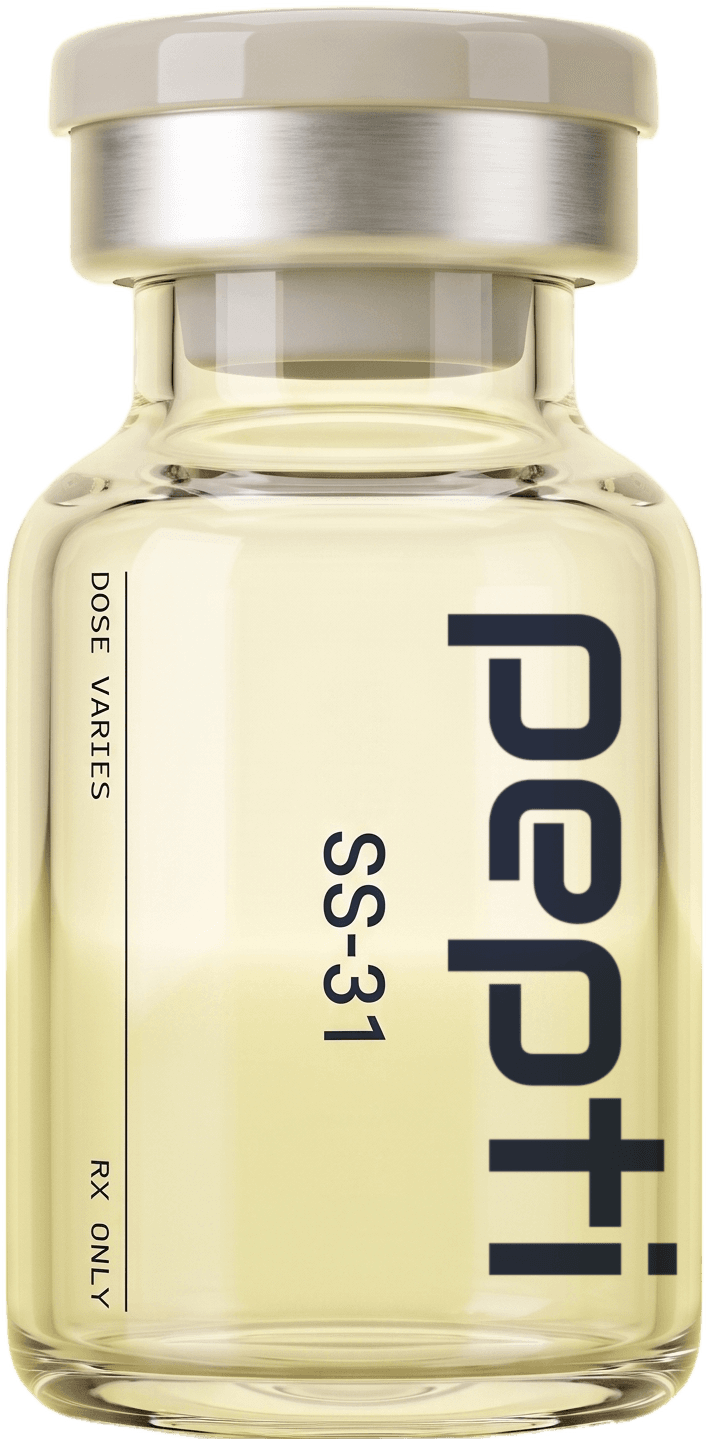
Treatments mentioned
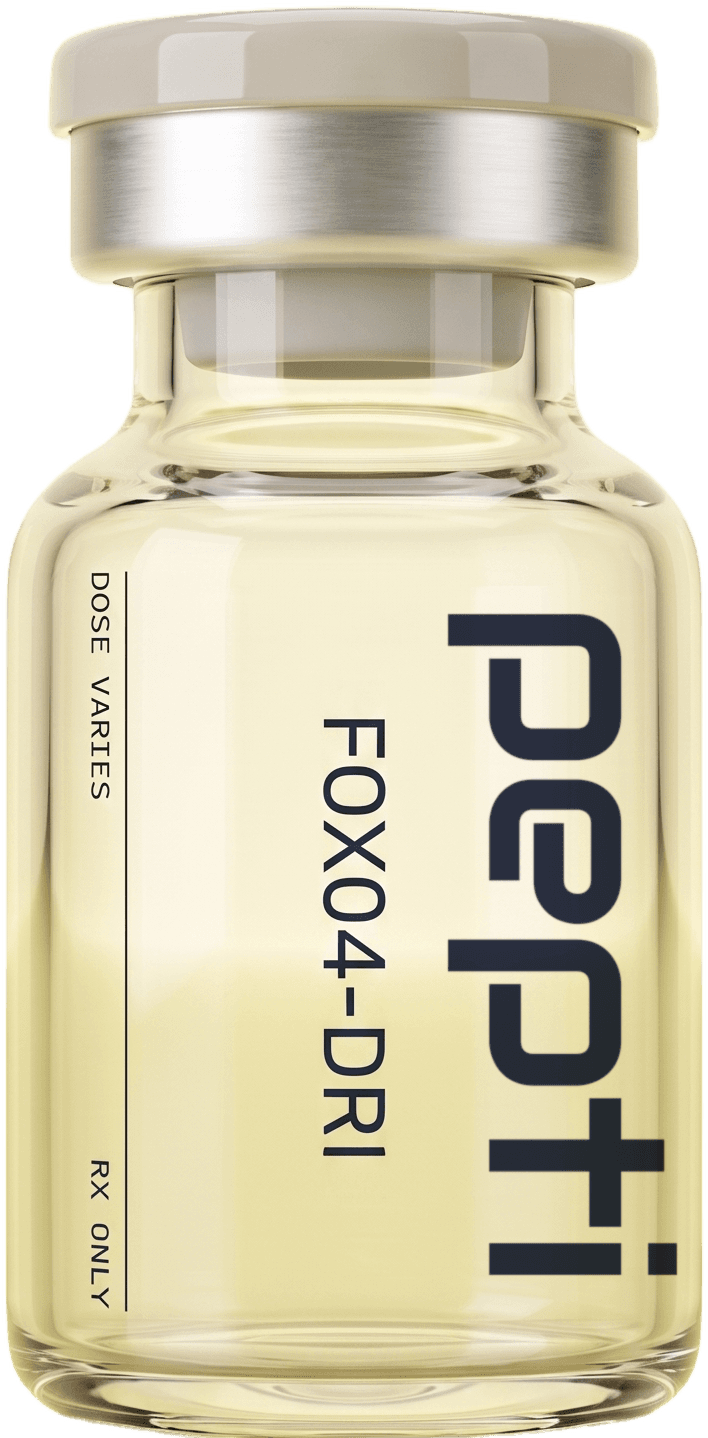
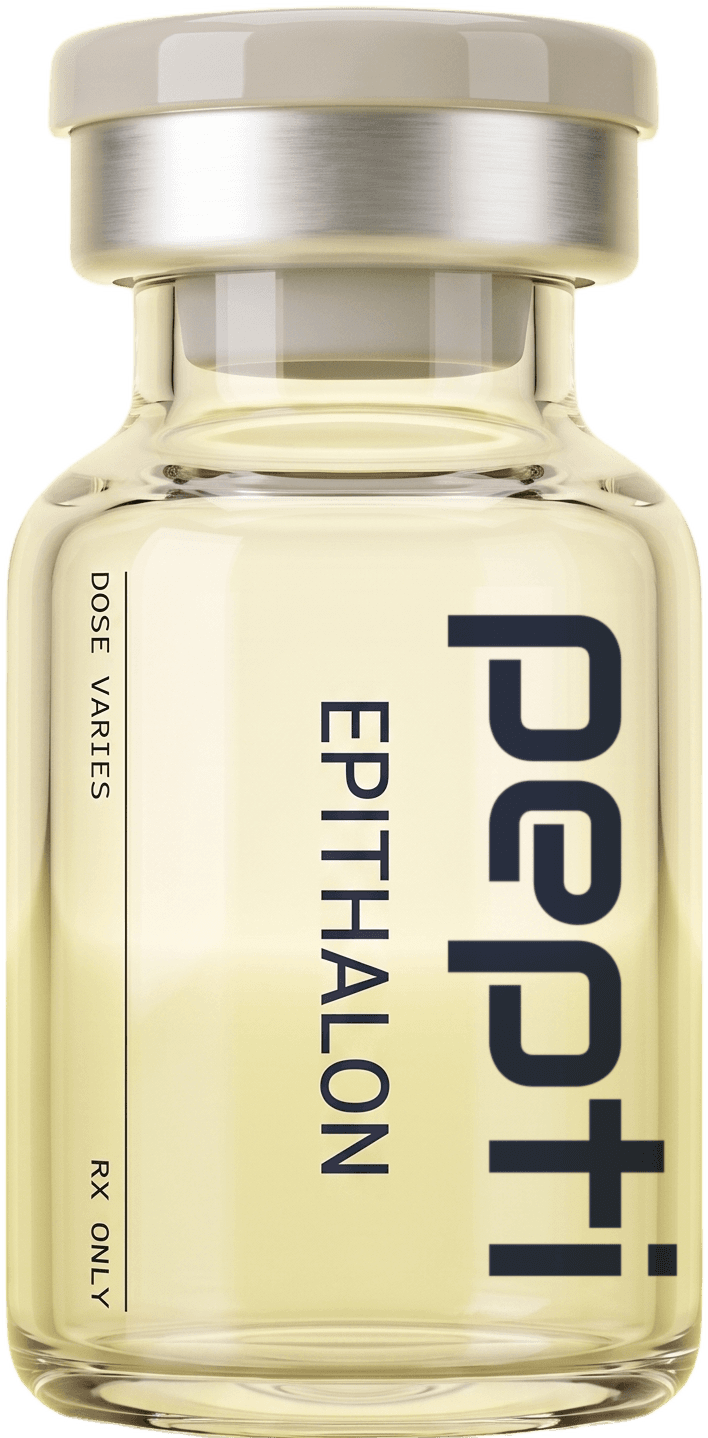
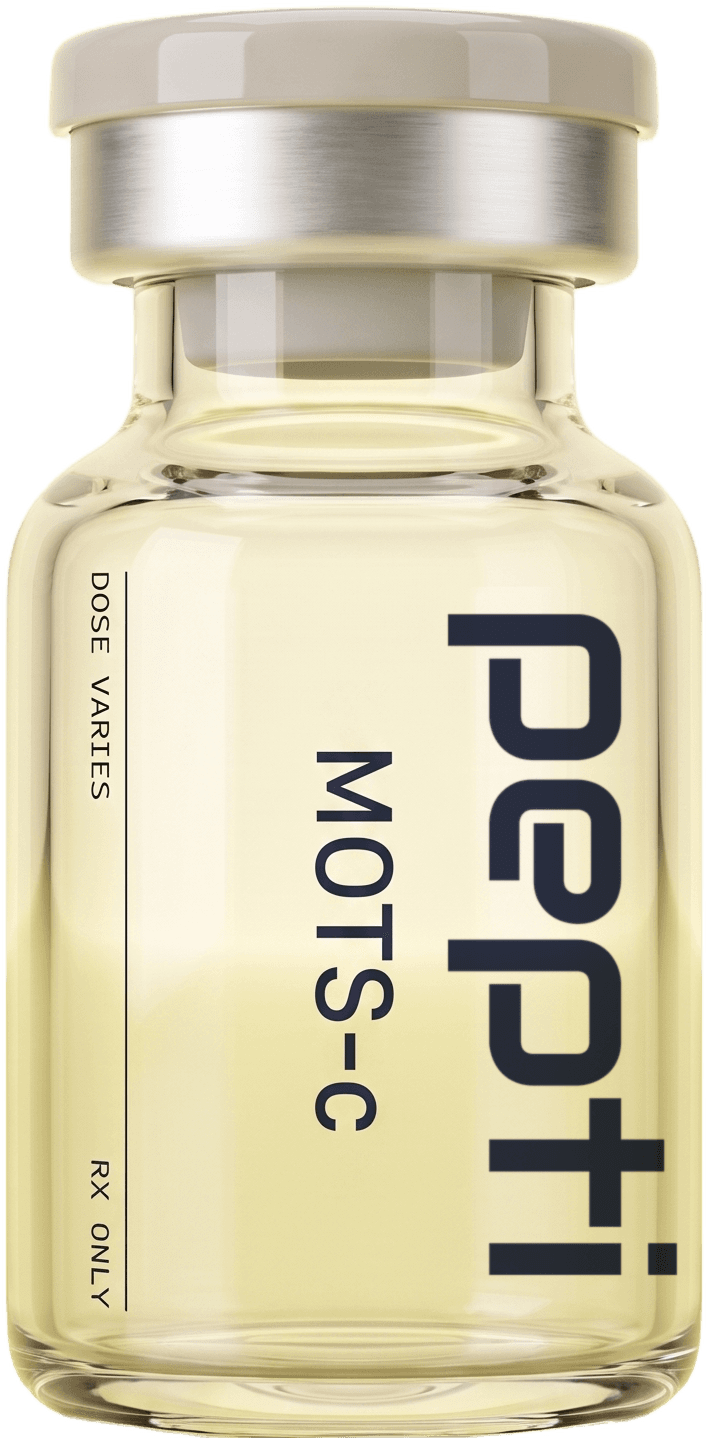
SS-31 and FOXO4-DRI are both anti-aging peptides, but they aim at opposite ends of a cell's life: SS-31 is described as protecting the energy machinery of cells that are still working, and FOXO4-DRI as removing senescent cells that have stopped working. SS-31, also called elamipretide, is a four-amino-acid peptide that binds cardiolipin in the inner mitochondrial membrane; it has randomized human trials in four diseases, which mostly missed their primary endpoints, and a branded version gained FDA accelerated approval in 2025 for one rare genetic disease. FOXO4-DRI is a designed mirror-image peptide that frees p53 to trigger self-destruction in senescent cells; it has mouse and cell studies and no human data at all. Both are compounded prescriptions at Pepti, and compounded medications are not FDA approved.
This page explains each on its own terms, puts them side by side, covers what the research does and does not show, where each stands with the FDA, how each is dosed, what each costs, and who tends to suit which.
SS-31 vs FOXO4-DRI
The short answer
| If your main goal is | The usual prescription | What is in it | Price |
|---|---|---|---|
| Mitochondrial support, with the larger human trial record | SS-31 | 10 mg SS-31 in a 5 mL vial | $249/mo |
| An experimental senolytic course | FOXO4-DRI | 10 mg FOXO4-DRI in a 5 mL vial | $229/mo |
| A mitochondrial peptide described around metabolic signalling | MOTS-c | 10 mg MOTS-c in a 5 mL vial | $259/mo |
| Cellular energy with human study data | NAD+ Injection | 1000 mg NAD+ in a 10 mL vial | $249/mo |
| A different anti-aging hypothesis (telomere and pineal biology) | Epithalon | 10 mg Epithalon in a 5 mL vial | $249/mo |
Every figure is an all-in monthly price covering the medication, physician review, refill management and shipping, with no separate membership fee. Pepti is cash-pay and does not bill insurance. Current pricing always lives on each product page.
SS-31 vs FOXO4-DRI
SS-31 on its own terms
What it is
SS-31 is a tetrapeptide, four amino acids in an alternating aromatic and positively charged pattern. That pattern lets it cross cell membranes and concentrate on the inner mitochondrial membrane without a transporter, and without depending on the mitochondrion's membrane potential, so it still reaches mitochondria that are struggling. It was developed by Hazel Szeto and Peter Schiller; its development code was MTP-131 and its generic name is elamipretide. All three names are the same molecule. The full reference is what is SS-31.
How SS-31 is described to work
- Binding cardiolipin. A 2013 paper in the Journal of the American Society of Nephrology showed high-affinity binding to cardiolipin, the lipid that holds the inner membrane's folds (the cristae) in shape. In rat kidneys deprived of blood flow, pre-treatment protected the cristae from collapsing.
- Stopping one source of oxidative damage. When cytochrome c binds oxidized cardiolipin it starts damaging the membrane it sits on. The SS-31 and cardiolipin complex was reported to block that while leaving cytochrome c's normal electron-carrying job intact.
- Faster ATP recovery. With the cristae protected, the animal work reports faster recovery of energy production after an energy deficit.
It is not a general antioxidant and not a hormone. The mechanistic detail is from cell and animal studies; the human trials measured function.
What human data exists for SS-31
More than almost any other compounded peptide. Randomized, double-blind, placebo-controlled trials ran in four diseases at 40 mg daily: Barth syndrome (TAZPOWER), primary mitochondrial myopathy (MMPOWER-3, 218 people), heart failure (PROGRESS-HF) and dry macular degeneration (ReCLAIM-2). The randomized primary endpoints were missed in every one. The positive findings are sustained open-label improvements over 168 weeks in Barth syndrome, a fatigue signal in a short myopathy crossover, and a secondary retinal endpoint in macular degeneration. There are no randomized trials in healthy adults, in age-related fatigue or in any longevity use. SS-31 benefits covers this in detail.
SS-31 vs FOXO4-DRI
FOXO4-DRI on its own terms
What it is
FOXO4-DRI was designed in Peter de Keizer's laboratory at Erasmus University Medical Center and described in Cell in 2017. Senescent cells, which have permanently stopped dividing but have not died, use the protein FOXO4 to hold p53 in the nucleus and keep it from triggering the cell's own death programme. FOXO4-DRI copies a stretch of FOXO4 and acts as a decoy. "DRI" means D-retro-inverso: it is built from mirror-image D-amino acids in reverse order, so enzymes that break down ordinary peptides do not recognize it. It also carries a short cell-penetrating tail borrowed from the HIV TAT protein. The full reference is what is FOXO4-DRI.
How FOXO4-DRI is described to work
- Blocking FOXO4 and p53. By occupying p53, the peptide disrupts the complex keeping a senescent cell alive. A 2025 structural study in Nature Communications confirmed where on p53 it binds.
- Cell-intrinsic apoptosis. p53 leaves the nucleus and triggers the cell's own programmed death, described in later cell work in endothelial cells and keloid fibroblasts.
- Selectivity. The 2017 paper reported apoptosis in senescent cells but not in dividing cells in culture; a 2021 study in human chondrocytes in a dish reported the same selectivity.
It does not repair cells, and it has no described action on healthy dividing cells.
What human data exists for FOXO4-DRI
None. There are no human trials of any kind, randomized or not, and no human pharmacokinetic or safety studies. The evidence is the 2017 Cell paper in chemotherapy-treated, fast-aging and naturally aged mice, the 2025 structural study, a handful of independent mouse and cell studies, and human cells studied outside the body.
SS-31 vs FOXO4-DRI
Head to head
| SS-31 (elamipretide) | FOXO4-DRI | |
|---|---|---|
| Structure | 4 amino acids | A copied stretch of FOXO4 plus a cell-penetrating tail |
| Chemistry | Natural-pattern tetrapeptide | Mirror-image D-amino acids in reverse order |
| Target | Cardiolipin in the inner mitochondrial membrane | The FOXO4 and p53 interaction in senescent cells |
| What it is described as doing | Protecting the structure where cells make energy | Triggering self-destruction of senescent cells |
| Acts on healthy cells? | Yes, it is aimed at working cells | Described as not affecting healthy dividing cells |
| Human trials | Randomized trials in four diseases; primaries missed; open-label gains in Barth syndrome | None |
| Approval anywhere | Branded elamipretide has FDA accelerated approval for Barth syndrome only | None |
| Main safety signal in people | Injection-site reactions, very common in trials | No human data; p53 and cancer biology is a theoretical question |
| Vial at Pepti | 5 mL, 2 mg/mL (10 mg) | 5 mL, 2 mg/mL (10 mg) |
| Typical directions | 0.25 mL (25 units) Monday to Friday mornings | 0.25 mL (25 units) once daily, Monday to Friday |
| Amount per dose | 0.5 mg | 0.5 mg |
| How prescribers frame a course | Ongoing, reviewed at each refill | An intermittent course rather than a continuous medication |
| Price at Pepti | $249 a month | $229 a month |
Repair the engine, or scrap the old ones
The anti-aging label hides how different these are. SS-31's idea is that cells age partly because their mitochondria lose the structure that makes energy efficient, and that protecting that structure keeps cells working. FOXO4-DRI's idea is that some cells stop working altogether, linger, and inflame the tissue around them, and that removing them helps the neighbours. The FOXO4-DRI reference puts it plainly: they are not alternatives so much as answers to different questions.
The evidence gap runs one way
SS-31 has been in hundreds of people, which means its trials could fail in public, and several did. FOXO4-DRI has never been given to a person in a published study, which means nothing about it has been tested in people at all. A mixed human record is more information than no human record.
SS-31 vs FOXO4-DRI
Who suits which
SS-31
SS-31 is the usual conversation when the interest is energy at the cellular level, post-exertional fatigue, or mitochondrial support, and the person wants the compound with a human trial programme behind it, understanding that those trials were in diseases and mostly missed their main goals. Morning dosing is the usual direction.
FOXO4-DRI
FOXO4-DRI is a choice for someone specifically interested in the senolytic hypothesis, who understands that it is an experimental compound with no human data, and who expects to notice nothing, since clearing senescent cells is not something a person would feel. Prescribers treat it as an intermittent course, and whether a second vial is prescribed is reconsidered each time.
Can you take SS-31 and FOXO4-DRI together?
They work through unrelated mechanisms. No study has tested them together, so the combination means one compound with mixed human data and one with none, at once. Whether any combination fits you is set by your physician after reviewing your intake.
SS-31 vs FOXO4-DRI
When neither is the right first step
| Situation | What makes more sense |
|---|---|
| You have Barth syndrome or a diagnosed mitochondrial disease | The approved elamipretide product through a specialist, not a compounded vial |
| Fatigue with an ordinary explanation | Iron, thyroid, B12, sleep and testosterone explain far more tiredness; methylcobalamin or NAD+ may be more direct |
| You want an anti-aging option with human data | NAD+ has been studied in people |
| Skin, hair and connective tissue are the priority | GHK-Cu is aimed there more directly |
| Pulmonary hypertension or significant lung disease | A careful conversation first; a 2023 mouse study found clearing senescent cells in lung vessels worsened pulmonary hypertension |
SS-31 vs FOXO4-DRI
Where each stands with the FDA
| SS-31 (elamipretide) | FOXO4-DRI | |
|---|---|---|
| Approved product | Branded elamipretide, FDA accelerated approval on 19 September 2025, for muscle strength in Barth syndrome only | None |
| 503A compounding basis | A component of an FDA-approved drug since September 2025, subject to the "essentially a copy" rule | Not on the 503A nominated-substances list in any category |
| Category 2 history | Never listed | Never listed |
| Advisory committee | Not reviewed | Not reviewed, and not on the agenda announced for early 2027 |
| Pepti's product | Compounded at 2 mg/mL, not the approved product | Compounded |
Neither compounded vial is an FDA-approved drug product, and compounded medications never are. The approved elamipretide product is a different strength, dosed at 40 mg daily, and is not approved for any wellness or anti-aging use. Are peptides FDA approved explains the difference between not approved and not legal.
SS-31 vs FOXO4-DRI
Dosing, side by side
Both are injected under the skin (subcutaneously) into the abdomen or thigh, rotating sites, five days a week with weekends off. Both vials are 2 mg/mL, so the same 0.25 mL draw, 25 units on a U-100 insulin syringe, delivers the same amount. This is math only, for reading a label:
| SS-31 | FOXO4-DRI | |
|---|---|---|
| Directions printed on the vial | Inject 0.25 mL (25 units) subcutaneously Monday through Friday mornings | Inject 0.25 mL (25 units) subcutaneously once daily Monday through Friday |
| Concentration | 2 mg/mL | 2 mg/mL |
| Amount in 25 units | 0.5 mg | 0.5 mg |
| Total in the vial | 10 mg in 5 mL | 10 mg in 5 mL |
| Doses per vial | 20 | 20 |
| Time per vial | 4 weeks at 5 doses a week | 4 weeks at 5 doses a week |
Your physician sets your directions after reviewing your intake, and they are printed on the vial. The SS-31 trials used 40 mg daily; 0.5 mg is a small fraction of that, and no trial shows what that dose does in any population. The FOXO4-DRI mouse work used short courses of intermittent injection into the abdominal cavity, a route not used in people, so the subcutaneous schedule is a clinical convention rather than a translated one. Refills run every 28 days, one vial per fill, shipped refrigerated with ice packs, sterile syringes and alcohol prep pads. More in SS-31 dosage and how long does a peptide vial last.
SS-31 vs FOXO4-DRI
Side effects
SS-31. Injection-site reactions dominate every trial: in TAZPOWER every treated participant had some local reaction, and in MMPOWER-2 the rate was 80 percent, mostly mild, with itching, pain, bruising and redness the most common. The approved product's label warns of hypersensitivity reactions, including serious allergic reactions, and reduces the dose in severe kidney impairment. Systemically, the trials report it as well tolerated for up to a year in hundreds of people. More in SS-31 side effects.
FOXO4-DRI. The safety record is a mouse record: the 2017 paper reported it well tolerated at the doses used. There is no published human safety data. Clinically reported effects are mostly at the injection site. Because it acts on p53, the central tumour-suppressor protein, a personal or family history of cancer needs careful discussion, and its unusual chemistry makes immune reactions a theoretical question nobody has studied in people.
For either, message your care team about anything that persists or worries you. Call 911 for facial or throat swelling, hives beyond the injection site or difficulty breathing.
SS-31 vs FOXO4-DRI
Who should not take either, or should discuss it first
| Situation | Why |
|---|---|
| Severe kidney impairment | The approved SS-31 label reduces the dose |
| Prior allergic reaction to a peptide injection | SS-31's label warns of hypersensitivity |
| Personal or family history of cancer | FOXO4-DRI acts on p53 |
| Pulmonary hypertension or significant lung disease | The 2023 mouse finding on senolytics |
| Pregnancy or breastfeeding | Not used; safety data is absent |
| Tested athletes | Check your sport's current prohibited list before starting |
SS-31 vs FOXO4-DRI
What the evidence shows, honestly
SS-31 has a precise mechanism and a real human trial programme, and that programme mostly failed its primary endpoints, including a clean negative in the largest trial. Its approval rests on an intermediate strength endpoint in one rare disease, at a dose far above a compounded vial. FOXO4-DRI has an elegantly defined mechanism, consistent mouse and cell studies, and no human data. Neither has any trial in healthy adults or for aging. Anyone describing either as reversing aging is describing something that has not been studied.
SS-31 vs FOXO4-DRI
Where to get SS-31 or FOXO4-DRI prescribed
Neither can be bought legitimately without a prescription. Sites selling them "for research use only" are not accountable for identity, purity, sterility or concentration. The prescription route:
- Complete a free online intake covering your history, medications and what you want help with.
- A physician licensed in your state reviews it, usually within 24 hours.
- If it is appropriate, a PCAB-accredited, FDA-registered US 503A compounding pharmacy prepares it to that prescription. Lot test results are published at /quality/lab-results.
- It ships refrigerated with your directions printed on the vial.
- Your physician stays reachable for questions and dose changes.
Step by step for SS-31: how to get SS-31 prescribed online. FOXO4-DRI starts from the same free intake.
References
What this is based on.
References
- Baar MP, Brandt RMC, Putavet DA et al.. Targeted Apoptosis of Senescent Cells Restores Tissue Homeostasis in Response to Chemotoxicity and Aging · Cell (2017) · PMID 28340339
- Bourgeois B, Spreitzer E, Platero-Rochart D et al.. The disordered p53 transactivation domain is the target of FOXO4 and the senolytic compound FOXO4-DRI · Nature Communications (2025) · PMID 40593617
- Zhang C, Xie Y, Chen H et al.. FOXO4-DRI alleviates age-related testosterone secretion insufficiency by targeting senescent Leydig cells in aged mice · Aging (Albany NY) (2020) · PMID 31959736
- Huang Y, He Y, Makarcyzk MJ et al.. Senolytic Peptide FOXO4-DRI Selectively Removes Senescent Cells From in vitro Expanded Human Chondrocytes · Frontiers in Bioengineering and Biotechnology (2021) · PMID 33996787
- Liu Y, Hou Q, Wang R et al.. FOXO4-D-Retro-Inverso targets extracellular matrix production in fibroblasts and ameliorates bleomycin-induced pulmonary fibrosis in mice · Naunyn-Schmiedeberg's Archives of Pharmacology (2023) · PMID 37074394
- Li Y, Zhang C, Cheng H et al.. FOXO4-DRI improves spermatogenesis in aged mice through reducing senescence-associated secretory phenotype secretion from Leydig cells · Experimental Gerontology (2024) · PMID 39025385
- Hu Z, Li F, Hu C et al.. FOXO4-DRI regulates endothelial cell senescence via the P53 signaling pathway · Frontiers in Bioengineering and Biotechnology (2026) · PMID 41625068
- Kong YX, Li ZS, Liu YB et al.. FOXO4-DRI induces keloid senescent fibroblast apoptosis by promoting nuclear exclusion of upregulated p53-serine 15 phosphorylation · Communications Biology (2025) · PMID 39994346
- Born E, Lipskaia L, Breau M et al.. Eliminating Senescent Cells Can Promote Pulmonary Hypertension Development and Progression · Circulation (2023) · PMID 36515093
Citations are provided for educational purposes. They do not constitute medical advice. Always discuss any peptide protocol with your prescribing physician.
Common questions
SS-31 vs FOXO4-DRI, answered.
Neither has human evidence for aging. SS-31 has human trials in mitochondrial and other diseases with mostly negative primary results; FOXO4-DRI has mouse and cell studies only. They target different things, mitochondrial structure versus senescent cells, so the better question is which hypothesis you want to explore.
SS-31 binds cardiolipin inside mitochondria and is described as protecting the energy machinery of working cells. FOXO4-DRI blocks a FOXO4 and p53 interaction and is described as making senescent cells self-destruct.
FOXO4-DRI is a senolytic: it is designed to remove senescent cells. SS-31 is not; it is described as protecting mitochondria in cells that are still working.
No study has tested the combination. They act through unrelated mechanisms. Whether a combination fits you is set by your physician after reviewing your intake.
A branded elamipretide product received FDA accelerated approval on 19 September 2025 for muscle strength in Barth syndrome only. The compounded SS-31 vial is a different strength, prepared to an individual prescription, and compounded medications are not FDA approved.
No. There are no published human trials of any kind. Human cells have been studied in a dish, and tissue from elderly men was analysed in one observational study, but no person has been treated in a published study.
FOXO4-DRI has no described acute effect, and most people should expect to notice nothing. On SS-31, the most common thing people notice is the injection site. Neither has a measured effect in healthy adults.
At Pepti, SS-31 is $249 a month and FOXO4-DRI is $229 a month, all-in, including medication, physician review, refill management and shipping.
Both of Pepti's vials are 2 mg/mL, so 25 units (0.25 mL) is 0.5 mg of either. Follow the number printed on your vial.
Neither has a timeline in healthy adults. The SS-31 trials ran four to 48 weeks in people with specific diseases, with open-label follow-up to 168 weeks in Barth syndrome. The FOXO4-DRI mouse studies measured effects over days to a few weeks after a short course. Neither tells you when, or whether, you would notice a change.
No. Bloodwork is not required for any Pepti treatment. If your physician wants labs for your care, they'll ask through your account. The free assessment goes to a physician licensed in your state. A consultation does not guarantee a prescription.
Next step
See what a physician recommends for you.
A licensed physician in your state reviews your intake and decides what is appropriate. A consultation does not guarantee a prescription.