Weight Loss · Reference
GLP-1 and Skin: Injection-Site Reactions, Rashes and Skin Changes on Semaglutide and Tirzepatide
The skin effects listed for GLP-1 medications are mostly at the injection site: redness, itching or a small lump was reported by 1.4% of adults on semaglutide against 1.0% on placebo, and by 6 to 8% on tirzepatide against 2%.
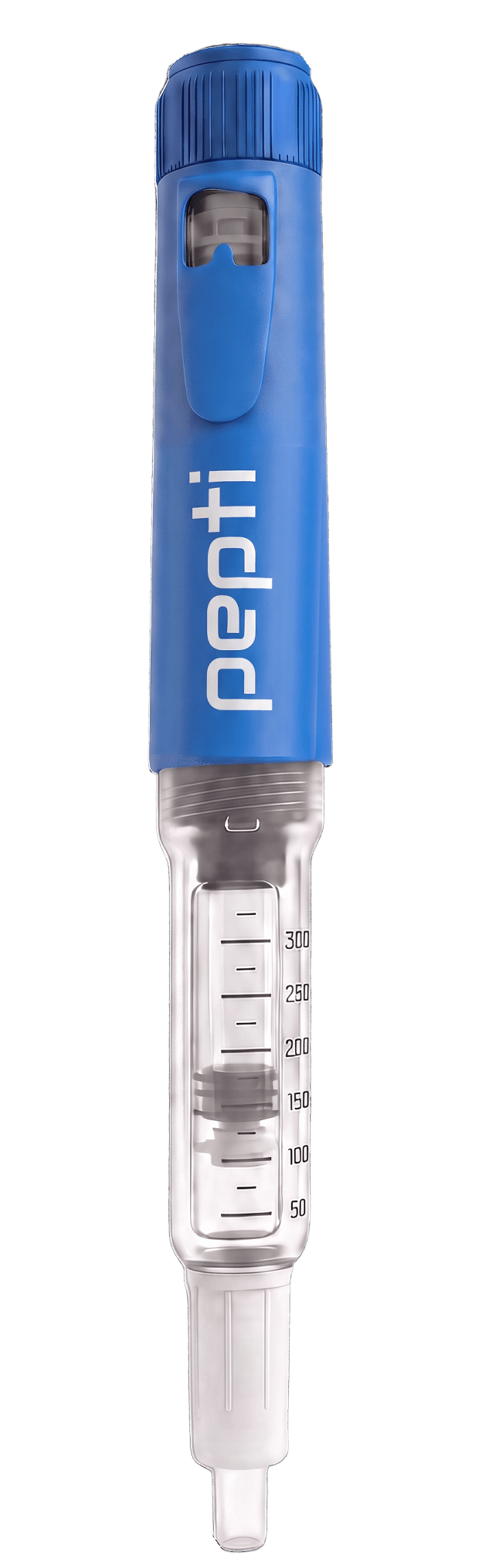
Treatments mentioned
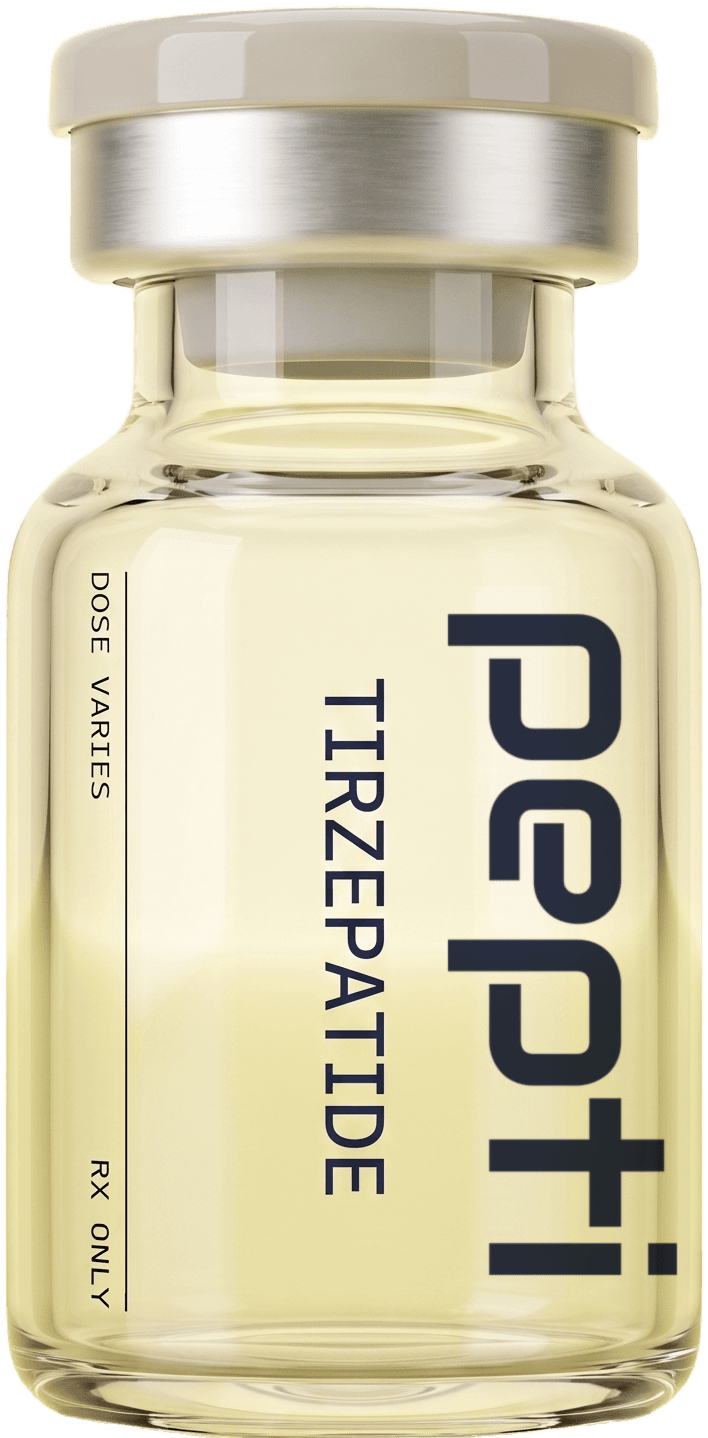
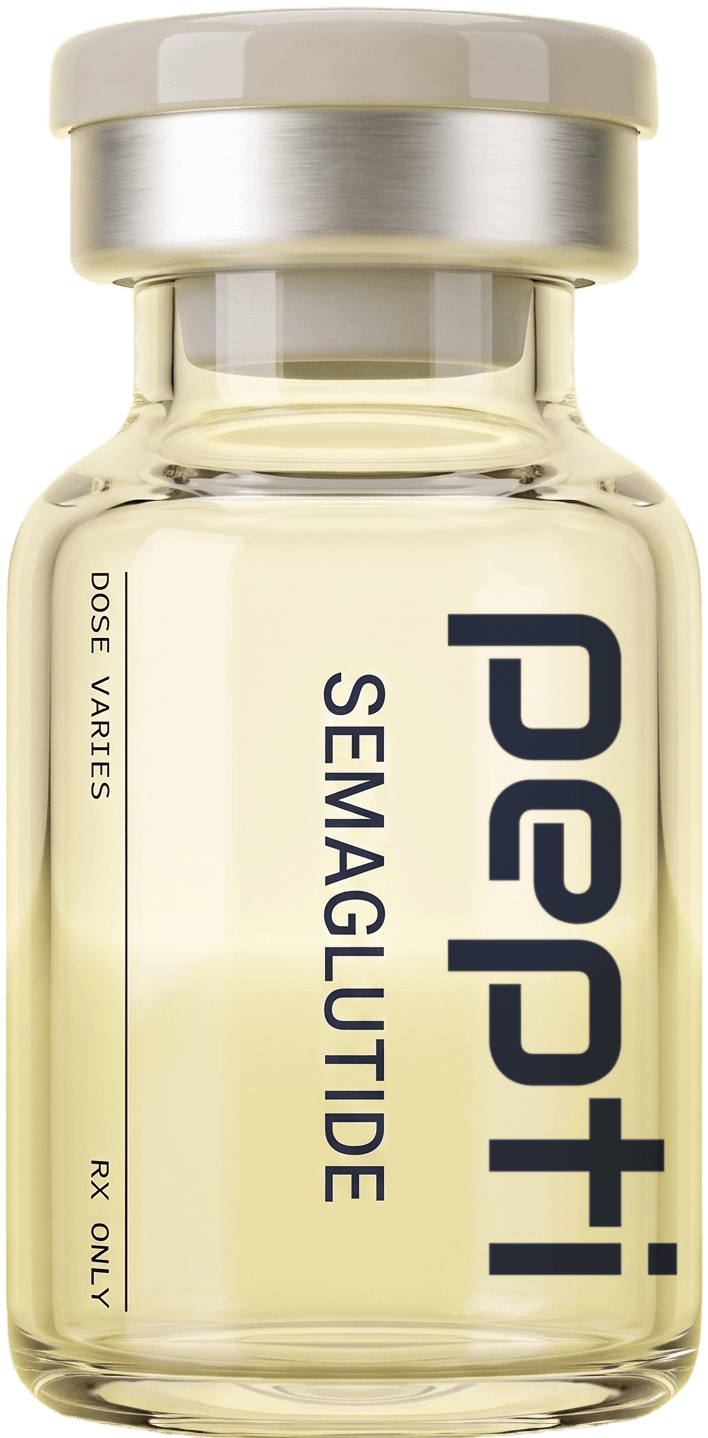
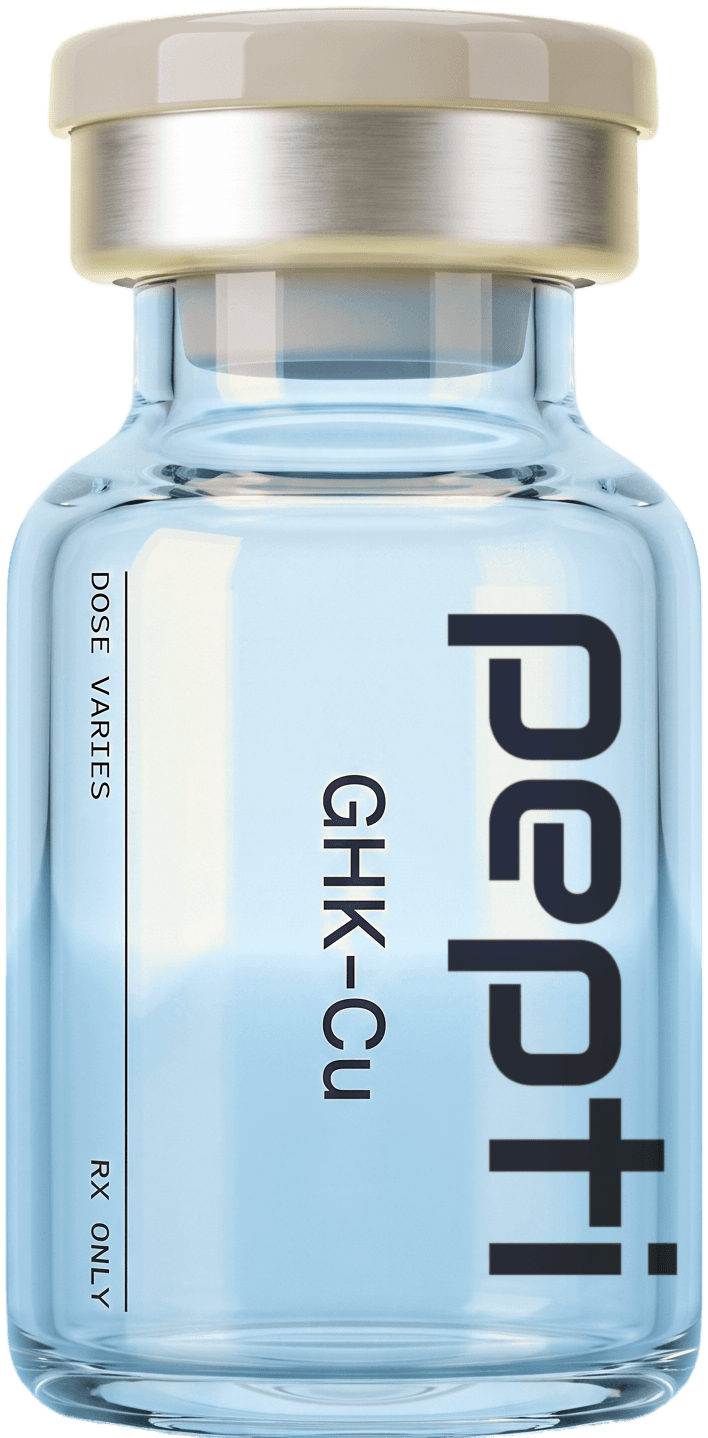
Mild allergic reactions, mostly rash and itching, were reported in about 5% on tirzepatide against 3%, and serious reactions such as swelling of the face, lips or throat are rare but need 911. Rotating injection sites is the main thing that helps at the skin itself. Changes in how the face or skin looks after weight comes down reflect weight change in general, not a skin effect listed on the labels.
This page covers each skin-related effect on the approved labels, how often it was reported, what helps, what yellowing skin can mean, how hair thinning fits in, and which skin changes need same-day or emergency care. The full side-effect lists are in semaglutide side effects, tirzepatide side effects and GLP-1 side effects.
GLP-1 and Skin
The short answer
| Question | Answer |
|---|---|
| Does a GLP-1 affect the skin? | Mainly at the injection site; rash and itching are reported less often |
| Injection-site reactions | Semaglutide 1.4% against 1.0%; tirzepatide 6 to 8% against 2% |
| Rash and itching | Tirzepatide, mostly mild, about 5% against 3%; rash and hives are in semaglutide's post-marketing reports |
| Serious allergic reactions | Rare; swelling of the face, lips or throat or trouble breathing needs 911 |
| Hair thinning | Semaglutide 3.3% against 1%; tirzepatide 4 to 5% against 1 to 2% |
| Yellowing skin or eyes | Not a skin problem; a possible gallbladder warning sign needing same-day care |
| Face and skin changes with weight loss | Reflect weight change in general; not a listed drug effect on skin |
| What helps at the injection site | Rotating sites, clean technique, checking sites for thickened tissue |
The medications this page covers:
| Medication | How it acts | What is in it | Price |
|---|---|---|---|
| Semaglutide | GLP-1 receptor only | Dose-specific vials at six strengths, starting with 1 mg per 1 mL at the 0.25 mg starting dose | From $99/mo, priced by dose |
| Tirzepatide | GIP and GLP-1 receptors | Dose-specific 2 mL vials at six strengths, 2.5 mg to 15 mg; the 2.5 mg and 7.5 mg vials include glycine | From $159/mo, priced by dose |
Prices are all-in: medication, physician review, refill management and shipping, with no membership fee. Both are compounded by PCAB-accredited, FDA-registered US 503A pharmacies. Compounded medications are not FDA approved. The rates on this page come from trials of the FDA-approved versions, which contain the same molecules, so the same side effects apply.
GLP-1 and Skin
Skin effects on the approved labels
| Skin-related effect | Semaglutide | Placebo | Tirzepatide | Placebo |
|---|---|---|---|---|
| Injection-site reactions | 1.4% | 1.0% | 6 to 8% | 2% |
| Hypersensitivity, mostly rash and itching | Post-marketing reports of rash and hives | Not applicable | About 5% | 3% |
| Serious allergic reaction | Anaphylaxis and angioedema reported after approval | Not applicable | 0.1% in trials, plus post-marketing reports | None |
| Hair loss | 3.3% | 1% | 4 to 5% | 1 to 2% |
| Dysesthesia (altered skin sensation) | Listed among reported effects | Not given on our sources | Not given on our sources | Not given on our sources |
The semaglutide figures pool three placebo-controlled trials in 2,116 adults at 2.4 mg weekly for up to 68 weeks; the tirzepatide figures pool two placebo-controlled trials in 2,519 adults at 5, 10 or 15 mg for up to 72 weeks. They come from different trials in different populations, so the columns cannot be compared head to head. Post-marketing reports are voluntary, so their frequency cannot be estimated.
Read the placebo column
One person in a hundred on a dummy semaglutide injection reported an injection-site reaction, and 2% on tirzepatide's placebo did. Some redness or itching comes from the act of injecting, whatever is in the syringe. The share the medication adds is the gap.
GLP-1 and Skin
Injection-site reactions
An injection-site reaction is redness, itching, mild swelling or a small tender bump where the needle went in. It is the most common skin effect on a GLP-1 and usually settles on its own over a day or so.
| What you notice | What it usually is | What to do |
|---|---|---|
| Pink or red patch at the site | A local reaction | Rotate sites; message your care team if it spreads or lasts |
| Itching at the site | A local reaction | Avoid scratching; rotate sites |
| A small, soft bump that fades | Fluid under the skin settling | Usually nothing; rotate sites |
| A firm, rubbery or raised area that stays | Thickened tissue from repeated use of one spot | Stop using that spot and tell your care team |
| A site that is red, hot, swollen or more painful over several days | Possible infection | Message your care team with a photograph, the same day |
| A small bruise or spot of blood | A nicked capillary | Gentle pressure; nothing else |
Rotate sites, and check them
Repeated injection into one spot causes lipohypertrophy, thickened tissue that absorbs unevenly. In insulin users it is the best-documented complication of self-injection: a 2021 meta-analysis in Therapie pooling 45 studies and 26,865 participants found it in 41.8%. A dose delivered into thickened tissue is not reliably the dose that was written. Once a month, feel your sites with flat fingertips for anything raised or firmer than the surrounding tissue. If you find something, stop using that spot and tell your care team.
| Habit | Why it helps |
|---|---|
| Rotate between abdomen, thigh and upper arm | Gives each area time to recover |
| Move a little within an area each week | Avoids the same spot twice in a row |
| Clean the skin with an alcohol prep pad and let it dry | Reduces infection risk and stinging |
| Use a new sterile syringe every time | A used needle is blunter and not sterile |
| Inject slowly | Removes most stinging, along with dry alcohol and a new needle |
| Avoid scars, moles, bruises and skin that is red, tender or hard | Those areas react and absorb less predictably |
| Feel your sites monthly | Catches thickened tissue early |
Technique for each medication is in how to inject semaglutide, how to inject tirzepatide and how to inject peptides safely.
GLP-1 and Skin
Rash, itching and allergic reactions
On the tirzepatide label, hypersensitivity reactions, mostly rash and itching, were reported in about 5% of treated adults against 3% on placebo. Serious reactions are different: severe hypersensitivity occurred in 0.1% of trial participants against none on placebo, and anaphylaxis and angioedema have been reported after approval. The semaglutide label's post-marketing section lists anaphylaxis, angioedema, rash and urticaria (hives).
A previous serious allergic reaction to semaglutide or tirzepatide, or to an ingredient of the vial, rules that medication out. With a compounded preparation, the ingredient list is whatever the pharmacy used, which is why your vial label lists exactly what is in it.
| Reaction | What to do |
|---|---|
| A small itchy patch away from the injection site | Message your care team |
| A rash that spreads, or hives | Contact your care team the same day |
| Swelling of the face, lips, tongue or throat | Call 911 |
| Trouble breathing or swallowing, or feeling faint with a rash | Call 911 |
GLP-1 and Skin
Altered skin sensation
The semaglutide label lists dysesthesia among reported effects. Dysesthesia is an altered or unpleasant sensation in the skin, such as tingling, burning or sensitivity to touch. Our sources give no rate or explanation for it, so there is nothing more to say about how often it happens. If you notice new numbness, tingling or skin sensitivity, tell your care team, along with anything else you take.
GLP-1 and Skin
Hair thinning
Hair thinning is not a skin effect, but it is often the reason people search this question. On the approved semaglutide label, hair loss was reported by 3.3% against 1% on placebo, almost entirely in women, and the label attributes it to weight reduction rather than a direct effect on hair. On tirzepatide it was 4 to 5% against 1 to 2%, generally tied to the pace of weight change.
The usual pattern is diffuse shedding that starts two to four months after a trigger such as rapid weight loss, illness or surgery. Thyroid problems and low iron cause shedding that looks the same. Report it and keep protein intake up. The detail is in GLP-1 hair loss.
GLP-1 and Skin
Yellowing skin is a warning sign, not a skin problem
Yellowing of the skin or the whites of the eyes, especially with pain under the right ribs or fever, can be a sign of gallstones or gallbladder inflammation. On the tirzepatide label, gallstones were reported in 1.1% against 1% on placebo and gallbladder inflammation in 0.7% against 0.2%; on semaglutide, gallstones in 1.6% against 0.7%. This needs same-day medical care, not a skin cream. More is in GLP-1 and gallbladder.
GLP-1 and Skin
Face and skin changes after weight comes down
People sometimes describe the face looking thinner, or skin looking looser, after weight comes down on a GLP-1. That reflects weight change in general: losing fat from under the skin changes how the skin over it sits. It is not a skin effect listed on the semaglutide or tirzepatide labels, and none of the trials on our sources measured it. A GLP-1 does not act on skin structure in any way the labels describe.
The practical points are general ones. The pace of weight change matters for hair, and protein intake and resistance training matter for lean mass, as covered in what to eat on a GLP-1 and GLP-1 and exercise. Any page promising that a product prevents or reverses skin changes on a GLP-1 has no trial behind it.
Peptides prescribed for skin
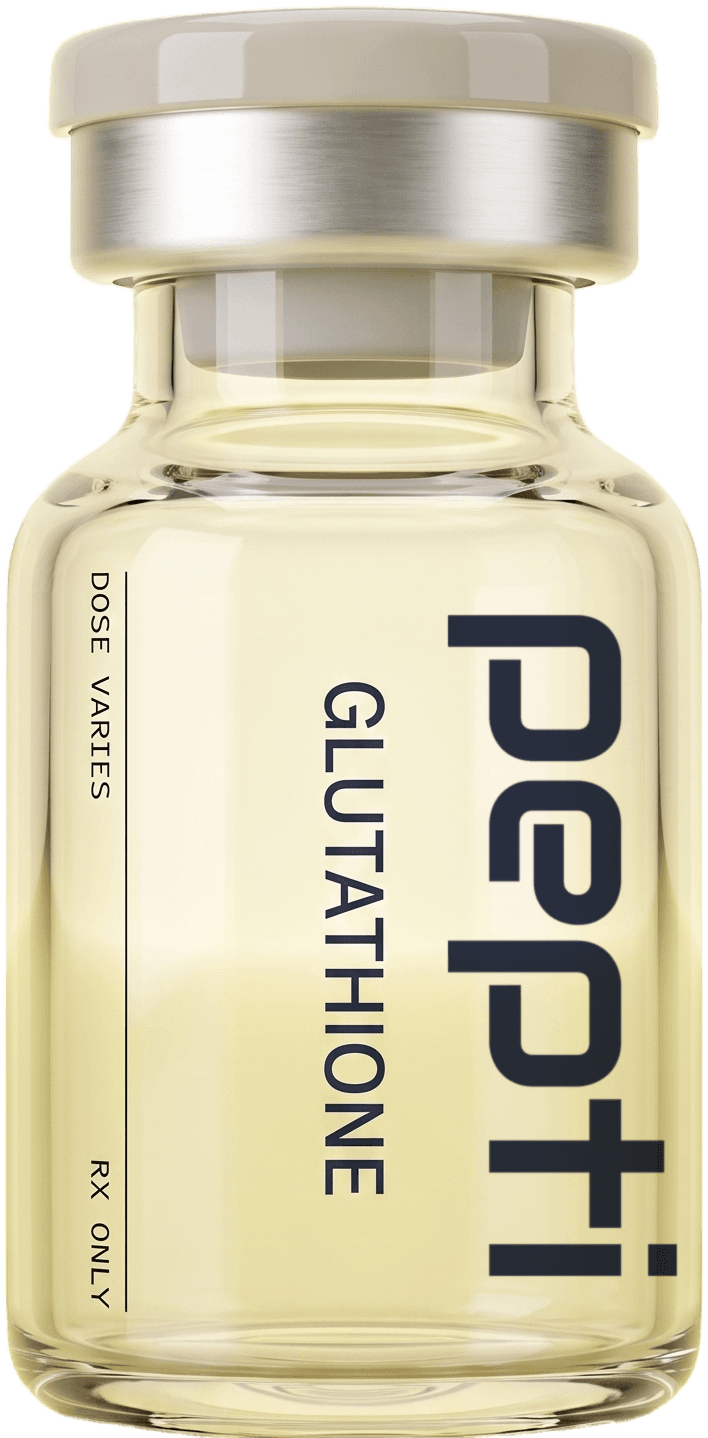
Some people ask about skin-focused peptides alongside a GLP-1. The one most often prescribed is GHK-Cu, a copper-carrying tripeptide studied around collagen and skin repair; glutathione comes up for tone rather than structure. Neither is FDA approved, neither is a GLP-1, and there is no trial of either combined with semaglutide or tirzepatide. If you want to discuss one, list everything you take on the intake. The background is in peptides for skin, GHK-Cu benefits, glutathione for skin and skincare peptides vs injectable peptides.
| Product | What is in it | Price |
|---|---|---|
| GHK-Cu | 5 mL multi-dose vial, GHK-Cu 10 mg/mL (50 mg per vial) | $239/mo |
| Glutathione | 5 mL multi-dose vial, glutathione 200 mg/mL (1000 mg per vial) | $199/mo |
GLP-1 and Skin
When to message your care team, and when to call 911
| Symptom | What it may be | What to do |
|---|---|---|
| Redness or itching at the injection site that lasts or spreads | A local reaction | Message your care team |
| A firm or raised area that stays at a site | Thickened tissue | Stop using that spot; tell your care team |
| Warmth, pus, spreading redness or fever at a site | Possible infection | Contact your care team the same day |
| A spreading rash or hives | Allergic reaction | Contact your care team the same day |
| Yellowing skin or eyes, pain under the right ribs, fever | Gallstones or gallbladder inflammation | Seek medical care the same day |
| Swelling of the face, lips, tongue or throat | Serious allergic reaction | Call 911 |
| Trouble breathing or swallowing | Serious allergic reaction | Call 911 |
Never stop, skip or change a dose to manage a skin reaction on your own. Your physician sets your directions after reviewing how you are doing, and they are printed on the vial.
Bloodwork is not required for any Pepti treatment. If your physician wants labs for your care, they'll ask through your account.
GLP-1 and Skin
What the evidence shows, honestly
Injection-site reactions, hypersensitivity and hair loss are documented on the approved labels with trial rates against placebo, and serious allergic reactions are documented from trials and post-marketing reports. The lipohypertrophy figures come from insulin users, not GLP-1 trials, but the mechanism, repeated injection into one spot, is the same.
The limits: the trial rates belong to the FDA-approved versions; a compounded vial has the same molecule but has not been trialed. The two labels cannot be compared head to head. Post-marketing reports have no reliable frequency. Face and skin changes after weight reduction were not measured in the trials on our sources, and nothing establishes that any product, supplement or added ingredient prevents them. The deeper safety picture is in is semaglutide safe and is tirzepatide safe.
GLP-1 and Skin
Where to get a GLP-1 prescribed
GLP-1 medications cannot be bought legitimately without a prescription. Products sold "for research use only" have no accountable pharmacy behind their identity, purity, sterility or ingredients, which matters directly for allergic reactions. The prescription route:
- Complete a free online intake covering your history, allergies, medications and what you want help with.
- A physician licensed in your state reviews it, usually within 24 hours.
- If it is appropriate, a PCAB-accredited, FDA-registered US 503A pharmacy compounds it to that prescription. Lot test results are published at /quality/lab-results.
- It ships refrigerated with ice packs, with sterile syringes and alcohol prep pads, and your directions printed on the vial.
- Your care team stays reachable for side effects and dose questions. Refills run every 28 days, one vial per fill.
Pepti is cash-pay and does not bill insurance. Step-by-step pages: how to get semaglutide prescribed online and how to get tirzepatide prescribed online.
References
What this is based on.
References
- Wilding JPH, Batterham RL, Calanna S, et al.. Once-Weekly Semaglutide in Adults with Overweight or Obesity (STEP 1) · New England Journal of Medicine (2021) · PMID 33567185
- Lincoff AM, Brown-Frandsen K, Colhoun HM, et al.. Semaglutide and Cardiovascular Outcomes in Obesity without Diabetes (SELECT) · New England Journal of Medicine (2023) · PMID 37952131
- Wadden TA, Bailey TS, Billings LK, et al.. Effect of subcutaneous semaglutide vs placebo as an adjunct to intensive behavioral therapy on body weight in adults with overweight or obesity (STEP 3) · JAMA (2021) · PMID 33625476
- Rubino D, Abrahamsson N, Davies M, et al.. Effect of Continued Weekly Subcutaneous Semaglutide vs Placebo on Weight Loss Maintenance in Adults With Overweight or Obesity: The STEP 4 Randomized Clinical Trial · JAMA (2021) · PMID 33755728
- Marso SP, Bain SC, Consoli A, et al.. Semaglutide and Cardiovascular Outcomes in Patients with Type 2 Diabetes (SUSTAIN-6) · New England Journal of Medicine (2016) · PMID 27633186
- Davies M, Færch L, Jeppesen OK, et al.. Semaglutide 2.4 mg once a week in adults with overweight or obesity, and type 2 diabetes (STEP 2): a randomised, double-blind, double-dummy, placebo-controlled, phase 3 trial · The Lancet (2021) · PMID 33667417
- Garvey WT, Batterham RL, Bhatta M, et al.. Two-year effects of semaglutide in adults with overweight or obesity: the STEP 5 trial · Nature Medicine (2022) · PMID 36216945
- Rubino DM, Greenway FL, Khalid U, et al.. Effect of Weekly Subcutaneous Semaglutide vs Daily Liraglutide on Body Weight in Adults With Overweight or Obesity Without Diabetes: The STEP 8 Randomized Clinical Trial · JAMA (2022) · PMID 35015037
- Aronne LJ, Horn DB, le Roux CW, et al.. Tirzepatide as Compared with Semaglutide for the Treatment of Obesity (SURMOUNT-5) · New England Journal of Medicine (2025) · PMID 40353578
- Sanyal AJ, Newsome PN, Kliers I, et al.. Phase 3 Trial of Semaglutide in Metabolic Dysfunction-Associated Steatohepatitis (ESSENCE) · New England Journal of Medicine (2025) · PMID 40305708
- Wilding JPH, Batterham RL, Davies M, Van Gaal LF, Kandler K et al.. Weight regain and cardiometabolic effects after withdrawal of semaglutide: The STEP 1 trial extension · Diabetes Obes Metab (2022) · PMID 35441470
- Batsis JA, Gavras A, Gross DC, Cheever CR, Da Silva BR et al.. Effect of Incretin-Based and Nonpharmacologic Weight Loss on Body Composition: A Systematic Review · Ann Intern Med (2026) · PMID 41996180
Citations are provided for educational purposes. They do not constitute medical advice. Always discuss any peptide protocol with your prescribing physician.
Common questions
GLP-1 and Skin, answered.
Mainly at the injection site. Injection-site reactions were reported by 1.4% on semaglutide against 1.0% on placebo, and rash, hives and serious allergic reactions appear in its post-marketing reports. The label also lists dysesthesia, an altered skin sensation.
Injection-site reactions were reported by 6 to 8% against 2% on placebo, and mild hypersensitivity, mostly rash and itching, by about 5% against 3%. Serious allergic reactions were 0.1% in trials.
Usually a local reaction to the injection. Rotate sites and let the alcohol dry before injecting. Redness that spreads, warmth, pus or fever is a same-day call to your care team.
Yes, though it is not common. On tirzepatide, mild hypersensitivity, mostly rash and itching, was about 5% against 3% on placebo, and rash and hives are in semaglutide's post-marketing reports. A spreading rash or hives needs a same-day message; swelling of the face or throat needs 911.
Widespread itching can be part of an allergic reaction. Contact your care team the same day, and call 911 if there is any swelling of the face, lips or throat or trouble breathing.
A small soft bump that fades is usually fluid settling. A firm, rubbery area that stays is often thickened tissue from using one spot too often. Stop using that spot and tell your care team.
The labels do not list any effect on facial skin. Changes some people describe in the face after weight comes down reflect weight change in general, and the trials on our sources did not measure them.
Loose skin is a general consequence of weight change, not an effect of the medication on skin that the labels describe. No product has trial evidence for preventing it on a GLP-1.
Hair loss was reported in 3.3% on semaglutide against 1% and 4 to 5% on tirzepatide against 1 to 2%, generally tied to the pace of weight change. See GLP-1 hair loss.
It can be. Yellowing of the skin or eyes, especially with right-sided upper abdominal pain or fever, can mean gallbladder trouble and needs same-day medical care.
There is no trial of the combination. GHK-Cu is not FDA approved and is not a GLP-1. If you want to discuss it, list everything you take on the intake so your physician can review it together. The free assessment goes to a physician licensed in your state. A consultation does not guarantee a prescription.
Related answers
Keep reading.
- What Is a GLP-1? Meaning, How GLP-1 Medications Work, and the List by Generic Name
- GLP-1 and Sleep: Insomnia, Night-Time Reflux and Sleep Apnea on Semaglutide and Tirzepatide
- GLP-1 and Supplements: What to Know About Vitamins, B12, Fiber and "GLP-1 Boosters" on Semaglutide or Tirzepatide
- GLP-1s, Anxiety and Depression: Can Tirzepatide or Semaglutide Affect Your Mood?
- GLP-1 Before Surgery: What to Tell Your Surgical Team on Semaglutide or Tirzepatide
Next step
See what a physician recommends for you.
A licensed physician in your state reviews your intake to see whether treatment fits your history. A consultation does not guarantee a prescription.