Weight Loss · Reference
GLP-1 and Sleep: Insomnia, Night-Time Reflux and Sleep Apnea on Semaglutide and Tirzepatide
Trouble sleeping is not among the common side effects listed for semaglutide or tirzepatide; these are not stimulants, and their listed effects are mostly in the stomach and gut.
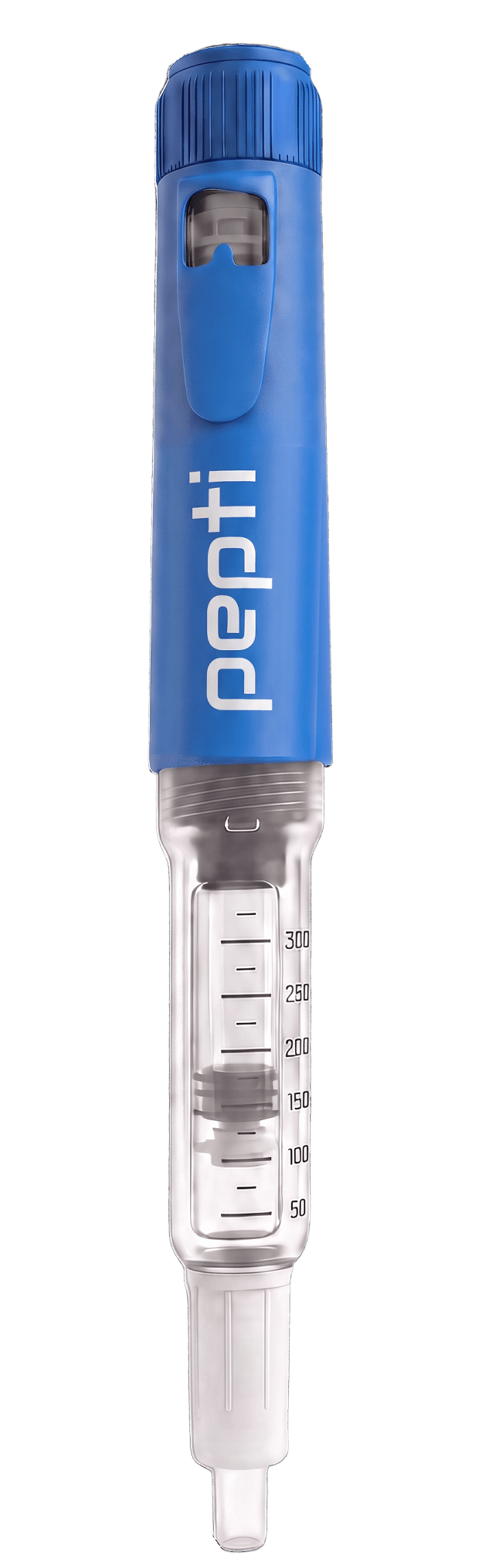
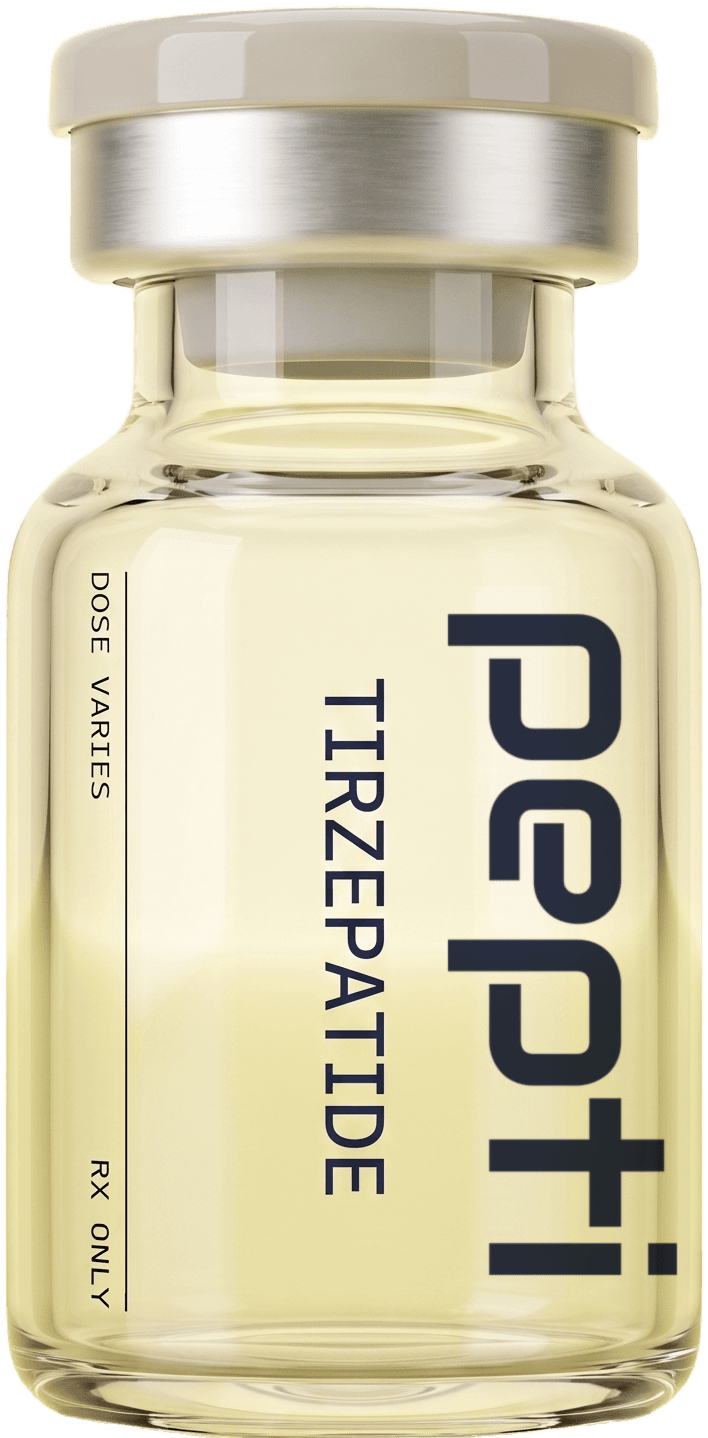
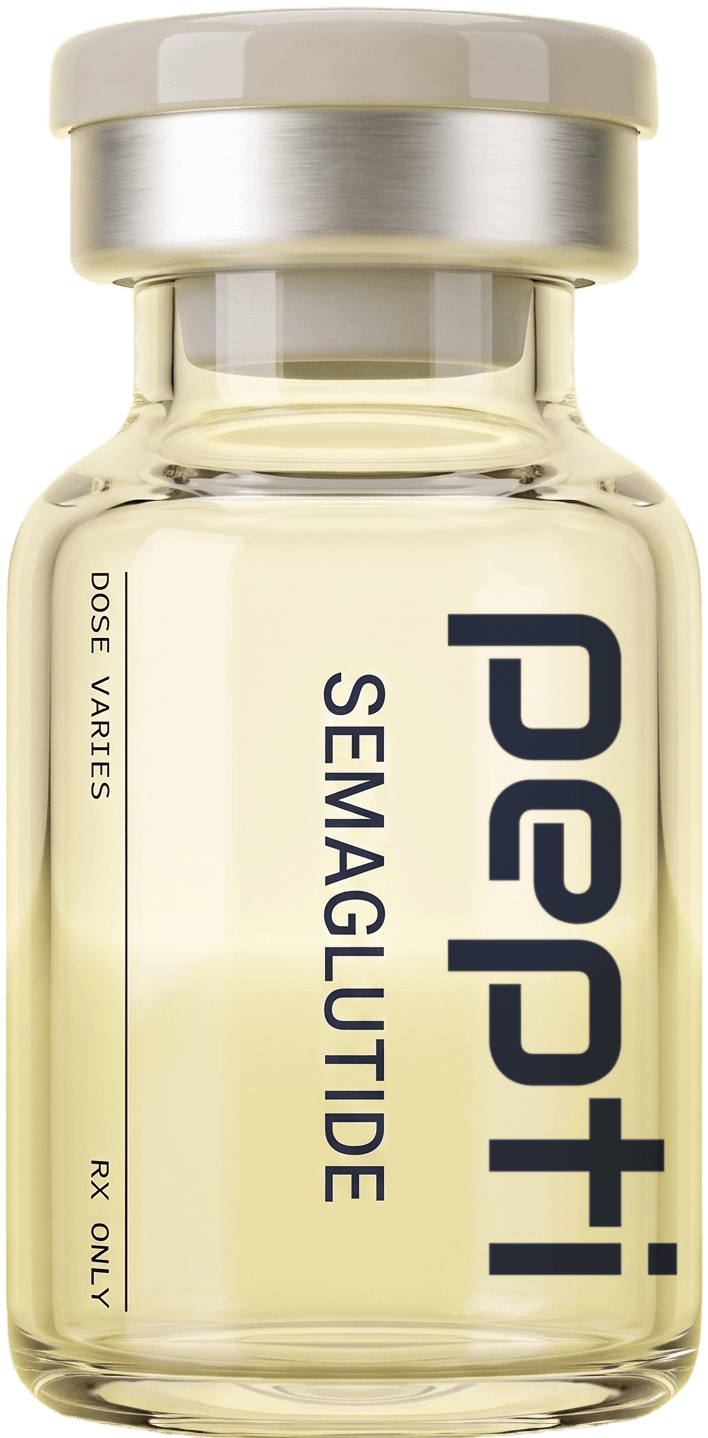
What can disturb sleep on a GLP-1 is indirect: reflux or burping at night after a late, large meal, nausea in the days after a dose increase, and, mainly for people also taking insulin or a sulfonylurea, low blood sugar overnight, which alcohol makes more likely. Separately, tirzepatide was studied in obstructive sleep apnea in the SURMOUNT-OSA trials, and the approved tirzepatide product carries a sleep apnea indication for adults with obesity; semaglutide has no equivalent trial on our sources.
This page covers what the labels list, which GLP-1 side effects tend to show up at night, what the sleep apnea trials measured and their limits, how sleep fits into a weight-management plan, and when a night-time symptom is a reason to act. Fatigue during the day is covered in does a GLP-1 make you tired.
GLP-1 and Sleep
The short answer
| Question | Answer |
|---|---|
| Does a GLP-1 cause insomnia? | Trouble sleeping is not among the common side effects on our semaglutide or tirzepatide side-effect pages |
| Is a GLP-1 a stimulant? | No; it mimics a gut hormone that rises after meals |
| What can disturb sleep on one? | Night-time reflux and burping, nausea after dose steps, diarrhea, low blood sugar overnight |
| Who is at risk of low blood sugar at night? | Mainly people also taking insulin or a sulfonylurea, especially after alcohol |
| Does a GLP-1 help sleep apnea? | Tirzepatide was studied in SURMOUNT-OSA; semaglutide has no equivalent trial on our sources |
| Does sleep affect a GLP-1 plan? | Short and fragmented sleep changes appetite regulation and insulin sensitivity |
| What helps at night? | An earlier, smaller last meal, staying upright after eating, less alcohol |
| When to act | Reflux waking you regularly, night sweats or shakiness with diabetes medication, loud snoring with pauses |
The medications this page covers:
| Medication | How it acts | What is in it | Price |
|---|---|---|---|
| Semaglutide | GLP-1 receptor only | Dose-specific vials at six strengths, starting with 1 mg per 1 mL at the 0.25 mg starting dose | From $99/mo, priced by dose |
| Tirzepatide | GIP and GLP-1 receptors | Dose-specific 2 mL vials at six strengths, 2.5 mg to 15 mg; the 2.5 mg and 7.5 mg vials include glycine | From $159/mo, priced by dose |
Prices are all-in: medication, physician review, refill management and shipping, with no membership fee. Both are compounded by PCAB-accredited, FDA-registered US 503A pharmacies. Compounded medications are not FDA approved. The rates and trials on this page belong to the FDA-approved versions, which contain the same molecules.
GLP-1 and Sleep
Does a GLP-1 affect sleep directly?
Semaglutide and tirzepatide copy a hormone the small intestine releases after a meal. They slow stomach emptying and act on appetite centers in the brain. That is a very different action from a stimulant-type appetite drug such as phentermine, whose labelled effects include faster heart rate, raised blood pressure, restlessness and trouble sleeping. The comparison is in phentermine vs GLP-1.
The side-effect tables on the approved weight-management labels, as set out in semaglutide side effects and tirzepatide side effects, are dominated by the gut: nausea, diarrhea, vomiting, constipation, indigestion and reflux. Fatigue, headache and dizziness are listed too. Trouble sleeping is not on those lists.
That does not mean nobody sleeps badly on a GLP-1. It means that when sleep changes, the usual reason is one of the side effects that happen to land at night.
GLP-1 and Sleep
GLP-1 side effects that can disturb a night
| Side effect | How often on the labels | Why it lands at night |
|---|---|---|
| Reflux | Semaglutide 5% against 3%; tirzepatide 4 to 5% against 1 to 2% | Lying down with a stomach that is still full from dinner |
| Belching | Semaglutide 7% against under 1%; tirzepatide 4 to 5% against 1 to 2% | The same slower stomach |
| Nausea | Semaglutide 44% against 16%; tirzepatide 25 to 29% against 8% | Peaks in the days after a dose step, including overnight |
| Diarrhea | Semaglutide 30% against 16%; tirzepatide 19 to 23% against 8% | Can wake you, and drains fluid |
| Abdominal pain and bloating | Semaglutide abdominal pain 20% against 10%, bloating 7% against 5% | Discomfort that is harder to ignore in bed |
| Low blood sugar | Mainly with insulin or a sulfonylurea | The overnight window after a low-food day, worse after alcohol |
The semaglutide figures pool three placebo-controlled trials in 2,116 adults at 2.4 mg weekly for up to 68 weeks; the tirzepatide figures pool two placebo-controlled trials in 2,519 adults at 5, 10 or 15 mg for up to 72 weeks. They cannot be compared head to head.
Night-time reflux
Because the stomach empties more slowly, an evening meal sits there longer. A late, large dinner is the eating habit patients most often link with reflux and burping at night. The changes that usually help are an earlier last meal, a smaller one, staying upright for a while after eating, and less alcohol. If reflux is waking you or not responding, message your care team.
Nausea after a dose step
The stomach-slowing effect is largest after the first dose and after each step up, and smaller with each week at the same strength. Nausea follows the same pattern, so a few unsettled nights after an increase are common. If nausea is not easing at the same strength, tell your care team before the next step. More is in GLP-1 nausea: how to manage it.
Low blood sugar overnight
On their own, semaglutide and tirzepatide prompt insulin release only when glucose is high, so they rarely drive blood sugar too low. The risk rises with insulin or a sulfonylurea. Alcohol adds a specific pattern: it interferes with the liver's ability to make new glucose, which is what holds blood sugar up hours after the last meal. After a day of very low food intake, the vulnerable window is overnight, not while you are drinking. Sweating, shakiness or waking confused are signs to report if you take one of those medications. The detail is in can you drink alcohol on semaglutide.
Alcohol and sleep quality
Separately from blood sugar, alcohol degrades sleep quality even in modest amounts. It also aggravates reflux and nausea. On a GLP-1, that is three reasons to go easy on an evening drink, especially after a dose increase.
GLP-1 and Sleep
Sleep apnea and tirzepatide
Obstructive sleep apnea is repeated narrowing or closing of the airway during sleep. Its severity is measured by the apnea-hypopnea index, the number of breathing interruptions per hour.
| Point | What the source says |
|---|---|
| The trials | SURMOUNT-OSA, two 52-week trials, New England Journal of Medicine, 2024 |
| Who was enrolled | Adults with moderate-to-severe obstructive sleep apnea and obesity |
| The two populations | One trial in people not using positive airway pressure, one in people already using it |
| What changed | The apnea-hypopnea index fell 25.3 and 29.3 events per hour with tirzepatide, against 5.3 and 5.5 with placebo |
| Regulatory result | The approved tirzepatide weight-management product was approved for moderate-to-severe obstructive sleep apnea in adults with obesity in December 2024 |
| Semaglutide | No equivalent trial on our sources |
The limits
The trials enrolled people with both sleep apnea and obesity, so they say nothing about sleep apnea outside that population. They were run on the approved manufactured product, not on a compounded preparation. Compounded tirzepatide contains the same molecule, but it is not FDA approved for anything and has not been trialed. Sleep apnea needs its own diagnosis and care, and a GLP-1 is not a replacement for that. If you use positive airway pressure, never stop it on your own. More is in tirzepatide benefits and semaglutide vs tirzepatide.
When to raise it
Loud snoring, pauses in breathing that someone else notices, waking gasping, morning headaches and heavy daytime sleepiness are reasons to mention sleep apnea on your intake and to your own clinician. A sleep study is how it is diagnosed.
GLP-1 and Sleep
How sleep fits into a weight-management plan
Short and fragmented sleep changes appetite regulation and insulin sensitivity, and untreated obstructive sleep apnea does both persistently. That is why sleep appears on the list of things worth looking at when progress on a GLP-1 stalls, alongside untreated thyroid disease, medications that promote weight gain, alcohol and protein intake. The detail is in why am I not losing weight on semaglutide.
| Habit | Why it matters on a GLP-1 |
|---|---|
| A regular sleep schedule | Short and broken sleep affect appetite regulation and insulin sensitivity |
| An earlier, smaller last meal | Less in the stomach when you lie down, so less reflux |
| Staying upright after eating | Helps when reflux is the problem |
| Limiting alcohol, especially in the evening | It degrades sleep, aggravates reflux and adds overnight low blood sugar risk |
| Fluids earlier in the day | Keeps fluids up without as many night-time trips to the bathroom |
| A dosing day that suits your week | The semaglutide label notes the day of the week can be changed; ask your care team first |
These habits are sensible and low-risk; they are not tested in GLP-1 trials. If you want to move your dosing day, ask your care team first so your refill timing stays straight. Both tirzepatide labels require at least 3 days (72 hours) between two doses when the day changes.
Peptides prescribed for sleep
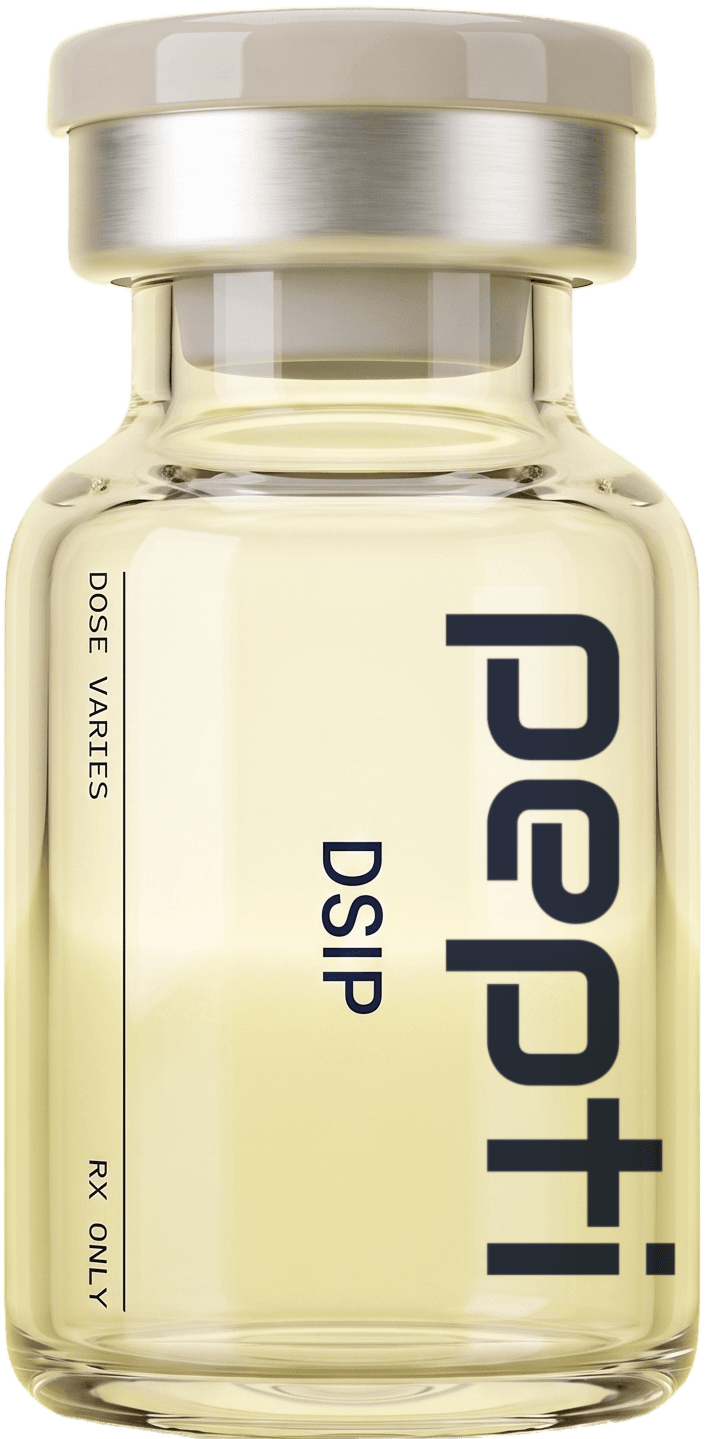
Some people ask about sleep-focused peptides alongside a GLP-1. DSIP (a 5 mL vial, 1 mg/mL, $249/mo) is the one most often discussed. It is not a sedative, it is not FDA approved, and there is no trial of it combined with semaglutide or tirzepatide. The overview is in peptides for sleep and what is DSIP. If you want to discuss one, list everything you take on the intake.
GLP-1 and Sleep
When to message your care team, and when to call 911
| Symptom | What it may be | What to do |
|---|---|---|
| Reflux or burping waking you regularly | Slower stomach emptying | Message your care team |
| Nausea that keeps you awake and is not easing at the same strength | Dose step not yet tolerated | Message your care team before the next step |
| Diarrhea at night lasting more than a day or two | Ongoing fluid loss | Message your care team |
| Night sweats, shakiness or waking confused with insulin or a sulfonylurea | Low blood sugar | Treat it, then report it |
| Loud snoring with pauses in breathing, waking gasping | Possible sleep apnea | Raise it with your care team and your own clinician |
| Severe abdominal pain that wakes you, sometimes into the back | Possible pancreatitis | Seek medical care the same day |
| A swollen, painful abdomen, vomiting, no gas or stool | Bowel obstruction or ileus | Call 911 or go to an emergency department |
| Chest pain, trouble breathing, or swelling of the face or throat | Needs urgent assessment | Call 911 |
Never stop, skip or change a dose to fix a sleep problem on your own. Your physician sets your directions after reviewing how you are doing, and they are printed on the vial.
Bloodwork is not required for any Pepti treatment. If your physician wants labs for your care, they'll ask through your account.
GLP-1 and Sleep
What the evidence shows, honestly
The side-effect profiles of semaglutide and tirzepatide are documented from large placebo-controlled trials, and the effects that tend to disturb sleep, reflux, nausea and diarrhea, are among them with rates against placebo. SURMOUNT-OSA is a pair of randomized trials with a measured endpoint, the apnea-hypopnea index, in a defined population.
The limits: the trials did not set out to measure sleep quality in general, so there is no trial answer to "will I sleep better or worse on a GLP-1." The trial rates and the sleep apnea results belong to the FDA-approved versions; a compounded vial has the same molecule but has not been trialed. The advice on evening meals and alcohol is sensible and untested in GLP-1 trials. Any page promising that a GLP-1 or an add-on improves sleep is going beyond the evidence.
GLP-1 and Sleep
Where to get a GLP-1 prescribed
GLP-1 medications cannot be bought legitimately without a prescription. Products sold "for research use only" have no accountable pharmacy behind their identity, purity, sterility or concentration. The prescription route:
- Complete a free online intake covering your history, sleep, medications and what you want help with.
- A physician licensed in your state reviews it, usually within 24 hours.
- If it is appropriate, a PCAB-accredited, FDA-registered US 503A pharmacy compounds it to that prescription. Lot test results are published at /quality/lab-results.
- It ships refrigerated with ice packs, with sterile syringes and alcohol prep pads, and your directions printed on the vial.
- Your care team stays reachable for side effects and dose questions. Refills run every 28 days, one vial per fill.
Pepti is cash-pay and does not bill insurance. Step-by-step pages: how to get semaglutide prescribed online and how to get tirzepatide prescribed online.
References
What this is based on.
References
- Wilding JPH, Batterham RL, Calanna S, et al.. Once-Weekly Semaglutide in Adults with Overweight or Obesity (STEP 1) · New England Journal of Medicine (2021) · PMID 33567185
- Lincoff AM, Brown-Frandsen K, Colhoun HM, et al.. Semaglutide and Cardiovascular Outcomes in Obesity without Diabetes (SELECT) · New England Journal of Medicine (2023) · PMID 37952131
- Wadden TA, Bailey TS, Billings LK, et al.. Effect of subcutaneous semaglutide vs placebo as an adjunct to intensive behavioral therapy on body weight in adults with overweight or obesity (STEP 3) · JAMA (2021) · PMID 33625476
- Rubino D, Abrahamsson N, Davies M, et al.. Effect of Continued Weekly Subcutaneous Semaglutide vs Placebo on Weight Loss Maintenance in Adults With Overweight or Obesity: The STEP 4 Randomized Clinical Trial · JAMA (2021) · PMID 33755728
- Marso SP, Bain SC, Consoli A, et al.. Semaglutide and Cardiovascular Outcomes in Patients with Type 2 Diabetes (SUSTAIN-6) · New England Journal of Medicine (2016) · PMID 27633186
- Davies M, Færch L, Jeppesen OK, et al.. Semaglutide 2.4 mg once a week in adults with overweight or obesity, and type 2 diabetes (STEP 2): a randomised, double-blind, double-dummy, placebo-controlled, phase 3 trial · The Lancet (2021) · PMID 33667417
- Garvey WT, Batterham RL, Bhatta M, et al.. Two-year effects of semaglutide in adults with overweight or obesity: the STEP 5 trial · Nature Medicine (2022) · PMID 36216945
- Rubino DM, Greenway FL, Khalid U, et al.. Effect of Weekly Subcutaneous Semaglutide vs Daily Liraglutide on Body Weight in Adults With Overweight or Obesity Without Diabetes: The STEP 8 Randomized Clinical Trial · JAMA (2022) · PMID 35015037
- Aronne LJ, Horn DB, le Roux CW, et al.. Tirzepatide as Compared with Semaglutide for the Treatment of Obesity (SURMOUNT-5) · New England Journal of Medicine (2025) · PMID 40353578
- Sanyal AJ, Newsome PN, Kliers I, et al.. Phase 3 Trial of Semaglutide in Metabolic Dysfunction-Associated Steatohepatitis (ESSENCE) · New England Journal of Medicine (2025) · PMID 40305708
- Wilding JPH, Batterham RL, Davies M, Van Gaal LF, Kandler K et al.. Weight regain and cardiometabolic effects after withdrawal of semaglutide: The STEP 1 trial extension · Diabetes Obes Metab (2022) · PMID 35441470
- Batsis JA, Gavras A, Gross DC, Cheever CR, Da Silva BR et al.. Effect of Incretin-Based and Nonpharmacologic Weight Loss on Body Composition: A Systematic Review · Ann Intern Med (2026) · PMID 41996180
Citations are provided for educational purposes. They do not constitute medical advice. Always discuss any peptide protocol with your prescribing physician.
Common questions
GLP-1 and Sleep, answered.
Trouble sleeping is not among the common side effects on the approved semaglutide label as summarized in semaglutide side effects. When sleep changes, the usual causes are reflux, nausea after a dose step, or diarrhea.
Not directly as a listed common side effect. Reflux, nausea and diarrhea can disturb a night, mostly after dose increases. Tirzepatide was also studied in obstructive sleep apnea in SURMOUNT-OSA.
Common reasons are reflux after a late meal, nausea in the days after a dose increase, diarrhea, alcohol, and, with insulin or a sulfonylurea, low blood sugar overnight. Sleep, stress and other medications also play a part, so give your care team the whole picture.
Yes. Reflux was reported by 5% on semaglutide against 3%, and by 4 to 5% on tirzepatide against 1 to 2%. An earlier, smaller last meal and staying upright after eating are the usual first changes.
In SURMOUNT-OSA, in adults with moderate-to-severe obstructive sleep apnea and obesity, the apnea-hypopnea index fell 25.3 and 29.3 events per hour with tirzepatide against 5.3 and 5.5 with placebo, and the approved product has a sleep apnea indication. It is not a replacement for sleep apnea care, and compounded tirzepatide is not FDA approved.
There is no semaglutide trial equivalent to SURMOUNT-OSA on our sources, and semaglutide does not carry a sleep apnea indication.
The labels on our sources set the day of the week, not the time of day. Follow the directions printed on your vial, and ask your care team if you want to change your dosing day.
On its own a GLP-1 rarely causes low blood sugar. With insulin or a sulfonylurea, and especially after alcohol on a low-food day, the overnight window is when it is most likely. Treat it, then report it.
It does not block the medication, but short and fragmented sleep changes appetite regulation and insulin sensitivity, which is why sleep is one of the things reviewed when progress stalls.
There is no trial of any sleep peptide combined with a GLP-1. If you want to discuss one, list everything you take on the intake so your physician can review it together. The free assessment goes to a physician licensed in your state. A consultation does not guarantee a prescription.
Related answers
Keep reading.
- What Is a GLP-1? Meaning, How GLP-1 Medications Work, and the List by Generic Name
- GLP-1 and Supplements: What to Know About Vitamins, B12, Fiber and "GLP-1 Boosters" on Semaglutide or Tirzepatide
- GLP-1s, Anxiety and Depression: Can Tirzepatide or Semaglutide Affect Your Mood?
- GLP-1 Before Surgery: What to Tell Your Surgical Team on Semaglutide or Tirzepatide
- GLP-1 Constipation: Why Semaglutide and Tirzepatide Slow Things Down and What Helps
Next step
See what a physician recommends for you.
A licensed physician in your state reviews your intake to see whether treatment fits your history. A consultation does not guarantee a prescription.