Weight Loss · Reference
GLP-1 and the Gallbladder: Gallstone Risk on Semaglutide and Tirzepatide and the Symptoms to Act On
Gallbladder problems are an uncommon but recognized side effect of GLP-1 medications: on the approved weight-management labels, gallstones were reported by 1.6% on semaglutide against 0.7% on placebo, and by 1.1% on tirzepatide against 1%, with gallbladder inflammation at 0.6% and 0.7% against 0.2%.
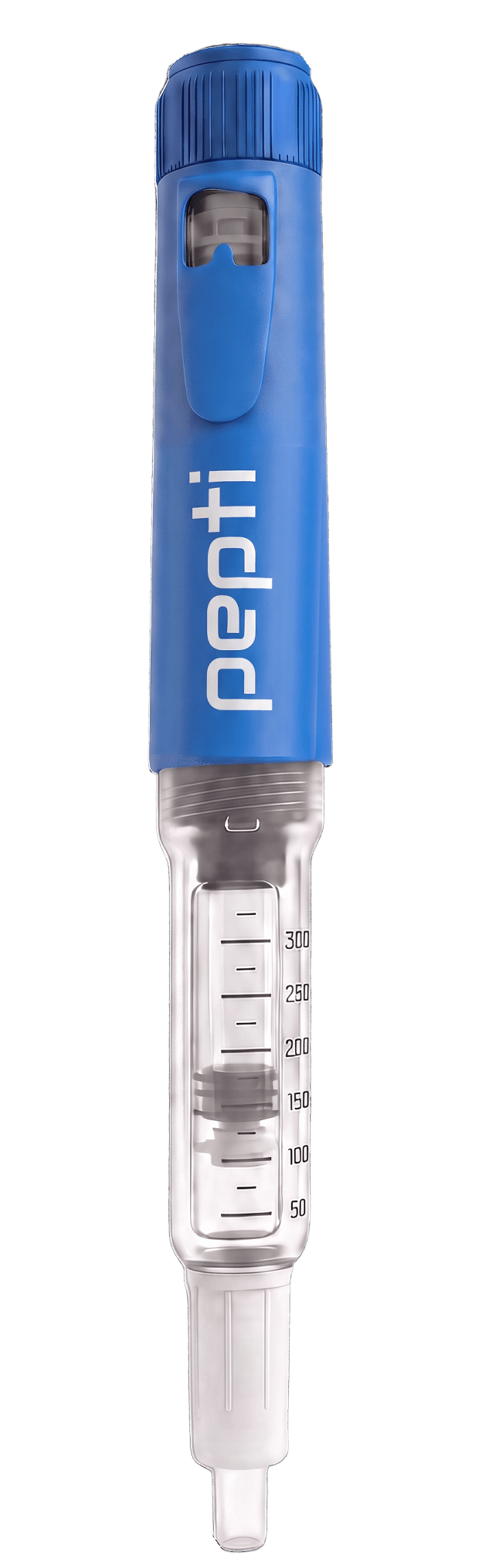
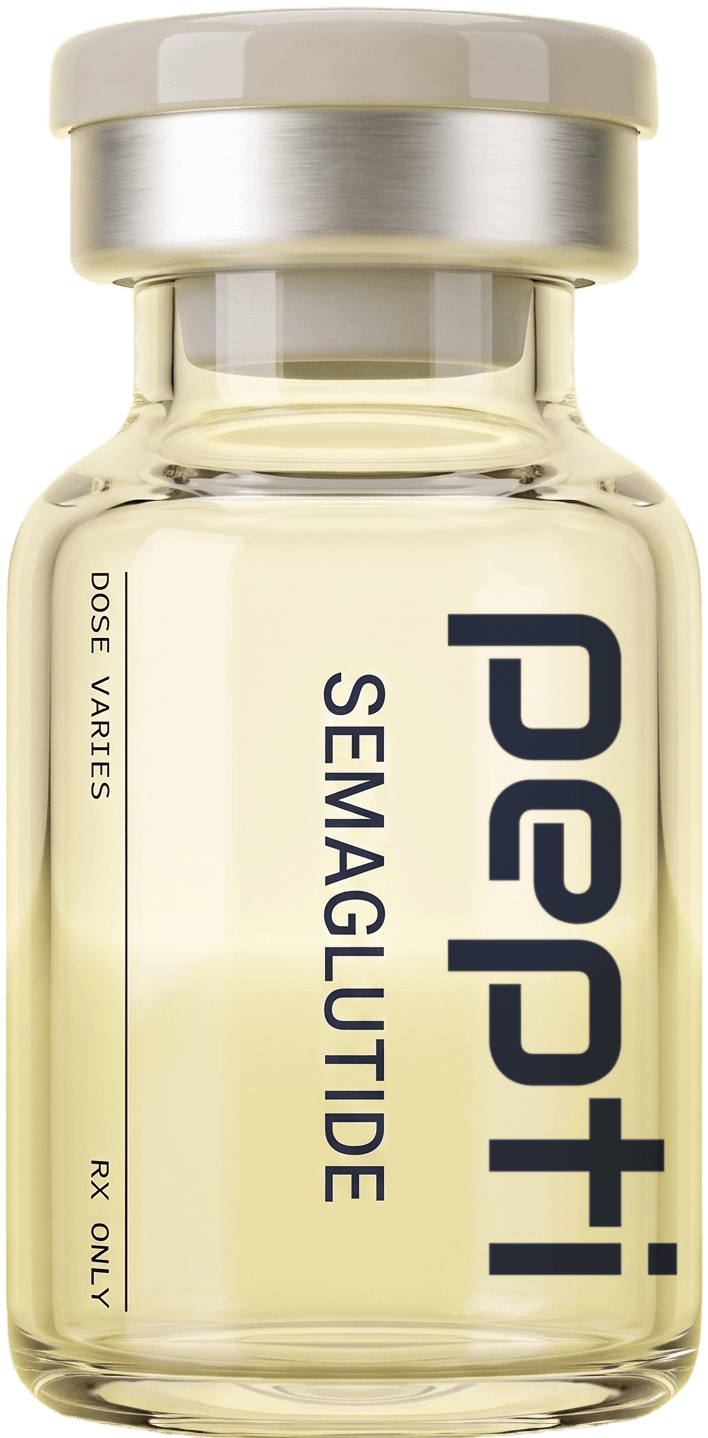
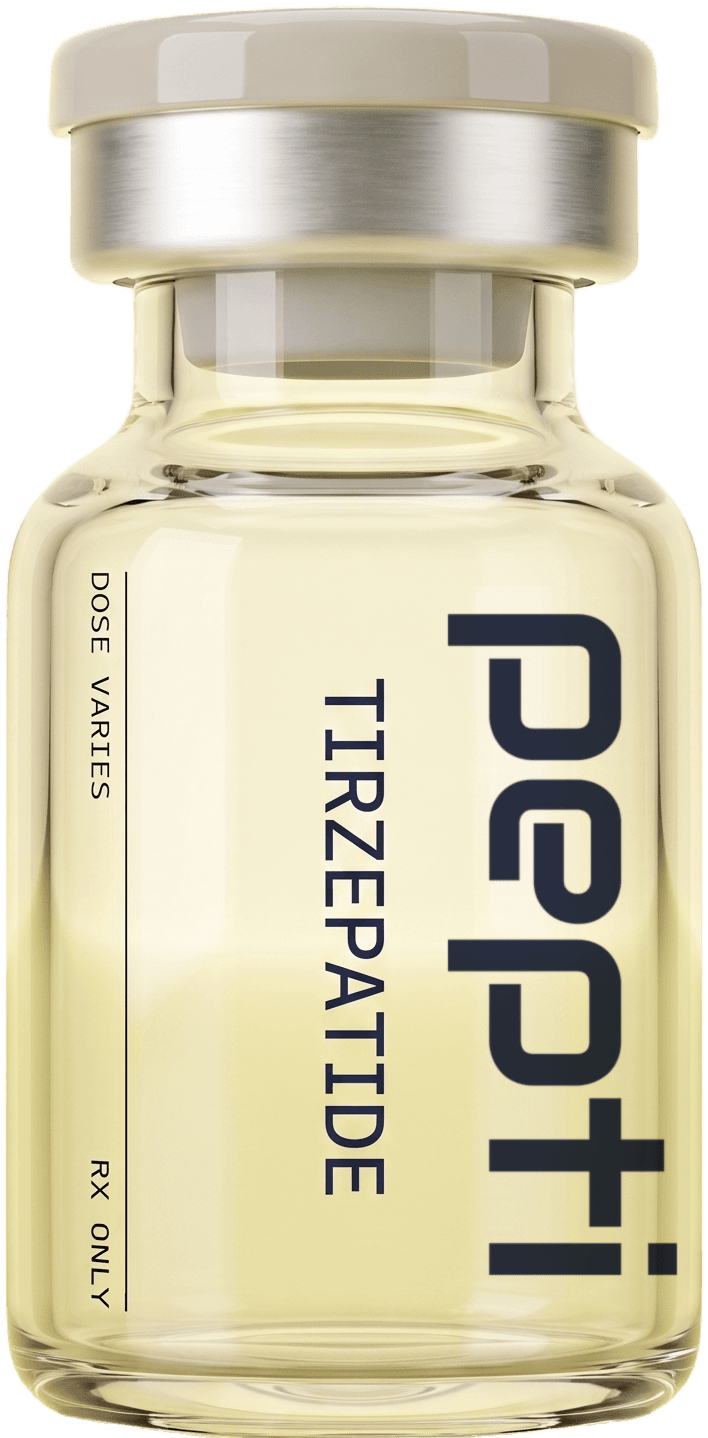
Treatments mentioned
Rapid weight loss by any means raises gallstone risk, and on semaglutide the label notes the excess persisted after accounting for the amount of weight lost. Pain under the right ribs, especially after fatty meals or with fever or yellowing skin or eyes, needs same-day care. A history of gallbladder disease belongs on your intake.
This page covers how often gallbladder problems were reported, why they happen on a GLP-1, what the class-wide evidence shows, the symptoms to act on, and what it means if you have had gallbladder trouble before. The full side-effect lists are in semaglutide side effects, tirzepatide side effects and GLP-1 side effects.
GLP-1 and the Gallbladder
The short answer
| Question | Semaglutide | Tirzepatide |
|---|---|---|
| Gallstones on the approved label | 1.6% against 0.7% on placebo | 1.1% against 1% on placebo |
| Gallbladder inflammation (cholecystitis) | 0.6% against 0.2% | 0.7% against 0.2% |
| Gallbladder removal | Not given separately on the label figures used here | 0.2% against none |
| Role of weight loss | Excess persisted after accounting for weight lost | Label attributes the trial events to rapid weight reduction |
| Class-wide estimate | Relative risk 1.37 across 76 trials (JAMA Internal Medicine, 2022) | Same review covers the class |
| Symptoms to act on | Pain under the right ribs, fever, yellowing skin or eyes | Same |
| What to do | Seek care the same day | Same |
The medications this page covers:
| Medication | How it acts | What is in it | Price |
|---|---|---|---|
| Semaglutide | GLP-1 receptor only | Dose-specific vials at six strengths, starting with 1 mg per 1 mL at the 0.25 mg starting dose | From $99/mo, priced by dose |
| Tirzepatide | GIP and GLP-1 receptors | Dose-specific 2 mL vials at six strengths, 2.5 mg to 15 mg; the 2.5 mg and 7.5 mg vials include glycine | From $159/mo, priced by dose |
Prices are all-in: medication, physician review, refill management and shipping, with no membership fee. Both are compounded by PCAB-accredited, FDA-registered US 503A pharmacies. Compounded medications are not FDA approved. The rates on this page come from trials of the FDA-approved versions, which contain the same molecules, so the same side effects apply.
GLP-1 and the Gallbladder
How common gallbladder problems are on a GLP-1
Semaglutide
On the approved semaglutide weight-management label, pooling three placebo-controlled trials in 2,116 adults at 2.4 mg weekly for up to 68 weeks, gallstones (cholelithiasis) were reported by 1.6% against 0.7% on placebo, and gallbladder inflammation (cholecystitis) by 0.6% against 0.2%. The label notes that the excess persisted even after accounting for the degree of weight lost, and instructs that if gallstones are suspected, gallbladder studies and clinical follow-up are indicated.
Tirzepatide
On the approved tirzepatide weight-management label, pooling two placebo-controlled trials in 2,519 adults for up to 72 weeks, gallstones were reported in 1.1% against 1% on placebo, gallbladder inflammation in 0.7% against 0.2%, and gallbladder removal in 0.2% against none. The label attributes the trial events to rapid weight reduction.
Event Semaglutide Placebo Tirzepatide Placebo Gallstones 1.6% 0.7% 1.1% 1% Gallbladder inflammation 0.6% 0.2% 0.7% 0.2% Gallbladder removal n/a n/a 0.2% none The two labels come from different trials in different populations and cannot be compared head to head. A higher figure in one column is not proof that one medication is harder on the gallbladder.
Across the class
A systematic review in JAMA Internal Medicine in 2022 pooled 76 randomized trials of GLP-1 receptor agonists and reported a relative risk of 1.37 for gallbladder or biliary disease. The risk was higher at higher doses and with longer use, and highest in weight-loss trials. A relative risk describes how much more often an event happened against a comparison group; with a low starting rate, the absolute difference stays small, as the label figures above show.
GLP-1 and the Gallbladder
Why GLP-1 medications affect the gallbladder
The gallbladder stores bile and releases it after meals. The labels and the class review point to these factors.
| Factor | How it may contribute |
|---|---|
| Rapid weight loss | A recognized gallstone risk factor with any method of losing weight |
| The medication itself | On semaglutide, the excess persisted after accounting for weight lost, so weight loss does not explain all of it |
| Higher doses and longer use | The 2022 review found risk rose with both |
The labels do not settle the exact mechanism beyond weight change, and this page does not claim one. What matters in practice is recognizing the symptoms and having a gallbladder history on the record before starting.
GLP-1 and the Gallbladder
Symptoms to act on
Gallbladder pain is a different report from "nausea after my injection" and should be made as such.
| Symptom | What it may be | What to do |
|---|---|---|
| Pain under the right ribs or in the upper right abdomen, often after fatty meals | Gallstones | Seek care the same day |
| That pain with fever | Gallbladder inflammation | Seek care the same day |
| Yellowing skin or eyes (jaundice) | A gallbladder or bile-duct problem | Seek care the same day |
| Severe, persistent abdominal pain, sometimes into the back, with or without vomiting | Possible pancreatitis | Seek medical care the same day; stop the medication if pancreatitis is suspected |
| Swollen, painful abdomen, vomiting, no gas or stool | Bowel obstruction or ileus | Call 911 or go to an emergency department |
| Severe pain with fainting, confusion or trouble breathing | An emergency | Call 911 |
Severe, persistent abdominal pain should send someone to be evaluated rather than to a message thread. After you have been seen, tell your care team what was found so your physician can review your directions.
How it differs from ordinary GLP-1 stomach upset
| Ordinary side effect | Gallbladder pattern |
|---|---|
| Queasiness in the days after a dose increase, easing at a steady strength | Pain under the right ribs that can come at any point in treatment |
| Fullness and reflux after large meals | Pain after fatty meals that is sharper and more localized |
| No fever | Fever can come with inflammation |
| Skin color unchanged | Yellowing skin or eyes |
GLP-1 and the Gallbladder
If you have had gallbladder problems before
| Situation | Status |
|---|---|
| Active gallbladder disease | Needs discussion; rapid weight loss adds risk |
| Past gallstones | Belongs on your intake |
| Gallbladder already removed | Belongs on your intake, along with when and why |
| Previous pancreatitis | Needs careful discussion |
A history of gallbladder disease is one of the questions the intake asks, because it changes the risk conversation. Be specific: what happened, when, and how it was treated.
GLP-1 and the Gallbladder
How gallbladder risk is kept low
| Step | Why it matters |
|---|---|
| A full history on the intake | Gallbladder and pancreatitis history are among the questions that shape the plan |
| A sensible pace through the dose ladder | Risk rose with higher doses in the class review, and rapid weight loss is a risk factor |
| Regular meals, even small ones | Keeps eating patterns steady while appetite is quiet |
| Moderate fat at meals | Fried and very fatty meals tend to sit badly on a GLP-1 anyway |
| Reporting right-sided pain promptly | Early recognition is what changes outcomes |
| Never combining two GLP-1 medications | Both labels advise against it |
These steps are grounded in the labels and in clinical experience. No trial has tested a diet or schedule that prevents gallstones on a GLP-1.
Your physician sets your directions after reviewing your intake, and they are printed on the vial. Never change your own dose. Bloodwork is not required for any Pepti treatment. If your physician wants labs for your care, they'll ask through your account.
GLP-1 and the Gallbladder
What the evidence shows, honestly
The gallbladder signal is real and documented: both approved labels list gallstones and gallbladder inflammation above placebo, tirzepatide's lists gallbladder removal, and a 2022 review of 76 trials estimated a 37% higher relative risk across the class, rising with dose and duration.
The limits: the absolute rates are low, and the two labels cannot be compared head to head. The labels differ on how much weight loss explains, with semaglutide's noting the excess persisted after accounting for it and tirzepatide's attributing its events to rapid weight reduction. The trial rates belong to the FDA-approved versions; a compounded vial has the same molecule but has not been trialed. Any claim that a compounded version, an added ingredient or a supplement protects the gallbladder on a GLP-1 has no trial behind it. The deeper detail is in is semaglutide safe and is tirzepatide safe.
GLP-1 and the Gallbladder
Where to get a GLP-1 prescribed
GLP-1 medications cannot be bought legitimately without a prescription. Products sold "for research use only" have no accountable pharmacy behind their identity, purity, sterility or concentration. The prescription route:
- Complete a free online intake covering your history, medications and what you want help with.
- A physician licensed in your state reviews it, usually within 24 hours.
- If it is appropriate, a state-licensed, FDA-registered US pharmacy compounds it to that prescription. Lot test results are published at /quality/lab-results.
- It ships refrigerated with ice packs, with sterile syringes and alcohol prep pads, and your directions printed on the vial.
- Your care team stays reachable for side effects and dose questions. Refills run every 28 days, one vial per fill.
Pepti is cash-pay and does not bill insurance. Step-by-step pages: how to get semaglutide prescribed online and how to get tirzepatide prescribed online.
References
What this is based on.
References
- Wilding JPH, Batterham RL, Calanna S, et al.. Once-Weekly Semaglutide in Adults with Overweight or Obesity (STEP 1) · New England Journal of Medicine (2021) · PMID 33567185
- Lincoff AM, Brown-Frandsen K, Colhoun HM, et al.. Semaglutide and Cardiovascular Outcomes in Obesity without Diabetes (SELECT) · New England Journal of Medicine (2023) · PMID 37952131
- Wadden TA, Bailey TS, Billings LK, et al.. Effect of subcutaneous semaglutide vs placebo as an adjunct to intensive behavioral therapy on body weight in adults with overweight or obesity (STEP 3) · JAMA (2021) · PMID 33625476
- Rubino D, Abrahamsson N, Davies M, et al.. Effect of Continued Weekly Subcutaneous Semaglutide vs Placebo on Weight Loss Maintenance in Adults With Overweight or Obesity: The STEP 4 Randomized Clinical Trial · JAMA (2021) · PMID 33755728
- Marso SP, Bain SC, Consoli A, et al.. Semaglutide and Cardiovascular Outcomes in Patients with Type 2 Diabetes (SUSTAIN-6) · New England Journal of Medicine (2016) · PMID 27633186
- Davies M, Færch L, Jeppesen OK, et al.. Semaglutide 2.4 mg once a week in adults with overweight or obesity, and type 2 diabetes (STEP 2): a randomised, double-blind, double-dummy, placebo-controlled, phase 3 trial · The Lancet (2021) · PMID 33667417
- Garvey WT, Batterham RL, Bhatta M, et al.. Two-year effects of semaglutide in adults with overweight or obesity: the STEP 5 trial · Nature Medicine (2022) · PMID 36216945
- Rubino DM, Greenway FL, Khalid U, et al.. Effect of Weekly Subcutaneous Semaglutide vs Daily Liraglutide on Body Weight in Adults With Overweight or Obesity Without Diabetes: The STEP 8 Randomized Clinical Trial · JAMA (2022) · PMID 35015037
- Aronne LJ, Horn DB, le Roux CW, et al.. Tirzepatide as Compared with Semaglutide for the Treatment of Obesity (SURMOUNT-5) · New England Journal of Medicine (2025) · PMID 40353578
- Sanyal AJ, Newsome PN, Kliers I, et al.. Phase 3 Trial of Semaglutide in Metabolic Dysfunction-Associated Steatohepatitis (ESSENCE) · New England Journal of Medicine (2025) · PMID 40305708
- Wilding JPH, Batterham RL, Davies M, Van Gaal LF, Kandler K et al.. Weight regain and cardiometabolic effects after withdrawal of semaglutide: The STEP 1 trial extension · Diabetes Obes Metab (2022) · PMID 35441470
- Batsis JA, Gavras A, Gross DC, Cheever CR, Da Silva BR et al.. Effect of Incretin-Based and Nonpharmacologic Weight Loss on Body Composition: A Systematic Review · Ann Intern Med (2026) · PMID 41996180
Citations are provided for educational purposes. They do not constitute medical advice. Always discuss any peptide protocol with your prescribing physician.
Common questions
GLP-1 and the Gallbladder, answered.
They are linked to a higher rate. On the approved labels, gallstones were reported by 1.6% on semaglutide against 0.7% on placebo, and 1.1% on tirzepatide against 1%. Gallbladder inflammation was 0.6% and 0.7% against 0.2%.
Gallstones were reported more often on semaglutide than placebo (1.6% against 0.7%), and the label notes the excess persisted after accounting for the amount of weight lost.
Gallstones were reported in 1.1% on tirzepatide against 1% on placebo, gallbladder inflammation in 0.7% against 0.2%, and gallbladder removal in 0.2% against none. The label attributes the events to rapid weight reduction.
Both appear to play a part. Rapid weight loss by any method raises gallstone risk. On semaglutide, the excess persisted after accounting for weight lost, and the 2022 class review found risk rose with higher doses and longer use.
Pain under the right ribs or in the upper right abdomen, often after fatty meals, sometimes with fever or yellowing of the skin or eyes. That is a different report from ordinary nausea and needs same-day care.
Put it on your intake, with when and why. The physician reviewing your intake weighs it with the rest of your history. Gallbladder history is one of the questions asked for this reason.
Active gallbladder disease needs discussion before starting, because rapid weight loss adds risk. Tell your physician exactly what you have been told about your gallbladder.
The 2022 review of 76 trials found gallbladder and biliary risk was higher with longer use and at higher doses. That is one reason symptoms are worth reporting at any point in treatment, not only in the first weeks.
Seek care the same day and tell the team you take a GLP-1. Never change or stop your dose on your own without talking to your care team; if pancreatitis is suspected, the labels say to stop the medication, and your care team will guide you.
Yes. A compounded vial contains the same molecule, so the same side effects apply. Compounded medications are not FDA approved, and the preparation questions are covered in is compounded semaglutide safe. The free assessment goes to a physician licensed in your state. A consultation does not guarantee a prescription.
Related answers
Keep reading.
- What Is a GLP-1? Meaning, How GLP-1 Medications Work, and the List by Generic Name
- GLP-1s and Your Kidneys: What Semaglutide and Tirzepatide Labels Say
- GLP-1s for Older Adults: What the Trials Show After 65 and 75
- GLP-1s and Pancreatitis: How Often It Happens and the Signs to Know
- GLP-1s and Period Changes: What Is Known About Your Cycle on Semaglutide or Tirzepatide
Next step
See what a physician recommends for you.
A licensed physician in your state reviews your intake to see whether treatment fits your history. A consultation does not guarantee a prescription.