Weight Loss · Reference
What to Eat on a GLP-1: Practical Eating Guidance for Semaglutide and Tirzepatide
This page explains why eating changes on a GLP-1, what tends to sit well and what tends not to, how to eat around the common side effects, why protein and fluids matter, what to know about alcohol, and when a symptom is a reason to contact your care team rather than adjust your plate.
Treatments mentioned
There is no special GLP-1 diet: on semaglutide or tirzepatide, the eating guidance that tends to help is smaller portions, eating slowly, stopping at the first sense of fullness, putting protein first and keeping fried and very fatty meals to a minimum. Drink fluids between meals rather than with them, add fibre and fluid if constipation is the issue, and eat an earlier last meal if reflux is. Appetite drops on these medications, so the common mistake is eating too little, especially too little protein, rather than eating the wrong thing. This is general education, not a meal plan, and it makes no promise about results; your own care team's advice for your situation comes first.
This page explains why eating changes on a GLP-1, what tends to sit well and what tends not to, how to eat around the common side effects, why protein and fluids matter, what to know about alcohol, and when a symptom is a reason to contact your care team rather than adjust your plate.
What to Eat on a GLP-1
The short answer
| Habit | Why it tends to help |
|---|---|
| Smaller portions, and stop at the first sense of fullness | Your stomach empties more slowly, so the old portion is now too much volume |
| Eat slowly | The fullness signal arrives late; eating quickly overshoots it before you notice |
| Protein first at each meal | Appetite is limited, so the food that matters most goes in before you are full |
| Fried and very fatty food last or not at all | High-fat meals sit in the stomach longest, on top of a medication that already slows emptying |
| Drink between meals rather than with them | Liquid takes up the same limited space |
| Fibre, fluid and movement | The usual answer when constipation is the main complaint |
| An earlier last meal and staying upright afterwards | Helps when reflux, rather than queasiness, is the problem |
| Go easy on alcohol, especially around a dose increase | It aggravates nausea and reflux and adds to dehydration |
The two medications this applies to:
| Medication | What is in it | Price |
|---|---|---|
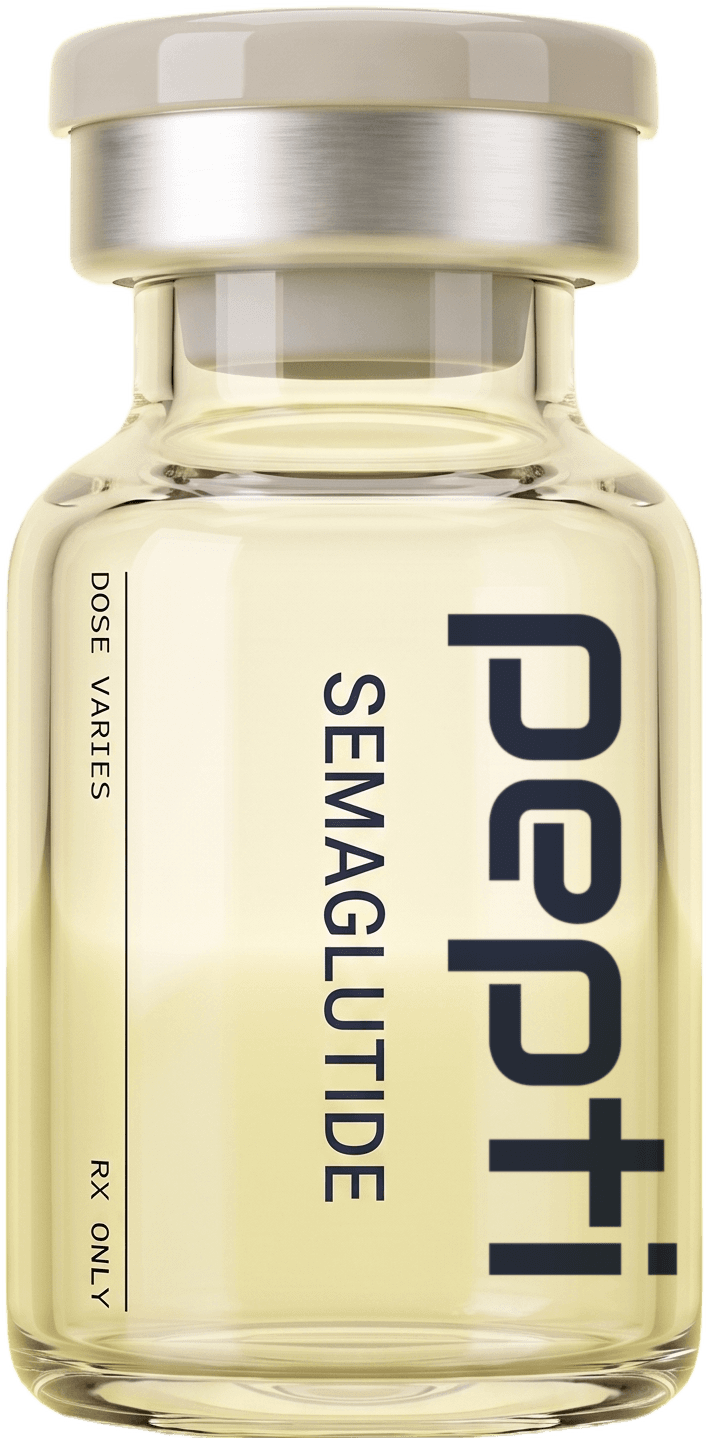
| Semaglutide | Dose-specific vials, six strengths from 0.25 mg to 2.5 mg weekly | From $99/mo |
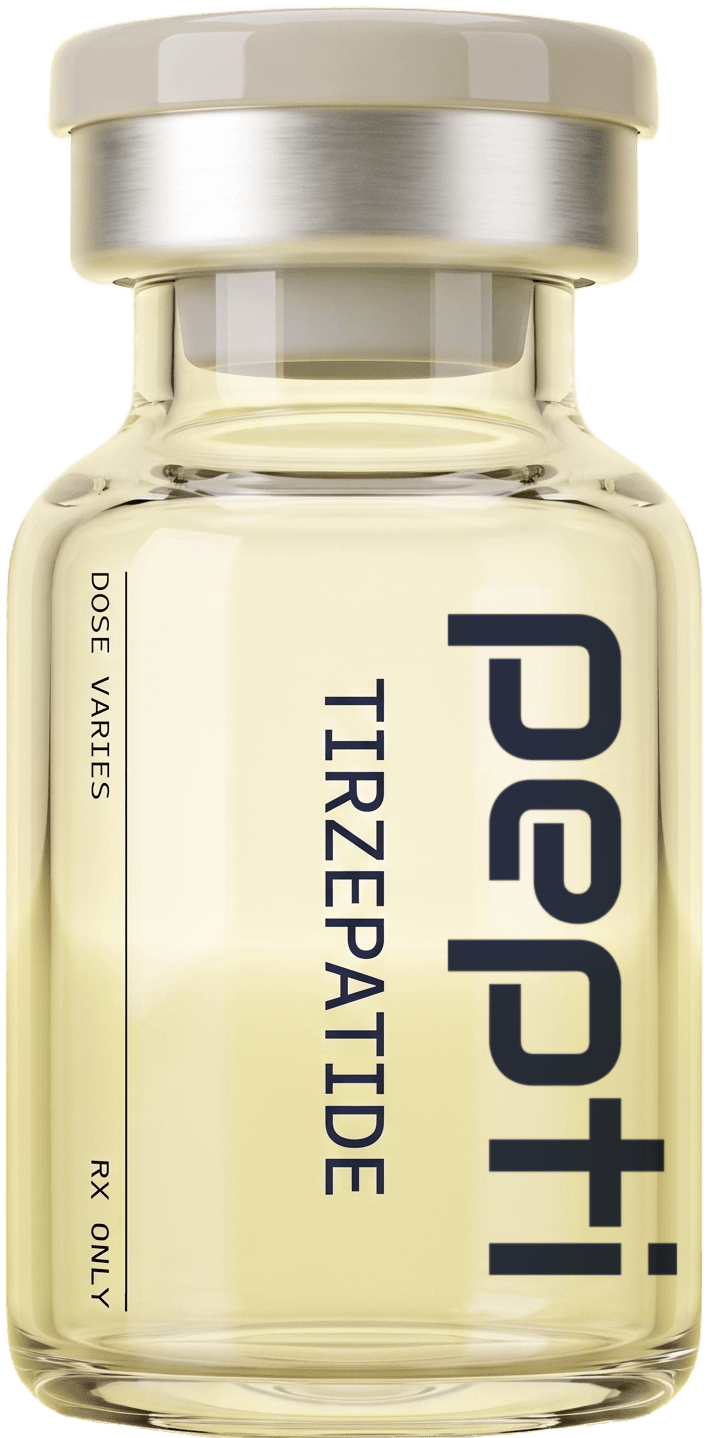
| Tirzepatide | Dose-specific vials, six strengths from 2.5 mg to 15 mg weekly | From $159/mo |
Both are compounded preparations and neither is FDA approved. GLP-1 prices are "from" prices because each strength is a separate vial and the price moves with the strength. Every price is all-in, covering medication, physician review, refill management and shipping, with no separate membership fee.
What to Eat on a GLP-1
Why eating changes on a GLP-1
GLP-1 is a hormone the small intestine releases after a meal. GLP-1 medications activate its receptor for days rather than minutes, and two of the things that receptor does explain almost everything about eating on one.
Slower stomach emptying
Semaglutide and tirzepatide slow the rate at which the stomach hands food on to the intestine. That is documented in the approved labels and has been measured directly. Fullness lasts longer after a meal, which is part of how the medication works, and it is also the source of the commonest side effects: early fullness, nausea, reflux and constipation. The delay is largest when the exposure is new, at the first dose and again after each step up, and it eases with continued exposure.
Quieter appetite
GLP-1 receptors in the hypothalamus and brainstem regulate hunger and fullness. On a GLP-1, many people describe less hunger and fewer cravings, sometimes called "food noise" going quiet. A GLP-1 medication is not a stimulant and does not force the body to burn anything. Because the change works through appetite, how much and what you eat stays central, and eating too little becomes a real possibility.
What that means at the table
Two consequences follow. First, habits that suited your old stomach, a full plate eaten quickly, are now the main trigger for discomfort. Second, with a smaller appetite, the order in which you eat matters, because you may be full before the meal is finished. Everything below comes from those two points.
What to Eat on a GLP-1
Building a plate that sits well
This is general guidance drawn from the mechanism and from wide clinical experience. It is not a diet, a calorie target or a meal plan.
Protein first
When appetite is limited, the food that disappears first is usually the food that takes effort to prepare, and that is often protein. Starting each meal with the protein portion, such as lean meat, fish, eggs, dairy or beans, means it goes in before fullness arrives. Protein and simple carbohydrate at the start of a meal also tend to be easier on the stomach than rich, fatty food.
Plate less than you think you want
Serve a smaller portion and go back if you are still hungry. Stopping halfway through a full plate is still past the point your stomach was ready for. Putting the fork down between mouthfuls is the change prescribers hear about most.
Keep fat moderate
Fat slows stomach emptying on its own, so a high-fat meal stacks on top of a medication whose main gastric effect is delayed emptying. Fried food, cream sauces and large amounts of cheese are the foods patients most often report trouble with.
Fluids, timed around meals
Drink steadily through the day, but between meals rather than alongside them, because liquid takes up the same limited stomach space. Low fluid intake makes nausea worse and constipation harder.
Regular meals, even when you are not hungry
Smaller, more frequent meals help with early fullness. Skipping meals because you are not hungry is how intake falls further than intended. Fatigue, headache and dizziness are listed side effects, and regular meals with enough protein and fluid are the general first step for them.
What to Eat on a GLP-1
What tends to cause trouble
| Food or habit | What people commonly report |
|---|---|
| A large portion eaten quickly | Early fullness, nausea, sometimes vomiting |
| Fried food and rich, creamy meals | Nausea and a heavy, overfull feeling that lasts |
| A large drink with a meal | Feeling full before eating enough |
| A late, large evening meal | Reflux and burping at night |
| Alcohol, especially after a dose step | More nausea and reflux, more dehydration |
| Long gaps without eating | Light-headedness, fatigue, and a larger meal later that sits badly |
None of these foods is forbidden. The point is that they are the common triggers, so they are the first things to change when you feel unwell after eating.
What to Eat on a GLP-1
Eating around the common side effects
The most common GLP-1 side effects are gastrointestinal, and they cluster in the days after starting and after each dose increase. Each has its own eating fix, which is why it helps to name the symptom precisely when you message your care team.
| Symptom | What usually helps | When to message your care team |
|---|---|---|
| Nausea | Smaller portions, stop at the first fullness, eat slowly, protein first, avoid fried and very fatty meals | If it stops you eating properly, or is not easing at the same strength |
| Constipation | Fluid, fibre and regular movement | If it persists; say "constipation" specifically, because the answer differs from nausea |
| Diarrhea | Fluids and plain meals | If it lasts more than a day or two, or you feel dizzy |
| Reflux and burping | An earlier last meal, staying upright after eating, less alcohol | If it is waking you or not responding |
| Early fullness | Smaller, more frequent meals | If you are not getting enough protein or fluid |
| Fatigue, headache, dizziness | Regular meals with enough protein and fluid | If it continues or you feel faint |
More on nausea specifically is in GLP-1 nausea: how to manage it, and the full list of effects is in GLP-1 side effects.
Constipation needs a different answer
Constipation is common on both medications and can persist at a steady dose. It responds to fluid, fibre and movement rather than to smaller portions, and stepping the dose down is often not the first answer. Report it by name.
The dosing day
The approved semaglutide label notes that the day of the week can be changed. Some patients find the days after an injection land better over a quieter part of the week, when they can eat plainly. Talk to your care team before moving your dosing day so your refill timing stays straight.
What to Eat on a GLP-1
Protein and lean mass
Weight lost on a GLP-1 includes lean mass as well as fat unless protein intake and resistance training are deliberately in place. It is not a side effect in the regulatory sense, but it is the thing most likely to affect how you feel and how strong you are over the long term.
Every semaglutide weight-management trial was run alongside a lifestyle intervention rather than on its own: STEP 1, in the New England Journal of Medicine in 2021, randomised 1,961 adults to semaglutide or placebo plus lifestyle intervention, and STEP 3, in JAMA in 2021, tested it alongside intensive behavioural therapy. A 2022 meta-analysis in the Scandinavian Journal of Medicine and Science in Sports reported that an energy deficit impaired resistance-training gains in lean mass while strength gains were comparatively preserved.
How much protein?
There is no single number that applies to everyone. It depends on your size, your labs, your training and your history, which makes it a question for your care team or a dietitian who knows you. The direction is clear: eating almost nothing because you are not hungry is the failure mode.
| Signal | What it often means | What to do |
|---|---|---|
| Eating once a day because you are never hungry | Low intake, low protein | Tell your care team what you are actually eating |
| Weaker in the gym, recovery worse | Under-eating protein | Raise it with your care team |
| Hair thinning, feeling cold | Often an under-eating signal | Report it; pace and protein matter |
What to Eat on a GLP-1
Fluids and dehydration
Vomiting and diarrhea matter beyond comfort because they drain fluid. Both approved labels describe kidney injury, some needing dialysis, mostly in people whose vomiting or diarrhea led to dehydration. The medication is not toxic to the kidney; the risk runs through fluid loss. Keeping fluids up is the plainest protection there is.
Dark urine, not passing urine, light-headedness on standing, or not keeping fluids down are reasons to contact your care team the same day.
What to Eat on a GLP-1
Alcohol
Alcohol does not block a GLP-1, but it works against comfort and safety in several ways: it aggravates nausea and reflux, it is a diuretic, and it degrades sleep. With little food on board, it also interferes with the liver's ability to make new glucose, which is what holds blood sugar up hours after a meal, so the vulnerable window is overnight. That matters most for anyone also taking insulin or a sulfonylurea. If you drink, eat something with protein first and drink water alongside and afterwards. The full detail is in can you drink alcohol on semaglutide.
What to Eat on a GLP-1
Who needs more than general guidance
| Situation | Why it needs a specific conversation |
|---|---|
| Taking insulin or a sulfonylurea | Low blood sugar is more likely, especially with low food intake |
| A known stomach-emptying disorder | Severe gastroparesis is listed as "not recommended" for these medications |
| A history of an eating disorder | Appetite suppression and restriction interact |
| Pregnancy, planning pregnancy or breastfeeding | GLP-1 medications are not used |
| A planned surgery, endoscopy or sedation | Food can remain in the stomach; tell the team you take a GLP-1 |
What to Eat on a GLP-1
When it is not a food problem
Some symptoms are not ordinary adaptation and should not be managed by changing your plate.
| Symptom | What to do |
|---|---|
| Severe or persistent abdominal pain, especially radiating to the back | Contact your care team the same day |
| Repeated vomiting, or unable to keep fluids down | Contact your care team the same day |
| Right-upper abdominal pain after fatty meals, fever or yellowing of the eyes | Contact your care team the same day |
| A swollen, painful abdomen, vomiting that will not stop, no gas or stool passing | Emergency care: call 911 |
| Swelling of the face, lips or throat, or difficulty breathing | Emergency care: call 911 |
Severe abdominal pain that persists and bores through to the back is how the labels describe acute pancreatitis. Report it rather than waiting to see whether it passes.
What to Eat on a GLP-1
What the evidence shows, honestly
That GLP-1 medications slow stomach emptying and act on appetite is established: it is in the approved labels and has been measured. The weight-management trials for both medications were run alongside diet and activity advice, and they belong to the approved manufactured products rather than to compounded preparations, which share the active ingredient but not the trials or the approval.
What is less established is the eating advice itself. Smaller portions, slower eating, protein first and avoiding very fatty meals are grounded in the mechanism and in wide clinical experience, not in trials that randomised patients to those instructions. Nobody has randomised people on a GLP-1 to "protein first" versus "eat as usual" and measured nausea. The advice is sensible and low-risk, and any page giving you a percentage for how much a particular diet changes your symptoms or your results is inventing it.
There is also no evidence that a specific named diet works better with a GLP-1 than ordinary balanced eating. What the trials support is that these medications work while they are being taken, which is why treatment is planned as ongoing with 28-day refills.
What to Eat on a GLP-1
Where to get a GLP-1 prescribed
- Complete a free online intake covering your history, medications and what you want help with.
- A physician licensed in your state reviews it, usually within 24 hours.
- If it is appropriate, a PCAB-accredited, FDA-registered US 503A pharmacy compounds it to that prescription. Lot test results are published at /quality/lab-results.
- It ships refrigerated with ice packs, sterile syringes and alcohol prep pads, with your directions printed on the vial.
- Your care team stays reachable for questions about eating, side effects and dose changes, and refills run every 28 days, one vial per fill.
Pepti is cash-pay and does not bill insurance. Step-by-step pages: how to get semaglutide prescribed online and how to get tirzepatide prescribed online. Background on the class is in what is a GLP-1.
References
What this is based on.
References
- Wilding JPH, Batterham RL, Calanna S, et al.. Once-Weekly Semaglutide in Adults with Overweight or Obesity (STEP 1) · New England Journal of Medicine (2021) · PMID 33567185
- Lincoff AM, Brown-Frandsen K, Colhoun HM, et al.. Semaglutide and Cardiovascular Outcomes in Obesity without Diabetes (SELECT) · New England Journal of Medicine (2023) · PMID 37952131
- Wadden TA, Bailey TS, Billings LK, et al.. Effect of subcutaneous semaglutide vs placebo as an adjunct to intensive behavioral therapy on body weight in adults with overweight or obesity (STEP 3) · JAMA (2021) · PMID 33625476
- Rubino D, Abrahamsson N, Davies M, et al.. Effect of Continued Weekly Subcutaneous Semaglutide vs Placebo on Weight Loss Maintenance in Adults With Overweight or Obesity: The STEP 4 Randomized Clinical Trial · JAMA (2021) · PMID 33755728
- Marso SP, Bain SC, Consoli A, et al.. Semaglutide and Cardiovascular Outcomes in Patients with Type 2 Diabetes (SUSTAIN-6) · New England Journal of Medicine (2016) · PMID 27633186
- Davies M, Færch L, Jeppesen OK, et al.. Semaglutide 2.4 mg once a week in adults with overweight or obesity, and type 2 diabetes (STEP 2): a randomised, double-blind, double-dummy, placebo-controlled, phase 3 trial · The Lancet (2021) · PMID 33667417
- Garvey WT, Batterham RL, Bhatta M, et al.. Two-year effects of semaglutide in adults with overweight or obesity: the STEP 5 trial · Nature Medicine (2022) · PMID 36216945
- Rubino DM, Greenway FL, Khalid U, et al.. Effect of Weekly Subcutaneous Semaglutide vs Daily Liraglutide on Body Weight in Adults With Overweight or Obesity Without Diabetes: The STEP 8 Randomized Clinical Trial · JAMA (2022) · PMID 35015037
- Aronne LJ, Horn DB, le Roux CW, et al.. Tirzepatide as Compared with Semaglutide for the Treatment of Obesity (SURMOUNT-5) · New England Journal of Medicine (2025) · PMID 40353578
- Sanyal AJ, Newsome PN, Kliers I, et al.. Phase 3 Trial of Semaglutide in Metabolic Dysfunction-Associated Steatohepatitis (ESSENCE) · New England Journal of Medicine (2025) · PMID 40305708
- Wilding JPH, Batterham RL, Davies M, Van Gaal LF, Kandler K et al.. Weight regain and cardiometabolic effects after withdrawal of semaglutide: The STEP 1 trial extension · Diabetes Obes Metab (2022) · PMID 35441470
- Batsis JA, Gavras A, Gross DC, Cheever CR, Da Silva BR et al.. Effect of Incretin-Based and Nonpharmacologic Weight Loss on Body Composition: A Systematic Review · Ann Intern Med (2026) · PMID 41996180
Citations are provided for educational purposes. They do not constitute medical advice. Always discuss any peptide protocol with your prescribing physician.
Common questions
What to Eat on a GLP-1, answered.
Ordinary, balanced meals in smaller portions, with protein first, eaten slowly, stopping at the first sense of fullness. Keep fried and very fatty food to a minimum and drink between meals. There is no special GLP-1 diet.
The same general guidance applies to semaglutide and tirzepatide, because both slow stomach emptying and quiet appetite. Smaller portions, protein first, fluids between meals, and fibre and fluid if constipation is the issue.
No food is forbidden, but fried food, cream sauces, large amounts of cheese, large portions eaten quickly and alcohol are the most common triggers for nausea and reflux. They are the first things to change if you feel unwell after eating.
There is no single number for everyone; ask your care team or a dietitian who knows your size, labs and training. The direction is clear: put protein first at each meal and do not let intake fall to almost nothing because you are not hungry.
Regular smaller meals are generally better. Skipping meals is how intake, and especially protein and fluid, falls further than intended, and it can bring on fatigue, dizziness and a large meal later that sits badly.
Smaller portions, eating slowly, stopping at the first fullness, protein first, and avoiding fried and very fatty meals. If nausea stops you eating or drinking properly, message your care team rather than pushing through.
Fibre with plenty of fluid, plus regular movement. Name it as constipation when you message your care team, because the answer is different from the answer for nausea.
Alcohol aggravates nausea and reflux and adds to dehydration, and with little food it raises the risk of low blood sugar overnight, especially alongside insulin or a sulfonylurea. If you drink, eat something with protein first and drink water alongside. See can you drink alcohol on semaglutide.
No. Both slow stomach emptying and act on appetite, so the same eating guidance applies to both. The side effects are broadly similar between them.
It does not change what the medication does at its receptor. What you eat affects how comfortable you are, whether you get enough protein and fluid, and how much lean mass you keep. Nobody can promise a particular result from a particular diet.
No. Bloodwork is not required for any Pepti treatment. If your physician wants labs for your care, they'll ask through your account. The free assessment goes to a physician licensed in your state. A consultation does not guarantee a prescription.
Next step
See what a physician recommends for you.
A licensed physician in your state reviews your intake and decides what is appropriate. A consultation does not guarantee a prescription.