Weight Loss · Reference
GLP-1 Side Effects: The Full List for Semaglutide and Tirzepatide
This page is the overview across the class. For the detail on one medication, see semaglutide side effects and tirzepatide side effects.
Medically reviewed by Dr. Gene, MD · November 4, 2026
Treatments mentioned
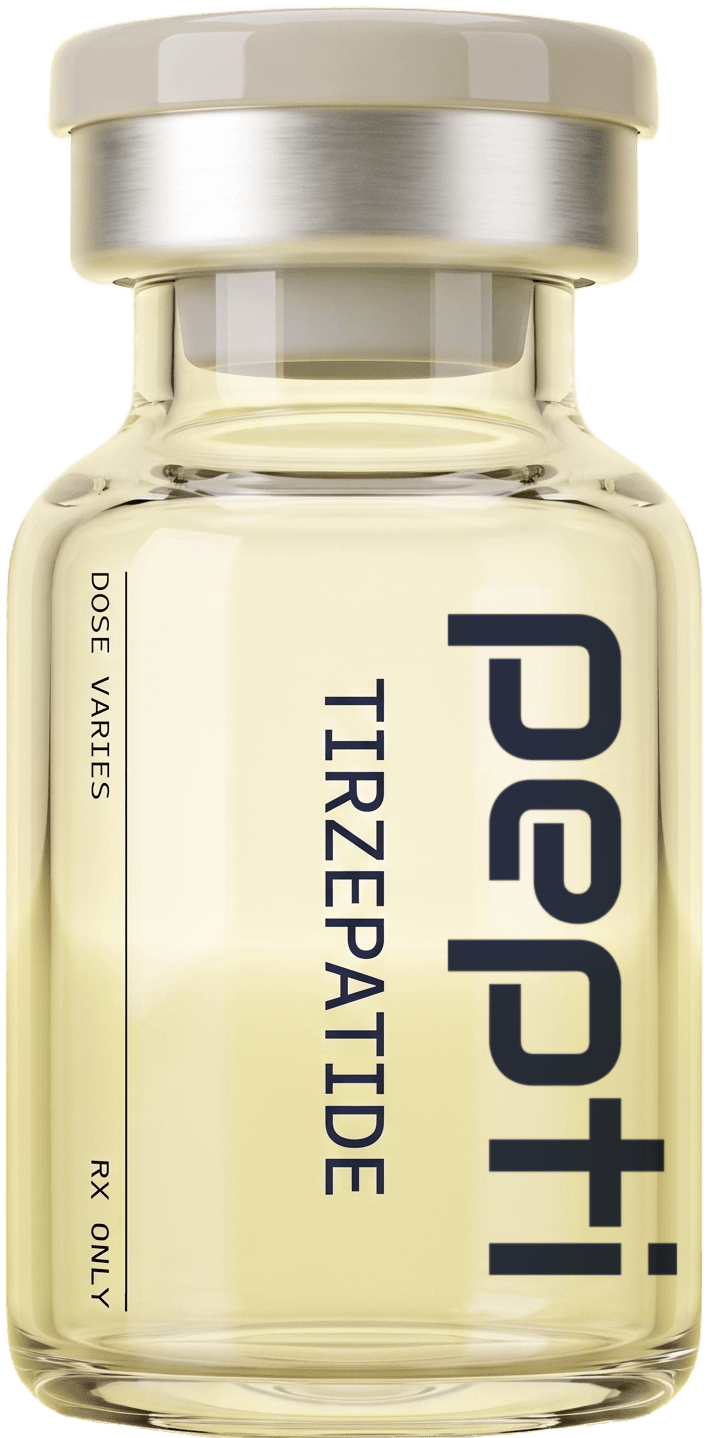
GLP-1 side effects are mostly gastrointestinal: nausea, diarrhea, vomiting, constipation, indigestion, reflux and early fullness, concentrated in the days after starting and after each dose increase. They happen because GLP-1 medications slow stomach emptying and act on appetite centers in the brain. Serious side effects are uncommon and include pancreatitis, gallbladder disease, kidney injury from dehydration, bowel obstruction and allergic reactions. Semaglutide and tirzepatide share these categories and the same contraindications, including a personal or family history of medullary thyroid carcinoma or MEN 2, pregnancy and breastfeeding.
This page is the overview across the class. For the detail on one medication, see semaglutide side effects and tirzepatide side effects.
GLP-1 Side Effects
The short answer
| Question | Answer |
|---|---|
| Most common side effect | Nausea, then diarrhea, constipation and vomiting |
| When they are worst | The days after starting and after each dose increase |
| What causes them | Slower stomach emptying and appetite signaling in the brain |
| Main thing that reduces them | A slower climb through the dose ladder, plus smaller, slower meals |
| How often people stop for side effects | Roughly 5 to 7% on the approved labels, against about 3% on placebo |
| Serious side effects | Pancreatitis, gallbladder disease, dehydration with kidney injury, obstruction, allergic reactions |
| Who should not take one | Medullary thyroid carcinoma or MEN 2 history, pregnancy, breastfeeding, a prior serious reaction |
The GLP-1 medications Pepti prescribes:
| Medication | How it acts | What is in it | Price |
|---|---|---|---|
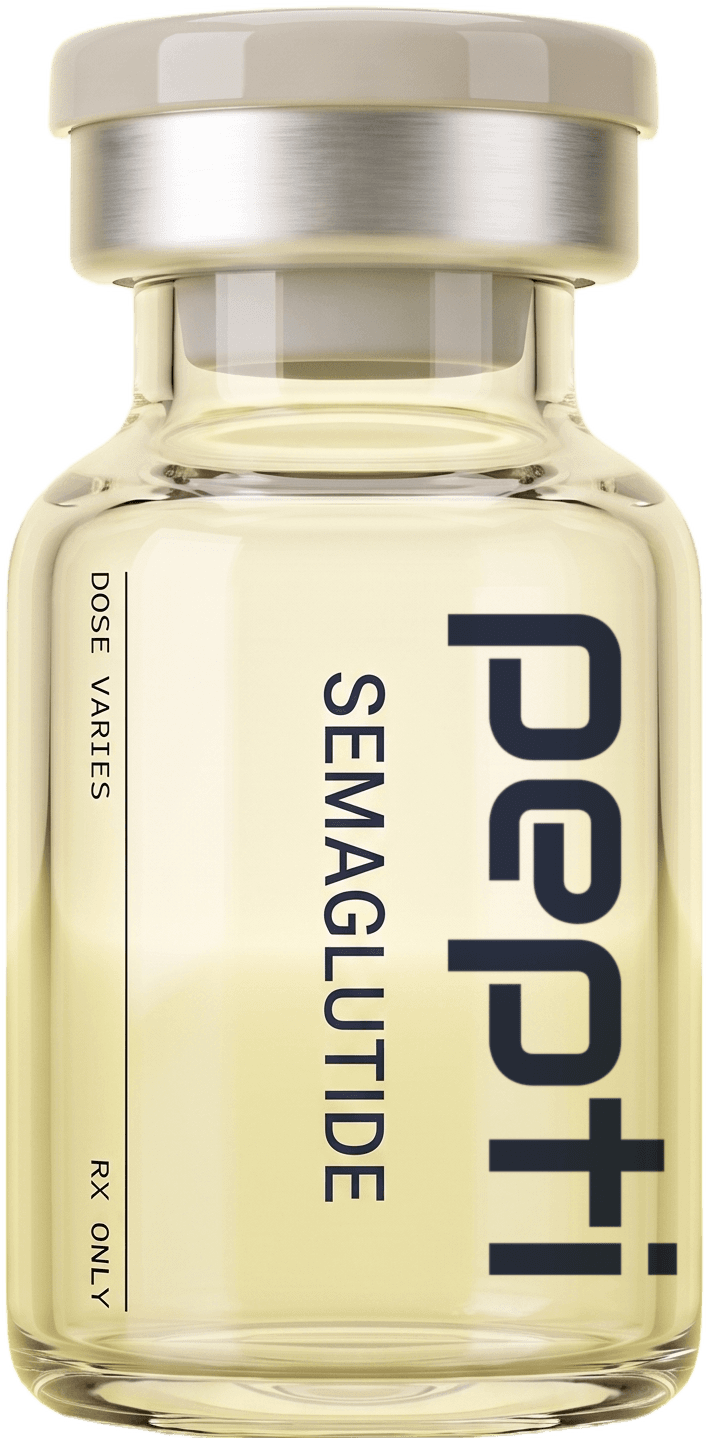
| Semaglutide | GLP-1 receptor only | Dose-specific vials at six strengths, starting with 1 mg per 1 mL at the 0.25 mg starting dose | From $99/mo, priced by dose |
| Tirzepatide | GIP and GLP-1 receptors | Dose-specific 2 mL vials at six strengths, 2.5 mg to 15 mg; the 2.5 mg and 7.5 mg vials include glycine | From $159/mo, priced by dose |
Prices are all-in: medication, physician review, refill management and shipping, with no membership fee. Both are compounded by PCAB-accredited, FDA-registered US 503A pharmacies. Compounded medications are not FDA approved; the side-effect rates below come from trials of the approved manufactured products, which contain the same molecules.
GLP-1 Side Effects
GLP-1 side effects list
The rates below are from the approved weight-management labels: for semaglutide, three placebo-controlled trials in 2,116 adults at 2.4 mg weekly for up to 68 weeks; for tirzepatide, two placebo-controlled trials in 2,519 adults at 5, 10 or 15 mg for up to 72 weeks. They come from different trials in different populations, so a higher figure in one column is not proof that one medication is harder on the stomach.
| Side effect | Semaglutide | Placebo (semaglutide trials) | Tirzepatide | Placebo (tirzepatide trials) |
|---|---|---|---|---|
| Nausea | 44% | 16% | 25 to 29% | 8% |
| Diarrhea | 30% | 16% | 19 to 23% | 8% |
| Vomiting | 24% | 6% | 8 to 13% | 2% |
| Constipation | 24% | 11% | 11 to 17% | 5% |
| Abdominal pain | 20% | 10% | 9 to 10% | 5% |
| Dyspepsia (indigestion) | 9% | 3% | 9 to 10% | 4% |
| Reflux | 5% | 3% | 4 to 5% | 1 to 2% |
| Belching | 7% | under 1% | 4 to 5% | 1 to 2% |
| Fatigue | 11% | 5% | 5 to 7% | 3% |
| Dizziness | 8% | 4% | 4 to 5% | 2% |
| Hair loss | 3.3% | 1% | 4 to 5% | 1 to 2% |
| Injection-site reactions | 1.4% | 1.0% | 6 to 8% | 2% |
| Low blood pressure | 1.3% | 0.4% | 1.6% | 0.1% |
| Any gastrointestinal side effect | 73% | 47% | 56% | 30% |
| Severe gastrointestinal reaction | 4.1% | 0.9% | 1.7 to 3.1% | 1% |
Semaglutide's label also lists headache (14% against 10%), bloating (7% against 5%), flatulence (6% against 4%), altered taste (1.7% against 0.5%) and fainting (0.8% against 0.2%). Tirzepatide's lists hypersensitivity, mostly rash and itching, at about 5% against 3%.
Reading the list
The placebo columns are the first thing to read. Between 8% and 16% of people on a dummy injection reported nausea, and nearly half of placebo-treated adults in the semaglutide trials reported some gastrointestinal complaint. The amount a GLP-1 adds is the gap between the columns, not the raw figure.
The second thing: on the tirzepatide label, nausea barely changed between 5 mg and 15 mg, and constipation fell at higher strengths. How quickly the dose climbs matters more than where it ends.
GLP-1 Side Effects
Why GLP-1 medications cause side effects
GLP-1 is a hormone the gut releases after a meal. The medications copy its effects for days at a time: they prompt insulin release when glucose is high, suppress glucagon, slow stomach emptying and act on appetite centers in the brain. Tirzepatide also activates the GIP receptor, a second gut-hormone receptor.
| Effect of the medication | Side effects it explains |
|---|---|
| Slower stomach emptying | Nausea, early fullness, reflux, belching, vomiting, constipation, slower absorption of some pills |
| Reduced appetite | Eating and drinking too little, fatigue, dizziness, dehydration |
| Weight change | Hair thinning and gallstones, both linked to the pace of weight loss |
| Insulin release when glucose is high | Low blood sugar, mainly alongside insulin or a sulfonylurea |
| Rapid improvement in glucose | Temporary worsening of existing diabetic retinopathy |
The stomach-slowing effect is largest after the first dose and after each step up, and smaller with each week at the same strength. That is why side effects cluster around increases, and why approved labels write their escalation schedules specifically to reduce gastrointestinal reactions.
Does the GIP part of tirzepatide change the side effects?
It does not remove them. An animal-level finding suggests GIP receptor activity may moderate nausea signaling, but that is a proposed explanation rather than a settled human result. The side-effect categories, serious risks and contraindications are the same for both medications. The full comparison is in semaglutide vs tirzepatide.
GLP-1 Side Effects
When GLP-1 side effects show up
| Point in treatment | What patients commonly describe |
|---|---|
| First days on the starting dose | Early fullness, first queasy days, appetite change |
| First days after each step up | The peak of it: nausea, fullness, sometimes reflux or vomiting |
| Weeks at the same strength | Usually easing |
| After missed doses | Tolerance fades, so restarting can feel like the first week again |
| Any time | Constipation can persist at a steady dose and needs its own answer |
Both approved schedules start low: semaglutide at 0.25 mg weekly and tirzepatide at 2.5 mg weekly, each for four weeks, with increases no sooner than every four weeks after that. Holding at a strength, or stepping back down, is a standard adjustment inside the approved rules. If side effects have not settled, tell your care team before the next step; your physician sets your directions after reviewing how you are doing, and they are printed on your vial. Never change your own dose.
Most people who stop for side effects do so in the first few months, during escalation, which is exactly the window where holding a step helps most.
GLP-1 Side Effects
What helps GLP-1 side effects
| Symptom | What usually helps |
|---|---|
| Nausea | Smaller portions, stop at the first fullness, eat slowly, protein first, avoid fried and very fatty meals |
| Constipation | Fluid, fiber, movement; name it specifically when you report it |
| Reflux and belching | An earlier last meal, staying upright after eating, less alcohol |
| Diarrhea | Fluids and plain meals |
| Fatigue, headache, dizziness | Regular meals with enough protein and fluid |
| Vomiting | Small sips; same-day contact if fluids will not stay down |
| Injection-site redness | Rotate sites; technique is in how to inject peptides safely |
This advice rests on the mechanism and on clinical experience rather than on trials that randomized people to eating instructions. Pepti physicians can prescribe ondansetron for nausea where they judge it appropriate, though slowing the dose ladder is usually the bigger lever. The longer guide is GLP-1 nausea: how to manage it, and alcohol is covered in can you drink alcohol on semaglutide.
GLP-1 Side Effects
Serious GLP-1 side effects and warning signs
| Symptom | What it may be | What to do |
|---|---|---|
| Severe, persistent abdominal pain, sometimes into the back | Acute pancreatitis | Same-day medical care; stop the medication if pancreatitis is suspected |
| Pain under the right ribs, fever, yellowing skin or eyes | Gallstones or gallbladder inflammation | Same-day care |
| Not keeping fluids down, dark urine, not passing urine, dizziness on standing | Dehydration, which can injure the kidneys | Contact your care team the same day |
| Swollen, painful abdomen, vomiting, no gas or stool | Bowel obstruction or ileus | Emergency care |
| Swelling of face, lips or throat, trouble breathing | Serious allergic reaction | Emergency care first |
| Neck lump, persistent hoarseness, trouble swallowing | Symptoms the thyroid warning asks people to watch for | Contact your physician promptly |
| Shakiness, sweating, confusion with insulin or a sulfonylurea | Low blood sugar | Treat it, then report it |
| Sudden vision loss | Needs urgent assessment | Urgent eye care |
How rare the serious ones are
| Event | Semaglutide label | Tirzepatide label |
|---|---|---|
| Confirmed acute pancreatitis | 0.2 per 100 patient-years (4 people against 1 on placebo) | 0.2% against 0.2% on placebo |
| Gallstones | 1.6% against 0.7% | 1.1% against 1% |
| Gallbladder inflammation | 0.6% against 0.2% | 0.7% against 0.2% |
| Stopped for any side effect | 6.8% against 3.2% | 4.8 to 6.7% against 3.4% |
| Stopped for a gastrointestinal reason | 4.3% against 0.7% | 1.9 to 4.3% against 0.5% |
Both labels describe kidney injury, some needing dialysis, mostly in people whose vomiting or diarrhea led to dehydration. Both describe rare aspiration under general anesthesia or deep sedation because food can remain in the stomach, so tell any surgical, dental or endoscopy team you take a GLP-1 before a planned procedure.
The thyroid warning
Both approved labels carry a boxed warning because these medications caused thyroid C-cell tumors in rodents. Whether they do in people is unknown. The consequence is firm: a personal or family history of medullary thyroid carcinoma or MEN 2 rules out the class. The labels describe routine calcitonin tests and thyroid ultrasound as of uncertain value for screening.
GLP-1 Side Effects
GLP-1 side effects in women
The labels carry a few points that apply specifically to women.
- Birth control pills. Tirzepatide can reduce absorption of oral contraceptives for four weeks after starting and after each increase; the label advises a non-oral method or an added barrier method in those windows.
- Fertility. Weight reduction can bring back ovulation in people who had stopped ovulating, so pregnancy is possible even if it was not before.
- Pregnancy and breastfeeding. Neither medication is used. The semaglutide label advises stopping at least two months before a planned pregnancy because of its long half-life.
- Hair loss. On the semaglutide label it was almost entirely in women and attributed to weight reduction.
More is in do peptides affect fertility.
GLP-1 Side Effects
Who should not take a GLP-1
| Situation | Status |
|---|---|
| Personal or family history of medullary thyroid carcinoma, or MEN 2 | Rules it out |
| Previous serious allergic reaction to the medication | Rules it out |
| Pregnancy or breastfeeding | Not used |
| Severe gastroparesis | Not recommended |
| Previous pancreatitis | Needs careful discussion |
| Active gallbladder disease | Needs discussion |
| Insulin or a sulfonylurea | Possible, with the other medication reviewed |
| Diabetic retinopathy | Needs monitoring |
| Already on another GLP-1 | Never combined; semaglutide and tirzepatide are alternatives |
Bloodwork is not required for any Pepti treatment. If your physician wants labs for your care, they'll ask through your account.
When a GLP-1 is not the right tool
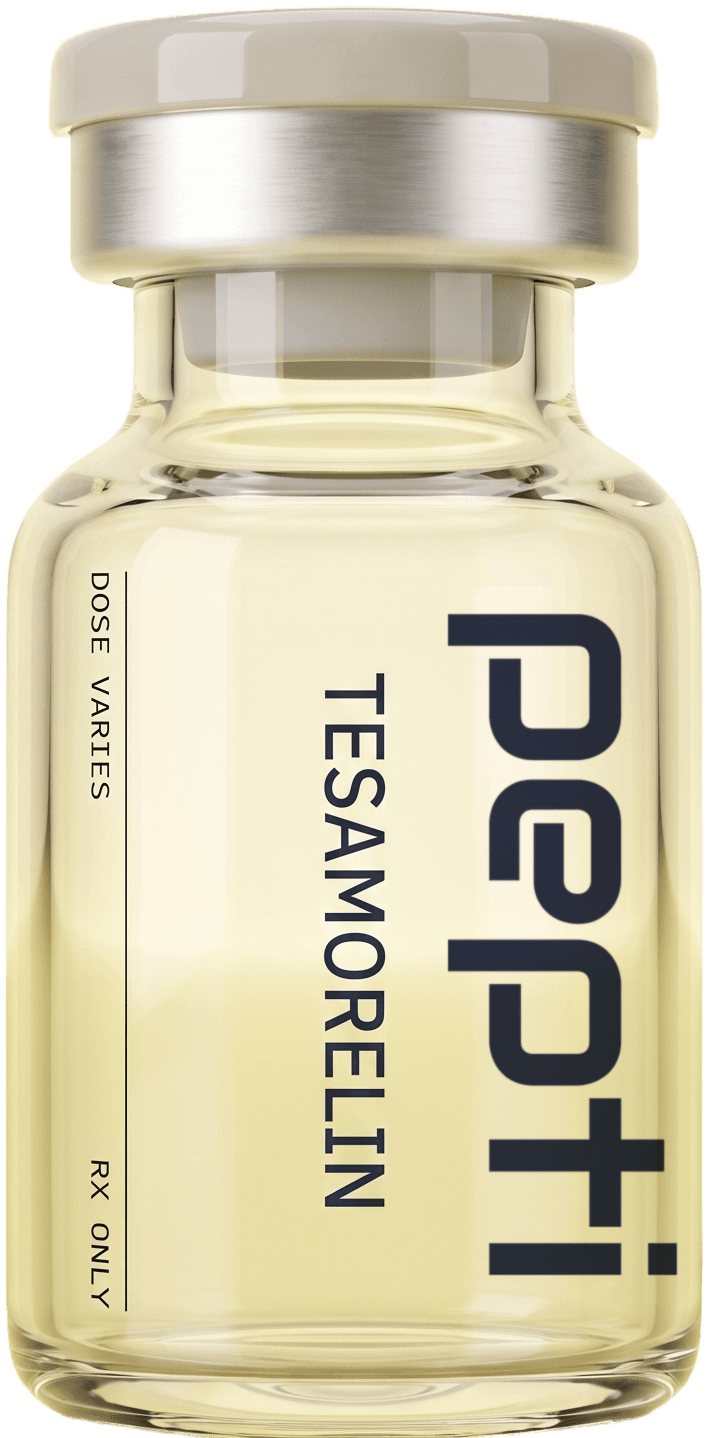
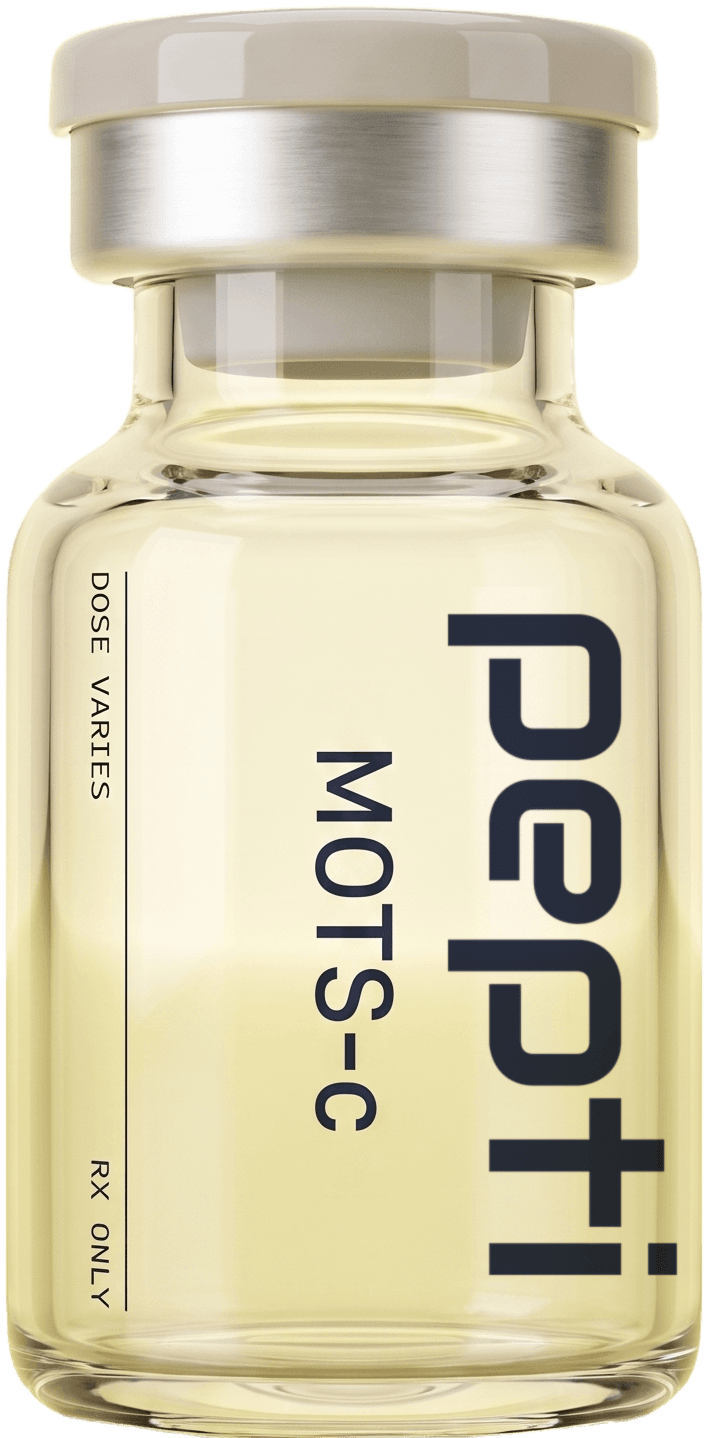
If side effects have been intolerable, or the goal is body composition rather than appetite, there are options that are not GLP-1 receptor agonists and do not slow the stomach, such as tesamorelin, MOTS-c and 5-Amino-1MQ. Their evidence is much thinner. Comparisons are in tesamorelin vs semaglutide and L-carnitine vs GLP-1, and what can be prescribed alongside tirzepatide is in what peptides can you take with tirzepatide.
GLP-1 Side Effects
What the evidence shows, honestly
GLP-1 side effects are among the best-documented of any medication class Pepti prescribes, because the approved products went through large randomized trials with placebo groups. That is why this page can give rates rather than impressions.
The limits are just as clear. The rates belong to the approved manufactured products; a compounded vial has the same molecule but has not been trialed. The two labels cannot be compared head to head. The eating advice is sensible but untested. And events reported after approval have no reliable frequency. Any claim that a compounded version or an added vitamin makes a GLP-1 easier on the stomach has no trial behind it. The deeper safety picture is in is semaglutide safe, is tirzepatide safe and is compounded semaglutide safe.
GLP-1 Side Effects
Where to get a GLP-1 prescribed
GLP-1 medications cannot be bought legitimately without a prescription. Products sold "for research use only" have no accountable pharmacy behind their identity, purity, sterility or concentration. The prescription route:
- Complete a free online intake covering your history, medications and what you want help with.
- A physician licensed in your state reviews it, usually within 24 hours.
- If it is appropriate, a state-licensed, FDA-registered US pharmacy compounds it to that prescription. Lot test results are published at /quality/lab-results.
- It ships refrigerated with ice packs, with sterile syringes and alcohol prep pads, and your directions printed on the vial.
- Your care team stays reachable for side effects and dose questions. Refills run every 28 days, one vial per fill.
Pepti is cash-pay and does not bill insurance. Step-by-step pages: how to get semaglutide prescribed online and how to get tirzepatide prescribed online.
References
What this is based on.
References
- Wilding JPH, Batterham RL, Calanna S, et al.. Once-Weekly Semaglutide in Adults with Overweight or Obesity (STEP 1) · New England Journal of Medicine (2021) · PMID 33567185
- Lincoff AM, Brown-Frandsen K, Colhoun HM, et al.. Semaglutide and Cardiovascular Outcomes in Obesity without Diabetes (SELECT) · New England Journal of Medicine (2023) · PMID 37952131
- Wadden TA, Bailey TS, Billings LK, et al.. Effect of subcutaneous semaglutide vs placebo as an adjunct to intensive behavioral therapy on body weight in adults with overweight or obesity (STEP 3) · JAMA (2021) · PMID 33625476
- Rubino D, Abrahamsson N, Davies M, et al.. Effect of Continued Weekly Subcutaneous Semaglutide vs Placebo on Weight Loss Maintenance in Adults With Overweight or Obesity: The STEP 4 Randomized Clinical Trial · JAMA (2021) · PMID 33755728
- Marso SP, Bain SC, Consoli A, et al.. Semaglutide and Cardiovascular Outcomes in Patients with Type 2 Diabetes (SUSTAIN-6) · New England Journal of Medicine (2016) · PMID 27633186
- Davies M, Færch L, Jeppesen OK, et al.. Semaglutide 2.4 mg once a week in adults with overweight or obesity, and type 2 diabetes (STEP 2): a randomised, double-blind, double-dummy, placebo-controlled, phase 3 trial · The Lancet (2021) · PMID 33667417
- Garvey WT, Batterham RL, Bhatta M, et al.. Two-year effects of semaglutide in adults with overweight or obesity: the STEP 5 trial · Nature Medicine (2022) · PMID 36216945
- Rubino DM, Greenway FL, Khalid U, et al.. Effect of Weekly Subcutaneous Semaglutide vs Daily Liraglutide on Body Weight in Adults With Overweight or Obesity Without Diabetes: The STEP 8 Randomized Clinical Trial · JAMA (2022) · PMID 35015037
- Aronne LJ, Horn DB, le Roux CW, et al.. Tirzepatide as Compared with Semaglutide for the Treatment of Obesity (SURMOUNT-5) · New England Journal of Medicine (2025) · PMID 40353578
- Sanyal AJ, Newsome PN, Kliers I, et al.. Phase 3 Trial of Semaglutide in Metabolic Dysfunction-Associated Steatohepatitis (ESSENCE) · New England Journal of Medicine (2025) · PMID 40305708
- Wilding JPH, Batterham RL, Davies M, Van Gaal LF, Kandler K et al.. Weight regain and cardiometabolic effects after withdrawal of semaglutide: The STEP 1 trial extension · Diabetes Obes Metab (2022) · PMID 35441470
- Batsis JA, Gavras A, Gross DC, Cheever CR, Da Silva BR et al.. Effect of Incretin-Based and Nonpharmacologic Weight Loss on Body Composition: A Systematic Review · Ann Intern Med (2026) · PMID 41996180
Citations are provided for educational purposes. They do not constitute medical advice. Always discuss any peptide protocol with your prescribing physician.
Common questions
GLP-1 Side Effects, answered.
Mostly gastrointestinal: nausea, diarrhea, vomiting, constipation, abdominal pain, indigestion, reflux and belching. Fatigue, dizziness, headache, hair thinning and injection-site reactions are also reported. Serious but uncommon: pancreatitis, gallbladder disease, kidney injury from dehydration, bowel obstruction and allergic reactions.
Nausea. On the approved weight-management labels it was reported by 44% on semaglutide against 16% on placebo, and 25 to 29% on tirzepatide against 8%.
Both approved labels report that gastrointestinal side effects concentrate during dose escalation and decrease over time. Most people describe them easing at a steady strength, but there is no fixed timeline, and side effects that are not easing are a reason to message your care team.
That cannot be answered from the labels, because their rates come from different trials in different populations, and both labels say so. In one trial in type 2 diabetes, nausea ran 17 to 22% on tirzepatide against 18% on semaglutide 1 mg. See semaglutide vs tirzepatide.
Severe abdominal pain that persists or goes into the back, right-sided upper abdominal pain with fever or yellowing, vomiting that stops you keeping fluids down, a swollen abdomen with no gas or stool, and swelling of the face or throat. Each needs same-day or emergency care.
Holding or stepping back a strength is the main adjustment the approved labels describe for side effects that have not settled. It is done through your care team, never on your own.
Hair loss was reported in 3.3% on semaglutide against 1% on placebo, and 4 to 5% on tirzepatide against 1 to 2%. The semaglutide label attributes it to weight reduction rather than a direct effect on hair.
Tirzepatide can reduce absorption of birth control pills for four weeks after starting and after each increase, so a non-oral or backup method is advised in those windows. Weight loss can also restore ovulation, so contraception belongs in the plan from the start.
Yes. They contain the same molecules, so the same side effects and contraindications apply. Compounded medications are not FDA approved, and the preparation questions are covered in is compounded semaglutide safe.
No. Both labels state that combining with another GLP-1 receptor agonist is not recommended. Stacking two adds side effects with no mechanism gained. The free assessment goes to a physician licensed in your state. A consultation does not guarantee a prescription.
Next step
See what a physician recommends for you.
A licensed physician in your state reviews your intake and decides what is appropriate. A consultation does not guarantee a prescription.