Recovery · Reference
Where to Get Peptides for Injury Recovery Online: How to Choose a Provider
This page is about where to get them and how to choose the provider. Which repair peptide fits which injury, and the full evidence, is in peptides for healing and peptides for tendon and ligament injuries. The general route for any prescription peptide is in where to get prescription peptides online.
Treatments mentioned
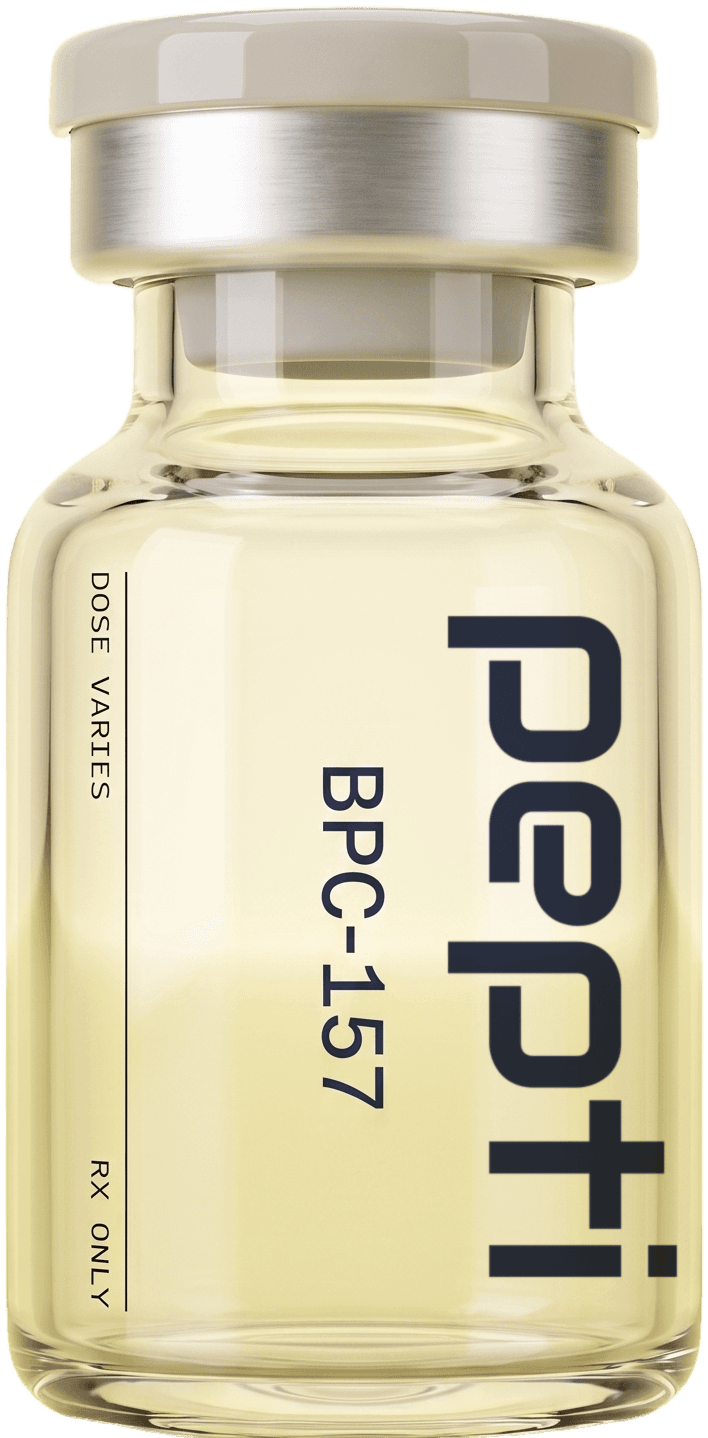
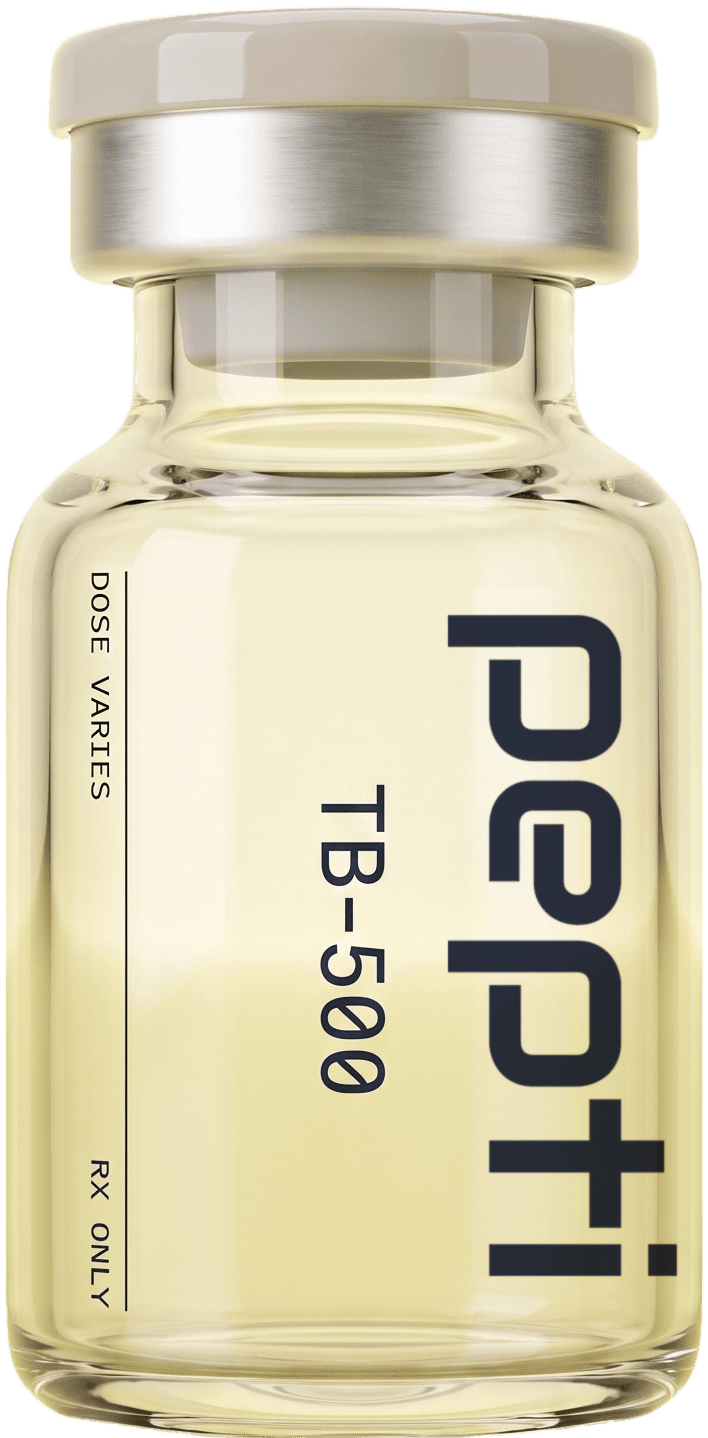
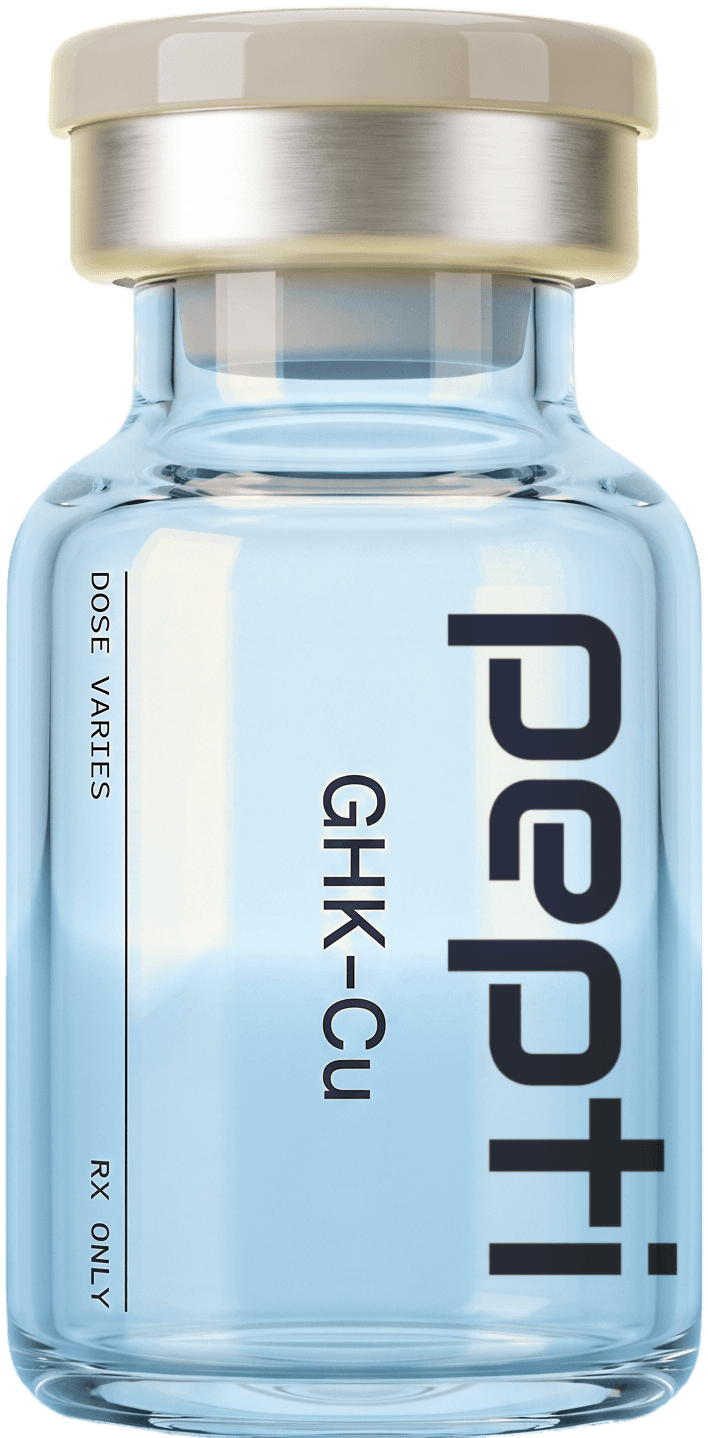
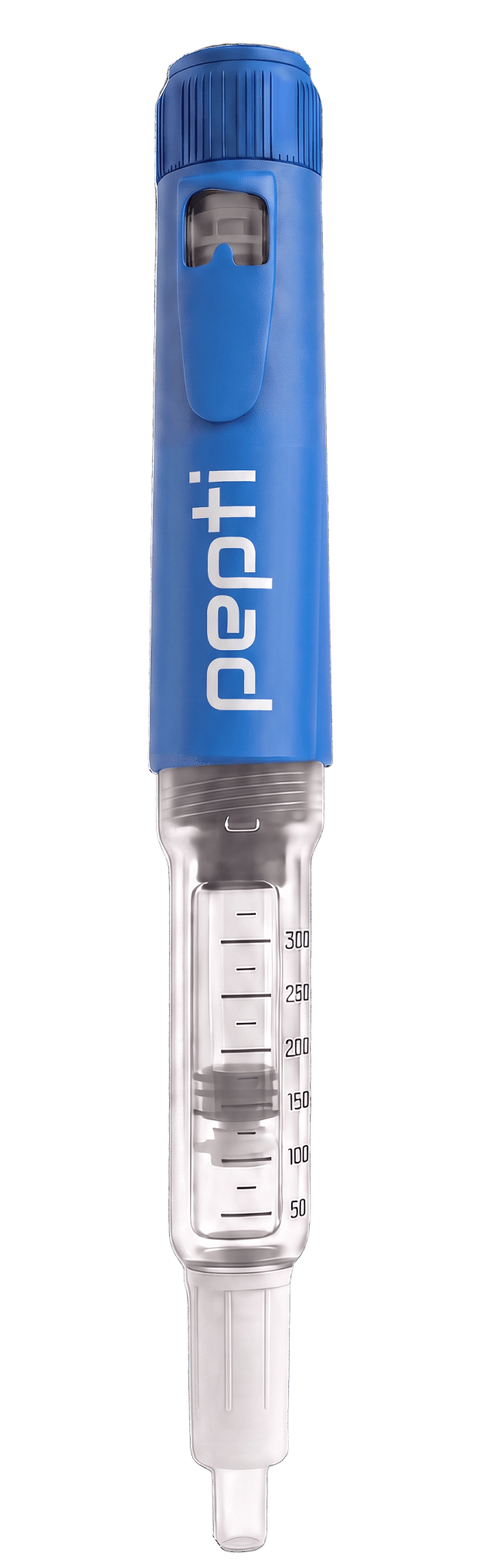
You get peptides for injury recovery online through a telehealth provider where a physician licensed in your state reviews a medical intake about the injury, screens for the problems that need imaging or surgery instead, and sends a prescription to a licensed US 503A compounding pharmacy that ships the vial in your name. The peptides used for tendon, ligament and muscle injuries, mainly BPC-157, TB-500 and blends that add GHK-Cu or KPV, are prescription-only for human use and not FDA approved. At Pepti, BPC-157 + TB-500 is $259 a month all-in and BPC-157 alone is $209, including physician review, refill management and refrigerated shipping, with no membership fee.
This page is about where to get them and how to choose the provider. Which repair peptide fits which injury, and the full evidence, is in peptides for healing and peptides for tendon and ligament injuries. The general route for any prescription peptide is in where to get prescription peptides online.
Where to Get Peptides for Injury Recovery Online
The short answer
| What to look for | Why it matters for an injury specifically | Pepti |
|---|---|---|
| A physician licensed in your state | It is what makes the prescription valid where you live | Yes, the assessment routes to a physician licensed in your state |
| An intake that asks how and when you were hurt | A rupture, a displaced fracture or a locking joint is a surgical question, not a peptide one | Covered in the intake, and the physician can ask follow-up questions |
| A question about what keeps re-injuring it | Training load, technique and footwear can undo any repair | Asked on the intake |
| A named, licensed 503A pharmacy | Compounded repair peptides come from 503A pharmacies, patient by patient | PCAB-accredited, FDA-registered US 503A pharmacies |
| Published lot testing | The certificate is the only evidence of what is in the vial | Lot results at lab results |
| One all-in monthly price | No consult, pharmacy or cold-chain fee added at checkout | All-in, no membership fee |
| No research-use-only vials | A research vial is not a medication | Prescription only |
Where to Get Peptides for Injury Recovery Online
Step one: separate the prescription route from everything else
BPC-157 is one of the most searched peptides there is, and most of the results are not pharmacies. Only one kind of seller ships a medication made for a named person.
| If the site... | It is... | Keep it on the list? |
|---|---|---|
| Ships BPC-157 or TB-500 with no intake and no physician | A research-chemical seller | No |
| Sells lyophilized powder for you to mix with bacteriostatic water | Chemical supply | No |
| Sells a BPC-157 capsule or "recovery" supplement | A different product, not the prescription injectable | No, if you want the prescription |
| Approves every questionnaire in seconds | Paperwork with nobody reading it | No |
| Names a licensed physician and a licensed pharmacy | A prescription route | Yes |
A research vial carries a label saying it is not for human use. That statement means nobody has taken responsibility for its identity, sterility, endotoxin load or concentration for a person injecting it near a sore Achilles every weekday. Research peptides vs prescription peptides explains the difference in full.
Where to Get Peptides for Injury Recovery Online
Step two: the checklist for an injury provider
Most of what separates good providers from bad ones is the same for every peptide. Injuries add two things: the provider has to look for the injuries a peptide cannot reach, and it has to ask what keeps causing the problem.
The intake asks about a structural injury
A complete tendon rupture, a displaced fracture, a full-thickness rotator cuff tear or a meniscal tear that locks the knee has to be closed or fixed mechanically. No peptide bridges a gap. A provider whose intake never asks how you were hurt, whether you heard a pop, or whether the joint locks or gives way is not assessing your injury, it is selling a vial. A good physician who suspects a structural injury will point you toward imaging first.
It asks about red flags
Pain that is getting worse rather than plateauing, night pain, numbness, weakness, fever or unexplained swelling are reasons to investigate before treating anything. The intake should ask, and a physician who sees them should say so plainly.
It asks what keeps the injury going
An inflamed tendon in someone who keeps doing the thing that inflamed it will stay inflamed. Training volume, technique, footwear and a workstation set-up all come up on a real intake, because a vial cannot outrun a cause that reintroduces the problem every day.
It asks about cancer history, copper and blood thinners
BPC-157 and TB-500 are described as supporting new blood-vessel growth, which is why a personal history of cancer is a standing reason to discuss them first. GHK-Cu, in GLOW and KLOW, delivers copper, so Wilson's disease and high-dose zinc matter. Anticoagulant use and pregnancy or breastfeeding belong on the intake too. A form that asks none of this is not screening.
It asks whether you are a tested athlete
The 2026 WADA Prohibited List covers this category: BPC-157 is prohibited at all times under S0, non-approved substances, and TB-500 as a thymosin beta-4 fragment under S2. A prescription does not change that. A provider should ask, and you should say so.
The pharmacy is named and licensed
Ask which pharmacy fills the prescription and in which state it is licensed. A pharmacy shipping across state lines must be licensed, or registered as a non-resident pharmacy, in the state it ships to, and every state board of pharmacy publishes a free license search.
The price is one number
Look for a monthly figure that already includes medication, physician review and shipping. A low headline with a consult fee and cold-chain shipping added later is not comparable. How much do peptides cost covers what drives the price.
Nobody calls it FDA approved
None of the compounded repair peptides is FDA approved, and compounded medications never are. A provider can truthfully say its pharmacy is FDA registered, which is a checkable status. "FDA-approved BPC-157" is not a real product.
Where to Get Peptides for Injury Recovery Online
Step three: questions to ask any provider
| Question | A good answer | A bad answer |
|---|---|---|
| Who reviews my intake, and are they licensed in my state? | A named physician you can look up on your state medical board | "Our medical team" |
| Will you ask how I was injured? | Yes, and the physician may suggest imaging first | It is a three-question form |
| Which pharmacy fills it? | A named, state-licensed 503A pharmacy | "Our lab" |
| Can I see lot testing? | Certificates with lab, lot, method and endotoxin result | One image reused for every product |
| Does it arrive ready to use? | A labelled solution with directions on the vial | Powder and a mixing guide |
| What does it cost each month, all in? | One figure | Fees revealed at checkout |
| Will it fix my tendon? | Nobody can promise that; the human trials have not been run | "Back to training in two weeks" |
| Do I need bloodwork? | At Pepti, no | A mandatory lab bundle |
How to tell if a peptide seller is legitimate and how to read a certificate of analysis go deeper on the verification steps.
Where to Get Peptides for Injury Recovery Online
Step four: know what the options are
Which repair preparation you are prescribed is set by your physician after reviewing your intake. It still helps to know what exists before you start.
| Product | What is in it | Price at Pepti |
|---|---|---|
| BPC-157 | 5 mg BPC-157 in 5 mL | $209/mo |
| TB-500 | 5 mg TB-500 in 5 mL | $209/mo |
| BPC-157 + TB-500 | 5 mg BPC-157, 5 mg TB-500 in 5 mL | $259/mo |
| GLOW | 50 mg GHK-Cu, 10 mg BPC-157, 10 mg TB-500 in 5 mL | $259/mo |
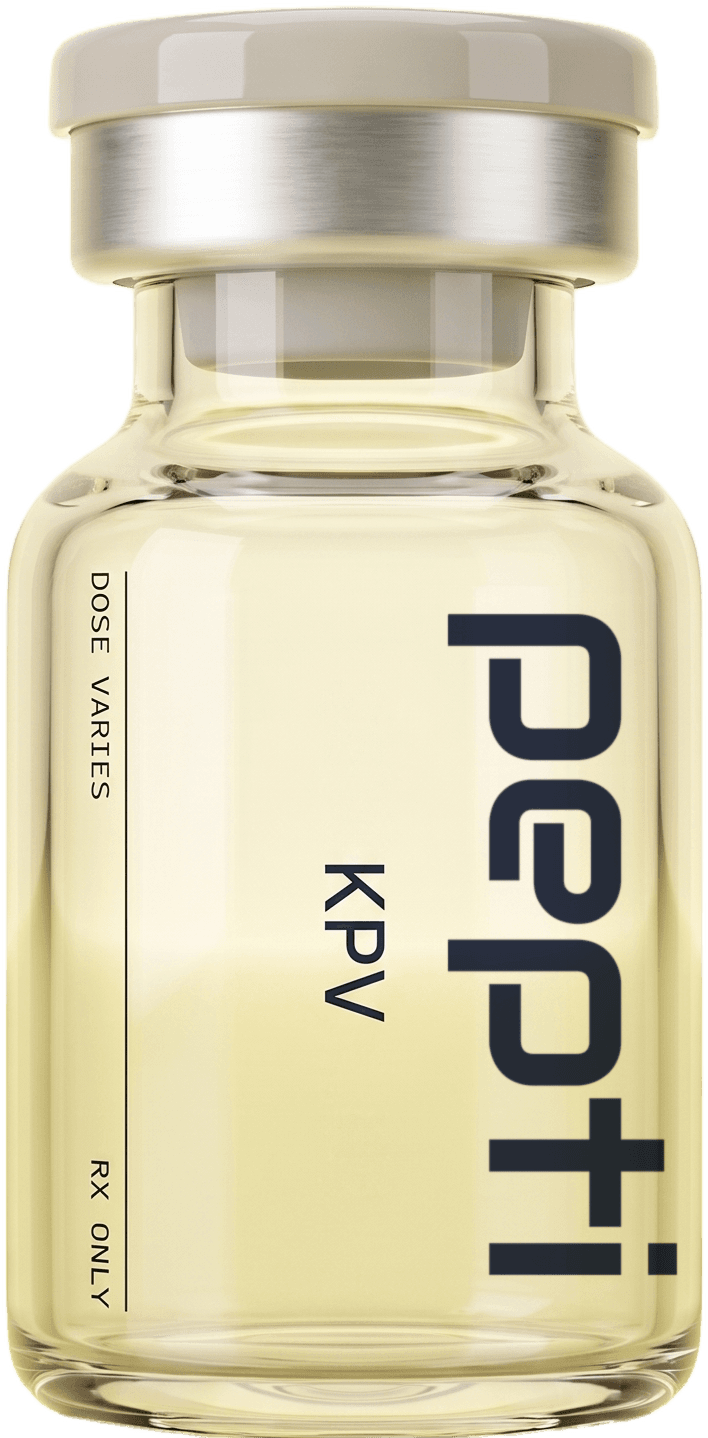
| KLOW | 50 mg GHK-Cu, 10 mg KPV, 10 mg BPC-157, 10 mg TB-500 in 5 mL | $259/mo |
| KPV | 10 mg KPV in 5 mL | $229/mo |
| GHK-Cu | 50 mg GHK-Cu in 5 mL | $239/mo |
Every price is an all-in monthly figure covering medication, physician review, refill management and shipping, recurring while treatment continues. Step-by-step ordering pages exist for BPC-157, BPC-157 + TB-500, TB-500, KLOW, KPV and GHK-Cu. For a single molecule, where to buy BPC-157 online and where to buy TB-500 online go product by product. If the injury is recovery after an operation, read peptides for recovery after surgery first.
Where to Get Peptides for Injury Recovery Online
Where the repair peptides stand legally
All of them are prescription-only for human use, and a compounded preparation is never an FDA-approved drug.
- BPC-157, TB-500 and KPV had been in Category 2 of the FDA's interim 503A bulk drug substances list. On 15 April 2026 the FDA announced their removal from Category 2 after the nominations were withdrawn, and the category list updated 14 May 2026 names none of them in Category 2.
- Injectable GHK-Cu, the form in GLOW, KLOW and the GHK-Cu product, was removed from Category 2 in the same April 2026 action and is listed by the FDA as nominated but withdrawn.
Removal from Category 2 is not the same as approval, and the status of these substances has moved several times since 2023. The dated detail is in peptides for healing and are peptides FDA approved.
Where to Get Peptides for Injury Recovery Online
What the evidence shows, honestly
Choosing a better provider changes the accountability behind the vial, not the evidence behind the molecule. For BPC-157, the tendon and ligament record is rat studies from 2003 through 2010 that measured time to weight-bearing and force at failure, collected in a 2018 review in Current Pharmaceutical Design. TB-500's tendon-specific data is thinner, with most thymosin beta-4 work in skin, cornea and heart. The human data that exists in this category is mostly topical: a blinded, placebo-controlled GHK-Cu diabetic ulcer trial in 1994 and phase 2 thymosin beta-4 ulcer trials.
There are no randomized controlled trials of BPC-157, TB-500, GHK-Cu or KPV as injectable treatments for tendon, ligament or muscle injury in humans. A 2026 review in Sports Medicine described favorable tissue-repair outcomes in animal models with scarce rigorous human safety and efficacy data. A provider claiming human proof that these repair tendons is overstating it, which is itself a reason to look elsewhere.
Where to Get Peptides for Injury Recovery Online
What Pepti offers for injury recovery
- Start: the free online assessment covers the injury, how it happened, your history, medications, allergies and what you want help with.
- Review: a physician licensed in your state reviews it, usually within 24 hours, and may ask questions, suggest imaging or decline.
- Compounding: a PCAB-accredited, FDA-registered US 503A compounding pharmacy prepares the medication to your prescription. Lot results are at lab results, and the standards are on the quality page.
- Delivery: a multi-dose solution shipped refrigerated with ice packs, ready to use, with sterile syringes, alcohol prep pads and your directions printed on the vial. Nothing is mixed at home.
- Refills: every 28 days, one vial per fill, until you cancel. Message your care team anytime in between.
Pepti is cash-pay, does not bill insurance and charges no membership fee. It prescribes in most US states, not currently in Oklahoma, and the assessment confirms availability for your state.
References
What this is based on.
References
- Chang CH, Tsai WC, Hsu YH, Pang JH. Pentadecapeptide BPC 157 enhances the growth hormone receptor expression in tendon fibroblasts · Molecules (2014) · PMID 25415472
- Krivic A, Anic T, Seiwerth S, et al.. Achilles detachment of rat and stable gastric pentadecapeptide BPC 157 · Journal of Orthopaedic Research (2006) · PMID 16583442
- Sikiric P, Seiwerth S, Rucman R, et al.. Stable gastric pentadecapeptide BPC 157: novel therapy in gastrointestinal tract · Current Pharmaceutical Design (2011) · PMID 21548867
- Cerovecki T, Bojanic I, Brcic L, Radic B, et al.. Pentadecapeptide BPC 157 (PL 14736) improves ligament healing in the rat · J Orthop Res (2010) · PMID 20225319
- Sikiric P, Seiwerth S, Rucman R, Turkovic B, et al.. Stable gastric pentadecapeptide BPC 157-NO-system relation · Curr Pharm Des (2014) · PMID 23755725
- Cox HD, Miller GD, Eichner D. Detection and in vitro metabolism of the confiscated peptides BPC 157 and MGF R23H · Drug Test Anal (2017) · PMID 28035768
- Thomas A, Görgens C, Guddat S et al.. Simplifying and expanding the screening for peptides <2 kDa by direct urine injection, liquid chromatography, and ion mobility mass spectrometry · J Sep Sci (2016) · PMID 26578461
- Farrar JT, Young JP Jr, LaMoreaux L, Werth JL et al.. Clinical importance of changes in chronic pain intensity measured on an 11-point numerical pain rating scale · Pain (2001) · PMID 11690728
- Meyer JD, Ho B, Manning MC. Effects of conformation on the chemical stability of pharmaceutically relevant polypeptides · Pharm Biotechnol (2002) · PMID 11987755
- Xu C, Sun L, Ren F, Huang P, et al.. Preclinical Safety Evaluation of Body Protective Compound-157, a Potential Drug for Treating Various Wounds · Regul Toxicol Pharmacol (2020) · PMID 32334036
- He L, Feng D, Guo H, et al.. Pharmacokinetics, distribution, metabolism, and excretion of body-protective compound 157, a potential drug for treating various wounds, in rats and dogs · Front Pharmacol (2022) · PMID 36588717
- Lee E, Padgett B. Intra-Articular Injection of BPC 157 for Multiple Types of Knee Pain · Altern Ther Health Med (2021) · PMID 34324435
Citations are provided for educational purposes. They do not constitute medical advice. Always discuss any peptide protocol with your prescribing physician.
Common questions
Where to Get Peptides for Injury Recovery Online, answered.
From a telehealth provider where a physician licensed in your state reviews your intake and a licensed 503A pharmacy fills the prescription. At Pepti, start with the free assessment.
Yes. BPC-157, TB-500 and the repair blends are prescription-only for human use. A site that ships them without one is selling a research product.
There is no single answer, because the options act at different stages of repair and none has human trials for tendon or ligament injury. BPC-157 + TB-500 is the usual starting combination, and GLOW and KLOW add GHK-Cu and KPV. Peptides for healing matches each to the problem it fits.
At Pepti, from $209 a month for BPC-157 or TB-500 alone to $259 for BPC-157 + TB-500, GLOW or KLOW, all-in.
Not as a medication. BPC-157 sold without a prescription is labelled research use only, and nobody has taken responsibility for it as something a person injects.
No. No compounded peptide is FDA approved. The FDA removed BPC-157 from Category 2 of its interim 503A list in April 2026, which is not an approval.
A good one will ask how it happened, whether the joint locks or gives way, and about weakness or numbness, because a rupture or displaced fracture needs imaging and a surgeon, not a peptide.
Follow the directions printed on your vial. Injection site and timing are part of the prescription, and how to inject peptides safely covers technique.
Yes. The 2026 WADA Prohibited List covers BPC-157 under S0 and TB-500 under S2, prohibited at all times. Tell your physician if you are tested.
No. Bloodwork is not required for any Pepti treatment. If your physician wants labs for your care, they'll ask through your account.
No. Pepti is cash-pay and does not bill insurance. The monthly price covers medication, physician review, refill management and shipping. The free assessment goes to a physician licensed in your state. A consultation does not guarantee a prescription.
Next step
See what a physician recommends for you.
A licensed physician in your state reviews your intake and decides what is appropriate. A consultation does not guarantee a prescription.