Recovery · Reference
TB-500 vs KPV: Repair Signal vs Inflammation Brake, Compared
TB-500 and KPV answer different questions: TB-500 is described around repair, KPV around inflammation.
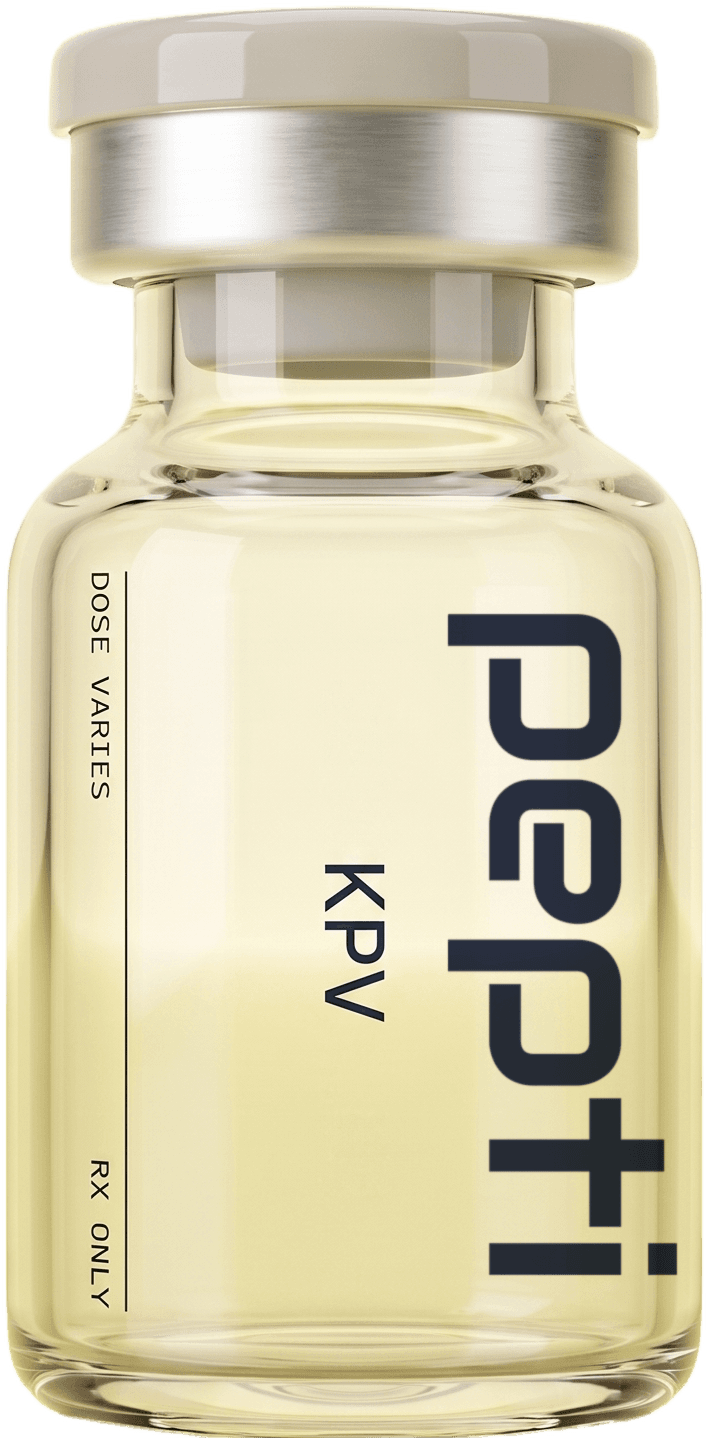
Treatments mentioned
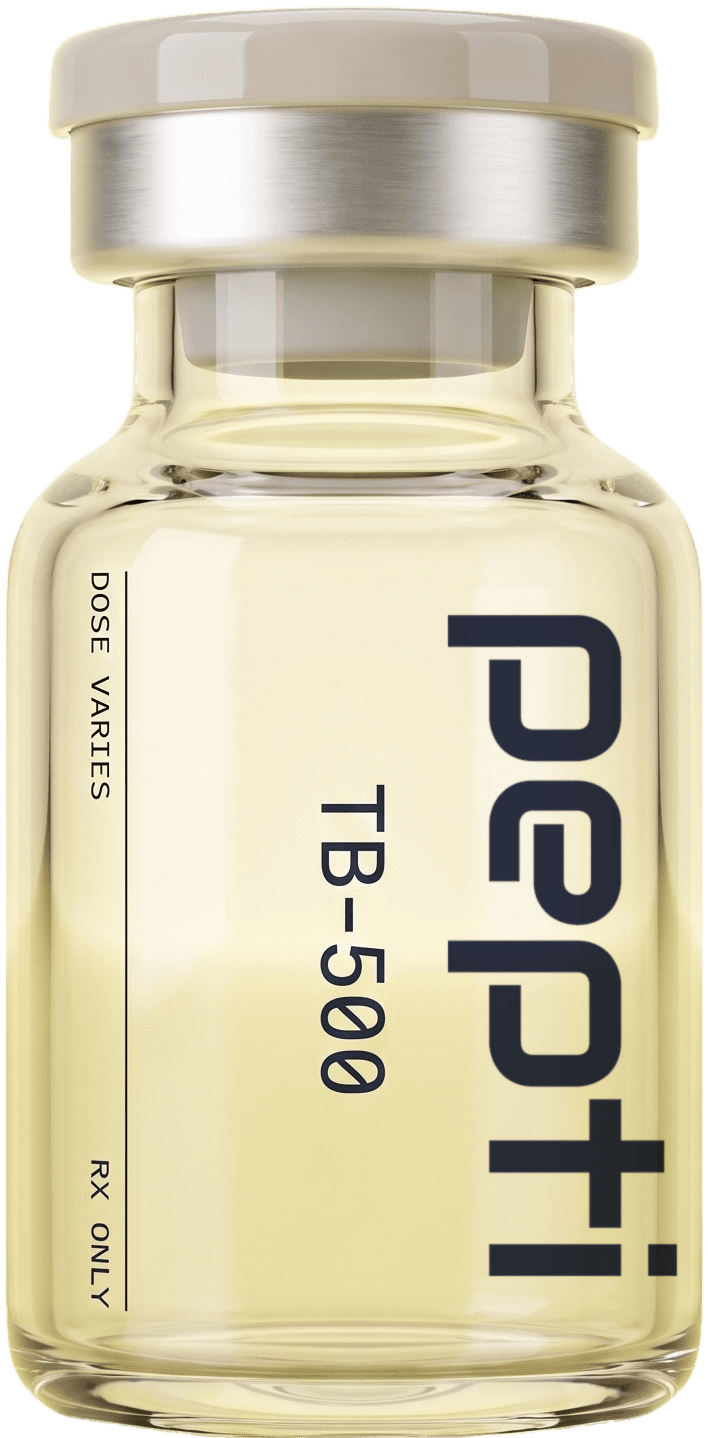
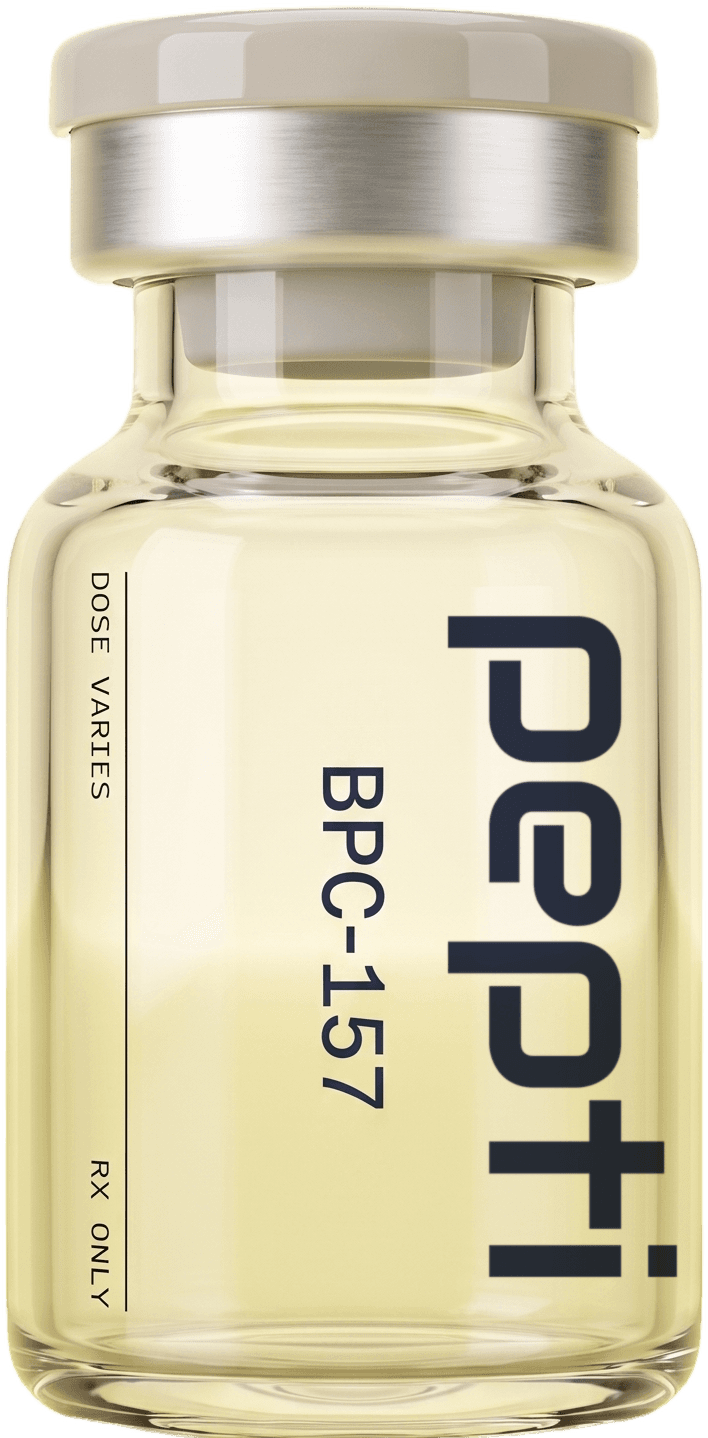
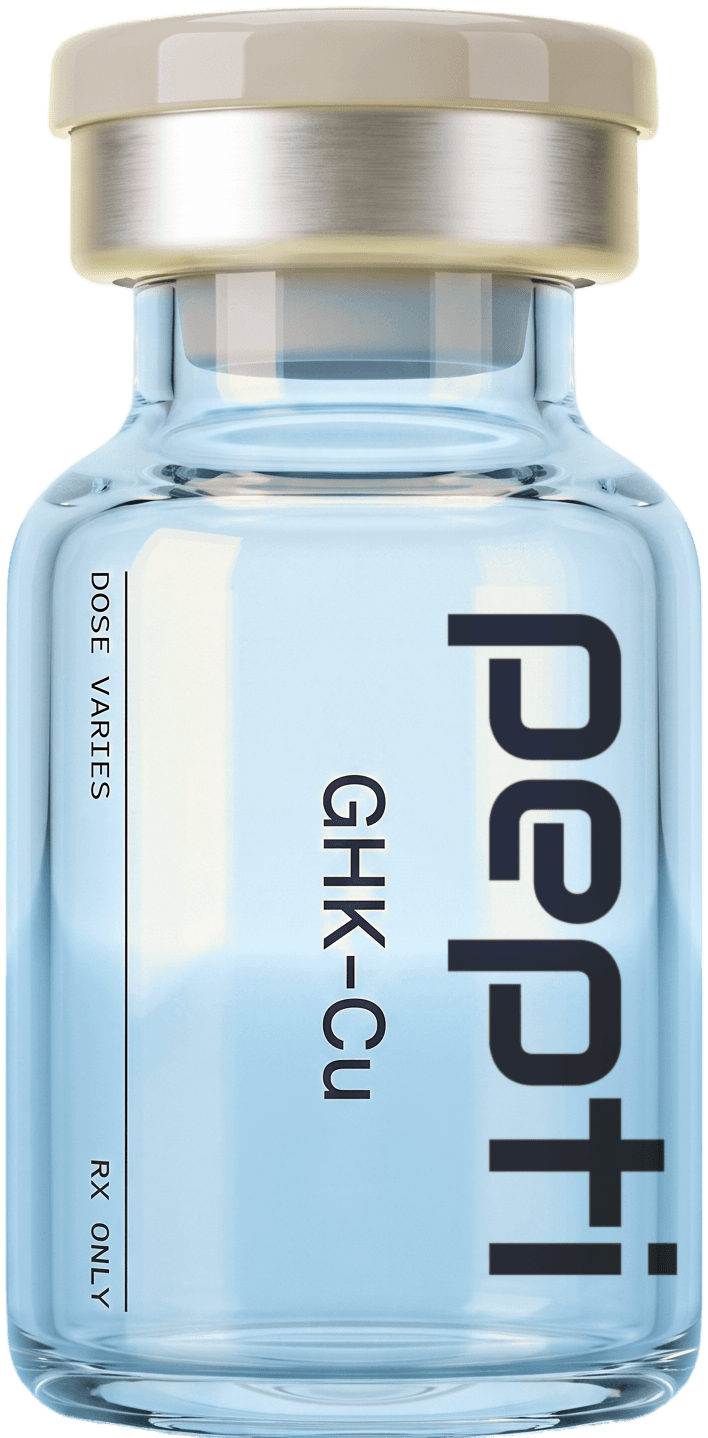
TB-500 is a fragment of thymosin beta-4, described in animal and cell work as helping repair cells move into damaged tissue and new blood vessels grow, and it is usually prescribed for a soft-tissue injury. KPV is the last three amino acids of alpha-MSH, described in cell and mouse work as damping NF-kB signalling and inflammatory cytokines, and its deepest research is in gut inflammation. Neither has a human trial; both were recommended for the FDA's 503A bulks list by the same 8 to 6 advisory committee vote in July 2026. Both are prescription-only, compounded by a licensed US pharmacy, and not FDA approved.
This page explains each on its own terms, compares them side by side, covers the evidence, FDA status, dosing at Pepti, price, and who tends to suit which, including the blend that contains both.
TB-500 vs KPV
The short answer
| If your main problem is | The usual prescription | What is in it | Price |
|---|---|---|---|
| A soft-tissue injury | TB-500 | 5 mg TB-500 in a 5 mL vial | $209/mo |
| Inflammation that will not settle, especially gut or skin | KPV | 10 mg KPV in a 5 mL vial | $229/mo |
| Repair and inflammation together, plus skin | KLOW Blend | GHK-Cu, KPV, BPC-157 and TB-500 in one vial | $259/mo |
| Inflammation with gut lining and immune support | FORTIFY Blend | Thymosin alpha-1, BPC-157, KPV and LL-37 | $289/mo |
| An injury, two repair peptides | BPC-157 + TB-500 | 5 mg BPC-157 and 5 mg TB-500 | $259/mo |
Every figure is an all-in monthly price covering the medication, physician review, refill management and shipping, with no separate membership fee. Pepti is cash-pay and does not bill insurance.
TB-500 vs KPV
TB-500 on its own terms
What it is
TB-500 is a synthetic peptide built around LKKTETQ, the actin-binding segment at positions 17 to 23 of thymosin beta-4. Thymosin beta-4 is a 43-amino-acid protein present in almost every cell; it holds actin in reserve, and platelets release it at the site of an injury. Most published work studied the full protein, with a smaller set testing the fragment. It is not a hormone, not a growth factor in the strict sense and not a painkiller. The full reference is at what is TB-500.
How it is described to work
- Cell migration. By controlling free actin, thymosin beta-4 influences how readily repair cells crawl into a wound (FASEB Journal, 1997).
- New blood vessels. Angiogenesis and wound healing in mice (Mechanisms of Ageing and Development, 2004).
- Cell survival. Integrin-linked kinase and Akt activation in the mouse heart (Nature, 2004).
- Inflammation. Suppression of NF-kB in corneal cells (Experimental Eye Research, 2007; FASEB Journal, 2011). This is TB-500's overlap with KPV, and it is cell and animal-eye work.
What human data exists
There are no randomised controlled trials of TB-500 in humans. The full protein has Phase 2 trials as eye drops for severe dry eye and on chronic skin ulcers, which used a different molecule, route and condition. See TB-500 benefits.
TB-500 vs KPV
KPV on its own terms
What it is
KPV is a tripeptide, lysine-proline-valine, the C-terminal end of alpha-melanocyte-stimulating hormone (alpha-MSH), written in papers as alpha-MSH(11-13). Alpha-MSH drives pigmentation and also acts as an anti-inflammatory signal; a 2008 review in Endocrine Reviews describes the three-amino-acid tail keeping much of the anti-inflammatory activity while pigmentation depends on a different part of the hormone. So KPV is not a tanning peptide, not a steroid and not a painkiller. The full reference is at what is KPV.
How it is described to work
- Entering cells through PepT1. A 2008 paper in Gastroenterology reported KPV carried into intestinal cells by PepT1, the transporter the gut uses for small peptides, and its effect depending on that transporter.
- NF-kB and MAPK. Reduced activation of these inflammatory switches in cells and inflamed mouse colon (Gastroenterology and Inflammatory Bowel Diseases, both 2008).
- Lower cytokines. Less TNF-alpha, IL-6, IL-1beta and IL-8 in cell and mouse models.
- Without the pigment receptor. A 2012 study in human bronchial cells described the effect working through a route independent of the melanocortin-1 receptor.
What human data exists
There are no randomised controlled trials of KPV in humans, and no published human trials of any design. The evidence is human cell lines and mouse models of colitis, skin inflammation and brain injury. Much of the gut work gave KPV orally in drinking water; the subcutaneous route has not been compared. See KPV benefits.
TB-500 vs KPV
Head to head
| TB-500 | KPV | |
|---|---|---|
| What it is | Seven-amino-acid fragment of thymosin beta-4 | Three-amino-acid fragment of alpha-MSH |
| Core story | Repair: cells moving in, new vessels | Inflammation: less inflammatory signalling |
| How it is described acting | Binds actin; cell motility and survival pathways | Enters cells through PepT1; damps NF-kB and MAPK |
| Strongest research area | Dermal, corneal and cardiac models (mostly the full protein) | Mouse colitis models |
| Human trials | None of the fragment; full protein trialled in eye and skin conditions | None of any design |
| Usually prescribed for | Tendon, ligament and muscle problems | Gut, skin or general inflammation |
| July 2026 advisory committee | 8 to 6, one abstention, for the bulks list | 8 to 6, one abstention, for the bulks list |
| Anti-doping | Prohibited at all times under WADA S2.3 | Not named on the WADA list; S0 covers unapproved substances |
| Vial at Pepti | 5 mL, 1 mg/mL (5 mg) | 5 mL, 2 mg/mL (10 mg) |
| Typical directions | 0.25 mL (25 units) Monday through Friday mornings | 0.25 mL (25 units) once daily Monday through Friday |
| Per dose | 0.25 mg | 0.5 mg |
| Doses per vial | 20, about four weeks | 20, about four weeks |
| Price at Pepti | $209 a month | $229 a month |
The real difference is repair versus inflammation
The simplest way to separate them: TB-500 is described as helping the rebuilding happen, and KPV as turning down the signalling that keeps tissue inflamed. Inflammation is a normal early phase of repair, useful briefly and harmful when it persists, so the two are not opposites. A problem that is mainly "this injury is slow to mend" points one way; a problem that is mainly "this keeps flaring" points the other. Both have overlapping NF-kB findings in cells, but no study has compared them or measured either in people.
TB-500 vs KPV
Who suits which
TB-500
TB-500 tends to suit someone with a defined soft-tissue problem with a clear onset. It is often paired with BPC-157, which has the deeper tendon-specific animal literature; see BPC-157 vs TB-500. It is not an option for tested athletes.
KPV
KPV tends to suit someone whose complaint is inflammatory rather than structural, especially gut-related, which is where the animal work is strongest. Someone on prescribed treatment for a diagnosed inflammatory disease should not swap it for a peptide; KPV is a conversation to have with that specialist and with your Pepti physician. Alone, it is one variable, which makes it easier to judge.
Both together
There is no Pepti vial that holds only TB-500 and KPV. The product that contains both is KLOW, which adds BPC-157 and GHK-Cu, the latter being most of the vial by mass. If a physician wants the two specifically, they are prescribed as separate vials. No study has tested the pair. See KPV vs BPC-157 for the other common inflammation-versus-repair comparison.
TB-500 vs KPV
When neither is the right first step
| Situation | What makes more sense |
|---|---|
| A complete rupture, displaced fracture or locking joint | Imaging and a surgical opinion |
| Tendinopathy that has not been loaded | Progressive loading under a physiotherapist |
| The gut lining itself is the concern | BPC-157, with the deeper gastrointestinal literature |
| Weak immunity rather than excess inflammation | Thymosin Alpha-1 |
| A diagnosed inflammatory disease on treatment | Your specialist; neither replaces that treatment |
TB-500 vs KPV
Where each stands with the FDA
Their regulatory paths have been identical so far. As of the FDA pages checked in September 2026:
| TB-500 | KPV | |
|---|---|---|
| 2023 | Category 2 of the 503A bulks list | Category 2 |
| 15 April 2026 | Removal announced, effective 22 April | Removal announced, effective 22 April |
| 23 July 2026 | Reviewed for wound healing; committee voted 8 to 6, one abstention, to recommend for the bulks list | Reviewed for wound healing and inflammatory conditions; voted 8 to 6, one abstention, to recommend |
| FDA staff position | Recommended against inclusion | Recommended against inclusion |
| Final determination | Pending | Pending |
A committee vote is a recommendation, not a decision, and formal addition requires rulemaking. Both remain legal to prescribe and dispense. Neither is FDA approved; compounded medications never are. See are peptides FDA approved.
TB-500 vs KPV
Dosing, side by side
Both are injected under the skin, abdomen or thigh, rotating sites, five days a week with weekends off, at the same volume.
| TB-500 | KPV | |
|---|---|---|
| Draw | 25 units (0.25 mL) on a U-100 syringe | 25 units (0.25 mL) on a U-100 syringe |
| Concentration | 1 mg/mL | 2 mg/mL |
| Per dose | 0.25 mg (1 x 0.25) | 0.5 mg (2 x 0.25) |
| Timing | Mornings | Once daily, weekdays |
| Doses per vial | 20 (5 mL divided by 0.25 mL) | 20 |
| One vial lasts | 4 weeks | 4 weeks |
That arithmetic is for reading a label, not for setting a dose. Your physician sets your directions after reviewing your intake, and your exact dose is printed on the vial. Vials are multi-dose solutions shipped ready to use, refrigerated with ice packs, with sterile syringes and alcohol prep pads; refills run every 28 days, one vial per fill. Detail in TB-500 dosage and KPV dosage.
TB-500 vs KPV
Side effects
TB-500. Mostly injection-site redness, mild soreness or bruising. Some people report a brief headache or head-rush after a dose, or tiredness in the first week. Because thymosin beta-4 is described as promoting cell migration and new blood vessels, a cancer history is raised at intake, as is anticoagulant therapy. See is TB-500 safe.
KPV. Mostly injection-site redness, mild soreness or bruising. Some people report mild nausea or a transient headache early on. Animal work has not reported toxicity at the doses studied, but with no human trials "well tolerated" means nothing concerning has emerged, not tested and shown safe. Anyone on immunosuppressants or biologics should raise it specifically. See KPV side effects.
For either, a reaction that is severe, spreading or involves difficulty breathing needs emergency care: call 911, then tell your care team.
TB-500 vs KPV
Who should not take either, or should discuss it first
| Situation | Why |
|---|---|
| Personal history of cancer | Raised at intake for TB-500 |
| Anticoagulant therapy | Raised at intake for TB-500 |
| Immunosuppressants or biologics | Raised at intake for KPV |
| Pregnancy or breastfeeding | Neither is used; safety data is absent |
| Tested athletes | TB-500 is prohibited at all times; check with your anti-doping body about KPV |
TB-500 vs KPV
What the evidence shows, honestly
Neither peptide has been tested in people. TB-500's case rests on animal and cell work on the full thymosin beta-4 protein, plus human trials of that protein in unrelated eye and skin conditions. KPV's rests on human cell lines and mice, mostly with oral dosing in colitis models. Both are prescribed on mechanism plus clinical experience, and anything stronger than "described in preclinical research" overstates them.
TB-500 vs KPV
Where to get TB-500 or KPV prescribed
Neither can be bought legitimately without a prescription. Sites selling them "for research use only" are not accountable for identity, purity, sterility or concentration. The prescription route:
- Complete a free online intake covering your history, medications and what you want help with.
- A physician licensed in your state reviews it, usually within 24 hours.
- If it is appropriate, a PCAB-accredited, FDA-registered US 503A compounding pharmacy prepares it to that prescription. Lot test results are published at /quality/lab-results.
- It ships refrigerated with your directions printed on the vial.
- Your physician stays reachable for questions and dose changes.
Pepti prescribes both in every state except Oklahoma, plus DC Step by step: how to get TB-500 prescribed online and how to get KPV prescribed online.
References
What this is based on.
References
- Goldstein AL, Hannappel E, Kleinman HK. Thymosin beta4: actin-sequestering protein moonlights to repair injured tissues · Trends Mol Med (2005) · PMID 16099219
- Malinda KM, Sidhu GS, Mani H et al.. Thymosin beta4 accelerates wound healing · J Invest Dermatol (1999) · PMID 10469335
- Malinda KM, Goldstein AL, Kleinman HK. Thymosin beta 4 stimulates directional migration of human umbilical vein endothelial cells · FASEB J (1997) · PMID 9194528
- Philp D, Badamchian M, Scheremeta B et al.. Thymosin beta 4 and a synthetic peptide containing its actin-binding domain promote dermal wound repair in db/db diabetic mice and in aged mice · Wound Repair Regen (2003) · PMID 12581423
- Philp D, Goldstein AL, Kleinman HK. Thymosin beta4 promotes angiogenesis, wound healing, and hair follicle development · Mech Ageing Dev (2004) · PMID 15037013
- Philp D, Scheremeta B, Sibliss K et al.. Thymosin beta4 promotes matrix metalloproteinase expression during wound repair · J Cell Physiol (2006) · PMID 16607611
- Smart N, Risebro CA, Melville AA et al.. Thymosin beta4 induces adult epicardial progenitor mobilization and neovascularization · Nature (2007) · PMID 17108969
- Sosne G, Szliter EA, Barrett R et al.. Thymosin beta 4 promotes corneal wound healing and decreases inflammation in vivo following alkali injury · Exp Eye Res (2002) · PMID 11950239
- Sosne G, Hafeez S, Greenberry AL 2nd et al.. Thymosin beta4 promotes human conjunctival epithelial cell migration · Curr Eye Res (2002) · PMID 12324865
- Sosne G, Xu L, Prach L et al.. Thymosin beta 4 stimulates laminin-5 production independent of TGF-beta · Exp Cell Res (2004) · PMID 14729067
- Sosne G, Qiu P, Christopherson PL et al.. Thymosin beta 4 suppression of corneal NFkappaB: a potential anti-inflammatory pathway · Exp Eye Res (2007) · PMID 17254567
- Sosne G, Qiu P, Goldstein AL et al.. Biological activities of thymosin beta4 defined by active sites in short peptide sequences · FASEB J (2010) · PMID 20179146
Citations are provided for educational purposes. They do not constitute medical advice. Always discuss any peptide protocol with your prescribing physician.
Common questions
TB-500 vs KPV, answered.
TB-500 is a fragment of thymosin beta-4 described around cell migration and repair. KPV is a fragment of alpha-MSH described around damping inflammatory signalling. TB-500 is usually prescribed for injury, KPV for inflammation.
KPV is the one built around inflammation; its animal work is mostly in gut and skin inflammation. TB-500 has some cell findings on NF-kB too, but its main story is repair. Neither has a human trial.
TB-500 is the one prescribers usually reach for with a soft-tissue injury, often with BPC-157. KPV is aimed at inflammation rather than rebuilding tissue. No study has compared them.
Some physicians prescribe both, as separate vials, because the described roles differ. The only Pepti product containing both is KLOW, which also includes BPC-157 and GHK-Cu. No study has tested the pair. Your physician sets your directions after reviewing your intake.
No. Pigmentation depends on a part of alpha-MSH that KPV does not contain, and cell work describes KPV acting without the pigmentation receptor. The tanning peptide is Melanotan II.
No. Both were in Category 2 from 2023 and were removed in April 2026, and in July 2026 the advisory committee voted 8 to 6 to recommend both for the 503A bulks list. The FDA's final determinations are pending.
At Pepti, TB-500 is $209 a month and KPV is $229 a month, all-in, covering medication, physician review, refill management and shipping.
Neither has a human trial, so there is no timeline for a person. The KPV evidence is mouse colitis studies; the human thymosin beta-4 trials used the full protein as eye drops or on skin ulcers. None measured when someone injecting these vials would notice anything.
TB-500 is not: the 2026 WADA Prohibited List names thymosin beta-4 and its derivatives under S2.3, prohibited at all times. KPV is not named on the WADA list, but S0 covers substances without regulatory approval for human use, so check with your anti-doping body.
Bloodwork is not required for any Pepti treatment. If your physician wants labs for your care, they'll ask through your account. The free assessment goes to a physician licensed in your state. A consultation does not guarantee a prescription.
Related answers
Keep reading.
- TB-500: What It Is, Where to Get It Prescribed, and What It Costs
- KPV: What It Is, Where to Get It Prescribed, and What It Costs
- Where to Buy TB-500 Online: Prescription Route, Costs and Red Flags
- Is TB-500 Safe? Side Effects, Cancer Cautions and What Is Not Known
- Tesamorelin vs Hexarelin: Two Growth Hormone Secretagogues, Compared
Next step
See what a physician recommends for you.
A licensed physician in your state reviews your intake to see whether treatment fits your history. A consultation does not guarantee a prescription.