Weight Loss · Reference
GLP-1 Constipation: Why Semaglutide and Tirzepatide Slow Things Down and What Helps
This page covers how common constipation is on semaglutide and tirzepatide, why it happens, why it behaves differently from nausea, what helps, and the warning signs. The full lists are in semaglutide side effects, tirzepatide side effects and GLP-1 side effects.
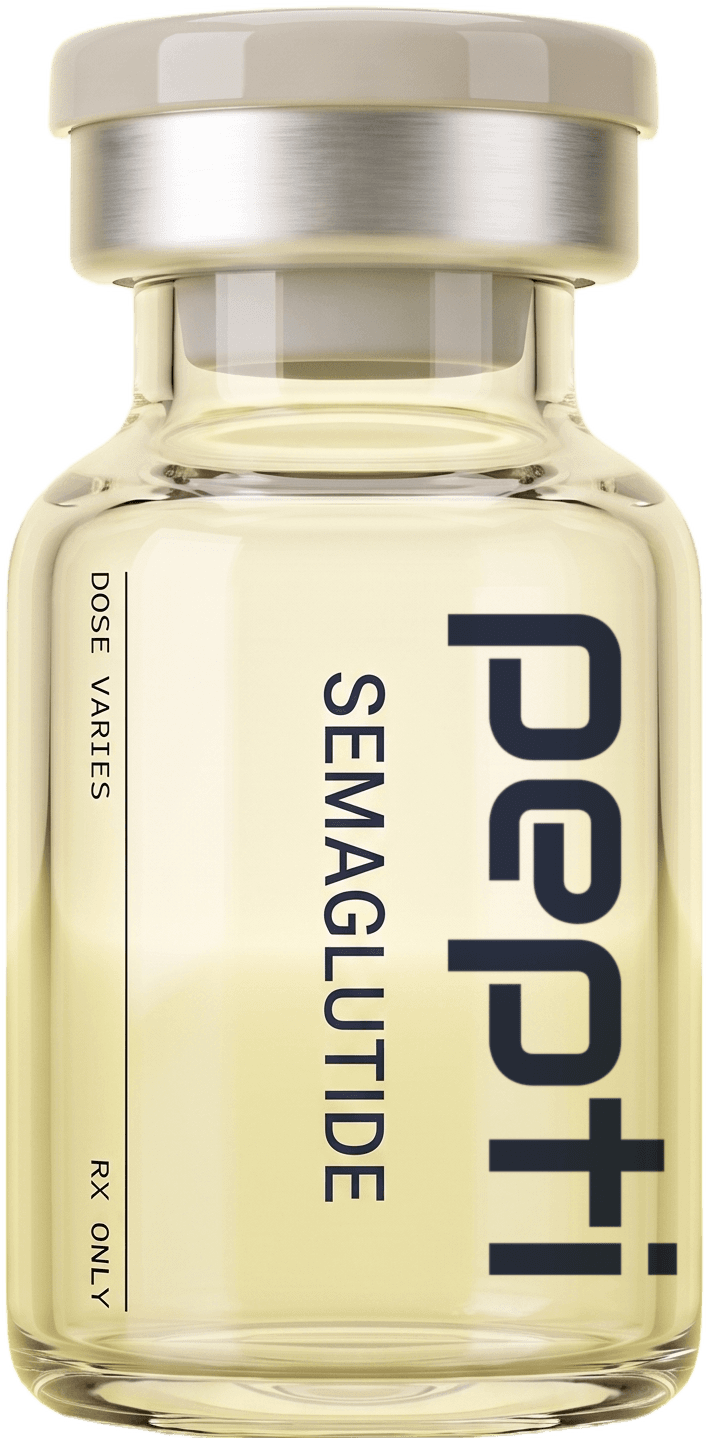
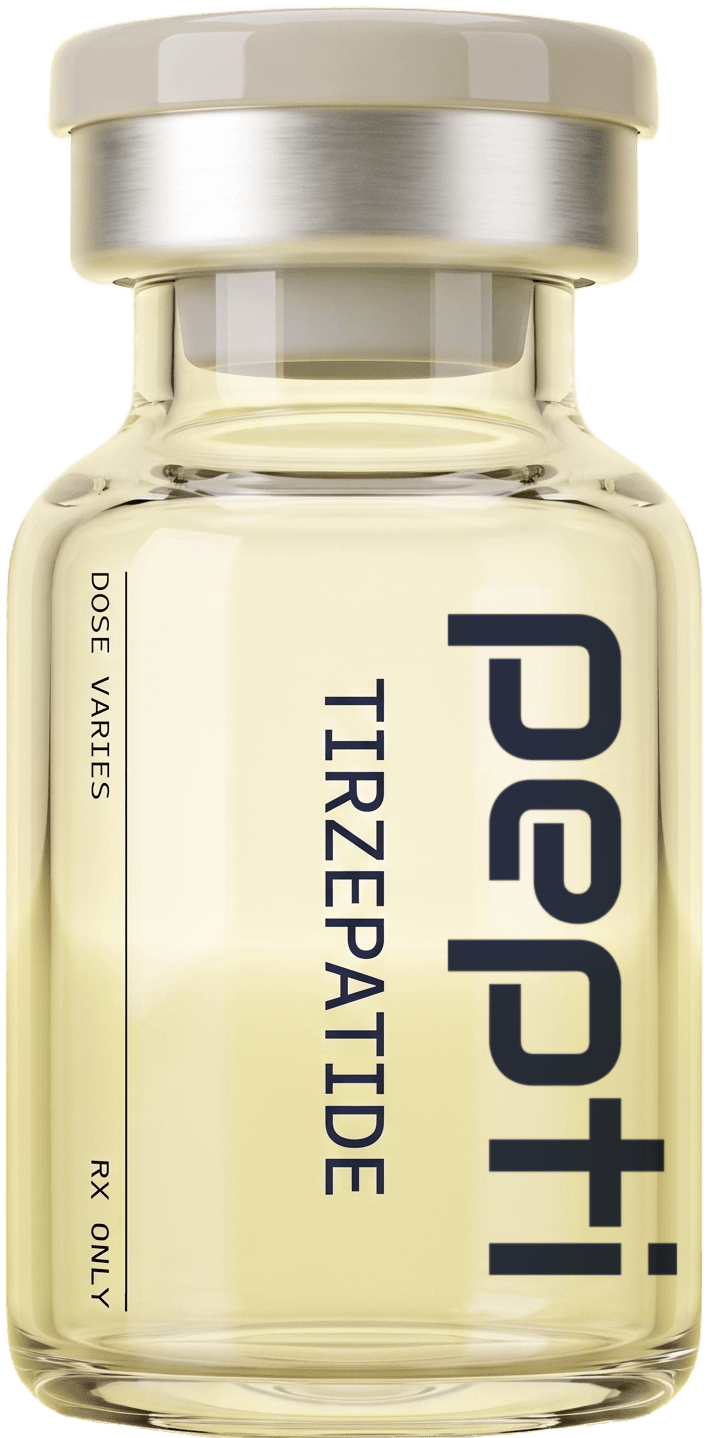
Treatments mentioned
Constipation is a common GLP-1 side effect, reported by 24% of adults on semaglutide against 11% on placebo, and by 11 to 17% on tirzepatide against 5%, on the approved weight-management labels. It follows from the medications slowing the gut and from eating and drinking less. Unlike nausea, it can persist at a steady dose, and it gets a different answer: fluid, fiber and movement, and reporting it to your care team by name. A swollen, painful abdomen with vomiting and no gas or stool is not ordinary constipation; it can be a bowel obstruction and needs emergency care.
This page covers how common constipation is on semaglutide and tirzepatide, why it happens, why it behaves differently from nausea, what helps, and the warning signs. The full lists are in semaglutide side effects, tirzepatide side effects and GLP-1 side effects.
GLP-1 Constipation
The short answer
| Question | Semaglutide | Tirzepatide |
|---|---|---|
| Constipation on the approved label | 24% against 11% on placebo | 11 to 17% against 5% on placebo |
| Pattern by strength | One dose studied (2.4 mg) | Highest at 5 mg (17%), lowest at 15 mg (11%) |
| Can it persist at a steady dose? | Yes | Yes |
| What usually helps | Fluid, fiber, regular movement | Fluid, fiber, regular movement |
| Is stepping the dose down the first move? | Often not | Often not |
| Serious version | Ileus, obstruction, fecal impaction, reported after approval | Same |
| Emergency signs | Swollen, painful abdomen, vomiting, no gas or stool | Same |
The medications this page covers:
| Medication | How it acts | What is in it | Price |
|---|---|---|---|
| Semaglutide | GLP-1 receptor only | Dose-specific vials at six strengths, starting with 1 mg per 1 mL at the 0.25 mg starting dose | From $99/mo, priced by dose |
| Tirzepatide | GIP and GLP-1 receptors | Dose-specific 2 mL vials at six strengths, 2.5 mg to 15 mg; the 2.5 mg and 7.5 mg vials include glycine | From $159/mo, priced by dose |
Prices are all-in: medication, physician review, refill management and shipping, with no membership fee. Both are compounded by PCAB-accredited, FDA-registered US 503A pharmacies. Compounded medications are not FDA approved. The rates on this page come from trials of the FDA-approved versions, which contain the same molecules, so the same side effects apply.
GLP-1 Constipation
How common GLP-1 constipation is
Semaglutide
On the approved semaglutide weight-management label, pooling three placebo-controlled trials in 2,116 adults at 2.4 mg weekly for up to 68 weeks, constipation was reported by 24% against 11% on placebo. The pooled STEP analysis in Diabetes, Obesity and Metabolism in 2022 gave 24.2% against 11.1%.
Tirzepatide by strength
On the approved tirzepatide weight-management label, pooling two placebo-controlled trials in 2,519 adults for up to 72 weeks:
Maintenance strength Constipation Placebo 5 mg 17% 5% 10 mg 14% 5% 15 mg 11% 5% Constipation fell at higher strengths, the opposite of what most people expect. The labels do not explain why, and it should not be read as a reason to want a higher dose: how quickly the dose climbs matters more than where it ends.
Read the placebo column
Eleven percent of people on a dummy injection in the semaglutide trials and 5% in the tirzepatide trials reported constipation. Eating less, and eating differently, causes it without any drug. The two labels come from different trials in different populations and cannot be compared head to head.
GLP-1 Constipation
Why GLP-1 medications cause constipation
Semaglutide and tirzepatide slow the rate at which the stomach empties and act on appetite centers in the brain. Two things follow for the bowel.
| Cause | How it works |
|---|---|
| A slower gut | The medications slow movement through the stomach, so everything downstream moves more slowly too |
| Less food | Smaller meals mean less bulk passing through |
| Less fiber | Appetite tends to fall first for the foods that take effort to prepare |
| Less fluid | Less appetite usually means less drinking, and dehydration makes stool harder |
| Less movement | Tiredness in the early weeks can mean less activity |
Why it behaves differently from nausea
Nausea clusters in the days after a dose increase and usually eases at a steady strength. Constipation can persist at a steady dose, because the drivers (a slower gut, less food and less fluid) persist too. The live nausea guide puts it plainly: constipation is the one symptom where stepping the dose down is often not the first move. Your care team may want to address it directly rather than adjust the GLP-1. That is why it should be named specifically when you report it.
Constipation can move the scale
Constipation is common on these medications, and stool that has not passed counts on a scale. A stalled week can be a bowel issue rather than a change in how the medication is working. More on reading the scale is in why am I not losing weight on semaglutide.
GLP-1 Constipation
What helps GLP-1 constipation
These measures are grounded in the mechanism and in clinical experience, not in trials that randomized people to diet advice. They are low-risk and sensible.
| Change | Why it helps |
|---|---|
| Fluid through the day, sipped between meals | Dehydration makes constipation harder; drinking between meals avoids overfilling the stomach |
| Fiber at most meals | Adds bulk that smaller meals lose |
| Regular movement, including walking | Helps the bowel along |
| Regular meal times even without hunger | Keeps food moving through |
| Protein first, but not protein only | Protein protects lean mass; fiber still needs a place on the plate |
| Name constipation when you report it | It gets a different answer from nausea |
If you are adding fiber, add fluid with it.
Medication for constipation
Whether a medication for constipation is right for you depends on your history and what else you take, so ask your care team rather than starting one yourself. This page does not name a product or a dose.
Do not push through these
Symptom What it may be What to do Constipation that stops responding to fluid, fiber and movement Worsening slowdown Message your care team Severe constipation with abdominal swelling Needs assessment Contact your care team the same day Swollen, painful abdomen, vomiting that will not stop, no gas or stool Bowel obstruction or ileus Call 911 or go to an emergency department Severe, persistent abdominal pain, sometimes into the back Possible pancreatitis Seek medical care the same day Pain under the right ribs, fever, yellowing skin or eyes Gallbladder Seek care the same day Obstruction and impaction
Both approved labels list ileus, intestinal obstruction and severe constipation including fecal impaction among reactions reported after approval. Because these are voluntary reports, their frequency cannot be estimated. A 2023 research letter in JAMA using a large claims database reported higher rates of bowel obstruction among people using GLP-1 medications for weight loss than among users of an older weight-loss drug, an association rather than a trial result. Severe gastrointestinal reactions overall were reported by 4.1% on semaglutide against 0.9% on placebo, and 1.7 to 3.1% on tirzepatide against 1%.
Severe gastroparesis
Both medications are not recommended in severe gastroparesis, because they slow an already slow stomach. A known motility disorder belongs on your intake.
GLP-1 Constipation
Constipation and the dose ladder
| Point in treatment | What patients commonly describe |
|---|---|
| First weeks on the starting dose | Bowel habits change as meals shrink |
| After each step up | Can worsen for a few days alongside nausea |
| Weeks at the same strength | May persist, unlike nausea |
| Higher tirzepatide strengths | Reported less often at 15 mg than at 5 mg on the label |
If constipation has not settled, tell your care team. Your physician sets your directions after reviewing how you are doing, and they are printed on the vial. Never change your own dose.
Bloodwork is not required for any Pepti treatment. If your physician wants labs for your care, they'll ask through your account.
GLP-1 Constipation
What the evidence shows, honestly
Constipation is a documented side effect of both medications, with rates against placebo from large randomized trials, and both labels record the serious version, obstruction and impaction, from reports after approval.
The limits: the trial rates belong to the FDA-approved versions; a compounded vial has the same molecule but has not been trialed. The labels cannot be compared head to head. The advice on fluid, fiber and movement is sensible and low-risk but untested in GLP-1 trials. The fall in constipation at higher tirzepatide strengths is a label observation without a stated explanation. Post-marketing obstruction reports have no reliable frequency. Any claim that a compounded version, or a vitamin added to the vial, prevents constipation has no trial behind it.
GLP-1 Constipation
Where to get a GLP-1 prescribed
GLP-1 medications cannot be bought legitimately without a prescription. Products sold "for research use only" have no accountable pharmacy behind their identity, purity, sterility or concentration. The prescription route:
- Complete a free online intake covering your history, medications and what you want help with.
- A physician licensed in your state reviews it, usually within 24 hours.
- If it is appropriate, a state-licensed, FDA-registered US pharmacy compounds it to that prescription. Lot test results are published at /quality/lab-results.
- It ships refrigerated with ice packs, with sterile syringes and alcohol prep pads, and your directions printed on the vial.
- Your care team stays reachable for side effects and dose questions. Refills run every 28 days, one vial per fill.
Pepti is cash-pay and does not bill insurance. Step-by-step pages: how to get semaglutide prescribed online and how to get tirzepatide prescribed online.
References
What this is based on.
References
- Wilding JPH, Batterham RL, Calanna S, et al.. Once-Weekly Semaglutide in Adults with Overweight or Obesity (STEP 1) · New England Journal of Medicine (2021) · PMID 33567185
- Lincoff AM, Brown-Frandsen K, Colhoun HM, et al.. Semaglutide and Cardiovascular Outcomes in Obesity without Diabetes (SELECT) · New England Journal of Medicine (2023) · PMID 37952131
- Wadden TA, Bailey TS, Billings LK, et al.. Effect of subcutaneous semaglutide vs placebo as an adjunct to intensive behavioral therapy on body weight in adults with overweight or obesity (STEP 3) · JAMA (2021) · PMID 33625476
- Rubino D, Abrahamsson N, Davies M, et al.. Effect of Continued Weekly Subcutaneous Semaglutide vs Placebo on Weight Loss Maintenance in Adults With Overweight or Obesity: The STEP 4 Randomized Clinical Trial · JAMA (2021) · PMID 33755728
- Marso SP, Bain SC, Consoli A, et al.. Semaglutide and Cardiovascular Outcomes in Patients with Type 2 Diabetes (SUSTAIN-6) · New England Journal of Medicine (2016) · PMID 27633186
- Davies M, Færch L, Jeppesen OK, et al.. Semaglutide 2.4 mg once a week in adults with overweight or obesity, and type 2 diabetes (STEP 2): a randomised, double-blind, double-dummy, placebo-controlled, phase 3 trial · The Lancet (2021) · PMID 33667417
- Garvey WT, Batterham RL, Bhatta M, et al.. Two-year effects of semaglutide in adults with overweight or obesity: the STEP 5 trial · Nature Medicine (2022) · PMID 36216945
- Rubino DM, Greenway FL, Khalid U, et al.. Effect of Weekly Subcutaneous Semaglutide vs Daily Liraglutide on Body Weight in Adults With Overweight or Obesity Without Diabetes: The STEP 8 Randomized Clinical Trial · JAMA (2022) · PMID 35015037
- Aronne LJ, Horn DB, le Roux CW, et al.. Tirzepatide as Compared with Semaglutide for the Treatment of Obesity (SURMOUNT-5) · New England Journal of Medicine (2025) · PMID 40353578
- Sanyal AJ, Newsome PN, Kliers I, et al.. Phase 3 Trial of Semaglutide in Metabolic Dysfunction-Associated Steatohepatitis (ESSENCE) · New England Journal of Medicine (2025) · PMID 40305708
- Wilding JPH, Batterham RL, Davies M, Van Gaal LF, Kandler K et al.. Weight regain and cardiometabolic effects after withdrawal of semaglutide: The STEP 1 trial extension · Diabetes Obes Metab (2022) · PMID 35441470
- Batsis JA, Gavras A, Gross DC, Cheever CR, Da Silva BR et al.. Effect of Incretin-Based and Nonpharmacologic Weight Loss on Body Composition: A Systematic Review · Ann Intern Med (2026) · PMID 41996180
Citations are provided for educational purposes. They do not constitute medical advice. Always discuss any peptide protocol with your prescribing physician.
Common questions
GLP-1 Constipation, answered.
Yes, commonly. On the approved weight-management label, constipation was reported by 24% of adults on semaglutide 2.4 mg against 11% on placebo.
Yes. On the approved weight-management label, constipation was reported by 17%, 14% and 11% at 5, 10 and 15 mg against 5% on placebo. It was reported less often at higher strengths.
These medications slow the gut, and people eat, drink and often move less on them. Less bulk, less fiber and less fluid moving more slowly is the usual picture.
It can persist at a steady dose, unlike nausea, which usually eases. That is why it needs its own answer rather than waiting, and why it should be reported by name.
Fluid sipped through the day, fiber at most meals with water alongside it, regular movement and regular meal times. If it is not responding, message your care team rather than starting a medication on your own.
Never change your own dose. For constipation, stepping the dose down is often not the first move; your care team may address it directly. Tell them, and your physician sets your directions after reviewing how you are doing.
The labels come from different trials in different populations and cannot be compared directly. The comparison of the two medications is in semaglutide vs tirzepatide.
Both labels list ileus, intestinal obstruction and severe constipation including fecal impaction among reports after approval, with no reliable frequency. A swollen, painful abdomen with vomiting and no gas or stool needs emergency care.
It can affect a weigh-in, because stool that has not passed counts on the scale. A stalled week is not by itself a sign the medication has stopped working.
A swollen, painful abdomen, vomiting that will not stop, and no gas or stool passing: call 911 or go to an emergency department. Severe abdominal pain, sometimes into the back, needs same-day care. The free assessment goes to a physician licensed in your state. A consultation does not guarantee a prescription.
Next step
See what a physician recommends for you.
A licensed physician in your state reviews your intake and decides what is appropriate. A consultation does not guarantee a prescription.