Recovery · Reference
Do You Need a Prescription for GLOW (BPC-157 / GHK-Cu / TB-500)? Is It Legal Online?
Yes. A GLOW injection meant for a person, the blend of GHK-Cu, BPC-157 and TB-500, needs a prescription from a physician licensed in your state and has to be compounded by a licensed pharmacy for you by name.
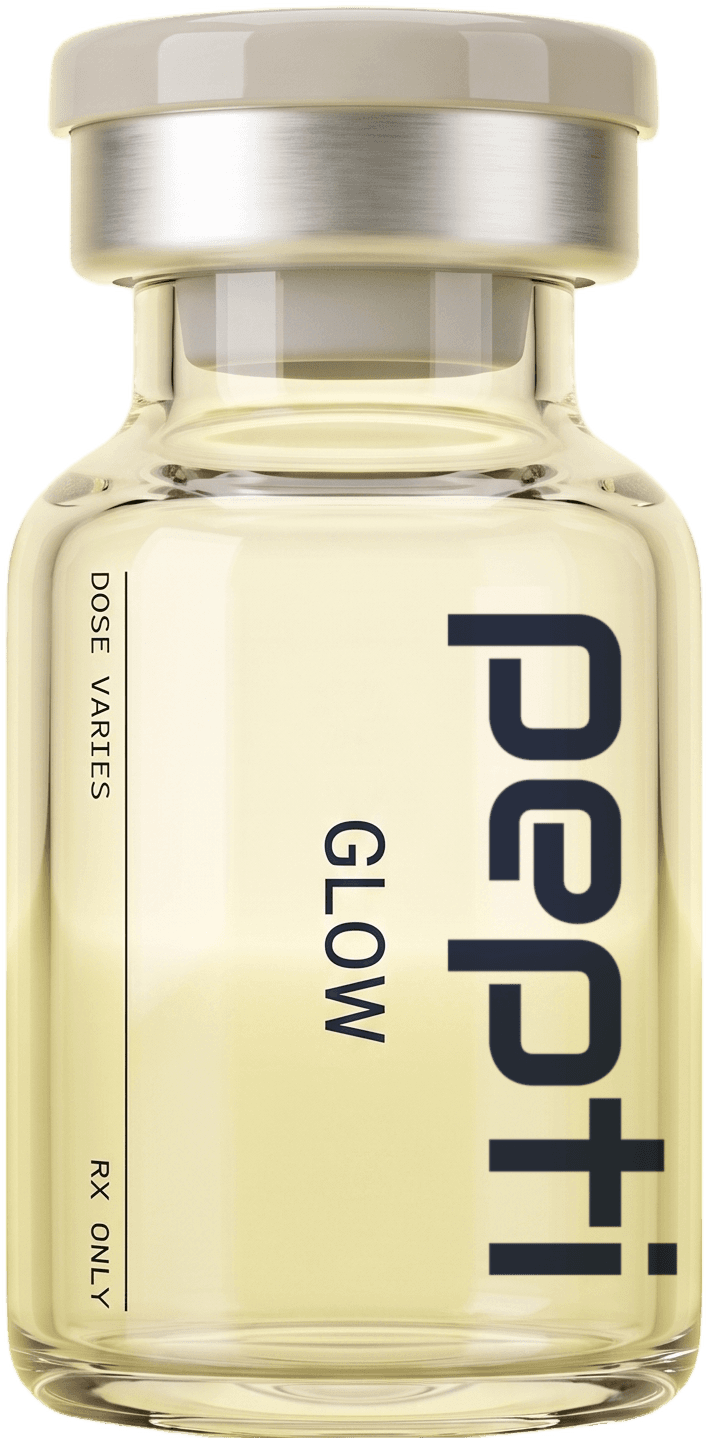
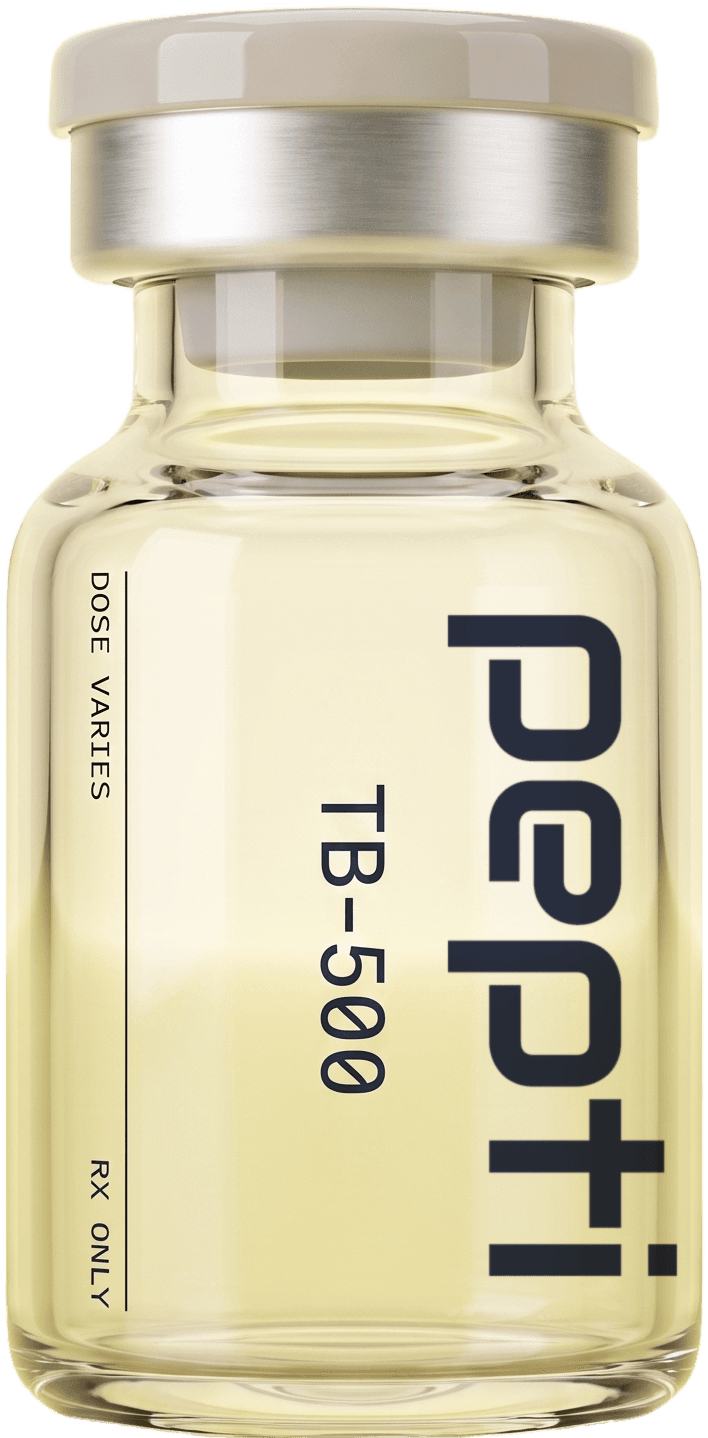
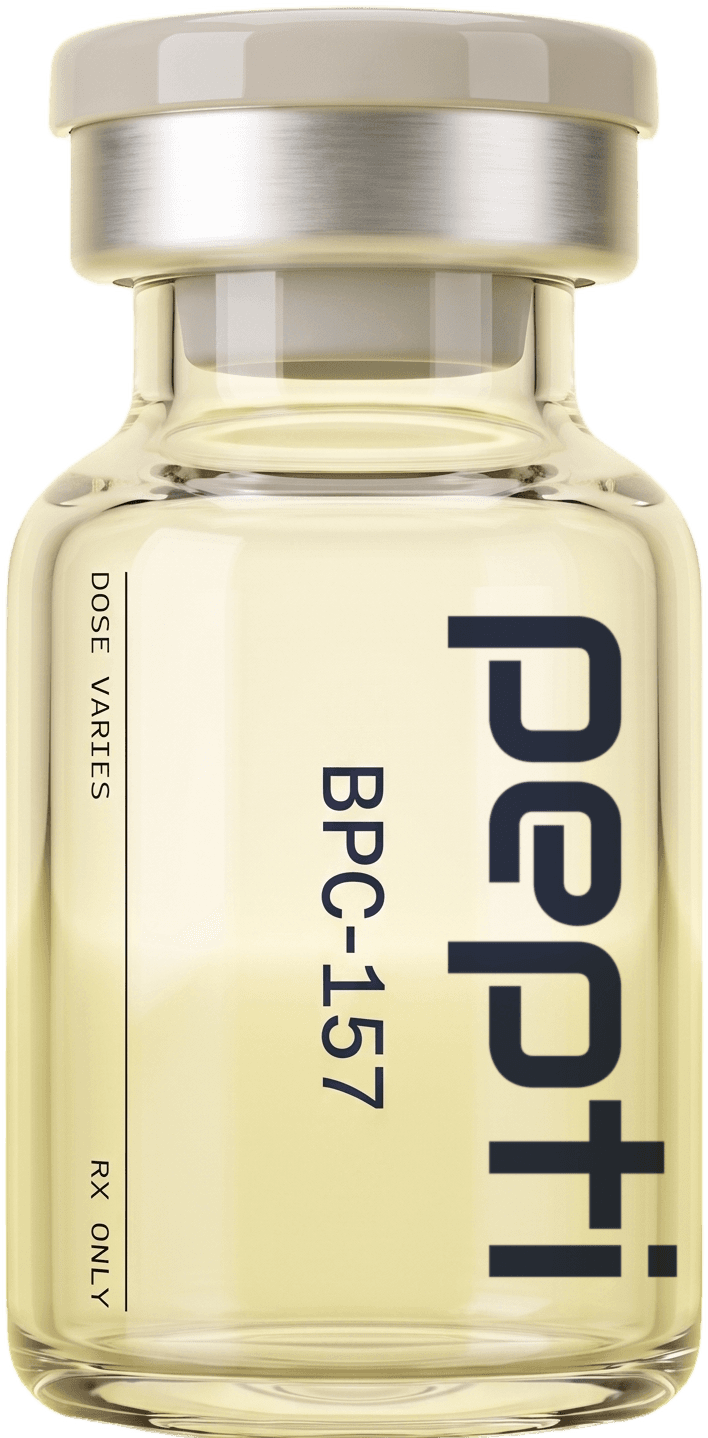
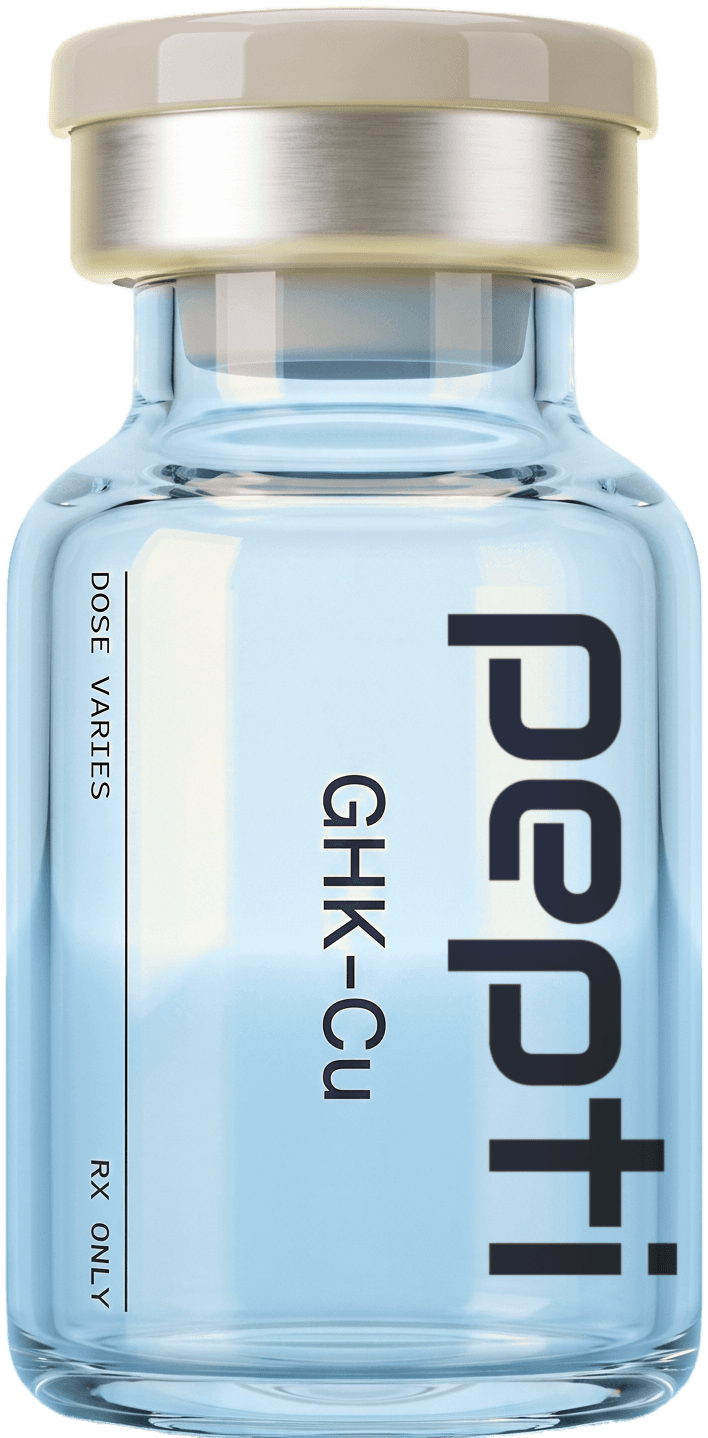
Vials sold online as "GLOW" without a prescription are "research use only" products: their sale is lawful only because human use is disclaimed, and for the same reason they sit outside every medical and pharmacy standard. None of the three components is FDA approved. All three were removed from the FDA's Category 2 in April 2026; BPC-157 and TB-500 were recommended for the 503A bulks list by an FDA advisory committee in July 2026, and GHK-Cu is scheduled for review before the end of February 2027.
This page answers the legal and prescription question for the three-peptide blend. For choosing a provider, see best place to get GLOW online; for the steps, see how to get GLOW prescribed online. This is general information, not legal advice.
Do You Need a Prescription for GLOW (BPC-157 / GHK-Cu / TB-500)? Is It Legal Online?
The short answer
| Question | Answer, as of September 2026 |
|---|---|
| Do you need a prescription for GLOW? | Yes, for an injection meant for a person |
| Is it legal to buy GLOW online? | Yes, through a provider that issues a prescription and has a licensed pharmacy fill it |
| Are "research" GLOW vials legal to sell? | The sale is lawful only because human use is disclaimed on the label |
| Is GLOW FDA approved? | No. Neither the blend nor any component is approved, and compounded medications are not FDA approved |
| Is any component a controlled substance? | No. None of the three is on the DEA schedules |
| Were the components banned by the FDA? | No. All three sat in Category 2 from 2023 and were removed in April 2026 |
| Has an FDA committee reviewed them? | BPC-157 and TB-500, yes: 8 to 6 with 1 abstention for each, on 23 July 2026. GHK-Cu is scheduled before the end of February 2027 |
| Allowed in tested sport? | No. BPC-157 and TB-500 are named on the WADA Prohibited List at all times |
At Pepti, GLOW is $259 a month all-in: a 5 mL multi-dose vial containing 50 mg GHK-Cu, 10 mg BPC-157 and 10 mg TB-500, with physician review, refill management and refrigerated shipping included and no membership fee.
Do You Need a Prescription for GLOW (BPC-157 / GHK-Cu / TB-500)? Is It Legal Online?
Why GLOW needs a prescription
Three peptides, three regulatory files, one rule
GLOW is not one molecule and it is not a drug name the FDA recognizes. It is a pharmacy formulation: three separately studied peptides dissolved in one sterile vial so a single draw delivers all three. The FDA regulates the bulk substances a pharmacy compounds from, not the brand name of a blend, so each component has its own file. The prescription requirement attaches to the finished injection either way.
Under section 503(b) of the Federal Food, Drug, and Cosmetic Act, a drug that is not safe to use except under a licensed practitioner's supervision, including because of the method of its use, may be dispensed only on a prescription. An injection meets that test on its face. There is no over-the-counter version of an injectable peptide blend.
What makes a compounded GLOW vial lawful
Section 503A exempts a drug "compounded for an identified individual patient based on the receipt of a valid prescription order" by a licensed pharmacist in a state-licensed pharmacy from the new-drug approval requirement. That is the route every legitimate GLOW vial depends on. A pharmacy filling named prescriptions is compounding. An operation producing the same blend in volume for whoever buys it is not, and does not get the exemption. The wider background is in are peptides legal in the US.
Why it is not a possession question
None of the three components is a controlled substance. The prescription requirement falls on the person dispensing, not on the person receiving. That is why research sellers exist at all, and it is also why the prescription and pharmacy rules are the only real controls on what ends up in a GLOW vial.
Do You Need a Prescription for GLOW (BPC-157 / GHK-Cu / TB-500)? Is It Legal Online?
Where each component stands with the FDA
The three files moved together in April 2026 and then split. Dates as they appear on Pepti's reference pages, checked against the FDA's pages in September 2026:
| Date | BPC-157 | TB-500 | GHK-Cu (injectable) |
|---|---|---|---|
| 2023 | Placed in Category 2 | Placed in Category 2 | Placed in Category 2 |
| 15 April 2026 | FDA gives notice of removal from Category 2 | Same notice | Same notice; the non-injectable listing in Category 1 was withdrawn too |
| 23 July 2026 | Advisory committee votes 8 to 6, 1 abstention, to recommend for the bulks list | Same vote, same day | Not on the agenda |
| FDA staff position | Proposed against inclusion | Proposed against inclusion | Not yet reviewed |
| Next step | Final FDA determination pending | Final FDA determination pending | Committee review before the end of February 2027 |
Removal from Category 2 lifts the safety-risk designation. It does not place a substance on the positive 503A bulks list; that takes an advisory committee review and a final FDA determination through rulemaking. A committee vote is a recommendation, not a decision. And even a final listing would not make any of the three an FDA-approved drug. The single-molecule detail is in is BPC-157 banned, is TB-500 safe and is GHK-Cu safe.
Do You Need a Prescription for GLOW (BPC-157 / GHK-Cu / TB-500)? Is It Legal Online?
Why "research" GLOW is a different product
A three-peptide vial multiplies the problems with research products. Instead of trusting one name and one number on a sticker, you are trusting three of each.
| Prescription GLOW from a US 503A pharmacy | "Research use only" GLOW | |
|---|---|---|
| Who decided you should take it | A physician licensed in your state | Nobody |
| Label | Your name, all three peptides, their strengths, your directions | A product name, milligram figures and a disclaimer |
| Which TB-500 | Specified on the prescription | Whatever the seller calls TB-500 |
| Sterility and endotoxin | Compounded to sterile standards, lot tested | No requirement |
| Strength of each peptide | Made to the prescription: 10 mg/mL GHK-Cu, 2 mg/mL BPC-157, 2 mg/mL TB-500 | The number printed on a sticker |
| If you react | Message your care team; there is an adverse-event pathway | No one to report to |
Two details make this concrete. TB-500 is understood today as a synthetic seven-amino-acid fragment of thymosin beta-4, and the FDA documented inconsistent naming across commercial sources. And GHK-Cu delivers copper, which is why the intake asks about Wilson's disease, copper-metabolism disorders and zinc supplements; a research seller asks nothing. The comparison is in research peptides vs prescription peptides.
Do You Need a Prescription for GLOW (BPC-157 / GHK-Cu / TB-500)? Is It Legal Online?
The anti-doping question is separate
Legal to hold on a prescription is not the same as permitted in sport. BPC-157 is prohibited under S0, non-approved substances, and TB-500 under S2.3 as a derivative of thymosin beta-4. Both are prohibited at all times, in and out of competition. GHK-Cu is not named, but a blend is prohibited if any component is. A prescription does not create an exemption. If you are tested by any sporting body, tell your physician before anything is prescribed. The detail is in is GLOW banned in sports.
Do You Need a Prescription for GLOW (BPC-157 / GHK-Cu / TB-500)? Is It Legal Online?
What a lawful GLOW prescription looks like
| Requirement | What to check |
|---|---|
| A physician licensed in your state | The prescriber is named and appears on your state medical board's license search |
| A real intake | Questions about your injury or concern, medications, supplements, copper disorders and pregnancy |
| A prescription written for you | Your name, all three peptides, their strengths and your directions on the vial label |
| A licensed pharmacy | A named, state-licensed pharmacy licensed or registered to ship to your state |
| Published testing | Certificates with the lab, lot number, method and endotoxin results |
| Honest labeling | Nobody calls it FDA approved |
Do You Need a Prescription for GLOW (BPC-157 / GHK-Cu / TB-500)? Is It Legal Online?
What the evidence shows, honestly
A prescription makes GLOW lawful, not proven. There are no randomized controlled trials of GLOW or of any three-peptide combination of these components, in people or in animals. The evidence is per component and uneven: GHK-Cu has small human studies, mostly of topical creams on skin; BPC-157's one randomized human study identified by the FDA was a two-week enema trial in ulcerative colitis reported as a conference abstract; and the TB-500 fragment has no human trials of any kind. The reason the three are combined is that each is described in animal and cell research as acting at a different phase of tissue repair. That is a mechanistic rationale, not a trial result. More is in what is GLOW, GLOW benefits and GLOW side effects.
Do You Need a Prescription for GLOW (BPC-157 / GHK-Cu / TB-500)? Is It Legal Online?
How to get GLOW prescribed through Pepti
- Complete the free online assessment: your concern, history, medications, supplements and allergies.
- A physician licensed in your state reviews it, usually within 24 hours, and may ask questions or decline.
- If it is appropriate, a PCAB-accredited, FDA-registered US 503A compounding pharmacy prepares it. Lot results are at lab results.
- It ships refrigerated with ice packs as a ready-to-use multi-dose solution, with sterile syringes, alcohol prep pads and your directions printed on the vial.
- Refills every 28 days, one vial per fill, with your care team reachable in between.
The typical printed direction for this vial is 0.25 mL (25 units on a U-100 insulin syringe) under the skin Monday through Friday mornings, which is 20 doses, about four weeks; the dose math is in GLOW dosage. Pepti is cash-pay and does not bill insurance, and prescribes in most US states, not currently in Oklahoma. Price detail is on the GLOW cost page.
References
What this is based on.
References
- Chang CH, Tsai WC, Hsu YH, Pang JH. Pentadecapeptide BPC 157 enhances the growth hormone receptor expression in tendon fibroblasts · Molecules (2014) · PMID 25415472
- Krivic A, Anic T, Seiwerth S, et al.. Achilles detachment of rat and stable gastric pentadecapeptide BPC 157 · Journal of Orthopaedic Research (2006) · PMID 16583442
- Sikiric P, Seiwerth S, Rucman R, et al.. Stable gastric pentadecapeptide BPC 157: novel therapy in gastrointestinal tract · Current Pharmaceutical Design (2011) · PMID 21548867
- Cerovecki T, Bojanic I, Brcic L, Radic B, et al.. Pentadecapeptide BPC 157 (PL 14736) improves ligament healing in the rat · J Orthop Res (2010) · PMID 20225319
- Sikiric P, Seiwerth S, Rucman R, Turkovic B, et al.. Stable gastric pentadecapeptide BPC 157-NO-system relation · Curr Pharm Des (2014) · PMID 23755725
- Cox HD, Miller GD, Eichner D. Detection and in vitro metabolism of the confiscated peptides BPC 157 and MGF R23H · Drug Test Anal (2017) · PMID 28035768
- Thomas A, Görgens C, Guddat S et al.. Simplifying and expanding the screening for peptides <2 kDa by direct urine injection, liquid chromatography, and ion mobility mass spectrometry · J Sep Sci (2016) · PMID 26578461
- Farrar JT, Young JP Jr, LaMoreaux L, Werth JL et al.. Clinical importance of changes in chronic pain intensity measured on an 11-point numerical pain rating scale · Pain (2001) · PMID 11690728
- Meyer JD, Ho B, Manning MC. Effects of conformation on the chemical stability of pharmaceutically relevant polypeptides · Pharm Biotechnol (2002) · PMID 11987755
- Xu C, Sun L, Ren F, Huang P, et al.. Preclinical Safety Evaluation of Body Protective Compound-157, a Potential Drug for Treating Various Wounds · Regul Toxicol Pharmacol (2020) · PMID 32334036
- He L, Feng D, Guo H, et al.. Pharmacokinetics, distribution, metabolism, and excretion of body-protective compound 157, a potential drug for treating various wounds, in rats and dogs · Front Pharmacol (2022) · PMID 36588717
- Lee E, Padgett B. Intra-Articular Injection of BPC 157 for Multiple Types of Knee Pain · Altern Ther Health Med (2021) · PMID 34324435
Citations are provided for educational purposes. They do not constitute medical advice. Always discuss any peptide protocol with your prescribing physician.
Common questions
Do You Need a Prescription for GLOW (BPC-157 / GHK-Cu / TB-500)? Is It Legal Online?, answered.
Yes, for an injection meant for a person. It must be prescribed by a licensed prescriber and compounded by a licensed pharmacy. A GLOW vial sold without one is labeled research use only.
Yes, through a telehealth provider where a physician licensed in your state writes the prescription and a licensed pharmacy compounds it. Selling a research vial is lawful only because human use is disclaimed.
No. Neither the blend nor any of its three components is FDA approved for anything, and compounded medications are not FDA approved.
No. BPC-157, TB-500 and injectable GHK-Cu were in Category 2 from 2023 and were removed in April 2026. BPC-157 and TB-500 were recommended for the 503A bulks list in July 2026, with the FDA's final determination pending, and GHK-Cu is due for committee review before the end of February 2027.
No. None of the three components is on the DEA schedules. The prescription requirement exists because it is an injectable drug, not because it is scheduled.
Only as a research-use-only product, which is sold as not for human use, with no prescriber, no pharmacy accountable for any of the three peptides, and no sterility requirement.
A prescription does not change sporting rules. BPC-157 and TB-500 are named on the WADA Prohibited List at all times, so the blend is prohibited for tested athletes. Tell your physician if you are tested.
No. Bloodwork is not required for any Pepti treatment. If your physician wants labs for your care, they'll ask through your account.
Yes, where state rules allow telemedicine to establish the physician and patient relationship. At Pepti, start with the free assessment.
At Pepti, $259 a month all-in for the 5 mL vial, covering medication, physician review, refill management and shipping.
No. KLOW contains the same three peptides at the same amounts plus 10 mg of KPV. The legal answer is the same for both: prescription only. The comparison is in KLOW vs GLOW. The free assessment goes to a physician licensed in your state. A consultation does not guarantee a prescription.
Related answers
Keep reading.
- GLOW (BPC-157 / GHK-Cu / TB-500): What It Is, Where to Get It Prescribed, and What It Costs
- Can You Drink Alcohol on GLOW? What Each of the Three Peptides Means for Drinking
- GLOW Peptide Benefits: What the Research Actually Shows
- GLOW Peptide Dosage: How Pepti Prescribes the GLOW Blend
- Do You Need a Prescription for Glutathione Injections? Is It Legal to Buy Online?
Next step
See what a physician recommends for you.
A licensed physician in your state reviews your intake to see whether treatment fits your history. A consultation does not guarantee a prescription.