Recovery · Reference
Can You Drink Alcohol on GLOW? What Each of the Three Peptides Means for Drinking
This page takes GLOW apart component by component, because the blend has never been studied as a blend: what each peptide's research says that touches on alcohol, the overlapping symptoms worth knowing, practical points, and when to contact your care team. For the product reference see what is GLOW; for side effects, GLOW side effects.
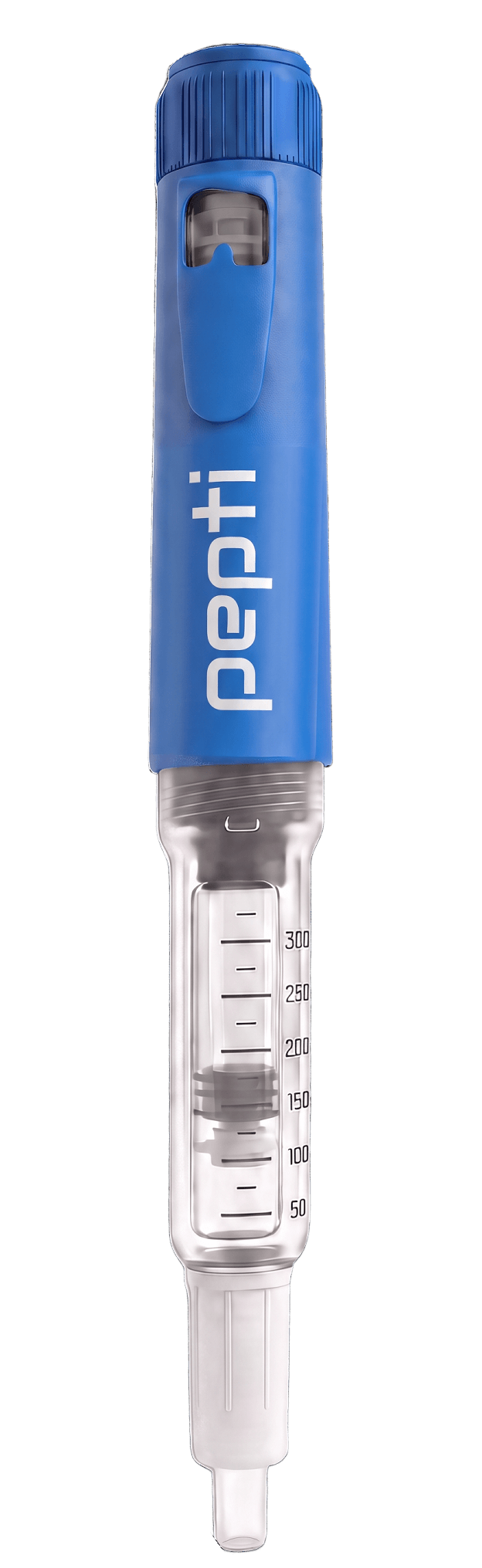
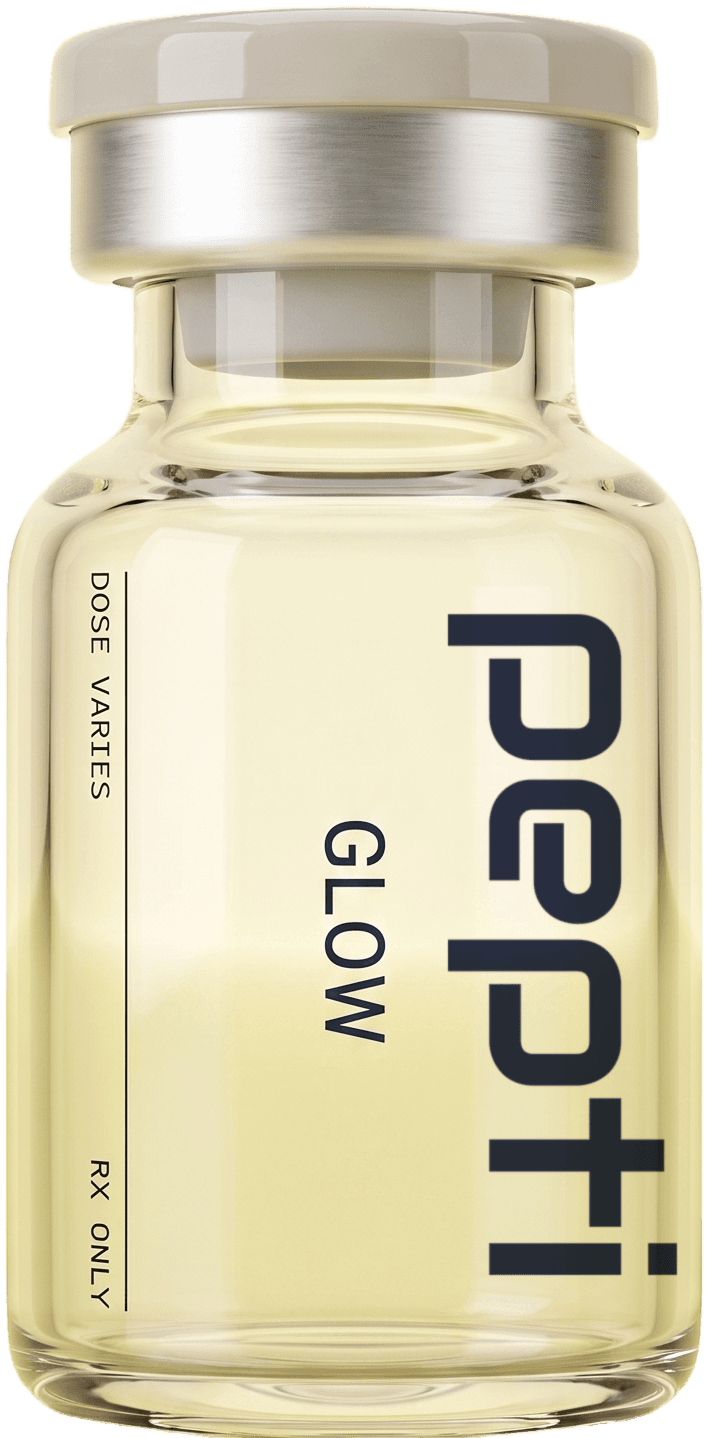
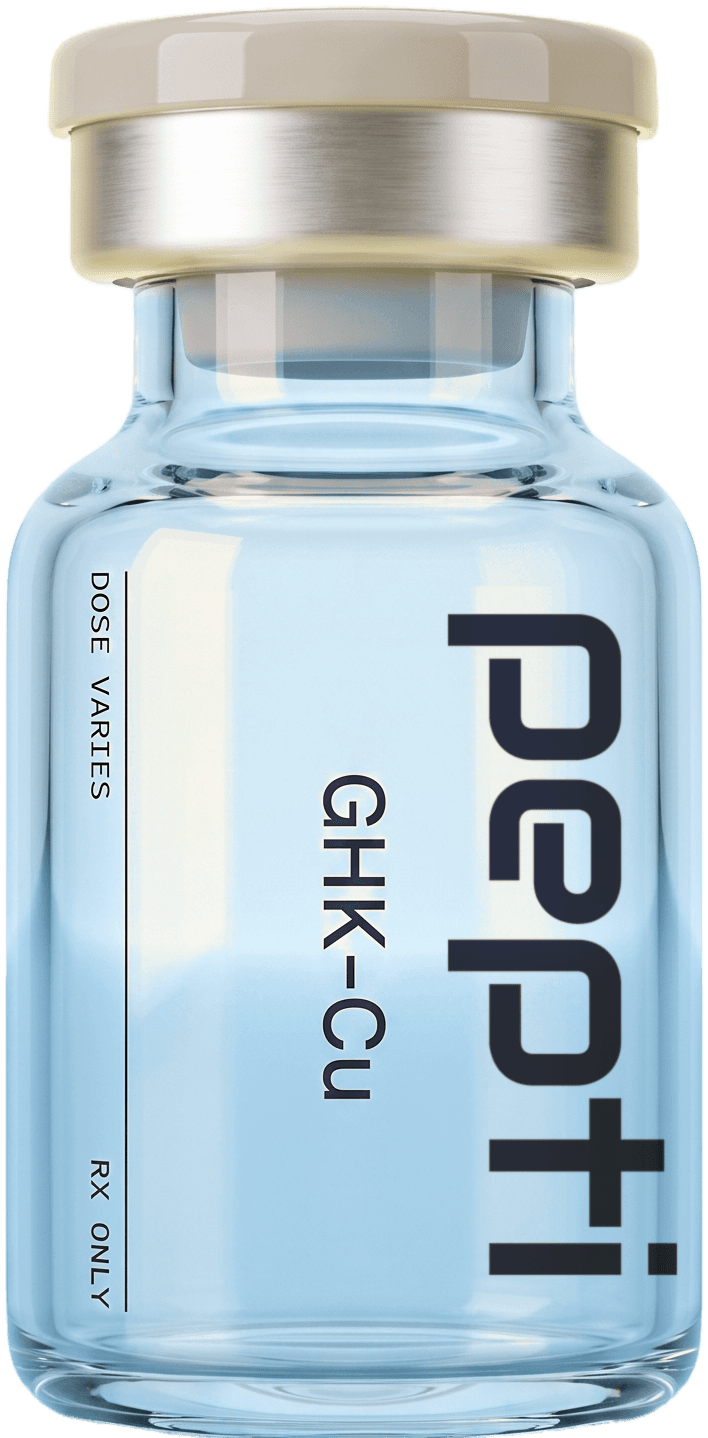
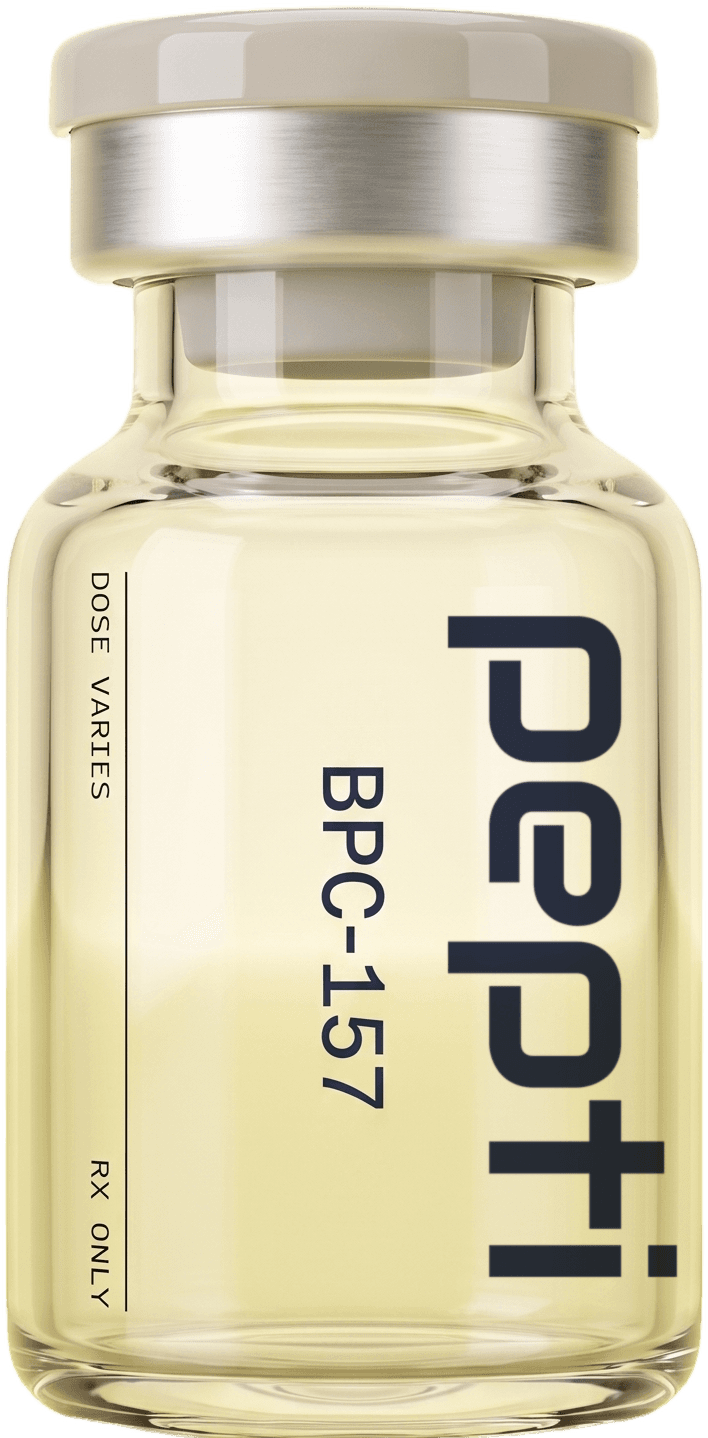
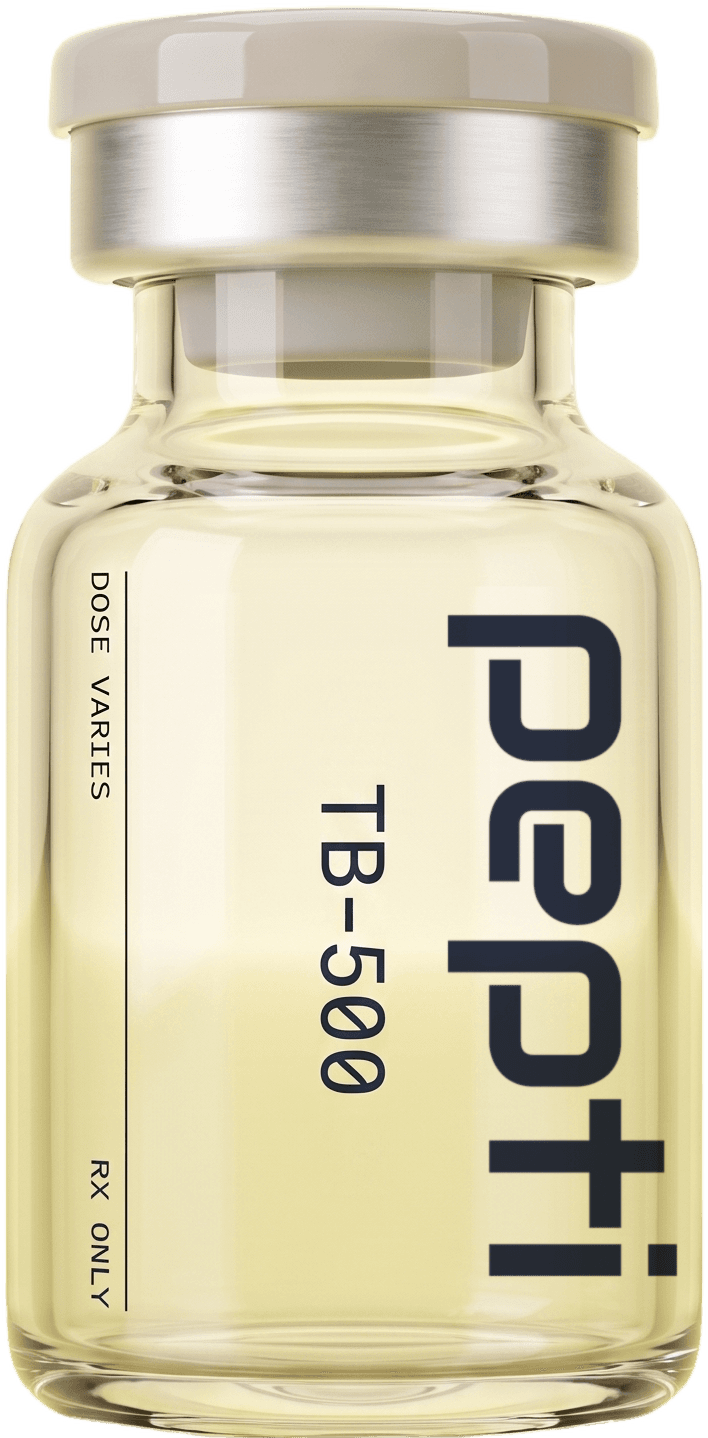
No study has tested GLOW, or any of its three peptides, together with alcohol in people, and the published research describes no direct interaction. The part of GLOW where alcohol matters is GHK-Cu: it carries copper, the liver is the route the body uses to excrete copper, and so heavy alcohol use and liver disease belong on your intake. BPC-157's animal studies of alcohol-induced stomach damage are often quoted, but they are rodent experiments, not evidence that GLOW protects anyone who drinks. Nothing sets a safe number of drinks on GLOW, so tell your care team honestly how much you drink.
This page takes GLOW apart component by component, because the blend has never been studied as a blend: what each peptide's research says that touches on alcohol, the overlapping symptoms worth knowing, practical points, and when to contact your care team. For the product reference see what is GLOW; for side effects, GLOW side effects.
Can You Drink Alcohol on GLOW? What Each of the Three Peptides Means for Drinking
The short answer
| Question | What the research shows | What to do |
|---|---|---|
| Is there a known GLOW and alcohol interaction? | None described for the blend or any component | Tell your care team how much you drink |
| Which component makes alcohol relevant? | GHK-Cu, because the liver clears copper | Heavy drinking and liver disease go on the intake |
| Does BPC-157 protect the stomach from alcohol? | Animal studies only; no human trial | Not a reason to drink, and not a claim anyone can make for GLOW |
| Is there a safe number of drinks? | No study has set one | Nobody can give you a sourced figure |
| Do I time doses around drinking? | No timing rule exists | Follow the directions printed on your vial |
| Do I need bloodwork? | Not required for any Pepti treatment | If your physician wants labs, they'll ask through your account |
The product this page covers:
| Product | What is in it | Typical directions | Price |
|---|---|---|---|
| GLOW | 5 mL multi-dose vial, GHK-Cu 10 mg/mL + BPC-157 2 mg/mL + TB-500 2 mg/mL (50 mg GHK-Cu / 10 mg BPC-157 / 10 mg TB-500 per vial) | 0.25 mL (25 units) subcutaneously Monday through Friday mornings | $259/mo |
Each 25 unit dose delivers 2.5 mg GHK-Cu, 0.5 mg BPC-157 and 0.5 mg TB-500, and a vial holds 20 doses, about four weeks. Prices are all-in, covering medication, physician review, refill management and shipping, with no membership fee. Your physician sets your directions after reviewing your intake, and they are printed on the vial.
Can You Drink Alcohol on GLOW? What Each of the Three Peptides Means for Drinking
Why GLOW has to be answered one peptide at a time
GLOW is three separately studied peptides in one vial. Each has its own literature and its own regulatory file, and no study has looked at what the three do together, with or without alcohol. So "can I drink on GLOW" breaks into three questions.
| Component | Per dose | What its research says that touches on alcohol |
|---|---|---|
| GHK-Cu | 2.5 mg | Carries copper; the liver excretes copper, so liver health matters |
| BPC-157 | 0.5 mg | Animal studies of protection against alcohol-induced stomach damage; an animal liver-enzyme signal at very high doses |
| TB-500 | 0.5 mg | Nothing; no study connects it with alcohol |
By mass, GLOW is mostly GHK-Cu: 50 of the 70 mg in the vial. That is also the component where alcohol has a clear, mechanistic connection.
Can You Drink Alcohol on GLOW? What Each of the Three Peptides Means for Drinking
GHK-Cu: the copper and the liver
The safety research is consistent that the part of GHK-Cu needing attention is the copper it carries, not the peptide. Copper absorbed from food passes through the gut's controls and then the liver, which builds it into copper proteins or excretes the excess in bile. An injection bypasses the gut controls, so the liver is the remaining safeguard.
At the printed directions, the copper per dose is a small fraction of what an ordinary diet supplies, and a working liver excretes it. Our GHK-Cu safety page states that impaired liver function reduces the body's capacity to handle any additional copper, and lists cirrhosis, active hepatitis, cholestatic disease and heavy alcohol use as things that belong on the intake. It is not an absolute contraindication in the way Wilson's disease is, but it changes the conversation.
Every GHK-Cu blend carries a full 50 mg of GHK-Cu per vial. If you are on GLOW and another GHK-Cu product, you are doubling the copper, and doubled copper and a strained liver are two separate ways the margin narrows. More detail is in can you drink alcohol on GHK-Cu and is GHK-Cu safe.
Can You Drink Alcohol on GLOW? What Each of the Three Peptides Means for Drinking
BPC-157: what the alcohol studies actually tested
The stomach-lining work is animal research
BPC-157's original and largest literature is gastrointestinal. Animal studies, reviewed in Current Pharmaceutical Design in 2011 and 2018, describe protection of the stomach and intestinal lining against damage from NSAIDs and alcohol, and effects in inflammatory bowel models. That is where the "BPC-157 and alcohol" search results come from.
Read it precisely. These were rodent experiments in which alcohol was used to injure the stomach lining so a protective effect could be measured. They were not studies of people drinking, they did not use GLOW, and the dose in a GLOW syringe is 0.5 mg of BPC-157 given under the skin. There is no human trial of BPC-157 for alcohol-related stomach injury, and our guidance is clear that a gut complaint is usually a reason to consider BPC-157 on its own rather than GLOW. None of it is a reason to drink, or a claim anyone can make about what GLOW does for a person who drinks.
The animal liver-enzyme signal
In 28-day studies in rats and dogs at doses far above human use, the FDA flagged changes in clotting time and higher ALT, a liver enzyme, along with higher glucose and triglycerides. Those were high-dose animal findings, not reports from people at prescribed doses. They are mentioned here because the liver is already the organ this page keeps returning to, and because they are part of why the intake asks about liver history and every medication you take. The full detail is in is BPC-157 safe.
Can You Drink Alcohol on GLOW? What Each of the Three Peptides Means for Drinking
TB-500: nothing to report
TB-500 is a seven-amino-acid fragment of thymosin beta-4, described around actin binding and cell migration. Nothing in its research connects it with alcohol in either direction. It has no human trials of its own, so it has no interaction data of any kind. Is TB-500 safe covers what is known.
Can You Drink Alcohol on GLOW? What Each of the Three Peptides Means for Drinking
Symptoms that a heavy night and a warning sign share
Some side effects reported with GLOW overlap with how people feel after drinking. That overlap is the practical reason to know them.
| Symptom | After drinking | Worth reporting on GLOW when |
|---|---|---|
| Nausea | Settles within the day | It persists, or follows each dose |
| Light-headedness | Common | It is sustained, or you faint |
| Tiredness | Common | It has not settled after the first couple of weeks |
| Vomiting and abdominal pain | Usually short-lived | They persist: copper excess shows up in the gut first |
| Yellowing of the skin or eyes | Not a hangover symptom | Always; contact your care team the same day |
| New confusion when sober | Never normal | Always; contact your care team the same day |
Copper excess is not reported at prescribed GHK-Cu doses in people with normal copper handling. Its pattern, persistent nausea and vomiting, abdominal pain, jaundice and new confusion, is still worth knowing, because it is easy to blame on the night before. A hangover settles. Symptoms that keep going, or keep returning with each dose, get reported.
Can You Drink Alcohol on GLOW? What Each of the Three Peptides Means for Drinking
Practical points
| Situation | What usually helps |
|---|---|
| Filling in the intake | Say how much you actually drink, and list any liver diagnosis |
| Dose timing | No rule exists for timing doses around drinks; follow your printed directions |
| Missed weekday dose | Follow your directions; do not take two doses to make up for one |
| Injecting | Inject when you can follow your technique: the mark on the syringe, a fresh needle, rotated sites |
| The alcohol in your kit | The prep pads are for cleaning the skin; let it dry before injecting |
| Other products | List every GHK-Cu product and every supplement, including zinc |
| Anticoagulants | List them; the GLOW intake asks because of the vascular mechanisms |
| An injury you are recovering from | Tell your care team what you are recovering from and what else you take |
Weekends off are part of the Monday through Friday schedule. Nothing on this page is a reason to change your dose or schedule on your own.
Can You Drink Alcohol on GLOW? What Each of the Three Peptides Means for Drinking
When to message your care team, and when to call 911
| Symptom | What to do |
|---|---|
| Injection-site redness, soreness or a faint blue-green mark | Expected; rotate sites and mention it at follow-up |
| Nausea, light-headedness or tiredness that has not settled | Message your care team |
| A metallic taste, or nausea that follows each dose | Message your care team |
| Persistent vomiting, abdominal pain, yellowing skin or eyes, or new confusion | Stop and contact your care team the same day |
| Fainting or sustained dizziness | Contact your care team the same day |
| Facial or throat swelling, widespread rash, difficulty breathing | Call 911 or go to emergency care first, then tell your care team |
| Unresponsive, very slow breathing, or a seizure after drinking | Call 911 |
Can You Drink Alcohol on GLOW? What Each of the Three Peptides Means for Drinking
What the evidence shows, honestly
What is well established is the copper biology behind GHK-Cu: the liver controls and excretes copper, and an injection skips the gut controls that apply to food. That makes liver health relevant to GLOW, and heavy drinking affects the liver.
What is not established is anything about GLOW and alcohol specifically. There are no randomized controlled trials of GLOW, or of any combination of its components, in humans. BPC-157's alcohol work is animal research on stomach injury. TB-500 has no alcohol research at all. No study sets a drinks threshold, and anyone offering you one has invented it. GLOW is a compounded prescription, and compounded medications are not FDA approved.
Can You Drink Alcohol on GLOW? What Each of the Three Peptides Means for Drinking
Where to get GLOW prescribed
GLOW cannot be bought legitimately without a prescription. Sites shipping it without one are selling a research-use-only product, where no pharmacy is accountable for identity, purity, sterility or concentration. The prescription route:
- Complete a free online intake covering your history, medications, supplements, how much you drink, and what you want help with.
- A physician licensed in your state reviews it, usually within 24 hours.
- If it is appropriate, a PCAB-accredited, FDA-registered US 503A compounding pharmacy prepares it to that prescription. Lot test results are published at /quality/lab-results.
- It ships refrigerated with ice packs, with sterile syringes and alcohol prep pads, and your directions printed on the vial.
- Your care team stays reachable for questions and side effects. Refills run every 28 days, one vial per fill.
The dose and syringe math is in GLOW dosage, and how GLOW compares with the four-peptide blend is in KLOW vs GLOW.
References
What this is based on.
References
- Chang CH, Tsai WC, Hsu YH, Pang JH. Pentadecapeptide BPC 157 enhances the growth hormone receptor expression in tendon fibroblasts · Molecules (2014) · PMID 25415472
- Krivic A, Anic T, Seiwerth S, et al.. Achilles detachment of rat and stable gastric pentadecapeptide BPC 157 · Journal of Orthopaedic Research (2006) · PMID 16583442
- Sikiric P, Seiwerth S, Rucman R, et al.. Stable gastric pentadecapeptide BPC 157: novel therapy in gastrointestinal tract · Current Pharmaceutical Design (2011) · PMID 21548867
- Cerovecki T, Bojanic I, Brcic L, Radic B, et al.. Pentadecapeptide BPC 157 (PL 14736) improves ligament healing in the rat · J Orthop Res (2010) · PMID 20225319
- Sikiric P, Seiwerth S, Rucman R, Turkovic B, et al.. Stable gastric pentadecapeptide BPC 157-NO-system relation · Curr Pharm Des (2014) · PMID 23755725
- Cox HD, Miller GD, Eichner D. Detection and in vitro metabolism of the confiscated peptides BPC 157 and MGF R23H · Drug Test Anal (2017) · PMID 28035768
- Thomas A, Görgens C, Guddat S et al.. Simplifying and expanding the screening for peptides <2 kDa by direct urine injection, liquid chromatography, and ion mobility mass spectrometry · J Sep Sci (2016) · PMID 26578461
- Farrar JT, Young JP Jr, LaMoreaux L, Werth JL et al.. Clinical importance of changes in chronic pain intensity measured on an 11-point numerical pain rating scale · Pain (2001) · PMID 11690728
- Meyer JD, Ho B, Manning MC. Effects of conformation on the chemical stability of pharmaceutically relevant polypeptides · Pharm Biotechnol (2002) · PMID 11987755
- Xu C, Sun L, Ren F, Huang P, et al.. Preclinical Safety Evaluation of Body Protective Compound-157, a Potential Drug for Treating Various Wounds · Regul Toxicol Pharmacol (2020) · PMID 32334036
- He L, Feng D, Guo H, et al.. Pharmacokinetics, distribution, metabolism, and excretion of body-protective compound 157, a potential drug for treating various wounds, in rats and dogs · Front Pharmacol (2022) · PMID 36588717
- Lee E, Padgett B. Intra-Articular Injection of BPC 157 for Multiple Types of Knee Pain · Altern Ther Health Med (2021) · PMID 34324435
Citations are provided for educational purposes. They do not constitute medical advice. Always discuss any peptide protocol with your prescribing physician.
Common questions
Can You Drink Alcohol on GLOW? What Each of the Three Peptides Means for Drinking, answered.
No study has tested GLOW or its components with alcohol in people, and no direct interaction is described. The relevant link is the liver, which clears the copper in GHK-Cu, so heavy drinking and liver disease belong on your intake. Tell your care team how much you drink.
Animal studies describe protection of the stomach lining against alcohol-induced damage. They are rodent experiments, not human trials, and they did not use GLOW. No human study has tested it, so it is not a reason to drink and not something anyone can claim for GLOW.
The published research does not describe GLOW harming a healthy liver at prescribed doses. BPC-157 showed higher ALT in high-dose animal studies, and GHK-Cu relies on the liver to clear its copper. Liver disease and heavy drinking go on your intake for those reasons.
There is no rule about timing doses around alcohol. Follow the directions printed on your vial. If you miss a weekday dose, follow your directions and do not take two doses to make up for it.
No study has measured it. Some reported GLOW effects, early nausea, light-headedness and tiredness, overlap with how people feel after drinking. Symptoms that persist or follow each dose are worth reporting rather than blaming on alcohol.
No study has tested alcohol and GLOW together, and there is no human trial of GLOW for any recovery outcome, so there is nothing to measure it against. Tell your care team what you are recovering from and how much you drink.
The copper and liver point is the same, because GLOW contains the same 50 mg of GHK-Cu per vial as standalone GHK-Cu. GLOW adds BPC-157 and TB-500, neither of which has a described alcohol interaction. See can you drink alcohol on GHK-Cu.
Persistent nausea and vomiting, abdominal pain, yellowing of the skin or eyes, or new confusion: the pattern copper excess would produce. It is not reported at prescribed doses in people with normal copper handling, but it is a same-day call if it happens.
Say so on your intake. Heavy alcohol use is listed alongside cirrhosis and hepatitis as something that narrows the margin for added copper. Your physician sets your plan after reviewing your intake and may suggest a copper-free option such as the BPC-157 + TB-500 stack, or decline.
Bloodwork is not required for any Pepti treatment. If your physician wants labs for your care, they'll ask through your account. The free assessment goes to a physician licensed in your state. A consultation does not guarantee a prescription.
Next step
See what a physician recommends for you.
A licensed physician in your state reviews your intake and decides what is appropriate. A consultation does not guarantee a prescription.