Recovery · Reference
BPC-157 Side Effects: What Is Reported, What to Watch For, and Who Should Avoid It
The side effects reported with BPC-157 are mostly at the injection site: redness, itching, tenderness or a small firm lump that fades over a day or two.
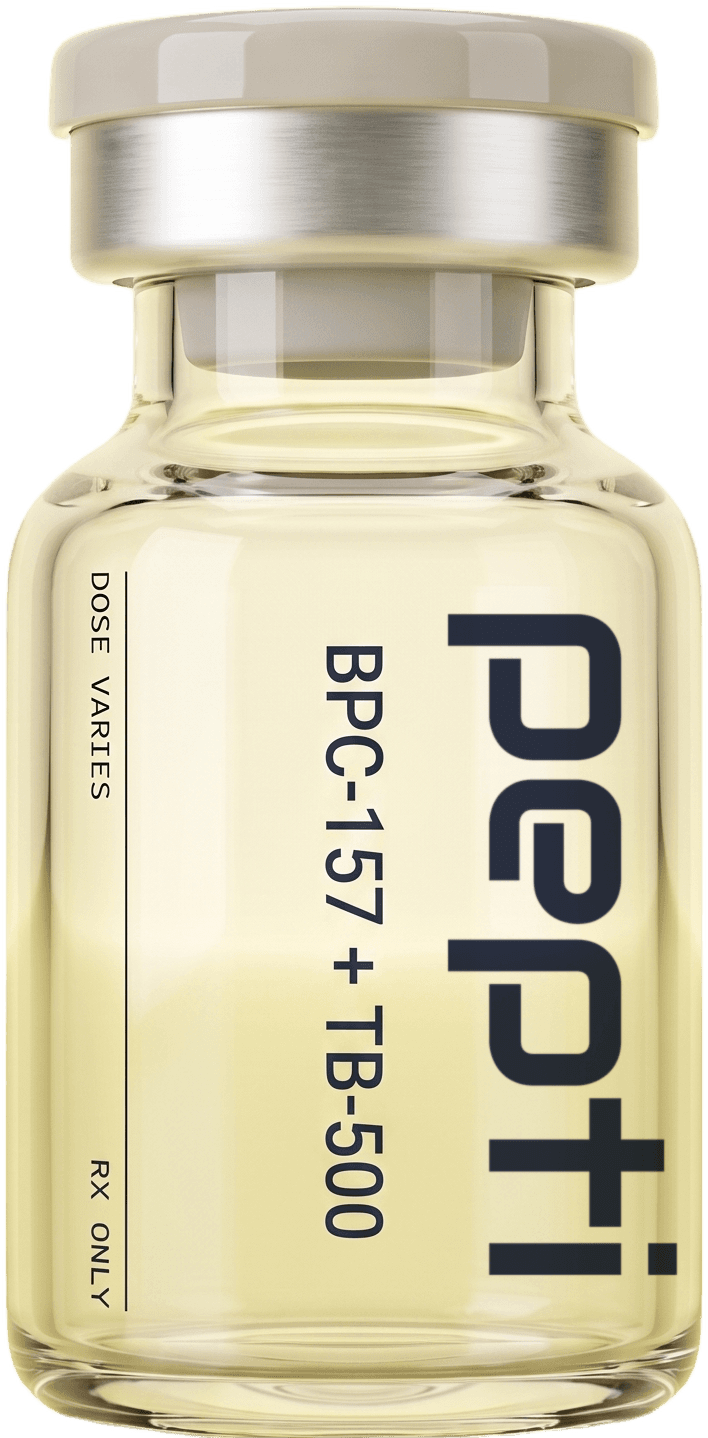
Some people describe mild tiredness or a headache in the first one to two weeks, and less often nausea, light-headedness or a warm flush shortly after a dose. The cautions that matter most come from how BPC-157 is described to work, around new blood-vessel growth, which is why an active or recent cancer, blood thinners, pregnancy and tested sport are the situations to raise first. Facial or throat swelling, widespread rash or difficulty breathing after a dose is a reason to call 911.
This page sets out which side effects are reported and how often, the specific cautions behind them, what needs urgent care, when to message your care team, who should not take BPC-157, and what nobody knows yet. BPC-157 is a compounded prescription injection, and compounded medications are not FDA approved. The full safety review, including the FDA's 2026 assessment study by study, is in is BPC-157 safe.
BPC-157 Side Effects
The short answer
| How often | What is reported | What to do |
|---|---|---|
| Common | Injection-site redness, itching, tenderness, a small firm lump | Rotate sites; mention it at follow-up |
| Common | Mild tiredness or headache in the first one to two weeks | Mention it; it usually settles |
| Uncommon | Nausea or light-headedness shortly after a dose | Report it to your care team |
| Uncommon | A warm or flushed feeling | Report it |
| Stop and call | An injection site that is hot, spreading or more painful after 48 hours | Same-day message; this can be infection, not irritation |
| Stop and call | A new lump, unexplained bleeding or bruising away from the site, or a change in skin colour | Stop dosing and contact your physician |
| Emergency | Swelling of the face, lips or throat, widespread rash or hives, wheeze or difficulty breathing | Call 911 first, then tell your physician |
Serious adverse events are not commonly reported for BPC-157. Adverse-event reporting for compounded medications is thinner than for approved drugs, so fewer reports can mean fewer problems or fewer reporters. Read that as reassuring rather than conclusive.
BPC-157 Side Effects
What a BPC-157 dose is
BPC-157 is a 15-amino-acid fragment of a protein first isolated from human gastric juice. It is not a hormone or a steroid, does not bind a hormone receptor and does not suppress anything your body already makes, so the side effects people associate with hormone therapy or anabolic drugs do not belong to it.
| Detail | Value | Where it comes from |
|---|---|---|
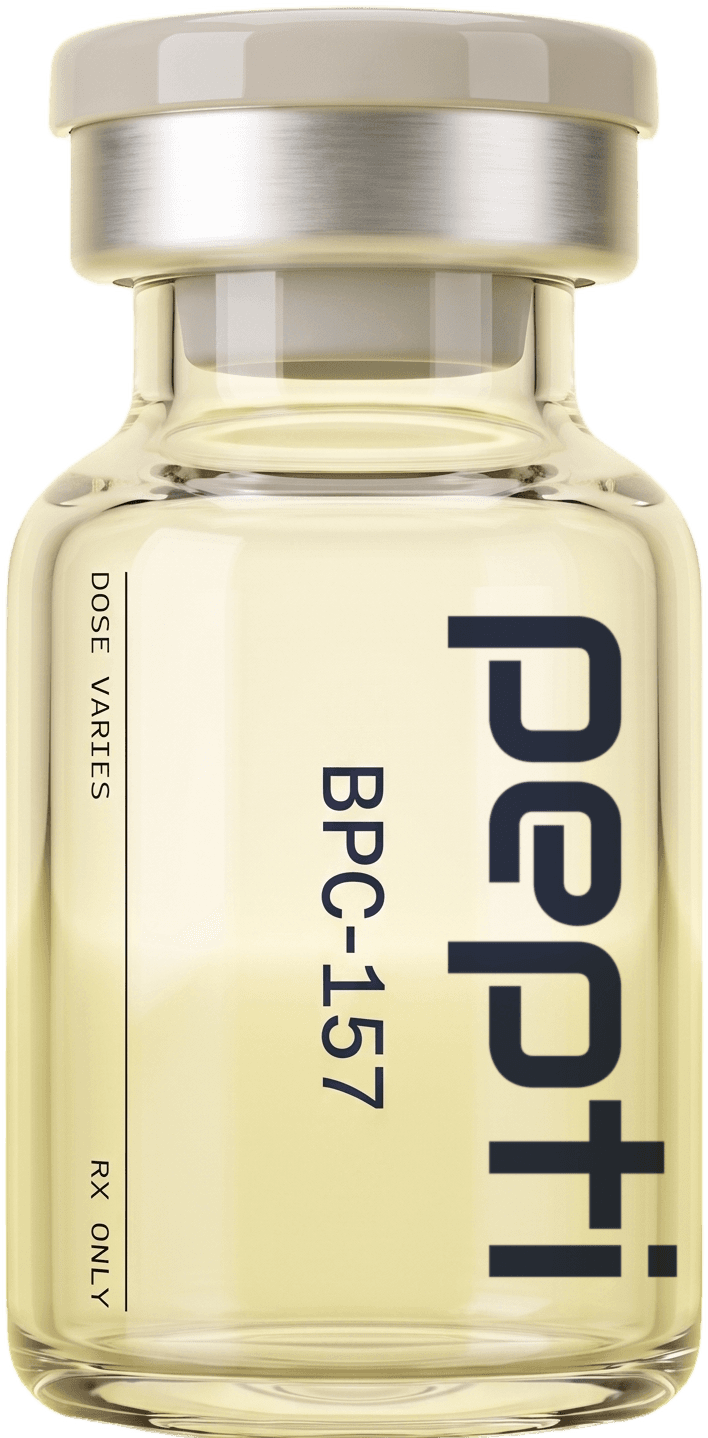
| Vial | 5 mL, 1 mg/mL (5 mg BPC-157) | Label |
| Pepti's typical directions | Inject 0.18 mL (18 units) subcutaneously once daily as directed | Printed on the vial |
| BPC-157 per dose | 0.18 mg (180 mcg) | 1 mg/mL x 0.18 mL |
| Doses per vial | 27 | 5 mL divided by 0.18 mL, whole doses |
| Price | $209/mo, all-in | Product page |
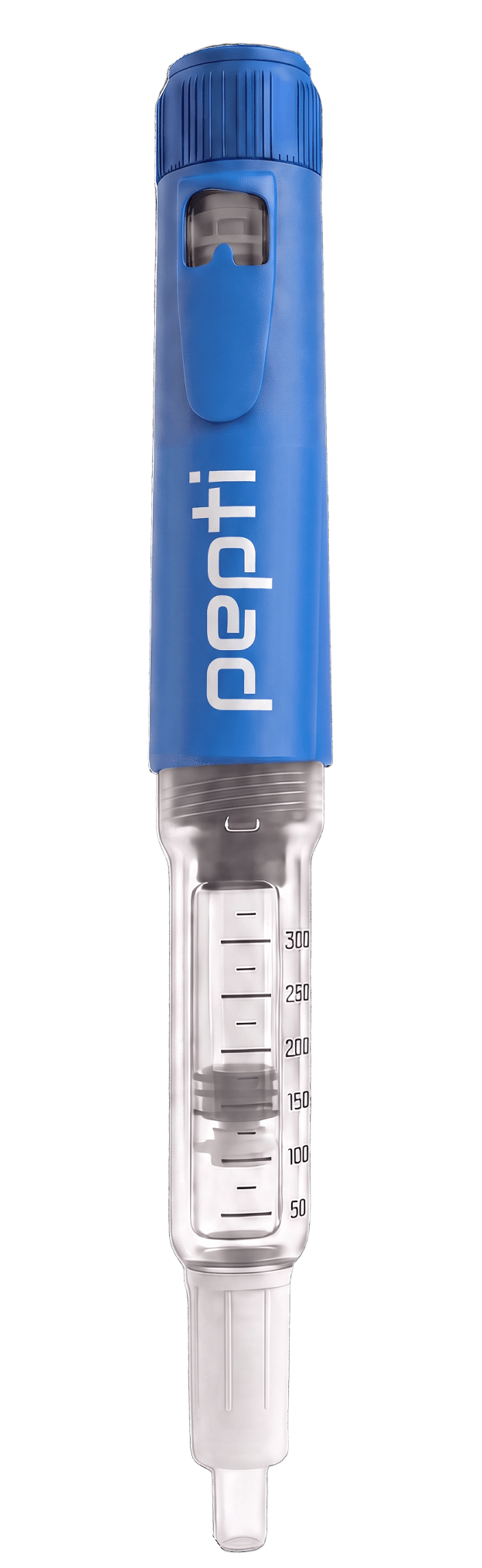
That arithmetic is for reading a label, not for setting a dose. Your physician sets your directions after reviewing your intake, and they are printed on the vial. BPC-157 also comes as a 3 mL pre-filled pepti Pen cartridge containing 9 mg BPC-157, dosed by the pen's dial with directions written separately. The dose arithmetic in full is in BPC-157 dosage.
BPC-157 Side Effects
Where the side-effect picture comes from
Any side-effect list has to come from somewhere. For BPC-157 there are four sources, and none of them is a large human trial of the injection that is prescribed.
| Source | What it consists of | What it tells you |
|---|---|---|
| Animal toxicology | Single-dose and 28-day studies in rats and dogs, a genotoxicity battery and a rat teratogenicity study, all by intramuscular injection (Regulatory Toxicology and Pharmacology, 2020) | No acute toxicity, not a mutagen; three laboratory signals the FDA flagged |
| Human studies | Five small studies: two enema studies, a knee-injection chart review, a bladder-injection pilot and a two-person intravenous pilot | No serious adverse events; none used subcutaneous injection |
| FDA adverse-event reports | Three reports for injectable products through 4 December 2025 | None clearly attributable to BPC-157 |
| Prescriber and patient reports | What people describe in clinical use | Mostly injection-site effects and early, transient symptoms |
The FDA reviewed all of it for its Pharmacy Compounding Advisory Committee meeting of 23 to 24 July 2026. Its summary of the human studies was that no serious adverse events appear to have been reported, but the studies were short and small and provided limited safety information.
BPC-157 Side Effects
Common side effects
Injection-site reactions
The most frequent report by a wide margin, and common to every subcutaneous peptide. A small area of redness, itching or a firm lump that settles over a day or two is ordinary, and it is usually a response to the needle, the volume or the solution rather than to BPC-157 itself. One of the three FDA reports was exactly this: nine days of redness and swelling at the injection site in a 55-year-old woman who was also injecting a thymosin product.
What separates irritation from something that needs attention is the direction of travel. A site that is larger, hotter or more painful at 48 hours than at 24 is behaving like an infection and should be looked at the same day. What reduces how often reactions happen:
- Rotate between abdomen and thigh rather than reusing one spot.
- Clean the skin and let the alcohol dry fully before injecting.
- Use a fresh sterile syringe every time, and never share a vial.
- Keep the vial in the fridge and do not use it past the printed date.
Technique is covered in how to inject peptides safely and peptide injection sites.
Tiredness and headache in the first weeks
Some people describe mild tiredness or a headache during the first one to two weeks. There is no established mechanism; it is a prescriber-described pattern rather than a trial finding, and it usually settles without any change. The only placebo-controlled human data that exist for BPC-157 are useful here: in a phase 1 enema tolerability study in 32 healthy volunteers, the most frequent adverse events were headache and flatulence, at no different a rate from placebo. Fatigue that persists beyond a few weeks has many possible causes and should be reported rather than put down to the vial.
Nausea, light-headedness and flushing
Nausea or light-headedness shortly after a dose is reported by a minority of people, as is a brief sensation of warmth or flushing. These are uncommon and transient. Fainting, or dizziness that does not pass, is not expected and should prompt a call.
BPC-157 Side Effects
The specific cautions
Cancer history
Animal and cell research describes BPC-157 promoting angiogenesis, new blood-vessel growth, through the VEGFR2 pathway (Journal of Molecular Medicine, 2017). That is the process an injured tendon needs, and also one a growing tumour uses. There is no human evidence that BPC-157 causes or accelerates cancer, and the FDA identified no carcinogenicity study in any species, so the question has not been tested in either direction. A physician treats an active or recent cancer as a reason not to prescribe, and a cancer in remission as a conversation that includes your oncologist. See can peptides cause cancer.
Clotting and bleeding
In the 28-day animal studies, at doses far above anything prescribed, the FDA flagged a change in clotting time: shortened in rats and prolonged in dogs. The two species moved in opposite directions, and no human clotting data exist. In practice, anticoagulant or antiplatelet therapy goes on the intake, and unexplained bleeding or bruising away from the injection site is a reason to stop and call.
Liver enzymes, glucose and triglycerides
The same animal studies showed higher ALT, a liver enzyme, and higher glucose and triglycerides. Separate animal work describes BPC-157 protecting rat liver from chemical injury, so the signal is mixed. No such change has been reported in people, but none has been looked for. Known liver disease, poorly controlled diabetes or a lipid disorder belongs on the intake in full. Bloodwork is not required for any Pepti treatment. If your physician wants labs for your care, they'll ask through your account.
Skin colour change
One FDA report stands out: a 40-year-old woman using a research-use-only vial labelled as BPC-157 plus TB-500 developed diffuse darkening of the skin and gums, which came back when she restarted and resolved when she stopped. Because the product was an unlabelled research vial containing two peptides, the FDA could not tell whether BPC-157, TB-500, a contaminant or an impurity was responsible, and it has not been reported with pharmacy-compounded BPC-157. Any change in skin colour on treatment is a reason to stop and tell your physician.
Immune reactions
The FDA's central stated concern is immunogenicity: any injected peptide can provoke an immune response, and peptides that clump into aggregates or carry synthesis impurities make it more likely. The agency noted that the subcutaneous route carries more of that risk than oral or rectal routes, and that no study has formally measured it for any BPC-157 product. It is a theoretical concern rather than a report of reactions occurring, but it is why a systemic reaction is an emergency and why the quality of the finished vial matters. What Pepti's pharmacies test is described at /quality, with results at /quality/lab-results.
Shortness of breath
The third FDA report was a 28-year-old man who developed shortness of breath and went to an emergency room, with no information on timing, duration or other medications. The FDA could not attribute it to BPC-157. Breathing difficulty after any injection is treated as a possible allergic reaction: call 911.
BPC-157 Side Effects
Serious side effects: what to report urgently
| Symptom | What to do |
|---|---|
| Swelling of the face, lips or throat, widespread hives, wheeze or difficulty breathing | Call 911. Then tell your physician |
| An injection site that is hot, spreading or worse after 48 hours | Same-day message to your care team |
| Unexplained bleeding or bruising away from the site | Stop dosing and contact your physician |
| A new lump or mass anywhere | Stop dosing and contact your physician |
| Darkening of the skin or gums | Stop dosing and contact your physician |
| Fainting, or dizziness that does not pass | Contact your physician; call 911 if severe |
| Anything that frightens you | Stop and contact your physician rather than deciding on your own whether it counts |
If you think you may have taken too much, for example by drawing the wrong amount, call Poison Control at 1-800-222-1222 and message your care team. Do not skip, double or change a dose to compensate.
BPC-157 Side Effects
When to message your care team
Not every side effect is urgent. Message your care team through your account for:
- Injection-site reactions that keep happening despite rotating sites.
- Tiredness, headache, nausea or light-headedness that has not settled after the first couple of weeks.
- Any new medication or supplement, especially a blood thinner or an anti-inflammatory you take regularly.
- A new diagnosis, a pregnancy, or a planned surgery.
- A vial that looks cloudy or different from the last one, or a label and syringe that seem not to match. Do not inject; ask first.
Your physician may revise your directions, change the product or stop treatment. Do not change the dose yourself. When directions change, the new numbers are printed on the new label.
BPC-157 Side Effects
Who should not take BPC-157, or should discuss it first
| Situation | Why it matters |
|---|---|
| Active or recent cancer | BPC-157 is described as promoting new blood-vessel growth; not prescribed |
| Cancer history in remission | Usually a cautious answer, with your oncologist's view |
| Anticoagulant or antiplatelet therapy | Animal clotting-time changes; discuss first |
| Pregnancy, breastfeeding or trying to conceive | No human data; the only reproductive study is one rat teratogenicity study by a different route. See can you take peptides while pregnant |
| Significant liver disease, poorly controlled diabetes or a lipid disorder | The animal laboratory signals; put the history on the intake |
| Tested athletes | Named under S0 of the 2026 WADA Prohibited List, prohibited at all times; a prescription does not change that |
| An undiagnosed or worsening injury | Night pain, numbness, weakness or a locking joint needs imaging first |
| A diagnosed bowel disease | The FDA found no adequate evidence in ulcerative colitis; BPC-157 belongs alongside a gastroenterologist's care, never instead of it |
| Under 18 | Pepti prescribes to adults only |
There is no established interaction list for BPC-157, because the trials that would produce one have not been run. That is why the intake asks for every medication and supplement you take, and why a physician reviews it rather than a form. The anti-doping detail is in is BPC-157 banned.
BPC-157 Side Effects
How the side effects compare with products that contain BPC-157
| Product | What is in it | What changes in the side-effect picture | Price |
|---|---|---|---|
| BPC-157 | 5 mg BPC-157 in 5 mL | The profile on this page | $209/mo |
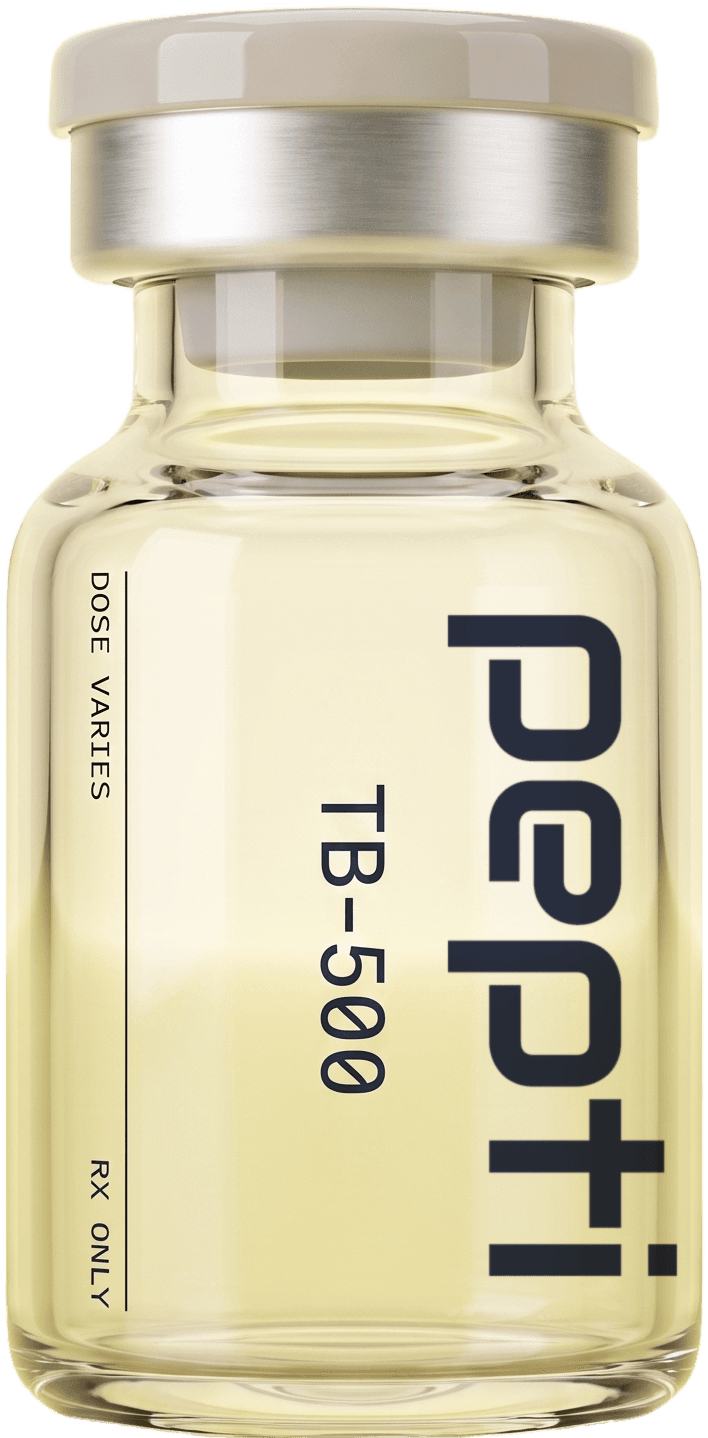
| BPC-157 + TB-500 | 5 mg BPC-157 and 5 mg TB-500 in 5 mL | Adds a second peptide with even less human data, a transient joint or muscle ache in some people, and a second anti-doping listing | $259/mo |
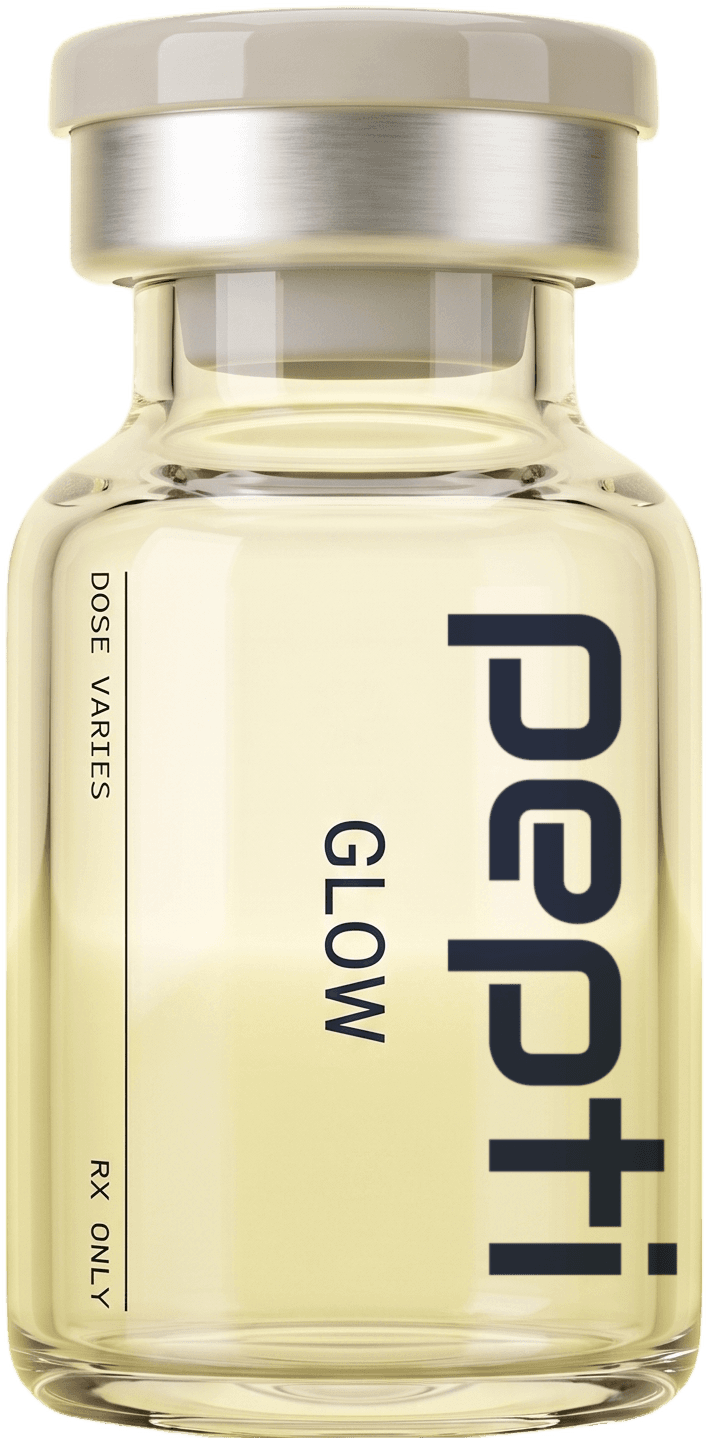
| GLOW | 50 mg GHK-Cu, 10 mg BPC-157, 10 mg TB-500 in 5 mL | Adds copper: a possible blue-green mark at the site and a copper-disorder contraindication | $259/mo |
| KLOW | 50 mg GHK-Cu, 10 mg KPV, 10 mg BPC-157, 10 mg TB-500 in 5 mL | Adds copper and KPV | $259/mo |
Each combination keeps the BPC-157 cautions and adds its own. The combination detail is in BPC-157 + TB-500 side effects, GLOW side effects and KLOW side effects.
BPC-157 Side Effects
What is genuinely unknown
- Long-term human outcomes. No cohort has been followed for years. The longest human exposure in any published study was two weeks, by enema.
- The subcutaneous route in people. The FDA found no human study of subcutaneous BPC-157 and no human data on how much of an injected dose reaches the blood.
- Whether the cancer caution is real. It is mechanistic reasoning, not an observed human signal, and it has not been ruled out.
- Immunogenicity rates. No study has measured how often BPC-157 produces antibodies, or whether that matters.
- Interactions. There is no meaningful drug-interaction literature.
- Anything past 28 days in animals. No toxicology study ran longer, so nobody knows whether the laboratory signals settle or grow.
BPC-157 Side Effects
What the evidence shows, honestly
BPC-157 is reported as well tolerated in animal work and in clinical use, and the five small human studies reported no serious adverse events. Against that, no randomised human trial of the injectable form has been run, the route that is prescribed has the least formal human data, and the FDA's main concern is a theoretical immune reaction it could not rule out. Anyone telling you BPC-157 has no side effects is overstating the evidence in one direction, and anyone telling you it is known to be dangerous is overstating it in the other.
The risk that is not theoretical is supply. Most BPC-157 in circulation is sold as a research chemical, labelled not for human use, with no pharmacy accountable for identity, purity, sterility, endotoxin or concentration, and the one reproducible case in the FDA's database came from such a vial. The difference is set out in research peptides vs prescription peptides.
Where BPC-157 stands with the FDA: placed in Category 2 of the 503A bulks list in 2023 and removed from it on 15 April 2026; on 23 July 2026 the Pharmacy Compounding Advisory Committee voted 8 to 6, with one abstention, to recommend adding it to the 503A Bulks List, and the FDA's final determination is pending. It is not an FDA-approved drug.
BPC-157 Side Effects
Where to get BPC-157 prescribed
BPC-157 cannot be bought legitimately without a prescription. The prescription route:
- Complete a free online intake covering your history, any injury and imaging, every medication and supplement, and whether you are drug tested.
- A physician licensed in your state reviews it, usually within 24 hours.
- If it is appropriate, a PCAB-accredited, FDA-registered US 503A compounding pharmacy prepares it to that prescription. Lot test results are published at /quality/lab-results.
- It ships refrigerated with ice packs, with sterile syringes, alcohol prep pads and your directions printed on the vial.
- Your care team stays reachable for questions and side effects. Refills run every 28 days, one vial per fill.
BPC-157 is $209 a month, all-in, covering medication, physician review, refill management and shipping, with no membership fee. Pepti is cash-pay and does not bill insurance. Step by step: how to get BPC-157 prescribed online. What research describes is in BPC-157 benefits, and the reference page is what is BPC-157.
References
What this is based on.
References
- Chang CH, Tsai WC, Hsu YH, Pang JH. Pentadecapeptide BPC 157 enhances the growth hormone receptor expression in tendon fibroblasts · Molecules (2014) · PMID 25415472
- Krivic A, Anic T, Seiwerth S, et al.. Achilles detachment of rat and stable gastric pentadecapeptide BPC 157 · Journal of Orthopaedic Research (2006) · PMID 16583442
- Sikiric P, Seiwerth S, Rucman R, et al.. Stable gastric pentadecapeptide BPC 157: novel therapy in gastrointestinal tract · Current Pharmaceutical Design (2011) · PMID 21548867
- Cerovecki T, Bojanic I, Brcic L, Radic B, et al.. Pentadecapeptide BPC 157 (PL 14736) improves ligament healing in the rat · J Orthop Res (2010) · PMID 20225319
- Sikiric P, Seiwerth S, Rucman R, Turkovic B, et al.. Stable gastric pentadecapeptide BPC 157-NO-system relation · Curr Pharm Des (2014) · PMID 23755725
- Cox HD, Miller GD, Eichner D. Detection and in vitro metabolism of the confiscated peptides BPC 157 and MGF R23H · Drug Test Anal (2017) · PMID 28035768
- Thomas A, Görgens C, Guddat S et al.. Simplifying and expanding the screening for peptides <2 kDa by direct urine injection, liquid chromatography, and ion mobility mass spectrometry · J Sep Sci (2016) · PMID 26578461
- Farrar JT, Young JP Jr, LaMoreaux L, Werth JL et al.. Clinical importance of changes in chronic pain intensity measured on an 11-point numerical pain rating scale · Pain (2001) · PMID 11690728
- Meyer JD, Ho B, Manning MC. Effects of conformation on the chemical stability of pharmaceutically relevant polypeptides · Pharm Biotechnol (2002) · PMID 11987755
- Xu C, Sun L, Ren F, Huang P, et al.. Preclinical Safety Evaluation of Body Protective Compound-157, a Potential Drug for Treating Various Wounds · Regul Toxicol Pharmacol (2020) · PMID 32334036
- He L, Feng D, Guo H, et al.. Pharmacokinetics, distribution, metabolism, and excretion of body-protective compound 157, a potential drug for treating various wounds, in rats and dogs · Front Pharmacol (2022) · PMID 36588717
- Lee E, Padgett B. Intra-Articular Injection of BPC 157 for Multiple Types of Knee Pain · Altern Ther Health Med (2021) · PMID 34324435
Citations are provided for educational purposes. They do not constitute medical advice. Always discuss any peptide protocol with your prescribing physician.
Common questions
BPC-157 Side Effects, answered.
Mostly injection-site redness, itching, tenderness or a small lump. Some people describe mild tiredness or a headache in the first one to two weeks, and less often nausea, light-headedness or a warm flush after a dose. Serious adverse events are not commonly reported.
Injection-site reactions, by a wide margin. A small red or itchy area or a firm lump that fades over a day or two is ordinary. Rotating between abdomen and thigh helps.
A mild headache in the first week or two is described by some people. In the only placebo-controlled human data, an enema tolerability study, headache occurred at the same rate on placebo. Report a headache that persists.
Some people describe mild tiredness early on, and it usually settles. If it lasts beyond a few weeks, report it rather than assuming it is the vial; fatigue has many causes.
Nausea shortly after a dose is reported by a minority of people and is usually transient. Tell your care team if it keeps happening.
There is no human evidence that it does, and no carcinogenicity study has been run in any species. The caution comes from its described blood-vessel mechanism, which is why it is not prescribed with an active or recent cancer.
In 28-day animal studies at doses far above anything prescribed, clotting time shortened in rats and lengthened in dogs. There are no human clotting data. Blood thinners go on the intake, and unexplained bleeding or bruising is a reason to stop and call.
One case of skin and gum darkening is in the FDA's database, from a research-use-only vial labelled as BPC-157 plus TB-500; the FDA could not tell what caused it, and it has not been reported with pharmacy-compounded BPC-157. Any change in skin colour is a reason to stop and tell your physician.
Nobody knows, because it has not been studied that way. The longest animal toxicology study lasted 28 days and the longest human exposure in any published study was two weeks.
Swelling of the face, lips or throat, widespread hives, wheeze or difficulty breathing after a dose: call 911, then tell your physician. For a possible overdose, call Poison Control at 1-800-222-1222 and message your care team.
Bloodwork is not required for any Pepti treatment. If your physician wants labs for your care, they'll ask through your account. The free assessment goes to a physician licensed in your state. A consultation does not guarantee a prescription.
Related answers
Keep reading.
- What Is BPC-157? Research, Dosing, Safety & Cost
- BPC-157 vs GHK-Cu: Mechanism, Evidence, Dosing, Cost, and Which One Fits
- BPC-157 vs GLOW: One Peptide or Three, and Which One Fits
- BPC-157 vs KLOW: BPC-157 Alone or the Four-Peptide Blend, and Which One Fits
- BPC-157 + TB-500 Side Effects: What Is Reported, What Is Rare, and Who Should Avoid It
Next step
See what a physician recommends for you.
A licensed physician in your state reviews your intake to see whether treatment fits your history. A consultation does not guarantee a prescription.