Weight Loss · Reference
Traveling With a GLP-1: Flights, TSA, Time Zones and Dose Day on Semaglutide or Tirzepatide
This page covers packing, airport security, the trip itself, dosing across time zones, what to do if a dose falls on a travel day, refills around a trip, and eating, drinking and fluids while away.
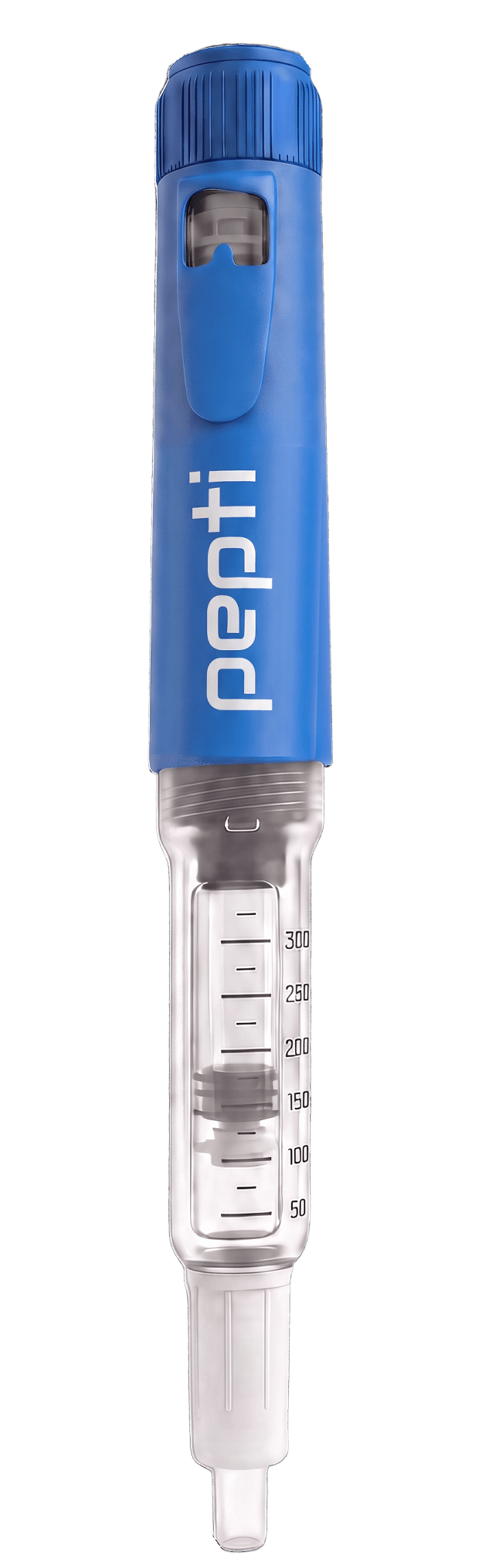
Treatments mentioned
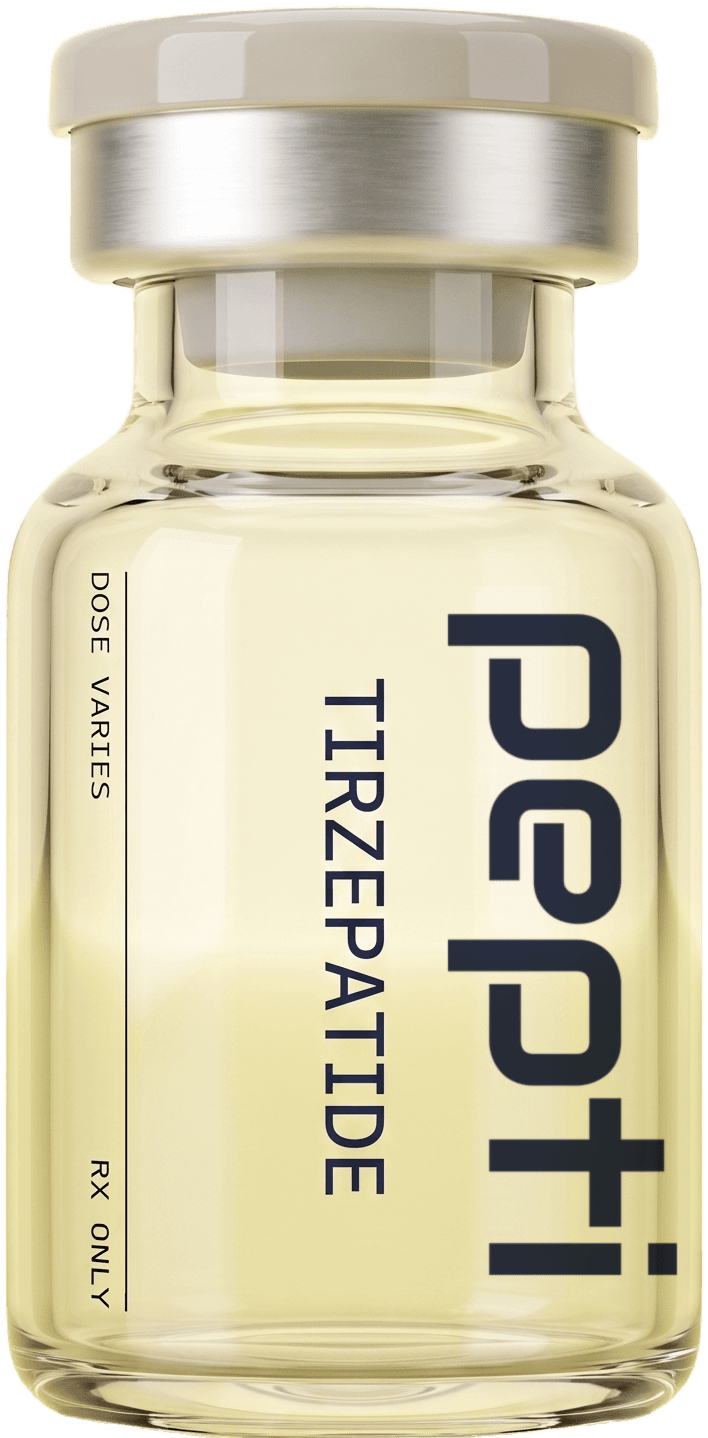
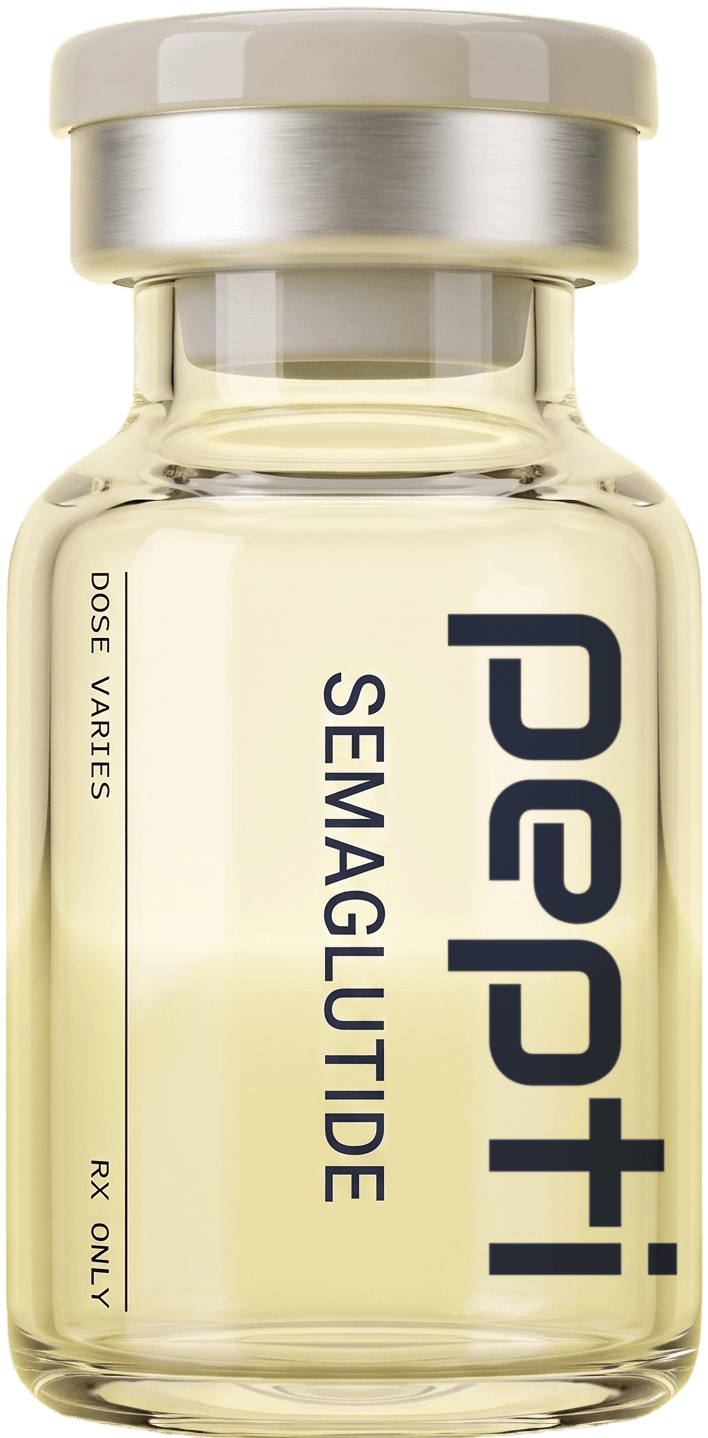
You can travel with a GLP-1; the two things to plan are keeping the vial cold and keeping your weekly dose on schedule. Pack compounded semaglutide or tirzepatide in your hand luggage, never checked baggage, in an insulated pouch with a gel pack and the pharmacy label still on, and tell TSA officers before screening that you are carrying medically necessary liquids. Bring syringes with the vial they belong to and a portable sharps container. For a long trip, ask your care team to time the refill around it rather than carrying extra, and if travel means your dose day needs to move, ask them how rather than shortening the gap between doses yourself.
It brings together what the storage, dosing and side-effect pages say about travel in one place. Your printed directions and your care team's advice come first.
Traveling With a GLP-1
The short answer
| Question | Answer |
|---|---|
| Can I fly with semaglutide or tirzepatide? | Yes, in hand luggage, with the pharmacy label on |
| Checked bag? | Never; holds can reach freezing temperatures, and a delayed bag becomes a supply problem |
| TSA liquid limit? | Medically necessary liquids are an exemption, but you must declare them at the checkpoint |
| Ice packs through security? | TSA allows ice packs, freezer packs and gel packs, frozen, partially frozen or melted, for medically necessary items |
| Syringes? | Allowed with the medication; they are screened too |
| Hotel minibar? | Often holds temperature loosely; ask the front desk for a refrigerator |
| Crossing time zones? | Shifts your dose by hours, not days; ask your care team if your dose day needs to move |
| Dose falls on a travel day? | Pack for it, or ask your care team before the trip how to handle it |
| Long trip? | Ask your care team to time a refill around it rather than carrying more |
| International? | Keep the label on and the vial in its original container; check the destination's rules for GLP-1 medications |
The medications this page covers:
| Medication | How it is dosed | What is in it | Price |
|---|---|---|---|
| Semaglutide | Once weekly, under the skin | Dose-specific vials at six strengths, 0.25 mg to 2.5 mg weekly | From $99/mo, priced by dose |
| Tirzepatide | Once weekly, under the skin | Dose-specific 2 mL vials at six strengths, 2.5 mg to 15 mg weekly; the 2.5 mg and 7.5 mg vials include glycine | From $159/mo, priced by dose |
Prices are all-in: medication, physician review, refill management and refrigerated shipping, with no membership fee. Both are compounded by PCAB-accredited, FDA-registered US 503A pharmacies. Compounded medications are not FDA approved.
Traveling With a GLP-1
Before you go
Check the dates
Two dates decide most travel questions: your next dose day, and your next refill. Each Pepti GLP-1 vial holds four weekly doses, one 28-day fill, and refills run every 28 days, one vial per fill. If a refill is due while you are away, or a dose day lands on a flight, sort it out before you leave rather than on the road. Also check the beyond-use date on your label, which runs from first puncture. A vial is discarded at its date regardless of how much is left, and a trip does not extend it.
What to pack
| Item | Why |
|---|---|
| The vial, in its carton, with the pharmacy label on | The label identifies the medication, the prescriber and you; the carton is the light protection |
| An insulated medical pouch with a gel pack | Keeps the vial cold between refrigerators |
| Something between the gel pack and the vial | So the vial cannot freeze by contact |
| Enough sterile syringes and alcohol prep pads for the trip, plus a spare | Syringes travel with the medication they belong to |
| A portable sharps container | The FDA specifically recommends one for travel |
| Your printed directions | So the dose and units are in front of you, not remembered |
Do not decant the medication into anything else to save space. An unlabelled container turns a prescribed medication into an unidentified liquid, at a checkpoint or anywhere else.
Traveling With a GLP-1
At the airport
What TSA says
The standard carry-on rule is a quart-sized bag of liquids in containers of 3.4 ounces (100 millilitres) or less per item, and medications are listed as an exemption to it. The exemption carries a condition: TSA "allows larger amounts of medically necessary liquids, gels, and aerosols in reasonable quantities for your flight, but you must declare them to TSA officers at the checkpoint for inspection." Labelling is recommended rather than required, and your vial already carries a pharmacy label.
On cold packs, TSA is more accommodating than people expect: "Ice packs, freezer packs, gel packs and other accessories may be presented at the screening checkpoint in a frozen, partially frozen or melted state to keep medically necessary items cool." A softened gel pack is not a problem. Everything travelling with the medication is screened, including syringes.
How to do it at the checkpoint
TSA's instruction is to inform the officer before screening begins that you have medically necessary liquids or medications, and to place them in a separate bin along with accessories such as freezer packs and syringes.
Step What to do 1 Keep the pouch at the top of your bag, not buried 2 Tell the officer before the bag goes on the belt 3 Put the pouch, gel pack and syringes in their own bin 4 Repack the gel pack against the barrier, not the vial On the plane
Keep the pouch with you in the cabin. Checked holds routinely reach sub-freezing conditions at altitude, freezing is what most injectable labels warn against, and a found-frozen vial is not used. If you are unsure whether the vial got too cold or too warm at any point, do not dose from it; put it in a refrigerator and message your care team.
Traveling With a GLP-1
Where you are staying
| Situation | What to do |
|---|---|
| Hotel | Minibars are often thermoelectric units that hold temperature loosely; ask the front desk for a refrigerator, which most hotels will supply for prescription medication |
| Short stay | An insulated pouch with a gel pack refreshed from the ice machine covers it |
| Staying with friends or family | A middle shelf in the main body of the fridge, away from the back wall and the door, in the carton |
| Road trip | Never leave a vial in a parked car, even in a cooler bag, even briefly |
| Beach or pool day | Leave the vial in the refrigerator; it does not need to come with you between doses |
A closed car in summer sun is the harshest environment your medication will meet. If a vial was left out, left in a car or found frozen, do not dose from it: put it back in the refrigerator, message your care team with an honest estimate of how long and how warm, and keep the vial until you are told what to do. The full storage guidance is in how to store compounded GLP-1.
Used syringes
The FDA advises placing used needles immediately in a sharps container, and frames safe disposal as applying whether you are at home, traveling, or in hotels, parks and restaurants. A portable container solves it. Do not put loose needles in a hotel bin, and do not recap. How to inject peptides safely covers technique and disposal.
Traveling With a GLP-1
Your dose day while traveling
Time zones
Semaglutide and tirzepatide are once-weekly medications with half-lives measured in days, about five days for tirzepatide and about a week for semaglutide. A flight across the country or an ocean moves the clock by hours, which matters far less to a weekly medication than the day you take it. The approved weight-management semaglutide label states that the time of day can be changed without dose adjustment. The simplest approach for most trips is to take your dose on your usual day, at whatever local time is convenient. If you are not sure how that applies to your directions, ask your care team before you leave.
If the trip means moving your dose day
The approved tirzepatide labels state that the day of weekly administration can be changed, if necessary, as long as the time between two doses is at least 3 days (72 hours). The approved semaglutide labels make the same point in their own terms: they protect a minimum interval between injections. The risk is in shortening one gap without meaning to, which is how doses get stacked. If a trip makes your usual day impractical, message your care team and ask how to move it, so the interval and your refill timing stay straight.
If a dose gets missed on the road
Travel is the commonest reason a GLP-1 dose is missed by accident. Never take two doses close together to catch up. The approved labels are the reference points a physician reasons from, and they differ by molecule:
Molecule What the approved weight-management label says about a missed dose Tirzepatide Take it as soon as possible within 4 days (96 hours) of the missed dose; past 4 days, skip it and take the next on the usual day Semaglutide Take it if the next scheduled dose is more than 2 days away; if less than 2 days away, skip it and resume on the usual day None of these are your directions; your printed directions are. The semaglutide label adds that if two or more consecutive doses are missed, escalation is restarted at a lower dose, so a long trip without your vial can move you back down the schedule. That is the strongest argument for planning a refill around a long trip. The full guidance is in what if I miss a dose of tirzepatide or semaglutide.
Traveling With a GLP-1
Refills around a trip
| Trip | What to do |
|---|---|
| Shorter than your remaining doses | Take the vial with you, cold, and dose on your usual day |
| Refill due while you are away | Tell your care team before it ships so it does not sit on a doorstep |
| Long enough to need more than one fill | Ask your care team to time a refill around the trip rather than carrying more |
| Moving address for a while | Ask your care team about shipping to where you will be |
Pepti dispenses one vial per fill, which keeps one in-date container in your refrigerator rather than a supply to carry. Refills ship refrigerated with ice packs. If a shipment arrives warm, do not use the vial; photograph the box, the ice packs and the vial, and message your care team, which is what triggers a replacement.
Traveling With a GLP-1
Eating, drinking and fluids while away
Travel changes the things a GLP-1 is sensitive to: meal timing, portion size, alcohol and how much you drink. The gastrointestinal side effects cluster in the days after starting and after each dose increase, so a trip in that window may feel different from one later on.
| Situation | What tends to help |
|---|---|
| Restaurant portions | Order smaller or plan to take half back; start with protein; stop at the first sense of fullness |
| Long travel days | Regular small meals rather than skipping, then arriving very hungry |
| Planes and heat | Sip fluid steadily through the day, between meals rather than with them |
| Alcohol | It tends to land harder on a GLP-1 and aggravates nausea and reflux, especially after a dose step |
| Vomiting or diarrhea on a trip | Small sips of fluid; plain meals; contact your care team if you cannot keep fluids down |
Dehydration matters more than it sounds. Both approved labels describe kidney injury from volume depletion, mostly in people whose vomiting or diarrhea led to fluid loss, and quieter appetite often means drinking less too. Not keeping fluids down, dark urine, passing little urine or dizziness on standing are reasons to contact your care team the same day. Confusion, fainting, or a swollen, painful abdomen with vomiting and no gas or stool needs emergency care: call 911, or the local emergency number abroad. More is in GLP-1 and dehydration, eating out on a GLP-1 and can you drink alcohol on tirzepatide.
Traveling With a GLP-1
International travel
Requirements vary by country and are worth checking before you fly, particularly for GLP-1 medications such as semaglutide and tirzepatide, which are widely recognized and widely regulated. Keep the pharmacy label attached and the medication in its original container: the label identifies the preparation, the prescribing physician and the patient, and it is the document that answers a customs question. Carry only what the trip needs. Long-haul flights add hours in which the vial is away from a refrigerator, so pack the pouch with that in mind and keep it in the cabin.
Traveling With a GLP-1
What the evidence shows, honestly
Most of this page is practical handling rather than research. The TSA quotations are TSA's own published guidance, the dose-interval rules come from the approved product labels, and the storage advice comes from the general chemistry of peptides in solution and the pharmacy's beyond-use dating. What does not exist is public, product-specific data on how long a compounded GLP-1 vial tolerates warmth in a bag, which is why the honest answer to "was it out too long?" is to ask the care team, not a number. Compounded medications are not FDA approved, and the label on your vial, not a travel guide, is the authority on how to store and take it. Every other Pepti product's storage is in which peptides need refrigeration and how to store peptides.
Traveling With a GLP-1
Where to get a GLP-1 prescribed
- Complete a free online intake covering your history, medications and what you want help with.
- A physician licensed in your state reviews it, usually within 24 hours.
- If it is appropriate, a PCAB-accredited, FDA-registered US 503A pharmacy compounds it to that prescription. Lot test results are published at /quality/lab-results.
- It ships refrigerated with ice packs, with sterile syringes and alcohol prep pads, and your directions printed on the vial.
- Your care team stays reachable for questions, including travel plans, and refills run every 28 days, one vial per fill.
Pepti is cash-pay and does not bill insurance. Bloodwork is not required for any Pepti treatment. If your physician wants labs for your care, they'll ask through your account. Step by step: how to get tirzepatide prescribed online and how to get semaglutide prescribed online.
References
What this is based on.
References
- Wilding JPH, Batterham RL, Calanna S, et al.. Once-Weekly Semaglutide in Adults with Overweight or Obesity (STEP 1) · New England Journal of Medicine (2021) · PMID 33567185
- Lincoff AM, Brown-Frandsen K, Colhoun HM, et al.. Semaglutide and Cardiovascular Outcomes in Obesity without Diabetes (SELECT) · New England Journal of Medicine (2023) · PMID 37952131
- Wadden TA, Bailey TS, Billings LK, et al.. Effect of subcutaneous semaglutide vs placebo as an adjunct to intensive behavioral therapy on body weight in adults with overweight or obesity (STEP 3) · JAMA (2021) · PMID 33625476
- Rubino D, Abrahamsson N, Davies M, et al.. Effect of Continued Weekly Subcutaneous Semaglutide vs Placebo on Weight Loss Maintenance in Adults With Overweight or Obesity: The STEP 4 Randomized Clinical Trial · JAMA (2021) · PMID 33755728
- Marso SP, Bain SC, Consoli A, et al.. Semaglutide and Cardiovascular Outcomes in Patients with Type 2 Diabetes (SUSTAIN-6) · New England Journal of Medicine (2016) · PMID 27633186
- Davies M, Færch L, Jeppesen OK, et al.. Semaglutide 2.4 mg once a week in adults with overweight or obesity, and type 2 diabetes (STEP 2): a randomised, double-blind, double-dummy, placebo-controlled, phase 3 trial · The Lancet (2021) · PMID 33667417
- Garvey WT, Batterham RL, Bhatta M, et al.. Two-year effects of semaglutide in adults with overweight or obesity: the STEP 5 trial · Nature Medicine (2022) · PMID 36216945
- Rubino DM, Greenway FL, Khalid U, et al.. Effect of Weekly Subcutaneous Semaglutide vs Daily Liraglutide on Body Weight in Adults With Overweight or Obesity Without Diabetes: The STEP 8 Randomized Clinical Trial · JAMA (2022) · PMID 35015037
- Aronne LJ, Horn DB, le Roux CW, et al.. Tirzepatide as Compared with Semaglutide for the Treatment of Obesity (SURMOUNT-5) · New England Journal of Medicine (2025) · PMID 40353578
- Sanyal AJ, Newsome PN, Kliers I, et al.. Phase 3 Trial of Semaglutide in Metabolic Dysfunction-Associated Steatohepatitis (ESSENCE) · New England Journal of Medicine (2025) · PMID 40305708
- Wilding JPH, Batterham RL, Davies M, Van Gaal LF, Kandler K et al.. Weight regain and cardiometabolic effects after withdrawal of semaglutide: The STEP 1 trial extension · Diabetes Obes Metab (2022) · PMID 35441470
- Batsis JA, Gavras A, Gross DC, Cheever CR, Da Silva BR et al.. Effect of Incretin-Based and Nonpharmacologic Weight Loss on Body Composition: A Systematic Review · Ann Intern Med (2026) · PMID 41996180
Citations are provided for educational purposes. They do not constitute medical advice. Always discuss any peptide protocol with your prescribing physician.
Common questions
Traveling With a GLP-1, answered.
Yes. Carry it in your hand luggage in an insulated pouch with a gel pack, with the pharmacy label on, and declare it to TSA officers before screening. Never pack it in checked baggage.
Yes. TSA allows ice packs, freezer packs and gel packs to be presented frozen, partially frozen or melted to keep medically necessary items cool. They are screened along with the medication.
Yes, with the medication they belong to. TSA screens all supplies associated with medically necessary liquids, including syringes. Put them in the same separate bin as the vial.
An insulated medical pouch with a gel pack, with something between the pack and the vial so it cannot freeze. At your destination, use a proper refrigerator rather than a minibar where you can.
No. Checked holds can reach freezing temperatures, and a delayed bag separates you from your medication.
Do not dose from it. Put it in a refrigerator, message your care team with how long it was out and roughly how warm it was, and keep the vial until you are told what to do.
For a weekly medication, a few hours either way matters far less than the day. Most people take the dose on their usual day at a convenient local time. If you are unsure how that applies to you, ask your care team before the trip.
Ask your care team first. The approved tirzepatide labels allow the day to change if at least 3 days separate two doses; moving it without advice is how doses accidentally get stacked.
Never take two doses close together. Follow your printed directions, and message your care team. The approved labels differ: about 4 days for tirzepatide, and a 2-day rule counted back from the next dose for semaglutide.
Ask your care team before the trip so the refill can be timed around it. Refills ship refrigerated with ice packs, so tell them if nobody will be home.
Usually, but rules vary by country, so check the destination's rules for GLP-1 medications before you fly. Keep the pharmacy label on and the vial in its original container.
Travel changes meal timing, portions, alcohol and fluids, which are the things the stomach side effects respond to. Small regular meals and steady fluids tend to help. If you cannot keep fluids down, contact your care team the same day. The free assessment goes to a physician licensed in your state. A consultation does not guarantee a prescription.
Related answers
Keep reading.
- What Is a GLP-1? Meaning, How GLP-1 Medications Work, and the List by Generic Name
- What to Eat on a GLP-1: Practical Eating Guidance for Semaglutide and Tirzepatide
- What to Look for in an Online Telehealth Provider for GLP-1s
- GLP-1 Nausea: Why It Happens and What Actually Helps It Settle
- What Is Compounded Semaglutide? Semaglutide vs Compounded Semaglutide Explained
Next step
See what a physician recommends for you.
A licensed physician in your state reviews your intake to see whether treatment fits your history. A consultation does not guarantee a prescription.