Weight Loss · Reference
Eating Out on a GLP-1: A Practical Guide to Restaurants on Semaglutide and Tirzepatide
This page covers why restaurant meals land differently on a GLP-1, how to order, drinks and alcohol, planning a meal out around your dose, handling the social side, and the symptoms after a meal that are a reason to contact your care team rather than adjust your order.
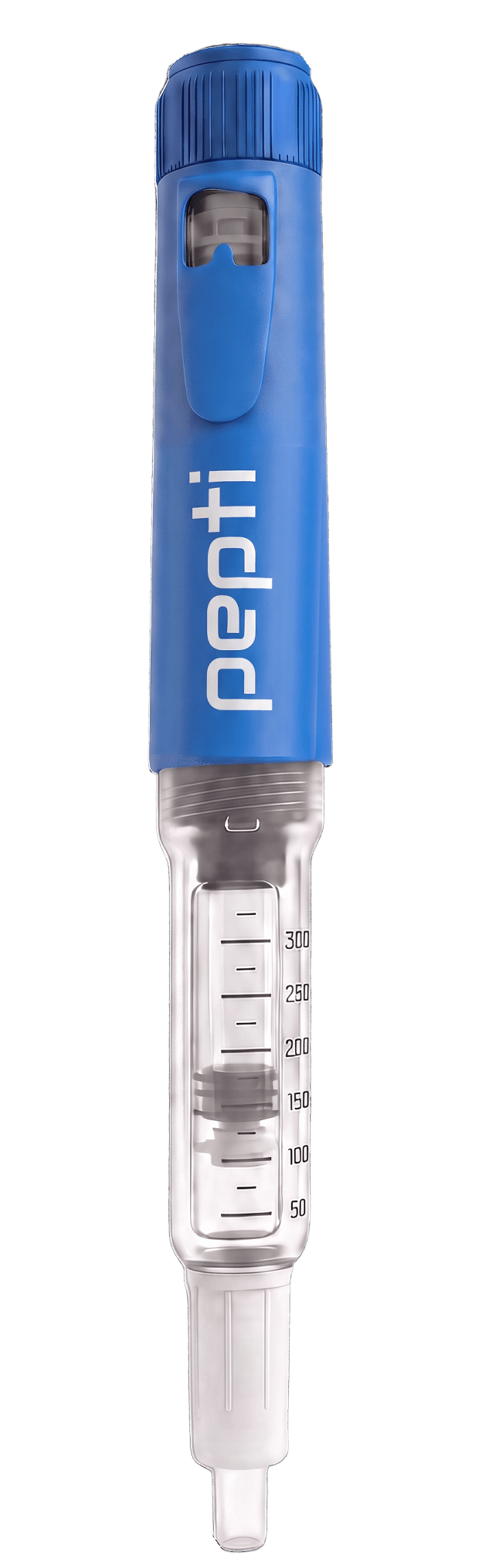
Treatments mentioned
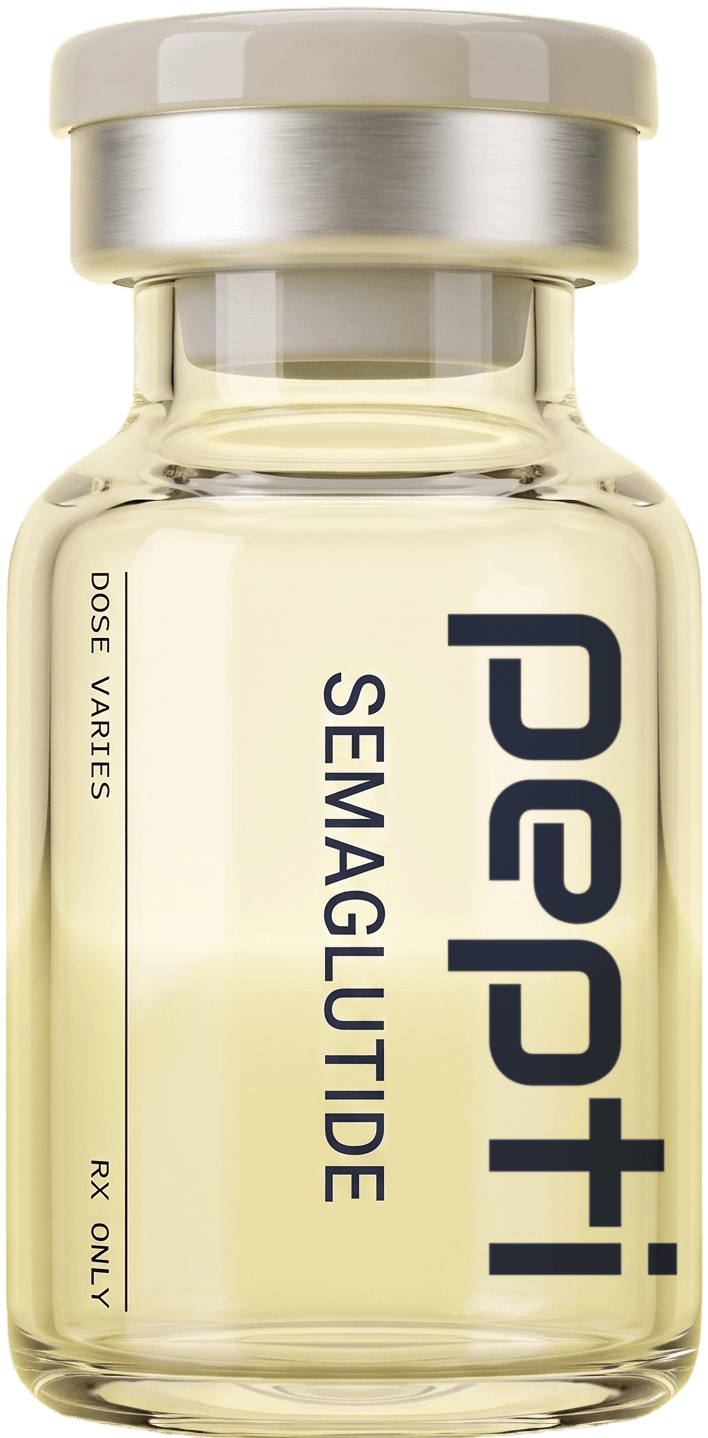
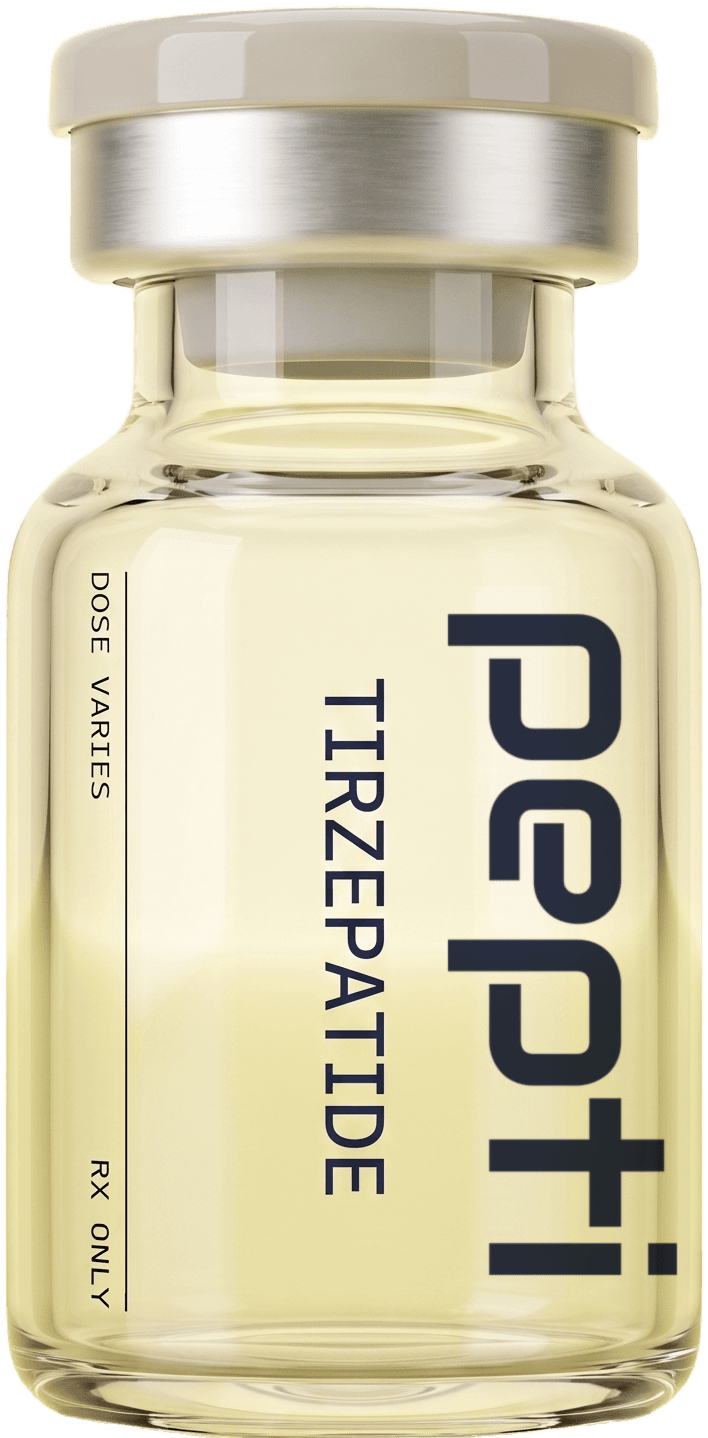
Eating out on a GLP-1 is fine; the thing that changes is the portion. Semaglutide and tirzepatide slow how fast the stomach empties, so a standard restaurant plate is often more than your stomach is ready for, and a large meal eaten quickly is the commonest trigger for early fullness, nausea and reflux. What tends to help is ordering smaller or planning to take half home, starting with the protein, eating slowly, going easy on fried and creamy dishes, keeping drinks small during the meal and stopping at the first sense of fullness. This is general education, not a meal plan, and your own care team's advice comes first.
The general eating guidance is in what to eat on a GLP-1.
Eating Out on a GLP-1
The short answer
| At the restaurant | Why it tends to help |
|---|---|
| Order a smaller dish, a starter as a main, or plan to box half before you start | Restaurant portions are sized for an appetite and a stomach you may not have right now |
| Start with the protein | You may be full before the plate is finished, so the food that matters most goes in first |
| Choose grilled, roasted or steamed over fried and creamy | High-fat meals sit in the stomach longest, on top of a medication that already slows emptying |
| Ask for sauces and dressings on the side | It keeps the fat in your control |
| Keep drinks small during the meal | Liquid takes up the same limited space; have water ahead of the meal and once it is over |
| Eat slowly and put the fork down between mouthfuls | The fullness signal arrives late; eating quickly overshoots it |
| Stop at the first sense of fullness, not at the empty plate | The old cue to stop no longer matches your stomach |
| Go easy on alcohol, and eat before you drink | It aggravates nausea and reflux, and adds to dehydration |
| Avoid a large, late evening meal when you can | Late, large meals are a common reflux trigger |
None of this is about forbidden foods. It is about volume, fat and pace, the three things a slower stomach notices most.
The two medications this applies to:
| Medication | What is in it | Price |
|---|---|---|
| Semaglutide | Dose-specific vials, six strengths from 0.25 mg to 2.5 mg weekly | From $99/mo |
| Tirzepatide | Dose-specific vials, six strengths from 2.5 mg to 15 mg weekly | From $159/mo |
Both are compounded preparations and neither is FDA approved. GLP-1 prices are "from" prices because each strength is a separate vial. Every price is all-in, covering medication, physician review, refill management and shipping, with no separate membership fee.
Eating Out on a GLP-1
Why restaurant meals feel different on a GLP-1
The stomach empties more slowly
Semaglutide and tirzepatide slow the rate at which the stomach hands food on to the intestine. That is documented in the approved labels and has been measured directly. Fullness lasts longer, which is part of how the medication works, and it is also why a large plate brings on early fullness, nausea, reflux and burping. The delay is largest when the exposure is new, at the first dose and after each step up, and it eases with continued exposure.
Appetite is quieter
GLP-1 receptors in the brain regulate hunger and fullness. Many people describe less hunger and fewer cravings. At a restaurant, that often means ordering out of habit and then not wanting most of it.
Restaurants are built around the opposite
Large portions, rich sauces, bread before the meal, a drink while you wait, dessert at the end and a meal that runs late are what make eating out enjoyable. On a GLP-1, each of those adds volume or fat to a stomach that is already holding food longer. That is the whole explanation for why the same favourite dish can sit badly now.
Restaurant habit What people on a GLP-1 commonly report Finishing a full restaurant portion Early fullness, nausea, sometimes vomiting Fried food, cream sauces, lots of cheese A heavy, overfull feeling that lasts Bread and a large drink before the food arrives Full before the main course A large meal late in the evening Reflux and burping at night Several drinks More nausea and reflux, more dehydration Skipping meals earlier in the day to "save room" Light-headedness, then a large meal that sits badly
Eating Out on a GLP-1
How to order
Size first
The simplest change is ordering less: a starter or small plate as your main, a half portion where it is offered, or sharing a dish. If you order a full main, ask for a box at the start and set half aside before you eat. It is much easier than stopping halfway through a full plate.
Protein first
When appetite is limited, put the protein, such as fish, chicken, lean meat, eggs or beans, at the centre of the order and eat it first. Protein and simple carbohydrate at the start of a meal also tend to be easier on the stomach than rich, fatty food. Eating too little protein is a more common problem on a GLP-1 than eating the wrong thing.
Keep the fat moderate
Fat slows stomach emptying on its own, so a high-fat meal stacks on top of the medication. Grilled, roasted, baked or steamed dishes tend to sit better than fried ones. Sauces, dressings and butter on the side keep the amount in your hands. Fried food, cream sauces and large amounts of cheese are the foods patients most often report trouble with.
Pace
Restaurant meals often move quickly once the food arrives. Putting the fork down between mouthfuls and talking between bites is the change prescribers hear about most. Stop when you first feel full, even if the plate is not empty.
Instead of Try A full main, finished A starter as a main, a shared dish, or half boxed before you start Fried or battered Grilled, roasted, baked or steamed Cream or cheese sauce over everything Sauce on the side Bread basket and a large drink while you wait Water, and save room for the protein Dessert to yourself A few bites shared, or skip it if you are already full
Eating Out on a GLP-1
Drinks and alcohol
Drinks with the meal
Drink steadily through the day, but keep drinks small during the meal, because liquid takes up the same limited stomach space. A glass of water before you go and after you eat helps more than a large drink at the table. Low fluid intake makes nausea worse and constipation harder.
Alcohol
Alcohol does not block a GLP-1, but it works against comfort and safety. It aggravates nausea and reflux, it is a diuretic, and with little food on board it interferes with the liver's ability to make new glucose, so the vulnerable window for low blood sugar is overnight. That matters most for anyone also taking insulin or a sulfonylurea. Many people also find the same drinks hit harder than they used to, because they have eaten less and the stomach is often emptier. If you drink, eat something with protein first and drink water alongside and afterwards. The days after a dose increase are the worst time for it. The full detail is in can you drink alcohol on semaglutide and can you drink alcohol on tirzepatide.
Carbonation can worsen reflux, so fizzy drinks are worth keeping small if reflux is your main complaint.
Eating Out on a GLP-1
Planning a meal out around your dose
The gastrointestinal side effects cluster in the days after starting and after each dose increase. Some patients find it easier to plan a big dinner, a celebration or a work meal away from those first days, or simply to order more plainly when one falls in that window.
The approved semaglutide label notes that the day of the week can be changed. If a regular meal out keeps landing badly, talk to your care team before moving your dosing day, so your refill timing stays straight. Do not skip or move a dose on your own to make room for a meal.
On the day itself, eat regular small meals rather than skipping earlier ones. Arriving very hungry after a long gap is how a large restaurant meal goes wrong.
Eating Out on a GLP-1
The social side
Eating less than you used to can draw comments, and being urged to finish a plate or have dessert is the commonest pressure people describe. A few things that tend to help:
- Order first, so you are not matching everyone else's portion.
- Have a short answer ready, such as "I'm full, it was great," without explaining your medication to anyone.
- Ask for a box early; it signals you enjoyed the food.
- Share a dish or dessert rather than declining outright.
What you eat and why is your business. Your care team is the place to talk it through if eating with others has become stressful.
Eating Out on a GLP-1
Eating out and the common side effects
| Symptom after a meal out | What usually helps next time | When to message your care team |
|---|---|---|
| Nausea or feeling overfull | Smaller order, protein first, slower pace, less fried and creamy food | If it stops you eating properly, or is not easing at the same strength |
| Reflux or burping at night | An earlier meal, staying upright after eating, less alcohol | If it is waking you or not responding |
| Diarrhea | Fluids and plainer food | If it lasts more than a day or two, or you feel dizzy |
| Constipation | Fluid, fibre and movement through the week | If it persists; name it specifically |
| Light-headedness | Regular meals through the day, fluids, less alcohol | If it continues or you feel faint |
More on nausea is in GLP-1 nausea: how to manage it, and the full list of effects is in GLP-1 side effects.
Eating Out on a GLP-1
When it is not a food problem
Some symptoms are not ordinary adaptation and should not be managed by changing your order.
| Symptom | What to do |
|---|---|
| Severe or persistent abdominal pain, especially radiating to the back | Contact your care team the same day |
| Repeated vomiting, or unable to keep fluids down | Contact your care team the same day |
| Right-upper abdominal pain after fatty meals, fever or yellowing of the eyes | Contact your care team the same day |
| Dark urine, not passing urine, or light-headedness on standing | Contact your care team the same day |
| A swollen, painful abdomen, vomiting that will not stop, no gas or stool passing | Emergency care: call 911 |
| Swelling of the face, lips or throat, or difficulty breathing | Emergency care: call 911 |
Severe abdominal pain that persists and bores through to the back is how the labels describe acute pancreatitis. Vomiting and diarrhea matter beyond comfort because they drain fluid, and both approved labels describe kidney injury, mostly in people whose vomiting or diarrhea led to dehydration.
Eating Out on a GLP-1
Who needs more than general guidance
| Situation | Why it needs a specific conversation |
|---|---|
| Taking insulin or a sulfonylurea | Low blood sugar is more likely, especially with alcohol and low food intake |
| A known stomach-emptying disorder | Severe gastroparesis is listed as "not recommended" for these medications |
| A history of an eating disorder | Appetite suppression, restriction and social eating interact |
| Pregnancy, planning pregnancy or breastfeeding | GLP-1 medications are not used |
| A planned surgery, endoscopy or sedation | Food can remain in the stomach; tell the team you take a GLP-1 |
Eating Out on a GLP-1
What the evidence shows, honestly
That GLP-1 medications slow stomach emptying and act on appetite is established: it is in the approved labels and has been measured. The restaurant advice on this page follows from that mechanism and from wide clinical experience. It has not been tested in trials: nobody has randomised people on a GLP-1 to "box half" versus "eat as usual" and measured nausea. The advice is sensible and low-risk, and any page giving you a percentage for how much a way of ordering changes your symptoms or your results is inventing it. The trials for both medications belong to the approved manufactured products rather than to compounded preparations, which share the active ingredient but not the trials or the approval.
Eating Out on a GLP-1
Where to get a GLP-1 prescribed
- Complete a free online intake covering your history, medications and what you want help with.
- A physician licensed in your state reviews it, usually within 24 hours.
- If it is appropriate, a PCAB-accredited, FDA-registered US 503A pharmacy compounds it to that prescription. Lot test results are published at /quality/lab-results.
- It ships refrigerated with ice packs, sterile syringes and alcohol prep pads, with your directions printed on the vial.
- Your care team stays reachable for questions about eating, side effects and dose changes, and refills run every 28 days, one vial per fill.
Pepti is cash-pay and does not bill insurance. Step-by-step pages: how to get semaglutide prescribed online and how to get tirzepatide prescribed online. Background on the class is in what is a GLP-1.
References
What this is based on.
References
- Wilding JPH, Batterham RL, Calanna S, et al.. Once-Weekly Semaglutide in Adults with Overweight or Obesity (STEP 1) · New England Journal of Medicine (2021) · PMID 33567185
- Lincoff AM, Brown-Frandsen K, Colhoun HM, et al.. Semaglutide and Cardiovascular Outcomes in Obesity without Diabetes (SELECT) · New England Journal of Medicine (2023) · PMID 37952131
- Wadden TA, Bailey TS, Billings LK, et al.. Effect of subcutaneous semaglutide vs placebo as an adjunct to intensive behavioral therapy on body weight in adults with overweight or obesity (STEP 3) · JAMA (2021) · PMID 33625476
- Rubino D, Abrahamsson N, Davies M, et al.. Effect of Continued Weekly Subcutaneous Semaglutide vs Placebo on Weight Loss Maintenance in Adults With Overweight or Obesity: The STEP 4 Randomized Clinical Trial · JAMA (2021) · PMID 33755728
- Marso SP, Bain SC, Consoli A, et al.. Semaglutide and Cardiovascular Outcomes in Patients with Type 2 Diabetes (SUSTAIN-6) · New England Journal of Medicine (2016) · PMID 27633186
- Davies M, Færch L, Jeppesen OK, et al.. Semaglutide 2.4 mg once a week in adults with overweight or obesity, and type 2 diabetes (STEP 2): a randomised, double-blind, double-dummy, placebo-controlled, phase 3 trial · The Lancet (2021) · PMID 33667417
- Garvey WT, Batterham RL, Bhatta M, et al.. Two-year effects of semaglutide in adults with overweight or obesity: the STEP 5 trial · Nature Medicine (2022) · PMID 36216945
- Rubino DM, Greenway FL, Khalid U, et al.. Effect of Weekly Subcutaneous Semaglutide vs Daily Liraglutide on Body Weight in Adults With Overweight or Obesity Without Diabetes: The STEP 8 Randomized Clinical Trial · JAMA (2022) · PMID 35015037
- Aronne LJ, Horn DB, le Roux CW, et al.. Tirzepatide as Compared with Semaglutide for the Treatment of Obesity (SURMOUNT-5) · New England Journal of Medicine (2025) · PMID 40353578
- Sanyal AJ, Newsome PN, Kliers I, et al.. Phase 3 Trial of Semaglutide in Metabolic Dysfunction-Associated Steatohepatitis (ESSENCE) · New England Journal of Medicine (2025) · PMID 40305708
- Wilding JPH, Batterham RL, Davies M, Van Gaal LF, Kandler K et al.. Weight regain and cardiometabolic effects after withdrawal of semaglutide: The STEP 1 trial extension · Diabetes Obes Metab (2022) · PMID 35441470
- Batsis JA, Gavras A, Gross DC, Cheever CR, Da Silva BR et al.. Effect of Incretin-Based and Nonpharmacologic Weight Loss on Body Composition: A Systematic Review · Ann Intern Med (2026) · PMID 41996180
Citations are provided for educational purposes. They do not constitute medical advice. Always discuss any peptide protocol with your prescribing physician.
Common questions
Eating Out on a GLP-1, answered.
Yes. Nothing on a restaurant menu is forbidden. The change is portion, fat and pace: order smaller or box half, start with the protein, choose less fried and creamy food, eat slowly and stop at the first sense of fullness.
A smaller dish built around protein, such as grilled fish or chicken with vegetables, with sauces on the side. The same guidance applies on tirzepatide.
Usually because a restaurant portion is more volume, and often more fat, than a stomach that empties more slowly is ready for, especially eaten quickly. If nausea is stopping you eating or drinking properly, message your care team.
Alcohol aggravates nausea and reflux, adds to dehydration, and with little food raises the risk of low blood sugar overnight, especially alongside insulin or a sulfonylurea. If you drink, eat protein first and drink water alongside.
Generally no. Regular small meals through the day tend to work better. Arriving very hungry after a long gap makes a large meal more likely to sit badly.
Nothing is forbidden, but fried food and large portions are the most common triggers for nausea and reflux. A smaller order, grilled options and skipping the large drink tend to sit better.
The same principles apply: a small plate, protein first, slowly, and stopping at the first fullness rather than going back because it is there.
Talk to your care team first. The approved semaglutide label notes the day of the week can be changed, but your refill timing needs to stay straight, and you should not skip or move a dose on your own.
You do not owe anyone an explanation. A short "I'm full, it was great" and asking for a box usually ends it. Your care team is there if social eating is becoming stressful.
It does not change what the medication does at its receptor. What you eat affects how comfortable you are and whether you get enough protein and fluid. Nobody can promise a particular result from a particular way of eating.
No. Bloodwork is not required for any Pepti treatment. If your physician wants labs for your care, they'll ask through your account. The free assessment goes to a physician licensed in your state. A consultation does not guarantee a prescription.
Related answers
Keep reading.
- What Is a GLP-1? Meaning, How GLP-1 Medications Work, and the List by Generic Name
- GLP-1 Acid Reflux: Why Semaglutide and Tirzepatide Cause Heartburn, and What Helps
- GLP-1 and Blood Pressure: What Semaglutide and Tirzepatide Do, and the Low Blood Pressure Risk
- GLP-1 and Dehydration: Why It Happens on Semaglutide and Tirzepatide and the Signs to Act On
- GLP-1 and Exercise: Training on Semaglutide or Tirzepatide, Lean Mass and What to Watch
Next step
See what a physician recommends for you.
A licensed physician in your state reviews your intake to see whether treatment fits your history. A consultation does not guarantee a prescription.