Anti-Aging · Reference
NAD+ vs MOTS-c: Substrate vs Signal, Evidence, FDA Status, Dosing and Cost
This page explains each on its own terms, puts them side by side, covers what the research does and does not show, where each stands with the FDA, how each is dosed, what each costs at Pepti, and who tends to suit which.
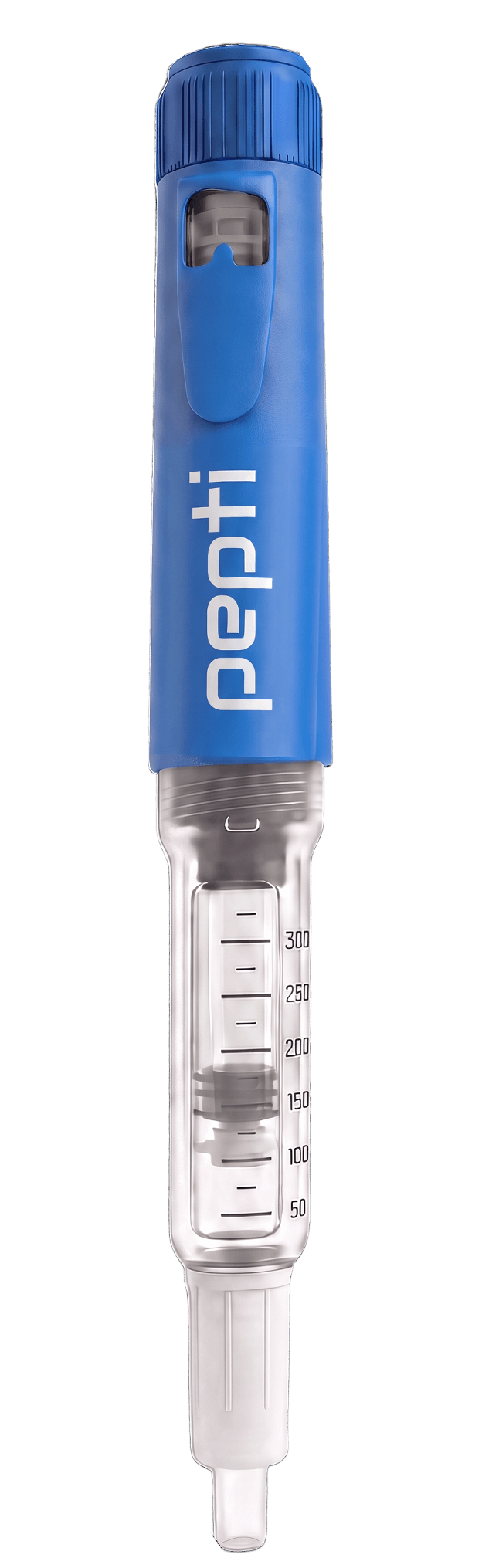
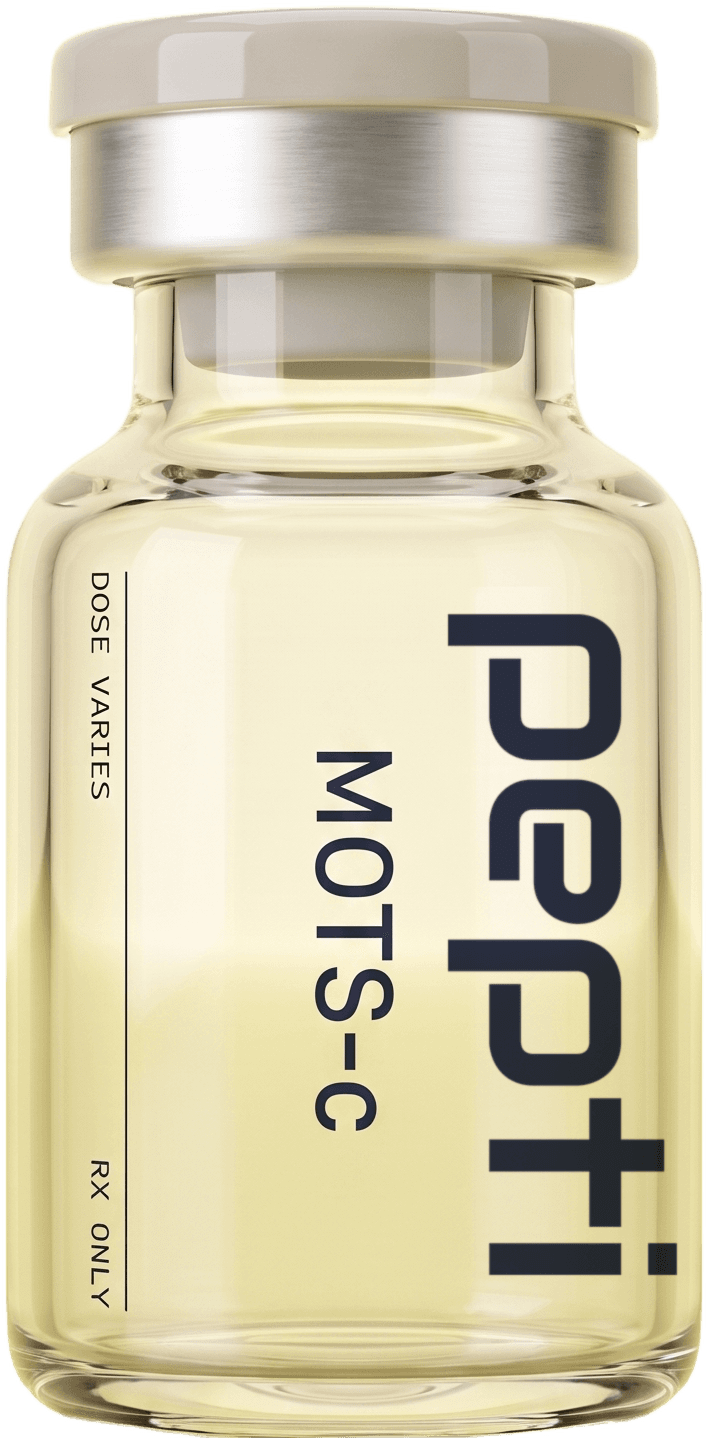
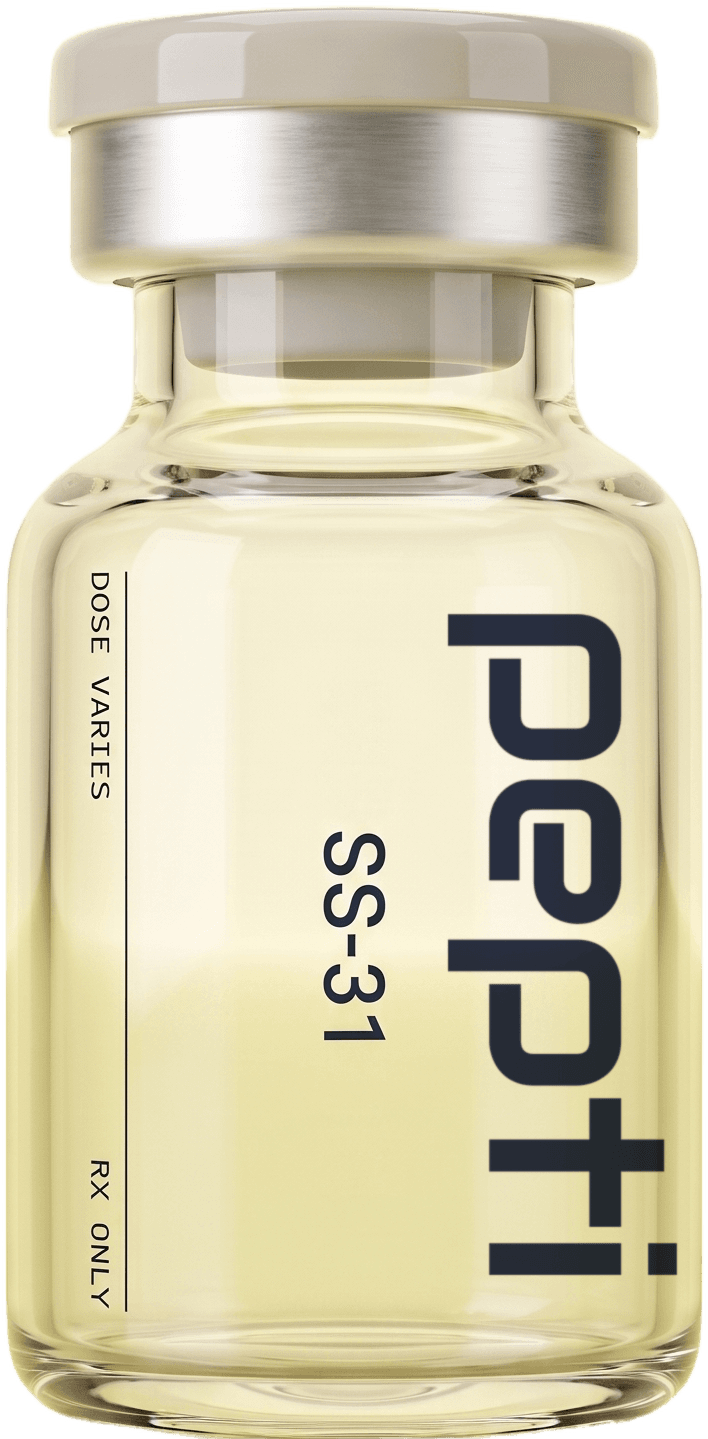
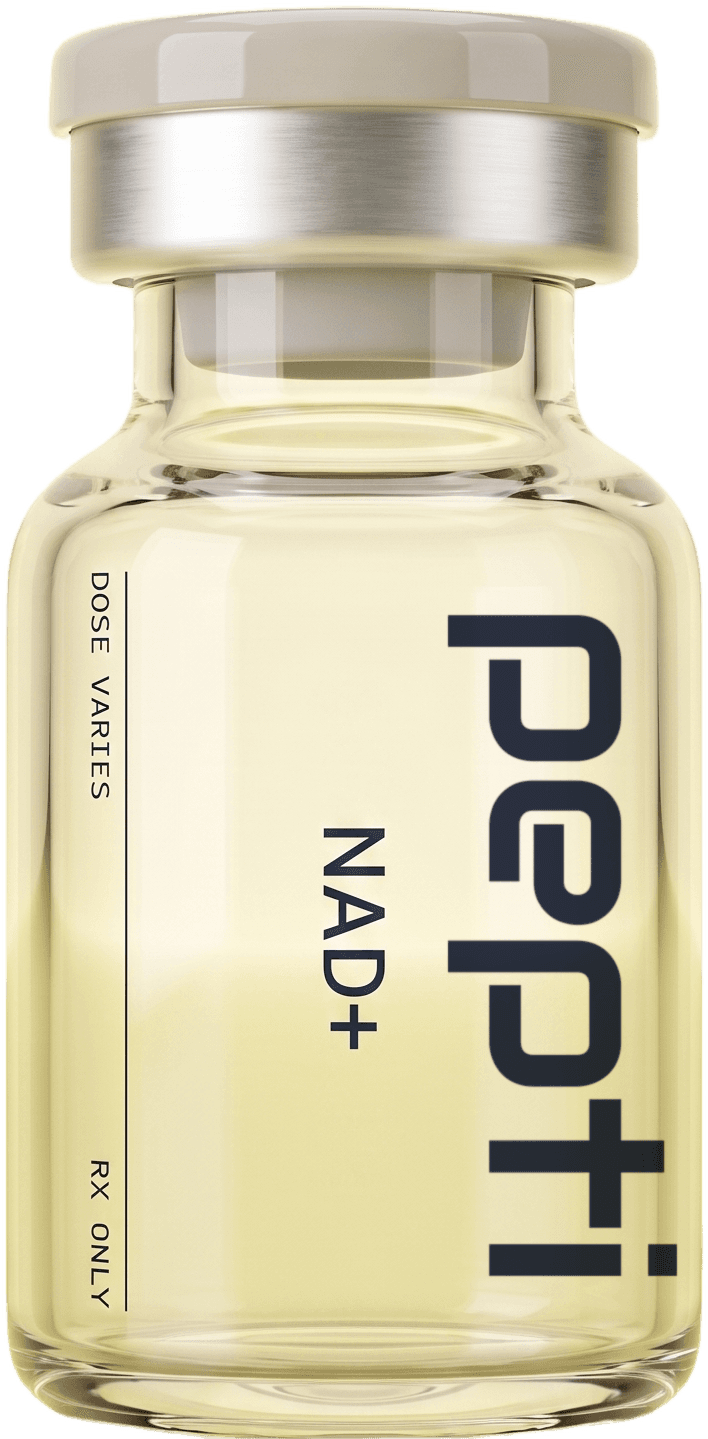
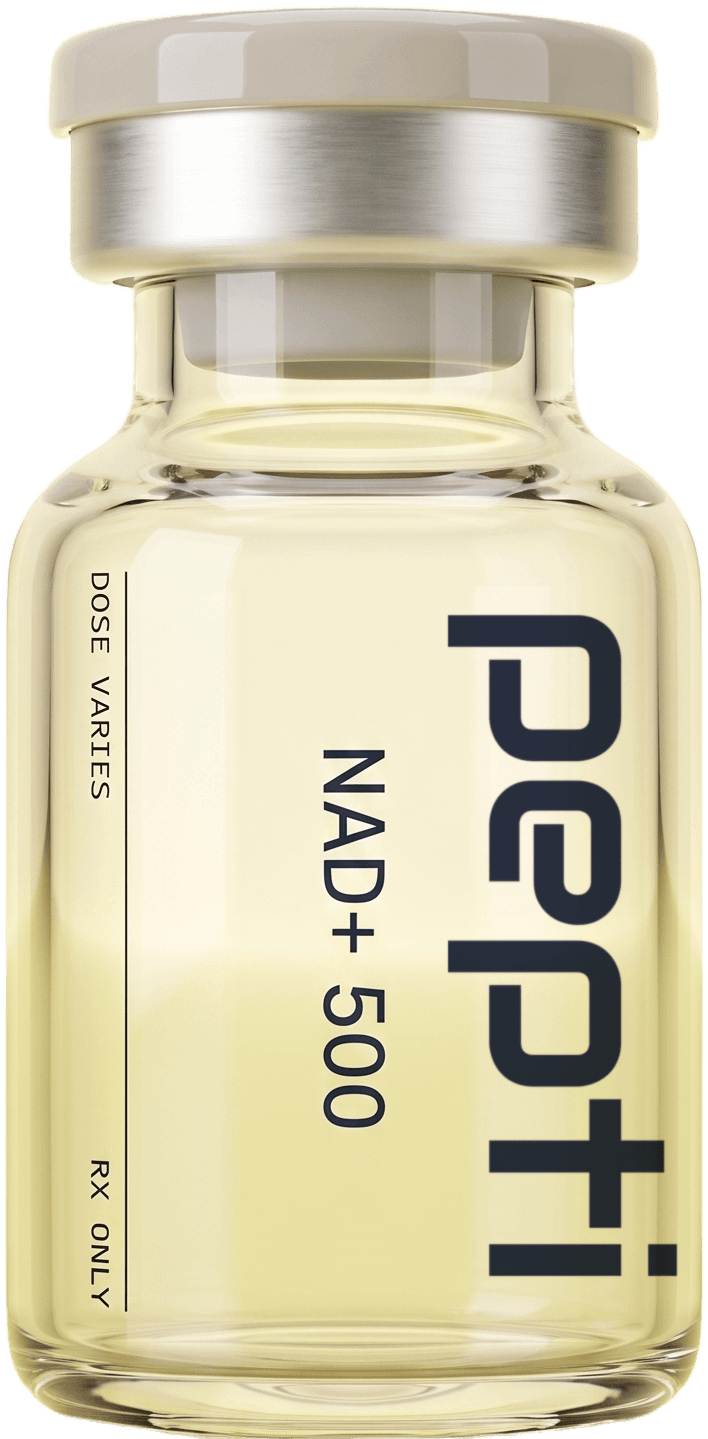
NAD+ and MOTS-c are both prescribed around cellular energy, but they are different kinds of molecule doing different jobs: NAD+ is a coenzyme the energy machinery consumes, while MOTS-c is a 16-amino-acid peptide encoded in mitochondrial DNA that is described as a metabolic signal acting through AMPK. NAD+ has human research, mostly trials of oral precursors, and sits in Category 1 of the FDA's compounding list. MOTS-c has mouse studies and human observational data but no randomized trials, and was recommended for the FDA's bulks list on a split advisory vote in July 2026. MOTS-c is also prohibited in sport at all times. Neither compounded product is FDA approved.
This page explains each on its own terms, puts them side by side, covers what the research does and does not show, where each stands with the FDA, how each is dosed, what each costs at Pepti, and who tends to suit which.
NAD+ vs MOTS-c
The short answer
| If your main goal is | The usual prescription | What is in it | Price |
|---|---|---|---|
| Cellular energy, fatigue that has been worked up | NAD+ Injection | 1,000 mg NAD+ in a 10 mL vial | $249/mo |
| The same, at a lower dose per injection | NAD+ Injection (500 mg) | 500 mg NAD+ in a 10 mL vial | $229/mo |
| Metabolic signalling alongside training | MOTS-c | 10 mg MOTS-c in a 5 mL vial | $259/mo |
| MOTS-c as part of a body-composition blend | PHYSIQ, SHRED or FUSION | MOTS-c with three other peptides | $279 to $289/mo |
| The mitochondrial membrane itself | SS-31 | 10 mg SS-31 in a 5 mL vial | $249/mo |
Every figure is an all-in monthly price covering the medication, physician review, refill management and shipping. There is no separate membership fee, and Pepti is cash-pay and does not bill insurance. Current pricing always lives on each product page.
NAD+ vs MOTS-c
NAD+ on its own terms
What it is
NAD+ is nicotinamide adenine dinucleotide, a coenzyme made from a form of vitamin B3. It is not a peptide, not a hormone and not a stimulant, and it does not bind a receptor. Every cell makes it, mostly by recycling nicotinamide through nicotinamide mononucleotide (NMN); nicotinamide riboside (NR) is another way in. Most of the human trial literature is about those oral precursors rather than NAD+ itself. The full reference is at what is NAD+ injection.
How NAD+ is described to work
- Electron carrier. NAD+ takes electrons from broken-down glucose and fat, becomes NADH, and hands them to the mitochondria to make ATP.
- Sirtuins and PARP enzymes. Both enzyme families consume NAD+, sirtuins in cell stress responses and PARPs in DNA repair. A 2015 review in Science argued that falling NAD+ limits sirtuin activity with age, from cell and animal work.
- Decline with age. A 2012 PLOS ONE study measured lower NAD+ in older human skin, an observational finding.
What human data exists for NAD+
Oral NR and NMN reliably raise blood NAD+ in randomized trials, with small and mixed functional effects: no improvement in insulin sensitivity in a 2018 trial in men, improved muscle insulin sensitivity in a 2021 trial in women with prediabetes, and modestly longer walking distances in a 2023 NMN trial and a 2024 NR trial in artery disease. The one study of NAD+ given directly, a 2019 intravenous pilot, found the molecule cleared as fast as it arrived. There are no randomized trials of subcutaneous NAD+ injection. More is in NAD+ benefits.
NAD+ vs MOTS-c
MOTS-c on its own terms
What it is
MOTS-c is a 16-amino-acid peptide whose gene sits in the mitochondria's own DNA rather than in the cell nucleus, inside the gene for the 12S ribosomal RNA. It was identified in a 2015 paper in Cell Metabolism from a group at the University of Southern California, and it belongs to a small family, with humanin, of mitochondrial-derived peptides. Its name is a location code: "mitochondrial open reading frame of the 12S rRNA-c." It is not a growth hormone secretagogue, not a GLP-1 medication and not a stimulant. The full reference is at what is MOTS-c.
How MOTS-c is described to work
- The folate cycle and AMPK. In cultured cells, MOTS-c was reported to slow the folate cycle, causing a molecule called AICAR to build up, which activates AMPK, the cell's low-fuel sensor and the same enzyme exercise switches on. Skeletal muscle appeared to be the main target.
- Signalling to the nucleus. A 2018 Cell Metabolism paper reported that under glucose restriction MOTS-c moves into the nucleus and changes which genes are switched on.
- Muscle and the exercise link. A 2021 Nature Communications paper reported better physical performance in treated mice of all ages, and that in humans a bout of exercise raised the body's own MOTS-c. That human finding is observational, and it is where the "exercise mimetic" label comes from.
- Fat and bone in mice. Studies in ovariectomized mice reported more brown-fat activity and less bone loss.
All of the mechanism work is in mice and cells.
What human data exists for MOTS-c
There are no randomized controlled trials of MOTS-c in humans. Human data is observational: exercise raises it, and one cross-sectional study reported lower levels in people with type 2 diabetes, while two others found similar levels with and without obesity. A genetic study across 27,527 people linked an East Asian variant of MOTS-c to higher type 2 diabetes prevalence in men. The closest thing to a treatment trial was of a modified analogue called CB4211, a different molecule, in a small Phase 1 programme whose results were company announcements and which did not advance. More is in MOTS-c benefits.
NAD+ vs MOTS-c
Head to head
| NAD+ | MOTS-c | |
|---|---|---|
| What it is | A coenzyme (not a peptide) | A 16-amino-acid mitochondrial-derived peptide |
| Its role | A substrate the energy machinery consumes | A signal that tells cells to burn rather than store fuel |
| Main described mechanism | Electron carrier; fuel for sirtuins and PARP enzymes | Folate cycle, AICAR build-up, AMPK activation |
| Main target tissue | Every cell | Skeletal muscle, in animal work |
| Human trials | Oral precursor trials; one intravenous pilot; none of subcutaneous NAD+ | None; a related analogue in Phase 1 only |
| FDA position | Category 1, under evaluation | Removed from Category 2 in April 2026; recommended for the bulks list 7 to 5 in July 2026; final decision pending |
| Anti-doping | Not named on the 2026 WADA Prohibited List | Prohibited at all times (WADA S4.4) |
| Vial at Pepti | 10 mL, 100 mg/mL (1,000 mg) | 5 mL, 2 mg/mL (10 mg) |
| Typical directions | 0.83 mL (83 units) three times per week | 0.25 mL (25 units) Monday through Friday mornings |
| Per dose | 83 mg | 0.5 mg |
| Doses per vial | 12, about 4 weeks | 20, about 4 weeks |
| Formats | Vial or pre-filled pepti Pen | Vial or pre-filled pepti Pen |
| In blends at Pepti | No | PHYSIQ, SHRED, FUSION, EUPHORIA, SYNAPSE |
| Price at Pepti | $249 a month | $259 a month |
Substrate versus signal
The cleanest way to hold the difference: NAD+ is fuel-handling equipment the cell uses up, and MOTS-c is a message about what to do with fuel. Raising NAD+ is meant to give the machinery more of something it consumes. MOTS-c is meant to change the machinery's instructions, shifting muscle toward burning fuel. That is why the MOTS-c literature is built around exercise and metabolism, and the NAD+ literature around energy, repair and aging. No study has compared them, and they are not substitutes for each other.
NAD+ vs MOTS-c
Who suits which
NAD+ first
NAD+ is the usual starting point when the complaint is energy or fatigue, after ordinary causes like B12, thyroid, iron and sleep have been checked. It has the larger human research base on raising levels in people, it is not prohibited in sport, and it does not depend on a training plan to make sense.
MOTS-c
MOTS-c suits someone whose interest is metabolic: training tolerance, fuel handling, body composition, and who has a training and nutrition plan in place. Its mechanism is an exercise-signalling pathway, and prescribers describe it as something taken alongside exercise, not instead of it. It is more often prescribed inside a blend than alone. It is not an option for anyone in a tested sport.
Can you take NAD+ and MOTS-c together?
They work through different described mechanisms and some prescribers combine them, but no trial has tested the combination. If you want both, say so on the intake; each would come with its own directions printed on its vial. The schedules do not overlap neatly, NAD+ three times a week and MOTS-c on weekday mornings, so a written routine helps.
NAD+ vs MOTS-c
When neither is the right first step
| Situation | What makes more sense |
|---|---|
| Weight loss is the actual goal | Semaglutide or tirzepatide, with large randomized trials for that purpose |
| Fatigue you have not had checked | A basic work-up first; methylcobalamin if B12 is low |
| The mitochondrial membrane specifically | SS-31, which binds cardiolipin and has randomized human trials in mitochondrial disease |
| Antioxidant support | Glutathione; see NAD+ vs glutathione |
| You compete in a tested sport | Not MOTS-c; ask your physician what is permitted |
NAD+ vs MOTS-c
Where each stands with the FDA
| NAD+ | MOTS-c | |
|---|---|---|
| 2023 | Category 1, under evaluation | Placed in Category 2 |
| April 2026 | Not affected; never in Category 2 | Removed from Category 2 on 15 April 2026 |
| Advisory committee | 2017 vote against listing a 5 mg oral capsule for fatigue in multiple sclerosis; a 2019 proposed rule has not been finalized | 23 July 2026: voted 7 to 5, two abstentions, to recommend adding it to the 503A Bulks List, against the FDA reviewers' recommendation |
| Final FDA determination | Pending | Pending |
| Other | October 2024 reminder that food-grade NAD+ powder is not suitable for sterile injections | Nominated uses reviewed were obesity and osteoporosis |
An advisory committee vote is a recommendation, not a decision. Both remain legal to prescribe and dispense as compounded medications. Compounded medications are not FDA approved. Are peptides FDA approved explains the difference.
NAD+ vs MOTS-c
Dosing, side by side
Both are injected under the skin into the abdomen or thigh, rotating sites. Both come as multi-dose vials shipped ready to use, refrigerated with ice packs, with sterile syringes and alcohol prep pads, and both are also available as a pre-filled pepti Pen cartridge dosed by dial.
| NAD+ Injection | MOTS-c | |
|---|---|---|
| Typical printed directions | Inject 0.83 mL (83 units) subcutaneously three times per week | Inject 0.25 mL (25 units) subcutaneously Monday through Friday mornings |
| Concentration | 100 mg/mL | 2 mg/mL |
| Per dose (math only) | 0.83 mL x 100 mg/mL = 83 mg | 0.25 mL x 2 mg/mL = 0.5 mg |
| Doses per vial | 12 (10 mL divided by 0.83 mL) | 20 (5 mL divided by 0.25 mL) |
| How long a vial lasts | 12 doses at three a week, about 4 weeks | 20 doses at five a week, about 4 weeks |
| Practical note | Inject slowly; the flushing reaction tracks with speed | Mornings, near the day's activity |
On a U-100 insulin syringe, 1 unit is 0.01 mL. The milligram figures are arithmetic for reading a label, not a way to set a dose, and comparing 83 mg with 0.5 mg means nothing because they are different molecules. Your physician sets your directions after reviewing your intake, and your directions are printed on the vial. The MOTS-c weekday pattern is a prescriber convention; the late-life mouse work used intermittent dosing. Refills run every 28 days, one vial per fill. More is in NAD+ injection dosage and MOTS-c dosage.
NAD+ vs MOTS-c
Side effects
NAD+. Flushing, warmth, chest or abdominal tightness, or nausea during the injection, fading within minutes and tied to injection speed. Stinging at the site is common. Chills, shaking or vomiting after a dose are not expected and should be reported the same day. More is in is NAD+ safe.
MOTS-c. Mostly injection-site redness, soreness or bruising. Because it acts on an energy-sensing pathway, some people describe brief jitteriness, a faster pulse or light-headedness in the hour or two after a morning dose, particularly early on. If you take anything that lowers blood glucose, say so at intake. More is in MOTS-c side effects.
For both, message your care team about anything unexpected or persistent. Facial or throat swelling, a widespread rash or difficulty breathing is an emergency: call 911 first, then tell your physician.
NAD+ vs MOTS-c
Who should not take either, or should discuss it first
| Situation | Why |
|---|---|
| Pregnancy or breastfeeding | Not used for either; safety data is absent |
| Tested athletes | MOTS-c is prohibited at all times and not eligible for a therapeutic use exemption; check your sport's rules before NAD+ too |
| Glucose-lowering medication | Especially for MOTS-c, which acts on fuel handling |
| Active or recent cancer | Especially for NAD+, whose metabolism intersects with cell growth pathways |
| Significant kidney or liver disease | Especially for NAD+ |
NAD+ vs MOTS-c
What the evidence shows, honestly
Neither has a randomized trial of the compounded injection. NAD+ has textbook biochemistry and oral precursor trials with small, mixed effects. MOTS-c has a coherent mouse story, human observational data on the body's own peptide, and one small early study of a different analogue. Any provider describing either as clinically shown to change energy, weight or lifespan in people is overstating it. What would change the picture is a controlled human trial of either by subcutaneous injection; none has been published.
NAD+ vs MOTS-c
Where to get NAD+ or MOTS-c prescribed
Neither can be bought legitimately without a prescription. Sites selling them "for research use only" are not accountable for what is in the vial: identity, purity, sterility and concentration are untested. The prescription route:
- Complete a free online intake covering your history, medications and what you want help with.
- A physician licensed in your state reviews it, usually within 24 hours.
- If it is appropriate, a PCAB-accredited, FDA-registered US 503A compounding pharmacy prepares it to that prescription. Lot test results are published at /quality/lab-results.
- It ships refrigerated with ice packs and your directions printed on the vial.
- Your physician stays reachable for questions and dose changes.
Pepti prescribes both in every state except Oklahoma, plus DC Step by step: how to get NAD+ prescribed online and how to get MOTS-c prescribed online. Related: NAD+ vs SS-31 and MOTS-c vs SLU-PP-332 vs 5-Amino-1MQ.
References
What this is based on.
References
- Lee C, Zeng J, Drew BG et al.. The mitochondrial-derived peptide MOTS-c promotes metabolic homeostasis and reduces obesity and insulin resistance · Cell Metab (2015) · PMID 25738459
- Reynolds JC, Lai RW, Woodhead JST et al.. MOTS-c is an exercise-induced mitochondrial-encoded regulator of age-dependent physical decline and muscle homeostasis · Nat Commun (2021) · PMID 33473109
- Kim KH, Son JM, Benayoun BA et al.. The Mitochondrial-Encoded Peptide MOTS-c Translocates to the Nucleus to Regulate Nuclear Gene Expression in Response to Metabolic Stress · Cell Metab (2018) · PMID 29983246
- Zempo H, Kim SJ, Fuku N et al.. A pro-diabetogenic mtDNA polymorphism in the mitochondrial-derived peptide, MOTS-c · Aging (Albany NY) (2021) · PMID 33468709
- Ramanjaneya M, Bettahi I, Jerobin J et al.. Mitochondrial-Derived Peptides Are Down Regulated in Diabetes Subjects · Front Endocrinol (Lausanne) (2019) · PMID 31214116
- Cataldo LR, Fernández-Verdejo R, Santos JL et al.. Plasma MOTS-c levels are associated with insulin sensitivity in lean but not in obese individuals · J Investig Med (2018) · PMID 29593067
- Lu H, Wei M, Zhai Y et al.. MOTS-c peptide regulates adipose homeostasis to prevent ovariectomy-induced metabolic dysfunction · J Mol Med (Berl) (2019) · PMID 30725119
- Ming W, Lu G, Xin S et al.. Mitochondria related peptide MOTS-c suppresses ovariectomy-induced bone loss via AMPK activation · Biochem Biophys Res Commun (2016) · PMID 27237975
- Knoop A, Thomas A, Thevis M. Development of a mass spectrometry based detection method for the mitochondrion-derived peptide MOTS-c in plasma samples for doping control purposes · Rapid Commun Mass Spectrom (2019) · PMID 30394592
- Ozkaya DY, Haymana C, Demirci I et al.. MOTS-C levels in individuals with and without obesity and its association with inflammation, insulin resistance and endothelial dysfunction · Arch Endocrinol Metab (2025) · PMID 41004666
Citations are provided for educational purposes. They do not constitute medical advice. Always discuss any peptide protocol with your prescribing physician.
Common questions
NAD+ vs MOTS-c, answered.
NAD+ is the usual choice when energy or fatigue is the question, and it has the larger human research base, though mostly from oral precursors. MOTS-c is aimed at metabolic signalling in muscle and makes most sense alongside training. Neither has a randomized trial of the injection for energy, and they have not been compared.
NAD+ is a coenzyme the energy machinery consumes. MOTS-c is a peptide encoded in mitochondrial DNA that is described as a signal, activating AMPK so muscle burns rather than stores fuel. One is a supply; the other is an instruction.
Some prescribers combine them because they work through different described mechanisms, but no trial has tested the combination. Tell your physician you are interested in both, and follow the directions printed on each vial.
Neither has human evidence for weight loss. The MOTS-c weight findings are from mice, and the NAD+ precursor trials on metabolism were small and mixed. If weight is the goal, semaglutide and tirzepatide have large randomized trials for that purpose.
Both are described around mitochondria, in different ways. NAD+ carries electrons to the mitochondria's energy chain. MOTS-c is made from the mitochondria's own genes and sends signals back to the cell. SS-31 is a third approach, binding the inner mitochondrial membrane.
MOTS-c is on the WADA Prohibited List at all times under S4.4 as an AMPK activator, and USADA has stated it is not eligible for a therapeutic use exemption. NAD+ is not named on the 2026 WADA Prohibited List, but tested athletes should check with their governing body first.
NAD+ has the more noticeable in-the-moment reaction: flushing, chest tightness or nausea during the injection, fading within minutes. MOTS-c mostly causes injection-site reactions, with occasional brief jitteriness or a faster pulse after a morning dose.
No trial gives a timeline for either by injection. The oral NAD+ precursor trials ran six weeks to six months. The MOTS-c findings come from mouse studies, and there is no human treatment trial to take a timeline from.
At Pepti, NAD+ Injection is $249 a month, NAD+ Injection (500 mg) is $229 a month and MOTS-c is $259 a month, all-in, including medication, physician review, refill management and shipping.
Yes, both. NAD+ Injection and MOTS-c are each available as a vial with syringes or as a pre-filled pepti Pen cartridge in a reusable click-dial injector. The medication is the same either way.
Bloodwork is not required for any Pepti treatment. If your physician wants labs for your care, they'll ask through your account. The free assessment goes to a physician licensed in your state. A consultation does not guarantee a prescription.
Next step
See what a physician recommends for you.
A licensed physician in your state reviews your intake and decides what is appropriate. A consultation does not guarantee a prescription.