Weight Loss · Reference
GLP-1 Drug Interactions: What Semaglutide and Tirzepatide Labels Say About Other Medications
GLP-1 medications have two main drug interactions on their approved labels: a higher risk of low blood sugar alongside insulin or a sulfonylurea, and slower absorption of pills taken by mouth, because semaglutide and tirzepatide slow stomach emptying.
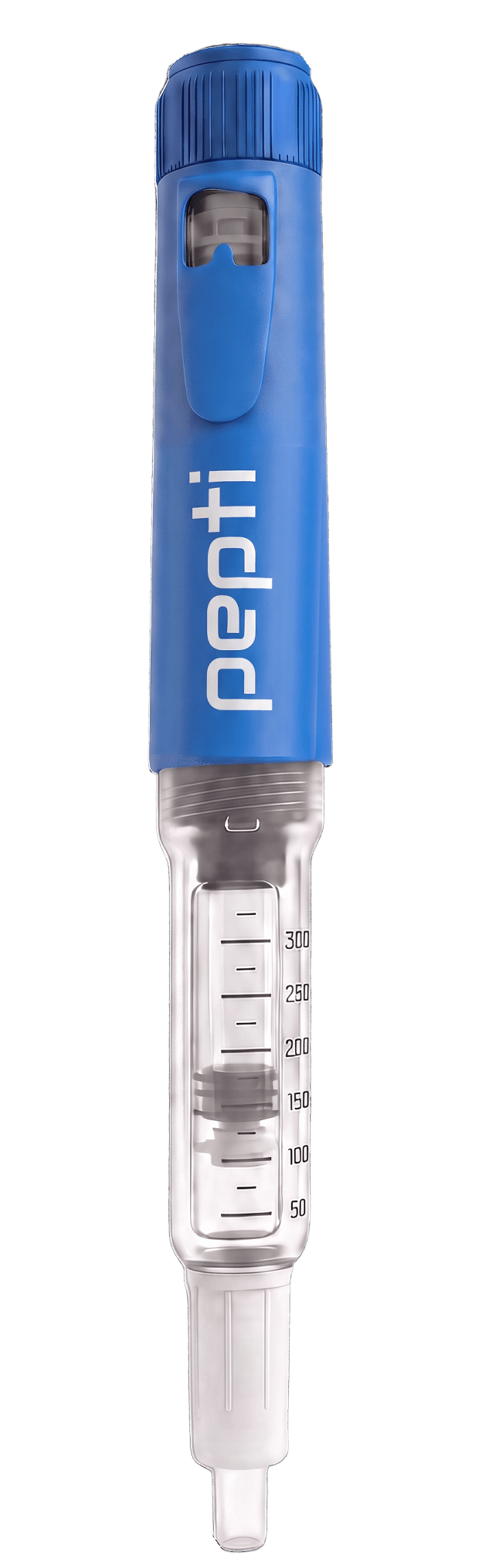
Treatments mentioned
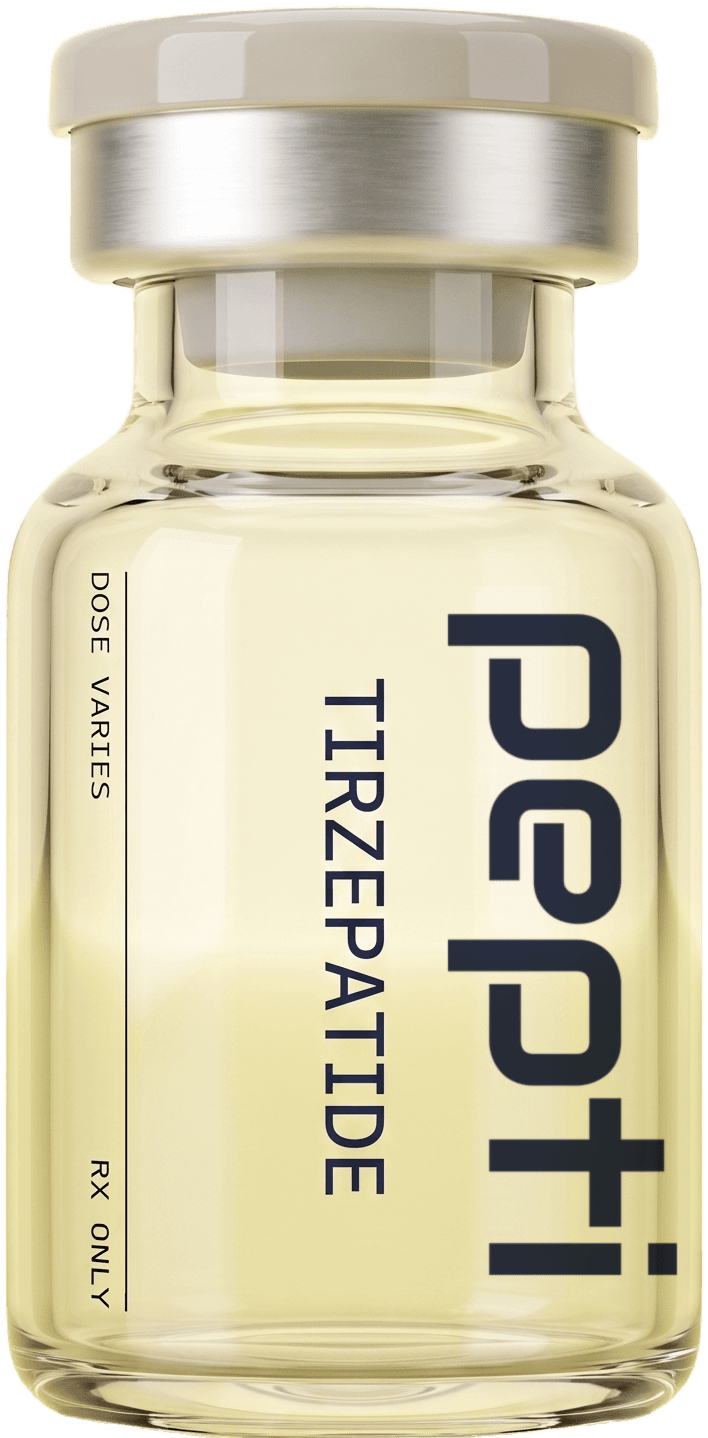
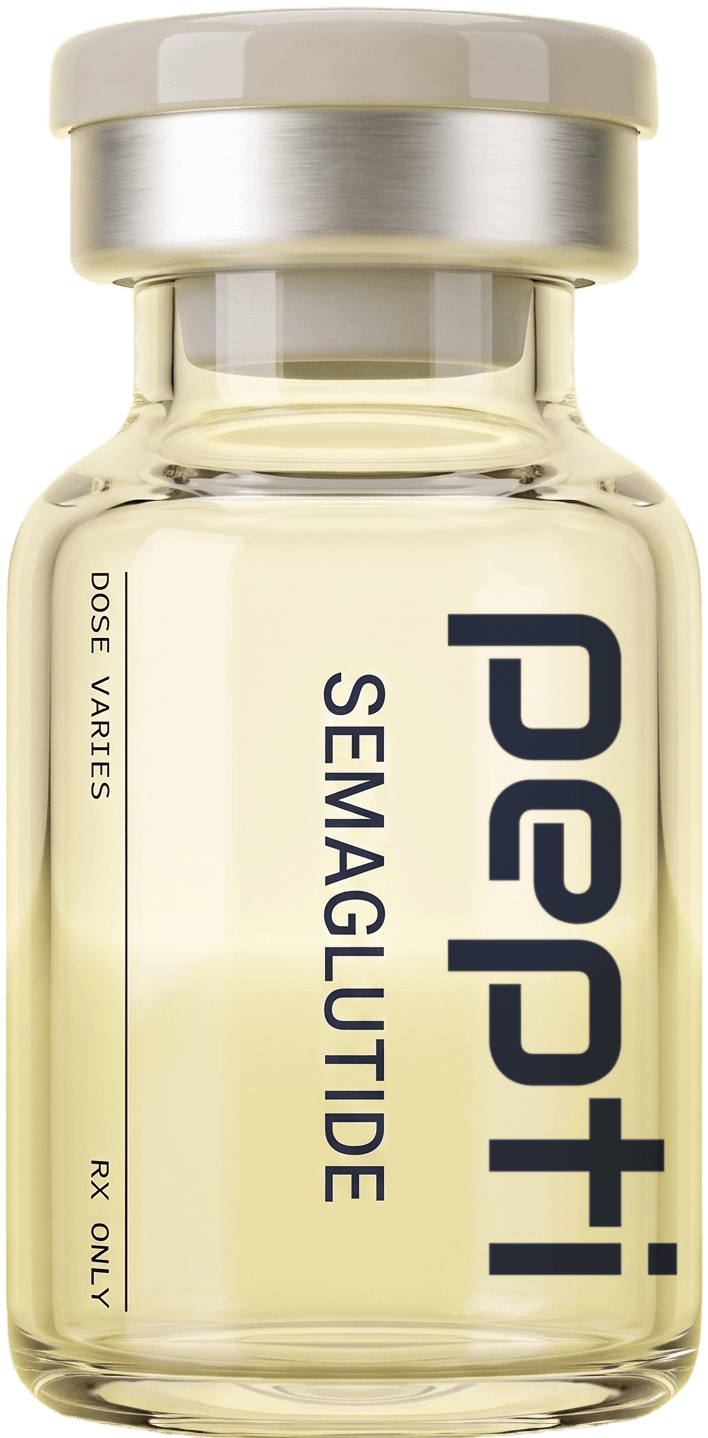
For tirzepatide, that slower absorption specifically affects birth control pills for four weeks after starting and after each dose increase. Drugs with a narrow therapeutic window, such as warfarin, call for closer monitoring, and neither medication is combined with another GLP-1. List every medication and supplement on your intake, and never stop or change another medication on your own because you started a GLP-1.
This page covers the interactions the approved labels describe for semaglutide and tirzepatide, why they happen, and what to raise with your care team. It does not replace a pharmacist's or physician's review of your own list.
GLP-1 Drug Interactions
The short answer
| Question | Answer |
|---|---|
| Biggest interaction | Insulin or a sulfonylurea: low blood sugar risk rises |
| Why pills can be affected | Slower stomach emptying changes how quickly oral drugs are absorbed |
| Birth control pills | Tirzepatide: use a non-oral or added barrier method for four weeks after starting and after each increase |
| Narrow-window drugs (warfarin is the label's example) | Closer monitoring when starting |
| Blood-pressure medication | Low blood pressure and fainting more frequent; report light-headedness |
| Another GLP-1 | Not combined; semaglutide and tirzepatide are alternatives |
| Alcohol | No label warning, but it worsens side effects and adds low blood sugar risk with insulin or a sulfonylurea |
| Anesthesia or sedation | Tell the team in advance; food can remain in the stomach |
The GLP-1 medications Pepti prescribes:
| Medication | How it acts | What is in it | Price |
|---|---|---|---|
| Semaglutide | GLP-1 receptor only | Dose-specific vials at six strengths, starting with 1 mg per 1 mL at the 0.25 mg starting dose | From $99/mo, priced by dose |
| Tirzepatide | GIP and GLP-1 receptors | Dose-specific 2 mL vials at six strengths, 2.5 mg to 15 mg; the 2.5 mg and 7.5 mg vials include glycine | From $159/mo, priced by dose |
Prices are all-in: medication, physician review, refill management and shipping, with no membership fee. Compounded medications are not FDA approved. The interaction information below comes from the labels of the approved manufactured products, which contain the same molecules, so it applies to a compounded vial unchanged.
GLP-1 Drug Interactions
Why GLP-1 medications interact with other drugs
There are two mechanisms, and nearly every interaction on the labels follows from one of them.
| Mechanism | What it does | Which medications it affects |
|---|---|---|
| Glucose-dependent insulin release | Prompts insulin release when blood glucose is high, and suppresses glucagon | Other drugs that lower blood sugar, mainly insulin and sulfonylureas |
| Slower stomach emptying | Food and pills stay in the stomach longer before reaching the intestine | Any drug taken by mouth, most of all those that need steady, predictable absorption |
The stomach-slowing effect is largest after the first dose and after each step up, and smaller with each week at the same strength. That is why the timing of the interaction matters as much as the interaction itself: the windows to watch are the start of treatment and each increase.
GLP-1 Drug Interactions
Insulin and sulfonylureas: low blood sugar
On their own, GLP-1 medications prompt insulin release only when glucose is high, which is why they rarely drive blood sugar dangerously low in people without diabetes. Combined with insulin or an insulin secretagogue such as a sulfonylurea, the risk rises, and the semaglutide label advises considering a dose reduction of those drugs when semaglutide starts.
The trial numbers show the size of it:
| Trial setting | Low blood sugar on the GLP-1 | Comparison |
|---|---|---|
| Semaglutide, adults with type 2 diabetes | Clinically significant low blood sugar in 6.2% | 2.5% on placebo |
| Tirzepatide, adults with type 2 diabetes | Blood glucose below 54 mg/dL in 10.3% of those also taking a sulfonylurea | 2.1% of those not taking one |
The semaglutide label also singles out a history of bariatric surgery as a risk factor for low blood sugar in people without diabetes.
Low blood sugar shows up as shakiness, sweating, confusion and dizziness, which can be mistaken for other things. If you take insulin or a sulfonylurea, say so on your intake, so that your physician can coordinate with whoever manages your diabetes. Adjusting the diabetes medication is a decision for that prescriber, never something to do on your own. Someone with you should know to call 911 if you become confused or cannot keep sugar down.
GLP-1 Drug Interactions
Pills taken by mouth: slower absorption
Because these medications delay stomach emptying, they can change how quickly oral medications are absorbed. The semaglutide label asks for increased clinical or laboratory monitoring when semaglutide is used with oral drugs that have a narrow therapeutic index or already require monitoring. The tirzepatide label singles out medicines with a narrow therapeutic window, warfarin being the example, for monitoring at the start.
The tirzepatide label gives a useful picture of the shape of the effect, using acetaminophen as a test drug: peak concentration fell 55 percent after a first 5 mg dose, but by week 6 on 15 mg there was no meaningful effect. In other words, the delay is real, largest early, and fades at a steady dose.
| Type of oral medication | Why it is worth raising |
|---|---|
| Narrow-window drugs, such as warfarin | Small changes in absorption matter; the labels call for monitoring when starting |
| Drugs that already need blood levels or regular checks | The semaglutide label asks for increased monitoring |
| Birth control pills | Covered in the next section; tirzepatide has a specific instruction |
| Anything else affecting the gut | Its effects can stack with slower emptying |
| Over-the-counter medications and supplements | They still count; list them on your intake |
None of this means a pill stops working. It means absorption can be slower or less predictable in the early weeks, which is why your physician reviews every medication you take before prescribing.
GLP-1 Drug Interactions
Birth control pills on tirzepatide
This is the interaction most often missed. A single 5 mg dose of tirzepatide reduced the peak concentration of the hormones in an oral contraceptive by 55 to 66 percent and total exposure by 20 to 23 percent. The label's advice is to switch to a non-oral contraceptive, or add a barrier method, for four weeks after starting and four weeks after each dose increase. Non-oral contraceptives are not affected.
| Situation | What the tirzepatide label advises |
|---|---|
| Starting tirzepatide on a birth control pill | Non-oral method, or add a barrier method, for four weeks |
| Each dose increase | The same, for four weeks after the increase |
| A steady dose | The specific window has passed |
| A non-oral method (implant, IUD, injection, patch, ring) | Not affected |
It matters twice over, because weight reduction can bring back ovulation in people who had stopped ovulating, and neither GLP-1 is used in pregnancy. More is in GLP-1s and period changes and do peptides affect fertility.
GLP-1 Drug Interactions
Blood-pressure medication
Low blood pressure was more common on treatment in both labels, and more so in people already on blood-pressure medication: 1.3% on semaglutide against 0.4% on placebo, and 1.6% on tirzepatide against 0.1%. Fainting was 0.8% on semaglutide against 0.2%. Reduced eating and drinking add to it, because dehydration lowers blood pressure too.
Report light-headedness on standing to your care team. Do not stop or lower a blood-pressure medication yourself; that is for whoever prescribes it. Dehydration and the kidneys are covered in GLP-1 and dehydration and GLP-1s and your kidneys.
GLP-1 Drug Interactions
Another GLP-1, and other peptides
Both labels state that combining with another GLP-1 receptor agonist is not recommended. Semaglutide and tirzepatide are alternatives, never a pair, and switching from one to the other is done through your physician; see switching from semaglutide to tirzepatide.
Other peptides are a separate question. Most have no formal interaction studies with a GLP-1, so the absence of a known interaction is not the same as a tested combination. What can be prescribed alongside tirzepatide is covered in what peptides can you take with tirzepatide.
GLP-1 Drug Interactions
Alcohol
The approved labels carry no alcohol warning, but alcohol works against comfort and safety on a GLP-1. It aggravates nausea and reflux, adds to dehydration and, with little food on board, raises the risk of low blood sugar overnight, which matters most for anyone also taking insulin or a sulfonylurea. See can you drink alcohol on semaglutide and can you drink alcohol on tirzepatide.
GLP-1 Drug Interactions
Surgery, sedation and procedures
Both labels describe rare aspiration under general anesthesia or deep sedation because food can remain in the stomach. Tell any surgical, dental or endoscopy team you take a GLP-1 before a planned procedure, so they can plan with your prescriber. Do not stop the medication on your own ahead of a procedure.
GLP-1 Drug Interactions
What to tell your care team
| Bring this | Why |
|---|---|
| Every prescription medication, with doses | Insulin, sulfonylureas, narrow-window drugs and blood-pressure drugs all need review |
| Over-the-counter medications and supplements | They are absorbed through the same slowed stomach |
| Your contraception method | Tirzepatide changes the plan for birth control pills |
| Any planned surgery, sedation or endoscopy | Aspiration risk under anesthesia |
| A history of bariatric surgery | A named risk factor for low blood sugar on the semaglutide label |
| Any new medication started later | Message your care team before or when it starts |
Bloodwork is not required for any Pepti treatment. If your physician wants labs for your care, they'll ask through your account.
GLP-1 Drug Interactions
What the evidence shows, honestly
The interactions on this page are documented: they come from the approved labels, from trials with placebo groups, and from formal studies of how the drugs change the absorption of test medications and contraceptives. That is much firmer ground than exists for most peptides.
The limits are real too. Formal interaction studies cover a handful of drugs, not every medication a person might take, so "no listed interaction" is not proof of none. The data belong to the approved manufactured products; a compounded vial contains the same molecule but has not been trialed. And how much any single pill is affected depends on the drug, the dose and the point in treatment. That is the reason the answer for an individual is a full medication review rather than a general list. The broader safety picture is in is semaglutide safe, is tirzepatide safe and GLP-1 side effects.
GLP-1 Drug Interactions
Where to get a GLP-1 prescribed
GLP-1 medications cannot be bought legitimately without a prescription. Products sold "for research use only" have no accountable pharmacy behind their identity, purity, sterility or concentration, and no prescriber reviewing your other medications. The prescription route:
- Complete a free online intake covering your history, medications and what you want help with.
- A physician licensed in your state reviews it, usually within 24 hours.
- If it is appropriate, a PCAB-accredited, FDA-registered US 503A pharmacy compounds it to that prescription. Lot test results are published at /quality/lab-results.
- It ships refrigerated with ice packs, with sterile syringes and alcohol prep pads, and your directions printed on the vial.
- Your care team stays reachable for side effects and medication questions. Refills run every 28 days, one vial per fill.
Pepti is cash-pay and does not bill insurance. Step-by-step pages: how to get semaglutide prescribed online and how to get tirzepatide prescribed online.
References
What this is based on.
References
- Wilding JPH, Batterham RL, Calanna S, et al.. Once-Weekly Semaglutide in Adults with Overweight or Obesity (STEP 1) · New England Journal of Medicine (2021) · PMID 33567185
- Lincoff AM, Brown-Frandsen K, Colhoun HM, et al.. Semaglutide and Cardiovascular Outcomes in Obesity without Diabetes (SELECT) · New England Journal of Medicine (2023) · PMID 37952131
- Wadden TA, Bailey TS, Billings LK, et al.. Effect of subcutaneous semaglutide vs placebo as an adjunct to intensive behavioral therapy on body weight in adults with overweight or obesity (STEP 3) · JAMA (2021) · PMID 33625476
- Rubino D, Abrahamsson N, Davies M, et al.. Effect of Continued Weekly Subcutaneous Semaglutide vs Placebo on Weight Loss Maintenance in Adults With Overweight or Obesity: The STEP 4 Randomized Clinical Trial · JAMA (2021) · PMID 33755728
- Marso SP, Bain SC, Consoli A, et al.. Semaglutide and Cardiovascular Outcomes in Patients with Type 2 Diabetes (SUSTAIN-6) · New England Journal of Medicine (2016) · PMID 27633186
- Davies M, Færch L, Jeppesen OK, et al.. Semaglutide 2.4 mg once a week in adults with overweight or obesity, and type 2 diabetes (STEP 2): a randomised, double-blind, double-dummy, placebo-controlled, phase 3 trial · The Lancet (2021) · PMID 33667417
- Garvey WT, Batterham RL, Bhatta M, et al.. Two-year effects of semaglutide in adults with overweight or obesity: the STEP 5 trial · Nature Medicine (2022) · PMID 36216945
- Rubino DM, Greenway FL, Khalid U, et al.. Effect of Weekly Subcutaneous Semaglutide vs Daily Liraglutide on Body Weight in Adults With Overweight or Obesity Without Diabetes: The STEP 8 Randomized Clinical Trial · JAMA (2022) · PMID 35015037
- Aronne LJ, Horn DB, le Roux CW, et al.. Tirzepatide as Compared with Semaglutide for the Treatment of Obesity (SURMOUNT-5) · New England Journal of Medicine (2025) · PMID 40353578
- Sanyal AJ, Newsome PN, Kliers I, et al.. Phase 3 Trial of Semaglutide in Metabolic Dysfunction-Associated Steatohepatitis (ESSENCE) · New England Journal of Medicine (2025) · PMID 40305708
- Wilding JPH, Batterham RL, Davies M, Van Gaal LF, Kandler K et al.. Weight regain and cardiometabolic effects after withdrawal of semaglutide: The STEP 1 trial extension · Diabetes Obes Metab (2022) · PMID 35441470
- Batsis JA, Gavras A, Gross DC, Cheever CR, Da Silva BR et al.. Effect of Incretin-Based and Nonpharmacologic Weight Loss on Body Composition: A Systematic Review · Ann Intern Med (2026) · PMID 41996180
Citations are provided for educational purposes. They do not constitute medical advice. Always discuss any peptide protocol with your prescribing physician.
Common questions
GLP-1 Drug Interactions, answered.
The labels describe insulin and sulfonylureas, which raise the risk of low blood sugar, and oral medications in general, which can be absorbed more slowly. Tirzepatide has a specific instruction for birth control pills, and narrow-window drugs such as warfarin call for closer monitoring when starting.
It can be prescribed alongside them, but low blood sugar becomes more likely, and the semaglutide label advises considering a lower dose of insulin or a sulfonylurea when starting. That adjustment is made by your prescribers, not by you.
It can reduce their absorption for four weeks after starting and four weeks after each dose increase. The label advises a non-oral method, or an added barrier method, in those windows. Non-oral methods are not affected.
The specific four-week instruction is on the tirzepatide label. Semaglutide also slows stomach emptying, which can affect any oral medication, so tell your care team which contraceptive you use either way. See GLP-1s and period changes.
Warfarin is the tirzepatide label's example of a narrow-window drug that needs monitoring when the GLP-1 starts. Tell your physician and whoever manages your warfarin before you begin.
Yes, it is commonly prescribed alongside, but low blood pressure and fainting were more frequent in people on that medication. Report light-headedness on standing, and never lower a blood-pressure medication yourself.
The labels describe monitoring rather than a set timing rule for most oral drugs. Ask your care team about any medication where timing matters to you, rather than moving doses around on your own.
No. Both labels state that combining with another GLP-1 receptor agonist is not recommended. Semaglutide and tirzepatide are alternatives.
None of the label interactions described on this page names a common over-the-counter painkiller, but every oral medication passes through a slower stomach, and dehydration is the main kidney risk on a GLP-1. List over-the-counter medicines and supplements on your intake and ask your care team about regular use.
Yes. They contain the same molecules, so the same interactions apply. Compounded medications are not FDA approved; see is compounded semaglutide safe.
Tell the surgical or endoscopy team you take one before any planned procedure, because food can remain in the stomach under anesthesia. They plan it with your prescriber; do not stop on your own. The free assessment goes to a physician licensed in your state. A consultation does not guarantee a prescription.
Related answers
Keep reading.
- What Is a GLP-1? Meaning, How GLP-1 Medications Work, and the List by Generic Name
- GLP-1 and Food Noise: What It Is and What Semaglutide and Tirzepatide Change
- GLP-1s for Men: What Is Different and What Is Not on Semaglutide or Tirzepatide
- GLP-1s for Women Over 40: Perimenopause, Bone, Contraception and What the Trials Show
- Semaglutide Hair Loss: How Common It Is, Why It Happens, and Tirzepatide Too
Next step
See what a physician recommends for you.
A licensed physician in your state reviews your intake to see whether treatment fits your history. A consultation does not guarantee a prescription.