Weight Loss · Reference
GLP-1s and Period Changes: What Is Known About Your Cycle on Semaglutide or Tirzepatide
This page covers what the labels say, what the research on ovulation and PCOS reported, the contraception and pregnancy points that change with a GLP-1, and which changes to report.
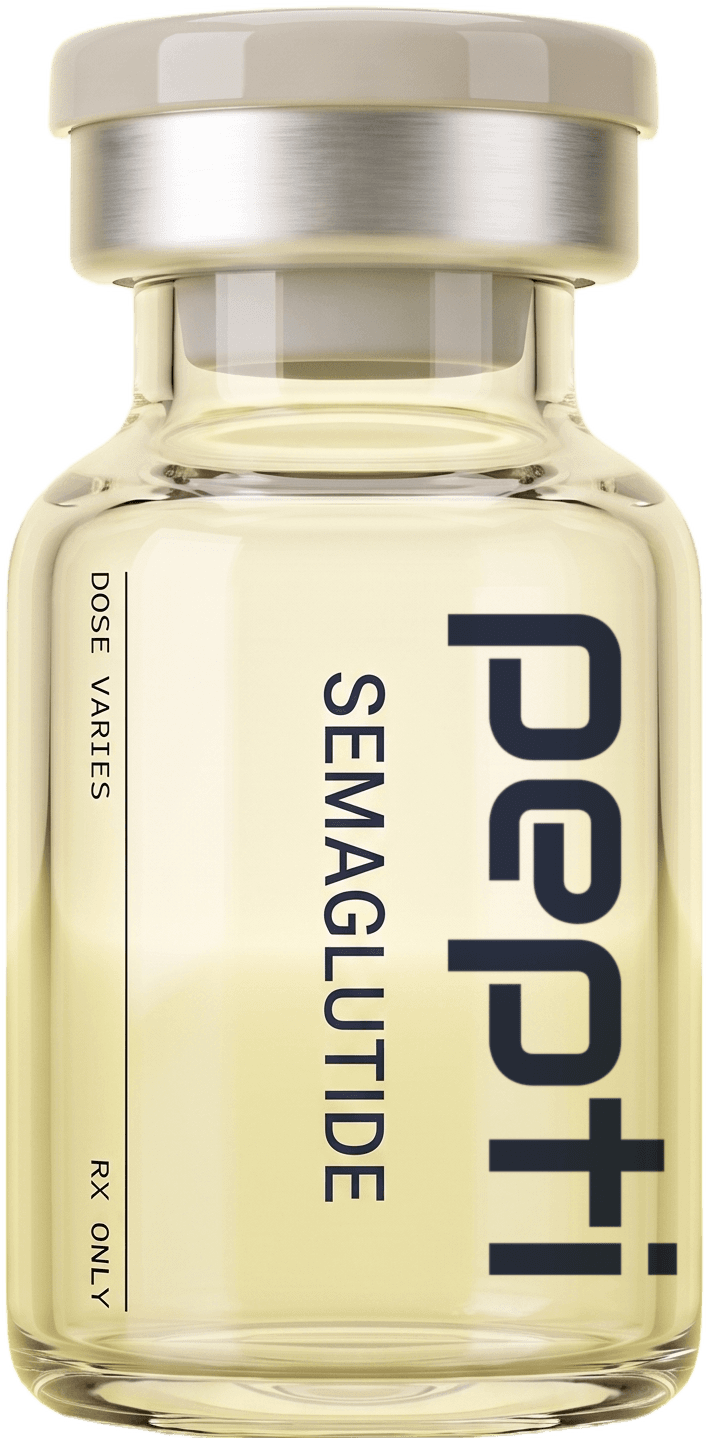
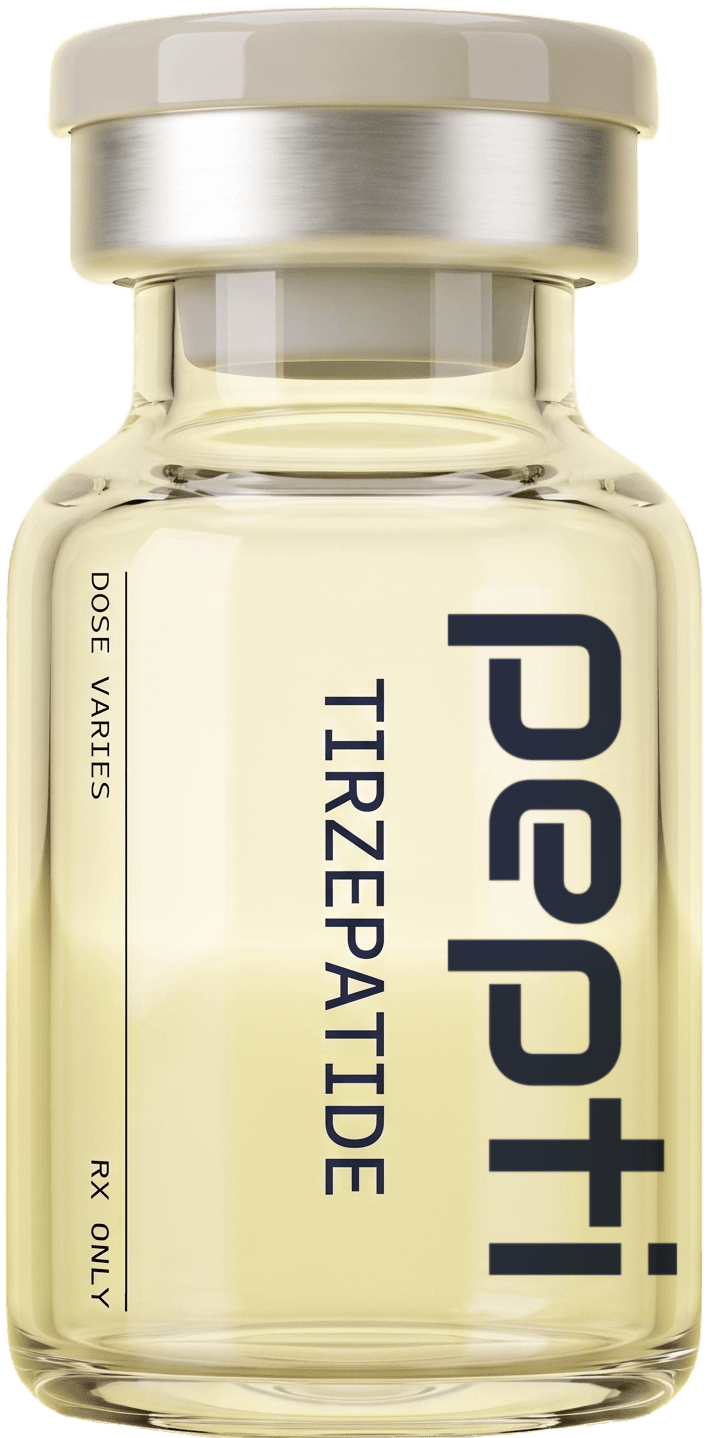
Treatments mentioned
Period changes are not listed among the side effects of semaglutide or tirzepatide in Pepti's references, but the cycle can still change on treatment, mostly for an indirect reason: weight loss can bring back ovulation in people who were not ovulating regularly. A 2025 randomized trial in women with PCOS reported higher rates of menstrual cycle recovery on semaglutide plus metformin than on metformin alone. That means a period returning or becoming more regular can also mean pregnancy has become possible, which is why contraception is discussed at the start and why a missed period on a GLP-1 is worth a same-day message to your physician. Unusual bleeding of any kind should be reported rather than assumed to be the medication.
This page covers what the labels say, what the research on ovulation and PCOS reported, the contraception and pregnancy points that change with a GLP-1, and which changes to report.
GLP-1s and Period Changes
The short answer
| Question | Answer |
|---|---|
| Do the labels list period changes as a side effect? | Not in Pepti's references for either medication |
| Can my cycle change anyway? | Yes. Weight loss can restore ovulation in people who were not ovulating regularly |
| Is there a trial on periods and semaglutide? | A 2025 PCOS trial reported higher rates of menstrual cycle recovery with semaglutide plus metformin |
| Could I get pregnant more easily? | Possibly, which is why contraception is discussed first |
| Does tirzepatide affect the pill? | Yes. The label advises a non-oral or added barrier method for four weeks after starting and after each dose increase |
| Does semaglutide affect the pill? | Its label reports no clinically significant effect on ethinyl estradiol or levonorgestrel levels |
| My period is late on a GLP-1. What now? | Contact your physician the same day; the labels say treatment is discontinued when a pregnancy is recognized |
| Bleeding after menopause? | Any bleeding after twelve months without a period needs investigation |
The GLP-1 medications Pepti prescribes:
| Medication | How it acts | Price |
|---|---|---|
| Semaglutide | GLP-1 receptor; once-weekly injection from dose-specific vials | From $99/mo |
| Tirzepatide | GIP and GLP-1 receptors; once-weekly injection from dose-specific 2 mL vials | From $159/mo |
Prices are "from" prices and all-in, covering medication, physician review, refill management and shipping. Compounded medications are not FDA approved. The label information on this page comes from the approved manufactured products, which contain the same molecules.
GLP-1s and Period Changes
What the labels do and do not say
The side-effect tables on the approved semaglutide and tirzepatide labels, as summarized in Pepti's references, are dominated by gastrointestinal effects: nausea, diarrhea, vomiting, constipation and abdominal pain, along with headache, fatigue, dizziness and hair loss. Menstrual changes are not among them. That is an absence in Pepti's sources, not proof that a GLP-1 never affects anyone's cycle, and this page claims neither.
The animal reproduction studies on the labels do record cycle effects in rats. In the semaglutide fertility study, estrus-cycle length increased at all dose levels in females, with a small reduction in corpora lutea. In the tirzepatide study, female rats had prolonged diestrus and fewer corpora lutea at all dose levels. Both labels attribute these to the drugs' effects on food intake and body weight rather than a direct hormonal action, and rat cycles are not human periods.
| Source | What it reports about the cycle |
|---|---|
| Approved label side-effect tables | No menstrual changes listed in Pepti's references |
| Semaglutide rat fertility study | Longer estrus cycles; attributed to food intake and body weight |
| Tirzepatide rat fertility study | Prolonged diestrus; attributed to food intake and body weight |
| 2015 PCOS weight-loss trial | Weight loss before ovulation induction improved ovulation rates |
| 2025 PCOS semaglutide trial | Higher rates of menstrual cycle recovery with semaglutide plus metformin |
GLP-1s and Period Changes
Why weight loss can change your period
Reproduction runs on a pulse generator in the hypothalamus that drives the pituitary to release the hormones that mature a follicle and trigger ovulation. Body weight and metabolic health feed into that system. Obesity and insulin resistance are associated with reduced fertility, and in PCOS, ovulation is often irregular or absent. Substantial weight loss can restore ovulation, and a regular cycle follows ovulation.
The 2015 lifestyle trial
A randomized study in the Journal of Clinical Endocrinology and Metabolism in 2015 assigned 149 women with infertility due to PCOS and a body-mass index between 27 and 42 to sixteen weeks of continuous oral contraceptive pills, a lifestyle weight-loss program, or both, before standardized ovulation induction. Cumulative ovulation rates were 46% with the pill alone, 60% with lifestyle and 67% combined, a statistically significant difference favoring weight loss. Live birth rates were numerically higher in the weight-loss arms, but that difference did not reach significance.
The 2025 semaglutide trial
A randomized, controlled, open-label trial in Reproductive Biology and Endocrinology in 2025 assigned 100 women with overweight or obesity and PCOS to sixteen weeks of metformin alone or metformin plus once-weekly semaglutide, after which all continued on metformin alone and were followed to week 40. The semaglutide group lost more weight, had greater reductions in testosterone and inflammatory markers, had higher rates of menstrual cycle recovery, and had a higher natural pregnancy rate over follow-up, 35% against 15%. Eighty of the 100 completed the study.
A single, modestly sized, open-label trial from one center is not grounds to call semaglutide a treatment for irregular periods or PCOS. It is direct human evidence that cycles can change on treatment, and that the change can come with more conceptions, not fewer.
GLP-1s and Period Changes
What a period change can mean on a GLP-1
| What you notice | Possible explanations | What to do |
|---|---|---|
| Periods returning or becoming more regular | Ovulation returning as weight and metabolic health change | Make sure your contraception plan is current |
| A late or missed period | Pregnancy is possible, especially if ovulation has returned; there are other causes too | Contact your physician the same day |
| Irregular timing in your forties | The perimenopausal transition often begins in the forties | Raise it with your care team |
| Heavier or longer bleeding than usual | Many possible causes, not established as a GLP-1 effect | Message your care team |
| Any bleeding after twelve months without a period | Needs investigation | See your physician promptly |
| Heavy bleeding with dizziness, fainting or a racing heart | Needs urgent assessment | Call 911 |
If you might be pregnant
Contact your physician the same day. For the GLP-1 medications, the approved labeling for the weight-reduction population says they are discontinued when a pregnancy is recognized, and both approved products have pregnancy exposure registries your physician can tell you about. The wider guidance is in can you take peptides while pregnant.
Other things a cycle change can point to
Menstrual blood loss is one reason iron deficiency is common in women, and iron deficiency causes fatigue, hair shedding and low mood that are easy to blame on a medication. Hair loss on semaglutide was reported in 3.3% against 1% on placebo, almost entirely in women, and the label attributes it to weight reduction. If you notice heavier periods along with tiredness or shedding, tell your care team so the whole picture is looked at. More is in peptides for women.
GLP-1s and Period Changes
Contraception on a GLP-1
This is the practical point most likely to matter if your cycle changes.
Tirzepatide and the pill
The approved tirzepatide label states that it may reduce the efficacy of oral hormonal contraceptives because of delayed gastric emptying, that the delay is largest after the first dose and diminishes over time, and that people using oral hormonal contraceptives should switch to a non-oral method, or add a barrier method, for four weeks after starting and for four weeks after each dose increase. Hormonal contraceptives not taken by mouth are not expected to be affected.
Semaglutide and the pill
The drug interactions section of the approved semaglutide label reports no clinically significant differences in the pharmacokinetics of ethinyl estradiol or levonorgestrel when given alongside semaglutide. That is a real difference between the two molecules.
| Point | Semaglutide | Tirzepatide |
|---|---|---|
| Effect on oral contraceptives | No clinically significant difference reported on its label | May reduce efficacy; non-oral or added barrier method for four weeks after starting and after each increase |
| Non-oral hormonal methods | Not described as affected | Not expected to be affected |
| Planned pregnancy | Discontinue at least two months before, because of the long half-life | No published interval; timing is a conversation with your physician |
| Pregnancy recognized | Discontinued | Discontinued |
Ask your physician what they recommend for you specifically, and for how long. The full detail is in do peptides affect fertility.
GLP-1s and Period Changes
What the evidence shows, honestly
There is no study in Pepti's references that looked at period changes as a side effect of semaglutide or tirzepatide in the general population. The evidence that exists is narrower: label tables that do not list menstrual effects, rat studies that attribute cycle changes to eating less, and trials in women with PCOS where weight loss, including on semaglutide, was followed by more ovulation, more cycle recovery and more pregnancies.
What follows from that is practical rather than reassuring or alarming. A change in your cycle on a GLP-1 is plausible, it may reflect ovulation returning, and the main thing it changes is your pregnancy risk. Report changes, keep contraception current, and do not assume any new or unusual bleeding is the medication.
GLP-1s and Period Changes
Where to get a GLP-1 prescribed
Semaglutide and tirzepatide cannot be bought legitimately without a prescription. Products sold "for research use only" have no accountable pharmacy behind their identity, purity, sterility or concentration. The prescription route:
- Complete a free online intake covering your history, medications and what you want help with, including your contraception and any plans for pregnancy.
- A physician licensed in your state reviews it, usually within 24 hours.
- If it is appropriate, a PCAB-accredited, FDA-registered US 503A compounding pharmacy prepares it to that prescription. Lot test results are published at /quality/lab-results.
- It ships refrigerated with ice packs, with sterile syringes and alcohol prep pads, and your directions printed on the vial.
- Your care team stays reachable for side effects and questions. Refills run every 28 days, one vial per fill.
Pepti is cash-pay and does not bill insurance. Bloodwork is not required for any Pepti treatment. If your physician wants labs for your care, they'll ask through your account. The step-by-step pages are how to get semaglutide prescribed online and how to get tirzepatide prescribed online.
References
What this is based on.
References
- Wilding JPH, Batterham RL, Calanna S, et al.. Once-Weekly Semaglutide in Adults with Overweight or Obesity (STEP 1) · New England Journal of Medicine (2021) · PMID 33567185
- Lincoff AM, Brown-Frandsen K, Colhoun HM, et al.. Semaglutide and Cardiovascular Outcomes in Obesity without Diabetes (SELECT) · New England Journal of Medicine (2023) · PMID 37952131
- Wadden TA, Bailey TS, Billings LK, et al.. Effect of subcutaneous semaglutide vs placebo as an adjunct to intensive behavioral therapy on body weight in adults with overweight or obesity (STEP 3) · JAMA (2021) · PMID 33625476
- Rubino D, Abrahamsson N, Davies M, et al.. Effect of Continued Weekly Subcutaneous Semaglutide vs Placebo on Weight Loss Maintenance in Adults With Overweight or Obesity: The STEP 4 Randomized Clinical Trial · JAMA (2021) · PMID 33755728
- Marso SP, Bain SC, Consoli A, et al.. Semaglutide and Cardiovascular Outcomes in Patients with Type 2 Diabetes (SUSTAIN-6) · New England Journal of Medicine (2016) · PMID 27633186
- Davies M, Færch L, Jeppesen OK, et al.. Semaglutide 2.4 mg once a week in adults with overweight or obesity, and type 2 diabetes (STEP 2): a randomised, double-blind, double-dummy, placebo-controlled, phase 3 trial · The Lancet (2021) · PMID 33667417
- Garvey WT, Batterham RL, Bhatta M, et al.. Two-year effects of semaglutide in adults with overweight or obesity: the STEP 5 trial · Nature Medicine (2022) · PMID 36216945
- Rubino DM, Greenway FL, Khalid U, et al.. Effect of Weekly Subcutaneous Semaglutide vs Daily Liraglutide on Body Weight in Adults With Overweight or Obesity Without Diabetes: The STEP 8 Randomized Clinical Trial · JAMA (2022) · PMID 35015037
- Aronne LJ, Horn DB, le Roux CW, et al.. Tirzepatide as Compared with Semaglutide for the Treatment of Obesity (SURMOUNT-5) · New England Journal of Medicine (2025) · PMID 40353578
- Sanyal AJ, Newsome PN, Kliers I, et al.. Phase 3 Trial of Semaglutide in Metabolic Dysfunction-Associated Steatohepatitis (ESSENCE) · New England Journal of Medicine (2025) · PMID 40305708
- Wilding JPH, Batterham RL, Davies M, Van Gaal LF, Kandler K et al.. Weight regain and cardiometabolic effects after withdrawal of semaglutide: The STEP 1 trial extension · Diabetes Obes Metab (2022) · PMID 35441470
- Batsis JA, Gavras A, Gross DC, Cheever CR, Da Silva BR et al.. Effect of Incretin-Based and Nonpharmacologic Weight Loss on Body Composition: A Systematic Review · Ann Intern Med (2026) · PMID 41996180
Citations are provided for educational purposes. They do not constitute medical advice. Always discuss any peptide protocol with your prescribing physician.
Common questions
GLP-1s and Period Changes, answered.
Period changes are not listed as a semaglutide side effect in Pepti's references. Cycles can still change, mostly because weight loss can restore ovulation. A 2025 PCOS trial reported higher rates of menstrual cycle recovery on semaglutide plus metformin than on metformin alone.
Pepti's references do not list menstrual changes among tirzepatide's side effects. The same indirect route applies: weight loss can bring back ovulation. Tirzepatide can also make oral contraceptives less reliable for four weeks after starting and after each dose increase.
There are several possible reasons, including ovulation returning as weight changes, pregnancy, the perimenopausal transition, or something unrelated to the medication. Report it to your care team rather than assuming the cause.
A late period on a GLP-1 can mean pregnancy, especially if ovulation has returned, so contact your physician the same day. Pepti's references do not describe late periods as a direct side effect.
Pepti's references do not describe heavier periods as a GLP-1 effect. Heavier or longer bleeding than usual should be reported, and heavy bleeding with dizziness or fainting needs 911.
One randomized, open-label trial in 2025 in 100 women with PCOS reported higher rates of menstrual cycle recovery with semaglutide plus metformin than metformin alone. That single trial is not enough to call semaglutide a PCOS treatment, and Pepti does not prescribe it for that.
It is possible. Weight loss can restore ovulation, and the 2025 PCOS trial reported a natural pregnancy rate of 35% on semaglutide plus metformin against 15% on metformin alone. That is why contraception is part of the first conversation.
If you use an oral hormonal contraceptive, the approved tirzepatide label advises switching to a non-oral method or adding a barrier method for four weeks after starting and four weeks after each dose increase. Non-oral hormonal methods are not expected to be affected.
The approved semaglutide label reports no clinically significant differences in ethinyl estradiol or levonorgestrel levels alongside semaglutide. Confirm your own plan with your physician.
Contact your physician the same day. The approved labeling says GLP-1 treatment for weight reduction is discontinued when a pregnancy is recognized, and both approved products have pregnancy exposure registries.
Pepti's references do not describe that. Any bleeding after twelve months without a period needs investigation, whatever medication you take, so see your physician promptly. The free assessment goes to a physician licensed in your state. A consultation does not guarantee a prescription.
Next step
See what a physician recommends for you.
A licensed physician in your state reviews your intake and decides what is appropriate. A consultation does not guarantee a prescription.