Weight Loss · Reference
GLP-1 and Food Noise: What It Is and What Semaglutide and Tirzepatide Change
"Food noise" is the everyday term for constant, intrusive thoughts about food, and many people on semaglutide or tirzepatide describe it going quiet.
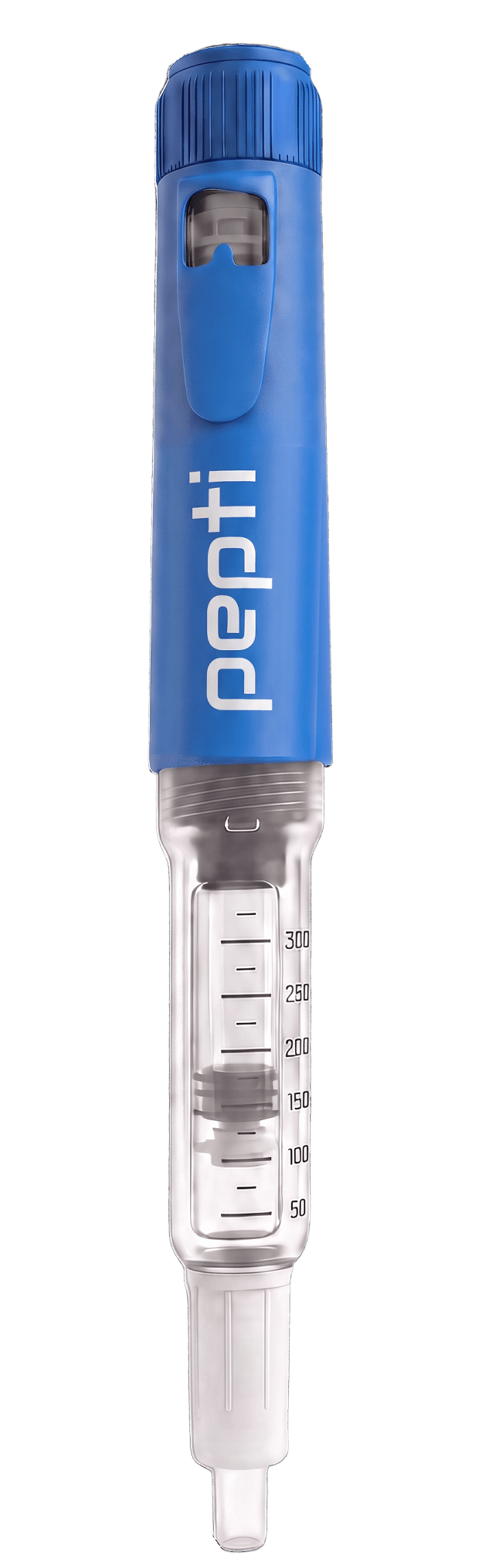
Treatments mentioned
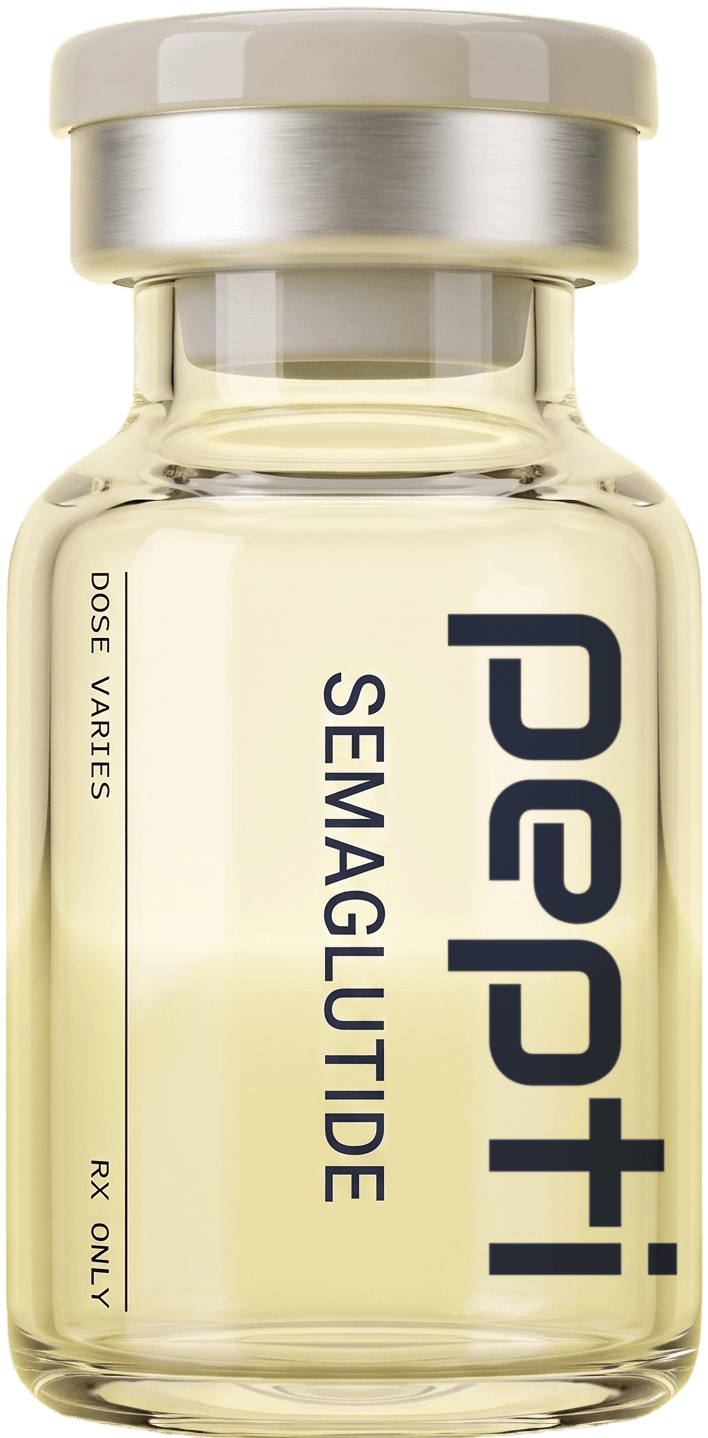
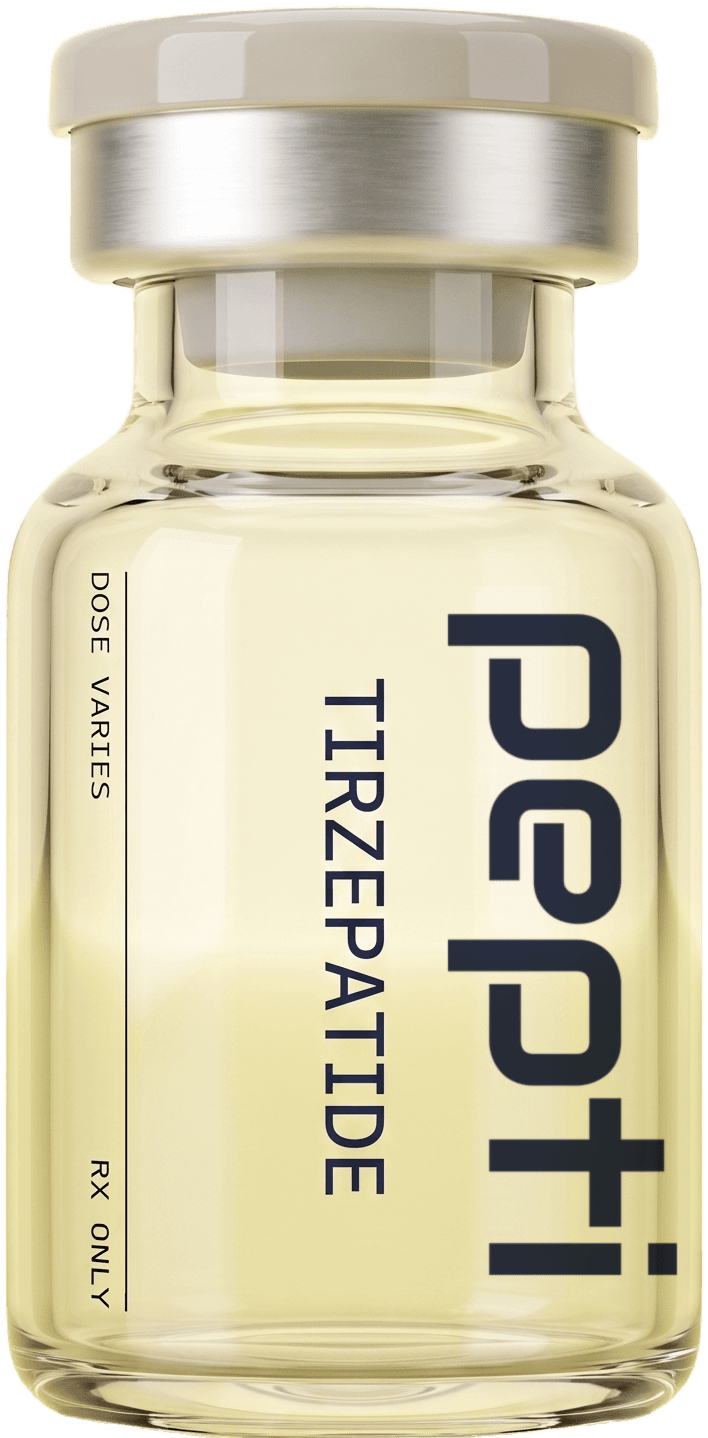
The likely reason is that GLP-1 receptors in the hypothalamus and brainstem help regulate hunger and fullness, and human feeding studies describe reduced hunger, fewer cravings and lower energy intake on these medications. Food noise itself is not a measured trial outcome, so how much it changes for any one person is not established. Appetite returns over a few weeks after stopping, and the withdrawal trials reported substantial regain.
This page explains what food noise is, what the medications are known to do to appetite, what is and is not established, and the practical points that come with a quieter appetite.
GLP-1 and Food Noise
The short answer
| Question | Answer |
|---|---|
| What is food noise? | A patient term for persistent, intrusive thoughts about food and eating, not a medical diagnosis |
| Do GLP-1s change it? | Patients most often describe it going quiet; feeding studies describe less hunger, fewer cravings and lower intake |
| Why? | GLP-1 receptors in the hypothalamus and brainstem regulate hunger and fullness; slower stomach emptying adds lasting fullness |
| Is it a trial outcome? | No. The trials measured weight and side effects, not "food noise" |
| Does it last after stopping? | Appetite returns over a few weeks as the drug clears |
| Main practical risk | Eating too little, especially protein and fluid |
| Is it a stimulant effect? | No. A GLP-1 is not a stimulant |
The GLP-1 medications Pepti prescribes:
| Medication | How it acts | What is in it | Price |
|---|---|---|---|
| Semaglutide | GLP-1 receptor only | Dose-specific vials at six strengths, starting with 1 mg per 1 mL at the 0.25 mg starting dose | From $99/mo, priced by dose |
| Tirzepatide | GIP and GLP-1 receptors | Dose-specific 2 mL vials at six strengths, 2.5 mg to 15 mg; the 2.5 mg and 7.5 mg vials include glycine | From $159/mo, priced by dose |
Prices are all-in: medication, physician review, refill management and shipping, with no membership fee. Compounded medications are not FDA approved; the research below belongs to the approved manufactured products, which contain the same molecules.
GLP-1 and Food Noise
What "food noise" means
Food noise is not a term from a label or a diagnostic manual. It is the phrase people use for a background of thoughts about food: what to eat next, whether to have more, cravings that keep returning after a meal. People who describe it often say it was not hunger in the stomach so much as a running commentary they could not switch off.
Because it is a patient description, it overlaps with several things researchers do measure: hunger, fullness, cravings and how much people eat at a test meal. It is reasonable to read "food noise going quiet" as the lived version of those measurements, but that link is an interpretation, not a finding.
GLP-1 and Food Noise
Why GLP-1 medications quiet appetite
GLP-1 is a hormone your gut releases after a meal. The medications copy its effects for days at a time, and two of those effects bear on appetite.
| Effect | Where it acts | How it relates to food noise |
|---|---|---|
| Appetite signaling | Hypothalamus and brainstem | Less hunger and fewer cravings, often described by patients as "food noise" going quiet |
| Slower stomach emptying | The stomach | Fullness lasts longer after a meal, so the prompt to eat again comes later |
| GIP receptor activity (tirzepatide only) | Fat tissue, the pancreas and the brain | A second gut-hormone receptor; how it shapes appetite in people is still being worked out |
Both approved labels state that GLP-1 receptors are present in brain areas involved in appetite regulation, and that animal studies show the drug reaching and activating neurons in those regions. In the weight-management trials, the appetite mechanism carries most of the weight change. A GLP-1 is not a stimulant and does not force the body to burn anything; the change works through how much a person wants to eat.
The appetite effect and the side effects come from the same place. Slower emptying is behind early fullness and nausea, and the brainstem is involved in nausea as well as appetite. That is why the quieter appetite usually arrives alongside the early-week side effects rather than separately. The side effects are covered in GLP-1 side effects.
GLP-1 and Food Noise
What the research measured, and what it did not
| What was measured | What it shows | Its limits |
|---|---|---|
| Hunger, cravings and intake in human feeding studies | Reduced hunger, fewer cravings and lower energy intake on GLP-1 medication | Short, controlled settings; group averages |
| Weight in the large randomized trials | Weight change carried mostly by reduced appetite | Weight is the outcome, not thoughts about food |
| Withdrawal trials (STEP 4 for semaglutide, SURMOUNT-4 for tirzepatide) | Substantial regain after switching to placebo | Describes weight, not appetite directly |
| "Food noise" as a named outcome | Not measured in the trials described here | It remains a patient description |
So the honest summary is: the appetite effect is well documented, and "food noise going quiet" is how many patients describe it, but nobody can tell you in advance whether or how much your own food thoughts will change, or when.
GLP-1 and Food Noise
What happens to food noise after stopping
There is no withdrawal syndrome, but appetite returns over a few weeks as the drug clears. STEP 4 reported that people switched from semaglutide to placebo regained about two-thirds of the weight they had lost within a year, and SURMOUNT-4 reported substantial regain over a year after switching from tirzepatide to placebo. Both medications work while they are being taken, which is why treatment is framed as ongoing, with refills every 28 days, rather than as a course.
Stopping is a decision to make with your care team. More on what changes is in what happens when you stop taking peptides.
GLP-1 and Food Noise
The practical side of a quieter appetite
A quieter appetite is the point of the treatment, and it also brings the most common mistake: eating too little. When the prompt to eat fades, protein and fluid are usually the first things to go.
| What tends to happen | What usually helps |
|---|---|
| Skipping meals because you are not hungry | Regular, smaller meals even without much appetite |
| Protein disappears first | Start each meal with the protein portion |
| Old portion sizes overshoot | Plate less, eat slowly, stop at the first fullness |
| Forgetting to drink | Fluids through the day, between meals |
| Fried and rich meals sit heavily | Keep very fatty food to a minimum |
This eating advice rests on the mechanism and on clinical experience rather than on trials that randomized people to eating instructions. The fuller guide is what to eat on a GLP-1, and protein and training are in GLP-1 and exercise.
If your relationship with food is the real issue
The Pepti intake asks about any history of an eating disorder for a reason: appetite suppression and restriction interact, and an appetite-quieting medication is the wrong tool when the relationship with food is the actual problem. If you notice yourself restricting, feeling anxious about eating, or using the quieter appetite to eat far less than you need, tell your care team. Mood changes on a GLP-1 are covered in GLP-1 anxiety and depression.
GLP-1 and Food Noise
When to message your care team
| What you notice | What to do |
|---|---|
| You are barely eating or drinking | Message your care team |
| Dizziness, weakness or fatigue from not eating | Message your care team |
| Food noise has not changed and appetite feels the same | Message your care team; do not change your dose yourself |
| Low mood, or worrying thoughts about food or eating | Message your care team promptly |
| Vomiting that stops you keeping fluids down | Contact your care team the same day |
| Swelling of the face or throat, or trouble breathing | Call 911 |
If appetite has not changed at your current strength, that is not a reason to take more. Your physician sets your directions after reviewing how you are doing, and they are printed on your vial. Never change your own dose. Common reasons a GLP-1 can seem not to work are in why am I not losing weight on semaglutide.
Bloodwork is not required for any Pepti treatment. If your physician wants labs for your care, they'll ask through your account.
GLP-1 and Food Noise
What the evidence shows, honestly
That GLP-1 medications reduce appetite is among the best-established facts about them: it is in the approved labels, it has been measured in human feeding studies, and it carries most of the weight change in very large randomized trials. Those trials belong to the approved manufactured products; compounded vials contain the same molecules but have not been trialed.
What is not established is "food noise" as a measured thing. It is a useful phrase for a real experience, but the trials did not score it, so any claim about how quickly or completely it fades, or that one medication quiets it more than the other, goes beyond the evidence. Any product sold as a natural way to switch off food noise has no comparable trial behind it; see natural GLP-1 boosters.
GLP-1 and Food Noise
Where to get a GLP-1 prescribed
GLP-1 medications cannot be bought legitimately without a prescription. Products sold "for research use only" have no accountable pharmacy behind their identity, purity, sterility or concentration. The prescription route:
- Complete a free online intake covering your history, medications and what you want help with.
- A physician licensed in your state reviews it, usually within 24 hours.
- If it is appropriate, a PCAB-accredited, FDA-registered US 503A pharmacy compounds it to that prescription. Lot test results are published at /quality/lab-results.
- It ships refrigerated with ice packs, with sterile syringes and alcohol prep pads, and your directions printed on the vial.
- Your care team stays reachable for side effects and dose questions. Refills run every 28 days, one vial per fill.
Pepti is cash-pay and does not bill insurance. Step-by-step pages: how to get semaglutide prescribed online and how to get tirzepatide prescribed online.
References
What this is based on.
References
- Wilding JPH, Batterham RL, Calanna S, et al.. Once-Weekly Semaglutide in Adults with Overweight or Obesity (STEP 1) · New England Journal of Medicine (2021) · PMID 33567185
- Lincoff AM, Brown-Frandsen K, Colhoun HM, et al.. Semaglutide and Cardiovascular Outcomes in Obesity without Diabetes (SELECT) · New England Journal of Medicine (2023) · PMID 37952131
- Wadden TA, Bailey TS, Billings LK, et al.. Effect of subcutaneous semaglutide vs placebo as an adjunct to intensive behavioral therapy on body weight in adults with overweight or obesity (STEP 3) · JAMA (2021) · PMID 33625476
- Rubino D, Abrahamsson N, Davies M, et al.. Effect of Continued Weekly Subcutaneous Semaglutide vs Placebo on Weight Loss Maintenance in Adults With Overweight or Obesity: The STEP 4 Randomized Clinical Trial · JAMA (2021) · PMID 33755728
- Marso SP, Bain SC, Consoli A, et al.. Semaglutide and Cardiovascular Outcomes in Patients with Type 2 Diabetes (SUSTAIN-6) · New England Journal of Medicine (2016) · PMID 27633186
- Davies M, Færch L, Jeppesen OK, et al.. Semaglutide 2.4 mg once a week in adults with overweight or obesity, and type 2 diabetes (STEP 2): a randomised, double-blind, double-dummy, placebo-controlled, phase 3 trial · The Lancet (2021) · PMID 33667417
- Garvey WT, Batterham RL, Bhatta M, et al.. Two-year effects of semaglutide in adults with overweight or obesity: the STEP 5 trial · Nature Medicine (2022) · PMID 36216945
- Rubino DM, Greenway FL, Khalid U, et al.. Effect of Weekly Subcutaneous Semaglutide vs Daily Liraglutide on Body Weight in Adults With Overweight or Obesity Without Diabetes: The STEP 8 Randomized Clinical Trial · JAMA (2022) · PMID 35015037
- Aronne LJ, Horn DB, le Roux CW, et al.. Tirzepatide as Compared with Semaglutide for the Treatment of Obesity (SURMOUNT-5) · New England Journal of Medicine (2025) · PMID 40353578
- Sanyal AJ, Newsome PN, Kliers I, et al.. Phase 3 Trial of Semaglutide in Metabolic Dysfunction-Associated Steatohepatitis (ESSENCE) · New England Journal of Medicine (2025) · PMID 40305708
- Wilding JPH, Batterham RL, Davies M, Van Gaal LF, Kandler K et al.. Weight regain and cardiometabolic effects after withdrawal of semaglutide: The STEP 1 trial extension · Diabetes Obes Metab (2022) · PMID 35441470
- Batsis JA, Gavras A, Gross DC, Cheever CR, Da Silva BR et al.. Effect of Incretin-Based and Nonpharmacologic Weight Loss on Body Composition: A Systematic Review · Ann Intern Med (2026) · PMID 41996180
Citations are provided for educational purposes. They do not constitute medical advice. Always discuss any peptide protocol with your prescribing physician.
Common questions
GLP-1 and Food Noise, answered.
A patient term for constant, intrusive thoughts about food: what to eat next, cravings that return soon after a meal, difficulty switching off from food. It is not a medical diagnosis.
Many people on semaglutide or tirzepatide describe food noise going quiet, and human feeding studies describe less hunger, fewer cravings and lower intake. Food noise itself was not a trial outcome, so how much it changes for one person is not established.
GLP-1 receptors in the hypothalamus and brainstem regulate hunger and fullness, and semaglutide acts on them. It also slows stomach emptying, so fullness lasts longer after a meal.
That has not been measured. Tirzepatide also acts on the GIP receptor, and the two are compared in semaglutide vs tirzepatide, but no trial described here scored food noise for either.
There is no established timeline. Treatment starts at the lowest strength and steps up, and people differ. If appetite has not changed, message your care team rather than changing your dose.
Appetite returns over a few weeks as the drug clears, and the withdrawal trials reported substantial weight regain over the following year in people switched to placebo.
Not quite. Hunger is a physical signal; food noise is how people describe the thoughts and cravings around food. They overlap, and both relate to the appetite signaling GLP-1 medications act on.
Yes, if it leads to eating too little. Protein and fluid are usually the first to drop. Regular smaller meals, protein first and fluids through the day help; see what to eat on a GLP-1.
Appetite can feel different through the week and across the dose ladder, and missed doses let tolerance fade. Tell your care team what you notice; your directions are printed on your vial.
They contain the same molecules, so the same appetite mechanism applies. Compounded medications are not FDA approved and have not been trialed themselves. The free assessment goes to a physician licensed in your state. A consultation does not guarantee a prescription.
Related answers
Keep reading.
- What Is a GLP-1? Meaning, How GLP-1 Medications Work, and the List by Generic Name
- GLP-1s for Men: What Is Different and What Is Not on Semaglutide or Tirzepatide
- GLP-1s for Women Over 40: Perimenopause, Bone, Contraception and What the Trials Show
- Semaglutide Hair Loss: How Common It Is, Why It Happens, and Tirzepatide Too
- GLP-1 Headache: Why Semaglutide and Tirzepatide Can Cause Headaches
Next step
See what a physician recommends for you.
A licensed physician in your state reviews your intake to see whether treatment fits your history. A consultation does not guarantee a prescription.