Weight Loss · Reference
GLP-1s and Your Kidneys: What Semaglutide and Tirzepatide Labels Say
Semaglutide and tirzepatide are not described as directly toxic to the kidneys; the kidney risk documented on both approved labels is acute kidney injury caused by dehydration, mostly in people whose vomiting or diarrhea drained their fluids.
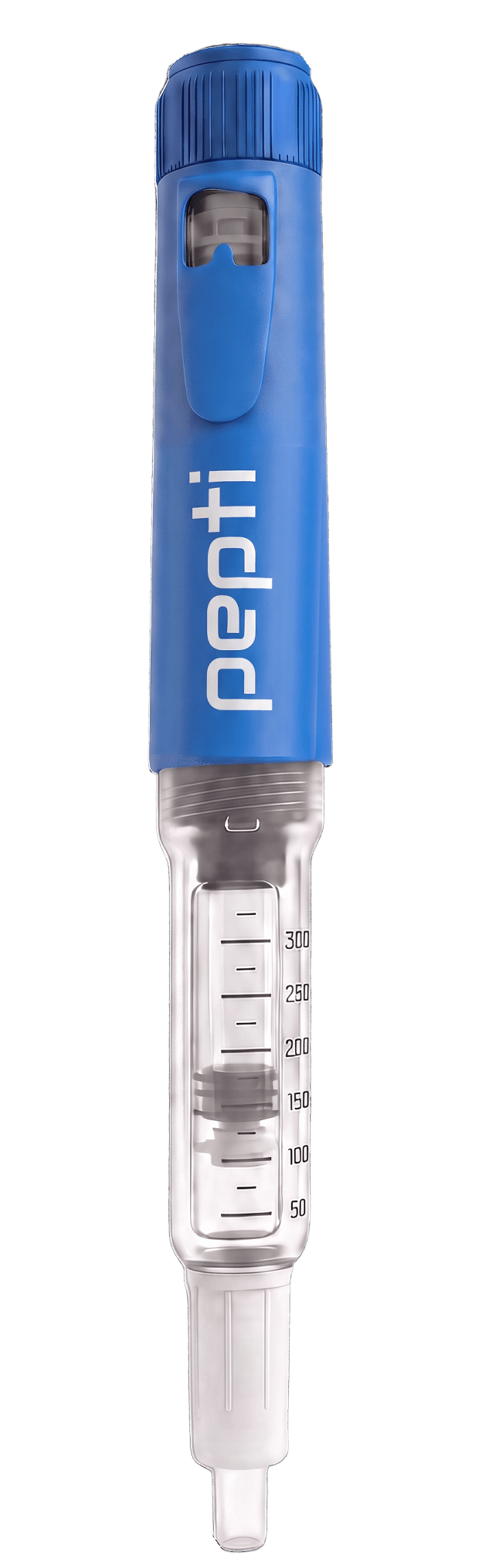
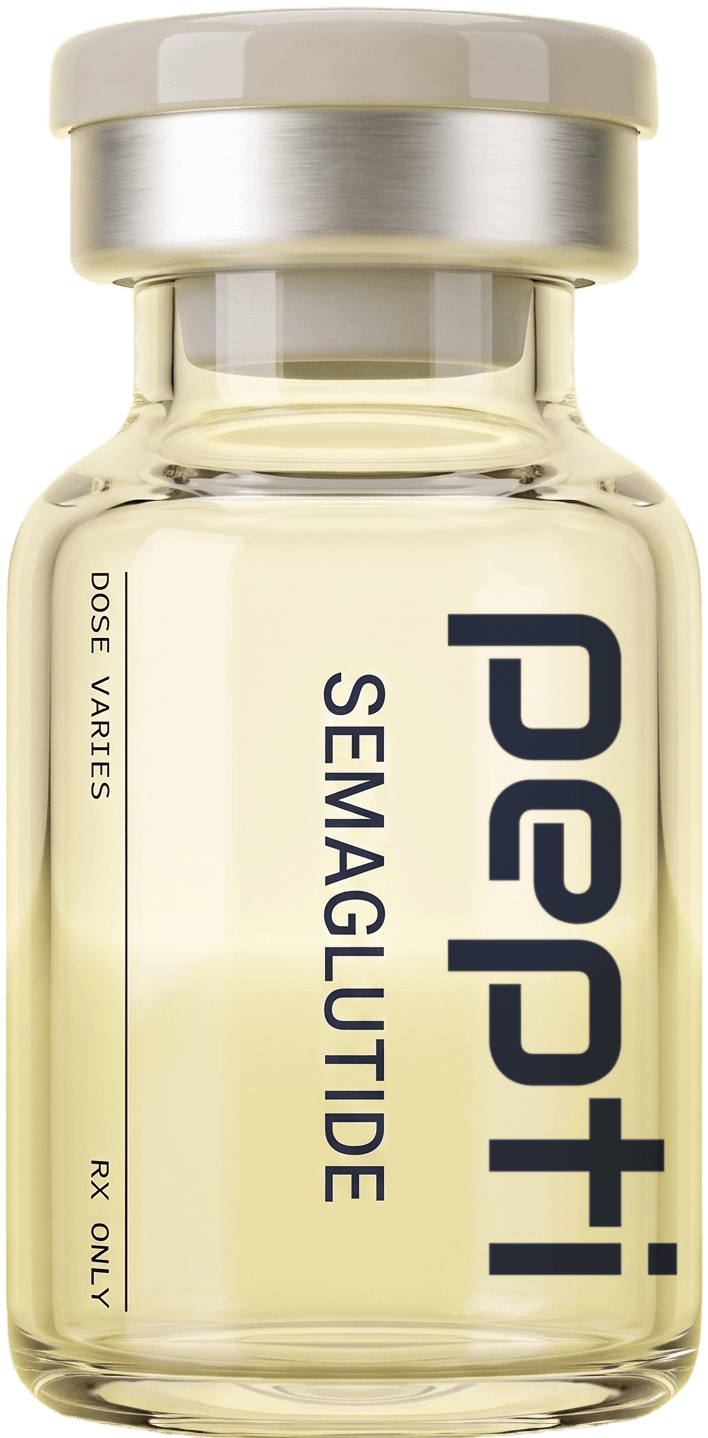
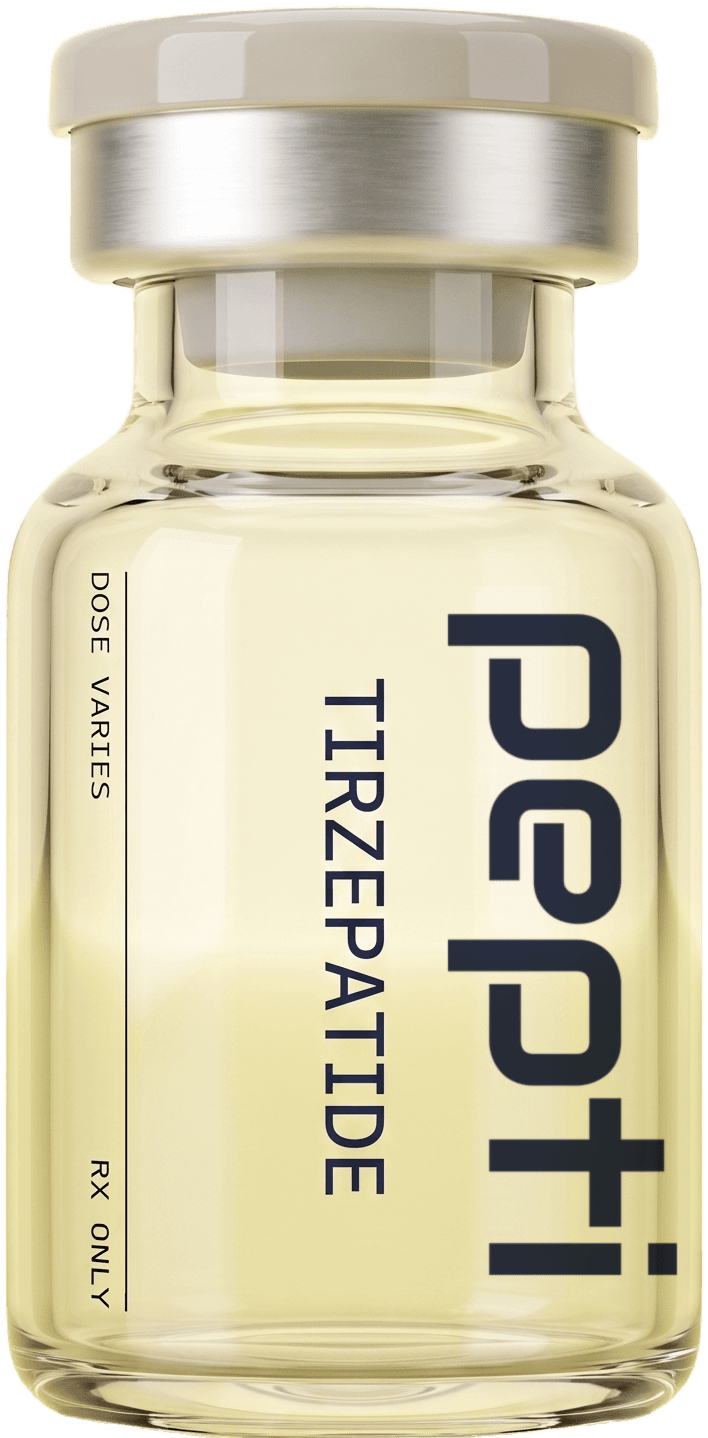
Treatments mentioned
In the semaglutide weight-management trials, acute kidney injury occurred in 0.4 per 100 patient-years, and the approved tirzepatide label requires no dose change for kidney impairment. The practical rule is simple: keep fluids up, and tell your care team the same day if you cannot keep fluids down, your urine turns dark or you stop passing urine. Existing kidney disease belongs on your intake so your physician can plan around it.
This page covers what the labels and the long trials say about GLP-1 medications and the kidneys, why dehydration is the mechanism that matters, the warning signs, and what to share before you start.
GLP-1s and Your Kidneys
The short answer
| Question | Answer |
|---|---|
| Do GLP-1 medications damage the kidneys directly? | Neither label describes direct kidney toxicity; the approved tirzepatide label calls for no dose change in kidney impairment |
| What is the documented kidney risk? | Acute kidney injury from volume depletion, usually after vomiting or diarrhea |
| How often did it happen with semaglutide? | 7 adults on semaglutide against 4 on placebo in the pooled trials, 0.4 per 100 patient-years |
| Has anyone needed dialysis? | Post-marketing reports include kidney injury needing dialysis, mostly after dehydration |
| Who is at higher risk? | People with existing kidney impairment, and anyone during dose escalation |
| Are there kidney stone observations? | Yes, the current semaglutide label draws kidney-stone observations from SELECT |
| Has a GLP-1 been studied in chronic kidney disease? | Yes. FLOW enrolled 3,533 adults with type 2 diabetes and chronic kidney disease |
| What should I watch for? | Dark urine, little or no urine, dizziness on standing, not keeping fluids down |
The GLP-1 medications Pepti prescribes:
| Medication | How it acts | Price |
|---|---|---|
| Semaglutide | GLP-1 receptor; once-weekly injection from dose-specific vials | From $99/mo |
| Tirzepatide | GIP and GLP-1 receptors; once-weekly injection from dose-specific 2 mL vials | From $159/mo |
Prices are "from" prices and all-in, covering medication, physician review, refill management and shipping, with no membership fee. Compounded medications are not FDA approved. The kidney data on this page comes from trials and labels for the approved manufactured products, which contain the same molecules.
GLP-1s and Your Kidneys
Why the kidney risk runs through dehydration
GLP-1 medications slow how fast the stomach empties and act on appetite centers in the brain. That is how they work, and it is also why the common side effects are nausea, vomiting, diarrhea and eating and drinking less than usual. Each of those reduces the fluid in your body.
The kidneys filter blood. When the volume of fluid in the circulation falls far enough, blood flow to the kidneys falls with it, and they can be injured. That is the chain the labels describe: not the drug acting on the kidney, but the drug's gastrointestinal effects leaving someone dehydrated.
The approved semaglutide label made this explicit in its August 2025 revision, retitling the section "Acute Kidney Injury Due to Volume Depletion." Pepti's tirzepatide references describe the same mechanism in plain terms: tirzepatide is not toxic to the kidney, and the risk runs through fluid loss.
| Step | What happens |
|---|---|
| 1 | Nausea, vomiting or diarrhea, most often after starting or after a dose increase |
| 2 | Less fluid taken in, more fluid lost |
| 3 | Blood volume falls; blood pressure can drop |
| 4 | Less blood reaches the kidneys |
| 5 | Acute kidney injury, in a small number of people |
The early steps are common and usually mild. The last step is uncommon. The point of knowing the chain is that you can interrupt it early, at step 1 or 2, by drinking and by reporting vomiting that will not stop.
GLP-1s and Your Kidneys
What the approved labels report
Semaglutide
In the pooled weight-management trials, acute kidney injury occurred in 7 adults on semaglutide (0.4 per 100 patient-years) against 4 on placebo. After approval, there have been reports of kidney injury, some requiring dialysis, most in people whose nausea, vomiting or diarrhea led to dehydration. The label notes that risk was higher in people with existing kidney impairment and during titration, the period when the dose is being stepped up.
Low blood pressure was reported in 1.3% on semaglutide against 0.4% on placebo, and fainting in 0.8% against 0.2%, both more frequent in people already taking blood-pressure medication. Low blood pressure matters here because it compounds the effect of lost fluid.
Tirzepatide
The approved tirzepatide label records post-marketing reports of acute kidney injury, some needing dialysis, mostly in people whose vomiting or diarrhea led to dehydration. It requires no dose adjustment for kidney or liver impairment. Prescribers are told to monitor kidney function in anyone reporting side effects that could cause fluid loss, particularly during initiation and escalation.
Low blood pressure was reported in 1.6% on tirzepatide against 0.1% on placebo, more often in people on blood-pressure medication, and the label links it to gastrointestinal events and dehydration.
| Label point | Semaglutide | Tirzepatide |
|---|---|---|
| Kidney warning | Acute kidney injury due to volume depletion | Acute kidney injury from dehydration |
| Trial rate | 0.4 per 100 patient-years, 7 against 4 on placebo | Reported after approval; mechanism is fluid loss |
| Dialysis reported | Yes, post-marketing, mostly after dehydration | Yes, post-marketing, mostly after dehydration |
| Dose change for kidney impairment | Not described in Pepti's references | None required |
| Low blood pressure | 1.3% against 0.4% | 1.6% against 0.1% |
| Higher-risk moments | Existing kidney impairment; titration | Initiation and escalation |
Both molecules share the same side-effect categories, so the practical advice is the same for either.
GLP-1s and Your Kidneys
What the long trials add
FLOW
FLOW, published in the New England Journal of Medicine in 2024, randomized 3,533 adults with type 2 diabetes and chronic kidney disease to semaglutide 1 mg or placebo for a median of 3.4 years. Serious adverse events were reported in a lower share of the semaglutide group than placebo (49.6% against 53.8%). It matters for this question because it is a large, long trial run specifically in people whose kidneys were already affected. Pepti's references summarize its safety results; this page does not go further than that.
SELECT
SELECT, in the New England Journal of Medicine in 2023, followed 17,604 adults aged 45 or older with established heart disease and no diabetes for a mean of 39.8 months. The current semaglutide label draws its kidney-stone observations from SELECT, along with its fracture and serious low blood sugar observations. Pepti's references do not give the kidney-stone rate, so this page does not either.
| Trial | Who was in it | What it adds on kidneys |
|---|---|---|
| FLOW (NEJM, 2024) | 3,533 adults with type 2 diabetes and chronic kidney disease, median 3.4 years | Long exposure in people with existing kidney disease; serious adverse events 49.6% against 53.8% on placebo |
| SELECT (NEJM, 2023) | 17,604 adults 45 and older with heart disease, mean 39.8 months | Kidney-stone observations on the current semaglutide label |
| Pooled weight-management trials | Adults with overweight or obesity | Acute kidney injury 0.4 per 100 patient-years on semaglutide |
GLP-1s and Your Kidneys
Warning signs and what to do
| What you notice | What it may mean | What to do |
|---|---|---|
| Vomiting that lasts more than a day | Fluid loss building | Message your care team the same day |
| Not keeping fluids down at all | Dehydration | Contact your care team the same day |
| Dark urine, or much less urine than usual | Dehydration, with a risk to the kidneys | Contact your care team the same day |
| Not passing urine | Possible kidney injury | Seek medical care the same day |
| Light-headed or faint when you stand | Low blood pressure, often with fluid loss | Sit or lie down, drink, and report it |
| Diarrhea for more than a day or two, with dizziness | Fluid loss | Report it |
| Confusion, fainting, or feeling very unwell | Needs urgent assessment | Call 911 |
What helps
- Drink steadily through the day, especially in the days after a dose increase, when nausea and fullness make it easy to forget.
- If you are vomiting, small, frequent sips are easier to keep down than large drinks.
- Report vomiting rather than enduring it. A short phone or message exchange early is better than a kidney problem later.
- Smaller, slower meals reduce nausea, which reduces the chance of fluid loss in the first place. The longer guide is GLP-1 nausea: how to manage it.
- Go easy on alcohol, which can add to nausea, vomiting and dehydration. See can you drink alcohol on semaglutide.
Pepti physicians can prescribe ondansetron for nausea where they judge it appropriate. If nausea and vomiting have not settled at your current strength, tell your care team before the next step up. Your physician sets your directions after reviewing how you are doing, and they are printed on the vial. Never change your own dose.
GLP-1s and Your Kidneys
Kidney disease and starting a GLP-1
Chronic kidney disease does not automatically rule out a GLP-1 medication: FLOW was run in exactly that population, and the approved tirzepatide label calls for no dose change in kidney impairment. What it does is raise the stakes of dehydration, since the semaglutide label notes that risk of kidney injury was higher in people with existing kidney impairment.
Put these on your intake:
| Tell your physician about | Why |
|---|---|
| Any diagnosis of kidney disease, or being told your kidney function is reduced | Kidney injury risk from dehydration was higher with existing impairment |
| Kidney stones in the past | The semaglutide label carries kidney-stone observations from SELECT |
| Blood-pressure medication | Low blood pressure was more common in people taking it |
| Diuretics or anything else that affects fluid balance | Adds to fluid loss |
| Insulin or a sulfonylurea | Low blood sugar risk rises with these, and doses may need adjusting in advance |
| A history of severe vomiting or gut problems | Severe gastroparesis is a "not recommended" on the semaglutide label |
Bloodwork is not required for any Pepti treatment. If your physician wants labs for your care, they'll ask through your account.
GLP-1s and Your Kidneys
What the evidence shows, honestly
The kidney picture for GLP-1 medications is better documented than for almost any other medication Pepti prescribes, because the approved products went through large trials and years of reports after approval. The documented risk is specific: acute kidney injury when gastrointestinal side effects lead to dehydration. It is uncommon, it has warning signs, and the labels say how to watch for it.
The limits are worth stating. Post-marketing reports, including the dialysis cases, come from a population of unknown size, so no reliable frequency can be attached to them. The trial rates belong to the approved manufactured products rather than any compounded preparation, though the molecules, and so the side effects, are the same. Pepti's references describe the safety results of FLOW but not its kidney outcome results, so this page makes no claim that a GLP-1 protects the kidneys, and it should not be read as kidney treatment advice. Anyone with kidney disease should keep their own kidney specialist informed.
GLP-1s and Your Kidneys
Where to get a GLP-1 prescribed
Semaglutide and tirzepatide cannot be bought legitimately without a prescription. Products sold "for research use only" have no accountable pharmacy behind their identity, purity, sterility or concentration. The prescription route:
- Complete a free online intake covering your history, medications and what you want help with, including any kidney history.
- A physician licensed in your state reviews it, usually within 24 hours.
- If it is appropriate, a PCAB-accredited, FDA-registered US 503A compounding pharmacy prepares it to that prescription. Lot test results are published at /quality/lab-results.
- It ships refrigerated with ice packs, with sterile syringes and alcohol prep pads, and your directions printed on the vial.
- Your care team stays reachable for side effects and questions. Refills run every 28 days, one vial per fill.
Pepti is cash-pay and does not bill insurance. The step-by-step pages are how to get semaglutide prescribed online and how to get tirzepatide prescribed online.
References
What this is based on.
References
- Wilding JPH, Batterham RL, Calanna S, et al.. Once-Weekly Semaglutide in Adults with Overweight or Obesity (STEP 1) · New England Journal of Medicine (2021) · PMID 33567185
- Lincoff AM, Brown-Frandsen K, Colhoun HM, et al.. Semaglutide and Cardiovascular Outcomes in Obesity without Diabetes (SELECT) · New England Journal of Medicine (2023) · PMID 37952131
- Wadden TA, Bailey TS, Billings LK, et al.. Effect of subcutaneous semaglutide vs placebo as an adjunct to intensive behavioral therapy on body weight in adults with overweight or obesity (STEP 3) · JAMA (2021) · PMID 33625476
- Rubino D, Abrahamsson N, Davies M, et al.. Effect of Continued Weekly Subcutaneous Semaglutide vs Placebo on Weight Loss Maintenance in Adults With Overweight or Obesity: The STEP 4 Randomized Clinical Trial · JAMA (2021) · PMID 33755728
- Marso SP, Bain SC, Consoli A, et al.. Semaglutide and Cardiovascular Outcomes in Patients with Type 2 Diabetes (SUSTAIN-6) · New England Journal of Medicine (2016) · PMID 27633186
- Davies M, Færch L, Jeppesen OK, et al.. Semaglutide 2.4 mg once a week in adults with overweight or obesity, and type 2 diabetes (STEP 2): a randomised, double-blind, double-dummy, placebo-controlled, phase 3 trial · The Lancet (2021) · PMID 33667417
- Garvey WT, Batterham RL, Bhatta M, et al.. Two-year effects of semaglutide in adults with overweight or obesity: the STEP 5 trial · Nature Medicine (2022) · PMID 36216945
- Rubino DM, Greenway FL, Khalid U, et al.. Effect of Weekly Subcutaneous Semaglutide vs Daily Liraglutide on Body Weight in Adults With Overweight or Obesity Without Diabetes: The STEP 8 Randomized Clinical Trial · JAMA (2022) · PMID 35015037
- Aronne LJ, Horn DB, le Roux CW, et al.. Tirzepatide as Compared with Semaglutide for the Treatment of Obesity (SURMOUNT-5) · New England Journal of Medicine (2025) · PMID 40353578
- Sanyal AJ, Newsome PN, Kliers I, et al.. Phase 3 Trial of Semaglutide in Metabolic Dysfunction-Associated Steatohepatitis (ESSENCE) · New England Journal of Medicine (2025) · PMID 40305708
- Wilding JPH, Batterham RL, Davies M, Van Gaal LF, Kandler K et al.. Weight regain and cardiometabolic effects after withdrawal of semaglutide: The STEP 1 trial extension · Diabetes Obes Metab (2022) · PMID 35441470
- Batsis JA, Gavras A, Gross DC, Cheever CR, Da Silva BR et al.. Effect of Incretin-Based and Nonpharmacologic Weight Loss on Body Composition: A Systematic Review · Ann Intern Med (2026) · PMID 41996180
Citations are provided for educational purposes. They do not constitute medical advice. Always discuss any peptide protocol with your prescribing physician.
Common questions
GLP-1s and Your Kidneys, answered.
Pepti's references do not describe semaglutide as directly harmful to the kidneys. The documented risk is acute kidney injury from dehydration, mostly after nausea, vomiting or diarrhea. In the pooled weight-management trials it occurred in 0.4 per 100 patient-years, 7 people against 4 on placebo.
The approved tirzepatide label describes no direct kidney toxicity and requires no dose adjustment for kidney impairment. Like semaglutide, it carries post-marketing reports of acute kidney injury, mostly in people dehydrated by vomiting or diarrhea.
There are post-marketing reports of acute kidney injury severe enough to need dialysis, mostly in people whose vomiting or diarrhea led to dehydration. These are uncommon, and their frequency cannot be estimated from voluntary reports. Keeping fluids up and reporting persistent vomiting the same day is the protection.
It is not automatically ruled out. FLOW studied semaglutide in 3,533 adults with type 2 diabetes and chronic kidney disease for a median of 3.4 years, and the tirzepatide label needs no dose change in kidney impairment. Existing impairment raised the risk of kidney injury from dehydration on semaglutide, so it belongs on your intake.
Dark urine, passing much less urine than usual or none, light-headedness on standing, and being unable to keep fluids down. Any of these is a same-day call to your care team. Confusion, fainting or feeling very unwell needs 911.
The current semaglutide label includes kidney-stone observations drawn from the SELECT trial. Pepti's references do not give the rate. If you have had kidney stones before, put it on your intake.
There is no single number in the labels. Drink steadily through the day, more on days with nausea, diarrhea or heat, and report vomiting that lasts more than a day. Dark urine is a sign you are behind.
Repeated vomiting can, because it causes dehydration, and that is the mechanism behind almost all the kidney injury reports on both labels. Small sips help; not keeping fluids down is a same-day call.
Bloodwork is not required for any Pepti treatment. If your physician wants labs for your care, they'll ask through your account. The approved tirzepatide label tells prescribers to monitor kidney function in anyone reporting side effects that could cause fluid loss.
It is the same molecule, so the same kidney considerations apply. Compounded medications are not FDA approved; what differs is the preparation, covered in is compounded semaglutide safe.
The full references are semaglutide side effects, tirzepatide side effects and GLP-1 side effects. Longer-term questions are in GLP-1 long-term side effects. The free assessment goes to a physician licensed in your state. A consultation does not guarantee a prescription.
Related answers
Keep reading.
- What Is a GLP-1? Meaning, How GLP-1 Medications Work, and the List by Generic Name
- GLP-1s for Older Adults: What the Trials Show After 65 and 75
- GLP-1s and Pancreatitis: How Often It Happens and the Signs to Know
- GLP-1s and Period Changes: What Is Known About Your Cycle on Semaglutide or Tirzepatide
- GLP-1 and Skin: Injection-Site Reactions, Rashes and Skin Changes on Semaglutide and Tirzepatide
Next step
See what a physician recommends for you.
A licensed physician in your state reviews your intake to see whether treatment fits your history. A consultation does not guarantee a prescription.