Weight Loss · Reference
GLP-1 Long-Term Side Effects: What Years of Semaglutide and Tirzepatide Data Show
The long-term side effects of GLP-1 medications are mostly the same ones seen in the first months, plus a few that only show up in long trials: gallbladder disease, which rises with longer use, fractures in older adults and women in one large trial, and loss of lean mass along with fat.
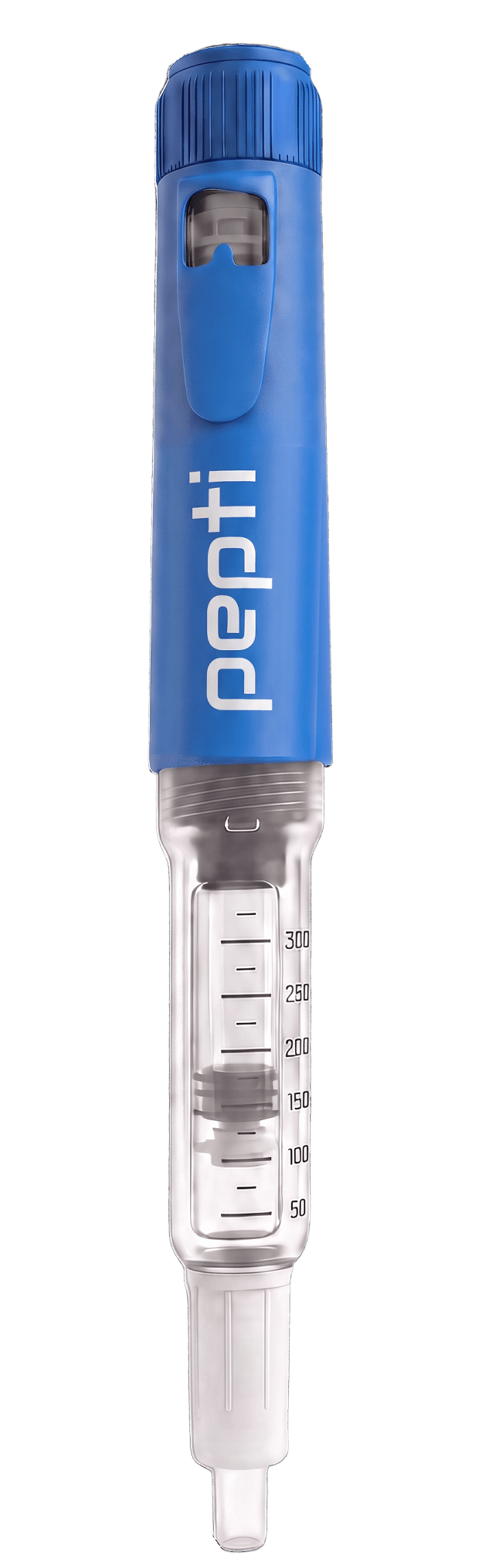
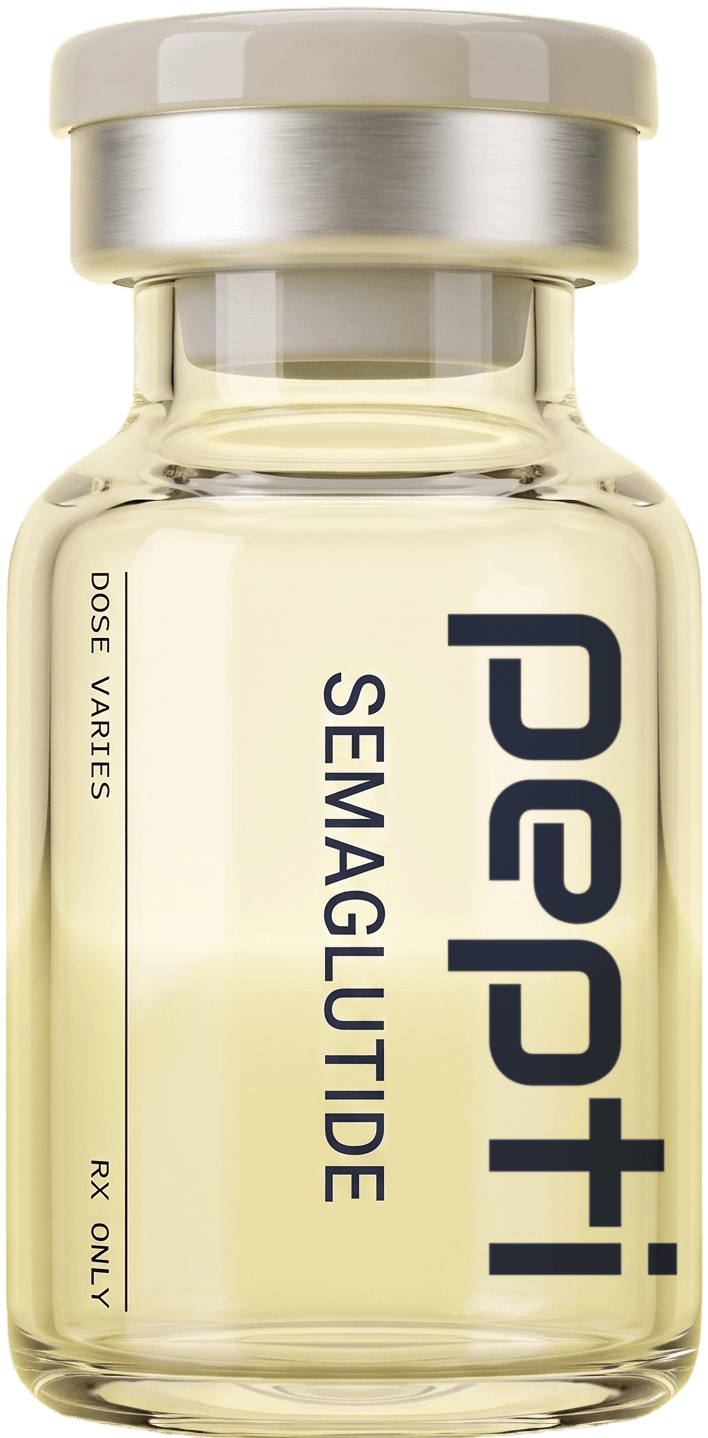
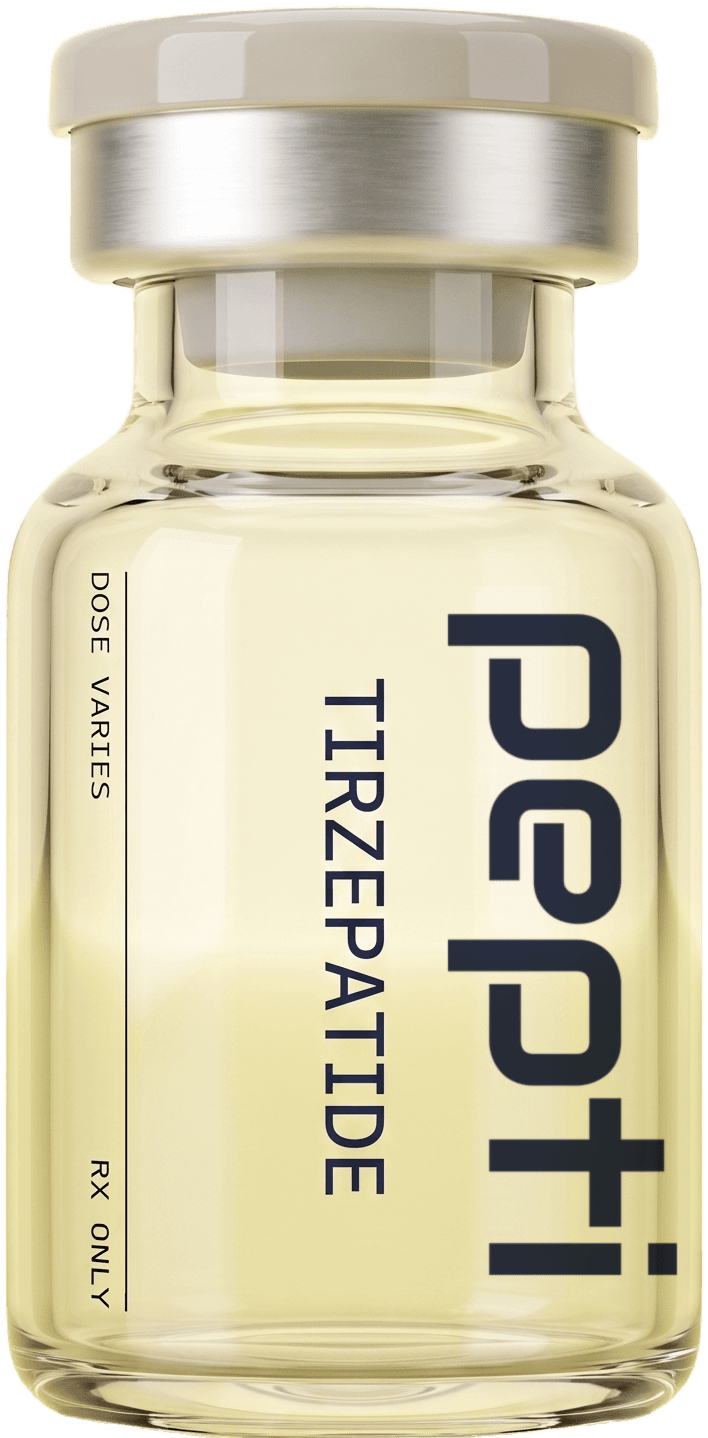
Treatments mentioned
Semaglutide has the longest record, with SELECT following 17,604 adults for a mean of 39.8 months and FLOW running a median of 3.4 years. For tirzepatide the longest controlled exposure is about two years. The thyroid tumor warning rests on rodent data whose relevance to people is unknown, and safety beyond about four years of continuous use has not been studied.
This page covers what the long trials found, the side effects that build with time, the risks that have made the news, what happens when people stop, and what remains unknown. The short-term picture, with every common side effect and its rate, is in GLP-1 side effects.
GLP-1 Long-Term Side Effects
The short answer
| Question | Semaglutide | Tirzepatide |
|---|---|---|
| Longest trial follow-up | SELECT, mean 39.8 months; FLOW, median 3.4 years | About two years of controlled exposure |
| Largest safety dataset | SELECT, 17,604 adults with heart disease | SURPASS-CVOT, against an approved GLP-1 in adults with type 2 diabetes and heart disease |
| Side effects that rise with time on treatment | Gallbladder disease; fractures in women and adults 75 and over in SELECT | Gallbladder disease |
| Stopped for a side effect over the long run | 16.6% against 8.2% on placebo in SELECT | 4.8 to 6.7% against 3.4% over 72 weeks |
| Thyroid warning | Rodent tumors; unknown in people | Rodent tumors; unknown in people |
| Lean mass | Lost alongside fat unless protein and training are in place | Same; the label reports more fat lost than lean |
| What happens on stopping | Most weight tends to return (STEP 4) | Most weight tends to return (SURMOUNT-4) |
| Not yet known | Safety beyond about four years | Safety beyond about two years |
The medications this page covers:
| Medication | How it acts | What is in it | Price |
|---|---|---|---|
| Semaglutide | GLP-1 receptor only | Dose-specific vials at six strengths, starting with 1 mg per 1 mL at the 0.25 mg starting dose | From $99/mo, priced by dose |
| Tirzepatide | GIP and GLP-1 receptors | Dose-specific 2 mL vials at six strengths, 2.5 mg to 15 mg; the 2.5 mg and 7.5 mg vials include glycine | From $159/mo, priced by dose |
Prices are all-in: medication, physician review, refill management and shipping, with no membership fee. Both are compounded by PCAB-accredited, FDA-registered US 503A pharmacies. Compounded medications are not FDA approved. Every long-term trial on this page used the FDA-approved versions, which contain the same molecules.
GLP-1 Long-Term Side Effects
What the long-term data consists of
Semaglutide
| Trial | Who and how long | What it adds on safety |
|---|---|---|
| STEP 1 (New England Journal of Medicine, 2021) | 1,961 adults without diabetes, 68 weeks | The core side-effect profile; 4.5% stopped for gastrointestinal events against 0.8% |
| STEP 5 (Nature Medicine, 2022) | Two years | Longer exposure at the weight-management dose |
| SUSTAIN-6 (New England Journal of Medicine, 2016) | Cardiovascular outcomes trial at diabetes doses | The diabetic retinopathy signal |
| SELECT (New England Journal of Medicine, 2023) | 17,604 adults aged 45 or older with heart disease, no diabetes, mean 39.8 months | Fractures, kidney stones and serious low blood sugar observations on the current label |
| FLOW (New England Journal of Medicine, 2024) | 3,533 adults with type 2 diabetes and chronic kidney disease, median 3.4 years | Serious adverse events 49.6% on semaglutide against 53.8% on placebo |
Tirzepatide
| Trial | Who and how long | What it adds on safety |
|---|---|---|
| SURPASS-4 (The Lancet, 2021) | Adults with type 2 diabetes at raised cardiovascular risk, up to 104 weeks | No excess of major cardiovascular events against insulin glargine |
| SURMOUNT-1 (New England Journal of Medicine, 2022) | 2,539 adults with obesity or overweight, 72 weeks | The weight-management side-effect profile |
| SURMOUNT-4 (JAMA, 2024) | Treated 36 weeks, then randomized to continue or switch to placebo | What happens on withdrawal |
| SURPASS-CVOT (New England Journal of Medicine, 2025) | Adults with type 2 diabetes and heart disease, against dulaglutide | Met its noninferiority endpoint; no new category of harm identified |
That is far more long-term human data than any other compounded peptide has. It is still not a lifetime, and treatment is long-term.
GLP-1 Long-Term Side Effects
Long-term side effects that build with time
Gallbladder disease
Gallstones were reported by 1.6% on semaglutide against 0.7% on placebo, and gallbladder inflammation by 0.6% against 0.2%; the label notes the excess persisted after accounting for the amount of weight lost. On tirzepatide, gallstones were 1.1% against 1%, gallbladder inflammation 0.7% against 0.2%, and gallbladder removal 0.2% against none. A systematic review in JAMA Internal Medicine in 2022 pooled 76 randomized trials of the class and reported a relative risk of 1.37 for gallbladder or biliary disease, higher at higher doses and with longer use. Pain under the right ribs, fever or yellowing skin is the presentation to act on.
Fractures in older adults and women
In SELECT, hip and pelvis fractures were more frequent on semaglutide in women (1.0% against 0.2%) and in people aged 75 and over (2.4% against 0.6%). Older adults are not excluded, but frailty, bone health and hydration get a closer look over 75. The tirzepatide trials summarized here do not report a comparable fracture finding.
Loss of lean mass
This is not a side effect in the regulatory sense, and it is the one most likely to affect how you feel at the end. Weight lost on a GLP-1 includes lean mass unless protein intake and resistance training are deliberately in place. The tirzepatide label states it lowers body weight with greater fat-mass loss than lean-mass loss; "greater" is not "none." A protein target set at the start, resistance training two or three times a week, and a sensible rate of change are the levers. More is in why am I not losing weight on semaglutide.
Stopping for side effects rises with time and age
In the semaglutide weight-management trials, 6.8% stopped for a side effect against 3.2% on placebo. In SELECT, with far longer exposure in older adults with heart disease, it was 16.6% against 8.2%. On tirzepatide, 4.8 to 6.7% stopped across strengths against 3.4% over 72 weeks, most in the first few months during escalation.
Kidney stones and serious low blood sugar
The current semaglutide label draws its kidney-stone and serious low blood sugar observations from SELECT. In that trial in people without diabetes there were three episodes of serious low blood sugar on semaglutide against one on placebo, with more among people with a history of bariatric surgery.
Heart rate
On semaglutide, resting heart rate rose by an average of 1 to 4 beats per minute against placebo, and more people had a rise of 20 beats per minute or more at some visit (26% against 16%). A racing heart at rest is worth reporting.
GLP-1 Long-Term Side Effects
Long-term risks that are uncommon but serious
| Risk | What the long-term sources say | What to watch for |
|---|---|---|
| Pancreatitis | Semaglutide 0.2 cases per 100 patient-years against under 0.1; tirzepatide 0.2% against 0.2% | Severe, persistent abdominal pain, sometimes into the back |
| Bowel obstruction, ileus, severe constipation | Reported after approval; frequency cannot be estimated | Swollen, painful abdomen, vomiting, no gas or stool |
| Kidney injury | Mostly in people dehydrated by vomiting or diarrhea | Dark urine, little urine, not keeping fluids down |
| Diabetic retinopathy | SUSTAIN-6: 3.0% against 1.8%, concentrated in people who already had it | Vision changes if you have diabetic retinopathy |
| Aspiration under anesthesia | Rare reports, because food can remain in the stomach | Tell every team before a procedure with sedation |
A 2023 research letter in JAMA using a large claims database reported higher rates of pancreatitis, bowel obstruction and gastroparesis among people using GLP-1 medications for weight loss than among users of an older weight-loss drug. That is an association in claims data rather than a trial result, and it is one reason constipation that stops responding is not something to push through.
GLP-1 Long-Term Side Effects
The long-term questions that made the news
Thyroid tumors
Both approved labels carry a boxed warning because these medications caused thyroid C-cell tumors in rodents. For tirzepatide, a six-month study in a transgenic mouse strain found no tumors and tirzepatide was not genotoxic. Rodent C-cells carry far more GLP-1 receptors than human ones, and whether either medication causes these tumors in people is unknown. The semaglutide label adds that medullary thyroid carcinoma cases reported with liraglutide, another GLP-1, are insufficient to establish or exclude a causal link. A personal or family history of medullary thyroid carcinoma or MEN 2 rules the class out. Routine calcitonin tests and thyroid ultrasound are described as of uncertain value. A lump in the neck, persistent hoarseness or trouble swallowing should be reported promptly.
Mood and suicidal thoughts
A Nature Medicine cohort of 240,618 people reported a lower rate of new suicidal ideation on semaglutide than on other weight-management drugs (hazard ratio 0.27), and the approved semaglutide weight-management label's suicidal-behavior warning was removed in February 2026. Any change in mood should still be reported.
Sudden vision loss
A 2024 observational study in JAMA Ophthalmology reported an association between semaglutide and NAION, a rare cause of sudden painless vision loss in one eye. The numbers were small, the population was pre-selected for eye problems, and the design cannot establish cause. The US label carries no NAION warning as of its June 2026 revision. Sudden vision loss is urgent either way.
GLP-1 Long-Term Side Effects
What happens when you stop
Semaglutide has a half-life of about a week and stays in circulation for roughly five to seven weeks after the last dose; tirzepatide's half-life is about five to six days. Side effects fade over weeks, not hours.
The larger long-term fact is about weight. STEP 4 and SURMOUNT-4 both switched people from the medication to placebo, and in both, most of the weight tended to return in the placebo group, while the group that continued treatment did not see that return. That is why treatment is planned as long-term, dispensed one vial per 28-day refill, rather than as a short course. Stopping is something to plan with your care team. More is in what happens when you stop taking peptides.
GLP-1 Long-Term Side Effects
How long-term risk is kept low
| Step | Why it matters over years |
|---|---|
| A full history on the intake | Thyroid, pancreatitis, gallbladder and pregnancy questions are where the hard stops are |
| A complete medication list | Insulin and sulfonylureas raise low blood sugar risk; slower stomach emptying changes how some pills absorb |
| Holding a step when side effects have not settled | Most people who stop do so during escalation |
| Protein and resistance training from week one | Protects lean mass |
| Reporting red-flag symptoms the same day | Early recognition is what changes outcomes |
| Never combining two GLP-1 medications | Both labels advise against it |
Your physician sets your directions after reviewing your intake, and they are printed on the vial. Never change your own dose. Bloodwork is not required for any Pepti treatment. If your physician wants labs for your care, they'll ask through your account.
When to message your care team, and when to call 911
Message your care team about side effects that are not easing, changes in mood, hair thinning, or a racing heart at rest. Seek care the same day for severe abdominal pain, pain under the right ribs with fever, or not keeping fluids down. Call 911 for swelling of the face, lips or throat, trouble breathing, or a swollen, painful abdomen with vomiting and no gas or stool.
GLP-1 Long-Term Side Effects
What the evidence shows, honestly
Semaglutide and tirzepatide have the deepest safety records of anything Pepti prescribes: large randomized trials, outcome trials running years, and reports gathered after approval. The long-term side effects on this page are documented, not guessed at.
What the evidence does not settle: whether the rodent thyroid finding applies to people; NAION, where one observational study reported an association and no US label change has followed; safety beyond about four years of continuous semaglutide and about two years of tirzepatide; and compounded doses above the approved schedules, one of the FDA's stated concerns. All of the trial data belongs to the FDA-approved versions. A compounded vial has the same molecule, so the same long-term risks apply, but the preparation itself has not been trialed. The deeper detail is in is semaglutide safe, is tirzepatide safe and are peptides safe long term.
GLP-1 Long-Term Side Effects
Where to get a GLP-1 prescribed
GLP-1 medications cannot be bought legitimately without a prescription. Products sold "for research use only" have no accountable pharmacy behind their identity, purity, sterility or concentration. The prescription route:
- Complete a free online intake covering your history, medications and what you want help with.
- A physician licensed in your state reviews it, usually within 24 hours.
- If it is appropriate, a state-licensed, FDA-registered US pharmacy compounds it to that prescription. Lot test results are published at /quality/lab-results.
- It ships refrigerated with ice packs, with sterile syringes and alcohol prep pads, and your directions printed on the vial.
- Your care team stays reachable for side effects and dose questions. Refills run every 28 days, one vial per fill.
Pepti is cash-pay and does not bill insurance. Step-by-step pages: how to get semaglutide prescribed online and how to get tirzepatide prescribed online.
References
What this is based on.
References
- Wilding JPH, Batterham RL, Calanna S, et al.. Once-Weekly Semaglutide in Adults with Overweight or Obesity (STEP 1) · New England Journal of Medicine (2021) · PMID 33567185
- Lincoff AM, Brown-Frandsen K, Colhoun HM, et al.. Semaglutide and Cardiovascular Outcomes in Obesity without Diabetes (SELECT) · New England Journal of Medicine (2023) · PMID 37952131
- Wadden TA, Bailey TS, Billings LK, et al.. Effect of subcutaneous semaglutide vs placebo as an adjunct to intensive behavioral therapy on body weight in adults with overweight or obesity (STEP 3) · JAMA (2021) · PMID 33625476
- Rubino D, Abrahamsson N, Davies M, et al.. Effect of Continued Weekly Subcutaneous Semaglutide vs Placebo on Weight Loss Maintenance in Adults With Overweight or Obesity: The STEP 4 Randomized Clinical Trial · JAMA (2021) · PMID 33755728
- Marso SP, Bain SC, Consoli A, et al.. Semaglutide and Cardiovascular Outcomes in Patients with Type 2 Diabetes (SUSTAIN-6) · New England Journal of Medicine (2016) · PMID 27633186
- Davies M, Færch L, Jeppesen OK, et al.. Semaglutide 2.4 mg once a week in adults with overweight or obesity, and type 2 diabetes (STEP 2): a randomised, double-blind, double-dummy, placebo-controlled, phase 3 trial · The Lancet (2021) · PMID 33667417
- Garvey WT, Batterham RL, Bhatta M, et al.. Two-year effects of semaglutide in adults with overweight or obesity: the STEP 5 trial · Nature Medicine (2022) · PMID 36216945
- Rubino DM, Greenway FL, Khalid U, et al.. Effect of Weekly Subcutaneous Semaglutide vs Daily Liraglutide on Body Weight in Adults With Overweight or Obesity Without Diabetes: The STEP 8 Randomized Clinical Trial · JAMA (2022) · PMID 35015037
- Aronne LJ, Horn DB, le Roux CW, et al.. Tirzepatide as Compared with Semaglutide for the Treatment of Obesity (SURMOUNT-5) · New England Journal of Medicine (2025) · PMID 40353578
- Sanyal AJ, Newsome PN, Kliers I, et al.. Phase 3 Trial of Semaglutide in Metabolic Dysfunction-Associated Steatohepatitis (ESSENCE) · New England Journal of Medicine (2025) · PMID 40305708
- Wilding JPH, Batterham RL, Davies M, Van Gaal LF, Kandler K et al.. Weight regain and cardiometabolic effects after withdrawal of semaglutide: The STEP 1 trial extension · Diabetes Obes Metab (2022) · PMID 35441470
- Batsis JA, Gavras A, Gross DC, Cheever CR, Da Silva BR et al.. Effect of Incretin-Based and Nonpharmacologic Weight Loss on Body Composition: A Systematic Review · Ann Intern Med (2026) · PMID 41996180
Citations are provided for educational purposes. They do not constitute medical advice. Always discuss any peptide protocol with your prescribing physician.
Common questions
GLP-1 Long-Term Side Effects, answered.
The long trials show the familiar gastrointestinal effects plus gallbladder disease, which rises with longer use, and, in SELECT, more hip and pelvis fractures in women (1.0% against 0.2%) and adults 75 and over (2.4% against 0.6%). Lean mass is lost alongside fat unless protein and training are in place. The thyroid warning rests on rodent data.
The same categories as semaglutide. The longest controlled exposure is about two years, SURPASS-4 ran up to 104 weeks with no excess of major cardiovascular events, and SURPASS-CVOT identified no new category of harm. Gallbladder events and lean-mass loss are the items to plan around.
Semaglutide has data to about four years and tirzepatide to about two, from large trials. That is a deep record, not unlimited reassurance, which is why care continues with every refill and red-flag symptoms are reviewed when they happen.
The common gastrointestinal ones usually do. Both approved labels report that they concentrate during dose escalation and decrease over time. Gallbladder risk is the exception that rises with longer use.
That has not been shown in people. Both caused thyroid C-cell tumors in rodents, which is why a personal or family history of medullary thyroid carcinoma or MEN 2 rules them out. Whether this happens in humans is unknown.
The trials do not describe a common permanent effect. The serious risks, such as pancreatitis, gallbladder disease and kidney injury from dehydration, are uncommon and have warning signs, which is why recognizing them early matters.
Weight lost on any GLP-1 includes some lean mass. The tirzepatide label reports more fat lost than lean. Protein intake and resistance training are the levers, and they belong in the plan from the start.
Appetite tends to return to where it was, and in STEP 4 and SURMOUNT-4 most of the weight tended to come back on placebo. Side effects fade over weeks because both medications stay in circulation for some time after the last dose.
The risk is real and rises with dose and duration: a 2022 JAMA Internal Medicine review of 76 trials reported a relative risk of 1.37. In absolute terms gallstones were 1.6% against 0.7% on semaglutide and 1.1% against 1% on tirzepatide.
It contains the same molecule, so the same long-term risks apply, but no compounded preparation has been trialed. Compounded medications are not FDA approved. What you verify is the pharmacy, its testing and the concentration; see is compounded semaglutide safe. The free assessment goes to a physician licensed in your state. A consultation does not guarantee a prescription.
Related answers
Keep reading.
- What Is a GLP-1? Meaning, How GLP-1 Medications Work, and the List by Generic Name
- GLP-1 Online Red Flags: The Warning Signs Before, During and After Checkout
- GLP-1 Overdose: What to Do If You Took Too Much Semaglutide or Tirzepatide
- GLP-1 Pills vs Injections: Semaglutide Tablets, Weekly Shots and What Actually Works
- Glutathione Side Effects: What Is Reported, What Is Not Expected, and When to Call
Next step
See what a physician recommends for you.
A licensed physician in your state reviews your intake to see whether treatment fits your history. A consultation does not guarantee a prescription.