Weight Loss · Reference
GLP-1s and Pancreatitis: How Often It Happens and the Signs to Know
Acute pancreatitis is a serious but uncommon side effect listed on the approved labels for both semaglutide and tirzepatide.
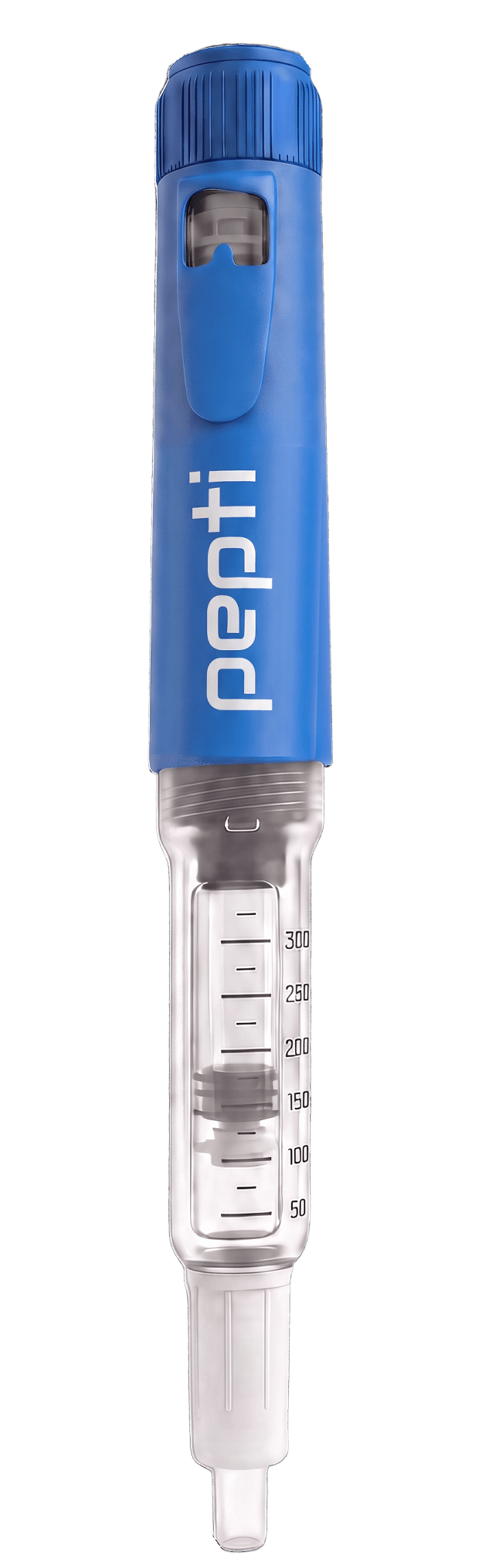
Treatments mentioned
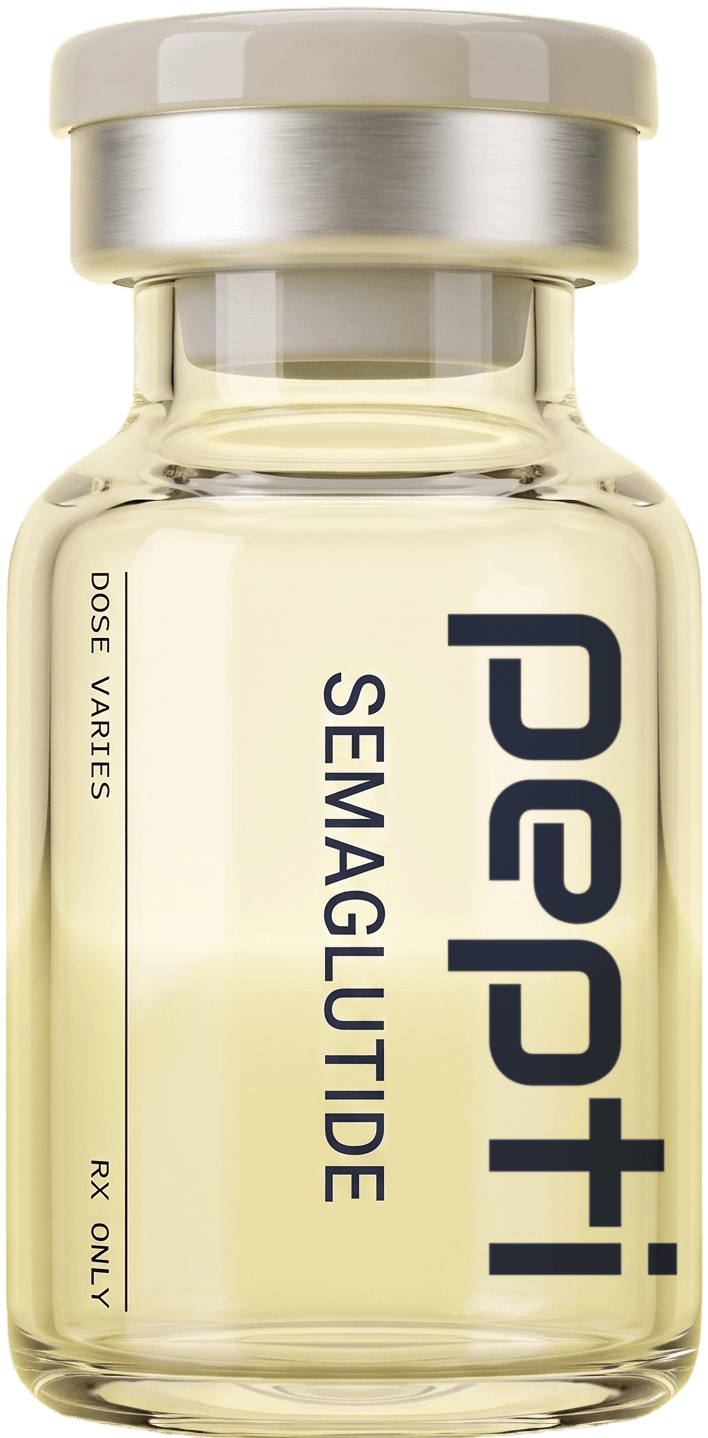
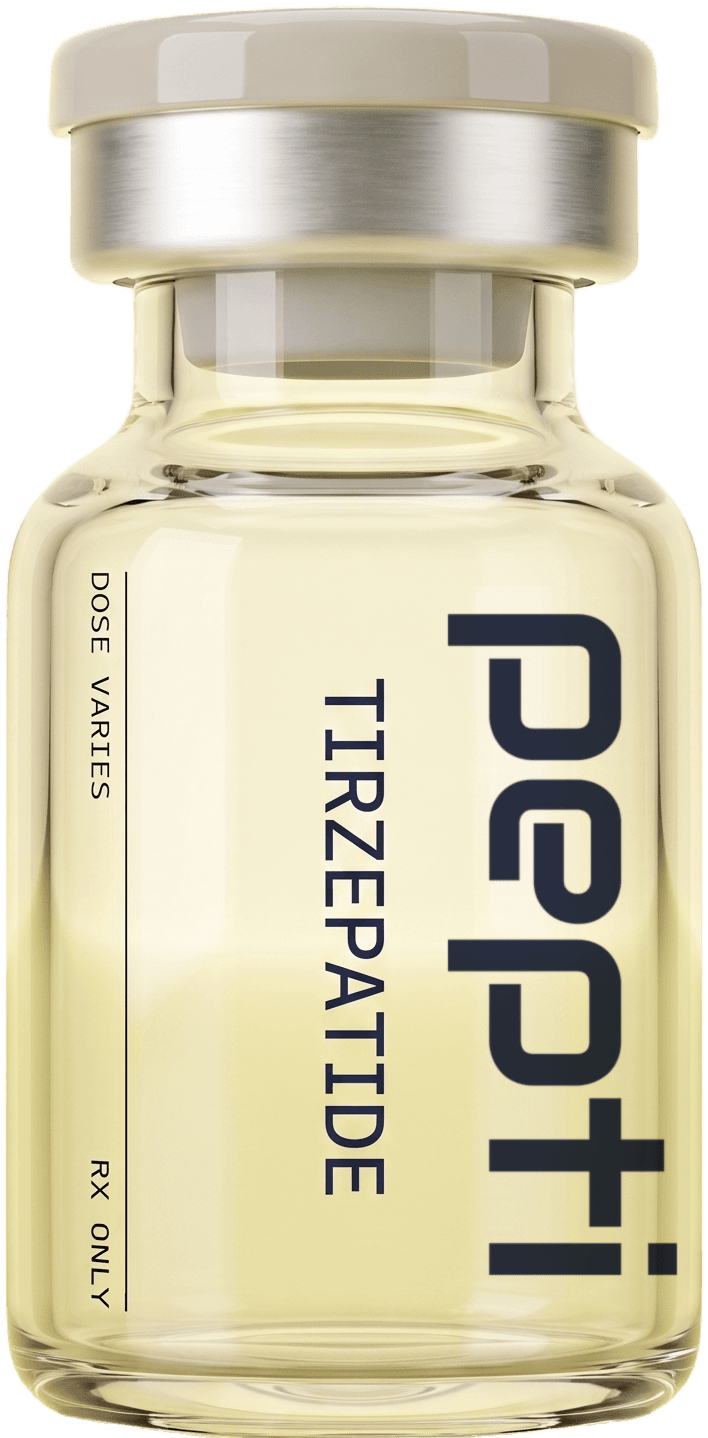
In the pooled weight-management trials it was confirmed in 4 adults on semaglutide (about 0.2 cases per 100 patient-years) against 1 on placebo, and in 0.2% on tirzepatide against 0.2% on placebo. The sign to know is severe, persistent abdominal pain, sometimes going through to the back, with or without vomiting; the labels instruct stopping the medication promptly if pancreatitis is suspected, so that pain is a same-day call for medical care. A past episode of pancreatitis is not an automatic no, but it needs a careful conversation before starting.
This page covers how often pancreatitis was reported, how to tell it apart from the ordinary nausea of a dose increase, what a past history changes, the alcohol question, and what to do.
GLP-1s and Pancreatitis
The short answer
| Question | Answer |
|---|---|
| Can GLP-1 medications cause pancreatitis? | Acute pancreatitis is a warning on both approved labels |
| How common was it with semaglutide? | 4 adults against 1 on placebo, about 0.2 cases per 100 patient-years |
| How common was it with tirzepatide? | 0.2% against 0.2% on placebo in the weight-management trials |
| What does it feel like? | Severe, persistent abdominal pain, sometimes into the back, with or without vomiting |
| What do the labels say to do? | Discontinue promptly if suspected; semaglutide is not restarted if it is confirmed |
| I had pancreatitis before. Can I take one? | Not automatically ruled out, but it needs careful discussion |
| Does a raised lipase mean pancreatitis? | Not on its own; enzymes rise in people on treatment who have no symptoms |
| Does alcohol matter? | Heavy alcohol use is a separate, dose-dependent risk factor |
The GLP-1 medications Pepti prescribes:
| Medication | How it acts | Price |
|---|---|---|
| Semaglutide | GLP-1 receptor; once-weekly injection from dose-specific vials | From $99/mo |
| Tirzepatide | GIP and GLP-1 receptors; once-weekly injection from dose-specific 2 mL vials | From $159/mo |
Prices are "from" prices and all-in, covering medication, physician review, refill management and shipping. Compounded medications are not FDA approved. The rates below come from trials of the approved manufactured products, which contain the same molecules, so the same warning applies.
GLP-1s and Pancreatitis
What pancreatitis is
The pancreas sits behind the stomach and makes digestive enzymes and the hormones insulin and glucagon. GLP-1 medications act on receptors in the pancreas: that is part of how they release insulin when blood glucose is high and lower glucagon. Pancreatitis is inflammation of the pancreas. It is not cancer, and Pepti's references describe no pancreatic cancer warning on either label; the cancer warning on both concerns the thyroid, covered in is semaglutide safe.
Acute pancreatitis comes on suddenly, and the semaglutide label's post-marketing section lists both acute and necrotizing pancreatitis, the more serious form. That range is why the labels treat suspicion, not confirmation, as the moment to act.
GLP-1s and Pancreatitis
How often it was reported
| Data set | Drug | Placebo or comparator |
|---|---|---|
| Semaglutide, pooled weight-management trials | 4 adults, about 0.2 cases per 100 patient-years | 1 adult, under 0.1 per 100 patient-years |
| Tirzepatide, pooled weight-management trials | 0.2% (0.14 per 100 patient-years) | 0.2% (0.15 per 100 patient-years) |
| Tirzepatide, diabetes trials | 0.23 per 100 patient-years | 0.11 per 100 patient-years |
| Tirzepatide, smaller sleep apnea trials | 0.84 per 100 patient-years | None |
Cases in these trials were confirmed by adjudication, meaning an independent committee reviewed each one against set criteria. Read the placebo column: pancreatitis also happens in people not taking the drug, and in the tirzepatide weight-management trials the two rates were nearly identical. The signal across the class is real but small.
Outside the trials
The semaglutide label lists acute and necrotizing pancreatitis among post-marketing reports. Those reports come in voluntarily from a population of unknown size, so they cannot give a frequency. Separately, a 2023 research letter in JAMA using a large claims database reported higher rates of pancreatitis, bowel obstruction and gastroparesis among people using GLP-1 medications for weight loss than among users of an older weight-loss drug. That is an association in claims data, not a trial result, and it cannot show cause. It is one more reason the symptom instruction exists.
GLP-1s and Pancreatitis
How to tell it apart from ordinary nausea
Both approved labels describe the symptoms of acute pancreatitis as "persistent severe abdominal pain, sometimes radiating to the back, and which may or may not be accompanied by vomiting."
Nausea, fullness and some stomach discomfort are common in the days after starting or after a dose increase. Three features separate pancreatitis from that:
| Feature | Ordinary dose-increase symptoms | Possible pancreatitis |
|---|---|---|
| Severity | Queasy, full, uncomfortable | Severe pain |
| Pattern | Comes in waves, often around meals, eases at a steady dose | Persists rather than coming and going |
| Location | Upper stomach, a heavy or bloated feeling | Often bores through to the back |
| Vomiting | Occasional, usually manageable | May or may not be present |
| What to do | Smaller meals, fluids, report if not easing | Same-day medical care |
There is no test you can do at home to tell whether queasiness is "normal." If the pain is severe or persistent, especially into the back, do not wait to see whether it passes.
Other urgent abdominal symptoms
| Symptom | What it may be | What to do |
|---|---|---|
| Severe, persistent abdominal pain, sometimes into the back | Acute pancreatitis | Same-day medical care; the labels say to stop the medication if it is suspected |
| Pain under the right ribs, fever, yellowing of the skin or eyes | Gallstones or gallbladder inflammation | Same-day care |
| Swollen, painful abdomen, vomiting that will not stop, no gas or stool | Bowel obstruction or ileus | Emergency care |
| Not keeping fluids down, dark urine | Dehydration, with a risk to the kidneys | Contact your care team the same day |
| Severe pain with fainting, confusion or trouble breathing | Needs emergency assessment | Call 911 |
Gallbladder problems are a separate warning on both labels. On semaglutide, gallstones were reported in 1.6% against 0.7% on placebo and gallbladder inflammation in 0.6% against 0.2%. On tirzepatide, gallstones were 1.1% against 1%, gallbladder inflammation 0.7% against 0.2%, and gallbladder removal 0.2% against none.
GLP-1s and Pancreatitis
What the labels instruct
- If pancreatitis is suspected, the medication is discontinued promptly.
- On the semaglutide label, if pancreatitis is confirmed, semaglutide is not restarted.
- The instruction on tirzepatide to stop and be evaluated if pancreatitis is suspected is absolute.
After that, tell your Pepti care team what happened so your record and refills reflect it. Do not restart after an episode of severe abdominal pain without talking to your care team first.
GLP-1s and Pancreatitis
If you have had pancreatitis before
Neither label lists a previous episode of pancreatitis as a contraindication. The semaglutide label notes that trial experience in people with prior pancreatitis is limited and that it is unknown whether they are at higher risk. That uncertainty is the reason a past history is a careful discussion rather than an automatic refusal: it changes the calculation, and it belongs on the intake rather than left off it.
| On your intake | Why it matters |
|---|---|
| Any past pancreatitis, and what caused it if known | Limited trial data in this group; risk unknown |
| Gallbladder disease or gallstones | A separate warning on both labels |
| How much alcohol you drink | Heavy alcohol use is an independent risk factor |
| Every other medication you take | Your physician reviews them all before prescribing |
The contraindications that do rule a GLP-1 out are different: a personal or family history of medullary thyroid carcinoma or MEN 2, a previous serious allergic reaction to the drug or an ingredient, pregnancy and breastfeeding.
GLP-1s and Pancreatitis
Alcohol and pancreatitis
Neither approved label carries an alcohol warning. A 2015 systematic review and meta-analyses in EBioMedicine described a dose-dependent relationship between alcohol and pancreatitis, with risk rising with intake. The point is not that a drink causes pancreatitis. It is that heavy drinking adds an established risk factor on top of a medication that already carries a pancreatitis warning, and the earliest sign of either would be abdominal pain that is easy to blame on the medication. If you have had pancreatitis, have a specific conversation with your care team before making any alcohol plan. More is in can you drink alcohol on semaglutide.
GLP-1s and Pancreatitis
Pancreatic enzyme tests
Amylase and lipase are enzymes made by the pancreas, and they are measured when pancreatitis is suspected. On semaglutide they rise in people who feel fine: the label reports mean increases of 15 to 16% for amylase and 39% for lipase without symptoms. So a raised enzyme alone does not diagnose pancreatitis, and lipase is not checked routinely. These tests are ordered when there is a clinical reason, such as the pain described above.
Bloodwork is not required for any Pepti treatment. If your physician wants labs for your care, they'll ask through your account.
GLP-1s and Pancreatitis
What the evidence shows, honestly
The pancreatitis warning on GLP-1 medications rests on large adjudicated trials and years of post-marketing reports. The trial rates are low, and in the tirzepatide weight-management trials they matched placebo. The post-marketing reports and the 2023 claims-database letter keep the question open without being able to put a number on it.
The limits: trial rates belong to the approved manufactured products, not any compounded preparation, though the molecule and the warning are the same. Whether people with a past episode carry higher risk is unknown. And no study in Pepti's references shows that any diet, supplement or vitamin added to a vial lowers pancreatitis risk. What is well established is the response: recognize the pain pattern and act the same day.
GLP-1s and Pancreatitis
Where to get a GLP-1 prescribed
Semaglutide and tirzepatide cannot be bought legitimately without a prescription. Products sold "for research use only" have no accountable pharmacy behind their identity, purity, sterility or concentration. The prescription route:
- Complete a free online intake covering your history, medications and what you want help with. Include any pancreatitis or gallbladder history.
- A physician licensed in your state reviews it, usually within 24 hours.
- If it is appropriate, a PCAB-accredited, FDA-registered US 503A compounding pharmacy prepares it to that prescription. Lot test results are published at /quality/lab-results.
- It ships refrigerated with ice packs, with sterile syringes and alcohol prep pads, and your directions printed on the vial.
- Your care team stays reachable for side effects and questions. Refills run every 28 days, one vial per fill.
Pepti is cash-pay and does not bill insurance. The step-by-step pages are how to get semaglutide prescribed online and how to get tirzepatide prescribed online.
References
What this is based on.
References
- Wilding JPH, Batterham RL, Calanna S, et al.. Once-Weekly Semaglutide in Adults with Overweight or Obesity (STEP 1) · New England Journal of Medicine (2021) · PMID 33567185
- Lincoff AM, Brown-Frandsen K, Colhoun HM, et al.. Semaglutide and Cardiovascular Outcomes in Obesity without Diabetes (SELECT) · New England Journal of Medicine (2023) · PMID 37952131
- Wadden TA, Bailey TS, Billings LK, et al.. Effect of subcutaneous semaglutide vs placebo as an adjunct to intensive behavioral therapy on body weight in adults with overweight or obesity (STEP 3) · JAMA (2021) · PMID 33625476
- Rubino D, Abrahamsson N, Davies M, et al.. Effect of Continued Weekly Subcutaneous Semaglutide vs Placebo on Weight Loss Maintenance in Adults With Overweight or Obesity: The STEP 4 Randomized Clinical Trial · JAMA (2021) · PMID 33755728
- Marso SP, Bain SC, Consoli A, et al.. Semaglutide and Cardiovascular Outcomes in Patients with Type 2 Diabetes (SUSTAIN-6) · New England Journal of Medicine (2016) · PMID 27633186
- Davies M, Færch L, Jeppesen OK, et al.. Semaglutide 2.4 mg once a week in adults with overweight or obesity, and type 2 diabetes (STEP 2): a randomised, double-blind, double-dummy, placebo-controlled, phase 3 trial · The Lancet (2021) · PMID 33667417
- Garvey WT, Batterham RL, Bhatta M, et al.. Two-year effects of semaglutide in adults with overweight or obesity: the STEP 5 trial · Nature Medicine (2022) · PMID 36216945
- Rubino DM, Greenway FL, Khalid U, et al.. Effect of Weekly Subcutaneous Semaglutide vs Daily Liraglutide on Body Weight in Adults With Overweight or Obesity Without Diabetes: The STEP 8 Randomized Clinical Trial · JAMA (2022) · PMID 35015037
- Aronne LJ, Horn DB, le Roux CW, et al.. Tirzepatide as Compared with Semaglutide for the Treatment of Obesity (SURMOUNT-5) · New England Journal of Medicine (2025) · PMID 40353578
- Sanyal AJ, Newsome PN, Kliers I, et al.. Phase 3 Trial of Semaglutide in Metabolic Dysfunction-Associated Steatohepatitis (ESSENCE) · New England Journal of Medicine (2025) · PMID 40305708
- Wilding JPH, Batterham RL, Davies M, Van Gaal LF, Kandler K et al.. Weight regain and cardiometabolic effects after withdrawal of semaglutide: The STEP 1 trial extension · Diabetes Obes Metab (2022) · PMID 35441470
- Batsis JA, Gavras A, Gross DC, Cheever CR, Da Silva BR et al.. Effect of Incretin-Based and Nonpharmacologic Weight Loss on Body Composition: A Systematic Review · Ann Intern Med (2026) · PMID 41996180
Citations are provided for educational purposes. They do not constitute medical advice. Always discuss any peptide protocol with your prescribing physician.
Common questions
GLP-1s and Pancreatitis, answered.
Acute pancreatitis is a warning on the approved semaglutide label. In the pooled weight-management trials it was confirmed in 4 adults on semaglutide, about 0.2 cases per 100 patient-years, against 1 on placebo. It is uncommon but real.
The approved tirzepatide label carries the same warning. In the pooled weight-management trials, confirmed acute pancreatitis occurred in 0.2% on tirzepatide and 0.2% on placebo. In the diabetes trials it was 0.23 against 0.11 per 100 patient-years.
Severe abdominal pain that persists rather than coming in waves, often boring through to the back, with or without vomiting. It does not behave like the ordinary nausea of a dose increase. Seek medical care the same day.
Nausea is queasiness and fullness that tends to ease at a steady dose. Pancreatitis is severe, persistent pain, often into the back. If you are unsure and the pain is severe, treat it as possible pancreatitis and get assessed the same day.
It is not an automatic no. Neither label lists prior pancreatitis as a contraindication, but trial experience in that group is limited and it is unknown whether risk is higher. It needs careful discussion, so put it on your intake.
Seek medical care the same day, and call 911 if the pain comes with fainting, confusion or trouble breathing. The labels instruct stopping the medication promptly if pancreatitis is suspected. Then tell your Pepti care team, and do not restart without talking to them.
The semaglutide label says that if pancreatitis is confirmed, semaglutide is not restarted. Any question about future treatment is a conversation with your care team after you have been assessed.
Alcohol is a separate, dose-dependent risk factor for pancreatitis, described in a 2015 meta-analysis in EBioMedicine. Neither GLP-1 label has an alcohol warning. If you have had pancreatitis, talk to your care team before any alcohol plan.
No. Pancreatitis is inflammation of the pancreas. Pepti's references describe no pancreatic cancer warning on either label; the cancer warning concerns thyroid C-cell tumors seen in rodents.
Not routinely. Lipase and amylase rise in people on semaglutide who have no symptoms, so a raised level alone is not diagnostic. They are checked when there is clinical reason to suspect pancreatitis.
It is the same molecule, so the same warning applies. Compounded medications are not FDA approved; what differs is the preparation, covered in is compounded semaglutide safe. The full side-effect references are semaglutide side effects and tirzepatide side effects. The free assessment goes to a physician licensed in your state. A consultation does not guarantee a prescription.
Related answers
Keep reading.
- What Is a GLP-1? Meaning, How GLP-1 Medications Work, and the List by Generic Name
- GLP-1s and Period Changes: What Is Known About Your Cycle on Semaglutide or Tirzepatide
- GLP-1 and Skin: Injection-Site Reactions, Rashes and Skin Changes on Semaglutide and Tirzepatide
- GLP-1 and Sleep: Insomnia, Night-Time Reflux and Sleep Apnea on Semaglutide and Tirzepatide
- GLP-1 and Supplements: What to Know About Vitamins, B12, Fiber and "GLP-1 Boosters" on Semaglutide or Tirzepatide
Next step
See what a physician recommends for you.
A licensed physician in your state reviews your intake to see whether treatment fits your history. A consultation does not guarantee a prescription.