Anti-Aging · Reference
MOTS-c vs SLU-PP-332 vs 5-Amino-1MQ: Mechanism, Evidence, Cost, and Which One Fits
This page explains each on its own terms, puts them side by side, covers what the research does and does not show, where each stands with the FDA, how each is dosed, what each costs at Pepti, and who tends to suit which.
Medically reviewed by Dr. Gene, MD · November 4, 2026
Treatments mentioned
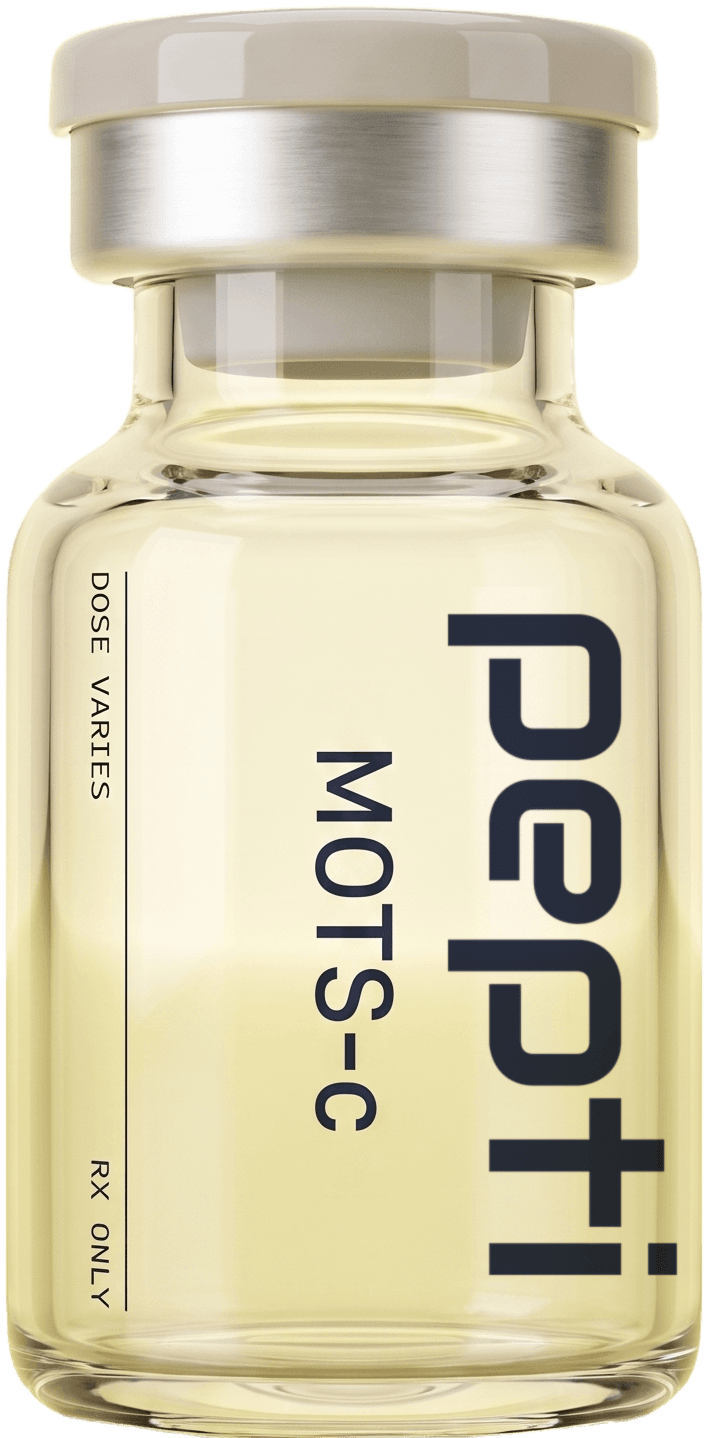
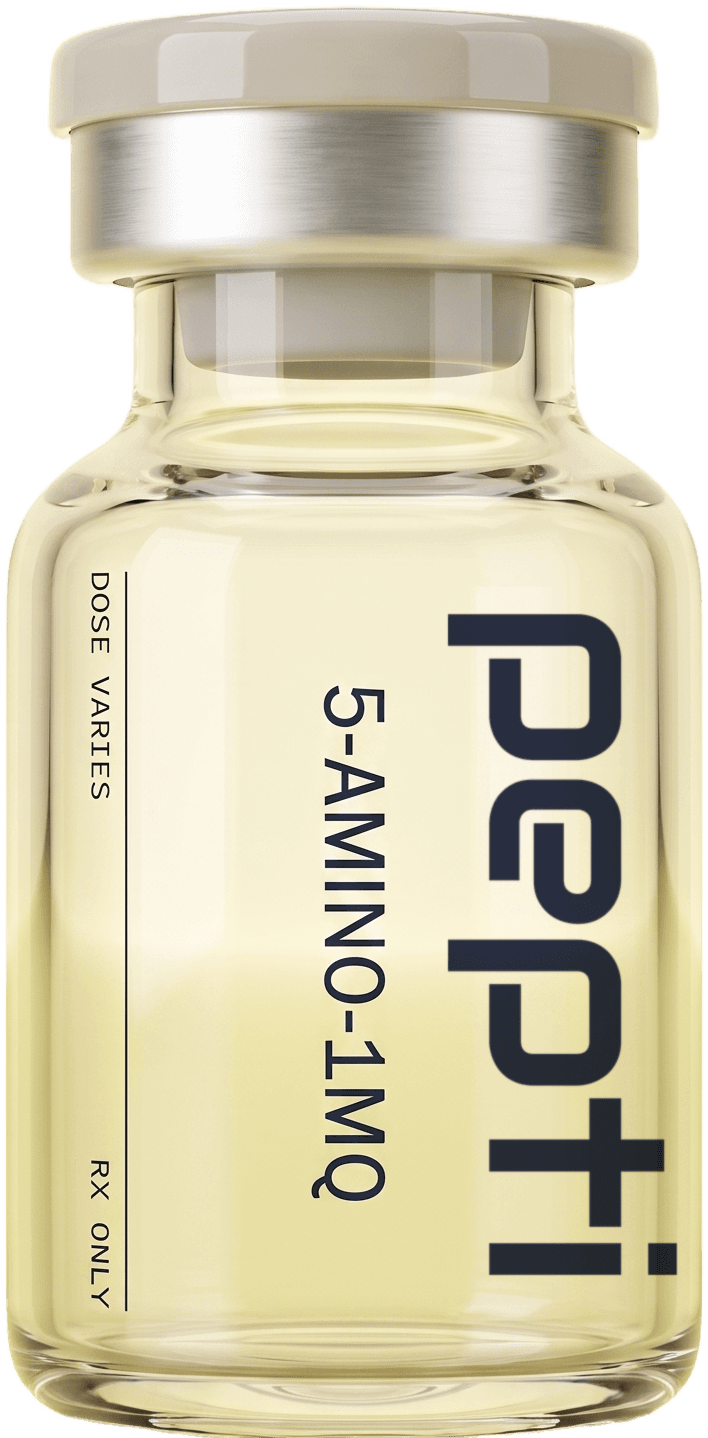
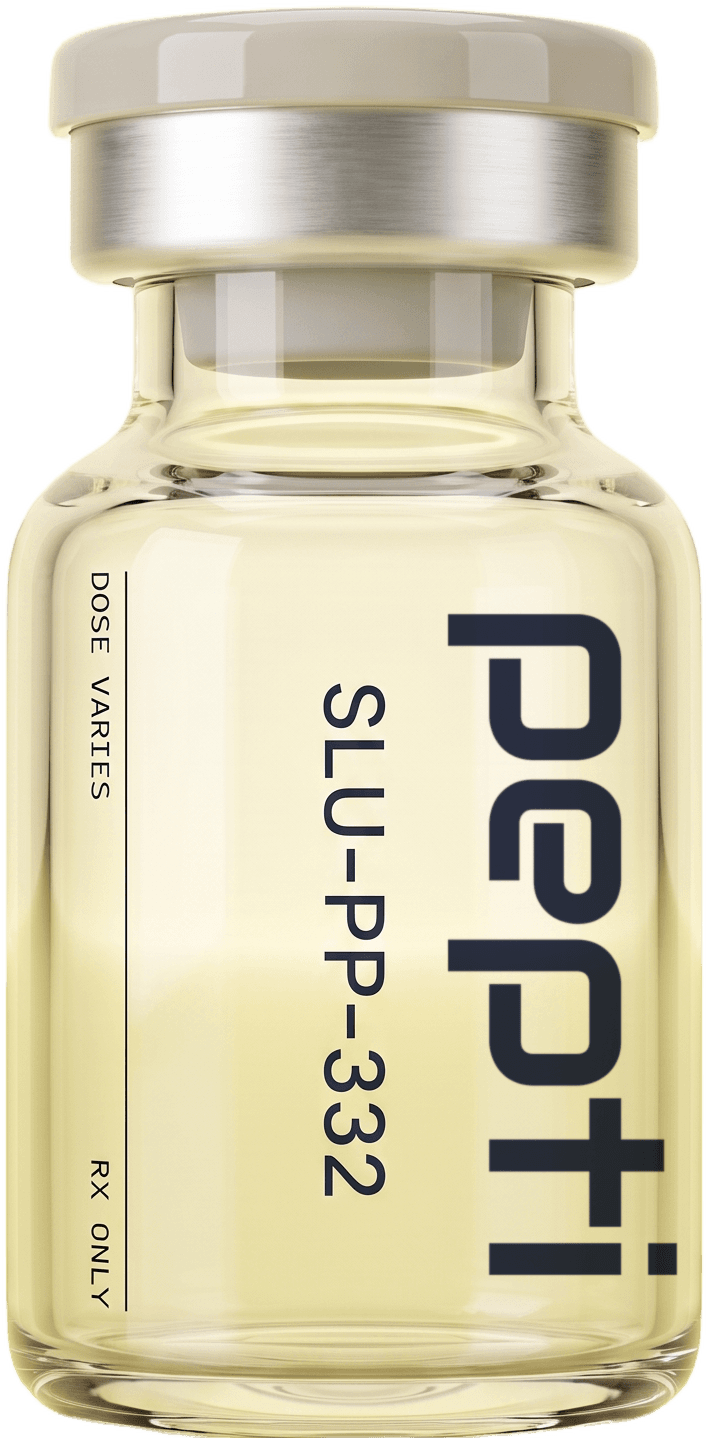
MOTS-c, SLU-PP-332 and 5-Amino-1MQ are all prescribed around metabolism and body composition, but they act on three different targets and only one of them is a peptide. MOTS-c is a 16-amino-acid peptide encoded in mitochondrial DNA, described as activating AMPK in muscle. SLU-PP-332 is a small synthetic molecule that switches on the estrogen-related receptors behind the exercise gene program, and 5-Amino-1MQ is a small molecule that blocks the fat-cell enzyme NNMT. None of the three has a randomised human trial; all three are prescription-only, compounded by a licensed US pharmacy, and not FDA approved.
This page explains each on its own terms, puts them side by side, covers what the research does and does not show, where each stands with the FDA, how each is dosed, what each costs at Pepti, and who tends to suit which.
MOTS-c vs SLU-PP-332 vs 5-Amino-1MQ
The short answer
| If your main goal is | The usual prescription | What is in it | Price |
|---|---|---|---|
| Muscle fuel use and the exercise signal, as a peptide | MOTS-c | 10 mg MOTS-c in a 5 mL vial | $259/mo |
| Endurance and the aerobic gene program | SLU-PP-332 | 10 mg SLU-PP-332 in a 5 mL vial | $229/mo |
| Fat-cell metabolism through the NNMT enzyme | 5-Amino-1MQ | 5 mg 5-Amino-1MQ in a 5 mL vial | $219/mo |
| Several metabolic mechanisms in one vial | FUSION Blend | BPC-157, MOTS-c, 5-Amino-1MQ and tesamorelin | $279/mo |
| Appetite and weight management | Tirzepatide or semaglutide | Dose-specific vials | From $159/mo or from $99/mo |
Every figure is an all-in monthly price covering the medication, physician review, refill management and shipping. There is no separate membership fee. Current pricing always lives on each product page; the table is a guide to which product fits which goal.
MOTS-c vs SLU-PP-332 vs 5-Amino-1MQ
MOTS-c on its own terms
What it is
MOTS-c is a 16-amino-acid peptide, and the unusual thing about it is where its gene sits. Almost every peptide in the body is encoded in the DNA of the cell nucleus. MOTS-c is encoded in the mitochondrial genome, inside a short open reading frame in the gene for the 12S ribosomal RNA, which is where the name comes from: "mitochondrial open reading frame of the 12S rRNA-c." It was identified in a 2015 paper in Cell Metabolism from a group at the University of Southern California. It is not a growth hormone secretagogue, not a GLP-1 medication and not a stimulant. The full reference is at what is MOTS-c.
How MOTS-c is described to work
- The folate cycle and AMPK. The original 2015 Cell Metabolism paper reported that, in cultured cells, MOTS-c inhibits the folate cycle, causing a molecule called AICAR to build up. AICAR activates AMPK, the low-fuel sensor that exercise and calorie restriction also switch on. Skeletal muscle appeared to be the main target.
- A messenger to the nucleus. A 2018 Cell Metabolism paper reported that under glucose restriction MOTS-c moves into the nucleus and changes which nuclear genes are switched on. This is cell work.
- The exercise connection. A 2021 paper in Nature Communications reported better physical performance in treated mice at every age tested, and that in humans a bout of exercise raised the body's own MOTS-c in muscle and blood. That human finding is observational, and it is the source of the "exercise-mimetic" label.
What human data exists for MOTS-c
There are no randomised controlled trials of MOTS-c in humans. The human data is observational work on the body's own MOTS-c, such as a 2019 Qatar study in Frontiers in Endocrinology reporting lower levels in people with type 2 diabetes. A modified analogue, CB4211, went through a small company-run Phase 1 program reported in 2021, but it is a different molecule and the results were never peer-reviewed.
MOTS-c vs SLU-PP-332 vs 5-Amino-1MQ
SLU-PP-332 on its own terms
What it is
SLU-PP-332 is not a peptide. It is a small synthetic organic molecule built around a naphthalene ring and a phenol, designed to bind the estrogen-related receptors ERRα, ERRβ and ERRγ. Despite the name, those receptors do not bind estrogen; they sit on DNA and control the genes that build mitochondria and oxidise fatty acids. SLU stands for Saint Louis University, where it came out of the pharmacology group of Thomas Burris, published in ACS Chemical Biology in 2023. The full reference is at what is SLU-PP-332.
How SLU-PP-332 is described to work
- ERR activation and mitochondrial genes. It binds all three ERR subtypes, most potently ERRα, and the 2023 paper reported increased mitochondrial function and respiration in a mouse muscle cell line.
- The acute aerobic-exercise gene program. A single dose in mice induced a gene set strikingly similar to a bout of endurance exercise, and mice engineered to lack ERRα did not show it. That knockout test is a higher standard than most compounds in this category meet.
- More oxidative muscle fibres. Treated mice had a higher proportion of type IIa oxidative fibres and ran further and for longer on a treadmill.
- Whole-body energy expenditure. A 2024 paper in the Journal of Pharmacology and Experimental Therapeutics reported higher energy expenditure and fatty acid oxidation, with less fat mass gained, in two mouse models of obesity.
What human data exists for SLU-PP-332
None in people. There are no published human trials of any phase and no human pharmacokinetic data. The nearest thing is a 2025 pilot study in Frontiers in Physiology in which muscle cells taken from inactive women during hip surgery were treated in a dish.
MOTS-c vs SLU-PP-332 vs 5-Amino-1MQ
5-Amino-1MQ on its own terms
What it is
5-Amino-1MQ is short for 5-amino-1-methylquinolinium. It is a small synthetic molecule, not a peptide: there is no chain of amino acids in it. It came from a medicinal chemistry program at the University of Texas Medical Branch in Galveston, which screened compounds against the enzyme nicotinamide N-methyltransferase (NNMT) in a 2017 Journal of Medicinal Chemistry paper. The reason anyone looked was a 2014 paper in Nature reporting that knocking NNMT down protected mice against diet-induced obesity. The full reference is at what is 5-Amino-1MQ.
How 5-Amino-1MQ is described to work
- Blocking NNMT. NNMT takes nicotinamide, a form of vitamin B3 the cell recycles into NAD+, and attaches a methyl group from SAM, so the product is excreted rather than reused. Blocking it is proposed to keep both NAD+ precursor and SAM in the cell.
- NAD+ and SAM in cultured fat cells. A 2018 paper in Biochemical Pharmacology reported higher intracellular NAD+ and SAM and less fat-building inside cultured adipocytes. This is the origin of the "raises NAD+" description, and it is a cell-culture result.
- Weight and fat in obese mice. The same 2018 work reported lower body weight and white fat mass in diet-induced obese mice with food intake unchanged. A 2024 paper in Diabetes, Obesity and Metabolism dosed it once daily for 28 days and reported limited fat gain and improved glucose tolerance in obese mice.
What human data exists for 5-Amino-1MQ
None. There are no human trials of any design, and as of September 2026 none registered under its name. The human data is about the target, not the drug: a 2015 Diabetologia study reported roughly twofold higher NNMT expression in the fat tissue of people with type 2 diabetes.
MOTS-c vs SLU-PP-332 vs 5-Amino-1MQ
Is 5-Amino-1MQ a peptide?
No. 5-Amino-1MQ is a small molecule built on a quinolinium ring, and SLU-PP-332 is a small molecule built around a naphthalene ring. Of the three, only MOTS-c is a peptide. The two small molecules sit in a peptide catalog because they are prescribed, compounded and injected through the same channels, not because of their chemistry.
MOTS-c vs SLU-PP-332 vs 5-Amino-1MQ
Head to head
| MOTS-c | SLU-PP-332 | 5-Amino-1MQ | |
|---|---|---|---|
| Chemically | 16-amino-acid peptide | Small synthetic molecule | Small synthetic molecule |
| Target | AMPK, via the folate cycle | ERRα, ERRβ, ERRγ nuclear receptors | The enzyme NNMT |
| Main tissue in the research | Skeletal muscle | Skeletal muscle first, then fat, heart and kidney | Fat tissue, also liver and aged muscle |
| Appetite effect described | No | No | No; mouse food intake unchanged |
| Human data | Observational only, plus a Phase 1 analogue | None; human cells in a dish | None; target enzyme measured in human fat |
| FDA review | Advisory committee vote July 2026 | Never evaluated | Never evaluated |
| WADA status | Prohibited at all times | Falls in the prohibited class | Check the current list |
| Vial at Pepti | 5 mL, 2 mg/mL (10 mg) | 5 mL, 2 mg/mL (10 mg) | 5 mL, 1 mg/mL (5 mg) |
| Standard directions | 0.25 mL (25 units) Monday to Friday mornings | 0.25 mL (25 units) once daily, Monday to Friday | 0.25 mL (25 units) once daily, Monday to Friday |
| Per dose | 0.5 mg | 0.5 mg | 0.25 mg |
| Doses per vial | 20, about 4 weeks | 20, about 4 weeks | 20, about 4 weeks |
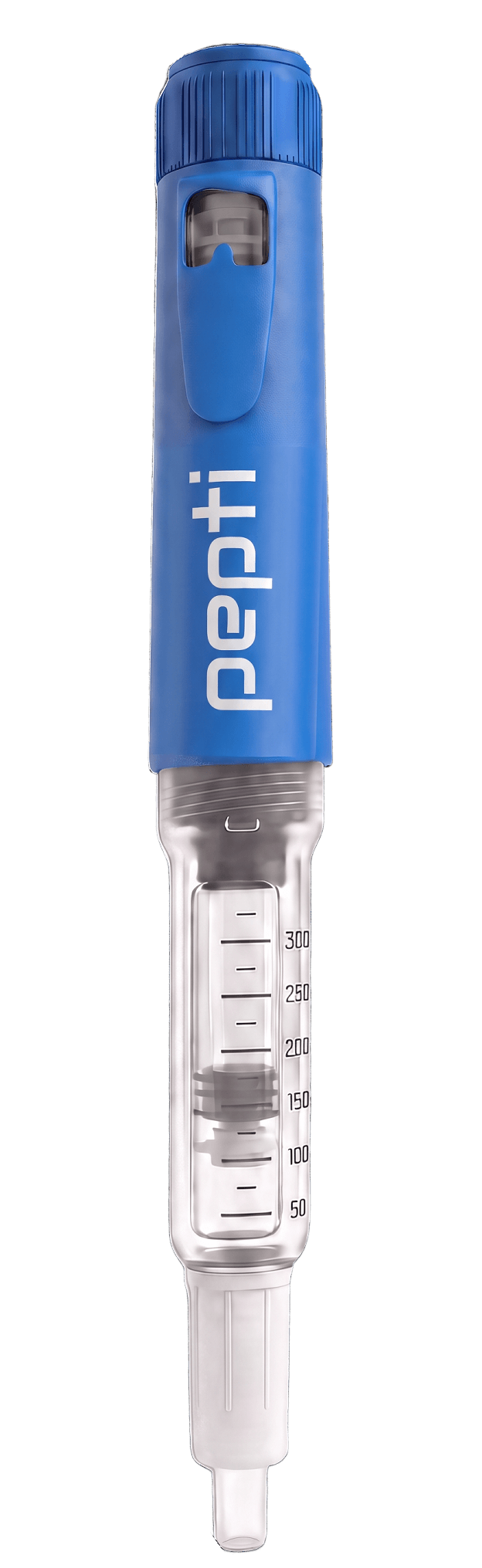
| Formats | Vial, or pre-filled pepti Pen | Vial only | Vial only |
| Price at Pepti | $259 a month | $229 a month | $219 a month |
| Also found in | PHYSIQ, SHRED, FUSION, EUPHORIA, SYNAPSE | Single vial only | FUSION |
The real difference is the target, not the strength
People often ask which of the three is "strongest." That is not a meaningful comparison: no study has measured any two of them in the same animals or people, and none has been measured in people at all. The useful difference is where each acts. MOTS-c and SLU-PP-332 are both aimed at muscle and both earn the "exercise-mimetic" label, by different routes: MOTS-c through the AMPK energy sensor, SLU-PP-332 through the receptors that sit upstream of mitochondrial gene expression. 5-Amino-1MQ is aimed at fat cells.
MOTS-c vs SLU-PP-332 vs 5-Amino-1MQ
Who suits which
MOTS-c
MOTS-c tends to suit someone who wants a peptide rather than a synthetic drug-like compound, who is training, and who is interested in the muscle and insulin-sensitivity side of metabolism. It has the broadest animal literature of the three, the only human data on the natural molecule, and it is the one that has been through an FDA advisory committee. It also comes as a pre-filled pepti Pen.
SLU-PP-332
SLU-PP-332 is the one built most directly around endurance. It suits someone training seriously who is not a tested athlete and who understands that the evidence is entirely in mice and cells. The researchers who made it describe it as a candidate for people who cannot exercise adequately, not a replacement for training in people who can.
5-Amino-1MQ
5-Amino-1MQ is the fat-cell option. It suits someone whose interest is fat metabolism or the NAD+ angle, with diet and activity already in place. Both of its main mouse studies paired it with a lifestyle change and reported the combination doing more than either alone.
Can you take them together?
They act on different targets, and some physicians do combine them. The FUSION Blend puts MOTS-c and 5-Amino-1MQ in one vial with BPC-157 and tesamorelin. No study has tested any combination of the three, so stacking them means several unknowns at once rather than one. Most people start with one and add another only if there is a reason to.
MOTS-c vs SLU-PP-332 vs 5-Amino-1MQ
When none of them is the right first step
| Situation | What makes more sense |
|---|---|
| Losing a meaningful amount of weight is the goal | Tirzepatide or semaglutide, which have large randomised human trials with weight as the endpoint |
| Fat around the middle specifically | Tesamorelin, the active ingredient of an approved product with human trial data on visceral fat |
| NAD+ itself is the interest | NAD+ injection, which supplies the molecule directly |
| Mitochondrial function is the concern | SS-31, which targets the inner mitochondrial membrane and has its own human trial history |
| You compete in a tested sport | None of these; MOTS-c and SLU-PP-332 are in prohibited classes |
The wider picture is in the best peptides for weight loss.
MOTS-c vs SLU-PP-332 vs 5-Amino-1MQ
Where each stands with the FDA
The three are in very different places, and most pages online have not caught up.
| MOTS-c | SLU-PP-332 | 5-Amino-1MQ | |
|---|---|---|---|
| 2023 | Placed in Category 2 of the 503A interim list | Not on any list | Not on any list |
| April 2026 | Removed from Category 2 on 15 April | Not on any list | Not on any list |
| Interim list updated 14 May 2026 | Not in Category 2 | Not in Category 1, 2 or 3 | Not in Category 1, 2 or 3 |
| Advisory committee | 23 July 2026: voted 7 to 5, two abstentions, to recommend adding it to the 503A Bulks List, for obesity and osteoporosis | Not on the July 2026 agenda or the next announced meeting | Not on the July 2026 agenda |
| Final FDA determination | Pending | Never evaluated | Never evaluated |
For MOTS-c, the FDA's own reviewers had recommended against inclusion, citing the absence of human clinical data, and the committee voted in favour by the narrowest margin of the six peptides it recommended that day. A committee vote is a recommendation, not a decision. The FDA has not evaluated SLU-PP-332 or 5-Amino-1MQ in either direction. All three remain legal to prescribe and dispense as compounded medications, and none is an FDA-approved drug. Are peptides FDA approved explains the difference between not approved and not legal.
MOTS-c vs SLU-PP-332 vs 5-Amino-1MQ
Dosing, side by side
All three are injected under the skin (subcutaneously) into the abdomen or thigh, rotating sites, once a day Monday to Friday with weekends off. The volume is the same for all three, 0.25 mL, which is 25 units on a U-100 insulin syringe. Because the vials differ in strength, that volume delivers 0.5 mg of MOTS-c, 0.5 mg of SLU-PP-332 or 0.25 mg of 5-Amino-1MQ. MOTS-c is directed in the morning, so the dose sits near the day's activity. You do not need to calculate anything: your physician sets your directions after reviewing your intake, and they are printed on the vial.
Twenty doses per vial covers about four weeks, which is why refills run every 28 days, one vial at a time. All three ship refrigerated with ice packs and stay in the fridge between doses. Bloodwork is not required for any Pepti treatment. If your physician wants labs for your care, they'll ask through your account.
MOTS-c vs SLU-PP-332 vs 5-Amino-1MQ
Side effects
MOTS-c. The animal work reports it well tolerated. Clinically, mostly injection-site redness, mild soreness or bruising. Because it acts on an energy-sensing pathway, some people describe brief jitteriness, a faster pulse or light-headedness in the hour or two after a morning dose early in a course. If you take anything that lowers blood glucose, say so on the intake.
SLU-PP-332. There is no human safety data. The mouse studies, including eight weeks in old animals, did not describe overt toxicity. Prescribers report mostly injection-site effects and occasionally early nausea or light-headedness. ERRα is also active inside cancer cells and the compound acts on the heart's fuel metabolism, so a history of cancer or heart disease belongs on the intake.
5-Amino-1MQ. There is no human safety database. The mouse studies reported no observable adverse effects at the doses used, though they were not toxicology studies. Clinically, mostly injection-site reactions. NNMT also methylates some foreign compounds, a theoretical reason to list every medication and supplement you take.
For all three, stop and contact your physician for any reaction that is severe, spreading, or involves difficulty breathing.
MOTS-c vs SLU-PP-332 vs 5-Amino-1MQ
Who should not take them, or should discuss it first
| Situation | Why |
|---|---|
| Pregnancy or breastfeeding | Not used; safety data is absent for all three |
| Tested athletes | MOTS-c is on the WADA list at all times as an AMPK activator; SLU-PP-332 falls under the exercise-mimetic prohibition with published detection methods; check the list for 5-Amino-1MQ |
| Personal history of cancer | Especially for SLU-PP-332, because ERRα is active in cancer metabolism |
| Heart disease | Especially for SLU-PP-332, because of its effect on cardiac fuel metabolism |
| Taking glucose-lowering medication | Especially for MOTS-c, because of its insulin-sensitivity mechanism |
MOTS-c vs SLU-PP-332 vs 5-Amino-1MQ
What the evidence shows, honestly
None of the three has a randomised human trial. MOTS-c has a coherent mouse literature, observational data on the body's own peptide, and one small company-reported study of a different analogue. SLU-PP-332 has the most mechanistically rigorous mouse work, including knockout animals, and nothing in people. 5-Amino-1MQ has mouse and cell studies from essentially one research group and human data only on its target enzyme. Any provider describing any of them as shown to change weight, fitness or glucose in people is overstating it. The appropriate frame, which prescribers describe too, is an adjunct to training and diet, not a replacement for either.
MOTS-c vs SLU-PP-332 vs 5-Amino-1MQ
Where to get MOTS-c, SLU-PP-332 or 5-Amino-1MQ prescribed
None of the three can be bought legitimately without a prescription. Sites selling them "for research use only" are not accountable for what is in the vial: identity, purity, sterility and concentration are untested. The prescription route:
- Complete a free online intake covering your history, medications and what you want help with.
- A physician licensed in your state reviews it, usually within 24 hours.
- If it is appropriate, a state-licensed, FDA-registered US pharmacy compounds it to that prescription. Lot test results are published at /quality/lab-results.
- It ships refrigerated with your directions printed on the vial.
- Your physician stays reachable for questions and dose changes.
Pepti prescribes all three in all 50 states and DC. Step-by-step pages: how to get MOTS-c prescribed online, how to get SLU-PP-332 prescribed online and how to get 5-Amino-1MQ prescribed online.
References
What this is based on.
References
- Billon C, Sitaula S, Banerjee S et al.. Synthetic ERRα/β/γ Agonist Induces an ERRα-Dependent Acute Aerobic Exercise Response and Enhances Exercise Capacity · ACS Chem Biol (2023) · PMID 36988910
- Billon C, Schoepke E, Avdagic A et al.. A Synthetic ERR Agonist Alleviates Metabolic Syndrome · J Pharmacol Exp Ther (2024) · PMID 37739806
- Xu W, Billon C, Li H et al.. Novel Pan-ERR Agonists Ameliorate Heart Failure Through Enhancing Cardiac Fatty Acid Metabolism and Mitochondrial Function · Circulation (2024) · PMID 37961903
- Wang XX, Myakala K, Libby AE et al.. Estrogen-Related Receptor Agonism Reverses Mitochondrial Dysfunction and Inflammation in the Aging Kidney · Am J Pathol (2023) · PMID 37717940
- Billon C, Appourchaux K, Côté I, Burris TP. An orally active estrogen receptor-related receptor agonist, SLU-PP-915, enhances aerobic exercise capacity · J Pharmacol Exp Ther (2026) · PMID 41421047
- Bonanni R, Falvino A, Matticari A et al.. Targeting ERRs to counteract age-related muscle atrophy associated with physical inactivity: a pilot study · Front Physiol (2025) · PMID 40692696
- Avliyakulov NK, Sobolevsky T, Ahrens E. Analysis and Identification of In Vitro Metabolites of Exercise Mimetic SLU-PP-332 ERRα/β/γ Agonist for Doping-Control Purposes · Drug Test Anal (2026) · PMID 41688415
- Okda HE, Zhao P, Hayes M et al.. Chemical optimization of the exercise mimetic SLU-PP-332 enables insight into estrogen-related receptor signaling · Int J Biol Macromol (2026) · PMID 41850449
- Möller T, Krug O, Thevis M. In Vitro Metabolism and Analytical Characterization of SLU-PP-332 and SLU-PP-915: Novel Pan-ERR Agonists With Doping Potential · Rapid Commun Mass Spectrom (2026) · PMID 41588687
- Neelakantan H, Vance V, Wetzel MD et al.. Selective and membrane-permeable small molecule inhibitors of nicotinamide N-methyltransferase reverse high fat diet-induced obesity in mice · Biochem Pharmacol (2018) · PMID 29155147
- Neelakantan H, Wang HY, Vance V et al.. Structure-Activity Relationship for Small Molecule Inhibitors of Nicotinamide N-Methyltransferase · J Med Chem (2017) · PMID 28548833
- Neelakantan H, Brightwell CR, Graber TG et al.. Small molecule nicotinamide N-methyltransferase inhibitor activates senescent muscle stem cells and improves regenerative capacity of aged skeletal muscle · Biochem Pharmacol (2019) · PMID 30753815
Citations are provided for educational purposes. They do not constitute medical advice. Always discuss any peptide protocol with your prescribing physician.
Common questions
MOTS-c vs SLU-PP-332 vs 5-Amino-1MQ, answered.
No. It is a small synthetic molecule, 5-amino-1-methylquinolinium, with no amino acids in it. It is grouped with peptides because of how it is prescribed and injected. SLU-PP-332 is also a small molecule; MOTS-c is the only peptide of the three.
SLU-PP-332 is the one designed around the endurance gene program, and treated mice ran further and longer on a treadmill. MOTS-c was also reported to improve physical performance in mice of every age. Neither has been tested for endurance in people, and no study has compared them.
Neither has human trial evidence for fat loss. MOTS-c is described around fuel use in muscle; 5-Amino-1MQ around the NNMT enzyme in fat cells. Both reduced fat gain in obese mice. If losing weight is the main goal, tirzepatide and semaglutide have the human evidence.
It means a compound switches on, in muscle, part of the signalling that exercise switches on. For MOTS-c that is AMPK; for SLU-PP-332 it is the ERR gene program. In both cases it describes a mechanism in animals, not the full benefits of exercise in a person.
Some physicians combine them because they act on different targets, and the FUSION Blend contains MOTS-c and 5-Amino-1MQ together. No study has tested any combination. Starting with one makes it easier to tell what is doing what.
They act through entirely different mechanisms from GLP-1 medications, and none has an appetite effect. There is no human data on combining any of them with a GLP-1. Your physician sets your directions after reviewing your full medication list.
No. None of the three is described as acting on appetite, and the 5-Amino-1MQ mouse work specifically reported food intake unchanged.
At Pepti, MOTS-c is $259 a month, SLU-PP-332 is $229 a month and 5-Amino-1MQ is $219 a month, all-in, including the medication, physician review, refill management and shipping. The FUSION Blend is $279 a month.
There is no trial-established timeline for any of them in people. Prescribers describe any change as gradual and dependent on training and diet.
Yes, with a valid prescription, as compounded medications from a licensed US pharmacy. None is FDA approved and none is banned. MOTS-c was recommended for the 503A Bulks List by the FDA's advisory committee in July 2026; SLU-PP-332 and 5-Amino-1MQ have not been evaluated by the FDA.
No. Bloodwork is not required for any Pepti treatment. If your physician wants labs for your care, they'll ask through your account. The free assessment goes to a physician licensed in your state. A consultation does not guarantee a prescription.
Next step
See what a physician recommends for you.
A licensed physician in your state reviews your intake and decides what is appropriate. A consultation does not guarantee a prescription.