Weight Loss · Reference
L-Carnitine Injections vs GLP-1s (Semaglutide, Tirzepatide): Is L-Carnitine Like a GLP-1?
L-carnitine and the GLP-1 medications semaglutide and tirzepatide are both prescribed around weight programs, but they are different kinds of molecule doing different jobs. What each is, how each is described to work, the human evidence, FDA status, dosing, price, Lipo-B, and why some people take L-carnitine alongside a GLP-1.
Medically reviewed by Dr. Gene, MD · November 4, 2026
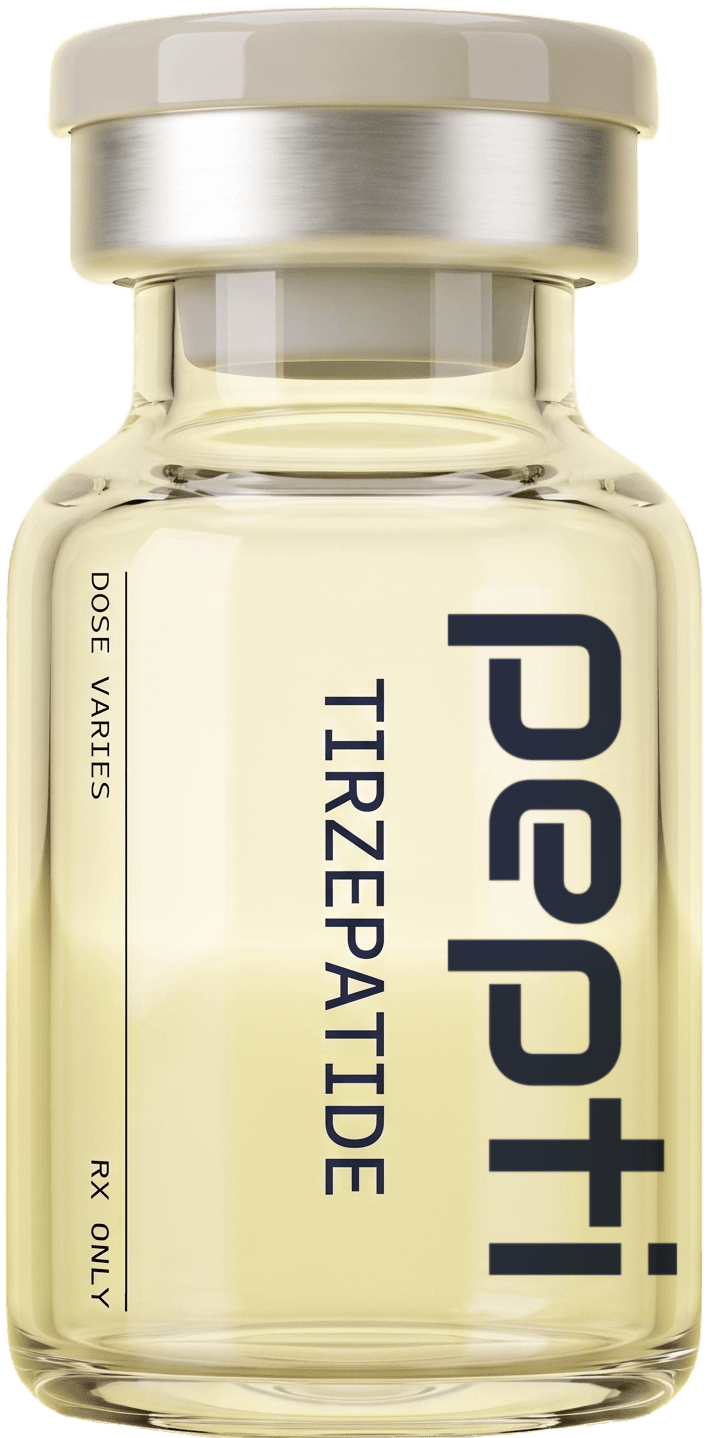
Treatments mentioned
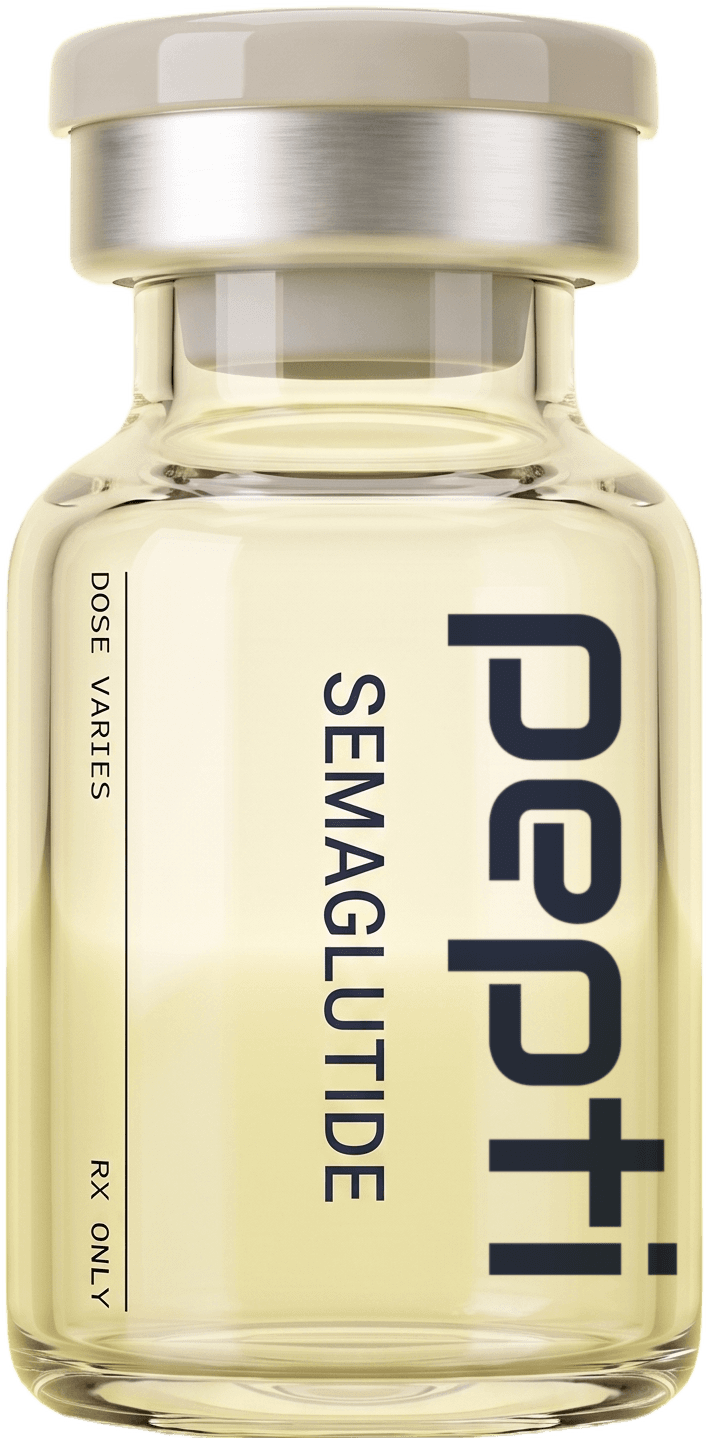
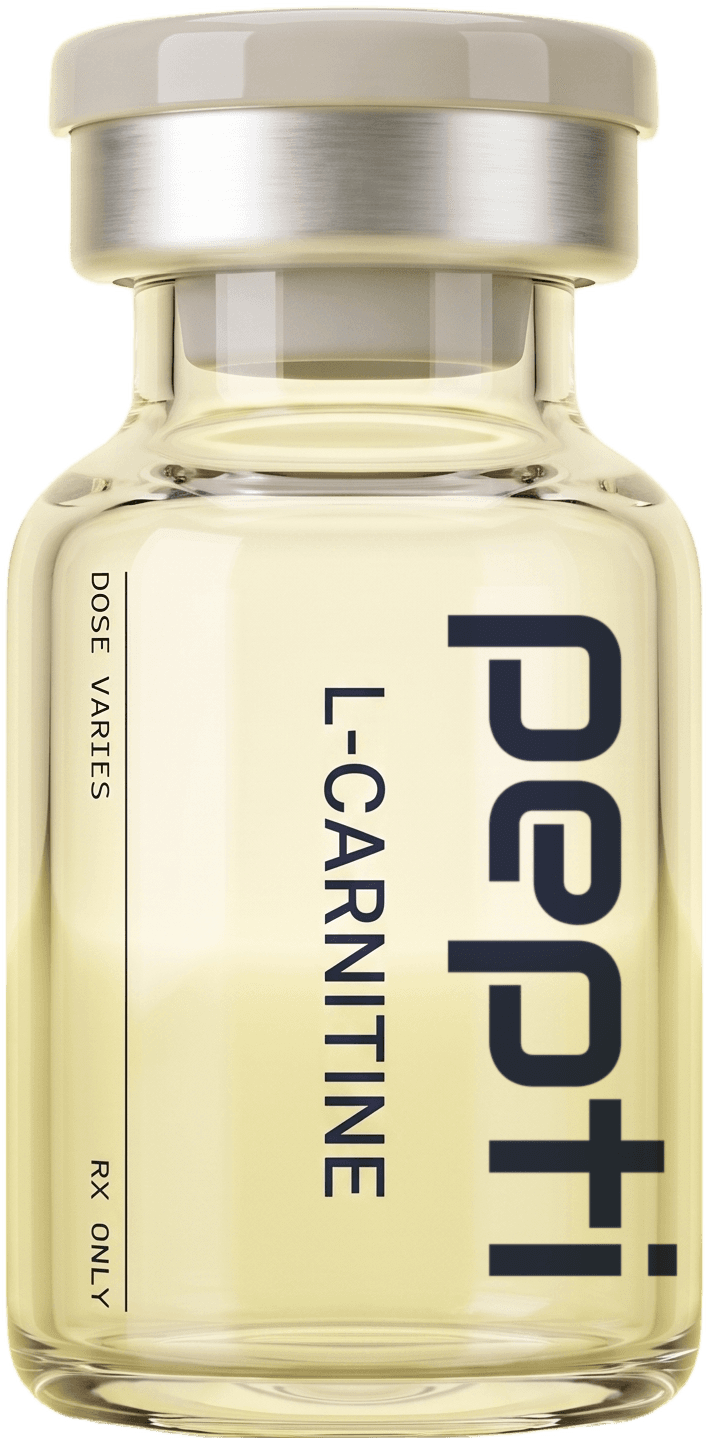
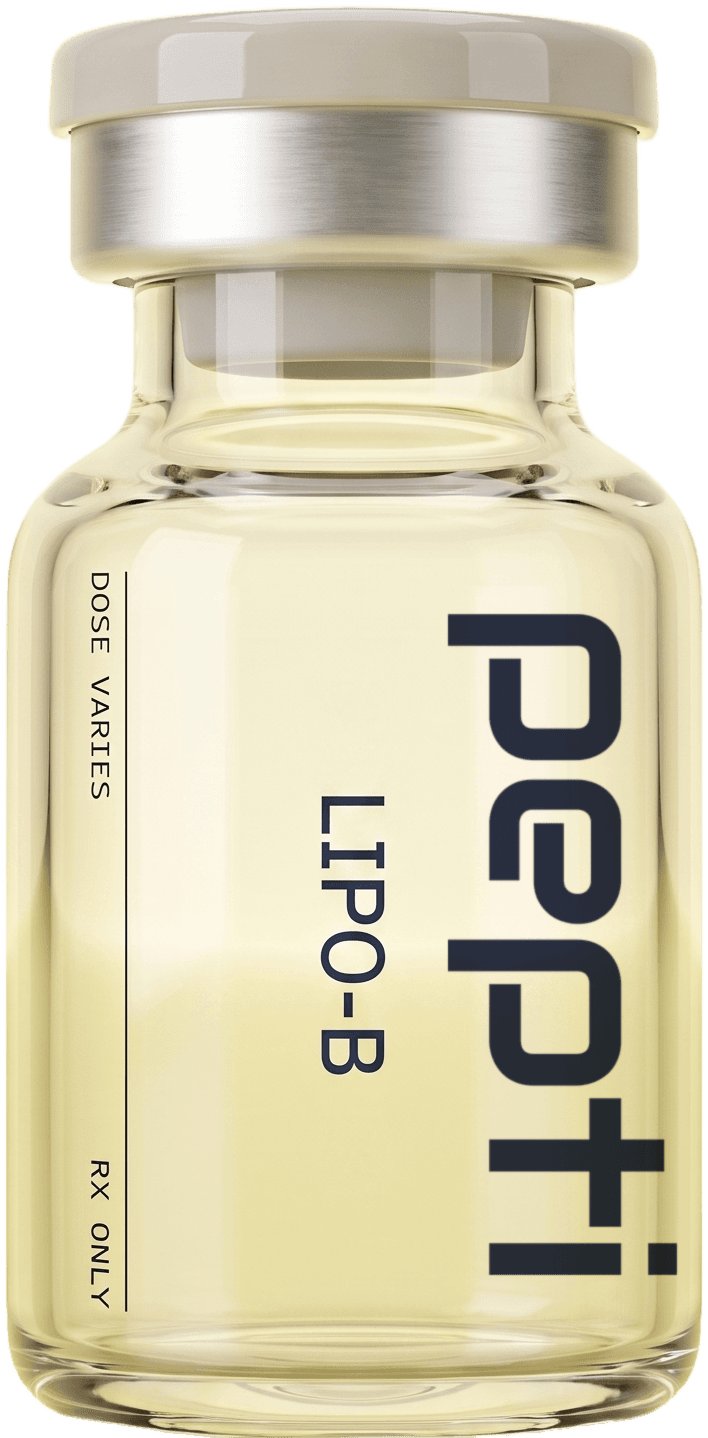
No. L-carnitine is not like a GLP-1 medication, and it does not work the same way. Semaglutide and tirzepatide are hormone-receptor agonists that act on appetite, gastric emptying and insulin signalling, and they have very large randomized human trials for weight management. L-carnitine is a transport molecule the body already makes, which carries long-chain fatty acids into mitochondria; it does not suppress appetite, and its human trials are mostly of oral supplements with a modest effect. When people use both, L-carnitine is an adjunct alongside the GLP-1, not a substitute for it.
L-Carnitine Injections vs GLP-1s (Semaglutide, Tirzepatide)
The short answer
| If your main goal is | The usual prescription | What is in it | Price |
|---|---|---|---|
| Weight management, with appetite as the main lever | Semaglutide | Dose-specific vials, from 1 mg per 1 mL at the starting strength | from $99/mo |
| Weight management through two incretin receptors | Tirzepatide | Dose-specific 2 mL vials, from 10 mg at the starting strength | from $159/mo |
| A fat-transport cofactor alongside training or a weight program | L-Carnitine Injection | 10 mL vial, L-carnitine 2 mg/mL (20 mg per vial) | $219/mo |
| A B12 and lipotropic nutrient injection alongside a program | Lipo-B (B12 + MIC) | 10 mL vial; methionine 50 mg, inositol 50 mg, choline 25 mg and B12 1 mg per mL | $209/mo |
| B12 on its own | Methylcobalamin | 5 mL vial, methylcobalamin 2 mg/mL (10 mg per vial) | $229/mo |
Every figure is an all-in monthly price covering the medication, physician review, refill management and shipping. There is no separate membership fee. GLP-1 prices are "from" prices because the vial, and the price, changes as the dose steps up. Current pricing always lives on each product page.
L-Carnitine Injections vs GLP-1s (Semaglutide, Tirzepatide)
The GLP-1 medications on their own terms
What they are
Semaglutide is a GLP-1 receptor agonist: a modified copy of glucagon-like peptide-1, a hormone the small intestine releases after a meal. Native GLP-1 is cleared within minutes; semaglutide carries changes that block that breakdown and bind it to albumin, stretching its half-life to roughly a week. Tirzepatide is a single 39-amino-acid peptide built to activate two incretin receptors, GIP and GLP-1, with a half-life of about five days. Both are injected once a week.
How they are described to work
Unlike most compounds on this site, the mechanisms here have been studied directly in humans:
- Appetite signalling in the brain. GLP-1 receptors in the hypothalamus and brainstem regulate hunger and fullness. Human feeding studies describe reduced hunger, fewer cravings and lower energy intake, and in the weight-management trials this is the mechanism that carries most of the effect.
- Slower gastric emptying. Fullness lasts longer and post-meal glucose rises more gradually. The same action explains the most common side effects: nausea, fullness and constipation.
- Glucose-dependent insulin release. Insulin is released when glucose is high and the signal switches off as it normalizes; glucagon is suppressed.
- The GIP arm, for tirzepatide. GIP receptors sit on fat cells and in the brain as well as the pancreas. A 2022 study in The Lancet Diabetes & Endocrinology reported that tirzepatide improved insulin sensitivity by more than the weight change alone would predict.
What human data exists
A great deal. Semaglutide's weight-management evidence is the STEP programme, plus SUSTAIN-6 and SELECT for cardiovascular outcomes; tirzepatide's is the SURMOUNT trials, with the SURPASS programme in type 2 diabetes. Those are large randomized trials with weight as a primary endpoint. Two qualifications matter: every trial ran the drug alongside a reduced-calorie diet and increased activity, and the trial data belongs to the branded, manufactured products rather than to compounded versions.
L-Carnitine Injections vs GLP-1s (Semaglutide, Tirzepatide)
L-carnitine on its own terms
What it is
L-carnitine is not a peptide and not a hormone. It is a small compound the liver and kidneys make from the amino acids lysine and methionine, and most of the body's supply sits in skeletal and heart muscle. Its job is narrow and well characterized: it carries long-chain fatty acids across the inner mitochondrial membrane so they can be used for energy. Only the L form is biologically active. The full reference is at what is L-carnitine.
How L-carnitine is described to work
- The carnitine shuttle. Enzymes on the mitochondrial membranes attach a fatty acid to carnitine, carry it through, and release it inside for oxidation. This is the rate-limiting step in long-chain fat oxidation.
- Muscle fuel selection in humans. A 2011 Journal of Physiology study gave healthy men oral L-carnitine with carbohydrate for 24 weeks, with muscle biopsies. Muscle carnitine rose only with the carbohydrate, because insulin drives carnitine into muscle, and only over months.
What it is not
It is not an appetite drug, not a stimulant and not a thermogenic. Having more carnitine available does not make the body oxidize more fat than the demand for energy calls for. It is a cofactor in a pathway, and the pathway still has to be driven by activity.
What human data exists
L-carnitine has more randomized human trials than most compounds Pepti prescribes, and three meta-analyses of them have been published (Obesity Reviews 2016, Pharmacological Research 2020 and Clinical Nutrition ESPEN 2020). They report a modest effect on body weight in overweight adults who were also changing diet and activity, with no consistent change in body-fat percentage or waist circumference. Nearly all of those trials used oral carnitine at gram doses; there are no randomized trials of low-dose intramuscular L-carnitine in healthy adults, so what the injection does in that group is extrapolated rather than measured.
L-Carnitine Injections vs GLP-1s (Semaglutide, Tirzepatide)
Head to head
| Semaglutide / tirzepatide | L-carnitine | |
|---|---|---|
| What it is | Synthetic peptide hormone analogues | A small transport molecule the body makes from two amino acids |
| Target | GLP-1 receptor (semaglutide); GLP-1 and GIP receptors (tirzepatide) | The mitochondrial fatty-acid shuttle |
| Acts on appetite? | Yes, the main mechanism | No |
| Slows gastric emptying? | Yes | No |
| What it is usually chosen for | Weight management | Training tolerance, recovery, and as an adjunct to a weight program |
| Human evidence for weight | Large randomized trials with weight as the primary endpoint | Meta-analyses of mostly oral trials reporting a modest effect |
| Trials of the format Pepti supplies | The trials used the branded products | None for low-dose intramuscular injection |
| Route | Subcutaneous, under the skin | Intramuscular, into the muscle |
| Schedule | Once weekly | Once daily, Monday to Friday |
| Vial at Pepti | Dose-specific vials that change as the dose steps up | 10 mL, 2 mg/mL (20 mg) |
| Doses per vial | About four weekly doses | 20, about 4 weeks |
| Common side effects | Nausea, diarrhoea, vomiting, constipation | Injection-site soreness; occasional nausea; a faint fishy body odour |
| Price at Pepti | Semaglutide from $99 a month; tirzepatide from $159 a month | $219 a month |
The real difference is the job, not the strength
People often ask whether L-carnitine is a "natural GLP-1" or a cheaper alternative. It is neither. A GLP-1 medication changes how much a person wants to eat; L-carnitine changes nothing about appetite and works only at the point where fat is already being used for fuel. That is why the reference pages for semaglutide and tirzepatide describe L-carnitine as an adjunct rather than an alternative. If clinically meaningful weight change is the goal, the GLP-1 is the medication with the trial evidence, and a physician reviewing your intake will usually say so.
L-Carnitine Injections vs GLP-1s (Semaglutide, Tirzepatide)
Where Lipo-B fits
Lipo-B is often mentioned in the same breath as L-carnitine, and the two are easy to confuse. Lipo-B does not contain carnitine. Each millilitre holds 50 mg methionine, 50 mg inositol, 25 mg choline and 1 mg vitamin B12 (cyanocobalamin), in a 10 mL vial. "MIC" is the initials of the first three, and "lipotropic" is an older nutrition term for compounds that, in mid-twentieth-century animal feeding studies, prevented fat building up in the liver of choline-deficient animals. It does not mean fat-burning. The full reference is at what is Lipo-B.
| L-carnitine | Lipo-B (B12 + MIC) | |
|---|---|---|
| What is in it | L-carnitine only | Methionine, inositol, choline and vitamin B12 |
| Described job | Carrying long-chain fatty acids into mitochondria | B12 for the methylation cycle; MIC for liver fat export in deficiency |
| Human trials for weight | Meta-analyses of mostly oral trials, modest effect | None for the combination, by any route |
| Where the evidence is strongest | Carnitine deficiency | B12 deficiency |
| Directions | 0.50 mL (50 units) into the muscle, Monday to Friday | 0.8 mL (80 units) into the muscle, three times weekly |
| Doses per vial | 20 | 12 |
| Price at Pepti | $219 a month | $209 a month |
The honest reading of Lipo-B: the B12 component has established human evidence for deficiency, and a 2018 randomized trial found extra B12 did not relieve fatigue in people who were not deficient. The MIC component has plausible biochemistry and no evidence that the small injected amounts change anything in a well-nourished adult. Like L-carnitine, it does not act on appetite, and it is not in the same category as a GLP-1. Lipo-Mino-Mix-C ($209 a month) is the related MIC and B12 preparation; its product page carries its composition.
L-Carnitine Injections vs GLP-1s (Semaglutide, Tirzepatide)
Why people take L-carnitine with a GLP-1
The rationale
The tirzepatide reference describes L-carnitine and Lipo-B as adjuncts, and they are among the most common add-ons to a GLP-1 prescription. The reasoning is that they do a different job: the GLP-1 addresses appetite, and L-carnitine is a cofactor for using fat as fuel during activity. What prescribers describe on L-carnitine is training tolerance and recovery between sessions, which matters when someone is trying to keep training while eating less. The full list of common pairings is in what peptides can you take with tirzepatide.
What the pairing does not do
No trial has tested L-carnitine with semaglutide or tirzepatide, and no trial shows that it adds weight loss on top of a GLP-1 medication. Weight lost on a GLP-1 includes lean mass as well as fat, and the countermeasures with the most behind them are a daily protein target and resistance training, not an injection. L-carnitine is a reasonable adjunct for someone who is training; it is not a lean-mass protector.
Practical points when pairing
Question Answer Same syringe? No. Each vial's directions are calculated against that vial's concentration; never mix two vials in one syringe Same injection type? No. The GLP-1 goes under the skin; L-carnitine goes into the muscle with a longer needle, which the pharmacy supplies Start both at once? Starting them on different dates makes it easier to tell which one caused any change, especially in the early weeks of a GLP-1 when nausea is most likely Does Pepti's GLP-1 vial already contain carnitine or B12? No. Semaglutide vials contain semaglutide; tirzepatide vials contain tirzepatide, with glycine in the 2.5 mg and 7.5 mg strengths Semaglutide and tirzepatide together? Never. Both act at the GLP-1 receptor; switching is possible, combining is not
L-Carnitine Injections vs GLP-1s (Semaglutide, Tirzepatide)
When neither is the right first step
| Situation | What makes more sense |
|---|---|
| Diagnosed carnitine deficiency, kidney disease on dialysis, or a metabolic disorder | Specialist care with the approved levocarnitine product and its weight-based dosing, not a compounded intramuscular vial |
| Energy is the complaint and B12 status is unknown | Methylcobalamin, with a B12 level checked so you can tell whether it was needed |
| Body composition with visceral fat as the focus | Tesamorelin or the PHYSIQ Blend; see tesamorelin vs semaglutide |
| Personal or family history of medullary thyroid carcinoma or MEN 2 | Not a GLP-1; this is a contraindication on the approved labels |
| Type 1 diabetes | Not a GLP-1 for weight; your diabetes team first |
L-Carnitine Injections vs GLP-1s (Semaglutide, Tirzepatide)
Where each stands with the FDA
These two answers are more alike than most comparisons on this site, because all three actives sit inside approved drugs.
| Semaglutide / tirzepatide | L-carnitine (levocarnitine) | |
|---|---|---|
| Approved active ingredient? | Yes, approved for type 2 diabetes and chronic weight management, among other uses | Yes, approved for carnitine deficiency, including in end-stage renal disease on dialysis |
| What it is prescribed for at Pepti | Weight management; the compounded vial is not the approved branded drug | Off-label: weight programs, training and energy are not approved indications |
| Compounding pathway | The shortages ended (semaglutide in February 2025, tirzepatide in late 2024); patient-specific 503A compounding continues where the prescriber documents a clinical reason | Meets the 503A conditions as a component of approved products with a USP monograph; not on any 503A category list |
| Pending FDA action | A 30 April 2026 proposal to exclude both from the 503B bulks list, which concerns outsourcing facilities rather than 503A pharmacies | None as of September 2026 |
The point that applies to all of them: compounded medications are not FDA approved. They are prepared by a state-licensed pharmacy to an individual prescription, and the approval of a branded product does not transfer to a compounded vial. Are peptides FDA approved explains the difference between not approved and not legal.
L-Carnitine Injections vs GLP-1s (Semaglutide, Tirzepatide)
Dosing, side by side
Semaglutide comes in dose-specific vials: each strength is a separate vial concentrated so one weekly dose is a single draw under the skin. Treatment starts at the lowest strength and steps up at roughly four-week intervals as tolerance allows.
Tirzepatide comes in dose-specific 2 mL vials, and every strength is drawn at the same 0.50 mL (50 units) once weekly under the skin, so when the dose changes the pharmacy changes the concentration and you keep drawing to the same line. Four weekly doses per vial.
L-carnitine is drawn at 0.50 mL (50 units) and injected into the muscle (the deltoid, upper outer thigh or upper outer buttock, rotated) once daily Monday through Friday. Twenty doses per vial covers about four weeks.
Lipo-B is drawn at 0.8 mL (80 units) and injected into the muscle three times weekly. Twelve doses per vial covers about four weeks.
You do not need to calculate anything: your physician sets your directions after reviewing your intake, and they are printed on the vial. Every product here ships refrigerated with ice packs, with sterile syringes and alcohol prep pads, and refills run every 28 days, one vial per fill. How each vial is counted is in how long does a peptide vial last. Bloodwork is not required for any Pepti treatment. If your physician wants labs for your care, they'll ask through your account.
L-Carnitine Injections vs GLP-1s (Semaglutide, Tirzepatide)
Side effects
Semaglutide and tirzepatide. The most common effects are gastrointestinal: nausea, diarrhoea, vomiting, constipation and reduced appetite, mostly during dose increases and usually easing. Less common but important: acute pancreatitis (severe, persistent abdominal pain is the reason to stop and call), gallbladder problems, and dehydration. Low blood glucose is rare on a GLP-1 alone but more likely with insulin or a sulfonylurea. Slower gastric emptying can change how oral medications, including oral contraceptives, are absorbed. The approved labels carry a warning about thyroid C-cell tumours seen in rodents. GLP-1 nausea: how to manage it covers what helps.
L-carnitine. One of the longer safety records of anything Pepti prescribes. Reported: injection-site soreness or bruising, transient nausea, and a fishy body odour from trimethylamine, which is more common with large oral doses than with injection. The approved product's label reports seizures in people with and without a prior seizure history, and INR increases in people taking warfarin, so both belong on the intake.
For all of them, stop and contact your physician for any reaction that is severe, spreading, or involves difficulty breathing.
L-Carnitine Injections vs GLP-1s (Semaglutide, Tirzepatide)
Who should not take them, or should discuss it first
| Situation | Why |
|---|---|
| Personal or family history of medullary thyroid carcinoma or MEN 2 | Contraindication for semaglutide and tirzepatide |
| History of pancreatitis or gallbladder disease | Raised at intake for the GLP-1s |
| Seizure disorder | Raised at intake for L-carnitine, from its label |
| Taking warfarin | Raised at intake for L-carnitine, which can raise INR |
| On insulin or a sulfonylurea | Low blood glucose risk rises with a GLP-1 |
| Pregnancy or breastfeeding | Not used |
| Tested athletes | Check your sport's current rules; some bodies restrict injections above a certain volume regardless of contents |
L-Carnitine Injections vs GLP-1s (Semaglutide, Tirzepatide)
What the evidence shows, honestly
Semaglutide and tirzepatide have among the largest human evidence bases of any weight-management medicines, in their branded forms, run alongside diet and activity changes. L-carnitine has a real, reproducible but modest effect in meta-analyses of oral trials, no consistent effect on body-fat percentage or waist circumference, and no trials of the low-dose injection. Lipo-B has no trials for weight at all. No trial has tested L-carnitine or Lipo-B in combination with a GLP-1. Any provider describing L-carnitine as a "natural GLP-1", or a carnitine "stack" as shown to work better than a GLP-1 alone, is overstating what exists. More on weight-management options is in best peptides for weight loss.
L-Carnitine Injections vs GLP-1s (Semaglutide, Tirzepatide)
Where to get L-carnitine or a GLP-1 prescribed
None of these can be bought legitimately without a prescription. Sites selling them "for research use only" are not accountable for what is in the vial: identity, purity, sterility and concentration are untested. The prescription route:
- Complete a free online intake covering your history, medications and what you want help with.
- A physician licensed in your state reviews it, usually within 24 hours.
- If it is appropriate, a PCAB-accredited, FDA-registered US 503A pharmacy compounds it to that prescription. Lot test results are published at /quality/lab-results.
- It ships refrigerated with your directions printed on the vial.
- Your physician stays reachable for questions and dose changes.
Pepti is cash-pay and does not bill insurance. Step-by-step pages: how to get L-carnitine prescribed online, how to get semaglutide prescribed online and how to get tirzepatide prescribed online.
References
What this is based on.
References
- Wilding JPH, Batterham RL, Calanna S, et al.. Once-Weekly Semaglutide in Adults with Overweight or Obesity (STEP 1) · New England Journal of Medicine (2021) · PMID 33567185
- Lincoff AM, Brown-Frandsen K, Colhoun HM, et al.. Semaglutide and Cardiovascular Outcomes in Obesity without Diabetes (SELECT) · New England Journal of Medicine (2023) · PMID 37952131
- Wadden TA, Bailey TS, Billings LK, et al.. Effect of subcutaneous semaglutide vs placebo as an adjunct to intensive behavioral therapy on body weight in adults with overweight or obesity (STEP 3) · JAMA (2021) · PMID 33625476
- Rubino D, Abrahamsson N, Davies M, et al.. Effect of Continued Weekly Subcutaneous Semaglutide vs Placebo on Weight Loss Maintenance in Adults With Overweight or Obesity: The STEP 4 Randomized Clinical Trial · JAMA (2021) · PMID 33755728
- Marso SP, Bain SC, Consoli A, et al.. Semaglutide and Cardiovascular Outcomes in Patients with Type 2 Diabetes (SUSTAIN-6) · New England Journal of Medicine (2016) · PMID 27633186
- Davies M, Færch L, Jeppesen OK, et al.. Semaglutide 2.4 mg once a week in adults with overweight or obesity, and type 2 diabetes (STEP 2): a randomised, double-blind, double-dummy, placebo-controlled, phase 3 trial · The Lancet (2021) · PMID 33667417
- Garvey WT, Batterham RL, Bhatta M, et al.. Two-year effects of semaglutide in adults with overweight or obesity: the STEP 5 trial · Nature Medicine (2022) · PMID 36216945
- Rubino DM, Greenway FL, Khalid U, et al.. Effect of Weekly Subcutaneous Semaglutide vs Daily Liraglutide on Body Weight in Adults With Overweight or Obesity Without Diabetes: The STEP 8 Randomized Clinical Trial · JAMA (2022) · PMID 35015037
- Aronne LJ, Horn DB, le Roux CW, et al.. Tirzepatide as Compared with Semaglutide for the Treatment of Obesity (SURMOUNT-5) · New England Journal of Medicine (2025) · PMID 40353578
- Sanyal AJ, Newsome PN, Kliers I, et al.. Phase 3 Trial of Semaglutide in Metabolic Dysfunction-Associated Steatohepatitis (ESSENCE) · New England Journal of Medicine (2025) · PMID 40305708
- Wilding JPH, Batterham RL, Davies M, Van Gaal LF, Kandler K et al.. Weight regain and cardiometabolic effects after withdrawal of semaglutide: The STEP 1 trial extension · Diabetes Obes Metab (2022) · PMID 35441470
- Batsis JA, Gavras A, Gross DC, Cheever CR, Da Silva BR et al.. Effect of Incretin-Based and Nonpharmacologic Weight Loss on Body Composition: A Systematic Review · Ann Intern Med (2026) · PMID 41996180
Citations are provided for educational purposes. They do not constitute medical advice. Always discuss any peptide protocol with your prescribing physician.
Common questions
L-Carnitine Injections vs GLP-1s (Semaglutide, Tirzepatide), answered.
No. A GLP-1 medication is a hormone analogue that activates the GLP-1 receptor. L-carnitine is a small transport molecule that carries fatty acids into mitochondria. It does not act on GLP-1 receptors, appetite or gastric emptying.
No. Semaglutide and tirzepatide reduce appetite, slow gastric emptying and change insulin signalling. L-carnitine works only at the point where fat is already being used for fuel, and it needs activity to drive that pathway.
Not in any meaningful sense. Its human trials, mostly oral, report a modest effect on body weight alongside diet and exercise. The GLP-1 medications have large randomized trials with weight as the primary endpoint. If weight management is the goal, a GLP-1 is the medication with the evidence.
Yes, it is a common adjunct and they are often prescribed together. They do different jobs, and no trial has tested the combination or shown that L-carnitine adds anything to a GLP-1. Use separate syringes and tell your care team everything you take.
No. Lipo-B contains methionine, inositol, choline and vitamin B12, and no carnitine. L-carnitine is a single active with a different job and a much deeper trial base. Some people are prescribed one, some both.
There is no trial showing that. Weight lost on a GLP-1 includes some lean mass, and the countermeasures with the most behind them are a daily protein target and resistance training. L-carnitine is described around training tolerance and recovery, not muscle preservation.
Not at Pepti. Semaglutide vials contain semaglutide, and tirzepatide vials contain tirzepatide with glycine, an amino acid, in the 2.5 mg and 7.5 mg strengths. L-carnitine, Lipo-B or B12 are separate prescriptions.
Levocarnitine is an approved active ingredient, but only for carnitine deficiency. The compounded intramuscular product is not that approved drug, and prescribing it for weight, energy or training is off-label. Compounded medications are not FDA approved.
At Pepti, L-carnitine is $219 a month and Lipo-B is $209 a month. Semaglutide starts from $99 a month and tirzepatide from $159 a month, priced by dose. Every figure is all-in, covering medication, physician review, refill management and shipping, with no membership fee.
No. Bloodwork is not required for any Pepti treatment. If your physician wants labs for your care, they'll ask through your account. The free assessment goes to a physician licensed in your state. A consultation does not guarantee a prescription.
Next step
See what a physician recommends for you.
A licensed physician in your state reviews your intake and decides what is appropriate. A consultation does not guarantee a prescription.