Weight Loss · Reference
Is FUSION Banned in Sports? WADA, NCAA and Drug Tests for the FUSION Blend
This page is general information, not legal or anti-doping advice. Lists are revised every year and the duty to check sits with the athlete. For what FUSION is and what its components have been studied for, see what is FUSION.
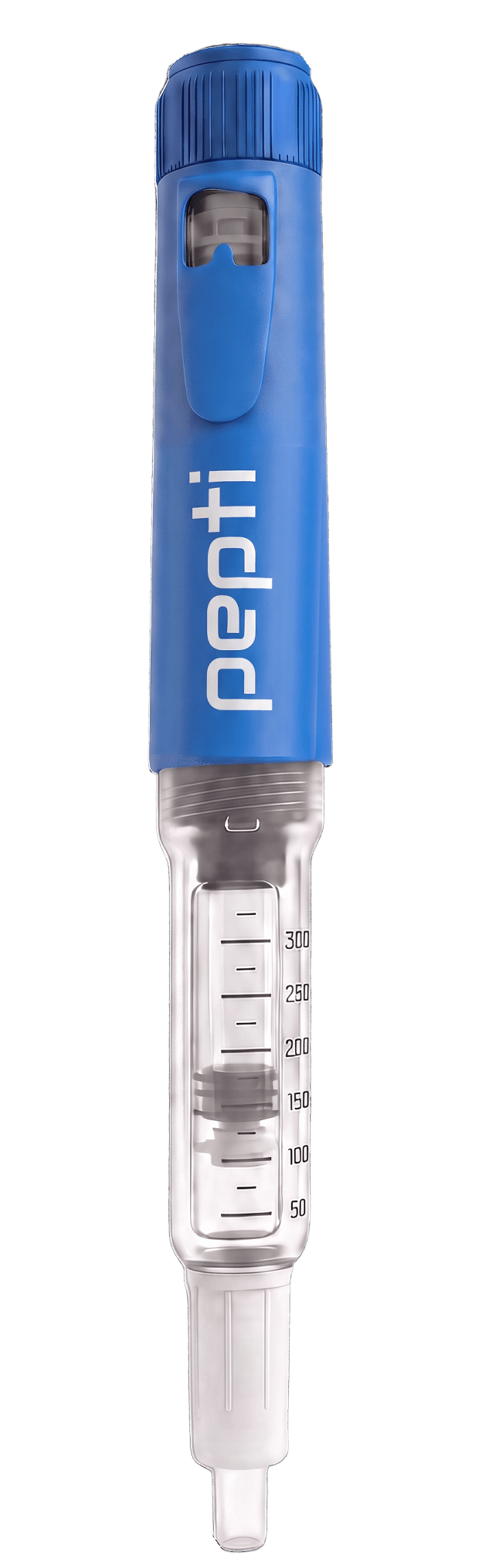
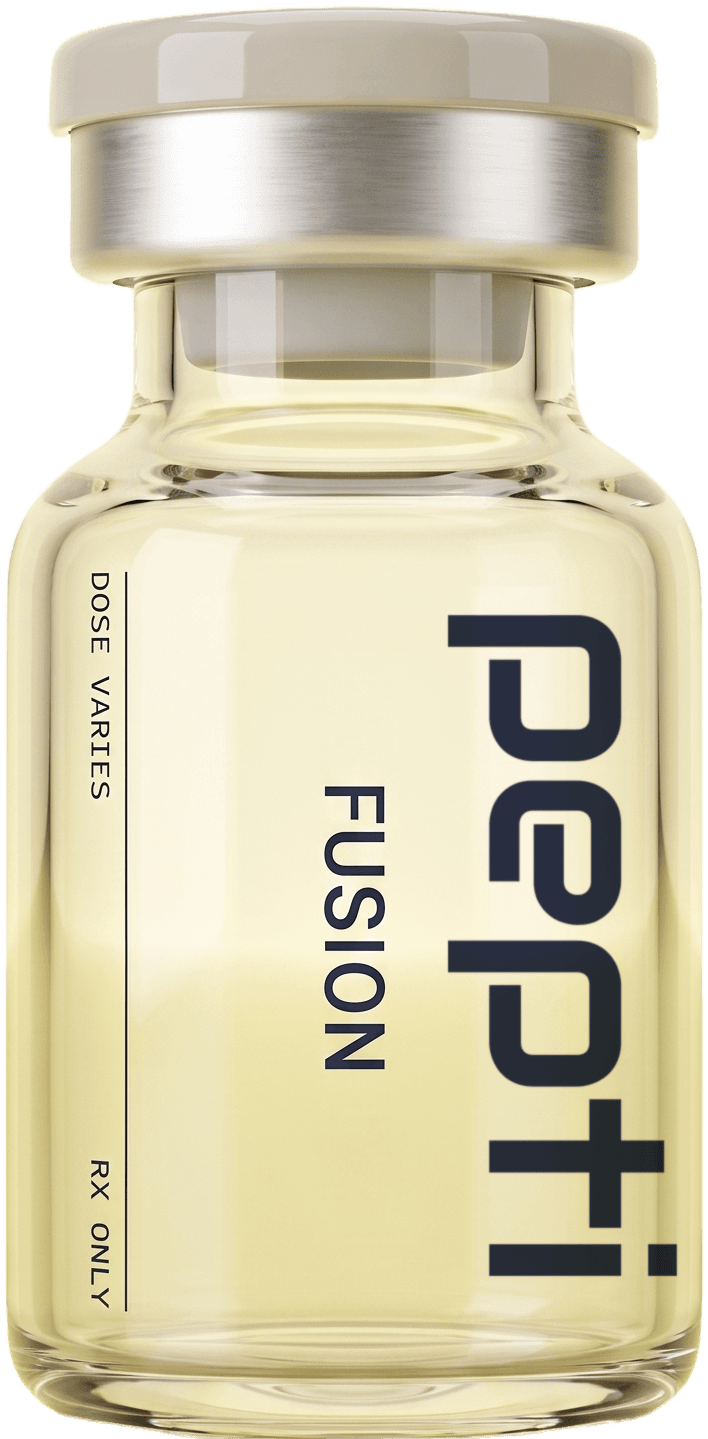
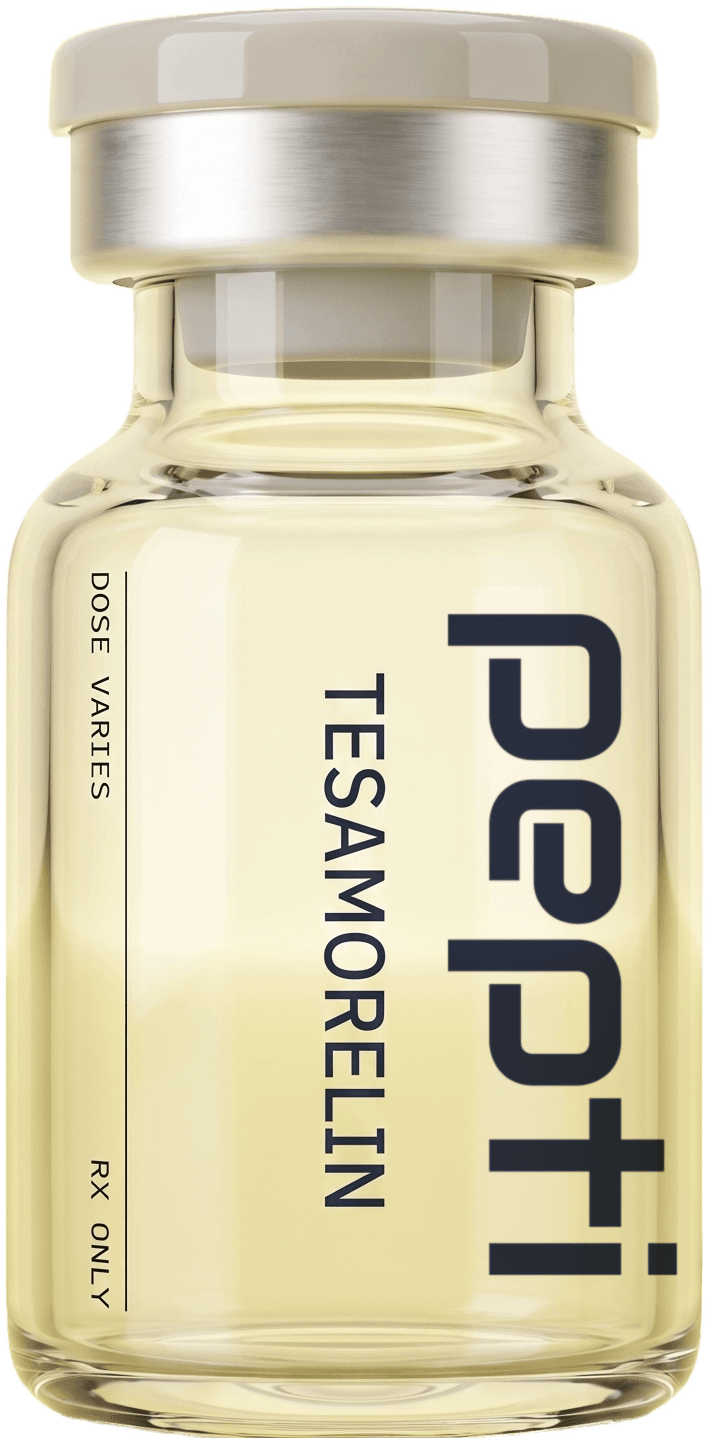
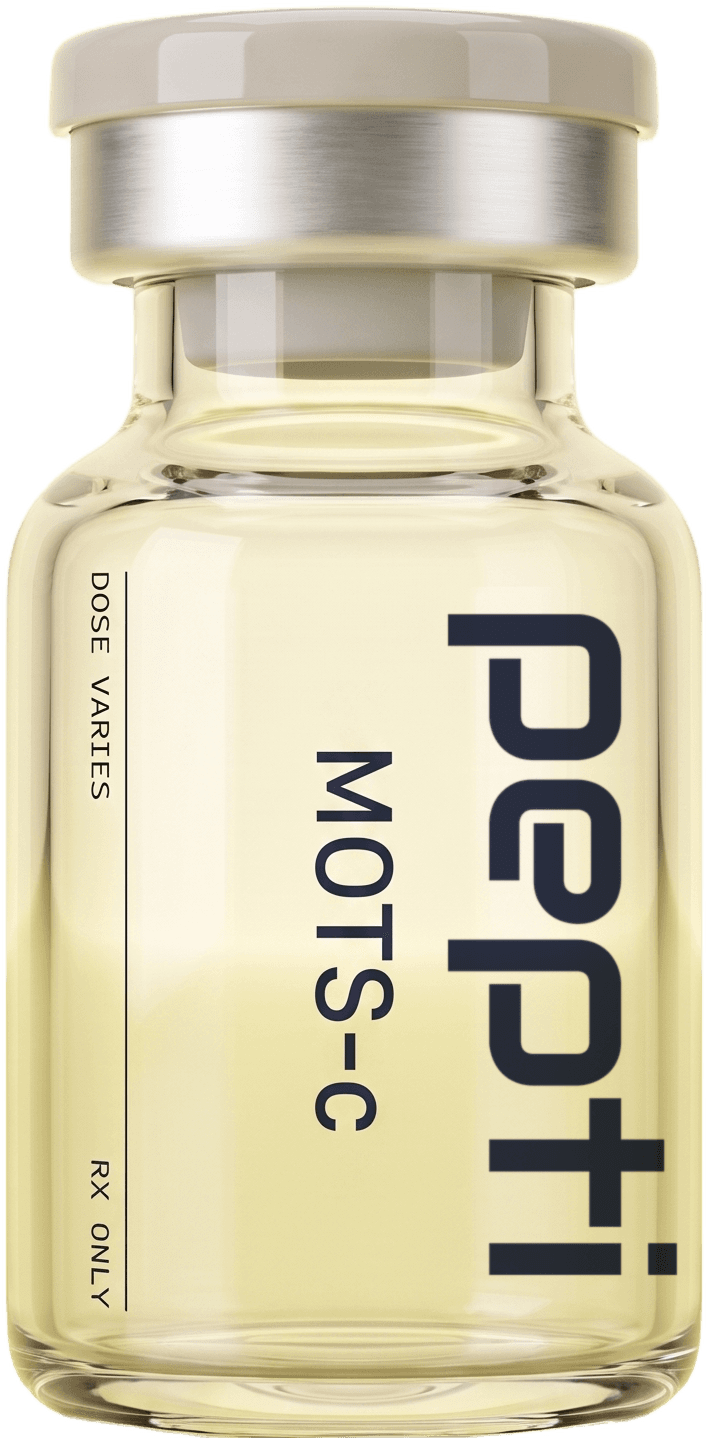
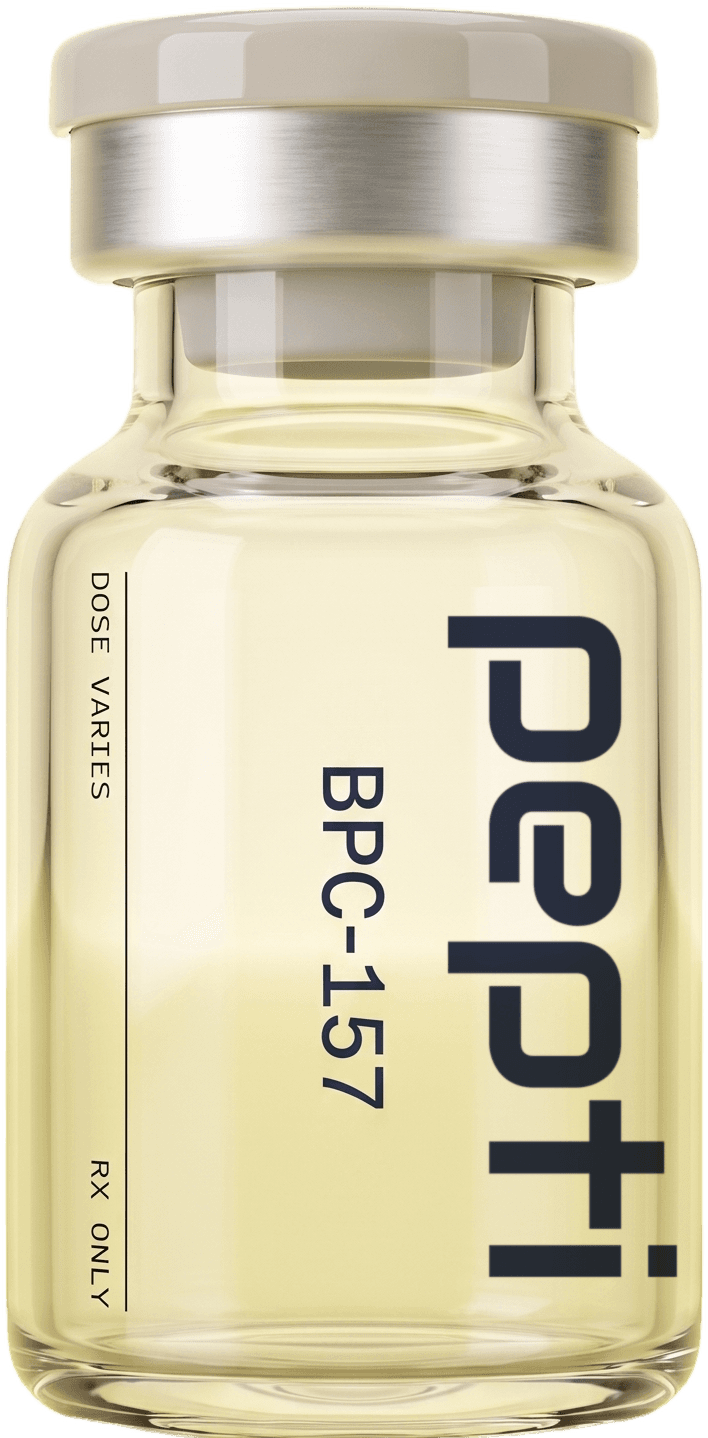
Yes. FUSION is prohibited for any athlete in a tested pool, because three of its four components are named on the 2026 WADA Prohibited List: BPC-157 under S0, non-approved substances; MOTS-c under S4.4.1, as an activator of AMP-activated protein kinase; and tesamorelin under S2.2.4, as a GHRH analogue. All three classes are prohibited at all times, in and out of competition, and the 2027 List carries the same entries forward. The fourth component, 5-Amino-1MQ, is not named, but that does not help: a blend is prohibited by virtue of any prohibited component. A prescription does not change any of this, and a standard workplace drug test does not look for any of the four.
Is FUSION Banned in Sports? WADA, NCAA and Drug Tests for the FUSION Blend
The short answer
| The question you are asking | The answer |
|---|---|
| Is FUSION banned by WADA? | Yes, through BPC-157 (S0), MOTS-c (S4.4.1) and tesamorelin (S2.2.4) |
| In competition only, or all the time? | All the time. All three classes are prohibited in and out of competition |
| Is it banned by the NCAA? | Treat it as banned. The NCAA names BPC-157 and bans the classes MOTS-c and tesamorelin fall into |
| Does a prescription help? | No. Only a therapeutic use exemption granted in advance does |
| Is a TUE realistic? | No. USADA has said MOTS-c is not eligible for one, and a TUE for BPC-157 is unlikely |
| Can labs detect the components? | Published methods exist for BPC-157 in urine and MOTS-c in plasma |
| Does the 5-Amino-1MQ make any difference? | No. The blend is prohibited by its other three components |
| Will it show up on a workplace drug test? | No |
Is FUSION Banned in Sports? WADA, NCAA and Drug Tests for the FUSION Blend
What is in FUSION, component by component
FUSION is a 5 mL multi-dose vial containing 10 mg BPC-157, 10 mg MOTS-c, 10 mg 5-Amino-1MQ and 15 mg tesamorelin, at $279 a month all-in, covering the medication, physician review, refill management and shipping, with no membership fee. The typical printed direction is 0.25 mL (25 units on a U-100 insulin syringe) under the skin once daily Monday through Friday, which delivers 0.5 mg each of BPC-157, MOTS-c and 5-Amino-1MQ and 0.75 mg of tesamorelin per dose. Each component has its own position on the List.
| Component | Amount per vial | 2026 WADA class | Named on the List? |
|---|---|---|---|
| BPC-157 | 10 mg | S0 Non-Approved Substances | Yes, as an example |
| MOTS-c | 10 mg | S4.4.1 Activators of AMP-activated protein kinase | Yes, alongside AICAR |
| Tesamorelin | 15 mg | S2.2.4 Growth hormone releasing factors | Yes, as an example of a GHRH analogue |
| 5-Amino-1MQ | 10 mg | Not named; the S0 catch-all can apply | No |
BPC-157: named in S0
The 2026 List places BPC-157 in S0, naming it explicitly, and USADA says the same: "BPC-157 is prohibited under the S0 Non-Approved Substances category of the List." S0 exists for substances with no current approval by any governmental regulatory health authority for human therapeutic use. All S0 substances are Specified Substances, which affects how a panel weighs circumstances. It is not a lesser prohibition. The detail is in is BPC-157 banned.
MOTS-c: named in S4.4.1
Section S4 covers hormone and metabolic modulators. Under S4.4.1, activators of AMP-activated protein kinase are prohibited at all times, and the named examples are BAM15, AICAR and "mitochondrial open reading frame of the 12S rRNA-c (MOTS-c)." Older pages that describe MOTS-c as unnamed are out of date. USADA has gone further and stated that MOTS-c is not eligible for a therapeutic use exemption. See is MOTS-c banned in sports.
Tesamorelin: named in S2.2.4
S2.2.4 covers growth hormone releasing factors, and its first group, GHRH and its analogues, gives CJC-1293, CJC-1295, sermorelin and tesamorelin as examples. Everything in S2 is a non-Specified Substance, the stricter end at the sanctioning stage. Tesamorelin is FUSION's largest component by mass, 15 of the 45 mg in the vial. See is tesamorelin banned in sports.
5-Amino-1MQ: not named, not a loophole
5-Amino-1MQ is a small synthetic molecule, not a peptide, and the live pages do not find it named on the 2026 List. That is not the same as permitted. S0 prohibits any pharmacological substance not addressed elsewhere on the List and with no current approval by any governmental health authority for human therapeutic use, and 5-Amino-1MQ is not approved for anything. WADA's own explanatory note warns that a substance not specifically named "may still be prohibited." For FUSION the point is moot, because the other three components settle the answer. The standalone question is covered in is 5-Amino-1MQ banned in sports.
Is FUSION Banned in Sports? WADA, NCAA and Drug Tests for the FUSION Blend
No off-season for FUSION
The S0, S2 and S4 headings all read "prohibited at all times (in- and out-of-competition)." Using FUSION in a body-composition block over the winter, months from any event, is a violation exactly as much as using it the week of a race. Out-of-competition testing exists to catch substances used during training phases, which is precisely when people reach for a metabolic blend.
Quantity does not matter either. Anti-doping rules prohibit the presence of a substance, not a dose above a threshold, so the 0.5 mg of BPC-157 or MOTS-c in a FUSION dose is treated the same as any other amount.
Is FUSION Banned in Sports? WADA, NCAA and Drug Tests for the FUSION Blend
Can a lab actually detect FUSION's components?
Yes, and the methods are published.
| Component | What the anti-doping literature reports |
|---|---|
| BPC-157 | A 2017 Drug Testing and Analysis paper reported a validated urine method with a limit of detection of 0.1 ng/mL, stable in urine for at least four days, plus a stable metabolite that improves specificity |
| MOTS-c | A plasma method built for doping control was published in Rapid Communications in Mass Spectrometry in 2019 |
| Growth hormone releasing factors, the class tesamorelin is in | Detection methods for this class are established and improving; a 2026 paper in The Analyst described a harmonised workflow for peptidic doping agents in dried and liquid blood |
| 5-Amino-1MQ | No method is described in the live pages; irrelevant to the blend's status |
Detection windows for small peptides are generally short, often hours to a few days. That is not a strategy. Under Code Article 6.6 a sample reported negative can be stored and reanalysed later, and Article 17 allows a charge within ten years. MOTS-c also occurs naturally in the body, but the List names it directly, and natural occurrence creates no permission to take it as a medication.
There is a clinical point too. Tesamorelin is expected to raise IGF-1 on a blood test, because that is how a growth hormone releasing factor works. That is not a drug test result, but it is one more reason your medical record should be accurate.
Is FUSION Banned in Sports? WADA, NCAA and Drug Tests for the FUSION Blend
Why a prescription does not protect you
FUSION at Pepti is a valid prescription from a licensed physician, compounded by a licensed pharmacy. It is still an anti-doping violation to use it in a tested pool. Article 2.1.1 of the World Anti-Doping Code makes it the athlete's personal duty to ensure no prohibited substance enters their body, and intent, fault, negligence or knowing use need not be shown to establish a violation. That is strict liability.
The approved tesamorelin product is not an exemption
An FDA-approved tesamorelin product exists, approved in November 2010 for one narrow indication: reducing excess abdominal fat in adults with HIV who have lipodystrophy. That does not make tesamorelin permitted in sport. The List names substances, and many approved drugs are prohibited. The tesamorelin in FUSION is compounded, combined with three other agents, and not FDA approved, and for an athlete it is prohibited either way.
Therapeutic use exemptions
A TUE requires a diagnosed condition supported by clinical evidence, no enhancement beyond a return to normal health, no reasonable permitted alternative, and a need not caused by earlier prohibited use. For FUSION that route is effectively closed: USADA has stated MOTS-c is not eligible for a TUE, and has said a TUE for BPC-157 is unlikely to be approved because permitted alternatives exist. USADA requires athletes in its testing pools to hold a TUE in advance; other competitors, including recreational ones, are directed to the TUE Pre-Check Form.
Is FUSION Banned in Sports? WADA, NCAA and Drug Tests for the FUSION Blend
College sport and other programs
The NCAA bans eight drug classes, including "peptide hormones, growth factors, related substances and mimetics" and "hormone and metabolic modulators." Its published examples include BPC-157 by name, and it states that any substance chemically or pharmacologically related to a banned class is banned too, even if it is not listed as an example. Tesamorelin sits in the first of those classes and MOTS-c in the second. The NCAA holds the school and the student-athlete both accountable. Professional leagues mostly run their own programs under collective bargaining, and military services and some employers have their own rules; read the policy that applies to you.
Is FUSION Banned in Sports? WADA, NCAA and Drug Tests for the FUSION Blend
Workplace and clinical drug tests
Employment panels are a different system. The federal panel in 49 CFR 40.85 tests for marijuana metabolites, cocaine metabolite, opiates, semi-synthetic opioids, 6-acetylmorphine, phencyclidine, amphetamines and MDMA. None of FUSION's components is on it or structurally similar to anything on it, so it will not trigger a false positive. See do peptides show up on a drug test.
| Type of test | Does it look for FUSION's components? | What to do |
|---|---|---|
| Pre-employment or workplace panel | No | Declare prescriptions through the confidential route if asked |
| Expanded workplace panel | No; expanded panels add more drugs of abuse | Ask what your panel covers |
| Anti-doping test | Yes; BPC-157, MOTS-c and tesamorelin are prohibited | Do not use FUSION if you are in a tested pool |
| Military or regulated profession | Policies vary | Read your own policy |
| Before surgery or a procedure | A safety question, not a screen | Tell the treating clinician everything you take, especially as tesamorelin carries a glucose caution |
Is FUSION Banned in Sports? WADA, NCAA and Drug Tests for the FUSION Blend
Where FUSION's components stand with the FDA
This is a separate axis from sport, and none of it changes anti-doping status.
| Component | FDA position, as the live pages give it |
|---|---|
| BPC-157 | Removed from Category 2 of the FDA's interim 503A list on 15 April 2026; the Pharmacy Compounding Advisory Committee voted 8 to 6, with one abstention, on 23 July 2026 to recommend adding it to the 503A Bulks List; final determination pending |
| MOTS-c | Removed from Category 2 on 15 April 2026; the committee voted 7 to 5, with two abstentions, on 23 July 2026 to recommend adding it; final determination pending |
| 5-Amino-1MQ | Never on the Category 2 list and not reviewed by the committee |
| Tesamorelin | The active ingredient of an approved product; never on the bulks category list; compounded tesamorelin is not the approved product |
FUSION is a compounded prescription, and compounded medications are not FDA approved. A favourable compounding decision would not change anything for an athlete: BPC-157 is named in S0 and MOTS-c in S4.4.1 whatever their position in the compounding framework.
Is FUSION Banned in Sports? WADA, NCAA and Drug Tests for the FUSION Blend
What the evidence shows, honestly
No study has tested FUSION as a blend, in people or in animals. The evidence is per component and uneven: tesamorelin has randomised phase 3 trials in adults with HIV and abdominal fat; BPC-157 has animal work and early-phase human work for inflammatory bowel indications; MOTS-c and 5-Amino-1MQ have no human trials at all. Being prohibited in sport is not evidence that FUSION enhances performance. S0 is a rule about approval status, and S4.4.1 is a rule about mechanism. The research is in FUSION blend benefits, and safety in FUSION blend side effects.
Is FUSION Banned in Sports? WADA, NCAA and Drug Tests for the FUSION Blend
If you compete
| Your situation | What to do |
|---|---|
| In a tested pool at any level | Do not use FUSION or any blend containing BPC-157, MOTS-c or tesamorelin |
| Already prescribed and now entering testing | Tell your physician through your account and get advice from your anti-doping body or team physician |
| A college athlete | Ask your athletics health care provider before starting anything |
| A genuine medical need for a prohibited substance | Apply for a TUE in advance through your national anti-doping organization, not after a test |
| You already used FUSION | Talk to your sport's anti-doping body or team physician |
| Not subject to testing | The anti-doping rule does not reach you; tell your physician about any sport you compete in |
| Tempted by a research-labelled vial | Do not. Unverified contents are a strict-liability problem; see research peptides vs prescription peptides |
Check every medication on Global DRO and keep the reference number for the search. The broader picture for athletes is in peptides for athletes. The related four-peptide blend is covered in is PHYSIQ banned in sports.
Is FUSION Banned in Sports? WADA, NCAA and Drug Tests for the FUSION Blend
Where to get FUSION prescribed
FUSION cannot be bought legitimately without a prescription. Sites selling metabolic blends "for research use only" are not accountable for identity, purity, sterility or concentration. The prescription route:
- Complete a free online intake covering your history, medications and goals. If you compete in tested sport, say so; it changes what will be considered.
- A physician licensed in your state reviews it, usually within 24 hours.
- If it is appropriate, a PCAB-accredited, FDA-registered US 503A pharmacy compounds it. Lot test results are at /quality/lab-results.
- It ships refrigerated with ice packs, sterile syringes and alcohol prep pads, with your directions printed on the vial.
- Refills come every 28 days, one vial per fill.
Pepti is cash-pay, does not bill insurance, and charges no membership fee. The dosing detail is in FUSION blend dosage, and the step-by-step is in how to get FUSION prescribed online.
References
What this is based on.
References
- Lee C, Zeng J, Drew BG et al.. The mitochondrial-derived peptide MOTS-c promotes metabolic homeostasis and reduces obesity and insulin resistance · Cell Metab (2015) · PMID 25738459
- Neelakantan H, Vance V, Wetzel MD et al.. Selective and membrane-permeable small molecule inhibitors of nicotinamide N-methyltransferase reverse high fat diet-induced obesity in mice · Biochem Pharmacol (2018) · PMID 29155147
- Falutz J, Allas S, Blot K et al.. Metabolic effects of a growth hormone-releasing factor in patients with HIV · N Engl J Med (2007) · PMID 18057338
Citations are provided for educational purposes. They do not constitute medical advice. Always discuss any peptide protocol with your prescribing physician.
Common questions
Is FUSION Banned in Sports? WADA, NCAA and Drug Tests for the FUSION Blend, answered.
Yes. FUSION contains BPC-157, named under S0, MOTS-c, named under S4.4.1, and tesamorelin, named under S2.2.4. All three are prohibited at all times on the 2026 List, and the 2027 List carries the same entries.
No, not if you are in a tested pool. All three classes are prohibited in and out of competition, so there is no permitted window.
Treat it as banned. The NCAA names BPC-157 as an example, bans peptide hormones and hormone and metabolic modulators as classes, and bans anything pharmacologically related to a banned class.
Not on a workplace panel. In anti-doping testing, published methods exist for BPC-157 in urine and MOTS-c in plasma, and stored samples can be reanalysed for up to ten years.
It is not named, but the S0 catch-all is written around substances like it, and WADA warns that unnamed substances may still be prohibited. Check with your anti-doping body first; see is 5-Amino-1MQ banned in sports.
No. Tesamorelin is named on the Prohibited List regardless of who made the vial, and FUSION also contains BPC-157 and MOTS-c.
In practice, no. USADA has stated MOTS-c is not eligible for a TUE, and has said a TUE for BPC-157 is unlikely because permitted alternatives exist.
No. A prescription is not a therapeutic use exemption, and the Code runs on strict liability.
No. PHYSIQ shares tesamorelin and MOTS-c with FUSION and adds ipamorelin and AOD-9604, both named in S2. See is PHYSIQ banned in sports.
No. S0 inclusion follows from a lack of regulatory approval, and S4.4.1 from mechanism, not from proof of a performance benefit. No study has tested FUSION as a blend.
Bloodwork is not required for any Pepti treatment. If your physician wants labs for your care, they'll ask through your account. The free assessment goes to a physician licensed in your state. A consultation does not guarantee a prescription.
Related answers
Keep reading.
- FUSION Blend (BPC-157 / MOTS-c / 5-Amino-1MQ / Tesamorelin): What It Is, Where to Get It Prescribed, and What It Costs
- Best Place to Get FUSION Blend Online: How to Choose a Prescriber
- Can You Take FUSION Blend With Tirzepatide or Semaglutide?
- Do You Need a Prescription for FUSION Blend? Is It Legal to Buy Online?
- Is GHK-Cu Banned in Sports? WADA Status, the Blends and Drug Tests
Next step
See what a physician recommends for you.
A licensed physician in your state reviews your intake to see whether treatment fits your history. A consultation does not guarantee a prescription.