Anti-Aging · Reference
Is GHK-Cu Banned in Sports? WADA Status, the Blends and Drug Tests
This page is general information, not legal or anti-doping advice, and it is about injectable GHK-Cu. Lists are revised every year, and the responsibility for checking sits with the athlete.
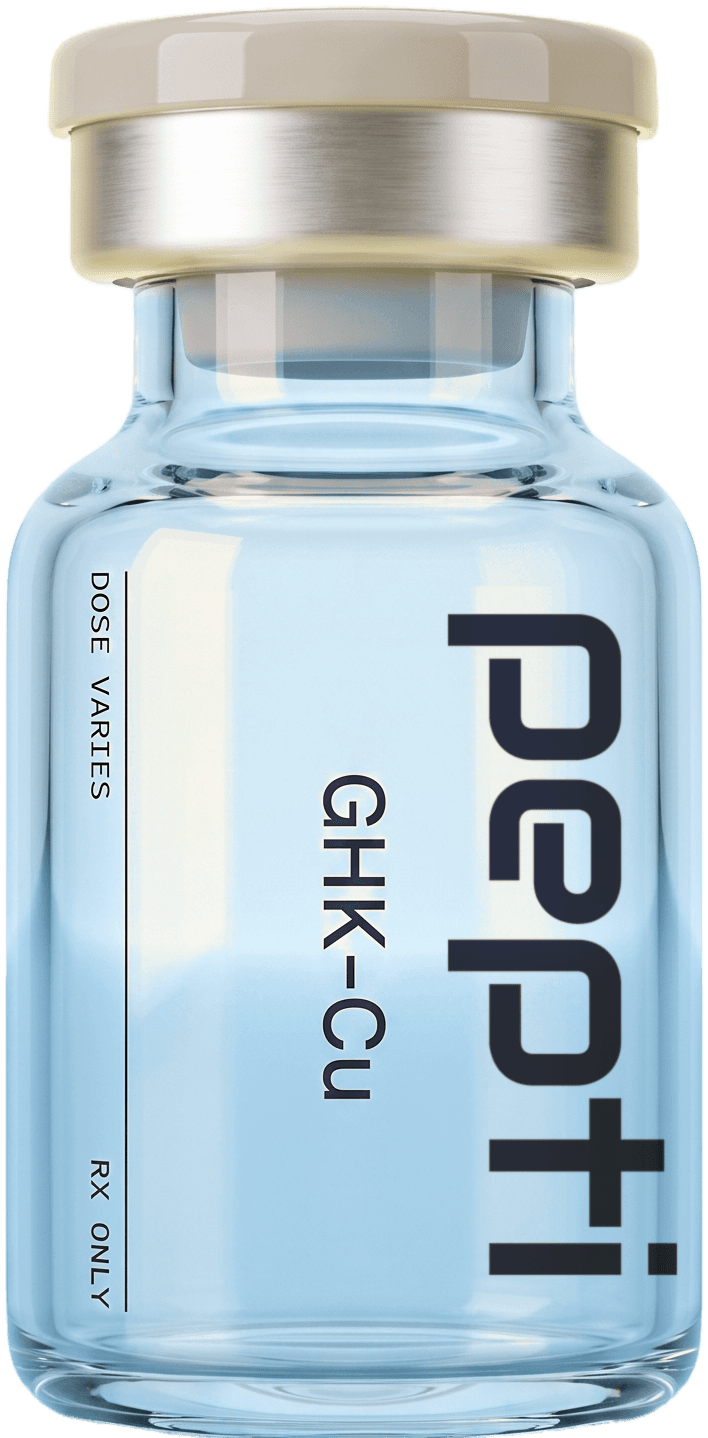
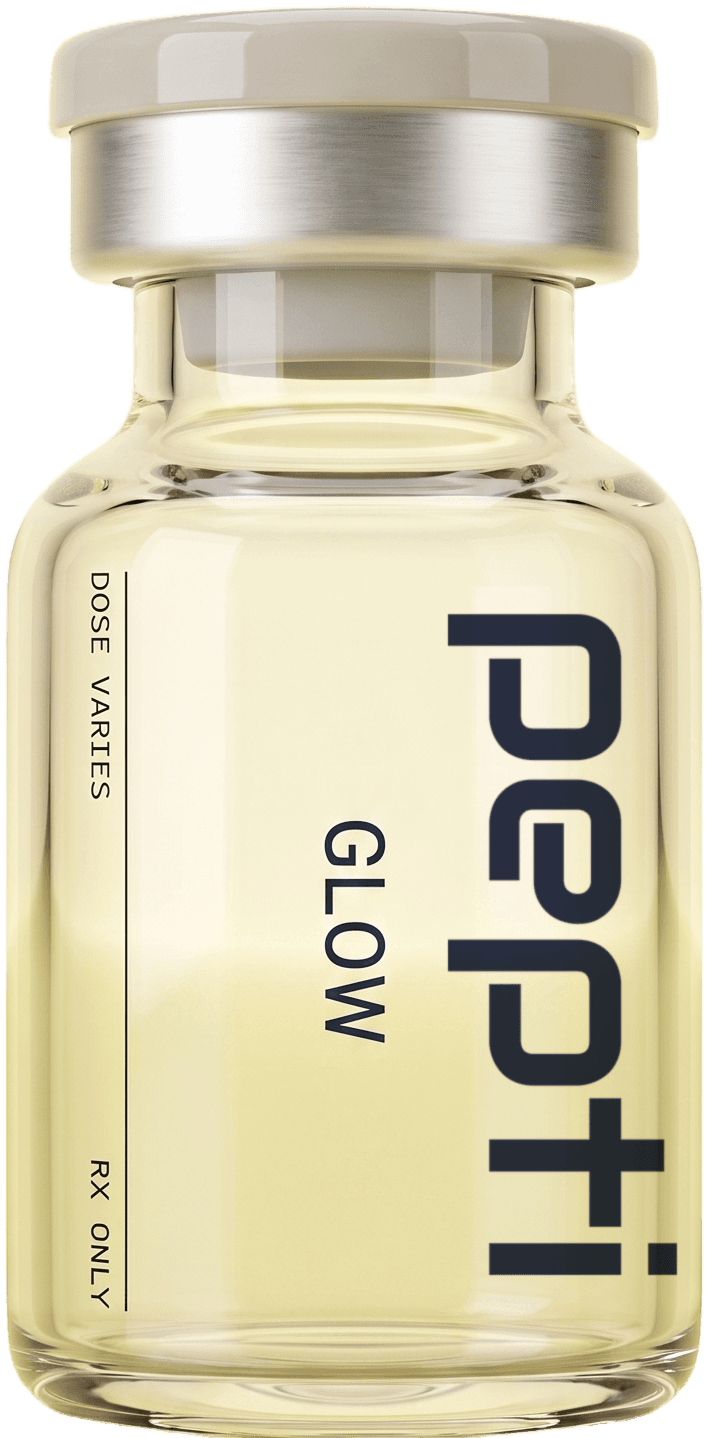
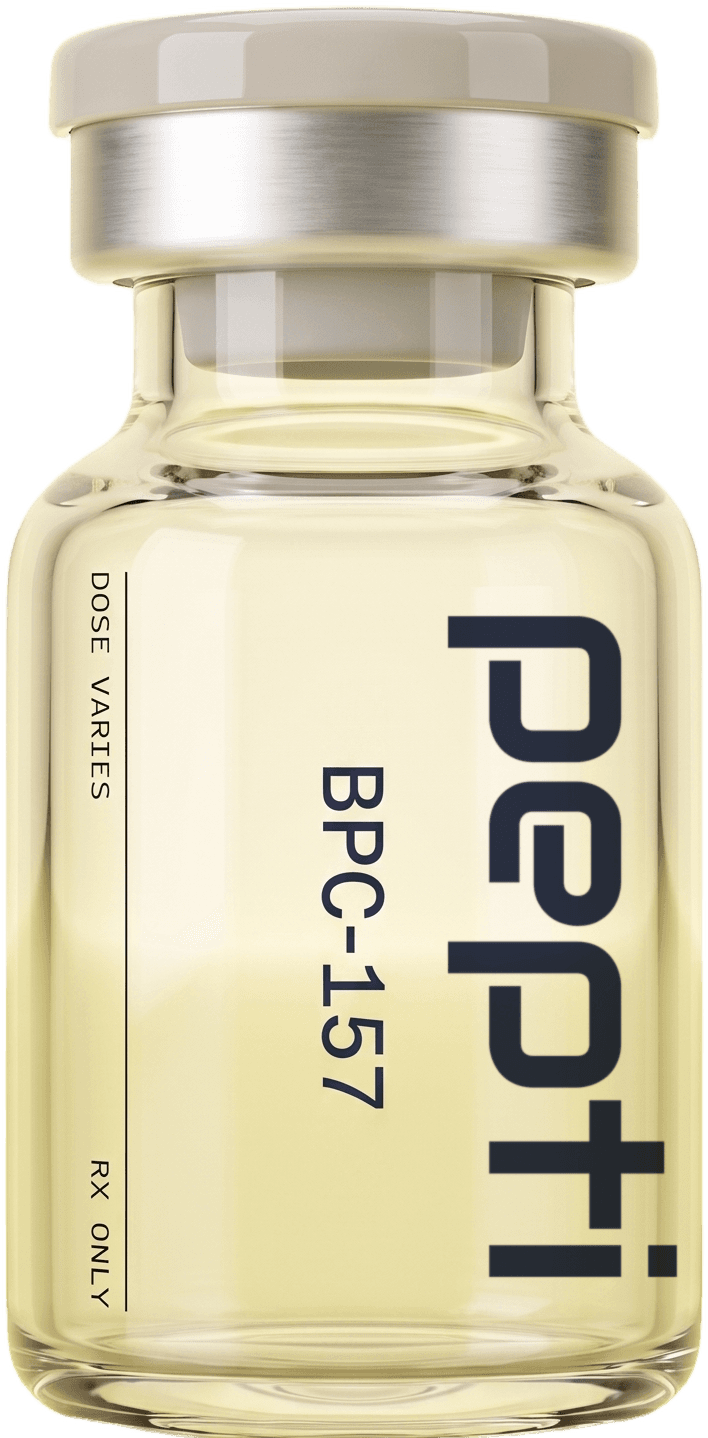
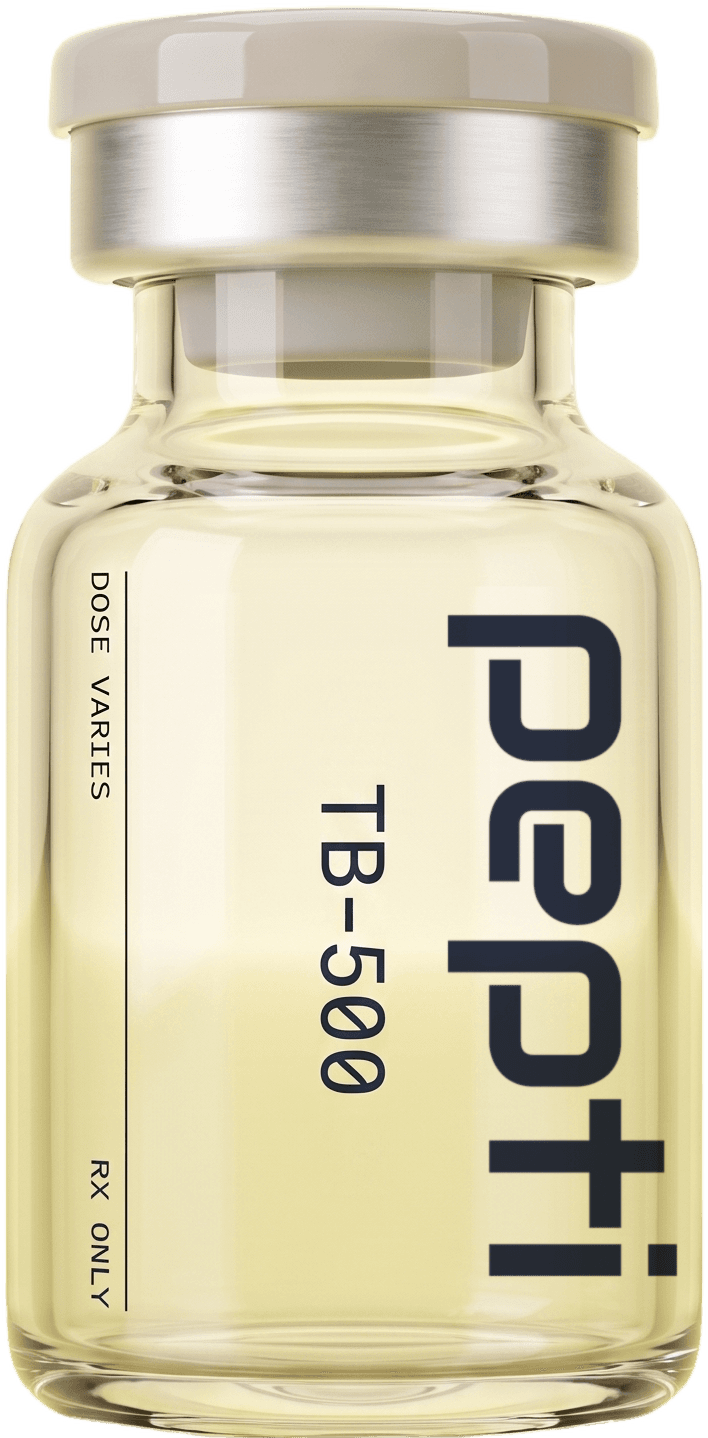
GHK-Cu is not named on the 2026 WADA Prohibited List, but a tested athlete should not read that as permission: the S0 class prohibits, at all times, any pharmacological substance without current regulatory approval for human therapeutic use, and live Pepti pages treat injectable GHK-Cu as falling under that logic. The growth-factor section of the List is also written around effects on tissue, vascularisation and regenerative capacity rather than around named molecules. The blends are clearer: every GHK-Cu blend in the catalog, including GLOW, KLOW, ETERNAL, EUPHORIA, RADIANCE and REVIVE, contains at least one peptide that is named and prohibited at all times. A standard workplace drug test does not look for GHK-Cu.
This page is general information, not legal or anti-doping advice, and it is about injectable GHK-Cu. Lists are revised every year, and the responsibility for checking sits with the athlete.
Is GHK-Cu Banned in Sports? WADA Status, the Blends and Drug Tests
The short answer
| The question you are asking | The answer |
|---|---|
| Is GHK-Cu named on the WADA Prohibited List? | No, not on the 2026 List |
| Can injectable GHK-Cu still be prohibited? | Yes. S0 covers unapproved pharmacological substances, and S2.3 has a broad growth-factor catch-all |
| Are GHK-Cu blends allowed? | No. Each blend contains a named prohibited peptide |
| Does a prescription change that? | No. Only a therapeutic use exemption granted in advance does |
| Will it show up on a workplace drug test? | No. Employment panels screen for drugs of abuse |
| Is GHK-Cu FDA approved? | No. GHK-Cu is not approved for anything, and compounded medications are not FDA approved |
Is GHK-Cu Banned in Sports? WADA Status, the Blends and Drug Tests
Two ways the List can reach GHK-Cu
S0, the non-approved substances class
S0 prohibits at all times "any pharmacological substance which is not addressed by any of the subsequent sections of the List and with no current approval by any governmental regulatory health authority for human therapeutic use." It names examples such as BPC-157, but the class is not limited to its examples. WADA's explanatory note to the 2027 List says so directly: "Even if a peptide is not specifically named on the List, utmost caution should be taken as it may still be prohibited."
The growth-factor catch-all in S2.3
S2.3 covers growth factors and growth factor modulators. It names IGF-1 and thymosin beta-4 derivatives such as TB-500, then closes with a catch-all for "other growth factors or growth factor modulators affecting muscle, tendon or ligament protein synthesis/degradation, vascularisation, energy utilization, regenerative capacity or fibre type switching."
GHK-Cu's research literature, reviewed in BioMed Research International in 2015, describes effects on skin remodelling and extracellular matrix. Whether an anti-doping body would classify GHK-Cu under S0 or S2.3 is not something this page can settle, and it does not need to: both classes are prohibited at all times. That is why live Pepti pages say a tested athlete should assume a prohibited status and check with their anti-doping body.
| Class | Status | Why it matters for GHK-Cu |
|---|---|---|
| S0 Non-Approved Substances | Prohibited at all times; Specified Substances | Captures unapproved substances not addressed elsewhere |
| S2.3 Growth factors and modulators | Prohibited at all times; non-Specified | Written around tissue, vascular and regenerative effects |
| Named examples | BPC-157 (S0), TB-500 (S2.3) | Present in most GHK-Cu blends |
Is GHK-Cu Banned in Sports? WADA Status, the Blends and Drug Tests
The GHK-Cu blends, one by one
This is where the answer stops being a judgement call. Every GHK-Cu blend in the catalog contains at least one peptide named on the 2026 List.
| Product | What is in it | Named prohibited component | Price |
|---|---|---|---|
| GHK-Cu | 50 mg GHK-Cu in a 5 mL vial | None named; S0 logic applies | $239/mo |
| GLOW | GHK-Cu, BPC-157, TB-500 | BPC-157 (S0), TB-500 (S2.3) | $259/mo |
| KLOW | GHK-Cu, KPV, BPC-157, TB-500 | BPC-157 (S0), TB-500 (S2.3) | $259/mo |
| ETERNAL Blend | GHK-Cu, BPC-157, TB-500, Epithalon | BPC-157 (S0), TB-500 (S2.3) | $279/mo |
| EUPHORIA Blend | MOTS-c, BPC-157, GHK-Cu, Kisspeptin-10 | MOTS-c (S4.4.1), BPC-157 (S0), kisspeptin (S2.2.1, males) | $279/mo |
| RADIANCE Blend | GHK-Cu, Tesamorelin | Tesamorelin (S2.2.4) | $249/mo |
| REVIVE Blend | GHK-Cu, CJC-1295, Ipamorelin, TB-500 | CJC-1295 and ipamorelin (S2.2.4), TB-500 (S2.3) | $279/mo |
Prices are all-in monthly figures covering the medication, physician review, refill management and shipping. There is no separate membership fee.
A blend is prohibited by virtue of any prohibited component. For a tested athlete, switching from standalone GHK-Cu to a blend makes the anti-doping position worse, not better. The differences between the two most common blends are in KLOW vs GLOW and GHK-Cu vs KLOW.
Is GHK-Cu Banned in Sports? WADA Status, the Blends and Drug Tests
A prescription is not an exemption
Anti-doping rules operate independently of prescribing law. A licensed physician can prescribe GHK-Cu, a licensed pharmacy can dispense it, and it can still be a violation for someone in a tested pool.
Strict liability. Article 2.1.1 of the World Anti-Doping Code makes it the athlete's personal duty to ensure no prohibited substance enters their body, and a violation does not require intent, fault, negligence or knowing use to be shown.
Therapeutic use exemptions. A TUE requires a diagnosed medical condition supported by clinical evidence, no enhancement beyond a return to normal health, no reasonable permitted alternative, and a need that did not arise from earlier prohibited use. USADA requires athletes in its testing pools to hold a TUE in advance; other athletes are directed to the TUE Pre-Check Form. A telehealth prescription is not a TUE.
Stored samples. Under Code Article 6.6 a negative sample can be stored and reanalysed later, and Article 17 allows a charge within ten years.
Is GHK-Cu Banned in Sports? WADA Status, the Blends and Drug Tests
Workplace and other drug tests
Employment testing looks for impairment and illicit use. The federal panel in 49 CFR 40.85 covers marijuana metabolites, cocaine metabolite, opiates, semi-synthetic opioids, 6-acetylmorphine, phencyclidine, amphetamines and MDMA. GHK-Cu, a copper-binding tripeptide, is not on it and has no structural similarity to any target on it. The detail is in do peptides show up on a drug test.
| Type of test | Does it look for GHK-Cu? | What to do |
|---|---|---|
| Pre-employment or workplace panel | No | Declare prescriptions through the confidential route if asked |
| Anti-doping test in tested sport | The rule is about use, not detection | Ask your anti-doping body before starting |
| Military or regulated profession | Policies vary | Read your own policy |
| Clinical testing or surgery | A safety question | Tell the treating clinician everything you take |
One practical note: GHK-Cu solution is blue because of the copper, which is expected and covered in why is GHK-Cu blue. It has nothing to do with any test.
Is GHK-Cu Banned in Sports? WADA Status, the Blends and Drug Tests
College sport
The NCAA bans the class "peptide hormones, growth factors, related substances and mimetics," with published examples including BPC-157 and TB-500, and states that any chemically or pharmacologically related substance is also banned even if not named. GHK-Cu is not a named example. That leaves the question with your athletics health care provider, before you start. For the blends there is no question: BPC-157 and TB-500 are named.
Is GHK-Cu Banned in Sports? WADA Status, the Blends and Drug Tests
Where GHK-Cu stands with the FDA
On 15 April 2026 the FDA announced the removal of twelve peptides from Category 2 of its interim 503A list, and injectable GHK-Cu was one of them; the FDA's safety-risk page now lists "GHK-Cu (for injectable routes of administration)" under "bulk drug substances nominated but withdrawn." The FDA has also said its Pharmacy Compounding Advisory Committee will consider GHK-Cu before the end of February 2027. GHK-Cu is not FDA approved, and compounded medications are not FDA approved.
None of that changes anti-doping status. A compounding decision is not a regulatory approval for human therapeutic use, and S0 turns on approval.
Is GHK-Cu Banned in Sports? WADA Status, the Blends and Drug Tests
What the evidence shows, honestly
There are no randomized controlled trials of injectable GHK-Cu in humans and no published pharmacokinetic studies of the subcutaneous route. The literature is cell, animal and topical work on skin and matrix. Whether GHK-Cu would improve athletic performance has never been studied, and that is beside the point: prohibition under S0 follows from approval status, not from a demonstrated effect. The research is in what is GHK-Cu and GHK-Cu benefits, and the safety picture, including the copper considerations, in is GHK-Cu safe.
Is GHK-Cu Banned in Sports? WADA Status, the Blends and Drug Tests
If you compete: what to do
| Your situation | What to do |
|---|---|
| In a tested pool, considering GHK-Cu alone | Check Global DRO and ask your anti-doping organization in writing before starting |
| Considering any GHK-Cu blend | Do not. Each contains a named prohibited peptide |
| A genuine medical need | Ask about a TUE in advance |
| Not subject to testing | The anti-doping rule does not reach you; tell your physician about any sport you compete in anyway |
| Considering a research-labelled vial | Do not. Unverified contents are a strict-liability problem, see research peptides vs prescription peptides |
Keep the Global DRO reference number for every search. It is your record that you checked. The wider context for athletes is in peptides for athletes and is BPC-157 banned.
Is GHK-Cu Banned in Sports? WADA Status, the Blends and Drug Tests
Where to get GHK-Cu prescribed
GHK-Cu injection cannot be bought legitimately without a prescription. Sites selling it "for research use only" are not accountable for identity, purity, sterility or concentration. The prescription route:
- Complete a free online intake covering your history, medications and goals. If you are subject to testing, say so.
- A physician licensed in your state reviews it, usually within 24 hours.
- If it is appropriate, a PCAB-accredited, FDA-registered US 503A pharmacy compounds it. Lot test results are at /quality/lab-results.
- It ships refrigerated with ice packs, sterile syringes and alcohol prep pads, with your directions printed on the vial.
- Refills come every 28 days, one vial per fill, and your care team is reachable through your account.
The step-by-step page is how to get GHK-Cu prescribed online.
References
What this is based on.
References
- Maquart FX, Pickart L, Laurent M, et al.. Stimulation of collagen synthesis in cultured fibroblasts by GHK-Cu · FEBS Letters (1988) · PMID 3169264
- Pickart L, Margolina A. GHK peptide as a natural modulator of multiple cellular pathways in skin regeneration · BioMed Research International (2015) · PMID 26236730
- Pickart L, Margolina A. Regenerative and protective actions of the GHK-Cu peptide in the light of the new gene data · International Journal of Molecular Sciences (2018) · PMID 29986520
- Pickart L. The human tri-peptide GHK and tissue remodeling · Journal of Biomaterials Science, Polymer Edition (2008) · PMID 18644225
- Pickart L, Thaler MM. Tripeptide in human serum which prolongs survival of normal liver cells and stimulates growth in neoplastic liver · Nature: New Biology (1973) · PMID 4349963
- Lane TF, et al.. SPARC is a source of copper-binding peptides that stimulate angiogenesis · Journal of Cell Biology (1994) · PMID 7514608
- Maquart FX, et al.. In vivo stimulation of connective tissue accumulation by the tripeptide-copper complex glycyl-L-histidyl-L-lysine-Cu2+ in rat experimental wounds · Journal of Clinical Investigation (1993) · PMID 8227353
- Mulder GD, et al.. Enhanced healing of ulcers in patients with diabetes by topical treatment with glycyl-l-histidyl-l-lysine copper · Wound Repair and Regeneration (1994) · PMID 17147644
- Siméon A, et al.. Expression and activation of matrix metalloproteinases in wounds: modulation by the tripeptide-copper complex glycyl-L-histidyl-L-lysine-Cu2+ · Journal of Investigative Dermatology (1999) · PMID 10383745
- Siméon A, et al.. The tripeptide-copper complex glycyl-L-histidyl-L-lysine-Cu2+ stimulates matrix metalloproteinase-2 expression by fibroblast cultures · Life Sciences (2000) · PMID 11045606
- Miller TR, et al.. Effects of topical copper tripeptide complex on CO2 laser-resurfaced skin · Archives of Facial Plastic Surgery (2006) · PMID 16847171
- Pyo HK, et al.. The effect of tripeptide-copper complex on human hair growth in vitro · Archives of Pharmacal Research (2007) · PMID 17703734
Citations are provided for educational purposes. They do not constitute medical advice. Always discuss any peptide protocol with your prescribing physician.
Common questions
Is GHK-Cu Banned in Sports? WADA Status, the Blends and Drug Tests, answered.
It is not named on the 2026 List. The S0 catch-all covers pharmacological substances without regulatory approval for human therapeutic use, and the S2.3 growth-factor catch-all is written broadly. A tested athlete should assume a prohibited status and check with their anti-doping body.
Yes. Both contain BPC-157, named under S0, and TB-500, named under S2.3, and both classes are prohibited at all times.
Not on a workplace panel, which screens for drugs of abuse. In tested sport the rule is about use, and samples can be stored and reanalysed for up to ten years.
Not if you are in a tested pool. Both S0 and S2 are prohibited in and out of competition.
No. Only a therapeutic use exemption granted in advance does. A prescription is not a TUE.
It is not a named example, but the NCAA bans anything chemically or pharmacologically related to its peptide hormones and growth factors class. Ask your athletics health care provider first. GHK-Cu blends contain BPC-157 and TB-500, which the NCAA names.
GLOW, KLOW, ETERNAL, EUPHORIA, RADIANCE and REVIVE, because each contains a named prohibited peptide: BPC-157, TB-500, MOTS-c, kisspeptin, tesamorelin, CJC-1295 or ipamorelin.
No. Injectable GHK-Cu was removed from Category 2 in April 2026 and is scheduled for advisory committee review before the end of February 2027. Compounded medications are not FDA approved.
No. S0 inclusion follows from approval status. No study has measured GHK-Cu for athletic performance.
Bloodwork is not required for any Pepti treatment. If your physician wants labs for your care, they'll ask through your account. The free assessment goes to a physician licensed in your state. A consultation does not guarantee a prescription.
Next step
See what a physician recommends for you.
A licensed physician in your state reviews your intake and decides what is appropriate. A consultation does not guarantee a prescription.