Recovery · Reference
Is ETERNAL Blend Banned in Sports? WADA, NCAA and Drug Tests for GHK-Cu, BPC-157, TB-500 and Epithalon
This page is general information, not legal or anti-doping advice. Lists are revised every year and the responsibility for checking sits with the athlete.
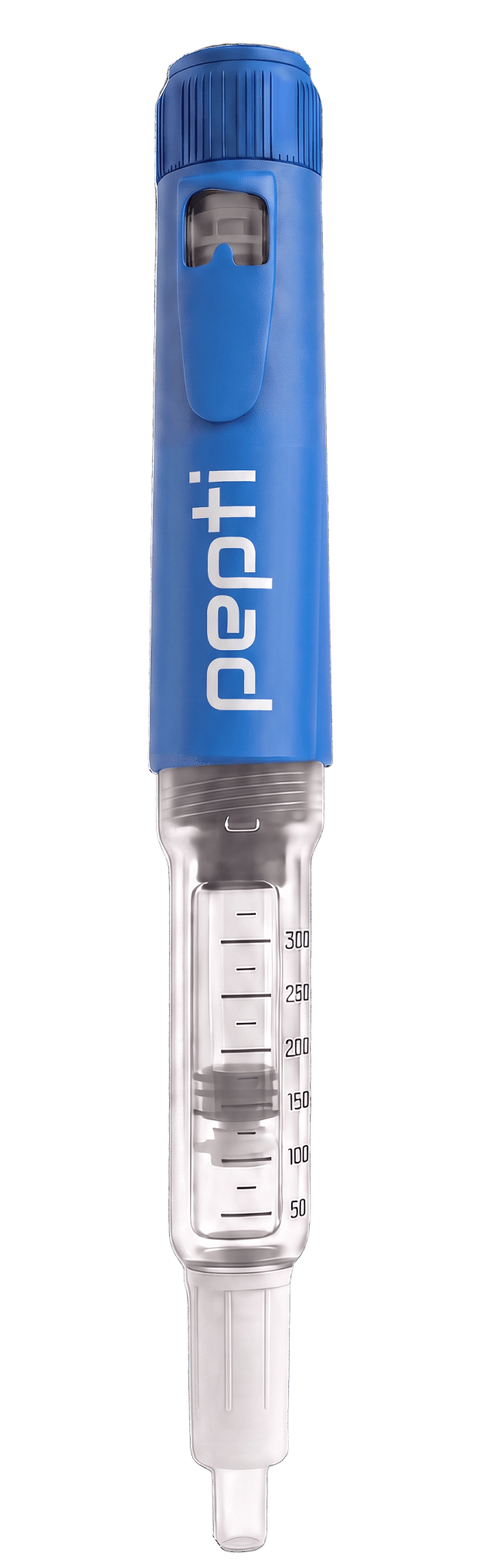
Treatments mentioned
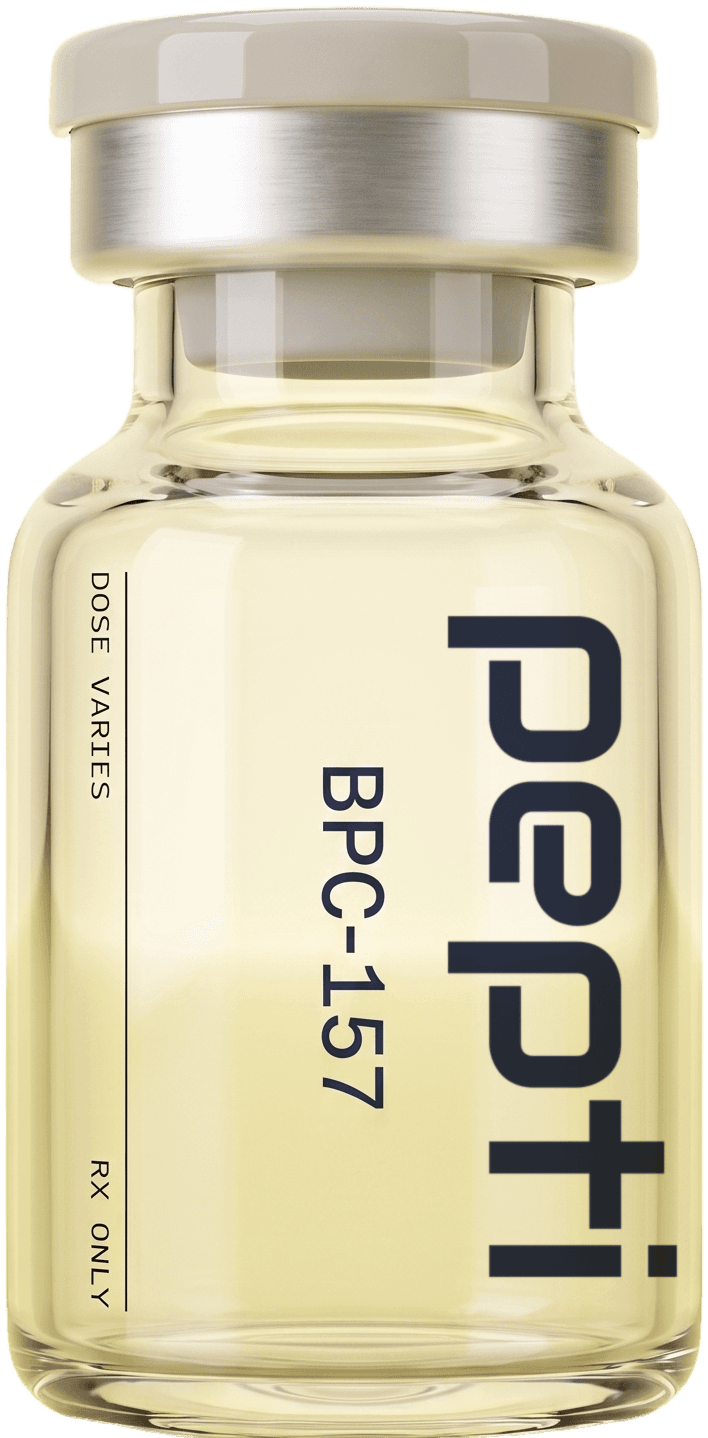
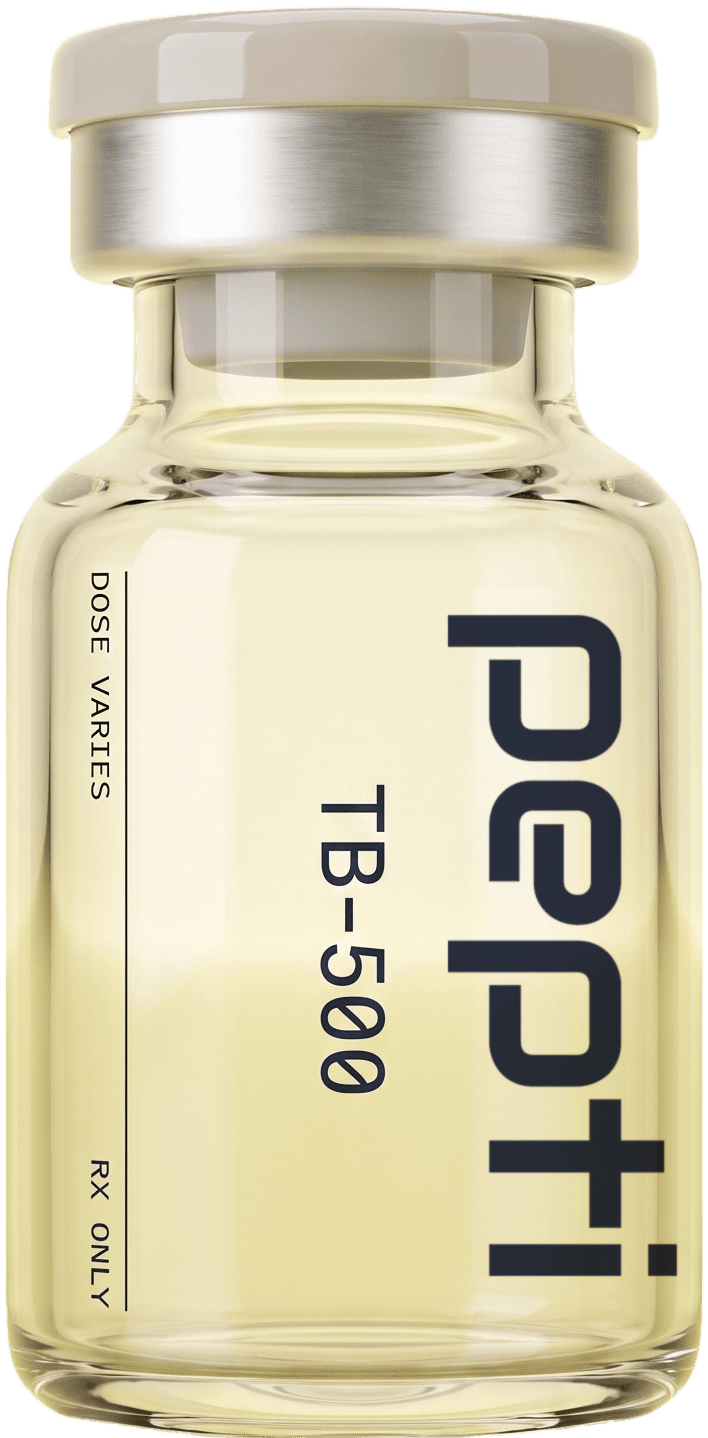
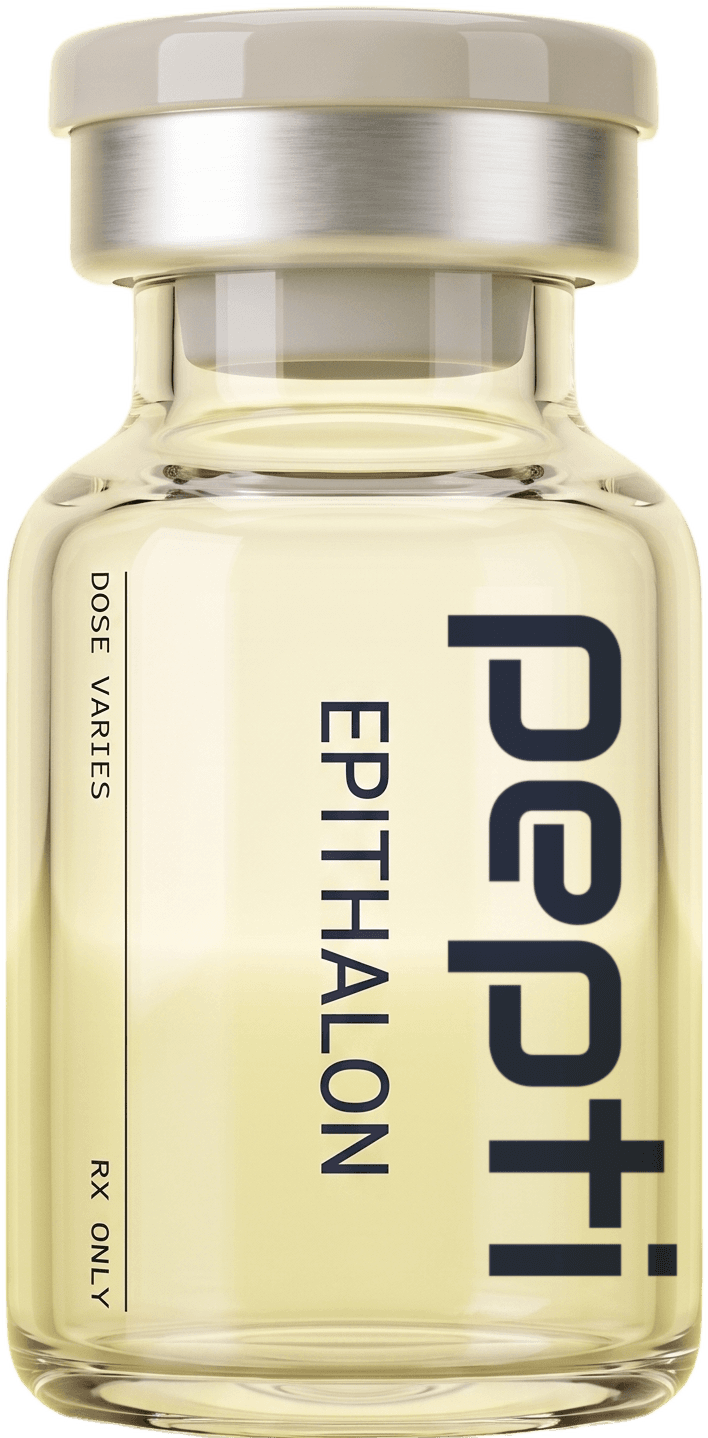
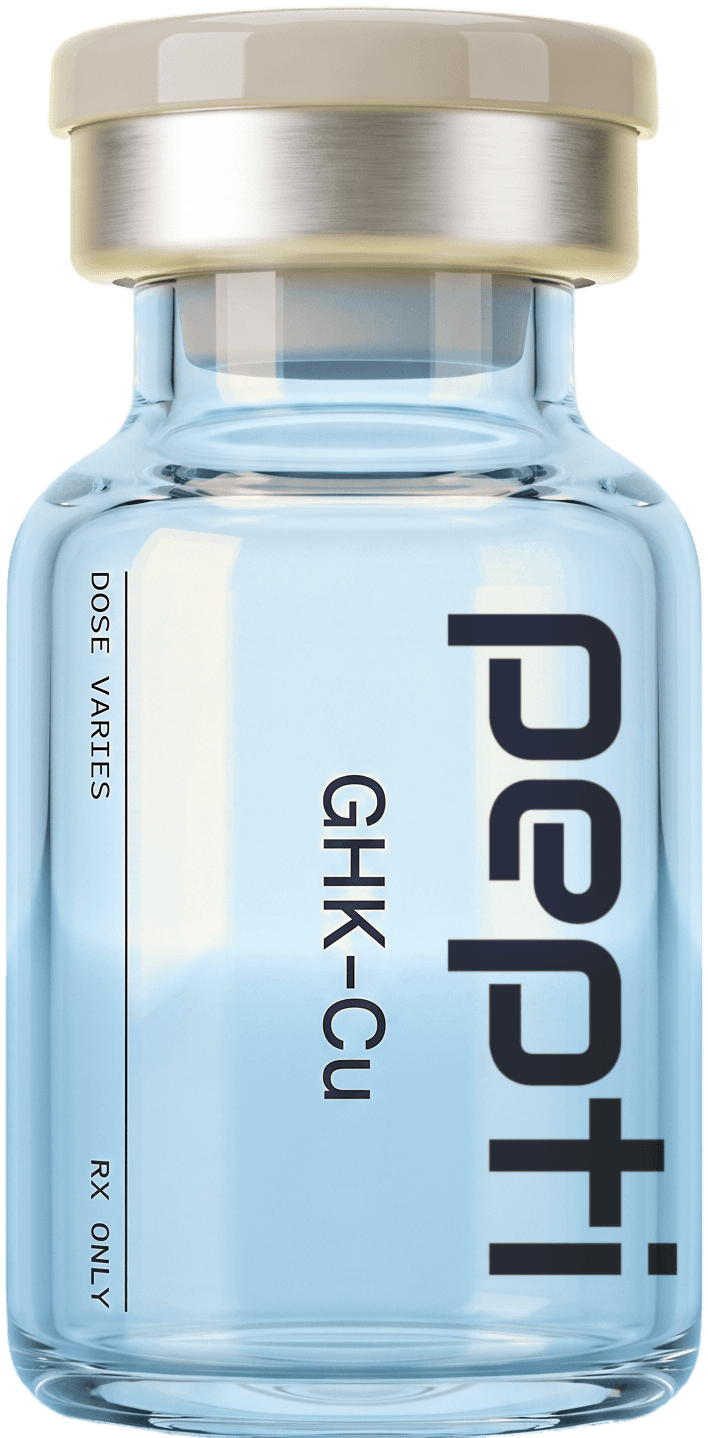
Yes. The ETERNAL blend is prohibited for any athlete in a tested pool, because two of its four components are named on the 2026 WADA Prohibited List: BPC-157 under S0, non-approved substances, and TB-500 under S2.3 as a derivative of thymosin beta-4. Both classes are prohibited at all times, in and out of competition, and the 2027 List carries the same entries. The other two components, GHK-Cu and epithalon, are not named, but that does not help: a blend is prohibited by virtue of any prohibited component, and the S0 catch-all can reach both of them anyway. The NCAA names BPC-157 and TB-500 too. A prescription does not change any of this; a standard workplace drug test, by contrast, does not look for any of the four.
This page is general information, not legal or anti-doping advice. Lists are revised every year and the responsibility for checking sits with the athlete.
Is ETERNAL Blend Banned in Sports? WADA, NCAA and Drug Tests for GHK-Cu, BPC-157, TB-500 and Epithalon
The short answer
| The question you are asking | The answer |
|---|---|
| Is ETERNAL banned by WADA? | Yes, through BPC-157 (S0) and TB-500 (S2.3) |
| In competition only, or all the time? | All the time. Both classes are prohibited in and out of competition |
| Are GHK-Cu and epithalon named? | No. Both are within reach of S0 |
| Is it banned by the NCAA? | Yes. BPC-157 and TB-500 are named examples in the NCAA's peptide hormones class |
| Does a prescription help? | No. Only a therapeutic use exemption granted in advance does |
| Is a TUE realistic? | USADA has said a TUE for BPC-157 is unlikely because permitted alternatives exist |
| Can labs detect the components? | Published methods exist for BPC-157 and TB-500 in urine |
| Will it show up on a workplace drug test? | No |
Is ETERNAL Blend Banned in Sports? WADA, NCAA and Drug Tests for GHK-Cu, BPC-157, TB-500 and Epithalon
What is in ETERNAL, component by component
ETERNAL is a 5 mL multi-dose vial containing 50 mg GHK-Cu, 10 mg BPC-157, 10 mg TB-500 and 10 mg epithalon, at $279 a month all-in, covering the medication, physician review, refill management and shipping. Each component has its own position on the List.
| Component | Amount per vial | 2026 WADA class | Named on the List? |
|---|---|---|---|
| BPC-157 | 10 mg | S0 Non-Approved Substances | Yes, as an example |
| TB-500 | 10 mg | S2.3 Growth factors and modulators | Yes, as "Thymosin-ß4 and its derivatives e.g. TB-500" |
| GHK-Cu | 50 mg | Not named; S0 logic can apply | No |
| Epithalon | 10 mg | Not named; S0 logic can apply | No |
BPC-157: named in S0
The 2026 List places BPC-157 in S0, naming it explicitly, and USADA says the same. S0 exists for substances with no current approval by any governmental regulatory health authority for human therapeutic use. All S0 substances are Specified Substances, which affects how a panel weighs circumstances at sanctioning. It is not a lesser prohibition. The detail is in is BPC-157 banned.
TB-500: named in S2.3
S2.3 names "Thymosin-ß4 and its derivatives e.g. TB-500." Everything in S2 is a non-Specified Substance, which matters at the sanctioning stage. S2.3 also ends with a catch-all for growth factor modulators "affecting muscle, tendon or ligament protein synthesis/degradation, vascularisation, energy utilization, regenerative capacity or fibre type switching," written to capture repair peptides by their described mechanism. See is TB-500 banned in sports.
GHK-Cu: not named, not a loophole
GHK-Cu is not named, and live Pepti pages say injectable GHK-Cu falls under the same S0 logic as other unapproved peptides. For ETERNAL the question is moot. The standalone question is covered in is GHK-Cu banned in sports.
Epithalon: not named, within reach of S0
Most people searching the List do not find "epithalon" or "epitalon" and conclude it is fine. The List is not built to work that way. S0 prohibits "any pharmacological substance which is not addressed by any of the subsequent sections of the List and with no current approval by any governmental regulatory health authority for human therapeutic use," and the explanatory note to the 2027 List says that even if a peptide is not specifically named, "utmost caution should be taken as it may still be prohibited." Live Pepti pages describe epithalon's position the same way: not named, but within reach of S0. See is epithalon banned in sports.
Is ETERNAL Blend Banned in Sports? WADA, NCAA and Drug Tests for GHK-Cu, BPC-157, TB-500 and Epithalon
No off-season for ETERNAL
The S0 and S2 headings read "prohibited at all times (in- and out-of-competition)." Using ETERNAL in a rehabilitation block in the off-season, months from any event, is a violation exactly as much as using it the week of a competition. Out-of-competition testing exists to catch substances used in training and recovery phases, which is precisely when people reach for a repair blend. ETERNAL's longevity positioning does not change that: the List does not ask why a substance was taken.
Is ETERNAL Blend Banned in Sports? WADA, NCAA and Drug Tests for GHK-Cu, BPC-157, TB-500 and Epithalon
Can a lab actually detect ETERNAL's components?
Yes, for the two named components, and the methods are published.
| Component | What the anti-doping literature reports |
|---|---|
| BPC-157 | A 2017 Drug Testing and Analysis paper reported a validated urine method with a limit of detection of 0.1 ng/mL, stable in urine for at least four days, plus a stable metabolite that improves specificity |
| TB-500 | TB-500 and its metabolites were quantified by high-resolution mass spectrometry in a 2024 Journal of Chromatography B paper |
| Blood matrices | A 2026 paper in The Analyst described a harmonised workflow for peptidic doping agents in dried and liquid blood |
| GHK-Cu, epithalon | No detection method is described in the live pages; that does not make them permitted |
Detection windows for small peptides are generally short, often hours to a few days. That is not a strategy. Under Code Article 6.6 a negative sample can be stored and reanalysed later, and Article 17 allows a charge within ten years. Under strict liability the rule is about use, not about whether a given lab ran a given method.
Is ETERNAL Blend Banned in Sports? WADA, NCAA and Drug Tests for GHK-Cu, BPC-157, TB-500 and Epithalon
Why a prescription does not protect you
ETERNAL at Pepti is a valid prescription from a licensed physician, compounded by a licensed pharmacy. It is still an anti-doping violation to use it in a tested pool. Article 2.1.1 of the Code makes it "the Athletes' personal duty to ensure that no Prohibited Substance enters their bodies," and intent, fault, negligence or knowing use do not need to be shown.
Therapeutic use exemptions
A TUE requires a diagnosed condition supported by clinical evidence, no enhancement beyond a return to normal health, no reasonable permitted alternative, and a need not caused by earlier prohibited use. USADA's published position is that it is unlikely that a TUE for BPC-157 would be approved because there are permitted alternatives available, though each application is assessed individually. For a four-peptide blend containing BPC-157 and TB-500, with a longevity component alongside, an exemption is harder still to justify. USADA requires athletes in its testing pools to hold a TUE in advance; others are directed to the TUE Pre-Check Form. A telehealth prescription is not a TUE, and no prescriber can grant one.
Is ETERNAL Blend Banned in Sports? WADA, NCAA and Drug Tests for GHK-Cu, BPC-157, TB-500 and Epithalon
College sport and other programs
The NCAA bans "peptide hormones, growth factors, related substances and mimetics," and its published examples include BPC-157 and TB-500 by name. The NCAA states that any substance chemically or pharmacologically related to a banned class is also banned even if not listed, and that the school and the student-athlete are both accountable. Professional leagues mostly run their own programs under collective bargaining, so check your league's current policy. Military services and some employers have their own rules.
Is ETERNAL Blend Banned in Sports? WADA, NCAA and Drug Tests for GHK-Cu, BPC-157, TB-500 and Epithalon
Workplace and clinical drug tests
Employment panels are a different system. The federal panel in 49 CFR 40.85 tests for marijuana metabolites, cocaine metabolite, opiates, semi-synthetic opioids, 6-acetylmorphine, phencyclidine, amphetamines and MDMA. None of ETERNAL's peptides is on it or structurally similar to anything on it. See do peptides show up on a drug test.
| Type of test | Does it look for ETERNAL's components? | What to do |
|---|---|---|
| Pre-employment or workplace panel | No | Declare prescriptions through the confidential route if asked |
| Expanded panel in a safety-sensitive role | Expanded panels add drugs of abuse, not peptides | Ask what your panel covers |
| Anti-doping test | Yes, BPC-157 and TB-500 are prohibited | Do not use ETERNAL if you are in a tested pool |
| Military or regulated profession | Policies vary | Read your own policy |
| Before surgery | A safety question | Tell the treating clinician everything you take |
Is ETERNAL Blend Banned in Sports? WADA, NCAA and Drug Tests for GHK-Cu, BPC-157, TB-500 and Epithalon
Where ETERNAL's components stand with the FDA
This is a separate axis from sport. All four components were placed in Category 2 of the FDA's interim 503A list in 2023 and removed on 15 April 2026. On 23 July 2026 the Pharmacy Compounding Advisory Committee voted 8 to 6, with one abstention in each case, to recommend adding BPC-157 and TB-500 to the 503A Bulks List, and on 24 July 2026 it voted 7 to 4, with one abstention, to recommend adding epitalon, which had been nominated for insomnia. FDA's own reviewers had recommended against inclusion in each case, and final determinations are pending. GHK-Cu is scheduled for the committee before the end of February 2027. ETERNAL is a compounded prescription, and compounded medications are not FDA approved.
A favourable FDA compounding decision would not change anti-doping status. BPC-157 is named in S0 and TB-500 in S2.3 whatever their position in the compounding framework.
Is ETERNAL Blend Banned in Sports? WADA, NCAA and Drug Tests for GHK-Cu, BPC-157, TB-500 and Epithalon
What the evidence shows, honestly
No study has tested ETERNAL as a blend. The evidence is per component and mostly animal and cell work: tendon and gut research for BPC-157, actin and cell-motility research for TB-500, skin and matrix research for GHK-Cu, and telomerase, melatonin and mouse lifespan research for epithalon. Being prohibited in sport is not evidence that ETERNAL enhances performance; S0 is a rule about approval status. The research is in what is the ETERNAL blend and ETERNAL blend benefits, and safety in ETERNAL blend side effects.
Is ETERNAL Blend Banned in Sports? WADA, NCAA and Drug Tests for GHK-Cu, BPC-157, TB-500 and Epithalon
If you compete
| Your situation | What to do |
|---|---|
| In a tested pool at any level | Do not use ETERNAL |
| An injury you want treated | Tell your physician you are tested; a physician can discuss options checked against your sport's list |
| Interested in epithalon on its own | It is still within reach of S0; ask your anti-doping organization in writing before starting |
| A genuine medical need for a prohibited substance | Apply for a TUE in advance through your national anti-doping organization |
| You already used ETERNAL | Talk to your sport's anti-doping body or team physician |
| Not subject to testing | The anti-doping rule does not reach you; tell your physician about any sport you compete in |
| Tempted by a research-labelled vial | Do not. Unverified contents are a strict-liability problem; see research peptides vs prescription peptides |
Check every medication on Global DRO and keep the reference number. The broader picture for athletes is in peptides for athletes, and the same three repair components are covered for sport in is GLOW banned in sports.
Is ETERNAL Blend Banned in Sports? WADA, NCAA and Drug Tests for GHK-Cu, BPC-157, TB-500 and Epithalon
Where to get ETERNAL prescribed
ETERNAL cannot be bought legitimately without a prescription. Sites selling peptide blends "for research use only" are not accountable for identity, purity, sterility or concentration. The prescription route:
- Complete a free online intake covering your history, medications and goals. If you compete in tested sport, say so; it changes what will be considered.
- A physician licensed in your state reviews it, usually within 24 hours.
- If it is appropriate, a PCAB-accredited, FDA-registered US 503A pharmacy compounds it. Lot test results are at /quality/lab-results.
- It ships refrigerated with ice packs, sterile syringes and alcohol prep pads, with your directions printed on the vial.
- Refills come every 28 days, one vial per fill.
Pepti is cash-pay, does not bill insurance, and charges no membership fee. The dosing detail is in ETERNAL blend dosage, and the prescription question on its own is in do you need a prescription for ETERNAL blend.
References
What this is based on.
References
- Chang CH, Tsai WC, Hsu YH, Pang JH. Pentadecapeptide BPC 157 enhances the growth hormone receptor expression in tendon fibroblasts · Molecules (2014) · PMID 25415472
- Krivic A, Anic T, Seiwerth S, et al.. Achilles detachment of rat and stable gastric pentadecapeptide BPC 157 · Journal of Orthopaedic Research (2006) · PMID 16583442
- Sikiric P, Seiwerth S, Rucman R, et al.. Stable gastric pentadecapeptide BPC 157: novel therapy in gastrointestinal tract · Current Pharmaceutical Design (2011) · PMID 21548867
- Cerovecki T, Bojanic I, Brcic L, Radic B, et al.. Pentadecapeptide BPC 157 (PL 14736) improves ligament healing in the rat · J Orthop Res (2010) · PMID 20225319
- Sikiric P, Seiwerth S, Rucman R, Turkovic B, et al.. Stable gastric pentadecapeptide BPC 157-NO-system relation · Curr Pharm Des (2014) · PMID 23755725
- Cox HD, Miller GD, Eichner D. Detection and in vitro metabolism of the confiscated peptides BPC 157 and MGF R23H · Drug Test Anal (2017) · PMID 28035768
- Thomas A, Görgens C, Guddat S et al.. Simplifying and expanding the screening for peptides <2 kDa by direct urine injection, liquid chromatography, and ion mobility mass spectrometry · J Sep Sci (2016) · PMID 26578461
- Farrar JT, Young JP Jr, LaMoreaux L, Werth JL et al.. Clinical importance of changes in chronic pain intensity measured on an 11-point numerical pain rating scale · Pain (2001) · PMID 11690728
- Meyer JD, Ho B, Manning MC. Effects of conformation on the chemical stability of pharmaceutically relevant polypeptides · Pharm Biotechnol (2002) · PMID 11987755
- Xu C, Sun L, Ren F, Huang P, et al.. Preclinical Safety Evaluation of Body Protective Compound-157, a Potential Drug for Treating Various Wounds · Regul Toxicol Pharmacol (2020) · PMID 32334036
- He L, Feng D, Guo H, et al.. Pharmacokinetics, distribution, metabolism, and excretion of body-protective compound 157, a potential drug for treating various wounds, in rats and dogs · Front Pharmacol (2022) · PMID 36588717
- Lee E, Padgett B. Intra-Articular Injection of BPC 157 for Multiple Types of Knee Pain · Altern Ther Health Med (2021) · PMID 34324435
Citations are provided for educational purposes. They do not constitute medical advice. Always discuss any peptide protocol with your prescribing physician.
Common questions
Is ETERNAL Blend Banned in Sports? WADA, NCAA and Drug Tests for GHK-Cu, BPC-157, TB-500 and Epithalon, answered.
Yes. ETERNAL contains BPC-157, named under S0, and TB-500, named under S2.3. Both are prohibited at all times on the 2026 List, and the 2027 List carries the same entries.
No, not if you are in a tested pool. Both classes are prohibited in and out of competition, so there is no permitted window.
Yes. The NCAA names BPC-157 and TB-500 as examples within its peptide hormones, growth factors, related substances and mimetics class.
It is not named on the 2026 List, but the S0 class for non-approved substances can reach it. Treat it as off limits unless your anti-doping organization tells you otherwise in writing.
Not on a workplace panel. In anti-doping testing, published urine methods exist for both BPC-157 and TB-500, and stored samples can be reanalysed for up to ten years.
Detection windows for small peptides are generally hours to a few days. That is not a reason to use it: strict liability, sample storage and the ten-year limit all apply regardless.
No. A prescription is not a therapeutic use exemption, and USADA has said a TUE for BPC-157 is unlikely to be approved because permitted alternatives exist.
No. Both contain the same BPC-157 and TB-500, and are prohibited for the same reasons. See is KLOW banned in sports.
No. S0 inclusion follows from a lack of regulatory approval, not from proof of a performance benefit. No study has tested ETERNAL as a blend.
Bloodwork is not required for any Pepti treatment. If your physician wants labs for your care, they'll ask through your account. The free assessment goes to a physician licensed in your state. A consultation does not guarantee a prescription.
Next step
See what a physician recommends for you.
A licensed physician in your state reviews your intake and decides what is appropriate. A consultation does not guarantee a prescription.