Anti-Aging · Reference
ETERNAL Blend Benefits: What the Research Behind Each Peptide Shows
This page goes benefit by benefit: what each claim is, which component it comes from, what was studied, in what, and how much weight it can bear. It describes research, not results anyone should expect. For the full specification and the FDA history of each component, read what is the ETERNAL blend.

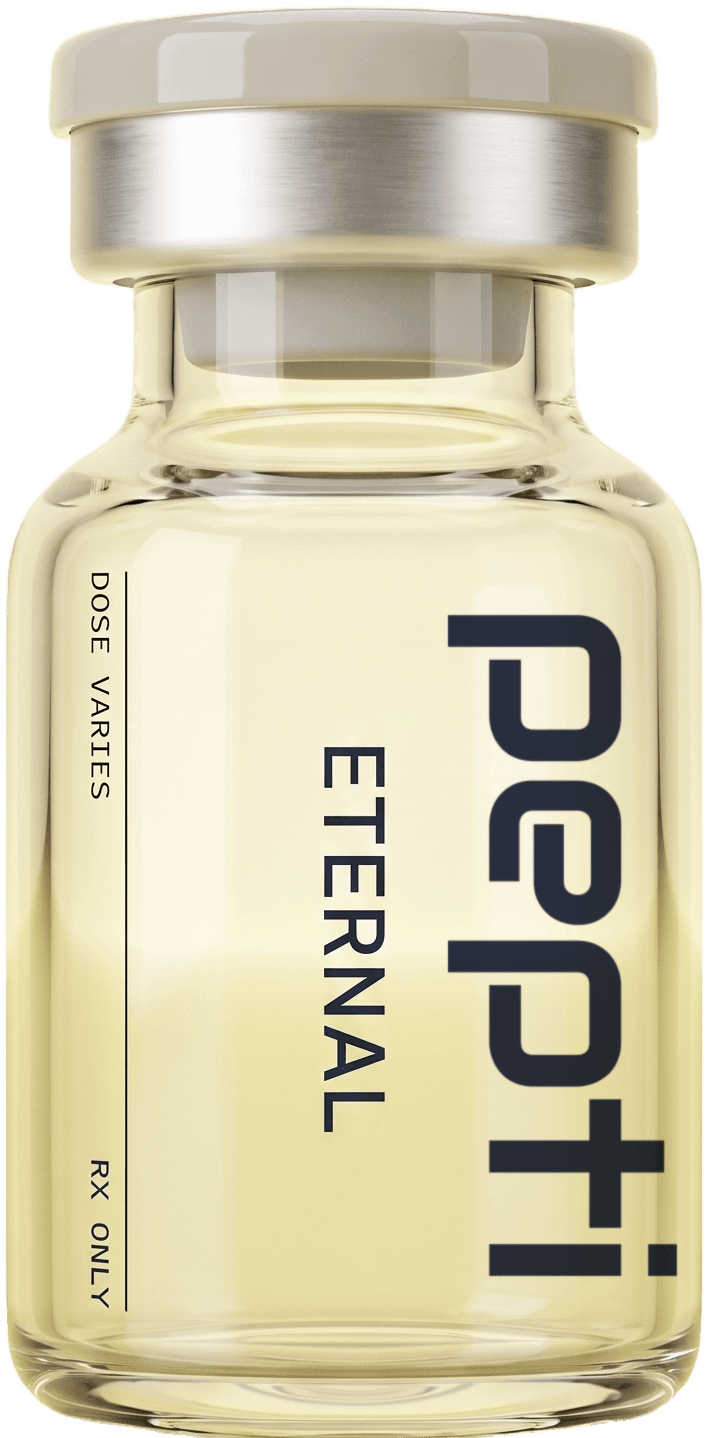
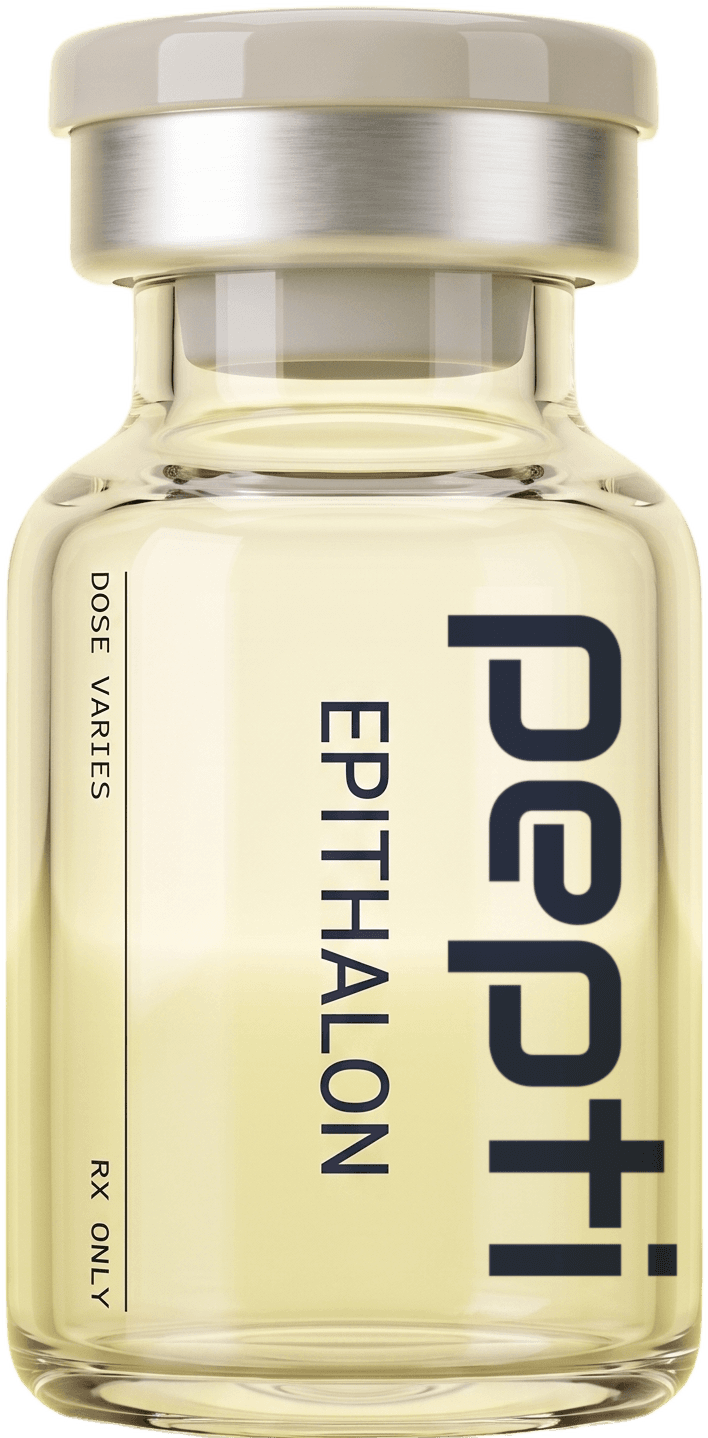
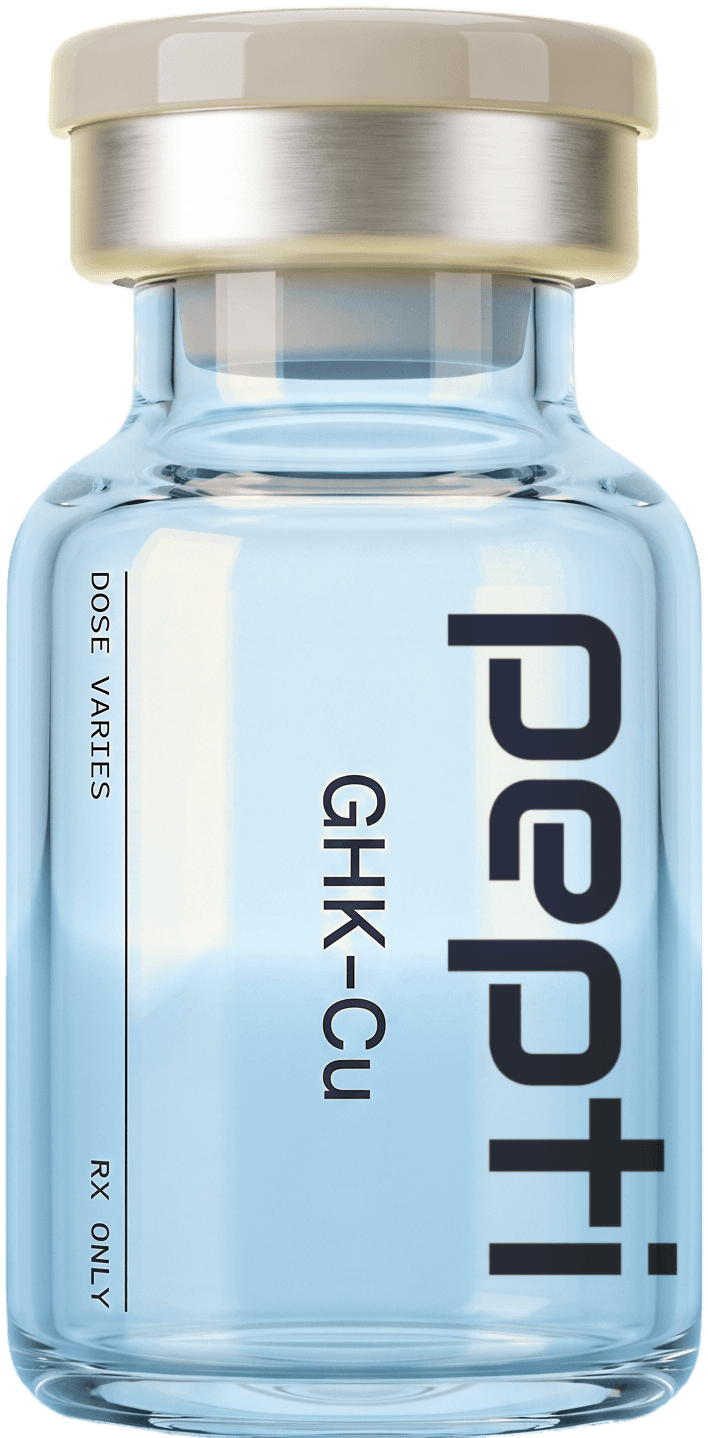
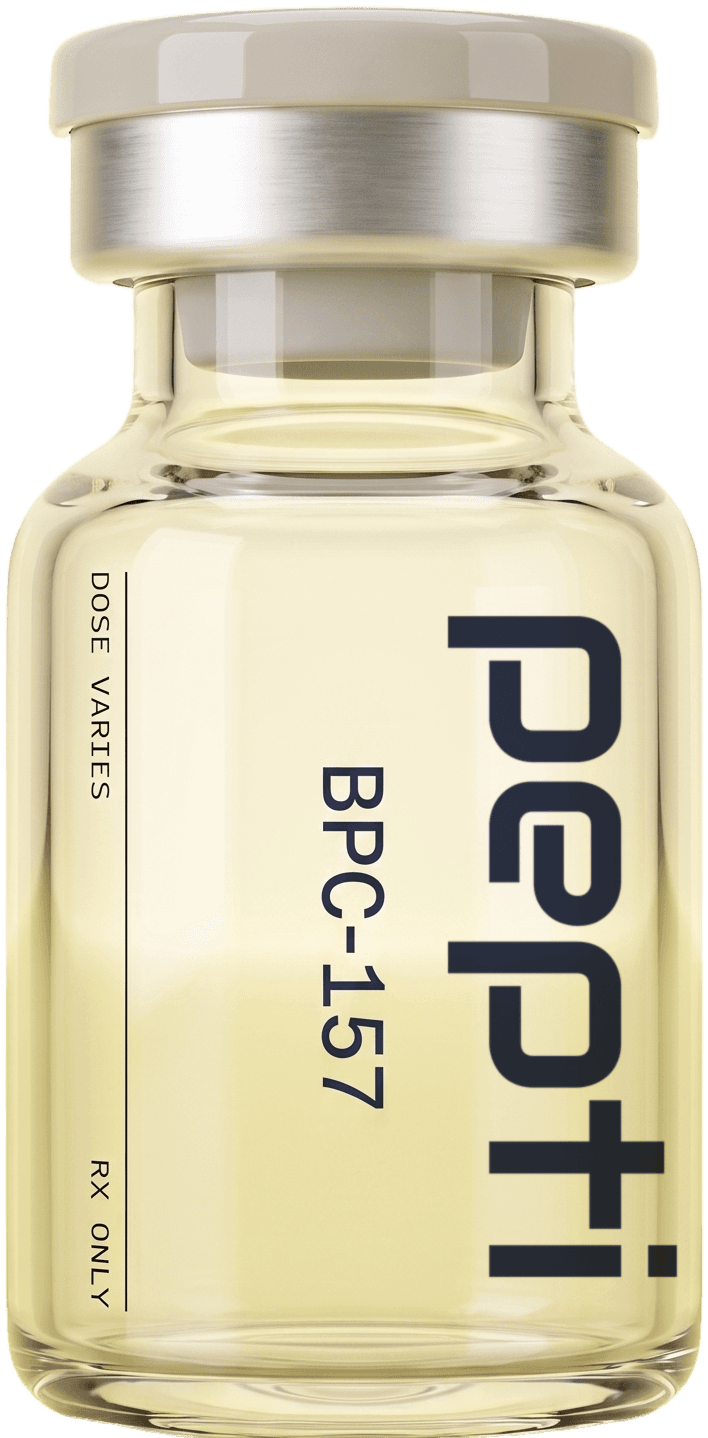
ETERNAL is four peptides in one vial, 50 mg GHK-Cu, 10 mg BPC-157, 10 mg TB-500 and 10 mg epithalon, and every benefit claimed for it is a benefit described for one of those four, mostly in cell and animal studies. The blend has never been studied as a blend, in people or in animals, and there are no randomised controlled trials of ETERNAL or of any four-peptide combination of its components. The human data behind any part of it is small: topical GHK-Cu studies on skin, one 2005 conference abstract for BPC-157, early trials of the full-length protein TB-500 is derived from, and Russian studies that mostly used a pineal extract rather than epithalon itself. ETERNAL is a compounded prescription injection, and compounded medications are not FDA approved.
This page goes benefit by benefit: what each claim is, which component it comes from, what was studied, in what, and how much weight it can bear. It describes research, not results anyone should expect. For the full specification and the FDA history of each component, read what is the ETERNAL blend.
ETERNAL Blend Benefits
The short answer
| Claimed benefit | Component it comes from | What the evidence is | Strength of evidence |
|---|---|---|---|
| Skin quality and collagen | GHK-Cu | Cell and animal (collagen synthesis, 1988, 1993); human topical creams on facial skin | Limited human data, topical only; no injectable trials |
| Tendon, ligament and muscle repair | BPC-157, TB-500 | Animal (rat Achilles, ligament and muscle models, 2003 to 2010; one rat study of both, 2026) | Preclinical only |
| Wound repair | TB-500, GHK-Cu | Animal; human phase 2 of the full-length protein; human topical GHK-Cu gel (1994) | Limited human data, none for the injected blend |
| Gut-lining protection | BPC-157 | Animal; one 2005 enema abstract in ulcerative colitis | Very limited human data, not for the injection |
| Telomerase and telomeres | Epithalon | Cultured human cells (2003; independent replication, 2025) | Cell only; never measured in a person |
| Melatonin and circadian rhythm | Epithalon | Old female monkeys (2001); human studies mostly with the extract or a sublingual form | Animal, plus small indirect human studies |
| Lifespan and tumours | Epithalon | Female mice (Biogerontology 2003): mean lifespan unchanged, longest survivors lived longer | Preclinical, partial |
| Older people living longer | Epithalon's parent extract | Open-label elderly cohorts using Epithalamin (2003, 2011) | Human, but a different preparation |
| The four together doing more than one alone | The blend | None; never studied as a combination | No evidence either way |
Read the last row first. "ETERNAL benefits" is shorthand for four separate literatures, and none of them tested the four peptides together.
ETERNAL Blend Benefits
What is in ETERNAL
| Component | Per vial | Per 0.25 mL dose | What it is |
|---|---|---|---|
| GHK-Cu | 50 mg | 2.5 mg | Copper-binding tripeptide found in human plasma |
| BPC-157 | 10 mg | 0.5 mg | 15-amino-acid fragment of a protein from human gastric juice |
| TB-500 | 10 mg | 0.5 mg | Synthetic fragment of thymosin beta-4, an actin-binding protein |
| Epithalon | 10 mg | 0.5 mg | Synthetic tetrapeptide (Ala-Glu-Asp-Gly) modelled on a pineal extract |
Three of the four, GHK-Cu, BPC-157 and TB-500, are the same repair trio, at the same amounts, found in GLOW. Epithalon is what makes ETERNAL different: it has no tissue-repair literature, and comes from a separate Russian line of research on pineal peptides, telomerase and circadian rhythm. By mass ETERNAL is mostly a GHK-Cu preparation, 50 of the 80 mg in the vial. The rationale prescribers give is that someone whose goal is ageing well, skin, connective tissue and sleep rhythm, is asking a broader question than someone with a sore tendon. That is a rationale, not a finding.
ETERNAL Blend Benefits
Benefit 1: Skin quality and collagen (GHK-Cu)
What the research describes. A 1988 paper in FEBS Letters reported that GHK-Cu stimulated collagen synthesis in cultured human fibroblasts, and a 1993 Journal of Clinical Investigation paper reported more connective tissue in rat wound chambers treated with it. Reviews in BioMed Research International (2015) and the International Journal of Molecular Sciences (2018) describe increased synthesis of collagen, elastin and glycosaminoglycans, and a shift in the balance between the enzymes that break tissue down and their inhibitors. Collagen cross-linking and elastin formation are copper-dependent, which is the basis for most of this.
The human data. Small studies of topical GHK-Cu creams on facial skin, reporting changes in firmness, fine lines and elasticity. None used the injectable form.
Evidence type. Cell, animal, and human topical.
What it means for ETERNAL. GHK-Cu is the skin component and the bulk of the vial. No study has shown injected GHK-Cu does what the creams were reported to do. For GHK-Cu on its own, see GHK-Cu benefits.
ETERNAL Blend Benefits
Benefit 2: Tendon, ligament and muscle repair (BPC-157 and TB-500)
What the research describes. For BPC-157, a 2003 Journal of Orthopaedic Research paper reported faster healing of a transected rat Achilles tendon, with later rat papers on tendon-to-bone reattachment (2006), medial collateral ligament (2010) and quadriceps and crush injury (2006, 2008). A 2011 Journal of Applied Physiology paper described tendon fibroblast survival and migration through the FAK and paxillin pathway.
For TB-500, most of the literature concerns the full-length thymosin beta-4 protein. A July 2026 paper in Joint Diseases and Related Surgery put BPC-157, TB-500 and the combination in one experiment in 32 rats with a repaired Achilles tendon: TB-500 reached statistical significance on load-to-failure and histology, BPC-157 trended better without reaching significance, and the combination did not outperform either alone.
Evidence type. Animal.
What it means for ETERNAL. There are no randomised human trials of BPC-157 or TB-500 for injury. For a single soft-tissue injury with nothing else in the picture, the two-peptide BPC-157 + TB-500 stack is the more targeted prescription. BPC-157 benefits and TB-500 benefits cover each in depth.
ETERNAL Blend Benefits
Benefit 3: Wound repair (TB-500 and GHK-Cu)
What the research describes. A 1999 paper in the Journal of Investigative Dermatology reported faster wound closure and increased cell migration with thymosin beta-4 in rats and in cultured human cells. A 1994 Wound Repair and Regeneration paper reported improved closure of diabetic ulcers with a topical GHK-Cu gel.
The human data. Full-length thymosin beta-4 has been given to people: a 2010 study reported intravenous dosing well tolerated in healthy volunteers, and a 2012 paper reported phase 2 results in chronic pressure and venous stasis ulcers. Those used the whole protein, not the TB-500 fragment.
Evidence type. Animal, plus human data for related molecules and routes. Strength. Limited, and none of it for the injected blend.
ETERNAL Blend Benefits
Benefit 4: The gut lining (BPC-157)
What the research describes. BPC-157's original and largest literature is animal work describing protection of the stomach and intestinal lining against NSAID- and alcohol-induced damage, and improvement in inflammatory bowel models. The only randomised human study is a two-week enema trial in 53 people with mild to moderate ulcerative colitis, reported only as a 2005 conference abstract, which the FDA judged inadequate to support efficacy.
Evidence type. Animal, plus one incomplete human abstract by a different route. A gut complaint is usually a reason to consider BPC-157 on its own rather than a four-peptide blend.
ETERNAL Blend Benefits
Benefit 5: Telomerase and telomeres (epithalon)
What the research describes. The finding that made epithalon famous is a 2003 paper in the Bulletin of Experimental Biology and Medicine: adding epithalon to cultured human fetal fibroblasts, cells that do not normally express telomerase, induced the enzyme and lengthened telomeres. For two decades that single-laboratory result was all there was. In 2025 a group at Brunel University London published in Biogerontology the first independent replication, in normal human epithelial and fibroblast lines, and also reported telomere extension in breast cancer cell lines by a different route.
Evidence type. Cell.
What it means for ETERNAL. A finding in a dish. Nobody has measured telomere length in a person across a course, and commercial telomere tests are too noisy to show anything. It also cuts both ways: telomerase induction is the mechanism by which cells escape senescence, which is why the FDA raised continuous long-term telomerase activation as a concern in 2026, and why a cancer history is raised first.
ETERNAL Blend Benefits
Benefit 6: Melatonin and circadian rhythm (epithalon)
What the research describes. In 2001, a group in Sochi reported that a short course of epithalon in old female rhesus monkeys raised evening melatonin more than fourfold and lowered evening cortisol; younger monkeys showed no change. A 2004 paper reported the parent extract, Epithalamin, raising night-time melatonin in healthy elderly people whose output was low. A small Russian-language study of a sublingual spray in night-shift workers reported a rise in a urinary melatonin metabolite, and a 2020 paper reported a sublingual form altering clock-gene expression in blood cells of middle-aged women with low melatonin output.
Evidence type. Animal, plus small indirect human studies, none of them using an injection.
Strength. The most consistent epithalon finding: the effect appears where melatonin output is already low and is absent where it is normal. Sleep itself was never measured, and the FDA found no insomnia efficacy data in 2026. If sleep is the whole goal, DSIP is the peptide studied for sleep directly.
ETERNAL Blend Benefits
Benefit 7: Lifespan and tumours in animals (epithalon)
What the research describes. The anchor study is Anisimov and colleagues, Biogerontology 2003. Female mice received epithalon in brief monthly courses from three months of age until natural death, 54 per group. Treatment did not change food intake, body weight or mean lifespan. It slowed the age-related shutdown of oestrous cycling, reduced chromosome aberrations in bone-marrow cells, and extended the lifespan of the last ten per cent of survivors by about 13 per cent. Overall tumour incidence was unchanged; leukaemia was less frequent.
Evidence type. Animal. What it means. "Extends lifespan" is narrower than it sounds, because average lifespan was unchanged. The FDA noted a single fixed dose, female animals only and intermittent exposure. Nothing here supports a claim about ageing in people.
ETERNAL Blend Benefits
Benefit 8: The elderly cohort studies (Epithalamin)
What the research describes. In 2003, Khavinson and Morozov published a summary of 266 elderly patients followed for six to eight years, treated with Thymalin, Epithalamin, or both, reporting fewer respiratory infections, less cardiovascular and musculoskeletal disease, and lower mortality with Epithalamin alone. A 2011 randomised comparative study followed 39 elderly coronary patients on repeated Epithalamin courses against 40 on standard care for fifteen years and reported slower cardiovascular ageing and lower mortality.
What to hold in mind. The preparation was Epithalamin, the extract, not synthetic epithalon. The 2003 work was open-label, from the institute that developed the products, and published as a summary. The 2011 study is the best-designed in the literature, and it is small, from the same network, and about the extract. These studies cannot support a claim about what an ETERNAL injection does for anyone's lifespan.
ETERNAL Blend Benefits
Benefit 9: Four peptides doing more than one
This is the benefit the blend exists to deliver, and it has the least evidence. No study has compared ETERNAL with its components, and the one rat study that compared BPC-157, TB-500 and the pair found the combination did not outperform either alone at four weeks. A blend is a convenience: one injection, one schedule, one refill. It is not a stronger version of its parts.
ETERNAL Blend Benefits
What the evidence does not establish
- That ETERNAL does anything in people that its components do in cells and animals. The blend has never been tested.
- That epithalon lengthens telomeres, slows ageing or extends life in humans.
- That injected GHK-Cu does for skin what topical GHK-Cu is reported to do.
- An effect size or a human timeline for any benefit above.
- Long-term safety over years of use, or efficacy for any condition as an FDA-approved treatment. Neither ETERNAL nor any component is approved for anything.
Where the components stand with the FDA
All four were in Category 2 of the FDA's interim 503A list from 2023 and were removed on 15 April 2026. In July 2026 the FDA's Pharmacy Compounding Advisory Committee voted 8 to 6 to recommend adding BPC-157 and, by the same margin, TB-500, and 7 to 4 to recommend adding epitalon, each against the recommendation of FDA's own reviewers; the final determinations are pending. GHK-Cu is scheduled for the committee before the end of February 2027.
ETERNAL Blend Benefits
Side effects, in brief
| What is reported | What it means |
|---|---|
| Injection-site redness, mild soreness, occasional bruising | The most common reports; rotate sites |
| Early nausea or light-headedness | Tell your physician if it persists |
| A reaction that is severe, spreading, or involves difficulty breathing | Call 911 for breathing difficulty, then tell your physician |
Who should discuss ETERNAL first: anyone with Wilson's disease or another copper-metabolism disorder, anyone on high-dose zinc or another GHK-Cu product, anyone with a personal history of cancer, anyone on anticoagulants, anyone pregnant or breastfeeding, and tested athletes, because BPC-157 and TB-500 are named on the WADA Prohibited List at all times. The full reference is ETERNAL blend side effects.
ETERNAL Blend Benefits
ETERNAL dosage, and how Pepti supplies it
| ETERNAL vial | |
|---|---|
| What is in it | 5 mL: GHK-Cu 10 mg/mL, BPC-157 2 mg/mL, TB-500 2 mg/mL, epithalon 2 mg/mL |
| Directions printed on it | Inject 0.25 mL (25 units) subcutaneously once daily Monday through Friday |
| Per dose | 2.5 mg GHK-Cu, 0.5 mg BPC-157, 0.5 mg TB-500, 0.5 mg epithalon |
| Doses | 20, about 4 weeks |
| Price | $279/mo |
Your physician sets your directions after reviewing your intake, and the directions printed on your vial are the ones that apply. The units chart is in ETERNAL blend dosage. The price is all-in, covering medication, physician review, refill management and shipping, with no membership fee. Pepti is cash-pay and does not bill insurance. Vials are multi-dose solutions shipped ready to use, refrigerated with ice packs, with sterile syringes and alcohol prep pads. Refills run every 28 days, one vial per fill.
When a narrower prescription makes more sense
| Situation | What makes more sense |
|---|---|
| Repair and skin, without the longevity component | GLOW, $259/mo, the same three repair peptides |
| Repair with inflammation that will not settle | KLOW, $259/mo, which has KPV in the slot ETERNAL gives to epithalon |
| A single tendon or ligament problem | BPC-157 + TB-500, $259/mo |
| Circadian rhythm or the epithalon research is the whole reason | Epithalon, $249/mo |
| Skin is the whole goal | GHK-Cu, $239/mo |
ETERNAL Blend Benefits
Where to get ETERNAL prescribed
ETERNAL cannot be bought legitimately without a prescription. Sites selling it "for research use only" are not accountable for identity, purity, sterility or concentration. The prescription route:
- Complete a free online intake covering your history, medications and what you want help with.
- A physician licensed in your state reviews it, usually within 24 hours.
- If it is appropriate, a PCAB-accredited, FDA-registered US 503A compounding pharmacy prepares it to that prescription. Lot test results are published at /quality/lab-results.
- It ships refrigerated with your directions printed on the vial.
- Your physician stays reachable for questions and side effects.
Pepti prescribes ETERNAL in every state except Oklahoma, plus DC Related reading: epithalon benefits, GLOW benefits and peptides for longevity and anti-aging.
References
What this is based on.
References
- Pickart L, Vasquez-Soltero JM, Margolina A. GHK Peptide as a Natural Modulator of Multiple Cellular Pathways in Skin Regeneration · Biomed Res Int (2015) · PMID 26236730
- Chang CH, Tsai WC, Lin MS et al.. The promoting effect of pentadecapeptide BPC 157 on tendon healing involves tendon outgrowth, cell survival, and cell migration · J Appl Physiol (1985) (2011) · PMID 21030672
- Khavinson VKh, Bondarev IE, Butyugov AA. Epithalon peptide induces telomerase activity and telomere elongation in human somatic cells · Bull Exp Biol Med (2003) · PMID 12937682
- Anisimov VN, Khavinson VKh, Alimova IN et al.. Epithalon decelerates aging and suppresses development of breast adenocarcinomas in transgenic her-2/neu mice · Bull Exp Biol Med (2002) · PMID 12459848
- Korkushko OV, Khavinson VKh, Shatilo VB, Antonyuk-Shcheglova IA. Geroprotective effect of epithalamine (pineal gland peptide preparation) in elderly subjects with accelerated aging · Bull Exp Biol Med (2006) · PMID 17426848
Citations are provided for educational purposes. They do not constitute medical advice. Always discuss any peptide protocol with your prescribing physician.
Common questions
ETERNAL Blend Benefits, answered.
Its claimed benefits come from its four components: GHK-Cu for skin and collagen, BPC-157 and TB-500 for tendon, ligament, muscle and wound repair, and epithalon for telomerase in cells and melatonin rhythm in animals. Almost all of it is cell and animal work, and the four-peptide blend has never been studied as a combination.
Each component is described acting on something different: collagen and matrix (GHK-Cu), blood supply and cell migration (BPC-157, TB-500), and telomerase and melatonin rhythm (epithalon). No study has looked at what the four do together.
There is no human evidence that it does. The ageing claims come from epithalon cell telomere work, a mouse study in which average lifespan was unchanged, and elderly cohorts that used a pineal extract rather than the peptide.
Its GHK-Cu component has the skin research: collagen synthesis in cells and animals, and small human studies of topical creams. No study has tested injected GHK-Cu, or ETERNAL, for skin in people.
Its BPC-157 and TB-500 components have rat studies of tendon, ligament and muscle healing. There are no human trials of either for injury. For a single injury, the BPC-157 + TB-500 stack is the more targeted prescription.
Its epithalon component has a melatonin signal in old animals and people with low output, but sleep was never measured, and the FDA found no insomnia efficacy data. DSIP is the peptide studied for sleep directly.
Epithalon. GLOW is the same 50 mg GHK-Cu, 10 mg BPC-157 and 10 mg TB-500 without it. GLOW is $259 a month; ETERNAL is $279.
There is no trial-established timeline. The blend has never been studied, and the component studies ran in cells, in animals over weeks, and in elderly cohorts over years using an extract. Nobody can promise when, or whether, you will notice anything.
No. Compounded medications are not FDA approved. All four components were removed from Category 2 in April 2026; three were recommended for the 503A Bulks List in July 2026 and GHK-Cu is due for review before the end of February 2027.
At Pepti, ETERNAL is $279 a month, all-in, covering medication, physician review, refill management and shipping.
No. Bloodwork is not required for any Pepti treatment. If your physician wants labs for your care, they'll ask through your account. The free assessment goes to a physician licensed in your state. A consultation does not guarantee a prescription.
Next step
See what a physician recommends for you.
A licensed physician in your state reviews your intake and decides what is appropriate. A consultation does not guarantee a prescription.