Recovery · Reference
Is KLOW Banned in Sports? WADA, NCAA and Drug Tests for the KLOW Blend
This page is general information, not legal or anti-doping advice. Lists are revised every year and the responsibility for checking sits with the athlete.
Treatments mentioned
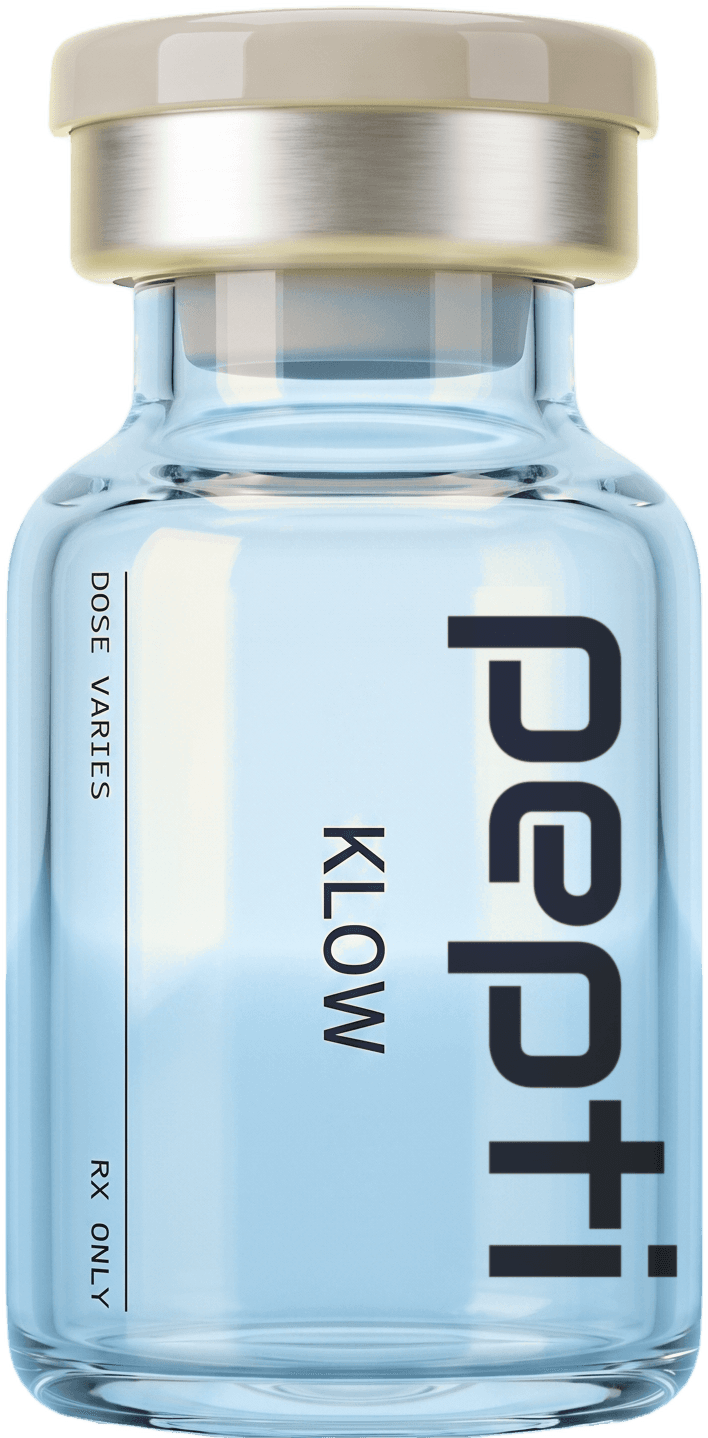
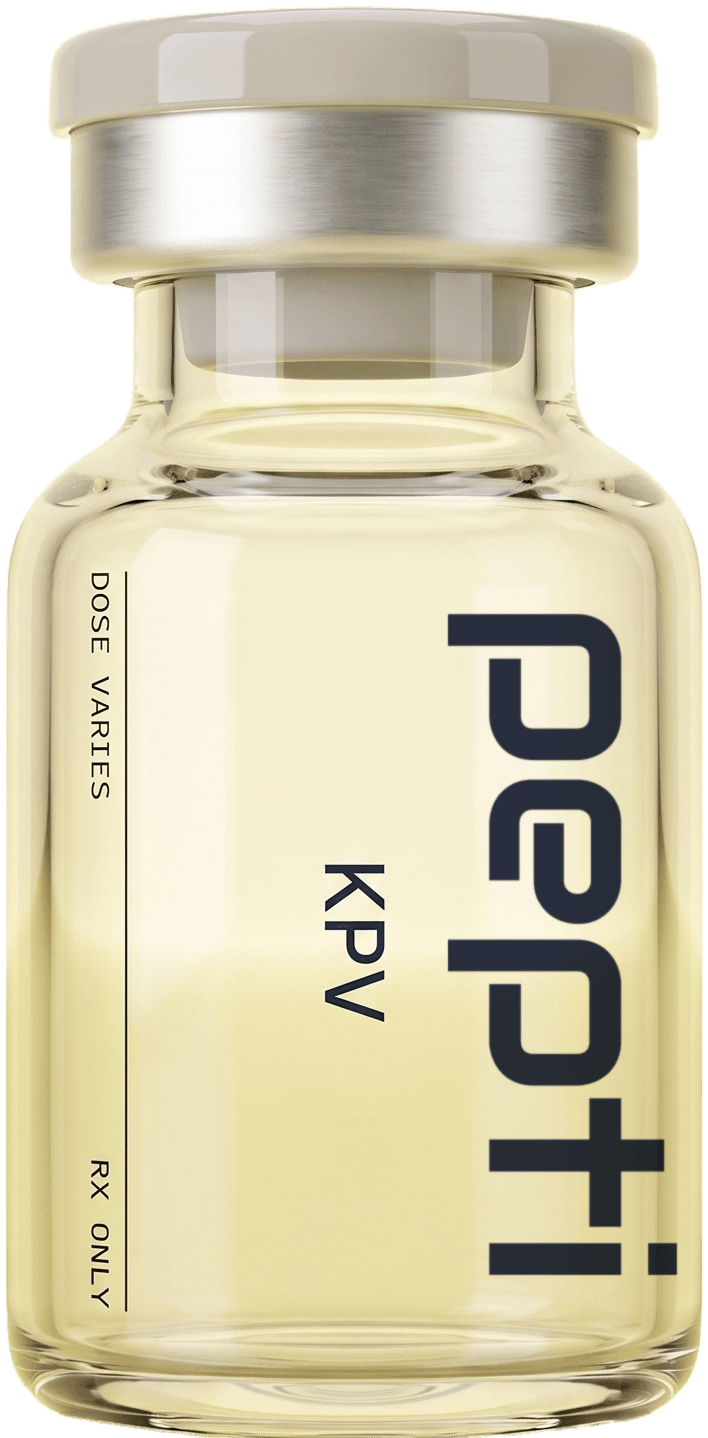
Yes. KLOW is prohibited for any athlete in a tested pool, because it contains BPC-157, named under S0 of the 2026 WADA Prohibited List, and TB-500, named under S2.3 as a derivative of thymosin beta-4, both prohibited at all times, in and out of competition. Its other two components, GHK-Cu and KPV, are not named, and live Pepti pages say the S0 catch-all for unapproved substances can reach both. None of that matters for the blend: a vial is prohibited by virtue of any prohibited component. The NCAA names BPC-157 and TB-500 as well. A prescription does not change the answer, and a standard workplace drug test does not look for any of KLOW's four peptides.
This page is general information, not legal or anti-doping advice. Lists are revised every year and the responsibility for checking sits with the athlete.
Is KLOW Banned in Sports? WADA, NCAA and Drug Tests for the KLOW Blend
The short answer
| The question you are asking | The answer |
|---|---|
| Is KLOW banned by WADA? | Yes, through BPC-157 (S0) and TB-500 (S2.3) |
| In competition only, or all the time? | All the time |
| Are GHK-Cu and KPV the problem? | Not named, but S0 can reach them; BPC-157 and TB-500 settle it anyway |
| Is it banned by the NCAA? | Yes. BPC-157 and TB-500 are named examples |
| Does a prescription help? | No. Only a TUE granted in advance |
| Is there a version without the prohibited parts? | Not as KLOW. Standalone products have their own positions, below |
| Will it show up on a workplace drug test? | No |
Is KLOW Banned in Sports? WADA, NCAA and Drug Tests for the KLOW Blend
What is in KLOW, and where each part sits
KLOW is a 5 mL multi-dose vial containing 50 mg GHK-Cu, 10 mg KPV, 10 mg BPC-157 and 10 mg TB-500, at $259 a month all-in, covering the medication, physician review, refill management and shipping.
| Component | Amount per vial | 2026 WADA position | NCAA |
|---|---|---|---|
| BPC-157 | 10 mg | Named under S0, prohibited at all times, Specified | Named example |
| TB-500 | 10 mg | Named under S2.3, prohibited at all times, non-Specified | Named example |
| GHK-Cu | 50 mg | Not named; S0 logic can apply to injectable GHK-Cu | Not named; related substances banned |
| KPV | 10 mg | Not named; S0 covers substances without regulatory approval for human use | Not named; related substances banned |
BPC-157 and TB-500
The 2026 List places BPC-157 in S0, Non-Approved Substances, naming it explicitly, and USADA confirms it. S2.3 names "Thymosin-ß4 and its derivatives e.g. TB-500" and closes with a catch-all for growth factor modulators "affecting muscle, tendon or ligament protein synthesis/degradation, vascularisation, energy utilization, regenerative capacity or fibre type switching." Both headings read "prohibited at all times." The 2027 List carries the same entries. The detail is in is BPC-157 banned.
GHK-Cu and KPV
Neither is named. WADA's explanatory note to the 2027 List warns that "even if a peptide is not specifically named on the List, utmost caution should be taken as it may still be prohibited." The standalone questions are covered in is GHK-Cu banned in sports and is KPV banned in sports.
Is KLOW Banned in Sports? WADA, NCAA and Drug Tests for the KLOW Blend
KLOW and GLOW are in the same position
KPV is the only difference between KLOW and GLOW. Removing KPV does not remove BPC-157 or TB-500, so GLOW is prohibited for the same reasons; see is GLOW banned in sports. Other blends that share components are no better for a tested athlete.
| Product | Shared components | Status for a tested athlete | Price |
|---|---|---|---|
| KLOW | GHK-Cu, KPV, BPC-157, TB-500 | Prohibited at all times | $259/mo |
| GLOW | GHK-Cu, BPC-157, TB-500 | Prohibited at all times | $259/mo |
| BPC-157 + TB-500 | BPC-157, TB-500 | Prohibited at all times | $259/mo |
| ELEVATE Blend | BPC-157, KPV, plus Semax and Selank | Prohibited because of BPC-157 | $249/mo |
| ETERNAL Blend | GHK-Cu, BPC-157, TB-500, plus Epithalon | Prohibited at all times | $279/mo |
The differences between the two main repair blends are in KLOW vs GLOW.
Is KLOW Banned in Sports? WADA, NCAA and Drug Tests for the KLOW Blend
No off-season
S0 and S2 apply in and out of competition. Repair blends tend to be used in rehabilitation blocks and off-season training, which is exactly what out-of-competition testing is designed to reach. There is no window in which KLOW is permitted for a tested athlete.
Is KLOW Banned in Sports? WADA, NCAA and Drug Tests for the KLOW Blend
Detection
Published methods exist for KLOW's named components. A 2017 Drug Testing and Analysis paper reported a validated urine method for BPC-157 with a limit of detection of 0.1 ng/mL, stable in urine for at least four days. TB-500 and its metabolites were quantified by high-resolution mass spectrometry in a 2024 Journal of Chromatography B paper. A 2026 paper in The Analyst described a harmonised workflow for peptidic doping agents in blood.
Detection windows for small peptides are generally hours to a few days, but a negative sample can be stored and reanalysed under Code Article 6.6, and Article 17 allows a charge within ten years.
Is KLOW Banned in Sports? WADA, NCAA and Drug Tests for the KLOW Blend
Why a prescription does not protect you
Article 2.1.1 of the World Anti-Doping Code makes it the athlete's personal duty to ensure no prohibited substance enters their body, and a violation does not require intent or fault to be shown. A KLOW prescription from a licensed physician is valid medicine and still a violation in a tested pool.
A therapeutic use exemption requires a diagnosed condition supported by clinical evidence, no enhancement beyond a return to normal health, no reasonable permitted alternative, and a need not caused by earlier prohibited use. USADA's published position is that a TUE for BPC-157 is unlikely to be approved because permitted alternatives exist. A four-peptide repair blend is a harder case still.
Is KLOW Banned in Sports? WADA, NCAA and Drug Tests for the KLOW Blend
College and professional sport
The NCAA bans "peptide hormones, growth factors, related substances and mimetics," and its published examples include BPC-157 and TB-500. It states that the school and the student-athlete are both accountable for everything in a banned class. Professional leagues mostly run their own programs, so check your league's policy.
Is KLOW Banned in Sports? WADA, NCAA and Drug Tests for the KLOW Blend
Workplace and other drug tests
The federal employment panel in 49 CFR 40.85 tests for marijuana metabolites, cocaine metabolite, opiates, semi-synthetic opioids, 6-acetylmorphine, phencyclidine, amphetamines and MDMA. None of KLOW's peptides is on it or structurally similar to anything on it. See do peptides show up on a drug test.
| Type of test | Does it look for KLOW's components? | What to do |
|---|---|---|
| Pre-employment or workplace panel | No | Declare prescriptions through the confidential route if asked |
| Anti-doping test | Yes, BPC-157 and TB-500 are prohibited | Do not use KLOW in a tested pool |
| Military or regulated profession | Policies vary | Read your own policy |
| Before surgery | A safety question | Tell the treating clinician everything you take |
Is KLOW Banned in Sports? WADA, NCAA and Drug Tests for the KLOW Blend
Where KLOW's components stand with the FDA
All four components were removed from Category 2 of the FDA's interim 503A list in April 2026. On 23 July 2026 the Pharmacy Compounding Advisory Committee voted 8 to 6, with one abstention in each case, to recommend adding BPC-157, KPV and TB-500 to the 503A Bulks List, against the recommendation of FDA's own reviewers; final determinations are pending. GHK-Cu is scheduled for the committee before the end of February 2027. KLOW is a compounded prescription, and compounded medications are not FDA approved. None of this changes anti-doping status.
Is KLOW Banned in Sports? WADA, NCAA and Drug Tests for the KLOW Blend
What the evidence shows, honestly
KLOW has never been studied as a blend. Its components are supported mostly by animal and cell research: BPC-157 in tendon and gut models, TB-500 in actin and cell-motility work with some human thymosin beta-4 trials, GHK-Cu in skin and matrix work, and KPV, which the FDA found has no published human studies at all. Being prohibited is not evidence that KLOW improves performance; S0 follows from approval status. More in what is KLOW, KLOW benefits and KLOW side effects.
Is KLOW Banned in Sports? WADA, NCAA and Drug Tests for the KLOW Blend
If you compete
| Your situation | What to do |
|---|---|
| In a tested pool at any level | Do not use KLOW |
| An injury you want treated | Tell your physician you are tested before anything is prescribed |
| A genuine medical need | Apply for a TUE in advance through your national anti-doping organization |
| Already used KLOW | Talk to your sport's anti-doping body or team physician |
| Not subject to testing | The anti-doping rule does not reach you |
| Considering a research-labelled vial | Do not. Unverified contents are a strict-liability problem, see research peptides vs prescription peptides |
The wider context is in peptides for athletes.
Is KLOW Banned in Sports? WADA, NCAA and Drug Tests for the KLOW Blend
Where to get KLOW prescribed
- Complete a free online intake covering your history, medications and goals. Say if you compete in tested sport.
- A physician licensed in your state reviews it, usually within 24 hours.
- If it is appropriate, a PCAB-accredited, FDA-registered US 503A pharmacy compounds it. Lot results are at /quality/lab-results.
- It ships refrigerated with ice packs, sterile syringes and alcohol prep pads, with your directions printed on the vial.
- Refills come every 28 days, one vial per fill.
The step-by-step page is how to get KLOW prescribed online. Pepti is cash-pay and does not bill insurance.
References
What this is based on.
References
- Pickart L, Vasquez-Soltero JM, Margolina A. GHK Peptide as a Natural Modulator of Multiple Cellular Pathways in Skin Regeneration · Biomed Res Int (2015) · PMID 26236730
- Chang CH, Tsai WC, Lin MS et al.. The promoting effect of pentadecapeptide BPC 157 on tendon healing involves tendon outgrowth, cell survival, and cell migration · J Appl Physiol (1985) (2011) · PMID 21030672
- Dalmasso G, Charrier-Hisamuddin L, Nguyen HT et al.. PepT1-mediated tripeptide KPV uptake reduces intestinal inflammation · Gastroenterology (2008) · PMID 18061177
- Goldstein AL, Hannappel E, Sosne G et al.. Thymosin β4: a multi-functional regenerative peptide. Basic properties and clinical applications · Expert Opin Biol Ther (2012) · PMID 22074294
- Brzoska T, Luger TA, Maaser C et al.. Alpha-melanocyte-stimulating hormone and related tripeptides: biochemistry, antiinflammatory and protective effects in vitro and in vivo, and future perspectives for the treatment of immune-mediated inflammatory diseases · Endocr Rev (2008) · PMID 18612139
Citations are provided for educational purposes. They do not constitute medical advice. Always discuss any peptide protocol with your prescribing physician.
Common questions
Is KLOW Banned in Sports? WADA, NCAA and Drug Tests for the KLOW Blend, answered.
Yes. KLOW contains BPC-157, named under S0, and TB-500, named under S2.3, both prohibited at all times on the 2026 List and again on the 2027 List.
Yes. Both classes are prohibited in and out of competition.
Yes. BPC-157 and TB-500 are named examples in the NCAA's peptide hormones, growth factors, related substances and mimetics class.
Not on a workplace panel. In anti-doping testing, published methods exist for BPC-157 and TB-500, and stored samples can be reanalysed for up to ten years.
No. Both contain BPC-157 and TB-500, and both are prohibited. KPV is the only difference.
It is not named, but S0 covers substances without regulatory approval for human use. Ask your anti-doping body first; see is KPV banned in sports.
No. A prescription is not a therapeutic use exemption, and USADA has said a TUE for BPC-157 is unlikely to be approved.
Detection windows for small peptides are generally hours to a few days. Retrospective analysis and the ten-year limit mean that is not a reason to use it.
No. KLOW is a compounded prescription. Three of its components were recommended for the 503A Bulks List in July 2026, with final determinations pending.
Bloodwork is not required for any Pepti treatment. If your physician wants labs for your care, they'll ask through your account. The free assessment goes to a physician licensed in your state. A consultation does not guarantee a prescription.
Next step
See what a physician recommends for you.
A licensed physician in your state reviews your intake and decides what is appropriate. A consultation does not guarantee a prescription.