Anti-Aging · Reference
Glutathione vs MOTS-c: Antioxidant Support vs Metabolic Signalling
Glutathione and MOTS-c are both peptides your body already makes, but they do very different jobs.
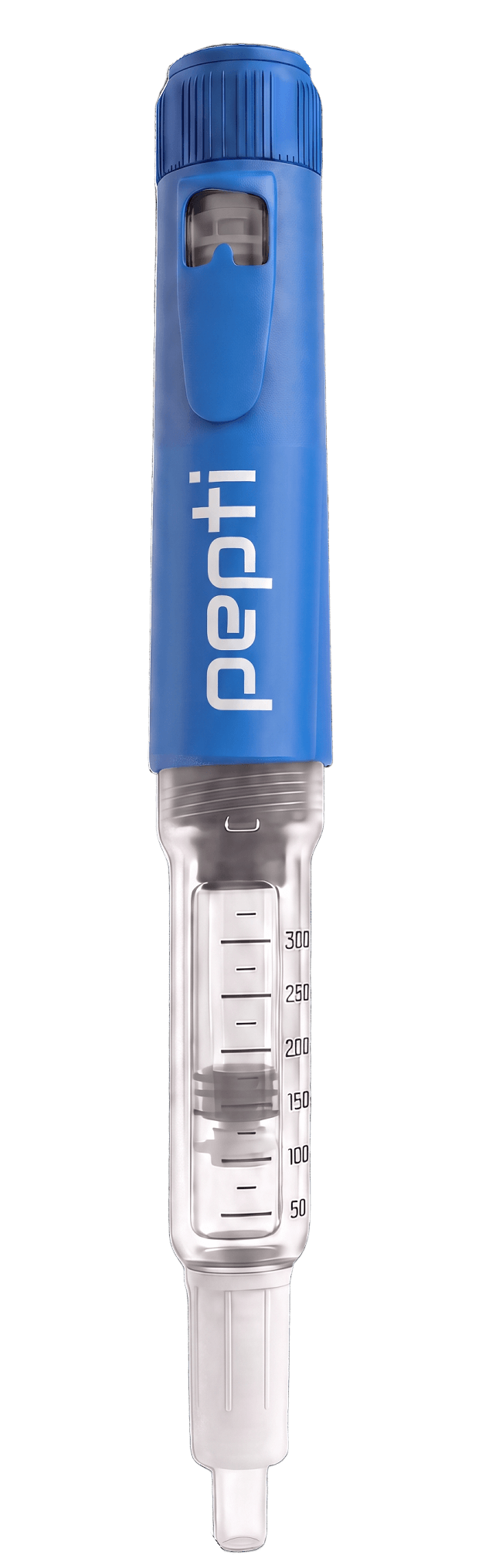
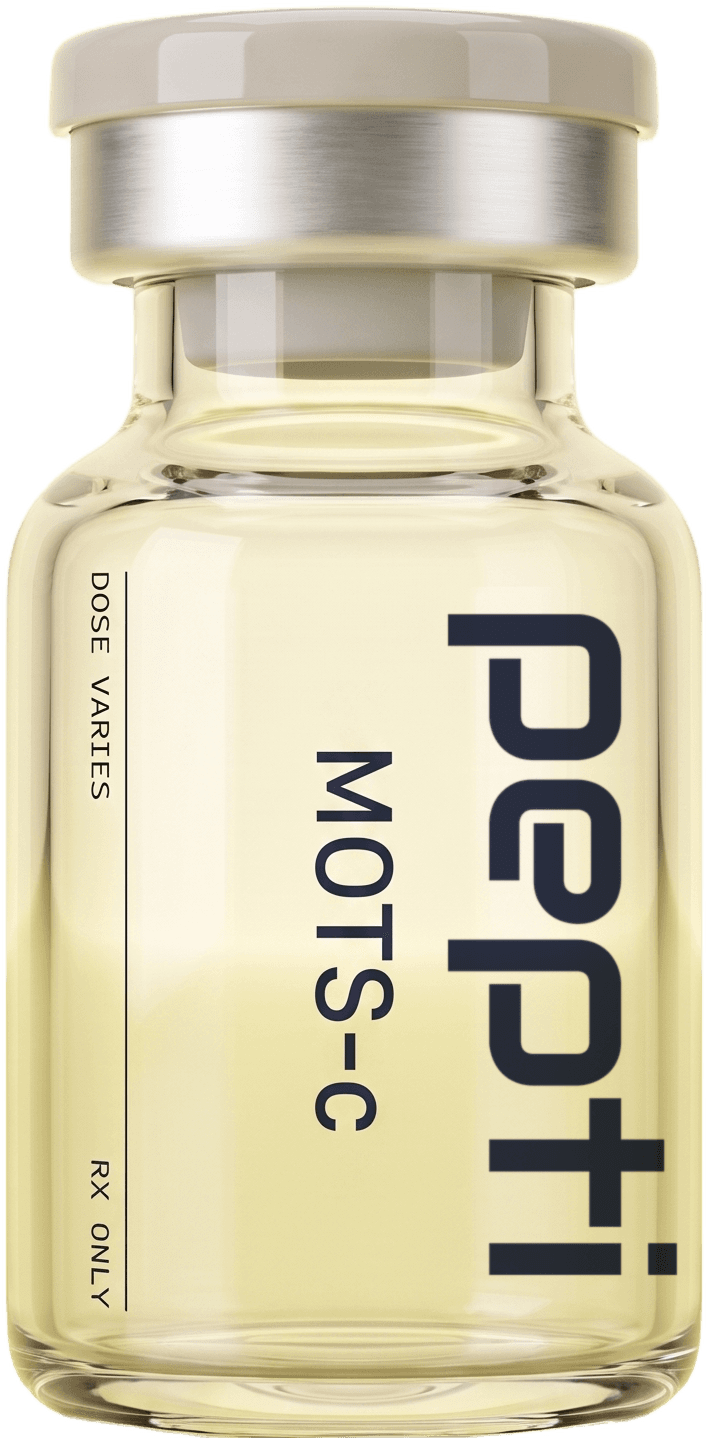
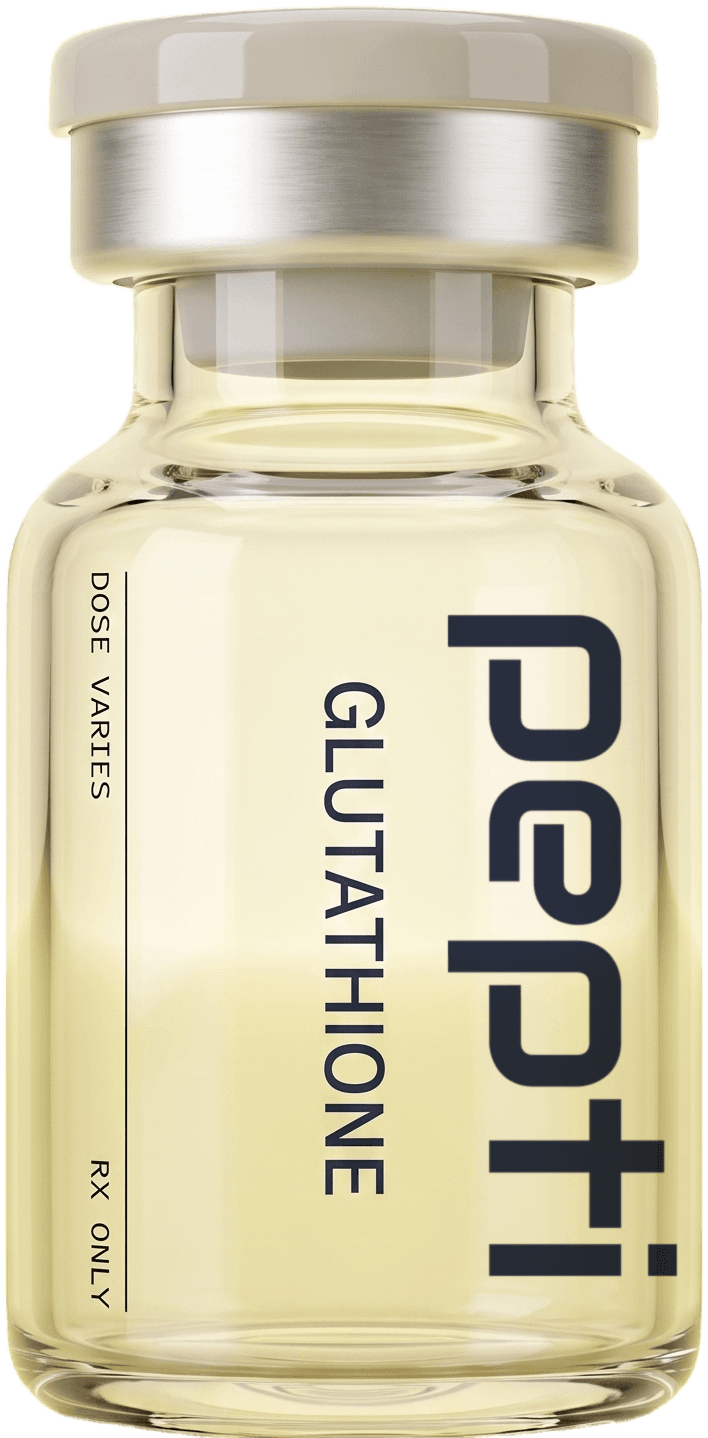
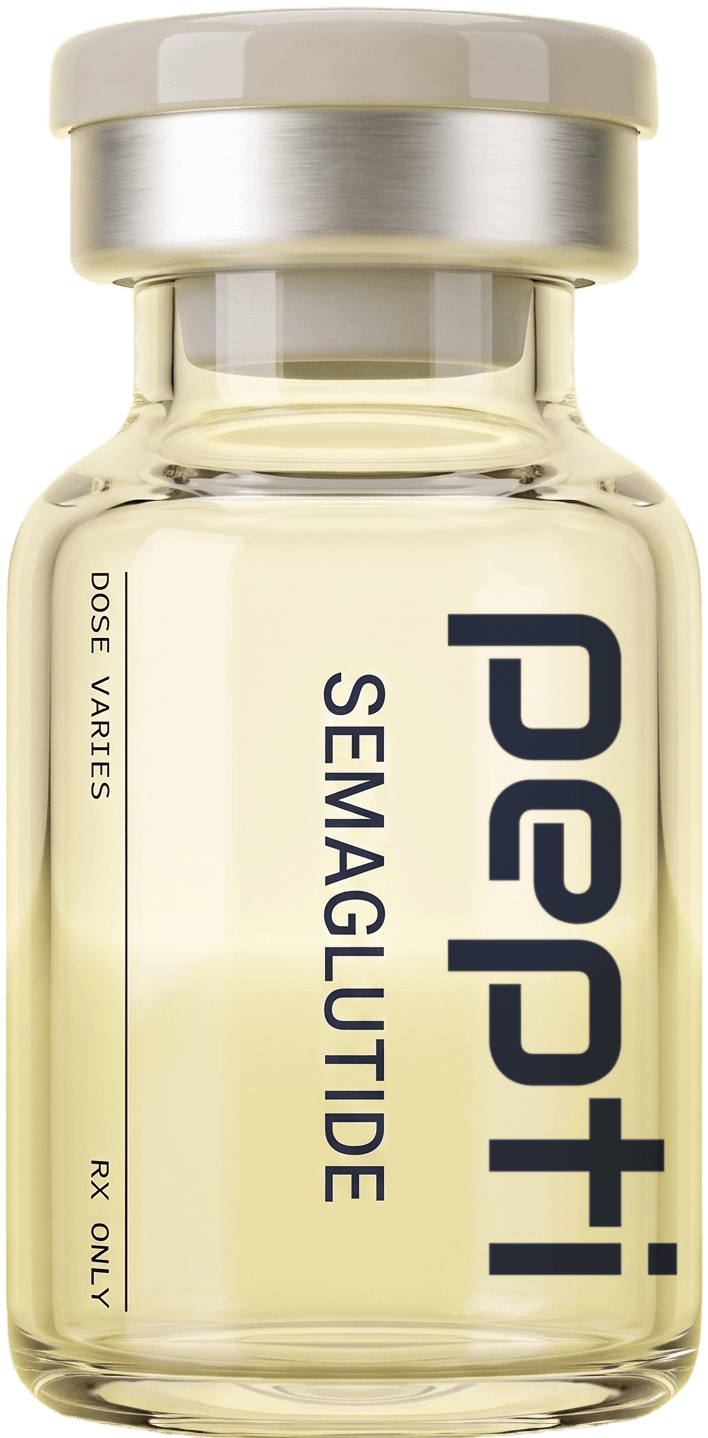
Glutathione is a three-amino-acid antioxidant present in every cell, the cofactor for enzymes that neutralize peroxides and help clear reactive drug metabolites; it has randomized human trials by mouth, vein, nose and skin, but none of the under-the-skin route Pepti uses. MOTS-c is a 16-amino-acid signal encoded in mitochondrial DNA, described in mouse and cell work around AMPK and fuel use in muscle, with no randomized human trial of the peptide. Both are prescription-only, compounded by a licensed US pharmacy, and neither compounded product is FDA approved.
This page explains each on its own terms, puts them side by side, covers what the research does and does not show, where each stands with the FDA, how each is dosed, what each costs at Pepti, and who tends to suit which.
Glutathione vs MOTS-c
The short answer
| If your main question is | The usual prescription | What is in it | Price |
|---|---|---|---|
| Oxidative load and antioxidant capacity | Glutathione | 1000 mg glutathione in a 5 mL vial | $199/mo |
| Metabolic signalling, alongside training | MOTS-c | 10 mg MOTS-c in a 5 mL vial | $259/mo |
| MOTS-c inside a body-composition blend | PHYSIQ, SHRED or FUSION | MOTS-c with other peptides | $279 to $289/mo |
| The coenzyme that regenerates glutathione | NAD+ Injection | 1000 mg NAD+ in a 10 mL vial | $249/mo |
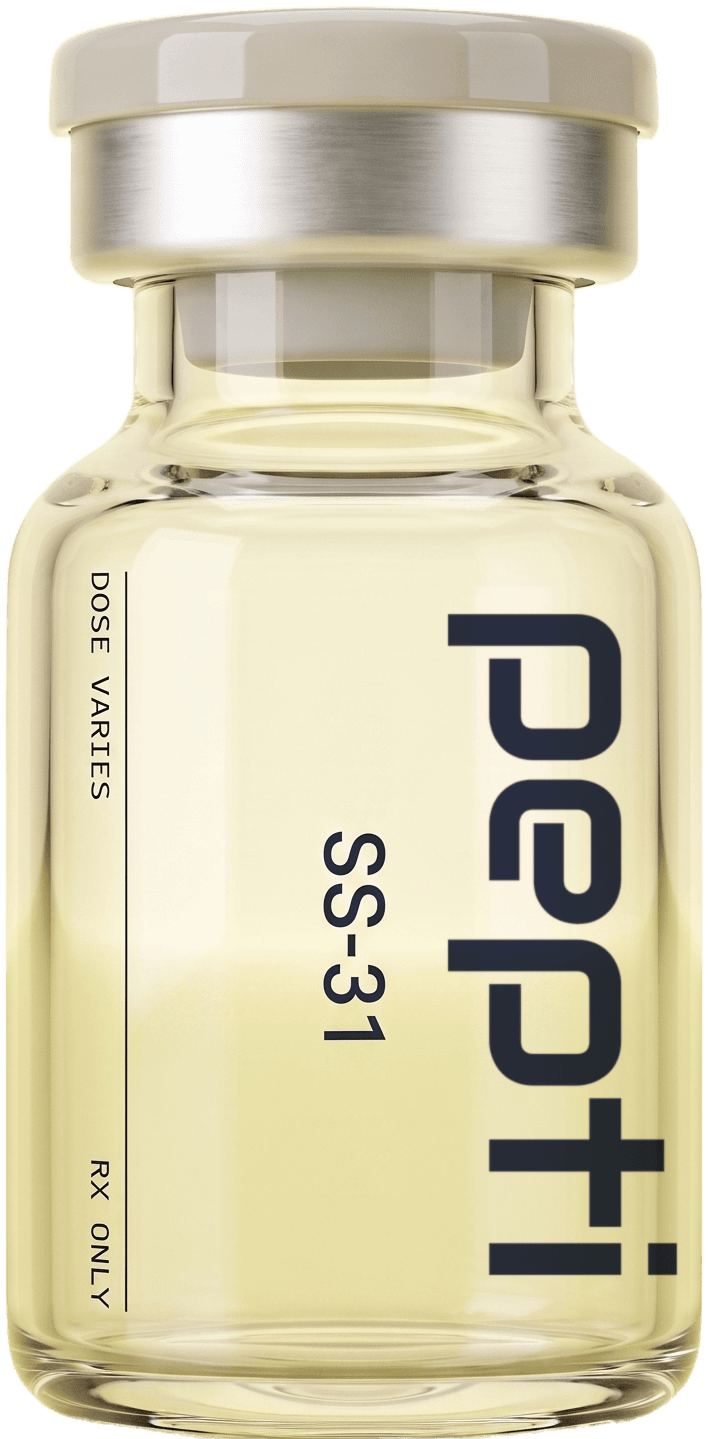
| Mitochondrial membrane structure | SS-31 (Elamipretide) | 10 mg SS-31 in a 5 mL vial | $249/mo |
Every figure is an all-in monthly price covering the medication, physician review, refill management and shipping. There is no separate membership fee, and Pepti is cash-pay and does not bill insurance. Current pricing always lives on each product page.
Glutathione vs MOTS-c
Glutathione on its own terms
What it is
Glutathione is three amino acids, glutamate, cysteine and glycine. Every nucleated cell makes it, and it is the most abundant small thiol in the body. It does not bind a receptor; it is a working molecule, used up and regenerated continuously. The active form is reduced glutathione (GSH); when it neutralizes a reactive molecule it becomes GSSG, and glutathione reductase converts it back using NADPH. The compounded injection is the reduced form. The full reference is at what is Glutathione.
How it is described to work
- Direct antioxidant. Its cysteine donates an electron to peroxides and radicals.
- Enzyme cofactor. Glutathione peroxidases and S-transferases use it to reduce peroxides and to tag reactive drug metabolites for excretion. That is the precise meaning of "detoxification" here.
- Immune cell function. Lymphocytes depend on intracellular glutathione; the proposed mechanism is repletion.
What human data exists
A 2015 randomized, double-blind trial in 54 adults (European Journal of Nutrition) found 1,000 mg a day by mouth raised body stores 30 to 35 per cent over six months, and levels returned to baseline after a month off. A shorter four-week oral trial found no change. Intravenous glutathione in Parkinson's disease did not separate from placebo in a 2009 randomized pilot; intravenous glutathione alongside cisplatin chemotherapy reported less nerve injury in a 1995 trial. There are no randomized trials of subcutaneous glutathione, and whether a small under-the-skin dose raises tissue glutathione has not been measured.
Glutathione vs MOTS-c
MOTS-c on its own terms
What it is
MOTS-c is a 16-amino-acid peptide whose gene sits in the mitochondrial genome, inside the gene for the 12S ribosomal RNA, rather than in the nucleus. It was identified in a 2015 paper in Cell Metabolism from the University of Southern California. It is not a hormone in the classical sense, not a growth hormone secretagogue, not a GLP-1 medication and not a stimulant. The full reference is at what is MOTS-c.
How it is described to work
- The folate cycle and AMPK. In cells, MOTS-c was reported to slow the folate cycle so that AICAR builds up and activates AMPK, the low-fuel sensor that exercise also switches on.
- Signalling to the nucleus. A 2018 paper reported it moving into the nucleus under metabolic stress, in an AMPK-dependent way, interacting with stress-responsive transcription factors including NRF2.
- Muscle and exercise. A 2021 Nature Communications paper reported better physical performance in mice of all ages, and that exercise raised people's own MOTS-c in muscle and blood.
What human data exists
There are no randomized controlled trials of MOTS-c in humans. What exists is observational work on the body's own levels, a genetic study across 27,527 people linking a MOTS-c variant with type 2 diabetes in men, and a company-reported Phase 1 study of a modified analogue, CB4211, which is a different molecule and did not advance beyond Phase 1.
Glutathione vs MOTS-c
Head to head
| Glutathione | MOTS-c | |
|---|---|---|
| Size | 3 amino acids | 16 amino acids |
| Where the body makes it | Every nucleated cell | Encoded in mitochondrial DNA |
| What kind of molecule | A working antioxidant and enzyme cofactor | A signalling peptide |
| Main described mechanism | Neutralizing reactive molecules; peroxidase and S-transferase cofactor | Folate cycle, AICAR and AMPK; nuclear gene regulation |
| Main tissue in research | Every cell; liver for detoxification | Skeletal muscle |
| Randomized human trials | Yes, by mouth, vein, nose and skin; none subcutaneous | None |
| Evidence for its own route | Extrapolated from other routes | Mouse and cell work |
| FDA status | Category 1, under evaluation; never in Category 2 | Removed from Category 2 in April 2026; advisory committee voted 7 to 5 in favour in July 2026 |
| Prohibited in sport | Check your sport's list | Yes, WADA S4.4 at all times |
| Vial at Pepti | 5 mL, 200 mg/mL (1000 mg) | 5 mL, 2 mg/mL (10 mg) |
| Typical directions | 0.41 mL (41 units) three times a week | 0.25 mL (25 units) Monday to Friday mornings |
| Per dose (math) | 82 mg | 0.5 mg |
| Doses per vial | 12, about 4 weeks | 20, about 4 weeks |
| Formats | Vial | Vial, or a pre-filled Pen |
| Price at Pepti | $199 a month | $259 a month |
Protection versus signalling
Glutathione is consumed doing chemistry: it is spent neutralizing reactive molecules and helping enzymes clear them. MOTS-c is a message: it is described as changing which metabolic pathways a cell runs, especially in muscle. One is about how well a cell copes with oxidative load; the other is about how a cell handles fuel. Both are discussed under "cellular health," which is why they get compared, but they are not interchangeable.
They touch at one point
The 2018 MOTS-c work describes it interacting with NRF2, a transcription factor involved in the cell's stress responses. That is a mechanistic link noted in the MOTS-c literature, not evidence that MOTS-c raises glutathione in people, and no study has tested the two together.
Different kinds of evidence gap
Glutathione's biology in human tissue is not in doubt, and oral supplementation has been shown to raise body stores over months. The gap is the route: no one has measured what the subcutaneous dose does. MOTS-c's gap is larger: the peptide itself has never been tested in a human trial, and everything about injected MOTS-c comes from animals.
Glutathione vs MOTS-c
Who suits which
Glutathione
Glutathione suits the person whose concern is oxidative load and who wants a molecule with human trials behind it, by other routes. It is fair to ask your physician why injection rather than oral glutathione or oral glycine plus N-acetylcysteine, since the strongest controlled evidence for restoring low glutathione used those. Pepti does not prescribe glutathione for skin lightening.
MOTS-c
MOTS-c suits the person whose goal is metabolic: training tolerance, fuel use, body composition. Prescribers describe it as something taken alongside a training and nutrition plan, not instead of one, and it is often prescribed inside a blend. It is not an option for anyone in a tested sport.
Can you take glutathione and MOTS-c together?
They act on different systems, and some physicians prescribe them in the same period. No study has tested the combination. Your physician weighs that after reviewing your intake, and adding one at a time makes it easier to tell what is doing what.
Glutathione vs MOTS-c
When neither is the right first step
| Situation | What makes more sense |
|---|---|
| Weight loss is the actual goal | Semaglutide or tirzepatide, with large randomized trials where weight was the primary endpoint |
| Tiredness you have not had checked | A medical work-up; iron, thyroid, B12 and sleep explain far more fatigue than either molecule |
| Cellular energy specifically | NAD+, which has its own human trial literature |
| Mitochondrial structure | SS-31, which has a human trial programme |
| Skin is the priority | GHK-Cu; the glutathione skin evidence is oral and topical, not injectable |
Glutathione vs MOTS-c
Where each stands with the FDA
As of the FDA pages checked in September 2026:
| Glutathione | MOTS-c | |
|---|---|---|
| 503A interim categories | Category 1, "Bulk Drug Substances Under Evaluation" (document of 14 May 2026) | Placed in Category 2 in 2023 |
| 15 April 2026 | Not involved; never in Category 2 | Removed from Category 2 after nominations were withdrawn |
| Advisory committee | Not applicable | 23 July 2026: voted 7 to 5, two abstentions, to recommend the 503A Bulks List for obesity and osteoporosis, against FDA staff advice |
| Other FDA action | 2019 compounding alert about a dietary-grade glutathione powder contaminated with endotoxin | None |
Category 1 substances may be compounded by state-licensed pharmacies while the FDA completes its evaluation. The 2019 glutathione alert was about ingredient sourcing, not the molecule: a sterile injectable must be compounded from a pharmaceutical-grade active by a pharmacy accountable for endotoxin testing, part of what Pepti's quality standards cover. For MOTS-c, a committee vote is a recommendation, not a decision, and the final FDA determination is pending. Both remain legal to prescribe and dispense, and compounded medications are not FDA approved. See are peptides FDA approved.
Glutathione vs MOTS-c
Dosing, side by side
These two are dosed on different schedules, from vials of very different strengths.
| What you read | Glutathione | MOTS-c |
|---|---|---|
| Concentration | 200 mg/mL | 2 mg/mL |
| Dose volume | 0.41 mL | 0.25 mL |
| On a U-100 syringe | 41 units | 25 units |
| Per dose (math only) | 82 mg | 0.5 mg |
| Schedule | Three times a week | Monday through Friday mornings |
| Doses per vial | 12 | 20 |
| Time per vial | About 4 weeks | About 4 weeks |
The milligram column is label arithmetic, not dosing advice, and the two numbers are not comparable: one is a working antioxidant given in milligram amounts, the other a signalling peptide given in fractions of a milligram. You do not need to calculate anything: your directions are printed on the vial, and your physician sets them after reviewing your intake. Both are injected under the skin into the abdomen or thigh, rotating sites. Glutathione must never be injected into a vein. Refills run every 28 days, one vial per fill, and both ship refrigerated with ice packs, ready to use, with sterile syringes and alcohol prep pads. MOTS-c is also available as a pre-filled Pen. The detail is in glutathione dosage and MOTS-c dosage.
Glutathione vs MOTS-c
Side effects
Glutathione. Mostly injection-site redness, mild soreness and occasional bruising, and in some people brief light-headedness or nausea after a dose. Intravenous trials at much higher doses reported adverse events similar to placebo. Fever, chills or rigors shortly after a dose are not expected; stop and contact your physician the same day. Mention asthma, since inhaled glutathione has been reported to provoke bronchospasm.
MOTS-c. Mostly injection-site redness, mild soreness and occasional bruising. Some people describe transient jitteriness, a faster pulse or mild light-headedness in the hour or two after a morning dose, particularly early in a course. Anyone taking a medicine that lowers blood glucose should say so on the intake.
For either, swelling of the face or throat or difficulty breathing needs emergency care first (call 911), then tell your physician. More detail is in glutathione side effects.
Glutathione vs MOTS-c
Who should not take either, or should discuss it first
| Situation | Why |
|---|---|
| Pregnancy or breastfeeding | Not used; safety data is absent |
| Asthma | Especially for glutathione |
| Glucose-lowering medication | Especially for MOTS-c, which acts on an energy-sensing pathway |
| Any regular medication | Glutathione is a cofactor in the metabolism of many drugs; list everything on the intake |
| Tested athletes | MOTS-c is on the WADA Prohibited List at all times; check the list for glutathione too |
Glutathione vs MOTS-c
What the evidence shows, honestly
Neither has been shown, by the injected route, to change health outcomes in people. Glutathione is a molecule whose role is established in human cells, with randomized trials showing oral dosing can raise body stores, controlled intravenous results in specific settings, and no trial of the subcutaneous route. MOTS-c has a coherent mouse and cell story, human data on its natural levels, a related analogue that was dosed in people, and no trial of the peptide itself. Any provider claiming either has been shown to work for energy, weight or ageing in people is overstating it. The claim-by-claim reads are in glutathione benefits and MOTS-c benefits.
Glutathione vs MOTS-c
Where to get glutathione or MOTS-c prescribed
Neither can be bought legitimately without a prescription. Sites selling them "for research use only" are not accountable for what is in the vial: identity, purity, sterility and concentration are untested. The prescription route:
- Complete a free online intake covering your history, medications and what you want help with.
- A physician licensed in your state reviews it, usually within 24 hours.
- If it is appropriate, a PCAB-accredited, FDA-registered US 503A compounding pharmacy prepares it to that prescription. Lot test results are published at /quality/lab-results.
- It ships refrigerated with your directions printed on the vial.
- Your physician stays reachable for questions and dose changes.
Pepti prescribes both in every state except Oklahoma, plus DC Step-by-step pages: how to get glutathione prescribed online and how to get MOTS-c prescribed online.
References
What this is based on.
References
- Lee C, Zeng J, Drew BG et al.. The mitochondrial-derived peptide MOTS-c promotes metabolic homeostasis and reduces obesity and insulin resistance · Cell Metab (2015) · PMID 25738459
- Reynolds JC, Lai RW, Woodhead JST et al.. MOTS-c is an exercise-induced mitochondrial-encoded regulator of age-dependent physical decline and muscle homeostasis · Nat Commun (2021) · PMID 33473109
- Kim KH, Son JM, Benayoun BA et al.. The Mitochondrial-Encoded Peptide MOTS-c Translocates to the Nucleus to Regulate Nuclear Gene Expression in Response to Metabolic Stress · Cell Metab (2018) · PMID 29983246
- Zempo H, Kim SJ, Fuku N et al.. A pro-diabetogenic mtDNA polymorphism in the mitochondrial-derived peptide, MOTS-c · Aging (Albany NY) (2021) · PMID 33468709
- Ramanjaneya M, Bettahi I, Jerobin J et al.. Mitochondrial-Derived Peptides Are Down Regulated in Diabetes Subjects · Front Endocrinol (Lausanne) (2019) · PMID 31214116
- Cataldo LR, Fernández-Verdejo R, Santos JL et al.. Plasma MOTS-c levels are associated with insulin sensitivity in lean but not in obese individuals · J Investig Med (2018) · PMID 29593067
- Lu H, Wei M, Zhai Y et al.. MOTS-c peptide regulates adipose homeostasis to prevent ovariectomy-induced metabolic dysfunction · J Mol Med (Berl) (2019) · PMID 30725119
- Ming W, Lu G, Xin S et al.. Mitochondria related peptide MOTS-c suppresses ovariectomy-induced bone loss via AMPK activation · Biochem Biophys Res Commun (2016) · PMID 27237975
- Knoop A, Thomas A, Thevis M. Development of a mass spectrometry based detection method for the mitochondrion-derived peptide MOTS-c in plasma samples for doping control purposes · Rapid Commun Mass Spectrom (2019) · PMID 30394592
- Ozkaya DY, Haymana C, Demirci I et al.. MOTS-C levels in individuals with and without obesity and its association with inflammation, insulin resistance and endothelial dysfunction · Arch Endocrinol Metab (2025) · PMID 41004666
- Richie JP Jr, Nichenametla S, Neidig W et al.. Randomized controlled trial of oral glutathione supplementation on body stores of glutathione · Eur J Nutr (2015) · PMID 24791752
- Allen J, Bradley RD. Effects of oral glutathione supplementation on systemic oxidative stress biomarkers in human volunteers · J Altern Complement Med (2011) · PMID 21875351
Citations are provided for educational purposes. They do not constitute medical advice. Always discuss any peptide protocol with your prescribing physician.
Common questions
Glutathione vs MOTS-c, answered.
Glutathione is a three-amino-acid antioxidant every cell makes, used up neutralizing reactive molecules. MOTS-c is a 16-amino-acid signal encoded in mitochondrial DNA, described around AMPK and fuel use in muscle.
Glutathione. It has randomized human trials by mouth, vein, nose and skin, though none of the subcutaneous route. MOTS-c has no randomized human trials of the peptide.
Not in the way glutathione is. MOTS-c is described as a signalling peptide; mouse and cell work links it to stress-response pathways, but it is not a direct antioxidant.
Some physicians prescribe them in the same period. No study has tested the combination, and your physician reviews it with your intake.
Neither has human trial evidence for energy by injection. MOTS-c is described around fuel use in muscle in mice; glutathione around antioxidant capacity. If energy is the goal, NAD+ has its own human literature.
Neither has a human trial with weight as an endpoint. Mouse studies of MOTS-c reported less diet-induced weight gain. For weight loss, GLP-1 medications have the trial evidence.
Yes. It is on the WADA Prohibited List at all times under S4.4 metabolic modulators, and USADA has said it is not eligible for a therapeutic use exemption.
There is no trial-established timeline for either as an injection. The oral glutathione trial measured body stores at one, three and six months; the MOTS-c research is in mice. Neither tells you when or whether you would notice anything.
At Pepti, glutathione is $199 a month and MOTS-c is $259 a month, all-in, including the medication, physician review, refill management and shipping.
Bloodwork is not required for any Pepti treatment. If your physician wants labs for your care, they'll ask through your account. The free assessment goes to a physician licensed in your state. A consultation does not guarantee a prescription.
Related answers
Keep reading.
- Glutathione: What It Is, Where to Get It Prescribed, and What It Costs
- What Is MOTS-c? Research, 10 to 50 mg Vials, Dosing & Cost
- Glutathione vs Thymalin: Antioxidant vs Thymic Peptide, Evidence, Dosing and Cost
- How Long Does Glutathione Take to Work? What the Trials Measured, and When
- Ipamorelin vs CJC-1295: Differences, Combined Use & Cost
Next step
See what a physician recommends for you.
A licensed physician in your state reviews your intake to see whether treatment fits your history. A consultation does not guarantee a prescription.