Anti-Aging · Reference
Glutathione vs Thymalin: Antioxidant vs Thymic Peptide, Evidence, Dosing and Cost
Glutathione and thymalin are both prescribed as part of a healthy-ageing or immune-support plan, but they are completely different kinds of molecule doing different jobs.
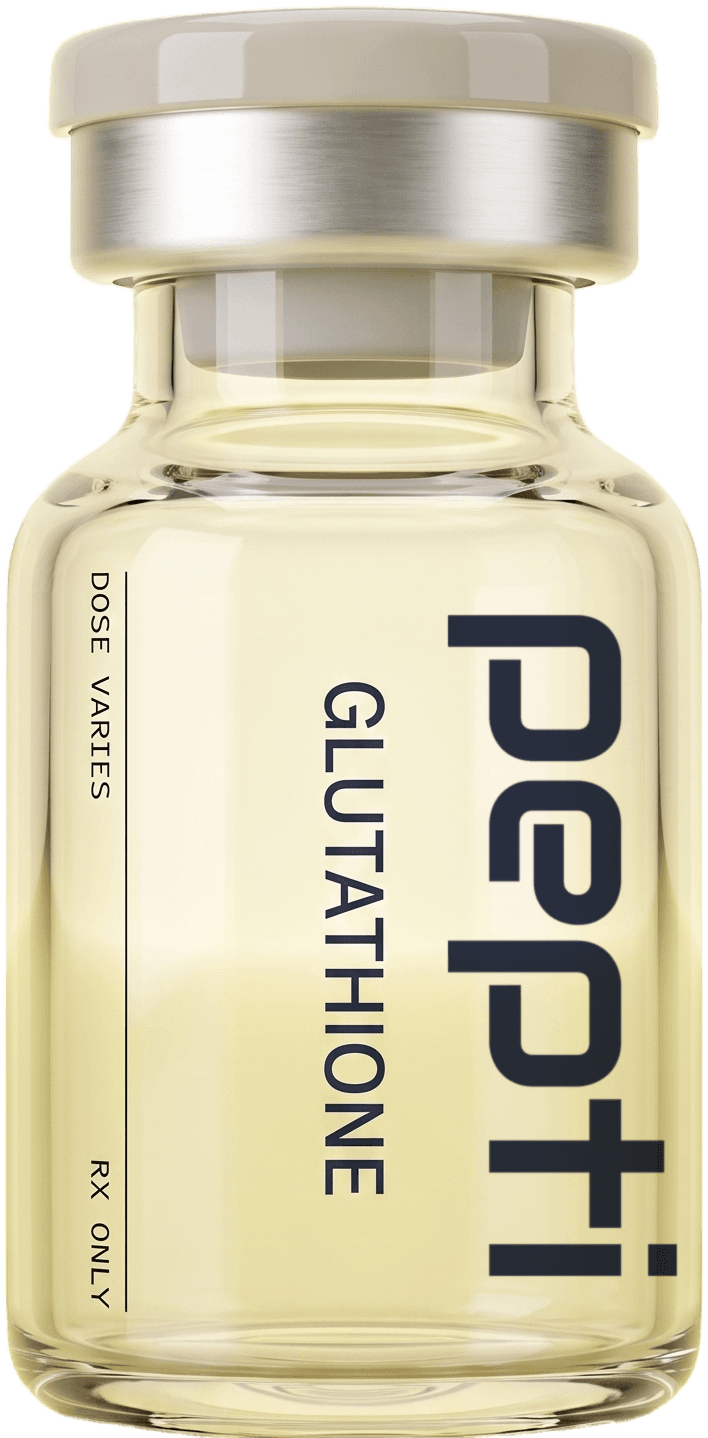
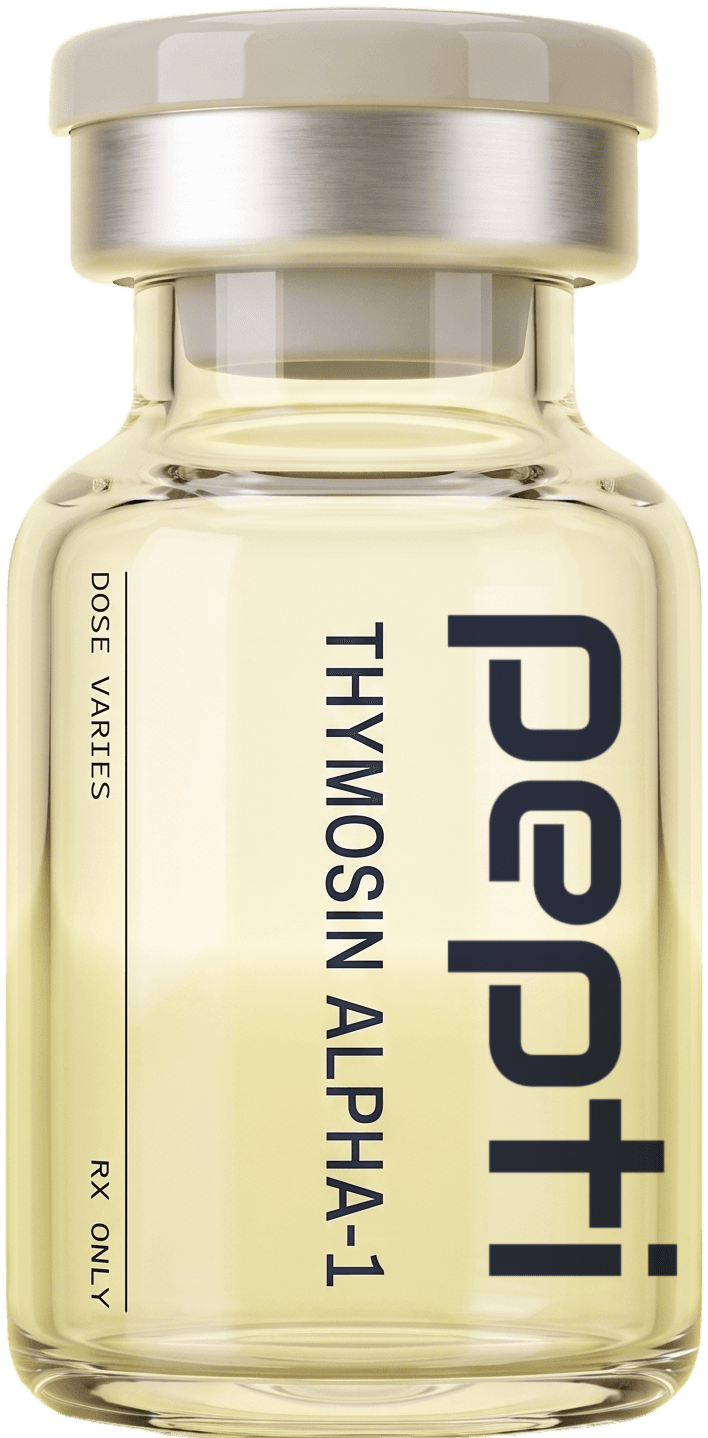
Glutathione is a three-amino-acid antioxidant that every cell already makes; it has randomised human trials by mouth, by vein, by nose and on the skin, but none by the subcutaneous route Pepti uses. Thymalin is a mixture of short peptides extracted from calf thymus, developed in the Soviet Union in the 1970s and described around T-cell maturation; its human record is long Russian clinical use and observational studies, with no randomised trials. Both are prescription-only, compounded by a licensed US pharmacy, and neither is FDA approved.
This page explains each on its own terms, puts them side by side, covers what the research does and does not show, where each stands with the FDA, how each is dosed, what each costs at Pepti, and who tends to suit which.
Glutathione vs Thymalin
The short answer
| If your main goal is | The usual prescription | What is in it | Price |
|---|---|---|---|
| Antioxidant support, oxidative burden | Glutathione | 1,000 mg glutathione in a 5 mL vial (200 mg/mL) | $199/mo |
| Immune ageing, a thymic peptide specifically | Thymalin | 5 mg thymalin in a 5 mL vial (1 mg/mL) | $209/mo |
| Immune support with the stronger trial record | Thymosin Alpha-1 | 10 mg thymosin alpha-1 in a 5 mL vial | $249/mo |
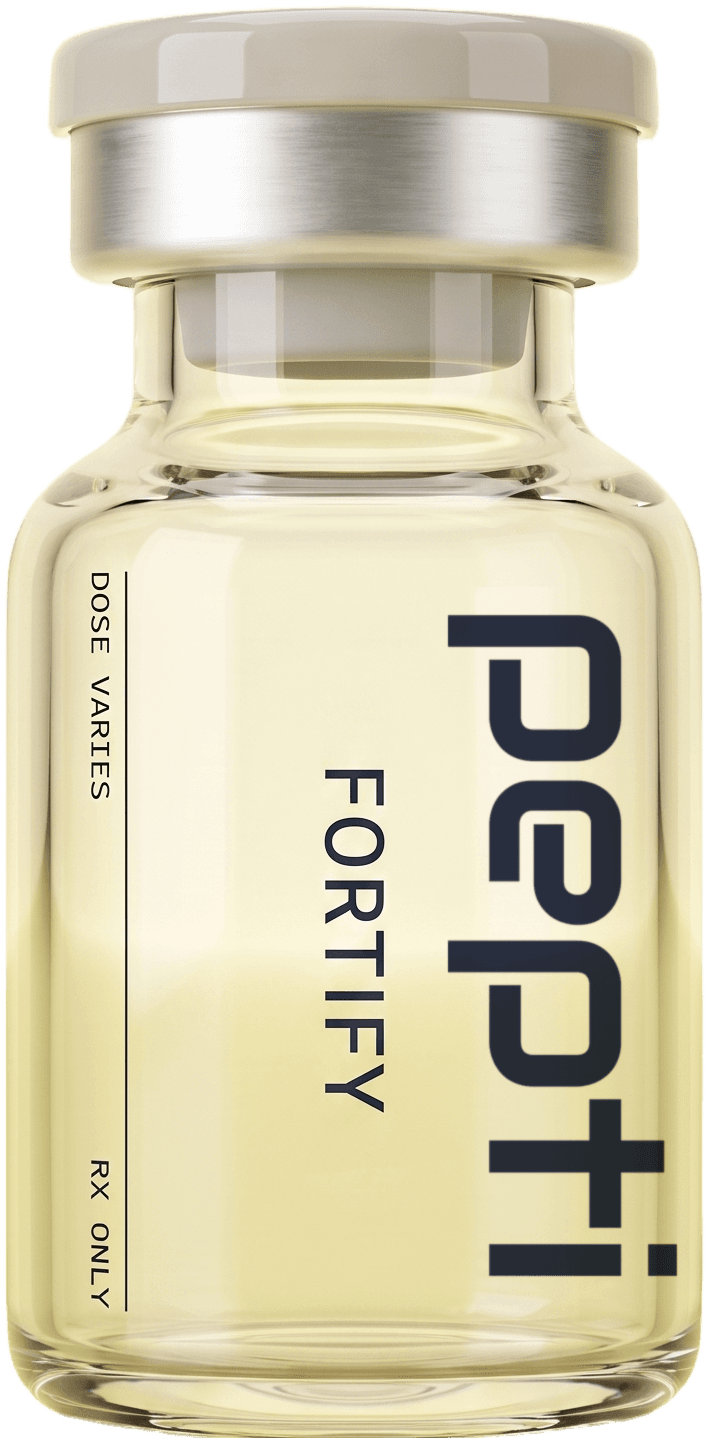
| Immune support plus gut and inflammation | FORTIFY Blend | Thymosin alpha-1, BPC-157, KPV and LL-37 | $289/mo |
| Cellular energy | NAD+ Injection | 1,000 mg NAD+ in a 10 mL vial | $249/mo |
Every figure is an all-in monthly price covering the medication, physician review, refill management and shipping. There is no separate membership fee. Current pricing always lives on each product page; the table is a guide to which product fits which goal.
Glutathione vs Thymalin
Glutathione on its own terms
What it is
Glutathione is a tripeptide: glutamate, cysteine and glycine. Every nucleated cell makes it, and it is the most abundant small thiol inside cells, at millimolar concentrations. A 2013 review in Biochimica et Biophysica Acta describes the pathway and notes that cysteine supply usually caps how much a cell can make. The active form is reduced glutathione (GSH); when it neutralises a reactive species it becomes glutathione disulfide (GSSG), and an enzyme recycles it back using NADPH. The compounded injection is the reduced form. The full reference is at what is glutathione.
Unlike most peptides, glutathione does not bind a receptor. It is a working molecule, used up and regenerated constantly, so the real question is not "what does it do" but "does giving more from outside change anything, and by which route."
How glutathione is described to work
- Direct antioxidant action. The cysteine thiol donates an electron to peroxides and radicals. A 2009 review in Biological Chemistry lists low glutathione as a feature of many diseases while noting it is usually a marker of oxidative stress rather than a proven cause.
- Detoxification enzymes. Glutathione peroxidases and glutathione S-transferases use it to neutralise peroxides and to tag reactive drug metabolites for excretion. Acetaminophen overdose becomes dangerous when liver glutathione runs out, which is why the antidote is a glutathione precursor.
- Immune cell redox. Lymphocyte function depends on intracellular glutathione. The proposed mechanism is repletion: depleted immune cells perform poorly and replete ones perform normally.
- Pigment enzymes. It interacts with tyrosinase, the rate-limiting enzyme of melanin synthesis. Pepti does not prescribe glutathione for skin lightening.
What human data exists for glutathione
Study Route and who What was reported 2015, European Journal of Nutrition Oral, 54 adults, six months, randomised and placebo-controlled High dose raised body stores 30 to 35 percent; natural killer cell activity rose; levels fell back after a one-month washout 2011, Journal of Alternative and Complementary Medicine Oral, 40 adults, four weeks No change 2009, Movement Disorders Intravenous, 21 people with Parkinson's disease, randomised Well tolerated; no significant difference from placebo on the rating scale 1995, Journal of Clinical Oncology Intravenous, alongside cisplatin chemotherapy Less nerve injury from the chemotherapy The precise position: glutathione has randomised human trials by several routes. There are no randomised controlled trials of subcutaneous glutathione, which is the route this product uses. Whether a small subcutaneous dose raises tissue glutathione has not been measured.
Glutathione vs Thymalin
Thymalin on its own terms
What it is
Thymalin is a polypeptide complex, a mixture of short peptides, extracted from the thymus gland of young cattle. That sets it apart from almost every other compounded peptide, which are single sequences a chemist can synthesise. The group that developed it describes two dipeptides inside the mixture, Lys-Glu and Glu-Trp, as the active components. The full reference is at what is thymalin.
The thymus is where T-lymphocytes mature. It is large in childhood and shrinks from puberty onward, and the loss of thymic output is one of the best-described contributors to weaker immunity in older age. The rationale for thymalin is to supply thymic signalling peptides to a body whose own thymus has largely stopped producing them.
Where it came from
Thymalin was developed by Vladimir Khavinson and Vyacheslav Morozov, working from 1973 at what became the St. Petersburg Institute of Bioregulation and Gerontology. It has been used clinically in Russia for decades. Almost all of the literature comes from one research group and its collaborators, much of it in Russian-language journals.
How thymalin is described to work
- Pushing stem cells toward mature T-cells. A 2020 cell-culture paper in the Bulletin of Experimental Biology and Medicine reported thymalin lowering stem-cell markers on human blood stem cells and raising CD28, a marker of mature T-lymphocytes, by nearly seven times.
- Lower inflammatory cytokines. A 2023 paper in the International Journal of Molecular Sciences reported thymalin and its two dipeptides reducing IL-1 beta, IL-6 and TNF-alpha output from stimulated human immune cells by 1.4 to 6 times.
- Dampening monocyte inflammation. A 2022 study on a human monocyte cell line reported reduced TNF and IL-6 and reduced adhesion to activated blood-vessel cells.
These are all cell studies.
What human data exists for thymalin
Study Who What was reported 2002 and 2003, Advances in Gerontology and Neuroendocrinology Letters 266 older adults followed six to eight years, with thymalin, the pineal extract or both Fewer acute respiratory illnesses and lower mortality than controls; no randomisation or blinding described 2021, Stem Cell Reviews and Reports Hospital COVID-19 patients Faster fall in IL-6, C-reactive protein and D-dimer than standard care alone 2022, Advances in Gerontology Middle-aged and older patients with severe COVID-19 Better blood counts and clotting markers; group sizes not given There are no randomised controlled trials of thymalin. It is a long clinical tradition from one country, not an evidence base a Western regulator would accept.
Glutathione vs Thymalin
Head to head
| Glutathione | Thymalin | |
|---|---|---|
| What it is | A single tripeptide every cell makes | A calf-thymus extract, a mixture of short peptides |
| Main described job | Antioxidant and cofactor for detoxification enzymes | T-cell maturation and lower inflammatory cytokine output |
| Acts on a receptor | No; it is consumed and recycled | Described acting on gene expression through two dipeptides |
| Human trials | Randomised trials by mouth, vein, nose and skin | None randomised; Russian observational and hospital studies |
| Trials of the subcutaneous route | None | None |
| Typical directions at Pepti | 0.41 mL (41 units) three times a week | 0.25 mL (25 units) once daily, Monday to Friday |
| Amount per dose | 82 mg | 0.25 mg (250 mcg) |
| Doses per vial | 12, about 4 weeks | 20, about 4 weeks |
| Theoretical concern | Endotoxin in poorly sourced powder (2019 FDA alert) | Allergy, as a protein extract of animal origin |
| Price at Pepti | $199 a month | $209 a month |
The real difference is the kind of support
People often see both on "immune" and "anti-aging" lists and assume they are alternatives. They are not. Glutathione is a general antioxidant the body already makes in large amounts; the case for injecting it is about topping up stores, and the evidence that supplementing it raises stores comes from oral trials. Thymalin is aimed at one organ and one cell type, the thymus and the T-cells it trains. A physician choosing between them is really choosing which problem they are addressing: oxidative burden, or an ageing immune system.
Glutathione vs Thymalin
Who suits which
Glutathione
Glutathione is the usual choice when the conversation is about oxidative stress, recovery from a heavy load, or general cellular maintenance, and the person wants the molecule with the larger human trial base, even if that base is by other routes. It is often paired with NAD+, the coenzyme family that regenerates reduced glutathione. More detail: glutathione benefits and glutathione dosage.
Thymalin
Thymalin suits someone interested specifically in the Russian geroprotective programme and the idea of supporting an ageing thymus, who understands that the human evidence is observational. The Russian programme treated older adults in courses rather than open-ended daily use. More detail: thymalin benefits.
Can you take glutathione and thymalin together?
They act on different systems and have no known interaction, but no study has tested the combination. Starting with one and adding the other later makes it easier to tell what each is doing. Your physician sets your directions after reviewing your intake.
Glutathione vs Thymalin
When neither is the right first step
| Situation | What makes more sense |
|---|---|
| You want the immune peptide with randomised trials | Thymosin Alpha-1, a single defined sequence with international trials |
| Immune support plus gut or inflammation | The FORTIFY Blend |
| Fatigue and cellular energy | NAD+ injection or MOTS-c |
| Skin is the priority | GHK-Cu; the glutathione skin trials were oral and topical, not injected |
| An active infection, diagnosed immunodeficiency or autoimmune disease | Your physician and usually a specialist; neither is a substitute for treatment |
Glutathione vs Thymalin
Where each stands with the FDA
| Glutathione | Thymalin | |
|---|---|---|
| 503A category | Category 1, "Bulk Drug Substances Under Evaluation," as of the FDA document dated 14 May 2026 | Never nominated; appears in no category |
| Ever in Category 2 | No | No |
| Advisory committee review | None scheduled | None announced |
| Other FDA action | 7 June 2019 alert about endotoxin in a dietary-supplement-grade powder used for IV injections | None |
The 2019 glutathione alert was about ingredient sourcing, not the molecule: eight patients reacted to a contaminated supplement-grade powder. A sterile injection must be made from a pharmaceutical-grade active by a pharmacy accountable for endotoxin testing. Pepti's lot test results are published at /quality/lab-results. Neither product is an FDA-approved drug, and compounded medications are not FDA approved. Are peptides FDA approved explains the difference between not approved and not legal.
Glutathione vs Thymalin
Dosing, side by side
Both are injected under the skin (subcutaneously) into the abdomen or thigh, rotating sites. The math below is only arithmetic on the vial strength; your own directions are printed on the vial.
| Glutathione | Thymalin | |
|---|---|---|
| Vial | 5 mL at 200 mg/mL (1,000 mg) | 5 mL at 1 mg/mL (5 mg) |
| Printed directions | Inject 0.41 mL (41 units) subcutaneously three times per week | Inject 0.25 mL (25 units) subcutaneously once daily Monday through Friday |
| Per dose | 0.41 mL x 200 mg/mL = 82 mg | 0.25 mL x 1 mg/mL = 0.25 mg (250 mcg) |
| Doses per vial | 5 mL / 0.41 mL = 12 whole doses | 5 mL / 0.25 mL = 20 doses |
| How long a vial lasts | 12 doses at three a week, about 4 weeks | 20 doses at five a week, about 4 weeks |
On a U-100 insulin syringe, 1 unit is 0.01 mL, so 41 units is 0.41 mL and 25 units is 0.25 mL. A unit is a volume mark, not a measure of strength. Both vials are sized to about four weeks, which is why refills run every 28 days, one vial per fill. Both ship refrigerated with ice packs, with sterile syringes and alcohol prep pads, and stay in the fridge between doses.
Bloodwork is not required for any Pepti treatment. If your physician wants labs for your care, they'll ask through your account.
Glutathione vs Thymalin
Side effects
Glutathione. The intravenous Parkinson's trial reported adverse events similar to placebo at far higher doses, and the six-month oral trial reported no safety signal. With subcutaneous use, what is reported is mostly injection-site redness, mild soreness or bruising, and in some people brief lightheadedness or nausea. Fever, chills or shaking after a dose are not expected; stop and contact your care team the same day. People with asthma should say so, because inhaled glutathione has been reported to trigger bronchospasm. Full detail: glutathione side effects.
Thymalin. The Russian clinical reports do not describe a characteristic toxicity. What is reported is mostly injection-site redness, soreness, bruising or itching. As an animal-derived protein extract it carries a theoretical allergy risk, so a rash, hives or swelling beyond the injection site should be reported promptly. Anything else acting on the immune system, such as immunosuppressants or biologics, should be raised at intake.
For both, stop and contact your care team for any reaction that is severe or spreading. Difficulty breathing or swelling of the face or throat needs emergency care: call 911.
Glutathione vs Thymalin
Who should not take either, or should discuss it first
| Situation | Why |
|---|---|
| Pregnancy or breastfeeding | Not used; safety data is absent |
| Autoimmune disease or immunosuppressive therapy | Especially for thymalin, which acts on the immune system |
| Asthma | Especially for glutathione, because of the inhaled bronchospasm reports |
| Known allergy to animal-derived products | Especially for thymalin, a calf-thymus extract |
| Tested athletes | Check your sport's current prohibited list before starting |
Glutathione vs Thymalin
What the evidence shows, honestly
Glutathione has a real trial literature, but it is by mouth, by vein, by nose and on the skin; the subcutaneous route has no trials, and the controlled disease trials by vein mostly did not beat placebo. The firmest finding is that six months of oral glutathione raised body stores. Thymalin has decades of clinical use in Russia, striking numbers from an observational programme in older adults, and coherent cell work, but no randomised trial and no independent replication. Any provider describing either as shown to strengthen immunity or slow ageing is overstating it. What would change the picture is a randomised trial of either by injection with a clinical endpoint; none has been published.
Glutathione vs Thymalin
Where to get glutathione or thymalin prescribed
Neither can be bought legitimately without a prescription. Sites selling them "for research use only" are not accountable for what is in the vial: identity, purity, sterility and concentration are untested. The prescription route:
- Complete a free online intake covering your history, medications and what you want help with.
- A physician licensed in your state reviews it, usually within 24 hours.
- If it is appropriate, a PCAB-accredited, FDA-registered US 503A pharmacy compounds it to that prescription. Lot test results are published at /quality/lab-results.
- It ships refrigerated with your directions printed on the vial.
- Your care team stays reachable for questions and side effects.
Pepti is cash-pay and does not bill insurance. Step-by-step pages: how to get glutathione prescribed online and how to get thymalin prescribed online.
References
What this is based on.
References
- Richie JP Jr, Nichenametla S, Neidig W et al.. Randomized controlled trial of oral glutathione supplementation on body stores of glutathione · Eur J Nutr (2015) · PMID 24791752
- Allen J, Bradley RD. Effects of oral glutathione supplementation on systemic oxidative stress biomarkers in human volunteers · J Altern Complement Med (2011) · PMID 21875351
- Sinha R, Sinha I, Calcagnotto A et al.. Oral supplementation with liposomal glutathione elevates body stores of glutathione and markers of immune function · Eur J Clin Nutr (2018) · PMID 28853742
- Witschi A, Reddy S, Stofer B, Lauterburg BH. The systemic availability of oral glutathione · Eur J Clin Pharmacol (1992) · PMID 1362956
- Aebi S, Assereto R, Lauterburg BH. High-dose intravenous glutathione in man. Pharmacokinetics and effects on cyst(e)ine in plasma and urine · Eur J Clin Invest (1991) · PMID 1907548
- Arjinpathana N, Asawanonda P. Glutathione as an oral whitening agent: a randomized, double-blind, placebo-controlled study · J Dermatolog Treat (2012) · PMID 20524875
- Weschawalit S, Thongthip S, Phutrakool P, Asawanonda P. Glutathione and its antiaging and antimelanogenic effects · Clin Cosmet Investig Dermatol (2017) · PMID 28490897
- Watanabe F, Hashizume E, Chan GP, Kamimura A. Skin-whitening and skin-condition-improving effects of topical oxidized glutathione: a double-blind and placebo-controlled clinical trial in healthy women · Clin Cosmet Investig Dermatol (2014) · PMID 25378941
- Sonthalia S, Daulatabad D, Sarkar R. Glutathione as a skin whitening agent: Facts, myths, evidence and controversies · Indian J Dermatol Venereol Leprol (2016) · PMID 27088927
- Sechi G, Deledda MG, Bua G et al.. Reduced intravenous glutathione in the treatment of early Parkinson's disease · Prog Neuropsychopharmacol Biol Psychiatry (1996) · PMID 8938817
- Hauser RA, Lyons KE, McClain T, Carter S, Perlmutter D. Randomized, double-blind, pilot evaluation of intravenous glutathione in Parkinson's disease · Mov Disord (2009) · PMID 19230029
- Mischley LK, Lau RC, Shankland EG, Wilbur TK, Padowski JM. Phase IIb Study of Intranasal Glutathione in Parkinson's Disease · J Parkinsons Dis (2017) · PMID 28436395
Citations are provided for educational purposes. They do not constitute medical advice. Always discuss any peptide protocol with your prescribing physician.
Common questions
Glutathione vs Thymalin, answered.
They support different things. Thymalin is aimed at the thymus and T-cell maturation, with Russian observational data. Glutathione is a general antioxidant whose oral trial reported higher natural killer cell activity. Neither has been compared with the other, and neither has a randomised injection trial for immunity. If immune support is the main goal, many physicians look first at thymosin alpha-1, which has randomised trials.
Neither has been shown to slow ageing in people. Thymalin's case rests on the 266-person Russian programme in older adults, which was not randomised. Glutathione's case rests on oxidative stress biology and oral trials that raised body stores.
Some physicians prescribe them together because they act on different systems, but no study has tested the combination and there is no established interaction list. Your physician sets your directions after reviewing your intake.
Both are peptides in the broad sense, but in different ways. Glutathione is one defined three-amino-acid molecule. Thymalin is an extract, a mixture of short peptides from calf thymus, with two identified active dipeptides. More on glutathione's classification: is glutathione a peptide.
Glutathione, by a wide margin, though none of it is for the subcutaneous route. It has randomised trials by mouth, vein, nose and skin. Thymalin has no randomised trials, only Russian observational and hospital studies.
At Pepti, glutathione is $199 a month and thymalin is $209 a month, all-in, including the medication, physician review, refill management and shipping. There is no membership fee and no insurance billing.
Pepti's typical printed directions are 0.41 mL (41 units) of glutathione three times a week, which is 82 mg a dose, and 0.25 mL (25 units) of thymalin once daily Monday through Friday, which is 0.25 mg a dose. Your own directions are printed on the vial.
No. Thymosin alpha-1 is a single 28-amino-acid synthetic sequence with international randomised trials. Thymalin is a natural calf-thymus extract with a Russian literature and no randomised trials. Pepti supplies both.
No. Both are compounded, prescription-only medications, and compounded medications are not FDA approved. Glutathione is in the FDA's 503A Category 1, under evaluation. Thymalin has never been nominated, so the FDA has expressed no view on it.
No. Bloodwork is not required for any Pepti treatment. If your physician wants labs for your care, they'll ask through your account. The free assessment goes to a physician licensed in your state. A consultation does not guarantee a prescription.
Related answers
Keep reading.
- Glutathione: What It Is, Where to Get It Prescribed, and What It Costs
- Thymalin: What It Is, Where to Get It Prescribed, and What It Costs
- How Long Does Glutathione Take to Work? What the Trials Measured, and When
- Is Glutathione a Peptide? Yes, a Tripeptide, but Not a Signalling One
- Ipamorelin vs CJC-1295: Differences, Combined Use & Cost
Next step
See what a physician recommends for you.
A licensed physician in your state reviews your intake to see whether treatment fits your history. A consultation does not guarantee a prescription.