Weight Loss · Reference
GLP-1 Overdose: What to Do If You Took Too Much Semaglutide or Tirzepatide
This page is safety first. It covers what to do in the first minutes, the symptoms to watch for, how GLP-1 dosing errors actually happen, and how Pepti's vials and labels are designed to prevent them.

Treatments mentioned
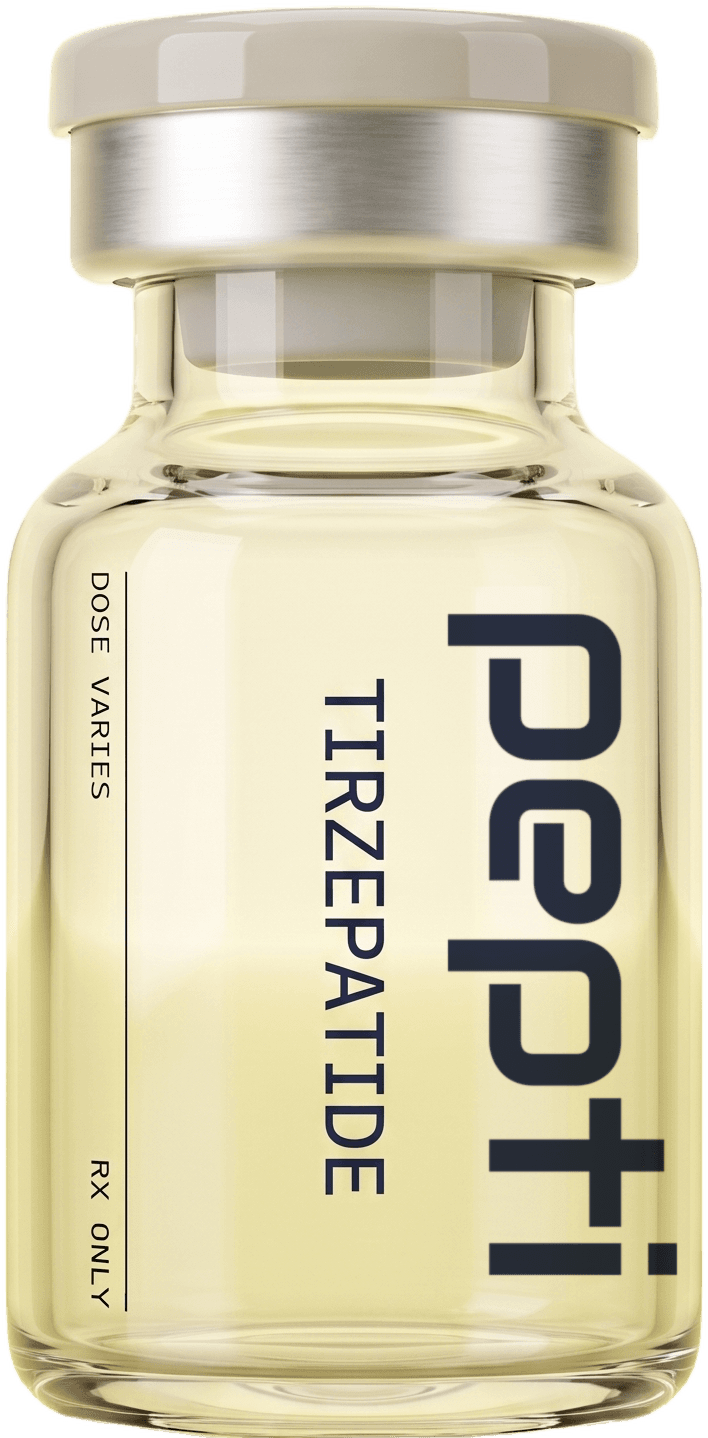
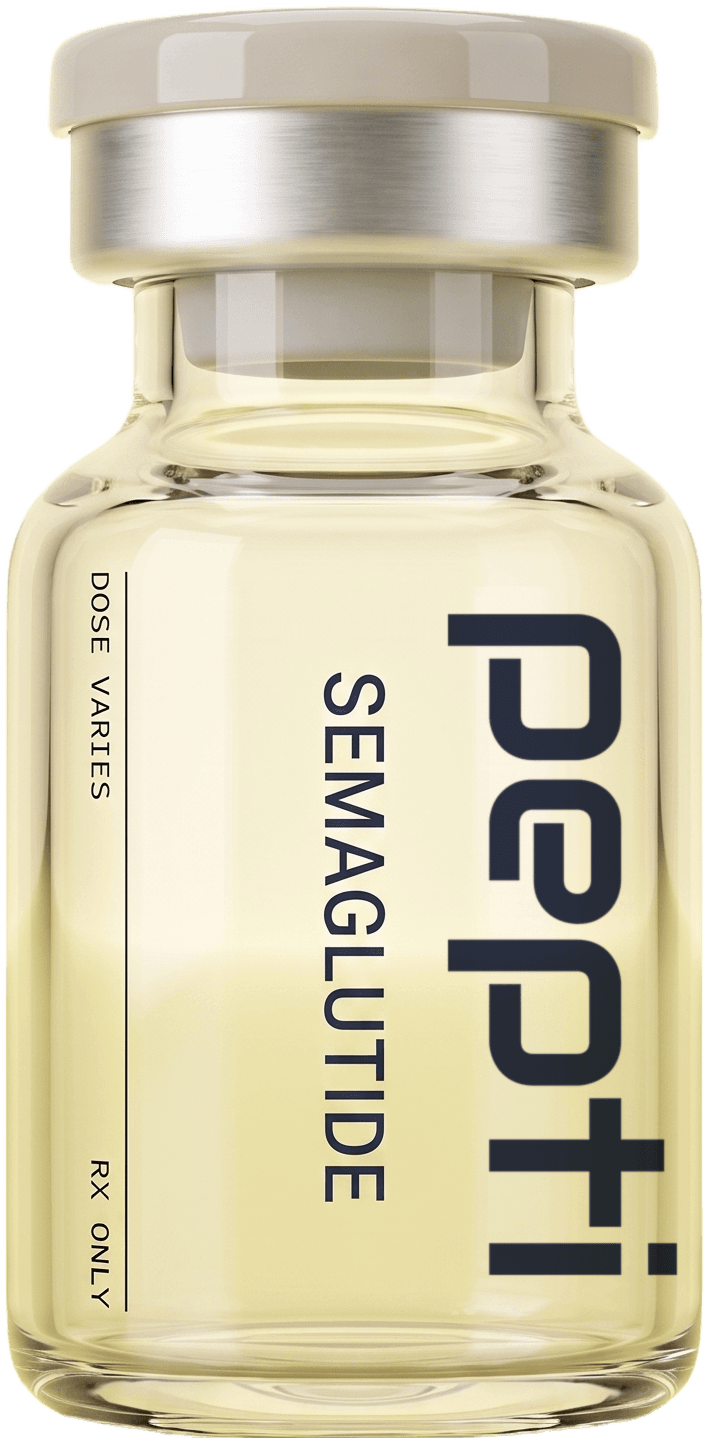
If you think you have taken too much semaglutide or tirzepatide, call Poison Control at 1-800-222-1222 now, and call 911 straight away if you have severe symptoms such as trouble breathing, swelling of the face, lips or throat, fainting, confusion, severe abdominal pain or vomiting that will not stop. Then message your care team, tell them exactly what you injected and when, and do not take your next dose until you have heard back. Do not wait to see whether symptoms appear: both medications stay in the body for days, so an extra dose does not wear off in an afternoon. Keep the vial and syringe so you can read the label to whoever you speak to.
This page is safety first. It covers what to do in the first minutes, the symptoms to watch for, how GLP-1 dosing errors actually happen, and how Pepti's vials and labels are designed to prevent them.
GLP-1 Overdose
The short answer
| Situation | What to do |
|---|---|
| Trouble breathing, swelling of the face, lips or throat, fainting, or confusion | Call 911 |
| Severe, persistent abdominal pain, sometimes into the back, or a swollen painful abdomen with vomiting and no gas or stool | Call 911 or go to emergency care |
| Vomiting so you cannot keep fluids down, very dark urine, not passing urine, dizziness on standing | Emergency or same-day care; call Poison Control and your care team |
| Shakiness, sweating, confusion, especially if you also take insulin or a sulfonylurea | Possible low blood sugar: treat it as you have been taught, call 911 if it does not settle or you become confused, then report it |
| You injected more than your directions but feel well | Call Poison Control at 1-800-222-1222 and message your care team |
| You are not sure how much you injected | Treat it as a possible overdose: call Poison Control and message your care team |
| You drew too much but have not injected | Push the excess back into the vial and redraw to your mark |
Poison Control at 1-800-222-1222 is the national line in the US, staffed around the clock. It is free and confidential. Have the vial in front of you when you call.
GLP-1 Overdose
What to do in the first minutes
- Check for emergency symptoms. Anything in the first two rows of the table above means 911 first.
- Call Poison Control at 1-800-222-1222. Tell them the medication (semaglutide or tirzepatide), the concentration on the vial in mg/mL, how many units or mL you injected, and when.
- Message your care team. Include the same details and a photograph of the vial label and the syringe if you still have it.
- Keep the vial and syringe. The label is how anyone helping you works out the actual dose.
- Do not take your next scheduled dose until your care team has told you how to continue. Your physician sets your directions after reviewing what happened.
- Do not try to fix it yourself. No extra medication, no improvised plan for the next dose.
If you are alone and feel unwell, tell someone nearby or call 911 rather than waiting it out.
What to tell Poison Control or your care team
| Detail | Where to find it |
|---|---|
| Medication name | The vial label |
| Concentration, in mg/mL | The vial label, for example 10 mg/mL |
| How much you injected, in units or mL | The syringe, or your best recollection |
| What your directions say | The vial label, for example 0.50 mL (50 units) once weekly |
| When you injected it, and when your last dose before that was | Your rotation grid or calendar |
| Other medications, especially insulin or a sulfonylurea | Your medication list |
| Symptoms so far | What you are feeling now |
The concentration matters most. A number of units means nothing on its own: 50 units from a 5 mg/mL vial and 50 units from a 30 mg/mL vial are six times apart in medication. The arithmetic is in tirzepatide units to mg and semaglutide units to mg.
GLP-1 Overdose
Symptoms to watch for
No Pepti page describes a separate overdose syndrome for GLP-1 medications. What the approved labels and Pepti's safety pages do describe are the medications' known effects, which concentrate when the dose goes up, and the serious reactions to act on quickly. Taking more than your directions exposes you to more medication than your current step, so those are the effects to watch.
| Symptom | What it may be | What to do |
|---|---|---|
| Nausea, vomiting, diarrhea, abdominal pain, early fullness | The common gastrointestinal effects | Small sips of fluid; report it to Poison Control and your care team |
| Not keeping fluids down, dark urine, not passing urine, dizziness on standing | Dehydration, which can injure the kidneys | Same-day or emergency care |
| Shakiness, sweating, confusion, dizziness | Low blood sugar, mainly with insulin or a sulfonylurea | Treat it, call 911 if it does not settle, then report it |
| Severe, persistent abdominal pain, sometimes into the back | Possible acute pancreatitis | Emergency care |
| Pain under the right ribs with fever or yellowing skin or eyes | Possible gallbladder problem | Same-day care |
| Swollen, painful abdomen, vomiting, no gas or stool | Possible bowel obstruction | Emergency care |
| Swelling of the face, lips or throat, widespread rash, trouble breathing | Serious allergic reaction | Call 911 |
Why the effects can last
Semaglutide and tirzepatide were engineered for once-weekly dosing. Both bind to albumin in the blood, which gives them half-lives measured in days, so a dose is still substantially present a week later. An extra dose stays with you for the same reason. That is why "I feel fine right now" is not a reason to skip the call.
Low blood sugar: the risk that depends on your other medications
On their own, GLP-1 medications prompt insulin release only when glucose is high, so they rarely drive blood sugar dangerously low. The labels warn that the risk rises with insulin or an insulin secretagogue such as a sulfonylurea. In one tirzepatide trial in adults with type 2 diabetes, blood glucose below 54 mg/dL occurred in 10.3% of those also taking a sulfonylurea against 2.1% of those not. If you take either, say so on the call. The symptoms, shakiness, sweating, confusion and dizziness, can be mistaken for other things, so someone with you should know to call 911 if you become confused.
GLP-1 Overdose
How GLP-1 overdoses happen
The FDA has documented this problem in detail. Its page on unapproved GLP-1 drugs records adverse event reports, some requiring hospitalization, that may be related to dosing errors with compounded injectable semaglutide, resulting "from patients measuring and self-administering incorrect doses of the drug, and in some cases, health care professionals miscalculating doses." Its July 2024 alert described:
- patients given U-100 insulin syringes and asked to measure a small dose in units, drawing up five to twenty times the intended amount;
- clinicians miscalculating conversions between milligrams, units and millilitres, producing five- to ten-fold overdoses;
- labels where the total contents were read as the dose, because compounders often print the strength per total volume and the concentration per mL in a different order from manufactured products.
The FDA has also recorded reports of compounded semaglutide or tirzepatide prescribed beyond the approved label, as a larger single dose, more frequent dosing or a faster escalation.
| Common error | Example |
|---|---|
| Carrying a unit count over to a new vial | On Pepti's semaglutide ladder, 68 units at 1.7 mg becomes 40 units at 2 mg; 68 units from the 2 mg vial would be 3.4 mg |
| Reading mL as units, or units as mL | Reading 0.25 mL and drawing to the 2.5 mark, a ten-fold error |
| Reading the vial total as the dose | Taking "60 mg" on a tirzepatide vial as the dose rather than the whole vial |
| Copying a number from someone else | A unit count from a forum or another provider, at a different concentration |
| Taking two doses to make up a missed one | Stacking doses closer than the labels allow |
| Drawing twice to reach a dose | Losing track of what is in the syringe |
| Using a non-U-100 syringe | The units on the barrel no longer equal 0.01 mL |
GLP-1 Overdose
How Pepti's vials are designed to prevent it
| Design choice | What it prevents |
|---|---|
| Dose-specific vials, one per dose step | No calculating a dose from a stronger vial |
| Tirzepatide drawn at 50 units at every strength | The line you draw to never moves when the dose goes up |
| Directions printed in both mL and units for the exact vial sent | No conversion at home |
| Concentration on every label | A sanity check anyone helping you can use |
| One vial per 28-day fill | No mixing vials of different strengths |
| U-100 insulin syringes in every box | The units on the barrel match the units on the label |
The habits that matter most on your side: read the label every time, especially on a new fill; draw at a table in good light; read the plunger tip at eye level; and if your directions and syringe seem to disagree, do not inject, message your care team. More in how to inject tirzepatide, how to inject semaglutide and insulin syringe units explained.
GLP-1 Overdose
What the evidence shows, honestly
The best-documented facts here are the FDA's: dosing errors with compounded GLP-1 vials are real, they have led to hospitalizations, and they come mostly from unit, millilitre and milligram confusion rather than from the molecules themselves. The side effects and serious reactions listed above come from the approved labels and large trials of the manufactured products, which contain the same molecules. What those trials do not describe is what happens at several times the intended dose, so this page does not offer a timeline or a list of what an overdose "will" do. That uncertainty is the reason for the call: Poison Control and your care team can weigh the actual amount, your other medications and your symptoms. Compounded medications are not FDA approved. Lot test results are published at /quality/lab-results. The full side-effect pictures are in GLP-1 side effects, semaglutide side effects and tirzepatide side effects.
GLP-1 Overdose
Where to get a GLP-1 prescribed safely
A GLP-1 from a source with no accountable pharmacy is the highest-risk version of this problem: if the concentration on the vial is unknown or wrong, no unit count is safe. The prescription route:
- Complete a free online intake covering your history, medications and what you want help with.
- A physician licensed in your state reviews it, usually within 24 hours.
- If it is appropriate, a state-licensed, FDA-registered US pharmacy compounds a dose-specific vial, with your directions printed in mL and units.
- It ships refrigerated with ice packs, sterile U-100 syringes and alcohol prep pads.
- Your care team stays reachable for side effects and dose questions. Refills run every 28 days, one vial per fill.
Semaglutide is from $99 a month and tirzepatide from $159 a month, all-in, with no membership fee. Pepti is cash-pay and does not bill insurance. Bloodwork is not required for any Pepti treatment. If your physician wants labs for your care, they'll ask through your account. Step-by-step pages: how to get semaglutide prescribed online and how to get tirzepatide prescribed online.
References
What this is based on.
References
- Wilding JPH, Batterham RL, Calanna S, et al.. Once-Weekly Semaglutide in Adults with Overweight or Obesity (STEP 1) · New England Journal of Medicine (2021) · PMID 33567185
- Lincoff AM, Brown-Frandsen K, Colhoun HM, et al.. Semaglutide and Cardiovascular Outcomes in Obesity without Diabetes (SELECT) · New England Journal of Medicine (2023) · PMID 37952131
- Wadden TA, Bailey TS, Billings LK, et al.. Effect of subcutaneous semaglutide vs placebo as an adjunct to intensive behavioral therapy on body weight in adults with overweight or obesity (STEP 3) · JAMA (2021) · PMID 33625476
- Rubino D, Abrahamsson N, Davies M, et al.. Effect of Continued Weekly Subcutaneous Semaglutide vs Placebo on Weight Loss Maintenance in Adults With Overweight or Obesity: The STEP 4 Randomized Clinical Trial · JAMA (2021) · PMID 33755728
- Marso SP, Bain SC, Consoli A, et al.. Semaglutide and Cardiovascular Outcomes in Patients with Type 2 Diabetes (SUSTAIN-6) · New England Journal of Medicine (2016) · PMID 27633186
- Davies M, Færch L, Jeppesen OK, et al.. Semaglutide 2.4 mg once a week in adults with overweight or obesity, and type 2 diabetes (STEP 2): a randomised, double-blind, double-dummy, placebo-controlled, phase 3 trial · The Lancet (2021) · PMID 33667417
- Garvey WT, Batterham RL, Bhatta M, et al.. Two-year effects of semaglutide in adults with overweight or obesity: the STEP 5 trial · Nature Medicine (2022) · PMID 36216945
- Rubino DM, Greenway FL, Khalid U, et al.. Effect of Weekly Subcutaneous Semaglutide vs Daily Liraglutide on Body Weight in Adults With Overweight or Obesity Without Diabetes: The STEP 8 Randomized Clinical Trial · JAMA (2022) · PMID 35015037
- Aronne LJ, Horn DB, le Roux CW, et al.. Tirzepatide as Compared with Semaglutide for the Treatment of Obesity (SURMOUNT-5) · New England Journal of Medicine (2025) · PMID 40353578
- Sanyal AJ, Newsome PN, Kliers I, et al.. Phase 3 Trial of Semaglutide in Metabolic Dysfunction-Associated Steatohepatitis (ESSENCE) · New England Journal of Medicine (2025) · PMID 40305708
- Wilding JPH, Batterham RL, Davies M, Van Gaal LF, Kandler K et al.. Weight regain and cardiometabolic effects after withdrawal of semaglutide: The STEP 1 trial extension · Diabetes Obes Metab (2022) · PMID 35441470
- Batsis JA, Gavras A, Gross DC, Cheever CR, Da Silva BR et al.. Effect of Incretin-Based and Nonpharmacologic Weight Loss on Body Composition: A Systematic Review · Ann Intern Med (2026) · PMID 41996180
Citations are provided for educational purposes. They do not constitute medical advice. Always discuss any peptide protocol with your prescribing physician.
Common questions
GLP-1 Overdose, answered.
Call Poison Control at 1-800-222-1222, and call 911 for severe symptoms such as trouble breathing, facial or throat swelling, fainting, confusion, severe abdominal pain or vomiting that will not stop. Then message your care team with the vial's concentration and how much you injected, and wait to hear back before your next dose.
The same: Poison Control at 1-800-222-1222, 911 for severe symptoms, and a message to your care team with the details from the vial label. Do not take your next dose until your care team has told you how to continue.
The labels describe the medications' known effects rather than a separate overdose syndrome: nausea, vomiting, diarrhea and abdominal pain, dehydration, and low blood sugar, mainly with insulin or a sulfonylurea. Severe abdominal pain, swelling of the face or throat, trouble breathing or confusion need 911.
Yes. The FDA has received reports of adverse events, some requiring hospitalization, linked to people injecting more than intended from compounded vials, often five to twenty times the intended amount through unit confusion.
Call Poison Control at 1-800-222-1222 and message your care team, even if you feel well. Both medications stay in the body for days, so it is not something to wait out. Call 911 for severe symptoms.
Do not decide that yourself. Message your care team before your next scheduled dose; your physician sets how you continue after reviewing what happened.
Not on your own. Call Poison Control now, even if you feel fine. They can weigh the amount, your other medications and what to watch for.
No. 1-800-222-1222 handles medication errors for adults too, including injected medications. It is free and confidential.
Units divided by 100 gives mL, and mL times the vial's concentration in mg/mL gives milligrams. Read the concentration from the label and give both numbers to whoever you call.
Read the label on every new vial, never reuse an old unit count, use only the U-100 syringes supplied, never make two draws for one dose, and never take two doses to make up a missed one. If anything does not match, message your care team before injecting.
Push the excess back into the vial before removing the needle, then redraw to your mark. Nothing else is needed. The free assessment goes to a physician licensed in your state. A consultation does not guarantee a prescription.
Next step
See what a physician recommends for you.
A licensed physician in your state reviews your intake and decides what is appropriate. A consultation does not guarantee a prescription.