Weight Loss · Reference
GLP-1 Online Red Flags: The Warning Signs Before, During and After Checkout
This page sorts the red flags by when you would see them: on the site, at the checkout, on the vial, and after it arrives. The positive version, what a good provider looks like, is in what to look for in a GLP-1 telehealth provider.
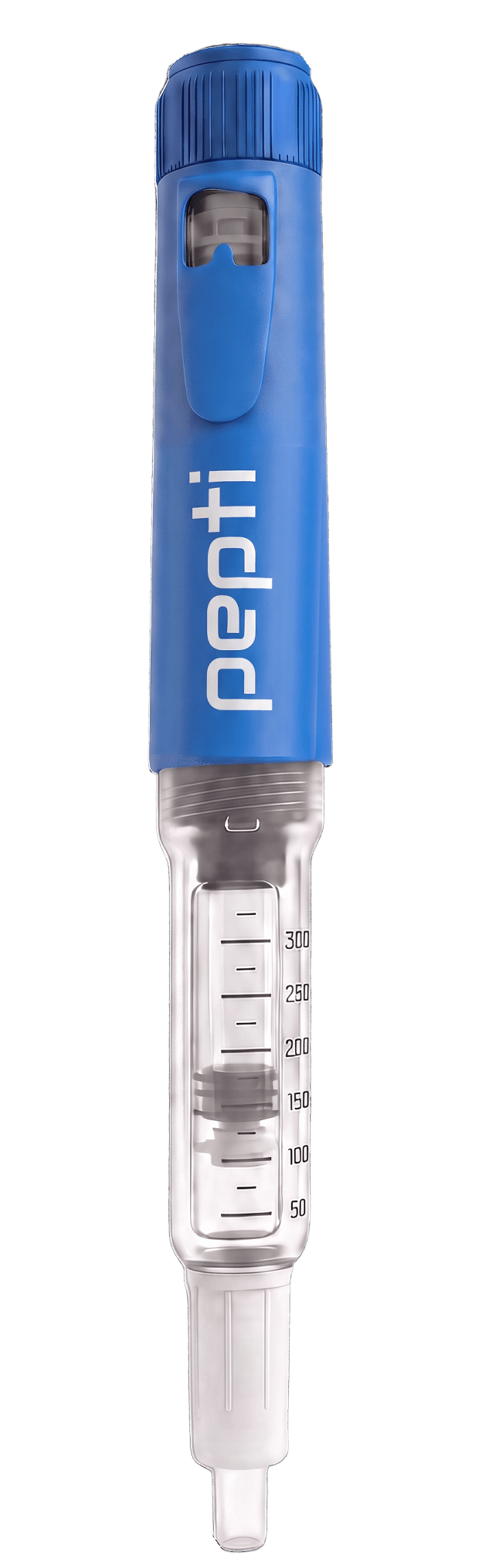
Treatments mentioned
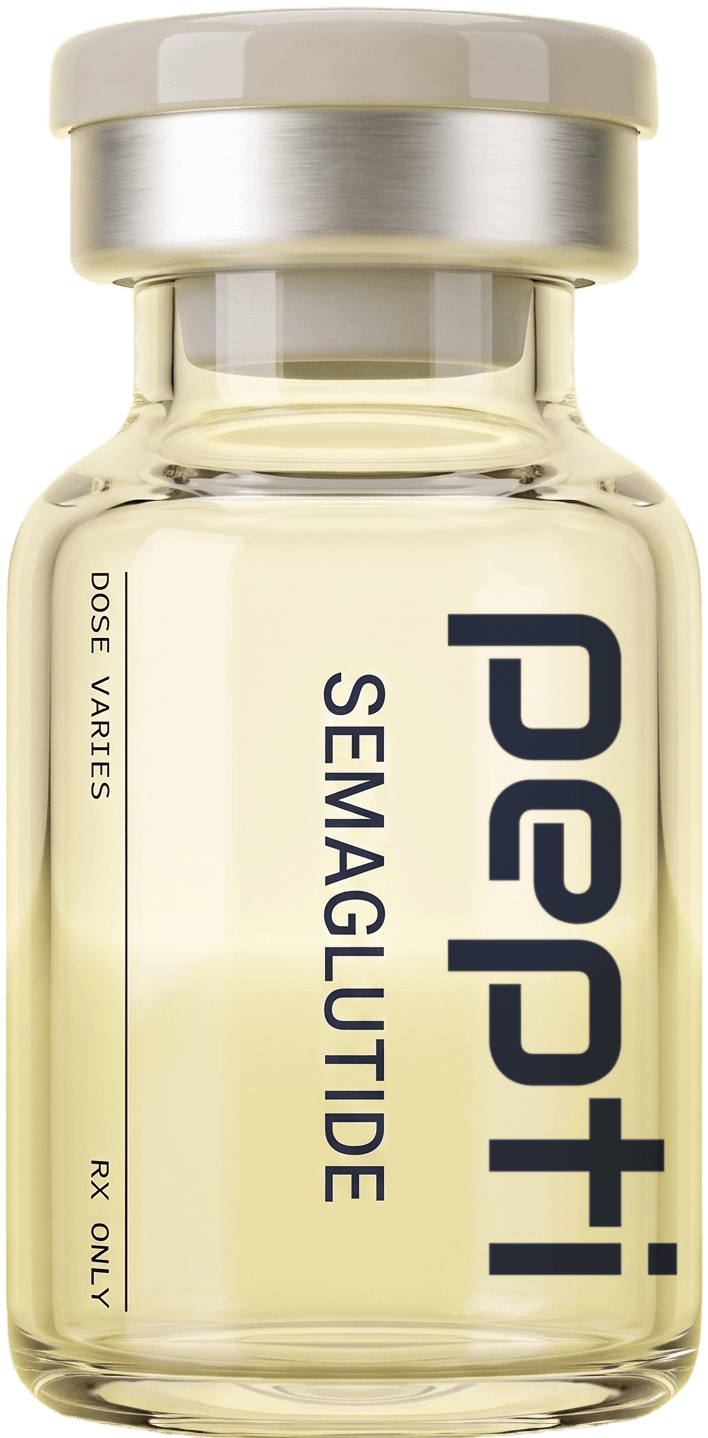
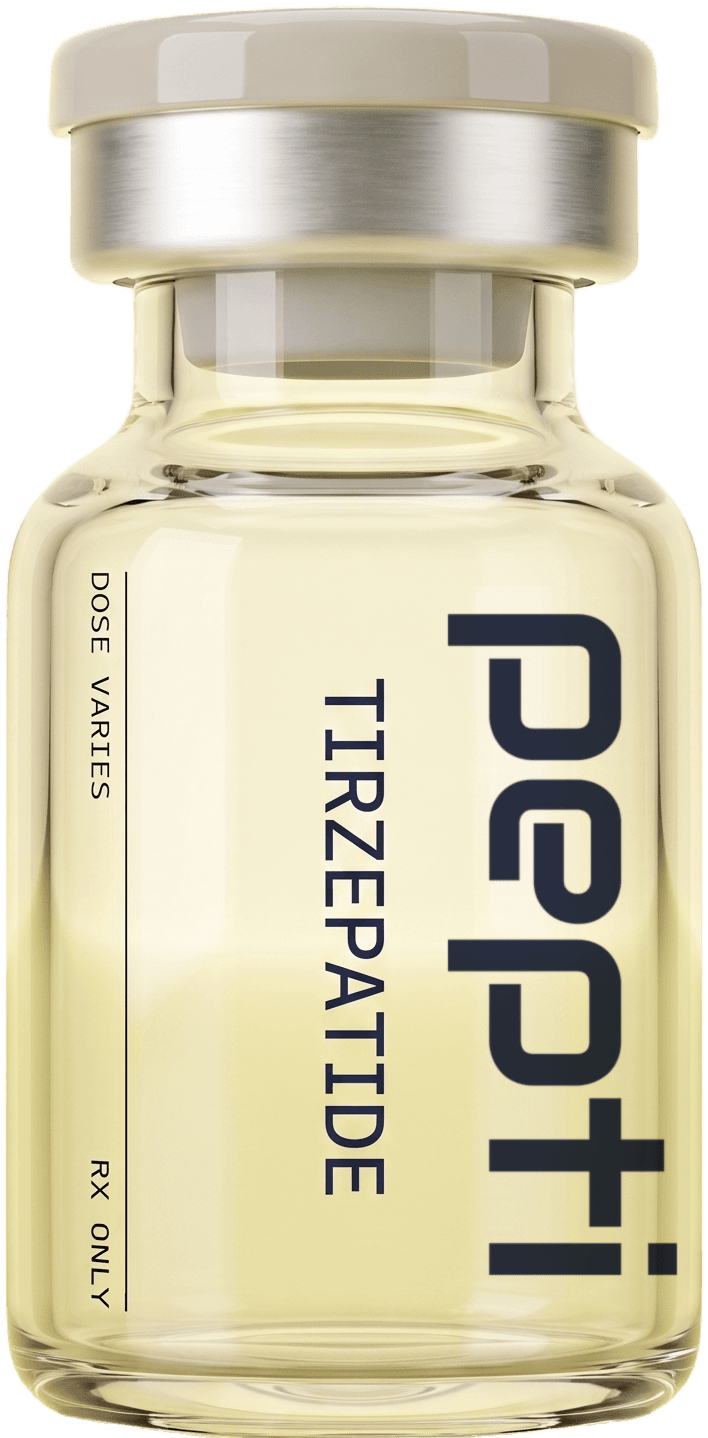
The biggest GLP-1 red flags online are a site that ships without a prescription, a product named as a salt form such as "semaglutide sodium" or "tirzepatide acetate," powder you are told to mix yourself, a brand name or "FDA approved" on a compounded vial, and an intake that never asks about thyroid cancer history, pancreatitis or pregnancy. Any one of those means the safeguards a prescription is supposed to provide are missing. Softer warning signs include a jump straight to a high strength, vague vial contents, promised pounds or timelines, and a low headline price that leaves out the consultation, shipping or refills. Compounded semaglutide and tirzepatide are not FDA approved even from a legitimate provider, so the question is never approval; it is whether a licensed physician, a licensed pharmacy and a readable test result stand behind the vial.
GLP-1 Online Red Flags
The short answer
| Red flag | What it usually means | How serious |
|---|---|---|
| "No prescription" or "no consultation required" | A research-chemical seller, not a pharmacy | Ends the search |
| "Semaglutide sodium," "semaglutide acetate," "tirzepatide acetate" | A salt form sold for laboratory use | Ends the search |
| Powder plus bacteriostatic water to mix yourself | You are being asked to compound a sterile injectable at home | Ends the search |
| "FDA approved" on a compounded product | Untrue | Ends the search |
| A brand name used for a compounded vial | Compounded medication may not be sold as the branded product | Ends the search |
| No questions about thyroid cancer, pancreatitis, pregnancy or medications | The GLP-1 screening was skipped | Ends the search |
| No physician or pharmacy you can name | Nothing to verify | Serious |
| Starting at a high strength, or picking any strength you like | Titration was removed | Serious |
| One concentration for every rung, "adjust as needed" | The dose arithmetic is now yours | Serious |
| Pounds, percentages or timelines promised | Outcome promises no legitimate provider makes | Serious |
| A price far below the market, or that excludes review, shipping or refills | Something in the chain is missing, or the headline is not the price | Warning |
| Countdown timers, "only three spots left," cancel by phone only | Retail pressure, not medicine | Warning |
GLP-1 Online Red Flags
Red flags on the site
"No prescription required"
Semaglutide and tirzepatide are prescription-only in every form. Under section 503(b) of the Federal Food, Drug, and Cosmetic Act, a drug that is not safe to use without a practitioner's supervision may be dispensed only on a prescription, and dispensing it any other way misbrands it. A site that ships without one is not a pharmacy filling a prescription, whatever the packaging looks like. The FDA's statement on unapproved GLP-1 drugs says the agency has warned companies selling semaglutide and tirzepatide labeled "for research purposes" or "not for human consumption" and marketed to consumers with dosing instructions. Why the prescription exists is in can you get a GLP-1 without a doctor.
Salt forms in the product name
The approved drugs use semaglutide base and tirzepatide base. Chemical suppliers often ship salts instead. On semaglutide the FDA has been direct: "These salt forms, including semaglutide sodium and semaglutide acetate, are different active ingredients," and the agency has said it is not aware of any basis for compounding with them. A salt has a different molecular weight and solubility and no clinical testing in people, so nobody buying it can know what dose they are taking.
A brand name or "FDA approved"
A compounded preparation may not be sold as, or described as, the branded product. A seller using a brand name for a compounded vial has either misunderstood the rule or is counting on you not knowing it. "FDA approved" on a compounded product is simply untrue: compounded medications are not FDA approved, and the FDA's own wording is that it does not verify their safety, effectiveness or quality before they are marketed.
Branded pens at a fraction of the price
The FDA has warned that counterfeit versions of the branded pens circulate, and that counterfeits "could contain the wrong ingredients, contain too little, too much or no active ingredient at all or other harmful ingredients." A branded pen far below the pharmacy price from a site that is not a licensed pharmacy is among the riskiest purchases in this category, because it is designed to be indistinguishable from the real thing.
Promised results
Pounds lost by a date, a percentage of body weight, before-and-after photos tied to the medication: none of that is something a legitimate provider puts on a product page. Outcomes vary, side effects are dose-related, and the trial results belong to the approved products, not to any one pharmacy's vial.
GLP-1 Online Red Flags
Red flags at the checkout
An intake that asks almost nothing
For a GLP-1, the questions that matter are specific. A real intake asks about personal or family history of medullary thyroid carcinoma or MEN 2, pancreatitis, pregnancy and breastfeeding, insulin or sulfonylureas, birth control pills, severe gastroparesis, gallbladder disease, eating disorders and every other medication. Three questions and a card form means nobody is planning to decline anyone.
A real review A rubber stamp Asks about thyroid history, pancreatitis, pregnancy and every medication Three questions and a card form Names a physician licensed in your state "Our medical team" Sometimes asks a follow-up question or declines Approves everyone, instantly Starts at the lowest strength and steps up Lets you pick any strength Says compounded medication is not FDA approved Claims approval, or says nothing Nobody you can look up
If the provider will not name the physician who reviews your intake, or the pharmacy that fills it, there is nothing to verify. Both can be checked for free: the physician on your state medical board's lookup and the NPI Registry, the pharmacy on your state board of pharmacy's lookup. The walkthrough is in how to check an online peptide doctor is licensed.
Starting high to "speed things up"
Both medications are titrated, stepped up in rungs, because the side effects are dose-related. The FDA's concerns about unapproved GLP-1 products specifically include doses above the approved labeling, larger single doses, more frequent dosing and faster titration. A provider that lets you start wherever you like has removed the reason the rungs exist.
A price that is not the price
A headline that covers the medication only, with a consultation fee, a membership, cold shipping or refill reviews added later, is not comparable to an all-in price. The BeSafeRx guidance lists deep discounts and prices that seem too good to be true among the warning signs of an unsafe online pharmacy. Active ingredient, sterile compounding, testing and refrigerated shipping each cost money; a price far below that floor means one of them is missing.
GLP-1 Online Red Flags
Red flags on the vial
| What arrived | What it tells you |
|---|---|
| A bag of powder and a separate bottle of bacteriostatic water | It did not come from a pharmacy filling a prescription for you |
| A vial with no patient name, prescriber or pharmacy | Nobody is accountable for its contents |
| No concentration on the label | You cannot know what dose you draw |
| The same concentration at every strength, with "adjust" instructions | The safeguard of a printed draw volume is gone |
| Ingredients not listed | You do not know what you are injecting |
| Arrived warm, with no replacement process | The cold chain is not being managed |
| A "certificate of analysis" with no lot, assay or sterility result | A document, not a test result |
A legitimate compounded vial is labeled with your name, the drug and strength, the concentration, the directions in millilitres and units, the pharmacy's name and contact details, the prescriber, the date and a beyond-use date. The FDA has described adverse event reports that may relate to dosing errors with compounded injectables, including people drawing the wrong volume, which is why a draw volume printed for the specific vial in your hand matters. More on reading certificates is in how to tell if a peptide seller is legitimate.
GLP-1 Online Red Flags
Red flags after it arrives
- No one to message. A support inbox that only answers billing questions is not clinical follow-up. Nausea that will not settle or an injection site that looks wrong needs a clinician.
- Refills that renew without review. A refill should be reviewed, not just charged.
- Cancel by phone only. A plan you can start in three taps and leave only through a retention call is designed around the call.
GLP-1 Online Red Flags
What to do if you already ordered from one
- Do not inject a product you cannot identify. If the vial is a salt form, powder you were told to mix, or carries no concentration, there is no way to know the dose at home.
- Tell a licensed clinician what you have been taking, including the product name and seller, so it is in your record.
- If you have injected and something feels wrong, message your care team. For severe symptoms, such as trouble breathing, swelling of the face, lips or throat, fainting, confusion or severe abdominal pain, call 911. If you think you took too much, call Poison Control at 1-800-222-1222. More is in GLP-1 overdose.
- Keep the vial and packaging, so whoever you speak to can read what was on the label.
GLP-1 Online Red Flags
What the evidence shows, honestly
The trial programs behind semaglutide and tirzepatide, STEP and SELECT for semaglutide and SURPASS and SURMOUNT for tirzepatide, studied the approved products made to approved specifications. Compounded preparations share the active ingredient, not the trials or the approval. The evidence says nothing in favor of an unprescribed vial: its identity, strength and sterility are unknown, and no one is accountable for them.
The red flags above are not a matter of taste. Almost every one maps onto a concern the FDA lists on its page about unapproved GLP-1 products: no review for safety, effectiveness and quality, dosing errors, doses above labeling, salt forms, products arriving warm, and counterfeit labeling.
GLP-1 Online Red Flags
How Pepti handles each one
| Red flag | Pepti |
|---|---|
| No prescription | Every order is reviewed by a physician licensed in your state, usually within 24 hours |
| Salt forms or powders | Semaglutide and tirzepatide compounded by PCAB-accredited, FDA-registered US 503A pharmacies, shipped as ready-to-use solutions |
| Brand names or "FDA approved" | Described as compounded; compounded medications are not FDA approved |
| Thin intake | A full medical intake with mandatory medications and allergies, plus an ID photo; a physician may ask a question or decline, and a declined medication is refunded in full |
| Vague vials | Dose-specific vials, concentration and directions printed on the label; tirzepatide 2.5 mg and 7.5 mg vials contain glycine, the other strengths none |
| No testing | Lot results published at /quality/lab-results |
| Hidden price | Semaglutide from $99/mo and tirzepatide from $159/mo, all-in, covering medication, physician review, refill management and shipping, no membership fee |
| No follow-up | Messaging with your care team in your account; each 28-day refill reviewed; pause or cancel in your account |
Medication ships refrigerated with ice packs, sterile syringes and alcohol prep pads. Pepti is cash-pay and does not bill insurance. Step-by-step pages: how to get semaglutide prescribed online and how to get tirzepatide prescribed online.
References
What this is based on.
References
- Wilding JPH, Batterham RL, Calanna S, et al.. Once-Weekly Semaglutide in Adults with Overweight or Obesity (STEP 1) · New England Journal of Medicine (2021) · PMID 33567185
- Lincoff AM, Brown-Frandsen K, Colhoun HM, et al.. Semaglutide and Cardiovascular Outcomes in Obesity without Diabetes (SELECT) · New England Journal of Medicine (2023) · PMID 37952131
- Wadden TA, Bailey TS, Billings LK, et al.. Effect of subcutaneous semaglutide vs placebo as an adjunct to intensive behavioral therapy on body weight in adults with overweight or obesity (STEP 3) · JAMA (2021) · PMID 33625476
- Rubino D, Abrahamsson N, Davies M, et al.. Effect of Continued Weekly Subcutaneous Semaglutide vs Placebo on Weight Loss Maintenance in Adults With Overweight or Obesity: The STEP 4 Randomized Clinical Trial · JAMA (2021) · PMID 33755728
- Marso SP, Bain SC, Consoli A, et al.. Semaglutide and Cardiovascular Outcomes in Patients with Type 2 Diabetes (SUSTAIN-6) · New England Journal of Medicine (2016) · PMID 27633186
- Davies M, Færch L, Jeppesen OK, et al.. Semaglutide 2.4 mg once a week in adults with overweight or obesity, and type 2 diabetes (STEP 2): a randomised, double-blind, double-dummy, placebo-controlled, phase 3 trial · The Lancet (2021) · PMID 33667417
- Garvey WT, Batterham RL, Bhatta M, et al.. Two-year effects of semaglutide in adults with overweight or obesity: the STEP 5 trial · Nature Medicine (2022) · PMID 36216945
- Rubino DM, Greenway FL, Khalid U, et al.. Effect of Weekly Subcutaneous Semaglutide vs Daily Liraglutide on Body Weight in Adults With Overweight or Obesity Without Diabetes: The STEP 8 Randomized Clinical Trial · JAMA (2022) · PMID 35015037
- Aronne LJ, Horn DB, le Roux CW, et al.. Tirzepatide as Compared with Semaglutide for the Treatment of Obesity (SURMOUNT-5) · New England Journal of Medicine (2025) · PMID 40353578
- Sanyal AJ, Newsome PN, Kliers I, et al.. Phase 3 Trial of Semaglutide in Metabolic Dysfunction-Associated Steatohepatitis (ESSENCE) · New England Journal of Medicine (2025) · PMID 40305708
- Wilding JPH, Batterham RL, Davies M, Van Gaal LF, Kandler K et al.. Weight regain and cardiometabolic effects after withdrawal of semaglutide: The STEP 1 trial extension · Diabetes Obes Metab (2022) · PMID 35441470
- Batsis JA, Gavras A, Gross DC, Cheever CR, Da Silva BR et al.. Effect of Incretin-Based and Nonpharmacologic Weight Loss on Body Composition: A Systematic Review · Ann Intern Med (2026) · PMID 41996180
Citations are provided for educational purposes. They do not constitute medical advice. Always discuss any peptide protocol with your prescribing physician.
Common questions
GLP-1 Online Red Flags, answered.
No prescription required, a salt form in the product name, powder to mix yourself, a brand name or "FDA approved" on a compounded vial, an intake that skips thyroid, pancreatitis and pregnancy questions, a high starting strength, and a price that hides the consultation, shipping or refills.
No. The FDA has said semaglutide sodium and semaglutide acetate are different active ingredients from the approved drug, and that it is not aware of any basis for compounding with them.
Yes. A research-use label is what lets a seller ship without a prescription, and the FDA has warned companies selling semaglutide and tirzepatide that way. More is in research peptides vs prescription peptides.
No. A pharmacy filling a prescription ships a labeled solution with directions for your strength. Reconstituting powder at home is sterile compounding by an untrained person in a non-sterile place.
Yes. A compounded preparation may not be sold as the branded product. Look for "compounded tirzepatide" and a listed formulation.
There is no single number, but a price far below the market for the same strength usually means a missing piece: the physician, the pharmacy, testing or cold shipping. Compare all-in prices at the same strength, and see how much do peptides cost for what drives the figure.
Approval with no questions asked is. A real review sometimes asks a follow-up question or declines, and being told no is evidence that someone read your history.
Message the provider before using it. A legitimate provider ships refrigerated and has a replacement process. Storage after arrival is covered in how to store compounded GLP-1.
No. Compounded medications are not FDA approved, from any provider. A claim otherwise is itself a red flag.
Get the physician's full name, search your state medical board's license lookup, and look them up in the NPI Registry. If no name is offered, that is your answer.
No. Bloodwork is not required for any Pepti treatment. If your physician wants labs for your care, they'll ask through your account. The free assessment goes to a physician licensed in your state. A consultation does not guarantee a prescription.
Related answers
Keep reading.
- What Is a GLP-1? Meaning, How GLP-1 Medications Work, and the List by Generic Name
- GLP-1 Overdose: What to Do If You Took Too Much Semaglutide or Tirzepatide
- GLP-1 Pills vs Injections: Semaglutide Tablets, Weekly Shots and What Actually Works
- GLP-1 Sulfur Burps: Why Semaglutide and Tirzepatide Cause Burping and What Helps
- How to Get ARA-290 Prescribed Online: The Steps, What the Intake Asks, and What Arrives
Next step
See what a physician recommends for you.
A licensed physician in your state reviews your intake to see whether treatment fits your history. A consultation does not guarantee a prescription.