Weight Loss · Reference
FUSION Blend for Women: Visceral Fat, Menopause, Glucose and the Pregnancy Rule
No study has tested FUSION in women, or in anyone: it is four separately studied agents, BPC-157, MOTS-c, 5-Amino-1MQ and tesamorelin, in one vial, and only tesamorelin has human trials, which were mostly in men with HIV and were not reported separately for women.
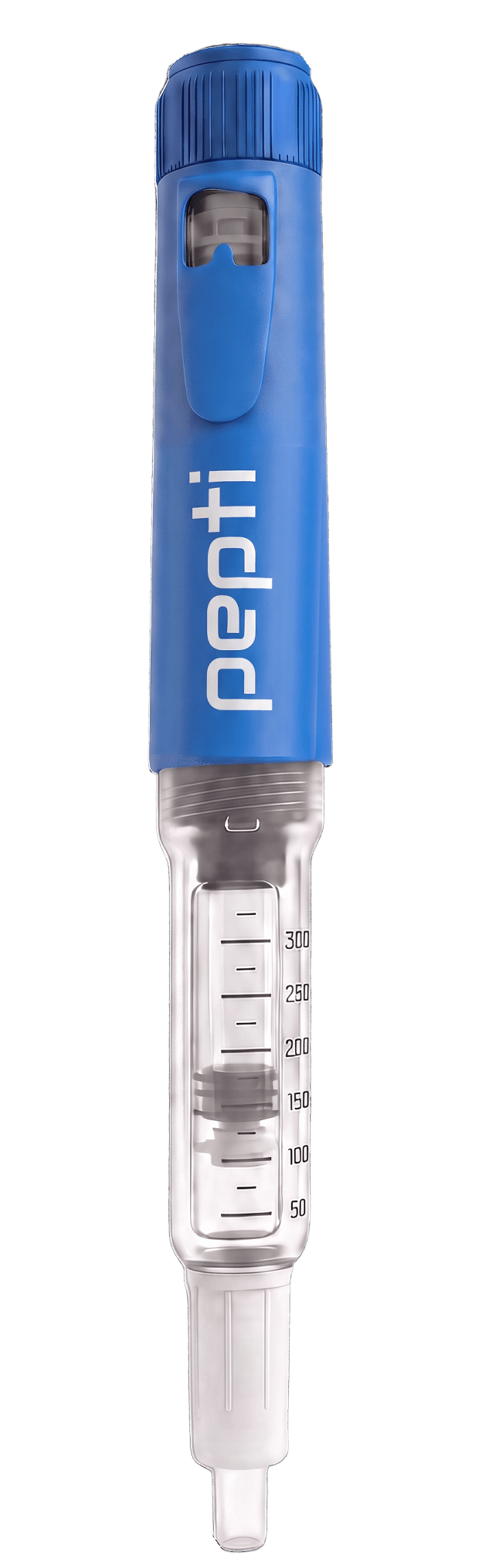
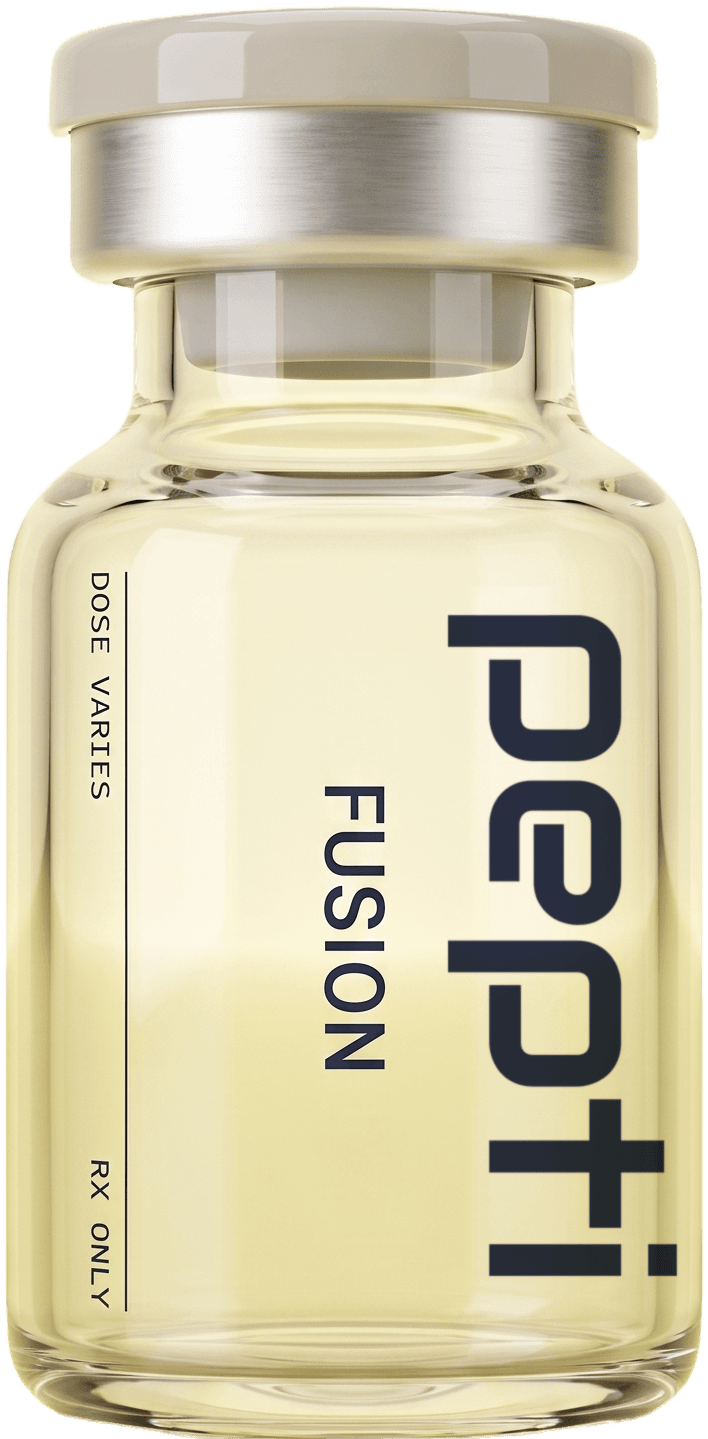
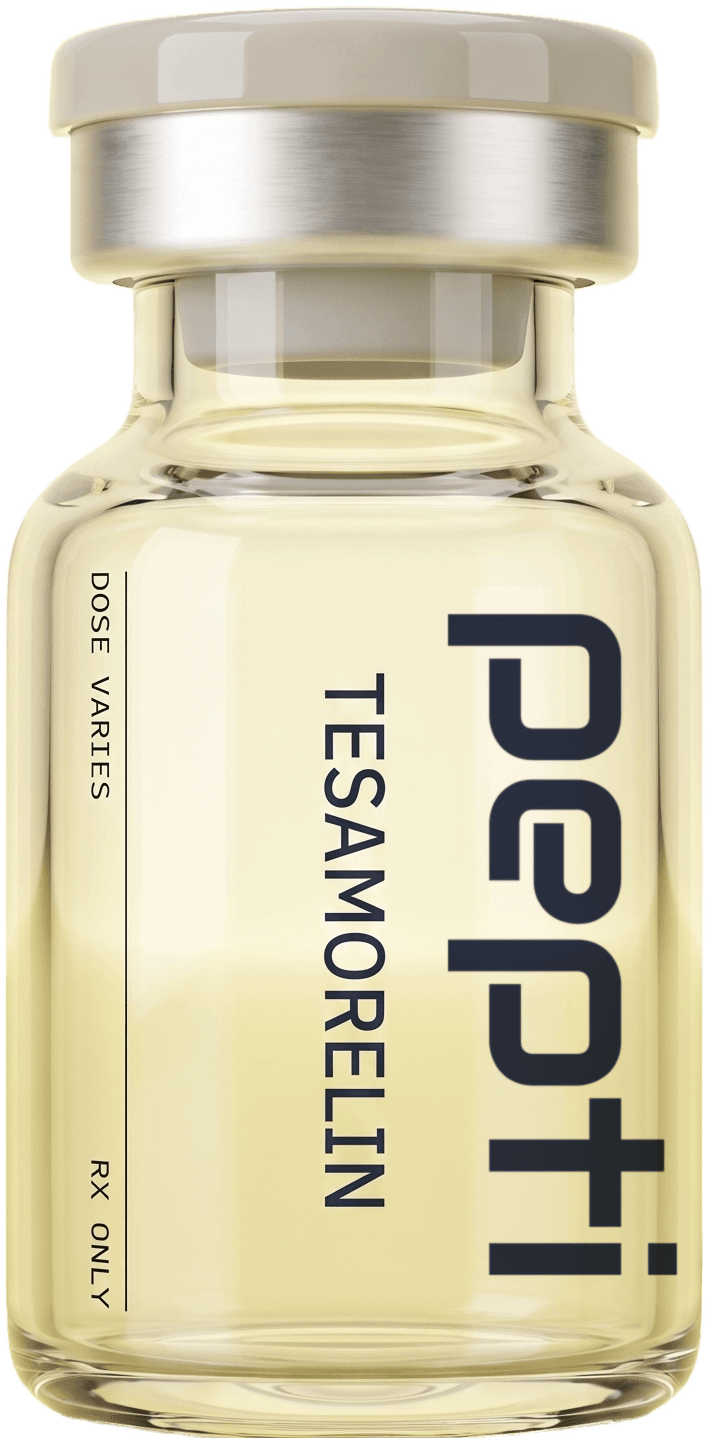
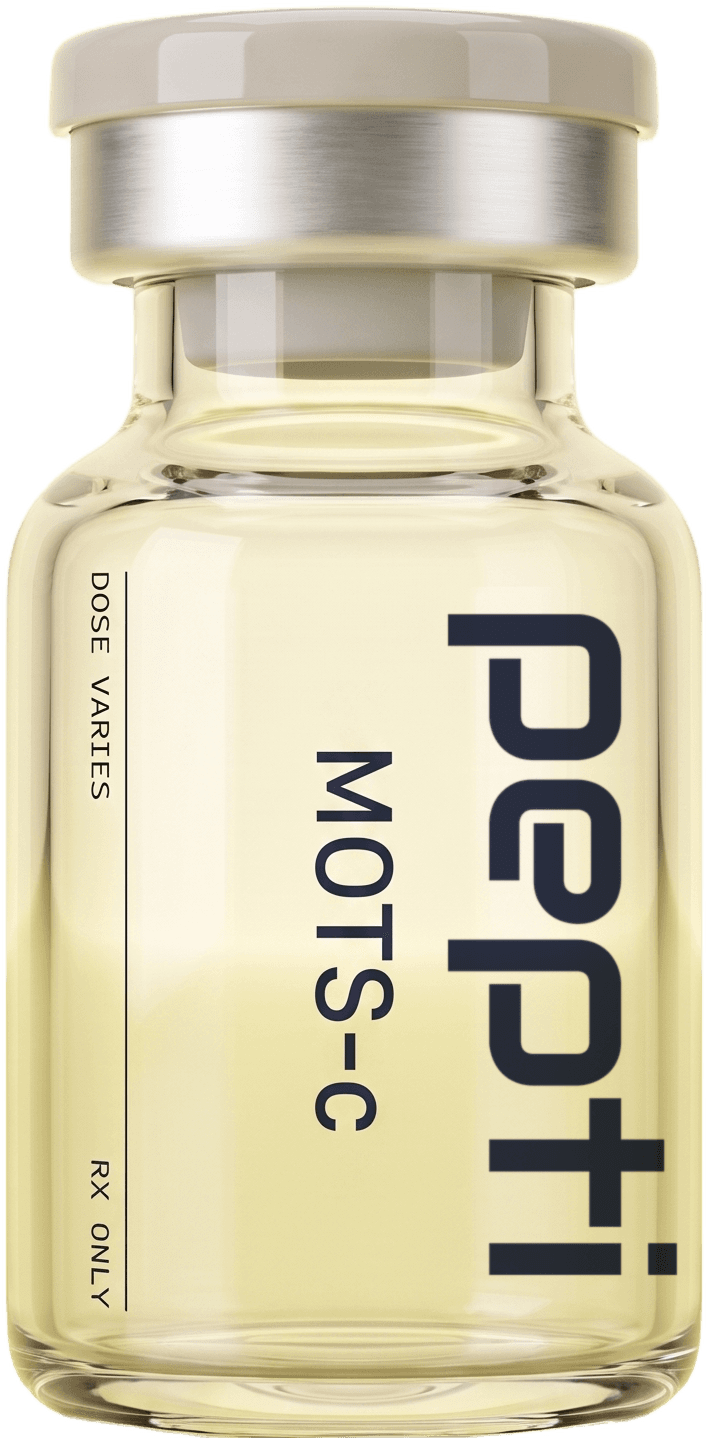
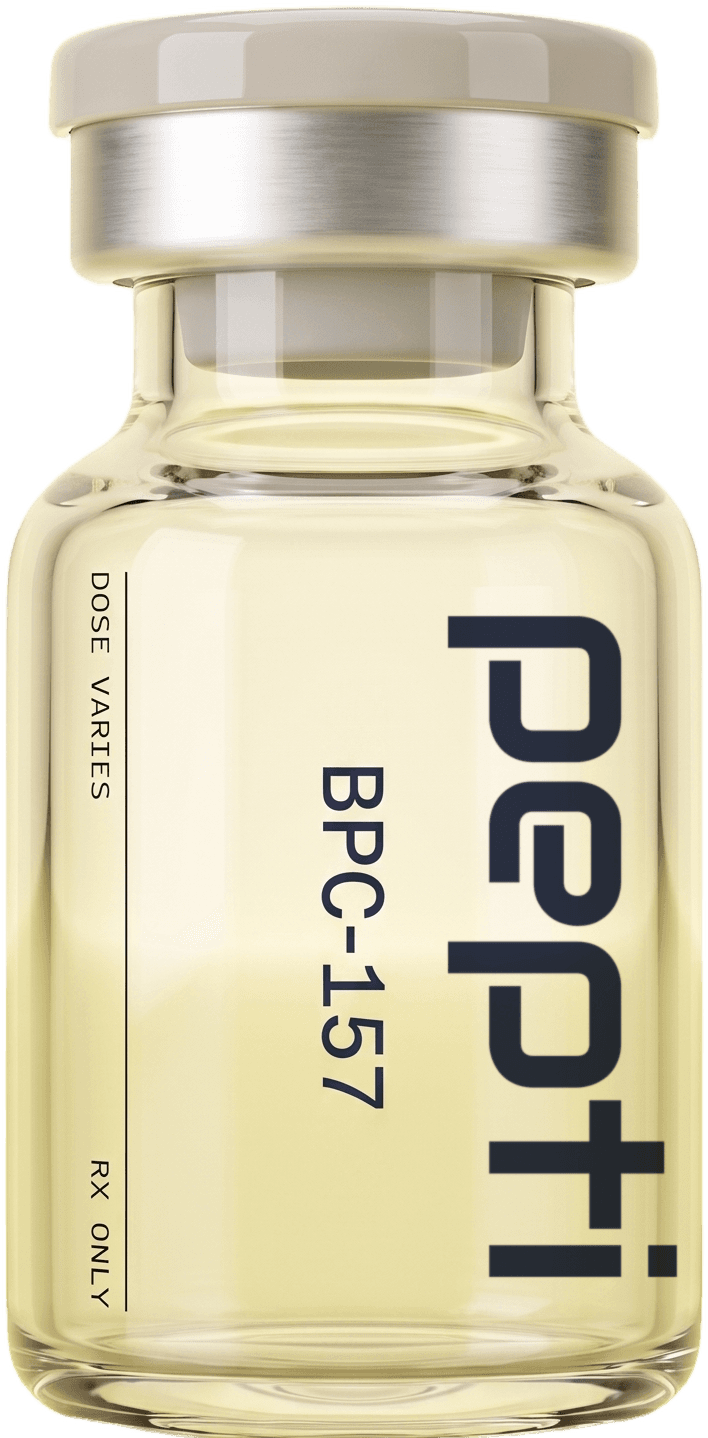
The most specific facts for women come from the approved tesamorelin product's label: it is contraindicated in pregnancy because animal data describe fetal harm, it advises against breastfeeding, it requires any prior cancer to be inactive with treatment complete, and it describes the drug as weight-neutral. MOTS-c's research quoted for women is in ovariectomised mice, a model of post-menopausal change. FUSION is not hormone therapy and is a compounded prescription injection that is not FDA approved.
This page covers what FUSION is, what research has and has not looked at in relation to women, the abdominal fat shift around menopause, the considerations that change for women, and how Pepti supplies it. For the full reference see what is FUSION Blend; for the evidence claim by claim, FUSION Blend benefits.
FUSION Blend for Women
The short answer
| Question | What the live research shows | Strength of evidence |
|---|---|---|
| Has FUSION been studied in women? | No study of the blend in anyone | None for the combination |
| Visceral fat | Tesamorelin phase 3 trials in adults with HIV; the pivotal trial was 86% men and results are not reported by sex | Strong for that population; nothing specific to women |
| Fat gain after loss of ovarian hormones | Less fat accumulation and more brown-fat activity with MOTS-c in ovariectomised mice (2019) | Animal only |
| Bone loss after loss of ovarian hormones | Less bone loss with MOTS-c in ovariectomised mice (2016) | Animal and cell only |
| Weight on the scale | Tesamorelin's label calls it weight-neutral; no component has a weight trial in the general population | Evidence says no |
| Menopause symptoms | Not studied; FUSION is not hormone therapy | None |
| Pregnancy | Tesamorelin is contraindicated on the approved label; animal data describe fetal harm | Clear exclusion |
| Breastfeeding | The approved label advises against it | Clear exclusion |
The honest summary: a human trial base for one component in a mostly male population, a mouse story that happens to use a menopause model, and nothing yet in women.
FUSION Blend for Women
What FUSION is, in one paragraph
FUSION is a 5 mL multi-dose vial containing 10 mg BPC-157, 10 mg MOTS-c, 10 mg 5-Amino-1MQ and 15 mg tesamorelin; each 25 unit dose delivers 0.5 mg, 0.5 mg, 0.5 mg and 0.75 mg respectively. Tesamorelin is a stabilised analogue of growth-hormone-releasing hormone that prompts a pulse of your own growth hormone. MOTS-c is a mitochondrial peptide described acting on AMPK, the low-fuel sensor exercise switches on. 5-Amino-1MQ is a small molecule that blocks the enzyme NNMT in fat cells. BPC-157 is a gut-lining peptide studied mostly in animals. None of the four acts on estrogen, progesterone or the ovarian axis, and none is a GLP-1 medication.
FUSION Blend for Women
What research has looked at, and what it means for women
Tesamorelin: visceral fat trials that were mostly men
The first phase 3 trial, in the New England Journal of Medicine in 2007, randomised 412 people with HIV and abdominal fat accumulation to tesamorelin 2 mg daily or placebo for 26 weeks; 86 percent were men. Visceral fat on CT fell 15.2 percent on treatment and rose 5.0 percent on placebo. A pooled analysis of that trial and a second of the same design, covering 806 patients, reported a treatment effect of about 15 percent at week 26. A 2012 trial of 60 abdominally obese adults with reduced growth hormone secretion, without HIV, reported visceral fat falling 16 cm² against a 19 cm² rise on placebo over 12 months.
For women. The live research does not report any of these results by sex, so nobody can say from it whether women respond as men do. They measured the deeper fat around the organs on imaging, at 2 mg daily, nearly three times FUSION's 0.75 mg weekday dose, and none of them tested FUSION. More in tesamorelin for women.
What the GHRH class suggests about sex differences
The clearest sex-specific finding for a GHRH analogue comes from a related molecule. In a 1997 trial in the Journal of Clinical Endocrinology and Metabolism, ten women and nine men aged 55 to 71 self-injected a GHRH(1-29) analogue nightly for 16 weeks. Growth hormone and IGF-1 rose in both sexes and skin thickness increased in both, but the increases in lean mass and insulin sensitivity were seen in men only. The growth hormone axis does not respond identically in women, which is a reason not to assume results from male-weighted trials transfer directly.
MOTS-c: the ovariectomised-mouse studies
Ovariectomy, surgical removal of the ovaries, is a standard animal model of post-menopausal metabolic change, which is why these studies are quoted for women. A 2019 paper in the Journal of Molecular Medicine reported less fat accumulation, less inflammation in white fat and more brown-fat activity in treated ovariectomised mice. A 2016 paper in Biochemical and Biophysical Research Communications reported less bone loss on micro-CT. A mouse without ovaries is a model, not a woman in perimenopause, and there are no human trials of MOTS-c in either sex. MOTS-c is not a treatment for osteoporosis. More in MOTS-c for women.
5-Amino-1MQ and BPC-157
5-Amino-1MQ's research is in mice and cultured cells, and it has never been given to people in a published trial. BPC-157's one study run only in women was a 2024 single-arm pilot of BPC-157 injected into the bladder wall in 12 women with interstitial cystitis, which reported no adverse events or complications. It had no comparison group, used a different route, and says nothing about FUSION.
FUSION Blend for Women
FUSION and the menopause transition
Through the menopausal transition, fat shifts toward the abdomen, lean mass declines and insulin sensitivity tends to worsen. That shift toward the middle is why a visceral-fat blend comes up for women in their forties and fifties. The live guidance places it narrowly: where weight on the scale is the concern, the GLP-1 medications have the trial evidence, and the STEP trials enrolled a majority of women; where the specific concern is fat around the middle rather than weight, tesamorelin acts through a different axis, and use outside the HIV indication is an extrapolation.
What FUSION does not do in menopause is equally important. It is not hormone therapy and does not treat hot flashes, night sweats, sleep, genitourinary symptoms or bone loss. Protecting bone is a DEXA scan, calcium, vitamin D, resistance training and a medical conversation. Pepti does not prescribe menopausal hormone therapy, and the transition deserves its own conversation. See peptides for menopause and peptides for women.
FUSION Blend for Women
What changes for women
Pregnancy: contraindicated
The approved tesamorelin labeling lists pregnancy as a contraindication, on the reasoning that visceral fat increases during pregnancy as a normal physiological change, modifying it offers no known benefit, and animal data describe fetal harm. MOTS-c, 5-Amino-1MQ and BPC-157 have no safety data in pregnancy. FUSION is not used in pregnancy. If you are pregnant, trying to conceive or think you may be, tell your physician before starting; if you become pregnant on treatment, stop and contact your physician and care team the same day. See can you take peptides while pregnant and do peptides affect fertility.
Breastfeeding
The approved tesamorelin labeling states there are no data on tesamorelin in human milk, on effects on a breastfed child, or on milk production, and advises that mothers should not breastfeed while receiving it. FUSION is not used while breastfeeding.
Blood sugar
Tesamorelin's approved label records new-onset diabetes in 5 percent of treated patients against 1 percent on placebo, because growth hormone reduces insulin sensitivity. MOTS-c is described in mice improving insulin sensitivity, pulling the other way, and nobody has measured the two together. Insulin sensitivity already tends to worsen through the menopausal transition, and gestational diabetes in a past pregnancy is part of your glucose history too. Diabetes, prediabetes or a borderline fasting glucose belongs on the intake, along with any glucose-lowering medication.
Cancer history, including breast cancer
Tesamorelin raises growth hormone and IGF-1. The approved label contraindicates it in active malignancy, requires any prior malignancy to be inactive with treatment complete, and states that the effects of prolonged IGF-1 elevation are unknown. BPC-157 is described supporting new blood-vessel growth in animal work. None of that is a proven cancer risk in women, and none of it is nothing. A personal or strong family history of breast, ovarian or endometrial cancer goes on the intake in full, and specialist input comes first. See can peptides cause cancer.
The pituitary
The approved tesamorelin product is contraindicated where the hypothalamic-pituitary axis is disrupted, including pituitary surgery, head irradiation or head trauma, because a secretagogue needs a pituitary that can respond.
Contraception and the cycle
No FUSION component acts on the ovarian axis, and no study has looked at cycle effects or hormonal contraception. Report any cycle change; it is more likely to be the transition or another cause, but it should be looked at. If you also take tirzepatide, its label carries its own instruction about oral contraceptives, covered in peptides for women.
Fatigue has findable causes
Some people come to a metabolic blend because they feel flat. In women, iron deficiency and an underactive thyroid are common, findable causes of fatigue, and neither responds to a peptide. Bloodwork is not required for any Pepti treatment. If your physician wants labs for your care, they'll ask through your account.
Tested sport
The 2026 WADA Prohibited List names MOTS-c under S4.4.1, tesamorelin under S2.2.4 and BPC-157 under S0, all prohibited at all times. FUSION is off limits to women in any testing pool. See is MOTS-c banned in sports and is tesamorelin banned in sports.
FUSION Blend for Women
What the evidence does not establish
- That FUSION reduces visceral fat in women, in perimenopause or after menopause. No trial selected for either.
- That women and men respond the same way to any component.
- Scale weight loss from FUSION or any component.
- That MOTS-c's mouse findings on fat or bone apply to people.
- Any effect on menopause symptoms, bone or hormones.
- Safety in pregnancy or breastfeeding; the tesamorelin label rules both out.
- Long-term outcomes; the approved tesamorelin label says long-term cardiovascular safety has not been established.
FUSION Blend for Women
Side effects
The tesamorelin rates below are from the approved product's label, at 2 mg daily, and are not reported by sex in the live research.
| Side effect | On tesamorelin | On placebo |
|---|---|---|
| Injection-site reactions | 17% | 6% |
| Joint pain | 13% | 11% |
| Swelling in the hands, feet or ankles | 6% | Less often |
| Tingling or numbness | 5% | Less often |
| Hypersensitivity: itching, flushing, hives, rash | 4% | Not stated |
| New-onset diabetes | 5% | 1% |
Some people also describe brief jitteriness, a faster pulse or light-headedness after a dose, attributed to MOTS-c, and early tiredness or headache. Puffiness, joint aches and hand tingling are growth hormone effects and are a reason to message your care team, not to push through or change the dose yourself. For facial or throat swelling, spreading hives or difficulty breathing, call 911, then tell your physician. More in FUSION Blend side effects.
FUSION Blend for Women
How Pepti supplies FUSION, and the alternatives
| Product | What is in it | Typical directions | Price |
|---|---|---|---|
| FUSION Blend | 5 mL vial: BPC-157 2 mg/mL, MOTS-c 2 mg/mL, 5-Amino-1MQ 2 mg/mL, tesamorelin 3 mg/mL | Inject 0.25 mL (25 units) subcutaneously once daily Monday through Friday | $279/mo |
| Tesamorelin | 5 mL vial, 2 mg/mL (10 mg) | Printed on your vial | $249/mo |
| MOTS-c | 5 mL vial, 2 mg/mL (10 mg) | Printed on your vial | $259/mo |
| PHYSIQ Blend | 10 mg each of tesamorelin, ipamorelin, AOD-9604 and MOTS-c in 5 mL | Printed on your vial | $289/mo |
| Semaglutide | Dose-specific vials at six strengths | Printed on the vial | From $99/mo |
A FUSION vial holds 20 doses at 25 units, about four weeks of weekday doses, so refills run every 28 days, one vial per fill. FUSION is vial and syringe only. Your physician sets your directions after reviewing your intake, and they are printed on the vial. The dose math is in FUSION Blend dosage.
Every price is all-in, covering medication, physician review, refill management and shipping, with no membership fee. GLP-1 prices are "from" prices. Pepti is cash-pay and does not bill insurance. Vials arrive ready to use with sterile syringes and alcohol prep pads, shipped refrigerated with ice packs.
FUSION Blend for Women
Where FUSION's components stand with the FDA
Tesamorelin is an approved active ingredient for one narrow use, but compounded tesamorelin is not the approved product. BPC-157 and MOTS-c were removed from Category 2 of the FDA's interim 503A list in April 2026, and in July 2026 the Pharmacy Compounding Advisory Committee voted to recommend adding both to the 503A Bulks List, with final determinations pending. 5-Amino-1MQ has never been on the Category 2 list and has not been reviewed by the committee. Compounded medications are not FDA approved.
FUSION Blend for Women
Where to get FUSION prescribed
FUSION cannot be bought legitimately without a prescription. Sites selling it "for research use only" are not accountable for identity, purity, sterility or concentration. The prescription route:
- Complete a free online intake covering your history, including pregnancy, breastfeeding, cancer history and glucose, your medications and what you want help with.
- A physician licensed in your state reviews it, usually within 24 hours.
- If it is appropriate, a PCAB-accredited, FDA-registered US 503A compounding pharmacy prepares it to that prescription. Lot test results are at /quality/lab-results.
- It ships refrigerated with your directions printed on the vial.
- Your physician stays reachable for questions and side effects.
Step by step: how to get FUSION Blend prescribed online.
References
What this is based on.
References
- Lee C, Zeng J, Drew BG et al.. The mitochondrial-derived peptide MOTS-c promotes metabolic homeostasis and reduces obesity and insulin resistance · Cell Metab (2015) · PMID 25738459
- Neelakantan H, Vance V, Wetzel MD et al.. Selective and membrane-permeable small molecule inhibitors of nicotinamide N-methyltransferase reverse high fat diet-induced obesity in mice · Biochem Pharmacol (2018) · PMID 29155147
- Falutz J, Allas S, Blot K et al.. Metabolic effects of a growth hormone-releasing factor in patients with HIV · N Engl J Med (2007) · PMID 18057338
Citations are provided for educational purposes. They do not constitute medical advice. Always discuss any peptide protocol with your prescribing physician.
Common questions
FUSION Blend for Women, answered.
No study has tested FUSION in women or anyone. Its tesamorelin component has visceral-fat trials in a mostly male population with HIV, not reported by sex, and the other three have no human trials.
Around menopause fat shifts toward the abdomen, and tesamorelin's trials measured visceral fat. No trial has enrolled perimenopausal or postmenopausal women for any FUSION component, so that use is an extrapolation. FUSION is not hormone therapy.
No study shows that. Tesamorelin's label calls it weight-neutral, and no component has a human weight trial in the general population. For weight on the scale, the GLP-1 medications have the trial evidence.
No. Tesamorelin is contraindicated in pregnancy on the approved label, which also advises against breastfeeding.
Tell your physician first. Because tesamorelin is contraindicated in pregnancy, the usual default is to stop before you start trying rather than when a test is positive.
No FUSION component acts on the ovarian axis, and no study has looked at cycle effects or hormonal contraception. Report any change to your physician.
A 2016 study reported less bone loss in ovariectomised mice. There is no human bone study of MOTS-c, and it is not a treatment for osteoporosis.
Put the history on your intake in full; specialist input comes first. The approved tesamorelin product is contraindicated in active malignancy and requires any prior cancer to be inactive with treatment complete.
It can. Tesamorelin reduces insulin sensitivity through growth hormone. Raise diabetes, prediabetes or past gestational diabetes at intake, and report thirst or frequent urination.
At Pepti, FUSION is $279 a month, all-in, covering medication, physician review, refill management and shipping.
Bloodwork is not required for any Pepti treatment. If your physician wants labs for your care, they'll ask through your account. The free assessment goes to a physician licensed in your state. A consultation does not guarantee a prescription.
Related answers
Keep reading.
- FUSION Blend (BPC-157 / MOTS-c / 5-Amino-1MQ / Tesamorelin): What It Is, Where to Get It Prescribed, and What It Costs
- FUSION Blend Side Effects: Tesamorelin, MOTS-c, 5-Amino-1MQ and BPC-157, and What to Report
- How Long Does FUSION Blend Take to Work? What the Component Studies Measured
- How to Get FUSION Blend Prescribed Online, Step by Step
- GHK-Cu for Men: What the Research Has Looked At, and What It Does Not Do
Next step
See what a physician recommends for you.
A licensed physician in your state reviews your intake to see whether treatment fits your history. A consultation does not guarantee a prescription.