Weight Loss · Reference
AOD-9604 vs L-Carnitine: Fat Release vs Fat Transport, the Human Evidence, Cost, and Which One Fits
This page explains each on its own terms, puts them side by side, covers what the research does and does not show, where each stands with the FDA, how each is injected and dosed, what each costs at Pepti, and who tends to suit which.
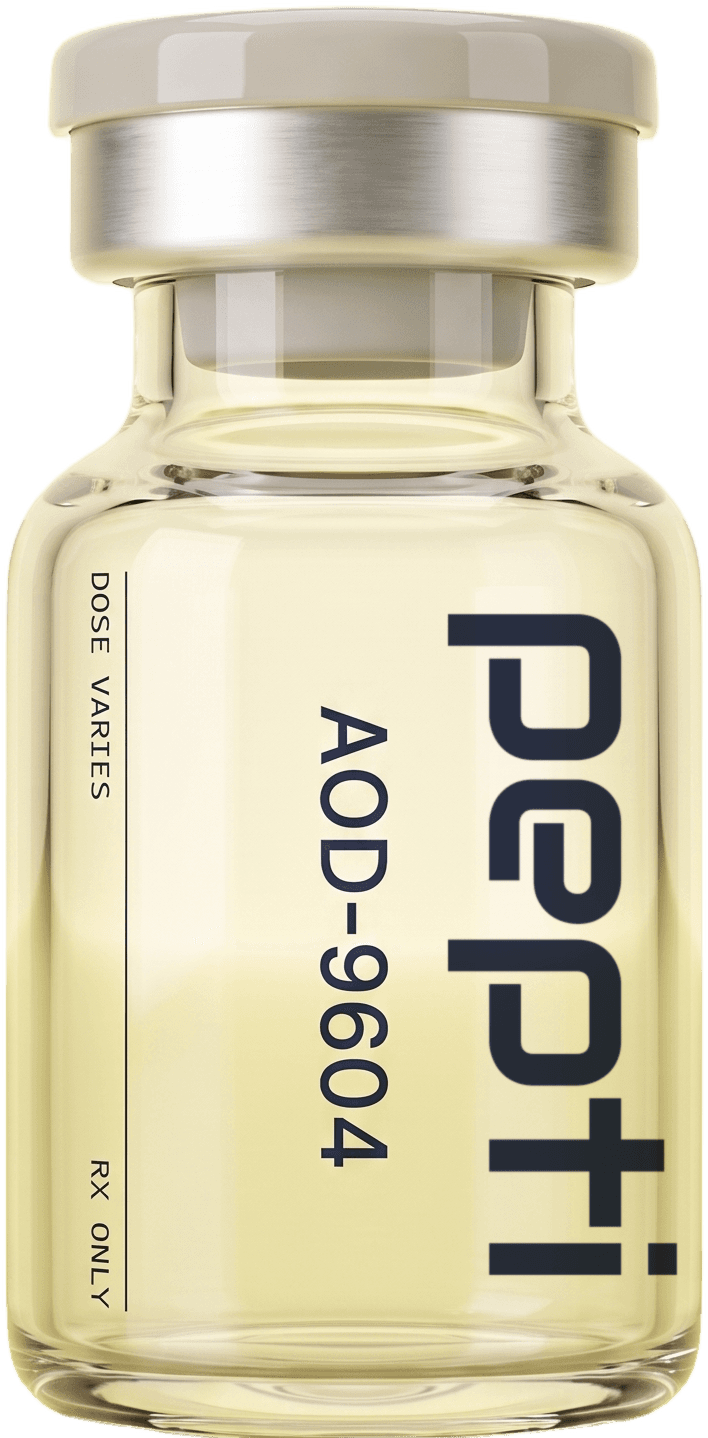
Treatments mentioned
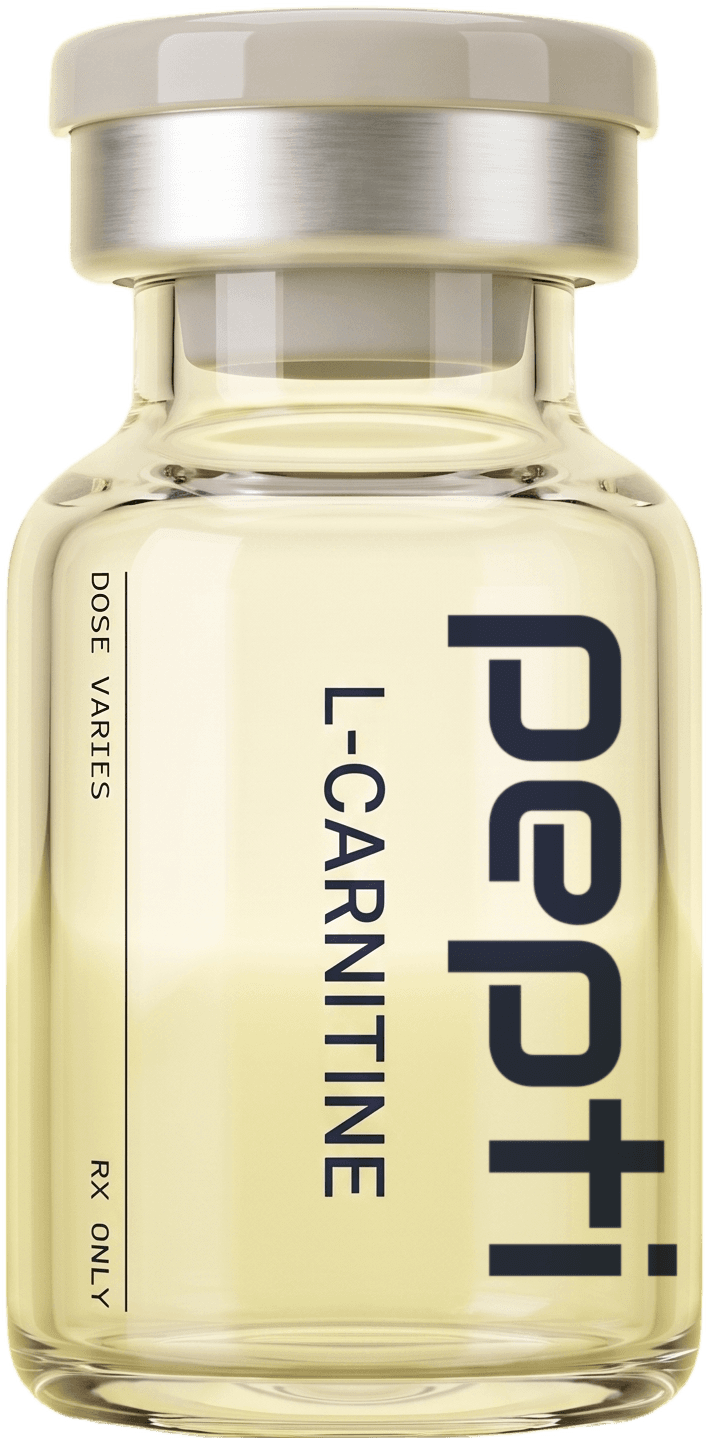
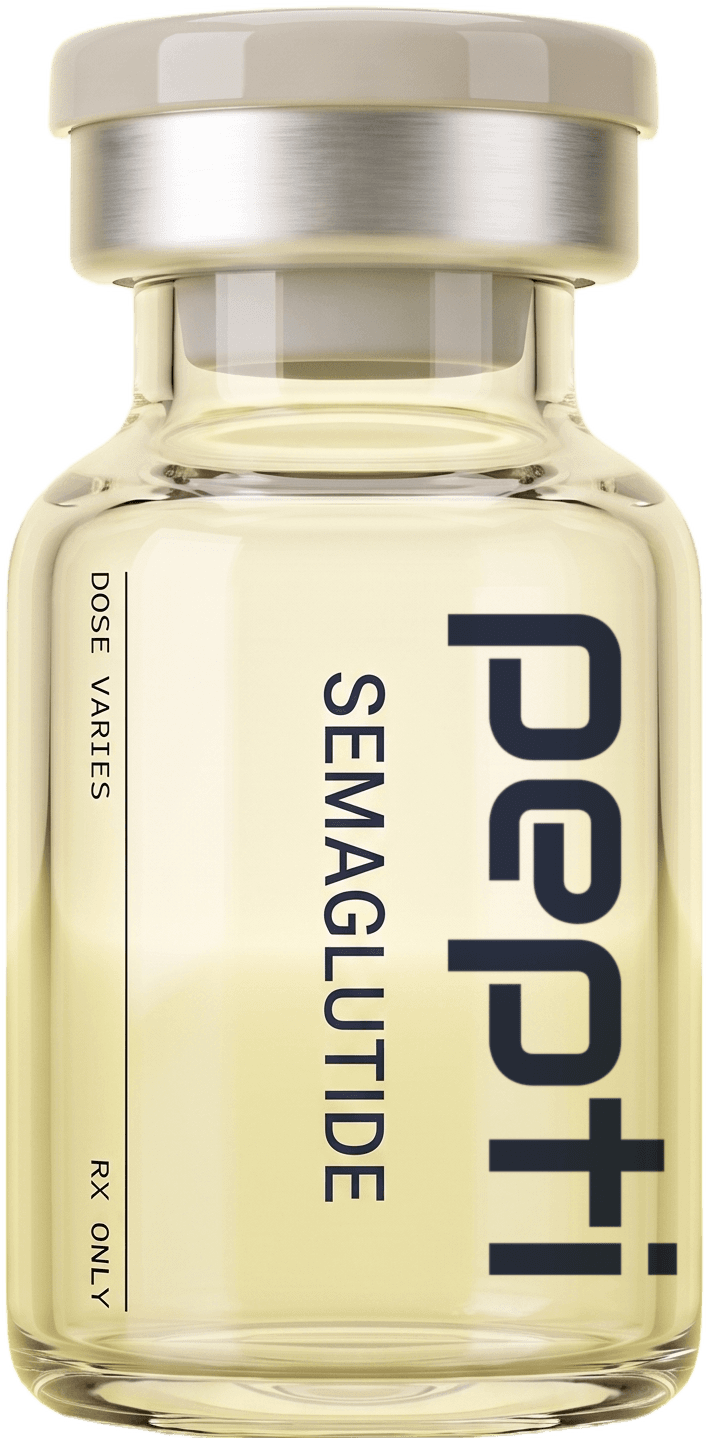
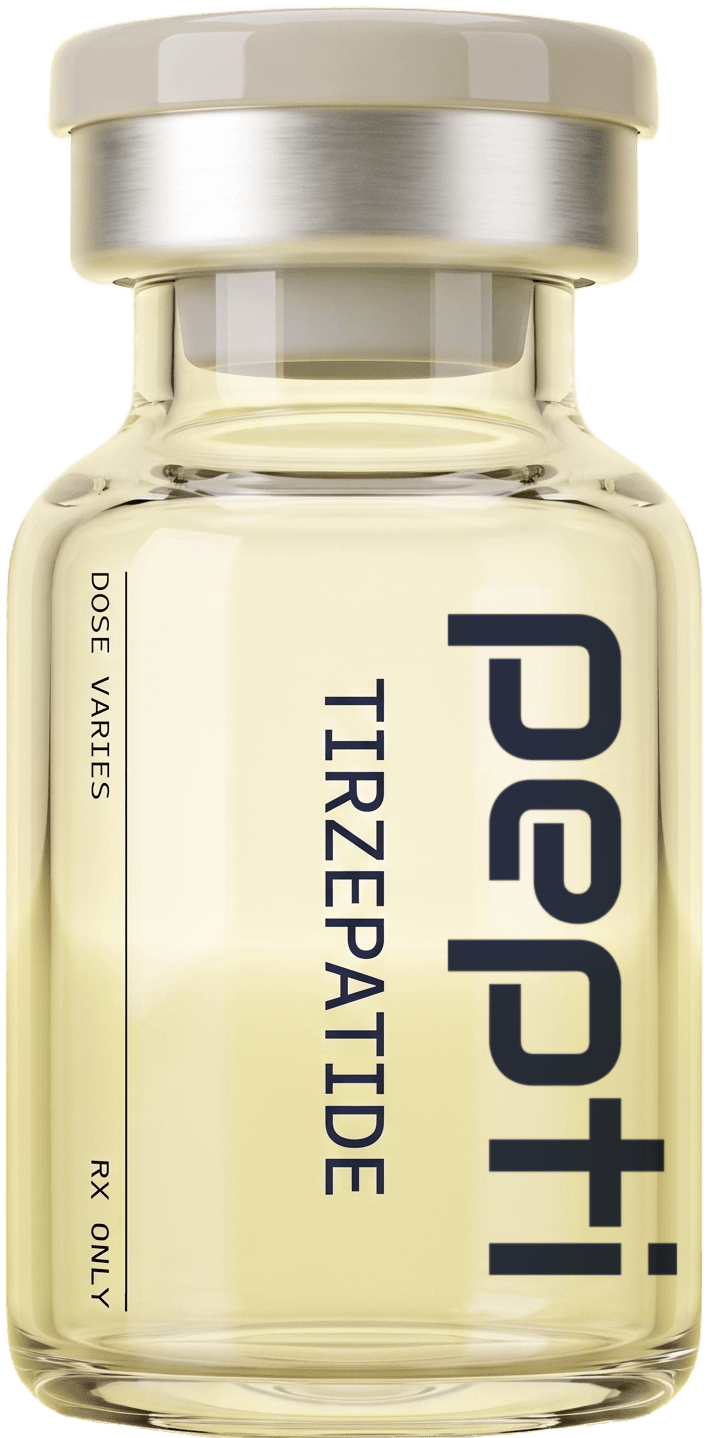
AOD-9604 and L-carnitine are both prescribed around using body fat for fuel, but they act at different steps and have very different human records. AOD-9604 is a 16-amino-acid fragment of growth hormone described, in animals, around fat cells releasing stored fat; its largest human trial found no significant weight loss over placebo. L-carnitine is not a peptide but a small transport molecule the body already makes, which carries fatty acids into mitochondria to be burned; meta-analyses of its mostly oral trials report a modest effect on body weight alongside diet and exercise. Neither acts on appetite, and as compounded medications neither is FDA approved.
This page explains each on its own terms, puts them side by side, covers what the research does and does not show, where each stands with the FDA, how each is injected and dosed, what each costs at Pepti, and who tends to suit which.
AOD-9604 vs L-Carnitine
The short answer
| If your main goal is | The usual prescription | What is in it | Price |
|---|---|---|---|
| A fat-transport cofactor alongside training, with human trials behind the molecule | L-Carnitine Injection | 10 mL vial, L-carnitine 2 mg/mL (20 mg per vial) | $219/mo |
| A fat-release signal that leaves appetite and the growth hormone axis alone | AOD-9604 | 10 mg AOD-9604 in a 5 mL vial | $229/mo |
| AOD-9604 with growth hormone secretagogues and MOTS-c | SHRED Blend | AOD-9604, CJC-1295, ipamorelin and MOTS-c | $279/mo |
| A B12 and lipotropic nutrient injection | Lipo-B (B12 + MIC) | 10 mL vial; methionine, inositol, choline and B12 | $209/mo |
| Appetite and body weight, with large human trials | Semaglutide or tirzepatide | Dose-specific vials | From $99/mo or from $159/mo |
Every figure is an all-in monthly price covering the medication, physician review, refill management and shipping. There is no separate membership fee. GLP-1 prices are "from" prices because the vials are dose-specific. Current pricing always lives on each product page.
AOD-9604 vs L-Carnitine
Two steps of the same process
Using stored fat for energy happens in stages. Fat cells first break down stored triglyceride and release fatty acids into the blood. Working tissue, mostly muscle, then takes those fatty acids up and has to move them into the mitochondria, where they are oxidised. AOD-9604 is described around the first stage; L-carnitine is the carrier for the second. That is why they are often mentioned together, and why they are not substitutes for each other.
| Stage | What happens | Which one is described here |
|---|---|---|
| Release | Fat cells break down stored fat and release fatty acids | AOD-9604, in obese mice and rats |
| Transport | Long-chain fatty acids are carried across the inner mitochondrial membrane | L-carnitine, established biochemistry |
| Oxidation | Mitochondria burn the fatty acids for energy, driven by demand | Neither directly; activity drives it |
AOD-9604 vs L-Carnitine
AOD-9604 on its own terms
What it is
AOD-9604 is a synthetic copy of the last fifteen amino acids of human growth hormone, positions 177 to 191, with a tyrosine added at the front: a 16-amino-acid peptide, the same molecule sold as "hGH fragment 176-191". AOD stands for Anti-Obesity Drug. It came out of Monash University in Melbourne and was developed in the late 1990s by Metabolic Pharmaceuticals as an oral obesity treatment. It is not growth hormone and not a secretagogue: cell work reports it does not bind the growth hormone receptor, and IGF-1 did not change in the human trials. The full reference is at what is AOD-9604.
How AOD-9604 is described to work
- The "lipolytic domain" idea. A 2000 paper in Hormone Research proposed that growth hormone's fat effect lives in its tail end, separable from its growth and blood-sugar effects; obese Zucker rats on the fragment gained less weight and their fat tissue showed increased lipolytic activity.
- Beta-3 adrenergic receptors. A 2001 paper in Endocrinology reported the effect in obese mice depended on the beta-3 receptor, a fat-cell receptor that drives fat breakdown.
- Fat oxidation and glycerol release. A 2001 paper in the International Journal of Obesity reported increased fat oxidation and plasma glycerol, a marker of fat cells releasing their contents, in obese mice.
The FDA's 2024 review noted that the molecular target has never been identified.
What human data exists for AOD-9604
Six randomised, placebo-controlled trials in Australia between roughly 2001 and 2007, close to 900 people. The intravenous studies reported a rise in circulating free fatty acids within hours of a dose, but no significant weight loss over the few weeks involved. The largest trial, OPTIONS, gave 536 adults with obesity oral AOD-9604 or placebo daily for 24 weeks alongside a supervised diet and exercise program, and did not find statistically significant weight loss versus placebo; the company ended development for obesity in February 2007. Safety findings were clean: no IGF-1 change, no impairment of glucose tolerance, no antibodies detected in the subjects tested. No trial used the subcutaneous injection that is prescribed.
AOD-9604 vs L-Carnitine
L-carnitine on its own terms
What it is
L-carnitine is not a peptide and not a hormone. It is a small quaternary ammonium compound that the liver and kidneys make from the amino acids lysine and methionine, and most of the body's supply sits in skeletal and heart muscle. Its job is narrow and well characterised: it carries long-chain fatty acids across the inner mitochondrial membrane so they can be oxidised. Only the L form is biologically active, which is why the approved drug is called levocarnitine. The full reference is at what is L-carnitine.
How L-carnitine is described to work
- The carnitine shuttle. The enzyme CPT1 attaches a fatty acid to carnitine on the outer mitochondrial membrane, a transporter carries it through, and CPT2 releases it inside for oxidation. This is the rate-limiting step in long-chain fat oxidation.
- Buffering during hard exercise. A 2007 review in the Journal of Physiology described free carnitine soaking up excess acetyl groups as acetyl-carnitine, limiting lactate build-up.
- Muscle fuel selection, in humans. A 2011 Journal of Physiology study gave fourteen healthy men oral L-carnitine with carbohydrate twice daily for 24 weeks, with muscle biopsies. Muscle carnitine rose 21 percent, and work output in a 30-minute performance trial rose 11 percent from baseline. Muscle carnitine only rose with the carbohydrate, because insulin drives it into muscle, and only over months.
It is a cofactor, not a driver: having more carnitine does not make the body burn more fat than its energy demand calls for.
What human data exists for L-carnitine
A great deal by the standards of this category. Three meta-analyses of randomised trials have been published (Obesity Reviews 2016, nine trials; Pharmacological Research 2020, 43 trials; Clinical Nutrition ESPEN 2020, 37 trials). They report a modest effect on body weight in overweight adults who were also changing diet and activity, with the effect shrinking the longer a trial ran and no consistent change in body-fat percentage or waist circumference. Nearly every trial used oral carnitine at gram doses. There are no randomised trials of low-dose intramuscular L-carnitine in healthy adults, so what the injection does in that group is extrapolated rather than measured.
AOD-9604 vs L-Carnitine
Head to head
| AOD-9604 | L-carnitine | |
|---|---|---|
| Chemically | 16-amino-acid peptide | Small transport molecule, not a peptide |
| Made by the body? | No; a synthetic fragment of growth hormone | Yes, from lysine and methionine |
| Step it is described around | Release of stored fat from fat cells | Transport of fatty acids into mitochondria |
| Target | Not identified; beta-3 adrenergic signalling inferred from mice | The mitochondrial carnitine shuttle |
| Appetite effect | No | No |
| Human trials for weight | Six randomised trials; the largest found no significant weight loss | Three meta-analyses of mostly oral trials; modest effect |
| Trials of the format Pepti supplies | None subcutaneous | None for low-dose intramuscular injection |
| Approved active ingredient? | No | Yes, for carnitine deficiency |
| Route | Subcutaneous, under the skin | Intramuscular, into the muscle |
| Vial at Pepti | 5 mL, 2 mg/mL (10 mg) | 10 mL, 2 mg/mL (20 mg) |
| Standard directions | 0.25 mL (25 units) once daily, Monday to Friday | 0.50 mL (50 units) once daily, Monday to Friday |
| Doses per vial | 20, about 4 weeks | 20, about 4 weeks |
| Also found in | SHRED and PHYSIQ Blends | Single vial only |
| Price at Pepti | $229 a month | $219 a month |
The real difference is which evidence you are leaning on
AOD-9604 has a specific human answer for weight, and it was no. L-carnitine has a reproducible but modest human answer, from oral dosing alongside lifestyle change. Neither answer was generated with the injection Pepti supplies. If you want something with human trials behind the molecule, that is L-carnitine; if you want the fat-release signal from the animal work and are comfortable with a negative human result, that is AOD-9604. Neither is in the same category as a GLP-1 medication, which acts on appetite.
AOD-9604 vs L-Carnitine
Who suits which
L-carnitine
L-carnitine suits someone who is training and wants a cofactor for the fuel pathway training uses, often described by prescribers around training tolerance and recovery between sessions. It is a common add-on to a weight program, including alongside a GLP-1, and it has the longer safety record of the two. L-carnitine vs GLP-1 covers that pairing.
AOD-9604
Both together
Because they are described at different steps, some physicians prescribe both. No study has tested the combination, and no Pepti product contains both. They are separate vials with separate injection types, so never mix them in one syringe. Starting on different dates makes it easier to tell which one caused any change.
AOD-9604 vs L-Carnitine
When neither is the right first step
| Situation | What makes more sense |
|---|---|
| Clinically meaningful weight loss is the goal | Semaglutide or tirzepatide; see AOD-9604 vs semaglutide |
| Diagnosed carnitine deficiency, kidney disease on dialysis, or a metabolic disorder | Specialist care with the approved levocarnitine product, not a compounded intramuscular vial |
| Energy is the complaint and B12 status is unknown | Methylcobalamin |
| Fat around the middle specifically | Tesamorelin; see AOD-9604 vs tesamorelin |
| Cellular energy rather than fat transport | NAD+ injection or MOTS-c |
AOD-9604 vs L-Carnitine
Where each stands with the FDA
These two are in very different positions.
| AOD-9604 | L-carnitine (levocarnitine) | |
|---|---|---|
| Approved active ingredient? | No | Yes, approved for carnitine deficiency, including in end-stage renal disease on dialysis |
| 503A compounding basis | Not on the 503A Bulks List, no final rule either way; remains legal to prescribe and compound | Meets the 503A conditions as a component of approved products with a USP monograph; no bulks listing needed |
| Category history | Category 2 in 2023; left it 27 September 2024 when nominations were withdrawn | Never in any category |
| Advisory committee | 4 December 2024: 0 to 12 against adding it to the 503A Bulks List, for obesity | Not applicable |
| What it is prescribed for at Pepti | Off-label; no approved use exists | Off-label; weight, training and energy are not approved indications |
The approval of levocarnitine for deficiency does not transfer to a compounded intramuscular vial, and AOD-9604 has no approved product at all. Compounded medications are not FDA approved. Are peptides FDA approved explains the difference between not approved and not legal.
AOD-9604 vs L-Carnitine
Dosing, side by side
The schedule is the same, once daily Monday through Friday with weekends off, and both vials hold 20 doses, about four weeks. The injections are different.
AOD-9604 is drawn at 0.25 mL (25 units on a U-100 insulin syringe) and injected under the skin of the abdomen or thigh, rotating sites. Some prescribers direct it in the morning before eating.
L-carnitine is drawn at 0.50 mL (50 units) and injected into the muscle: the deltoid, upper outer thigh or upper outer buttock, rotated. An intramuscular injection uses a longer needle than a subcutaneous one, and the pharmacy supplies the right one.
You do not need to calculate anything: your physician sets your directions after reviewing your intake, and your directions are printed on the vial. Both ship refrigerated with ice packs, with sterile syringes and alcohol prep pads, and refills run every 28 days, one vial per fill. Bloodwork is not required for any Pepti treatment. If your physician wants labs for your care, they'll ask through your account.
AOD-9604 vs L-Carnitine
Side effects
AOD-9604. The company trials reported headache, fatigue, dizziness and low blood sugar with intravenous dosing, and headache, diarrhoea, flatulence, increased appetite and nausea with oral dosing, with adverse events similarly distributed between peptide and placebo. With the injection, prescribers mostly report injection-site redness, soreness or bruising. AOD-9604 side effects has the detail.
L-carnitine. One of the longer safety records of anything Pepti prescribes. Reported: injection-site soreness or bruising, transient nausea, and a faint fishy body odour from trimethylamine, more common with large oral doses than with injection. The approved product's label reports seizures in people with and without a prior seizure history, and INR increases in people taking warfarin, so both belong on the intake.
For either, stop and contact your physician for any reaction that is severe, spreading or involves difficulty breathing. For swelling of the face or throat or trouble breathing, call 911.
AOD-9604 vs L-Carnitine
Who should not take them, or should discuss it first
| Situation | Why |
|---|---|
| Pregnancy or breastfeeding | Not used |
| Seizure disorder | Raise it at intake for L-carnitine, from its label |
| Taking warfarin | Raise it at intake for L-carnitine, which can raise INR |
| Established cardiovascular disease | Raise it for L-carnitine; a 2013 study linked dietary carnitine to TMAO, though relevance to a low-dose injection is unclear |
| On glucose-lowering medication | Raise it for AOD-9604; low blood sugar was reported with intravenous dosing |
| Tested athletes | AOD-9604 is prohibited by WADA; L-carnitine is not, but some bodies restrict injections above a certain volume |
AOD-9604 vs L-Carnitine
What the evidence shows, honestly
L-carnitine has a real, reproducible but modest effect on body weight in meta-analyses of oral trials, no consistent effect on body-fat percentage or waist circumference, and no trials of the low-dose injection. AOD-9604 has a negative human result for weight loss, a clean safety profile by mouth and by vein, and no trials of the subcutaneous route. No trial has tested them together. Anyone describing either as a fat-burner that works on its own is overstating what exists; both are framed by prescribers as adjuncts to diet and training. Best peptides for weight loss has the wider picture.
AOD-9604 vs L-Carnitine
Where to get AOD-9604 or L-carnitine prescribed
Neither can be bought legitimately without a prescription. Sites selling them "for research use only" are not accountable for identity, purity, sterility or concentration. The prescription route:
- Complete a free online intake covering your history, medications and what you want help with.
- A physician licensed in your state reviews it, usually within 24 hours.
- If it is appropriate, a PCAB-accredited, FDA-registered US 503A pharmacy compounds it to that prescription. Lot test results are published at /quality/lab-results.
- It ships refrigerated with your directions printed on the vial.
- Your physician stays reachable for questions and dose changes.
Pepti prescribes both in every state except Oklahoma, plus DC, cash-pay, without billing insurance. Step-by-step pages: how to get AOD-9604 prescribed online and how to get L-carnitine prescribed online.
References
What this is based on.
References
- Heffernan M, Summers RJ, Thorburn A et al.. The effects of human GH and its lipolytic fragment (AOD9604) on lipid metabolism following chronic treatment in obese mice and beta(3)-AR knock-out mice · Endocrinology (2001) · PMID 11713213
- Ng FM, Sun J, Sharma L et al.. Metabolic studies of a synthetic lipolytic domain (AOD9604) of human growth hormone · Hormone Research (2000) · PMID 11146367
- Heffernan MA, Thorburn AW, Fam B et al.. Increase of fat oxidation and weight loss in obese mice caused by chronic treatment with human growth hormone or a modified C-terminal fragment · International Journal of Obesity and Related Metabolic Disorders (2001) · PMID 11673763
- Wilding J. AOD-9604 Metabolic · Current Opinion in Investigational Drugs (2004) · PMID 15134286
- Kwon DR, Park GY. Effect of Intra-articular Injection of AOD9604 with or without Hyaluronic Acid in Rabbit Osteoarthritis Model · Annals of Clinical and Laboratory Science (2015) · PMID 26275694
- Cox HD, Smeal SJ, Hughes CM et al.. Detection and in vitro metabolism of AOD9604 · Drug Testing and Analysis (2015) · PMID 25208511
- Orlovius AK, Thomas A, Schänzer W et al.. AOD-9604 does not influence the WADA hGH isoform immunoassay · Drug Testing and Analysis (2013) · PMID 24124033
- Mendias CL, Awan TM. Safety and Efficacy of Approved and Unapproved Peptide Therapies for Musculoskeletal Injuries and Athletic Performance · Sports Medicine (2026) · PMID 41966639
Citations are provided for educational purposes. They do not constitute medical advice. Always discuss any peptide protocol with your prescribing physician.
Common questions
AOD-9604 vs L-Carnitine, answered.
Neither is a weight-loss medication in the way a GLP-1 is. L-carnitine's oral trials report a modest effect alongside diet and exercise; AOD-9604's largest human trial found no significant weight loss over placebo. No study has compared them.
AOD-9604 is a growth hormone fragment described, in animals, around fat cells releasing stored fat. L-carnitine is a molecule the body makes that carries fatty acids into mitochondria to be burned. They act at different steps.
Some physicians prescribe both because they are described at different steps of fat use. No study has tested the combination. They are separate vials, one under the skin and one into the muscle, never mixed in one syringe.
No. It is a small transport molecule made from lysine and methionine. AOD-9604 is a 16-amino-acid peptide.
They are separate products with separate reviewed directions: L-carnitine at 0.50 mL intramuscularly, AOD-9604 at 0.25 mL subcutaneously. The pharmacy supplies the right needle for each.
Levocarnitine is an approved active ingredient, but only for carnitine deficiency. The compounded intramuscular vial is not that approved drug and is not FDA approved. AOD-9604 has no approved product at all.
No. Neither acts on appetite. L-carnitine works only where fat is already being used for fuel, and nothing in the AOD-9604 research describes an appetite effect.
L-carnitine, which has been prescribed for decades and studied in thousands of trial participants. AOD-9604 has close to 900 trial participants on oral or intravenous dosing, with adverse events similar to placebo.
At Pepti, AOD-9604 is $229 a month and L-carnitine is $219 a month, all-in, covering medication, physician review, refill management and shipping.
No. Bloodwork is not required for any Pepti treatment. If your physician wants labs for your care, they'll ask through your account. The free assessment goes to a physician licensed in your state. A consultation does not guarantee a prescription.
Next step
See what a physician recommends for you.
A licensed physician in your state reviews your intake and decides what is appropriate. A consultation does not guarantee a prescription.