Weight Loss · Reference
GLP-1 Acid Reflux: Why Semaglutide and Tirzepatide Cause Heartburn, and What Helps
Acid reflux is a listed side effect of GLP-1 medications: on the approved labels, reflux disease was reported by 5% of adults on semaglutide against 3% on placebo, and reflux by 4 to 5% on tirzepatide against 1 to 2%.
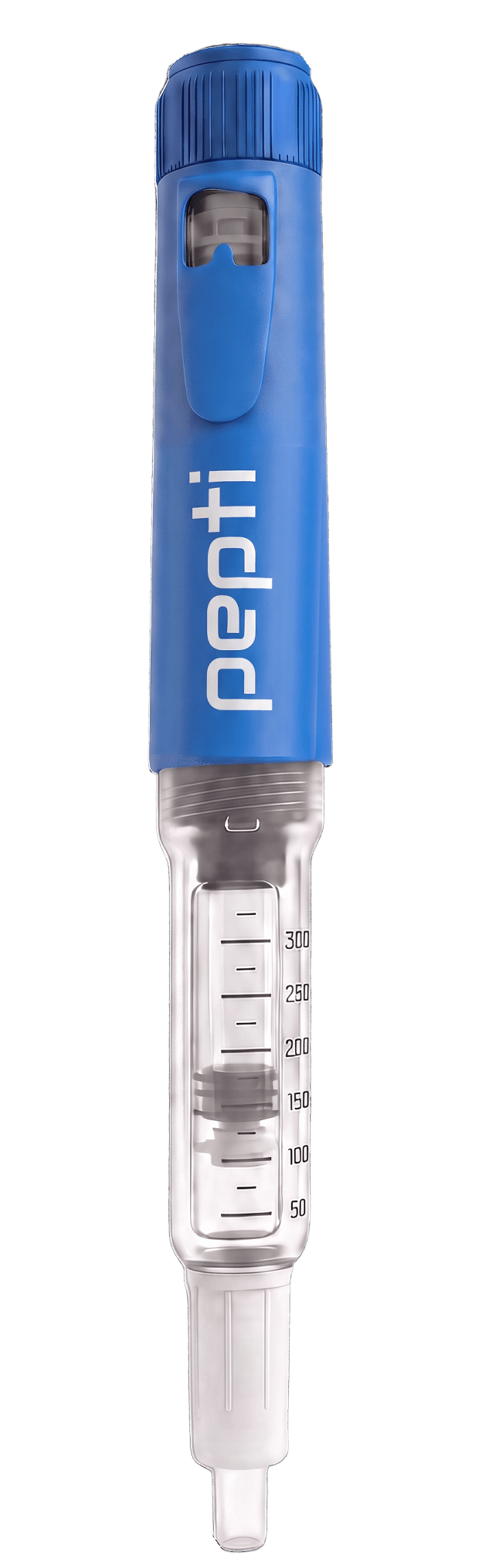
Treatments mentioned
It happens mainly because these medications slow the rate the stomach empties, so food and acid sit there longer, and it clusters in the days after starting and after each dose increase. What tends to help is an earlier last meal, staying upright after eating, smaller portions, less fried and fatty food, and less alcohol and fizzy drinks. Reflux that wakes you or is not responding is a reason to message your care team; chest pain with breathlessness or sweating is a reason to call 911.
This page covers how common reflux and indigestion are on semaglutide and tirzepatide, why they happen, when they are worst, what helps, what to tell your care team, and the symptoms that should not be assumed to be reflux. For the full side-effect picture see GLP-1 side effects.
GLP-1 Acid Reflux
The short answer
| Question | What the sources show | What to do |
|---|---|---|
| Is reflux a GLP-1 side effect? | Yes; listed on both approved labels | Report it by name |
| How common is it? | Semaglutide 5% against 3%; tirzepatide 4 to 5% against 1 to 2% | Common enough to plan for |
| Why does it happen? | Slower stomach emptying holds food and acid longer | Smaller portions, earlier last meal |
| When is it worst? | The first days after starting and after each dose increase | Expect it then; it often eases |
| What helps? | Earlier last meal, staying upright, less fat, less alcohol and carbonation | Habits first |
| When to message your care team | It wakes you, is not responding, or you are vomiting | Message through your account |
| When to call 911 | Chest pain or pressure with breathlessness, sweating, or pain into the arm or jaw | Do not assume it is reflux |
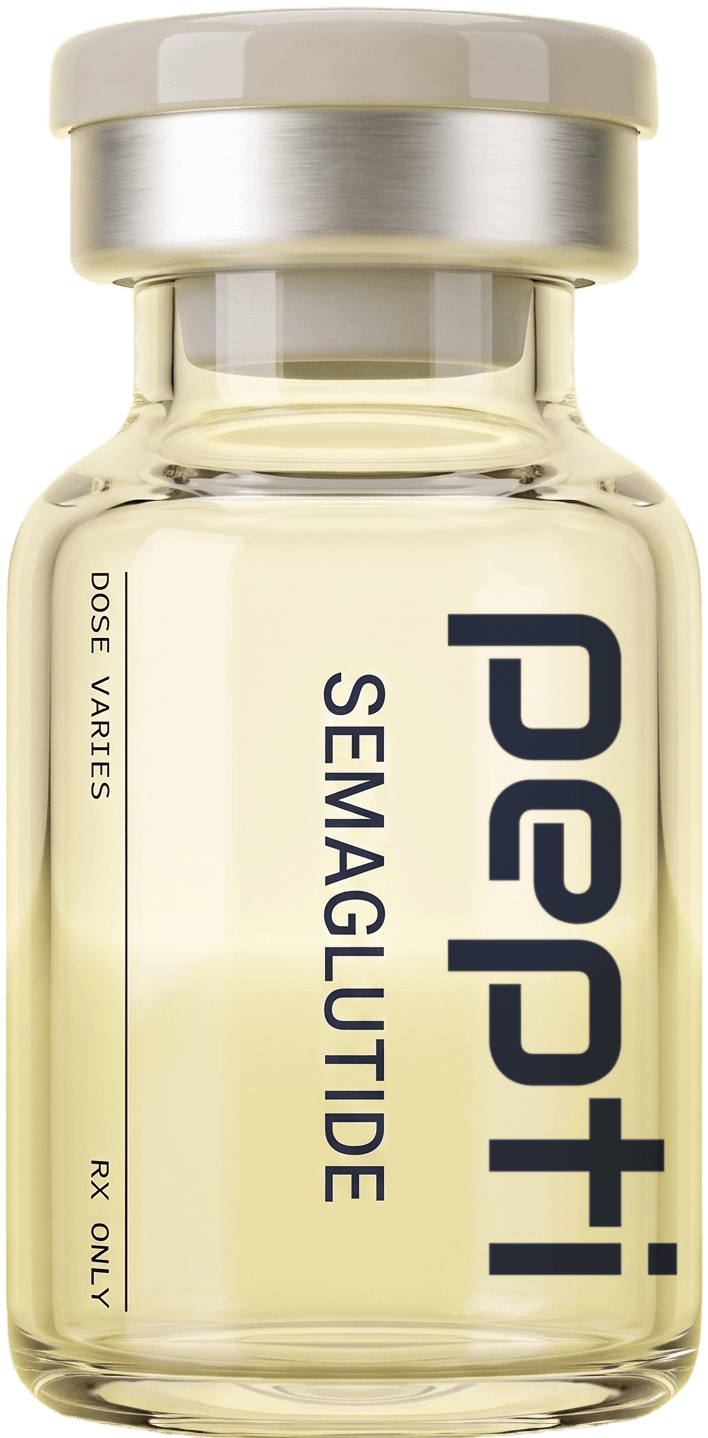
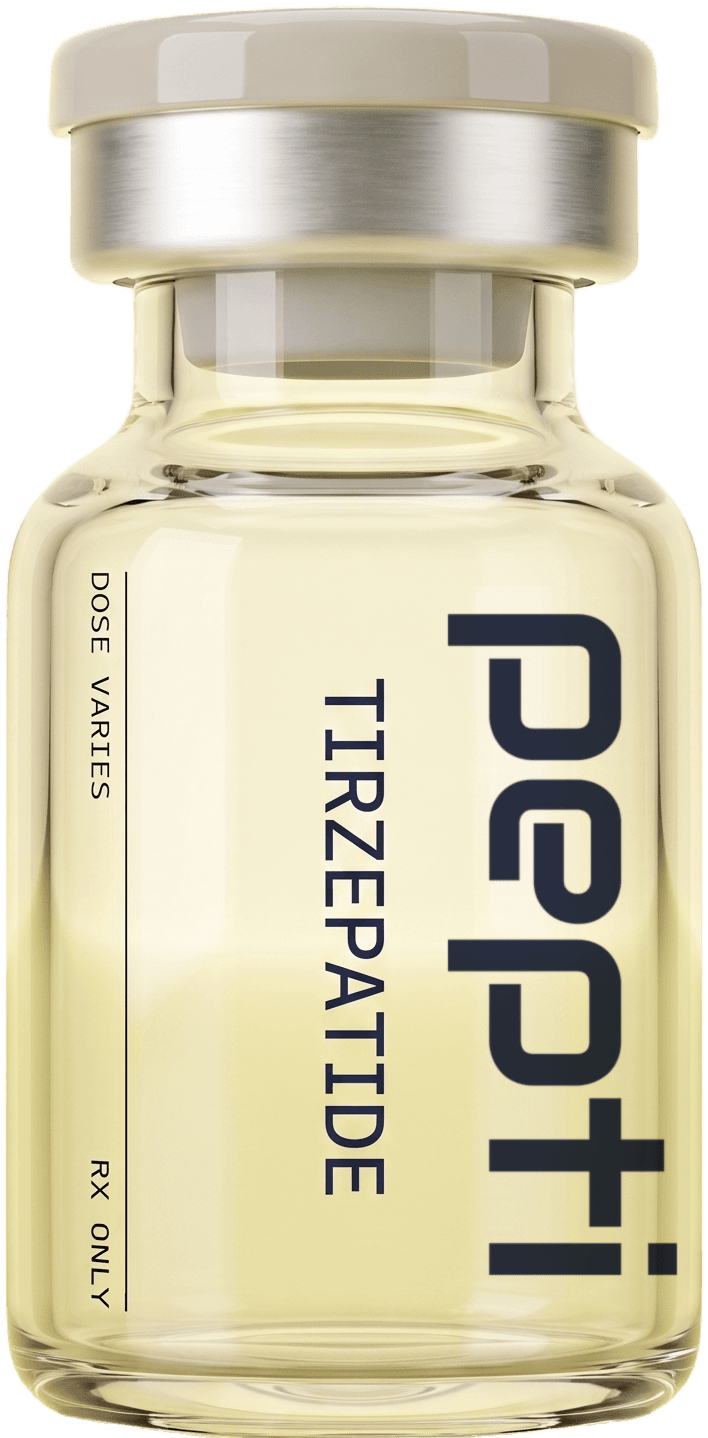
The medications this page covers:
| Medication | What is in it | Price |
|---|---|---|
| Semaglutide | Dose-specific vials at six strengths, starting with 1 mg per 1 mL at the 0.25 mg dose | From $99/mo, priced by dose |
| Tirzepatide | Dose-specific 2 mL vials at six strengths, 2.5 mg to 15 mg weekly; the 2.5 mg and 7.5 mg vials include glycine, an amino acid | From $159/mo, priced by dose |
Prices are all-in: medication, physician review, refill management and shipping, with no membership fee. Both are compounded by PCAB-accredited, FDA-registered US 503A pharmacies. Compounded medications are not FDA approved; the label figures on this page come from the FDA-approved versions, which contain the same molecules.
GLP-1 Acid Reflux
How common reflux is on a GLP-1
The figures below are from the pooled trials behind the approved weight-management labels: semaglutide 2.4 mg against placebo, and tirzepatide across two trials in 2,519 adults for up to 72 weeks.
| Symptom | Semaglutide | Placebo | Tirzepatide | Placebo |
|---|---|---|---|---|
| Reflux (gastroesophageal reflux disease) | 5% | 3% | 4 to 5% | 1 to 2% |
| Dyspepsia (indigestion) | 9% | 3% | 9 to 10% | 4 to 5% |
| Belching | 7% | under 1% | 4 to 5% | 1 to 2% |
| Nausea | 44% | 16% | 25 to 29% | 8% |
| Vomiting | 24% | 6% | 8 to 13% | 2% |
Two things stand out. Placebo rates are not zero, so some reflux in any group of people has nothing to do with the medication. And reflux sits in a cluster with indigestion, belching and nausea, because all four come from the same mechanism.
GLP-1 Acid Reflux
Why GLP-1 medications cause reflux
A slower stomach
Semaglutide and tirzepatide slow the rate at which the stomach hands food on to the intestine. That is part of how they work, because fullness lasts longer after a meal, and it is documented in the approved labels and measured directly. A 2023 trial in Diabetes, Obesity and Metabolism used scintigraphy, the reference method, in 20 women on semaglutide 1.0 mg weekly: the time for half a solid meal to leave the stomach rose from 118 minutes on placebo to 171 minutes on semaglutide, and 37% of the meal was still in the stomach at four hours against none on placebo. A 2020 study reported that tirzepatide also delays emptying, comparably with long-acting GLP-1 medications.
A stomach that holds its contents longer holds acid and volume against the valve at its top for longer. That is the mechanical route to reflux.
Why it stacks up
Reflux on a GLP-1 tends to build like this:
What adds to it Why A portion sized for your old stomach The same volume now stays longer and overshoots A large or late evening meal Lying down removes gravity while the stomach is still full Fried and very fatty food Fat slows stomach emptying on its own, on top of the medication Alcohol Irritates the stomach and relaxes the valve above it Carbonated drinks Add pressure That combination is why people report reflux on a GLP-1 they never had before, and worse on nights they eat late or drink.
Why the first weeks and each step up are the worst
The delay in stomach emptying is largest early and after each dose increase, and lessens with continued exposure. The tirzepatide label states that most nausea, vomiting and diarrhea occurred during dose escalation and decreased over time, and semaglutide's gastrointestinal effects cluster the same way, around starting and each step up. So reflux in the first days at a new strength is the expected pattern, and your experience in the first month is not your experience months later. This is a description of what the trials reported, not a promise about your own timeline.
GLP-1 Acid Reflux
What tends to help
These are general habits. They are not a diet and they do not replace your care team.
| Habit | Why it helps |
|---|---|
| An earlier last meal | Gives the stomach time to empty before you lie down |
| Stay upright for a while after eating | Gravity keeps contents where they belong |
| Smaller portions, eaten slowly | Less volume in a stomach that empties slowly |
| Stop at the first sense of fullness | Fullness arrives later and lasts longer on a GLP-1 |
| Keep fried and very fatty meals to a minimum | High-fat meals sit in the stomach longest |
| Drink fluids between meals rather than with them | Less volume at once |
| Go easy on alcohol, especially after a dose increase | It aggravates both nausea and reflux |
| Choose still drinks over fizzy ones | Carbonation worsens reflux |
More on eating is in what to eat on a GLP-1, and on nausea in GLP-1 nausea: how to manage it. Alcohol is covered in can you drink alcohol on semaglutide and can you drink alcohol on tirzepatide.
Other medicines
GLP-1 medications slow stomach emptying, which can change how quickly some tablets are absorbed, especially in the first weeks. List every medicine you take on your intake, including any over-the-counter reflux or indigestion medicine you already use or plan to start, so your care team can review them together.
What not to do
Do not change, skip or double your GLP-1 dose to manage reflux yourself. Reflux on semaglutide or tirzepatide is a dose and titration question for the prescribing physician, and not a reason to add a second peptide vial. Your physician sets your directions after reviewing your intake, and they are printed on the vial.
GLP-1 Acid Reflux
When reflux needs attention
| Symptom | What to do |
|---|---|
| Reflux or burping that is waking you, or not responding to the habits above | Message your care team |
| Reflux with nausea or vomiting that is stopping you eating or drinking properly | Message your care team |
| Not keeping fluids down, dark urine, dizziness on standing | Contact your care team the same day |
| Severe, persistent upper abdominal pain, sometimes into the back | Seek medical care the same day |
| Right upper abdominal pain, fever, or yellowing of the skin or eyes | Seek medical care the same day |
| Vomiting blood or material like coffee grounds, or black stools | Seek emergency care |
| Chest pain or pressure with breathlessness, sweating, or pain into the arm or jaw | Call 911 |
| Swelling of the face, lips or throat, or trouble breathing | Call 911 |
Why some of these matter
Severe, persistent abdominal pain, sometimes radiating to the back, is the label's description of pancreatitis, which is uncommon but listed on both labels. Right upper abdominal pain with fever or jaundice is the gallbladder pattern; gallstones were reported in 1.6% on semaglutide against 0.7% on placebo. Severe gastrointestinal reactions were reported in 4.1% on semaglutide against 0.9%, and 1.7 to 3.1% on tirzepatide against 1%, and the labels record kidney injury after approval, mostly in people whose vomiting or diarrhea led to dehydration. Both medications are not recommended in severe gastroparesis, so a stomach that already empties slowly is a specific conversation.
Heart symptoms can feel like heartburn. Chest pain or pressure, especially with breathlessness, sweating or pain spreading into the arm or jaw, should never be assumed to be reflux.
Before surgery or sedation
Because the stomach empties more slowly, the labels record rare reports of food still in the stomach under general anesthesia or deep sedation despite following fasting instructions. Tell every provider you take a GLP-1 before any planned procedure, including an endoscopy for reflux.
Bloodwork is not required for any Pepti treatment. If your physician wants labs for your care, they'll ask through your account.
GLP-1 Acid Reflux
What the evidence shows, honestly
Well established: reflux, indigestion and belching are listed, measured side effects of both semaglutide and tirzepatide, they are more common than on placebo, and they follow from the slowing of stomach emptying that is part of how the medications work. The clustering around starting and dose increases is also in the labels.
Less established: the eating habits on this page are general guidance, grounded in mechanism and clinical experience, not in randomized trials of reflux management on a GLP-1. No trial tells you which habit will help you most. The label figures belong to the FDA-approved versions; Pepti's compounded semaglutide and tirzepatide contain the same molecules but have not been trialed themselves. More is in semaglutide side effects and tirzepatide side effects.
GLP-1 Acid Reflux
Where to get a GLP-1 prescribed
Semaglutide and tirzepatide cannot be bought legitimately without a prescription. Products sold "for research use only" have no accountable pharmacy behind their identity, purity, sterility or concentration. The prescription route:
- Complete a free online intake covering your history, every medication you take, any reflux or stomach problems, and what you want help with.
- A physician licensed in your state reviews it, usually within 24 hours.
- If it is appropriate, a PCAB-accredited, FDA-registered US 503A compounding pharmacy prepares it to that prescription. Lot test results are published at /quality/lab-results.
- It ships refrigerated with ice packs, with sterile syringes and alcohol prep pads, and your directions printed on the vial.
- Your care team stays reachable for side effects and dose questions. Refills run every 28 days, one vial per fill.
Pepti is cash-pay and does not bill insurance. Step by step: how to get semaglutide prescribed and how to get tirzepatide prescribed.
References
What this is based on.
References
- Wilding JPH, Batterham RL, Calanna S, et al.. Once-Weekly Semaglutide in Adults with Overweight or Obesity (STEP 1) · New England Journal of Medicine (2021) · PMID 33567185
- Lincoff AM, Brown-Frandsen K, Colhoun HM, et al.. Semaglutide and Cardiovascular Outcomes in Obesity without Diabetes (SELECT) · New England Journal of Medicine (2023) · PMID 37952131
- Wadden TA, Bailey TS, Billings LK, et al.. Effect of subcutaneous semaglutide vs placebo as an adjunct to intensive behavioral therapy on body weight in adults with overweight or obesity (STEP 3) · JAMA (2021) · PMID 33625476
- Rubino D, Abrahamsson N, Davies M, et al.. Effect of Continued Weekly Subcutaneous Semaglutide vs Placebo on Weight Loss Maintenance in Adults With Overweight or Obesity: The STEP 4 Randomized Clinical Trial · JAMA (2021) · PMID 33755728
- Marso SP, Bain SC, Consoli A, et al.. Semaglutide and Cardiovascular Outcomes in Patients with Type 2 Diabetes (SUSTAIN-6) · New England Journal of Medicine (2016) · PMID 27633186
- Davies M, Færch L, Jeppesen OK, et al.. Semaglutide 2.4 mg once a week in adults with overweight or obesity, and type 2 diabetes (STEP 2): a randomised, double-blind, double-dummy, placebo-controlled, phase 3 trial · The Lancet (2021) · PMID 33667417
- Garvey WT, Batterham RL, Bhatta M, et al.. Two-year effects of semaglutide in adults with overweight or obesity: the STEP 5 trial · Nature Medicine (2022) · PMID 36216945
- Rubino DM, Greenway FL, Khalid U, et al.. Effect of Weekly Subcutaneous Semaglutide vs Daily Liraglutide on Body Weight in Adults With Overweight or Obesity Without Diabetes: The STEP 8 Randomized Clinical Trial · JAMA (2022) · PMID 35015037
- Aronne LJ, Horn DB, le Roux CW, et al.. Tirzepatide as Compared with Semaglutide for the Treatment of Obesity (SURMOUNT-5) · New England Journal of Medicine (2025) · PMID 40353578
- Sanyal AJ, Newsome PN, Kliers I, et al.. Phase 3 Trial of Semaglutide in Metabolic Dysfunction-Associated Steatohepatitis (ESSENCE) · New England Journal of Medicine (2025) · PMID 40305708
- Wilding JPH, Batterham RL, Davies M, Van Gaal LF, Kandler K et al.. Weight regain and cardiometabolic effects after withdrawal of semaglutide: The STEP 1 trial extension · Diabetes Obes Metab (2022) · PMID 35441470
- Batsis JA, Gavras A, Gross DC, Cheever CR, Da Silva BR et al.. Effect of Incretin-Based and Nonpharmacologic Weight Loss on Body Composition: A Systematic Review · Ann Intern Med (2026) · PMID 41996180
Citations are provided for educational purposes. They do not constitute medical advice. Always discuss any peptide protocol with your prescribing physician.
Common questions
GLP-1 Acid Reflux, answered.
Yes. Reflux is listed on both approved labels: 5% on semaglutide against 3% on placebo, and 4 to 5% on tirzepatide against 1 to 2%. It comes mainly from slower stomach emptying, which holds food and acid in the stomach longer.
Semaglutide slows the stomach, so a meal stays there longer. A portion sized for your old appetite, a late meal, fatty food, alcohol or fizzy drinks all add to it. It is most common in the days after starting and after a dose increase.
Yes. On the approved tirzepatide label, reflux was reported by 4 to 5% against 1 to 2% on placebo, with indigestion at 9 to 10% and burping at 4 to 5%. The mechanism is the same slowing of stomach emptying.
The tirzepatide label reports that most nausea, vomiting and diarrhea occurred during dose escalation and decreased over time, and the slowing of stomach emptying is largest early. How long it lasts for you is not something anyone can promise; reflux that is not easing is a reason to message your care team.
An earlier last meal, staying upright after eating, smaller portions eaten slowly, stopping at the first fullness, keeping fried and fatty food to a minimum, and less alcohol and carbonation. If it keeps waking you, message your care team.
List any reflux or indigestion medicine on your intake or tell your care team before starting one. GLP-1 medications can change how quickly some tablets are absorbed, so your care team should see everything you take together.
Do not change your dose yourself. Reflux on a GLP-1 is a dose and titration question for your prescribing physician. Message your care team; any change in directions arrives printed on the vial.
Severe upper abdominal pain into the back, right upper pain with fever or yellowing, vomiting blood or black stools need same-day or emergency care. Chest pain or pressure with breathlessness, sweating or pain into the arm or jaw is a 911 call.
The label figures are similar: 5% against 3% for semaglutide and 4 to 5% against 1 to 2% for tirzepatide, from different trials. Both produce the same family of side effects. See semaglutide vs tirzepatide.
Lying down removes gravity while a slow-emptying stomach is still full, especially after a large or late evening meal. An earlier last meal and staying upright for a while after eating are the habits that usually help.
Bloodwork is not required for any Pepti treatment. If your physician wants labs for your care, they'll ask through your account. Tell any provider doing an endoscopy that you take a GLP-1. The free assessment goes to a physician licensed in your state. A consultation does not guarantee a prescription.
Related answers
Keep reading.
- What Is a GLP-1? Meaning, How GLP-1 Medications Work, and the List by Generic Name
- GLP-1 and Blood Pressure: What Semaglutide and Tirzepatide Do, and the Low Blood Pressure Risk
- GLP-1 and Dehydration: Why It Happens on Semaglutide and Tirzepatide and the Signs to Act On
- GLP-1 and Exercise: Training on Semaglutide or Tirzepatide, Lean Mass and What to Watch
- GLP-1 and the Gallbladder: Gallstone Risk on Semaglutide and Tirzepatide and the Symptoms to Act On
Next step
See what a physician recommends for you.
A licensed physician in your state reviews your intake to see whether treatment fits your history. A consultation does not guarantee a prescription.