Anti-Aging · Reference
Can You Take GHK-Cu With Tirzepatide or Semaglutide?
GHK-Cu can be prescribed alongside tirzepatide or semaglutide when a physician reviewing your intake judges it appropriate, but no study has tested the combination and nothing shows GHK-Cu changes skin or hair during GLP-1 treatment.
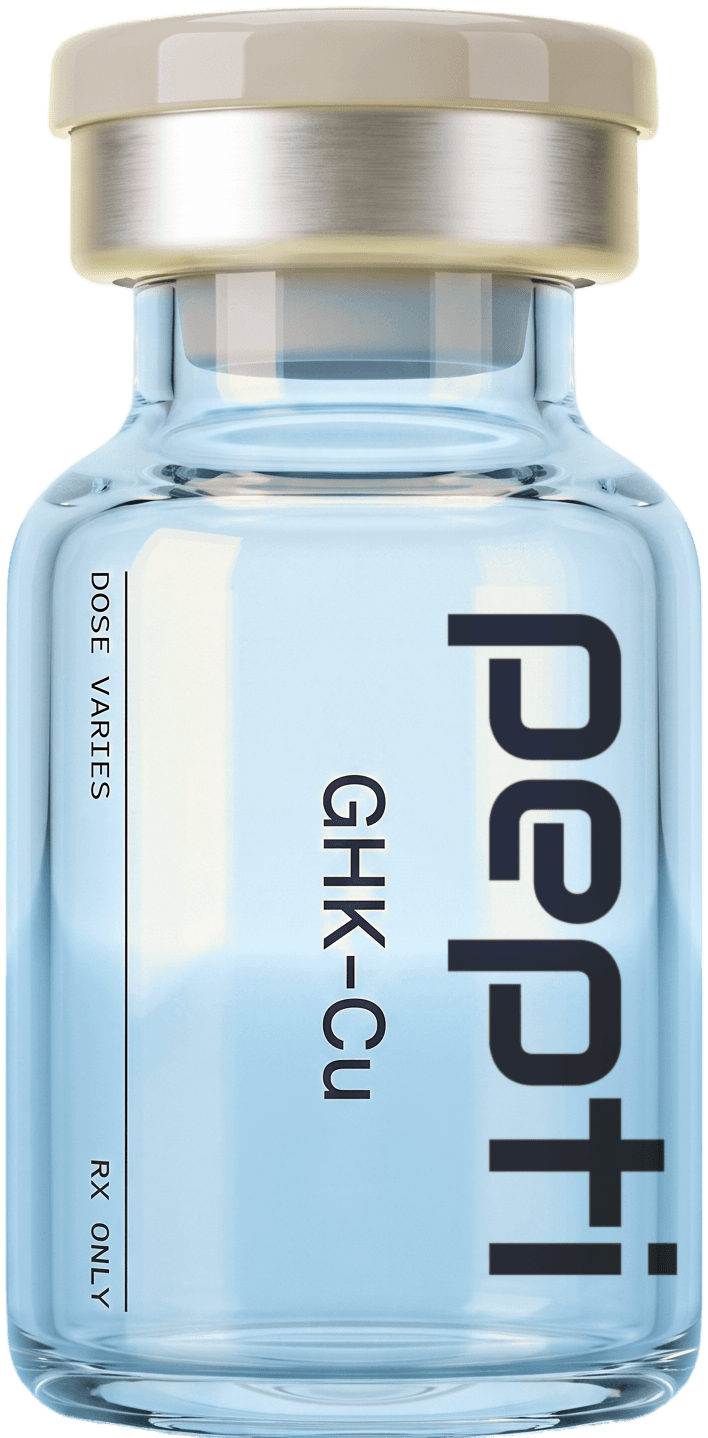
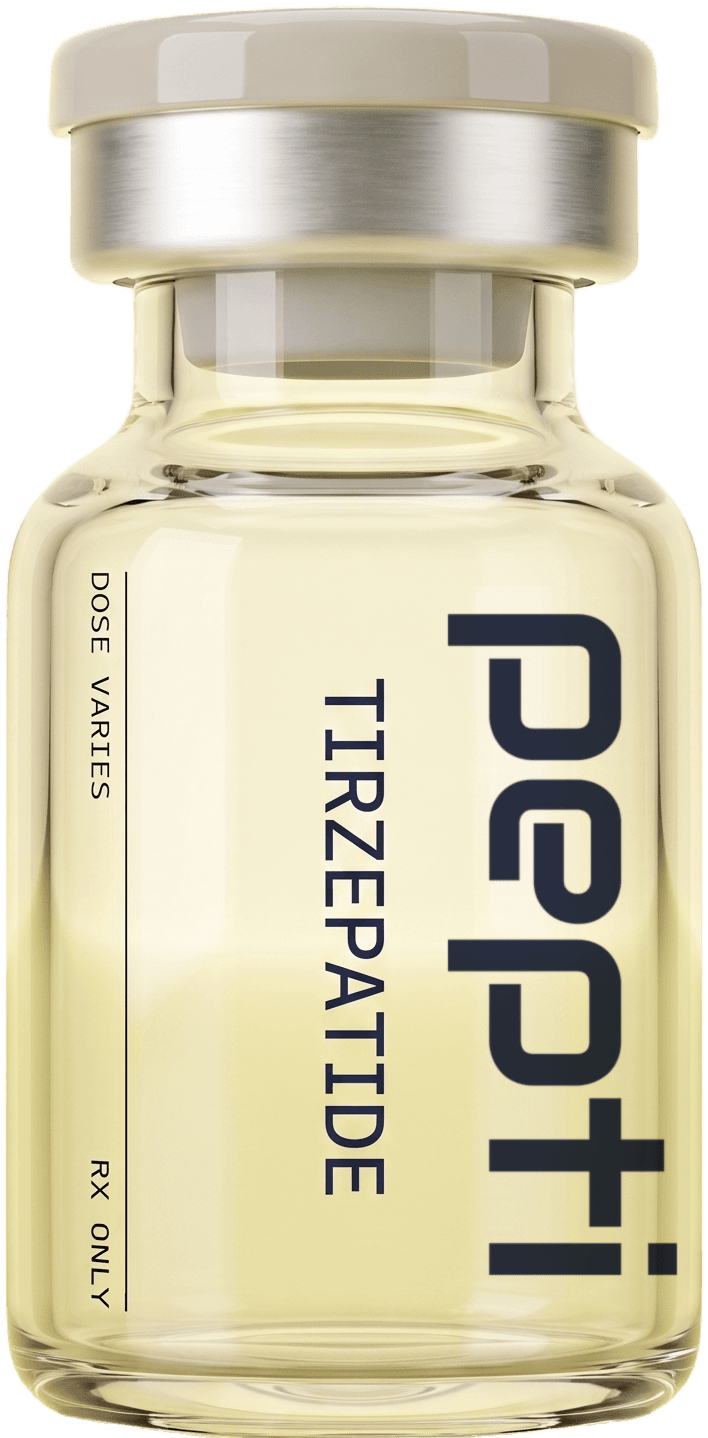
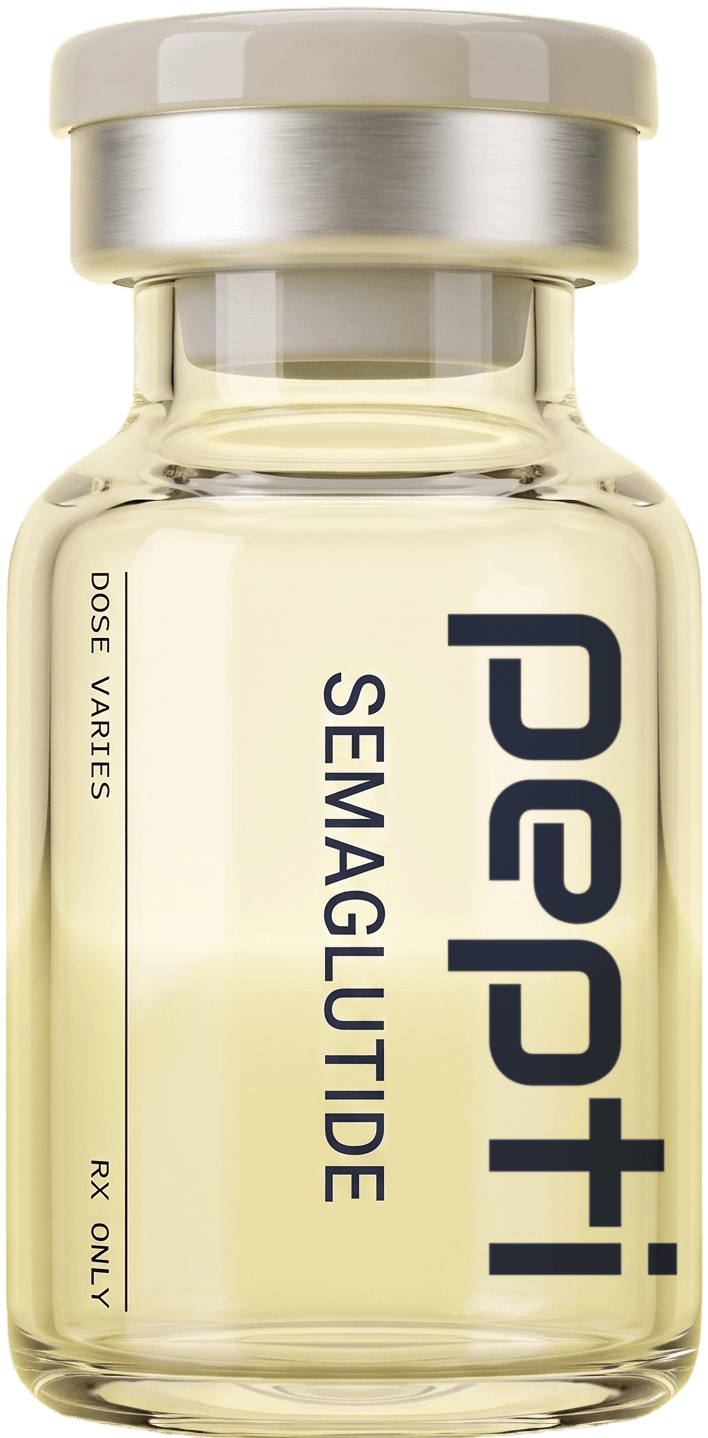
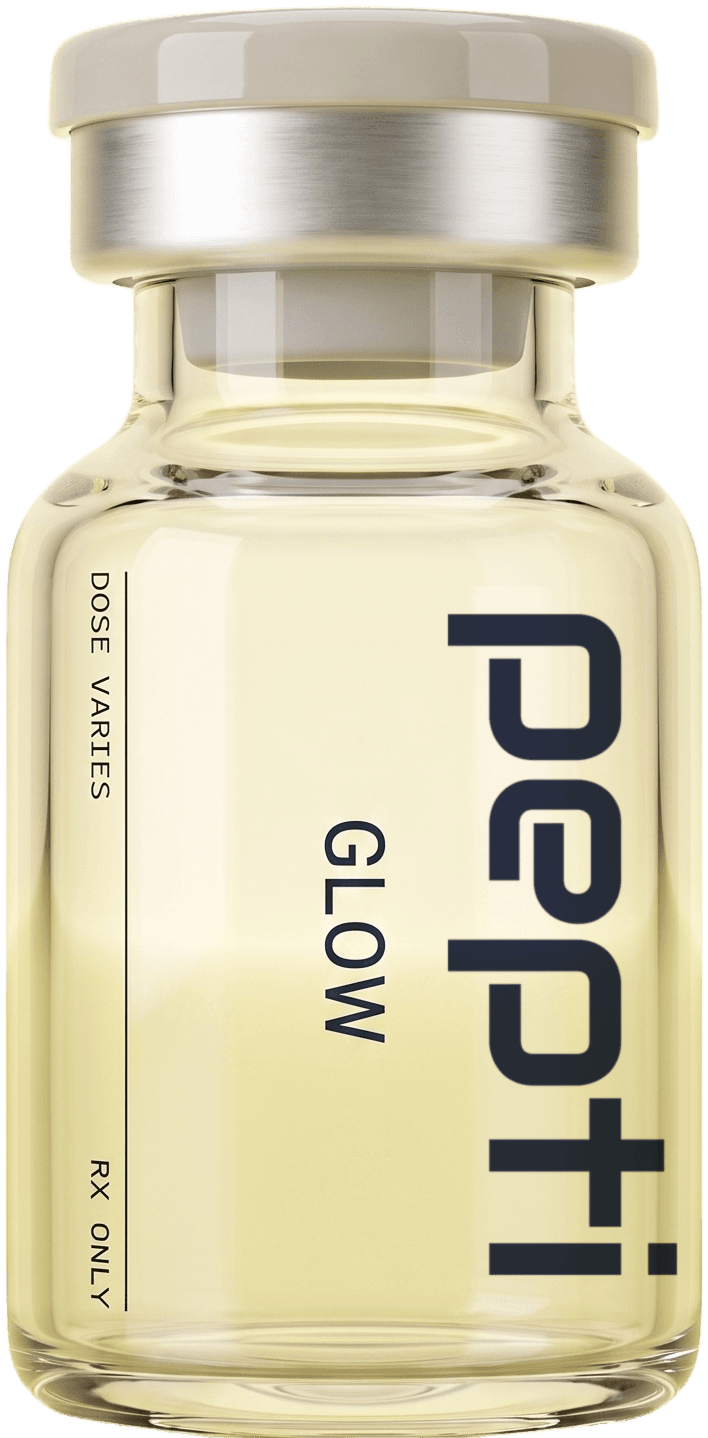
The two act on unrelated systems: tirzepatide on appetite and gastric emptying through the GIP and GLP-1 receptors, GHK-Cu on collagen synthesis and matrix remodelling as described in cell and animal work. People usually ask because of hair shedding or skin changes during weight loss. Hair loss on a GLP-1 is uncommon, is attributed on the label to weight reduction, and is reported to your care team; no peptide is a treatment for it.
This page covers what each medication is, what is known about combining them, the hair and skin questions, the copper points, how the schedules fit, and how to add GHK-Cu properly. Everything here applies to semaglutide the same way.
Can You Take GHK-Cu With Tirzepatide or Semaglutide?
The short answer
| Question | Answer |
|---|---|
| Can they be prescribed together? | Yes, when a physician reviewing your intake judges it appropriate |
| Has the combination been studied? | No |
| Do they act on the same system? | No. Tirzepatide acts at the GIP and GLP-1 receptors; GHK-Cu is a copper-binding tripeptide described around collagen and matrix |
| Does GHK-Cu treat GLP-1 hair loss? | No. There is no human trial of GHK-Cu with hair growth as its endpoint, topical or injected |
| Is there an established interaction? | No interaction list exists for GHK-Cu, because the trials that would produce one have not been run |
| What should be on the intake? | Copper-metabolism disorders, high-dose zinc, and any cancer history |
| Same answer for semaglutide? | Yes |
The medications this page covers:
| Product | What is in it | Typical directions | Price |
|---|---|---|---|
| GHK-Cu | 5 mL multi-dose vial, GHK-Cu 10 mg/mL (50 mg per vial) | 0.25 mL (25 units) under the skin once daily, Monday through Friday | $239/mo |
| Tirzepatide | Dose-specific 2 mL vials at six strengths, 2.5 mg to 15 mg weekly; glycine in the 2.5 mg and 7.5 mg vials | 0.50 mL (50 units) once weekly at every strength | From $159/mo |
| Semaglutide | Dose-specific vials at six strengths, starting with 1 mg per 1 mL at the 0.25 mg starting dose | Printed on the vial for your strength | From $99/mo |
Prices are all-in, covering medication, physician review, refill management and shipping, with no membership fee. GLP-1 prices are "from" prices, set by dose. Compounded medications are not FDA approved.
Can You Take GHK-Cu With Tirzepatide or Semaglutide?
Two medications doing two different jobs
Tirzepatide
Tirzepatide is a single peptide that activates the GIP and GLP-1 receptors. It acts on appetite centres in the brain, slows gastric emptying and changes insulin and glucagon signalling. See what is tirzepatide.
GHK-Cu
GHK is a tripeptide, glycine, histidine and lysine, found naturally in human plasma, and GHK-Cu is that tripeptide bound to copper. In cell and animal work it is described as stimulating collagen, elastin and glycosaminoglycan synthesis, tuning the enzymes that remodel tissue, and supporting new blood-vessel growth. It is not a hormone and does not act on appetite, growth hormone or insulin. The solution is blue because of the copper complex. See what is GHK-Cu.
Side by side
Tirzepatide GHK-Cu What it is A dual GIP and GLP-1 receptor agonist A copper-binding tripeptide Described target Appetite, gastric emptying, insulin and glucagon Collagen, matrix remodelling, copper delivery Acts on appetite? Yes No Human evidence Large randomised trials of the approved product Topical only: small cosmetic studies on photoaged skin and a diabetic ulcer gel study. No randomised trials of the injectable Schedule at Pepti Once weekly Once daily, Monday through Friday FDA status Compounded versions are not FDA approved Injectable removed from Category 2 in April 2026; advisory committee review scheduled before the end of February 2027 No shared receptor, no described shared pathway. That makes a direct interaction unlikely on mechanism, which is a different thing from a tested pairing.
Can You Take GHK-Cu With Tirzepatide or Semaglutide?
The hair question
Hair shedding is the most common reason people on a GLP-1 ask about GHK-Cu, so it is worth being precise about what is known on each side.
| What is known | |
|---|---|
| How often hair loss is reported on semaglutide | 3.3% against 1% on placebo, almost entirely in women; the label attributes it to weight reduction |
| How often on tirzepatide | 4 to 5% against 1 to 2% on placebo |
| The usual pattern | Diffuse shedding consistent with telogen effluvium, which follows triggers such as rapid weight loss, illness or eating too little, two to four months later |
| What helps, per the GLP-1 references | Enough protein, a sensible pace of change, eating regularly, and reporting it |
| GHK-Cu and hair in the research | A 2007 cell-culture study on human hair follicles kept in a dish, and animal models. No human trial, topical or injected |
The live hair reference is direct: none of the peptides discussed for hair is a treatment for GLP-1 shedding, and none is a substitute for fixing the trigger. If you are shedding, tell your care team what you are actually eating, especially protein, and report it early. Thyroid problems and iron deficiency cause the same pattern and are worth ruling out. More is in peptides for hair growth and tirzepatide side effects.
Can You Take GHK-Cu With Tirzepatide or Semaglutide?
The skin question
Some people want GHK-Cu for skin quality while their weight is changing. The human skin evidence for GHK-Cu is topical: cosmetic studies, mostly in women with photoaged facial skin over 8 to 12 weeks, reporting instrument-measured changes in density, firmness and fine lines, most of it in conference proceedings and industry reports. There is no published human study showing injected GHK-Cu reaches skin at a concentration that does anything, and no study of GHK-Cu during weight loss at all. Prescribers who use the injectable for skin are reasoning from mechanism and experience, which is a basis for prescribing, not a demonstrated result. More is in peptides for skin and GHK-Cu benefits.
Can You Take GHK-Cu With Tirzepatide or Semaglutide?
Copper, zinc and cancer history
These are the GHK-Cu points that belong on your intake whatever else you take:
- Copper-metabolism disorders. Each dose holds a small amount of chelated copper, well below dietary intake, but anyone with Wilson's disease or another copper-metabolism disorder should not use a copper-delivering peptide.
- High-dose zinc. Zinc competes with copper. If you have started supplements alongside a GLP-1, list them all.
- Cancer history. GHK-Cu has a described angiogenic thread, so a personal history of cancer should be raised. Separately, a personal or family history of medullary thyroid carcinoma or MEN 2 rules out tirzepatide and semaglutide because of their boxed rodent thyroid warning.
Can You Take GHK-Cu With Tirzepatide or Semaglutide?
Fitting the schedules together
| GHK-Cu | Tirzepatide | |
|---|---|---|
| Draw | 0.25 mL (25 units on a U-100 insulin syringe) | 0.50 mL (50 units) |
| Medication per dose | 2.5 mg GHK-Cu | Your weekly strength, 2.5 mg to 15 mg |
| How often | Once daily, Monday through Friday | Once weekly, same day each week |
| Doses per vial | 20 | 4 |
| One vial lasts | About four weeks | Four weeks |
The GHK-Cu figures are math from the vial: 0.25 mL of a 10 mg/mL solution is 2.5 mg, and 5 mL at 0.25 mL is 20 doses, five a week for four weeks. Both run on a 28-day refill cycle, one vial per fill.
- Two vials, two syringes, two sites. Never mix them; each label was calculated against its own concentration.
- Keep your tirzepatide day fixed. On a shared weekday, inject each at a different site.
- A transient blue tint at the site is described with GHK-Cu and comes from the copper complex.
- Refrigerate both. A marked colour change in the GHK-Cu vial is a reason to contact the pharmacy rather than inject.
GHK-Cu inside a blend
GHK-Cu is also in GLOW and KLOW with BPC-157 and TB-500, in ETERNAL, and in the RADIANCE Blend with tesamorelin at $249 a month. RADIANCE adds a growth-hormone-axis component, and growth hormone reduces insulin sensitivity while GLP-1 medications act in the other direction, so glucose becomes part of the monitoring conversation. If you take any of these, a separate GHK-Cu vial would duplicate it.
Can You Take GHK-Cu With Tirzepatide or Semaglutide?
Who should discuss it first
| Situation | Why |
|---|---|
| Wilson's disease or any copper-metabolism disorder | Rules out a copper-delivering peptide |
| High-dose zinc supplementation | Competes with copper |
| Personal history of cancer | Angiogenesis is a described GHK-Cu mechanism |
| Personal or family history of medullary thyroid carcinoma or MEN 2 | Rules out tirzepatide and semaglutide |
| Pregnancy, planning pregnancy or breastfeeding | Neither is used |
| Hair shedding already under way | Report it first; the trigger matters more than any add-on |
| Oral contraceptives | May be absorbed less reliably for four weeks after starting tirzepatide and after each dose increase |
Bloodwork is not required for any Pepti treatment. If your physician wants labs for your care, they'll ask through your account.
Can You Take GHK-Cu With Tirzepatide or Semaglutide?
Semaglutide works the same way
Semaglutide acts at GLP-1 only, where tirzepatide acts at GLP-1 and GIP. Its label reports hair loss at 3.3% against 1% and ties it to weight reduction, and its other side effects run the same way. The answer on this page is unchanged for semaglutide, and semaglutide and tirzepatide are never taken together. See semaglutide vs tirzepatide.
Can You Take GHK-Cu With Tirzepatide or Semaglutide?
How to add GHK-Cu to a GLP-1 properly
- Say what you are trying to address. "My hair is shedding" is a message about the GLP-1 first. "I want to work on skin quality" is a separate request.
- List every supplement, especially zinc, and any blend you take.
- Start when your GLP-1 dose is steady, so any reaction has one plausible cause.
- Allow for slow processes. Collagen and the hair cycle run over months, and nothing in the research describes an effect you would feel early.
Your physician sets your directions after reviewing your intake, and every vial arrives with its directions printed on the label. More on combining is in can you take two peptides together and what peptides can you take with tirzepatide. Step-by-step: how to get GHK-Cu prescribed and how to get tirzepatide prescribed.
Can You Take GHK-Cu With Tirzepatide or Semaglutide?
What the evidence shows, honestly
Tirzepatide has a large human trial base in its approved form. GHK-Cu has well-replicated cell and animal work, human data only as a topical, and no randomised trials of the injectable. Nobody has studied GHK-Cu with a GLP-1, during weight loss, or for GLP-1 hair shedding. The pairing is reasonable to discuss because the two have unrelated targets. Any source presenting GHK-Cu as the fix for GLP-1 hair loss or loose skin is overstating what exists.
References
What this is based on.
References
- Wilding JPH, Batterham RL, Calanna S, et al.. Once-Weekly Semaglutide in Adults with Overweight or Obesity (STEP 1) · New England Journal of Medicine (2021) · PMID 33567185
- Lincoff AM, Brown-Frandsen K, Colhoun HM, et al.. Semaglutide and Cardiovascular Outcomes in Obesity without Diabetes (SELECT) · New England Journal of Medicine (2023) · PMID 37952131
- Wadden TA, Bailey TS, Billings LK, et al.. Effect of subcutaneous semaglutide vs placebo as an adjunct to intensive behavioral therapy on body weight in adults with overweight or obesity (STEP 3) · JAMA (2021) · PMID 33625476
- Rubino D, Abrahamsson N, Davies M, et al.. Effect of Continued Weekly Subcutaneous Semaglutide vs Placebo on Weight Loss Maintenance in Adults With Overweight or Obesity: The STEP 4 Randomized Clinical Trial · JAMA (2021) · PMID 33755728
- Marso SP, Bain SC, Consoli A, et al.. Semaglutide and Cardiovascular Outcomes in Patients with Type 2 Diabetes (SUSTAIN-6) · New England Journal of Medicine (2016) · PMID 27633186
- Davies M, Færch L, Jeppesen OK, et al.. Semaglutide 2.4 mg once a week in adults with overweight or obesity, and type 2 diabetes (STEP 2): a randomised, double-blind, double-dummy, placebo-controlled, phase 3 trial · The Lancet (2021) · PMID 33667417
- Garvey WT, Batterham RL, Bhatta M, et al.. Two-year effects of semaglutide in adults with overweight or obesity: the STEP 5 trial · Nature Medicine (2022) · PMID 36216945
- Rubino DM, Greenway FL, Khalid U, et al.. Effect of Weekly Subcutaneous Semaglutide vs Daily Liraglutide on Body Weight in Adults With Overweight or Obesity Without Diabetes: The STEP 8 Randomized Clinical Trial · JAMA (2022) · PMID 35015037
- Aronne LJ, Horn DB, le Roux CW, et al.. Tirzepatide as Compared with Semaglutide for the Treatment of Obesity (SURMOUNT-5) · New England Journal of Medicine (2025) · PMID 40353578
- Sanyal AJ, Newsome PN, Kliers I, et al.. Phase 3 Trial of Semaglutide in Metabolic Dysfunction-Associated Steatohepatitis (ESSENCE) · New England Journal of Medicine (2025) · PMID 40305708
- Wilding JPH, Batterham RL, Davies M, Van Gaal LF, Kandler K et al.. Weight regain and cardiometabolic effects after withdrawal of semaglutide: The STEP 1 trial extension · Diabetes Obes Metab (2022) · PMID 35441470
- Batsis JA, Gavras A, Gross DC, Cheever CR, Da Silva BR et al.. Effect of Incretin-Based and Nonpharmacologic Weight Loss on Body Composition: A Systematic Review · Ann Intern Med (2026) · PMID 41996180
Citations are provided for educational purposes. They do not constitute medical advice. Always discuss any peptide protocol with your prescribing physician.
Common questions
Can You Take GHK-Cu With Tirzepatide or Semaglutide?, answered.
It can be prescribed alongside tirzepatide when a physician reviewing your intake judges it appropriate. The two act on unrelated systems, but no study has tested the combination.
The answer is the same as for tirzepatide.
There is no evidence that it does. GLP-1 hair loss is attributed on the label to weight reduction and usually follows the telogen effluvium pattern. Report it, keep protein intake up, and let your care team check other causes.
That has never been studied. The human skin data for GHK-Cu is topical and cosmetic, and no study has looked at injected GHK-Cu during weight loss.
No interaction is described, and no interaction list exists for GHK-Cu because the trials have not been run. Your physician reviews everything you take, including supplements.
Yes, as two separate injections from two separate vials, each with its own syringe and at a different site.
Cosmetic GHK-Cu creams are sold without a prescription and are where the human skin data comes from. Whether an injection adds anything on top is untested.
No. It does not act on appetite, insulin or growth hormone.
No. Bloodwork is not required for any Pepti treatment. If your physician wants labs for your care, they'll ask through your account. The free assessment goes to a physician licensed in your state. A consultation does not guarantee a prescription.
Related answers
Keep reading.
- GHK-Cu: What It Is, Where to Get It Prescribed, and What It Costs
- Tirzepatide: What It Is, Where to Get It Prescribed, and What It Costs
- Do You Need a Prescription for GHK-Cu? Is It Legal to Buy Online?
- Can You Drink Alcohol on GHK-Cu? Liver & Copper Facts
- Can You Take GLOW With Tirzepatide or Semaglutide?
Next step
See what a physician recommends for you.
A licensed physician in your state reviews your intake to see whether treatment fits your history. A consultation does not guarantee a prescription.