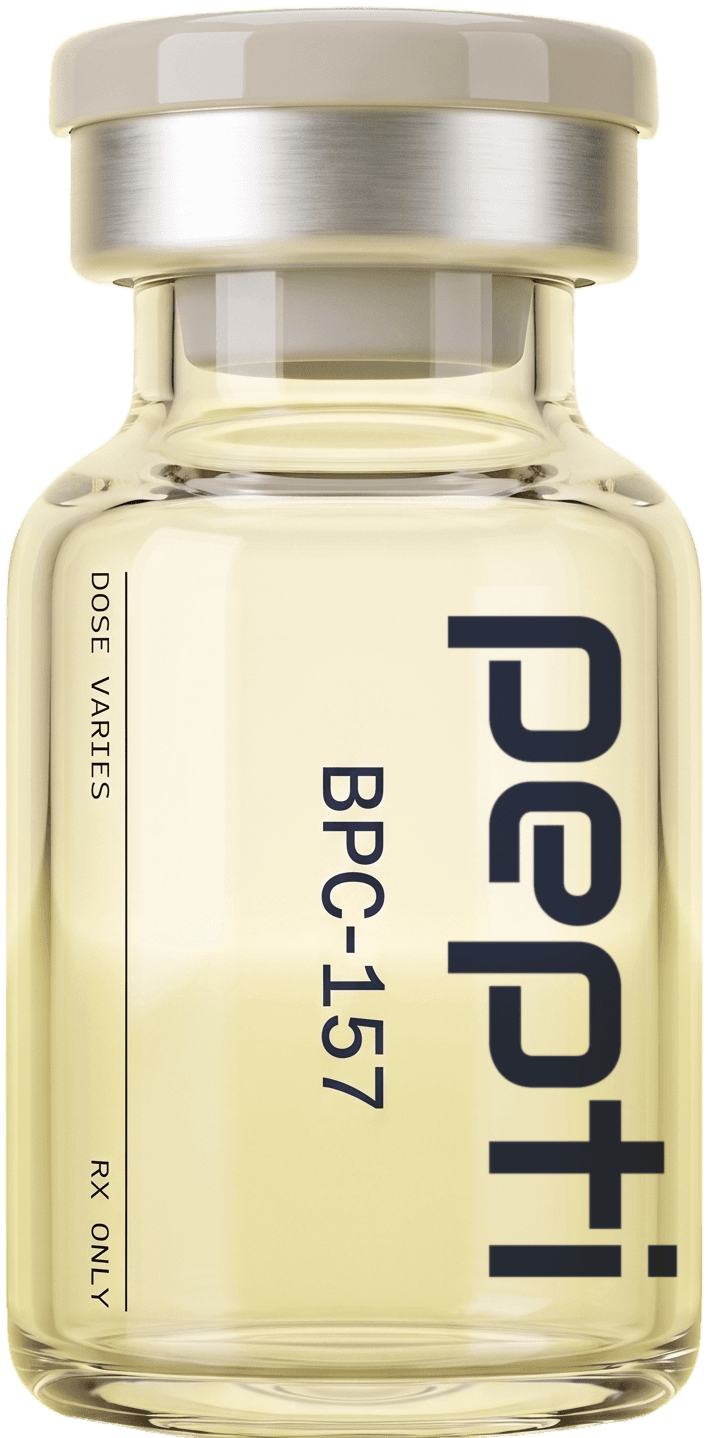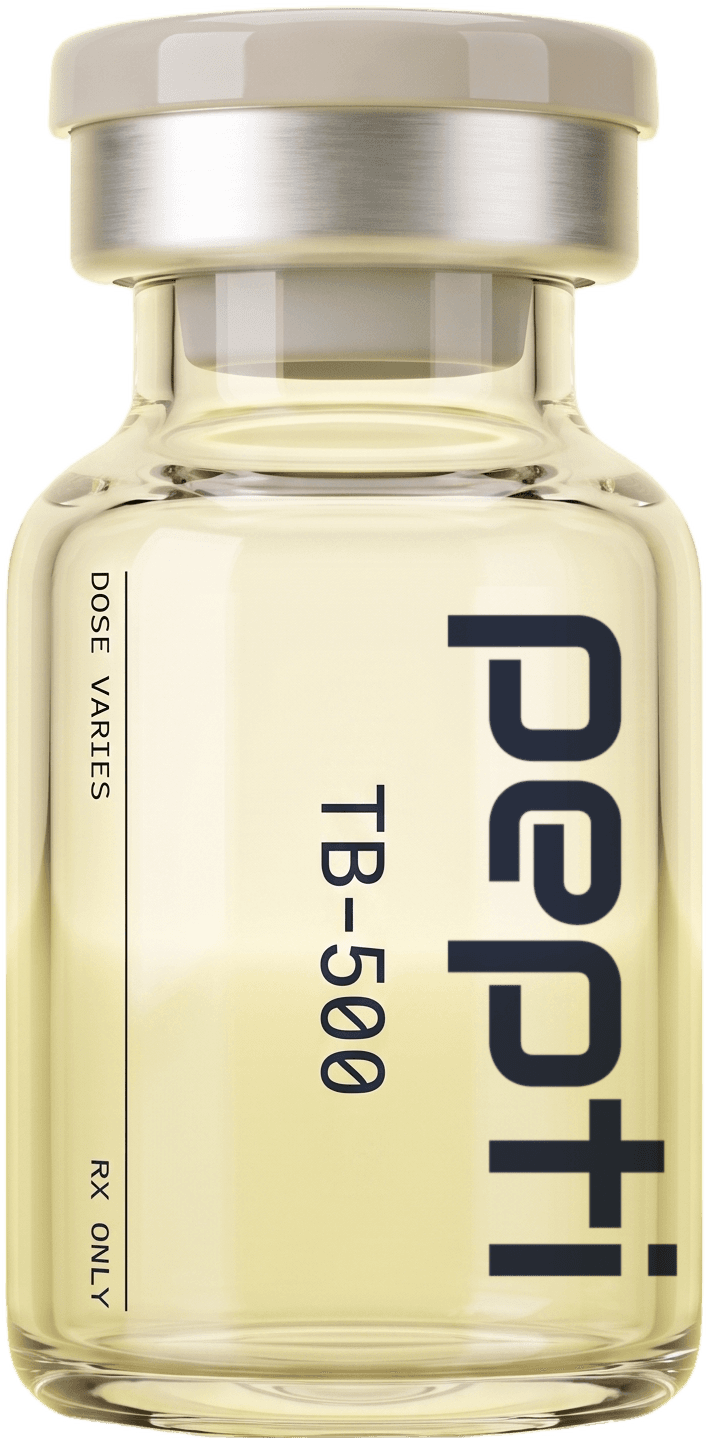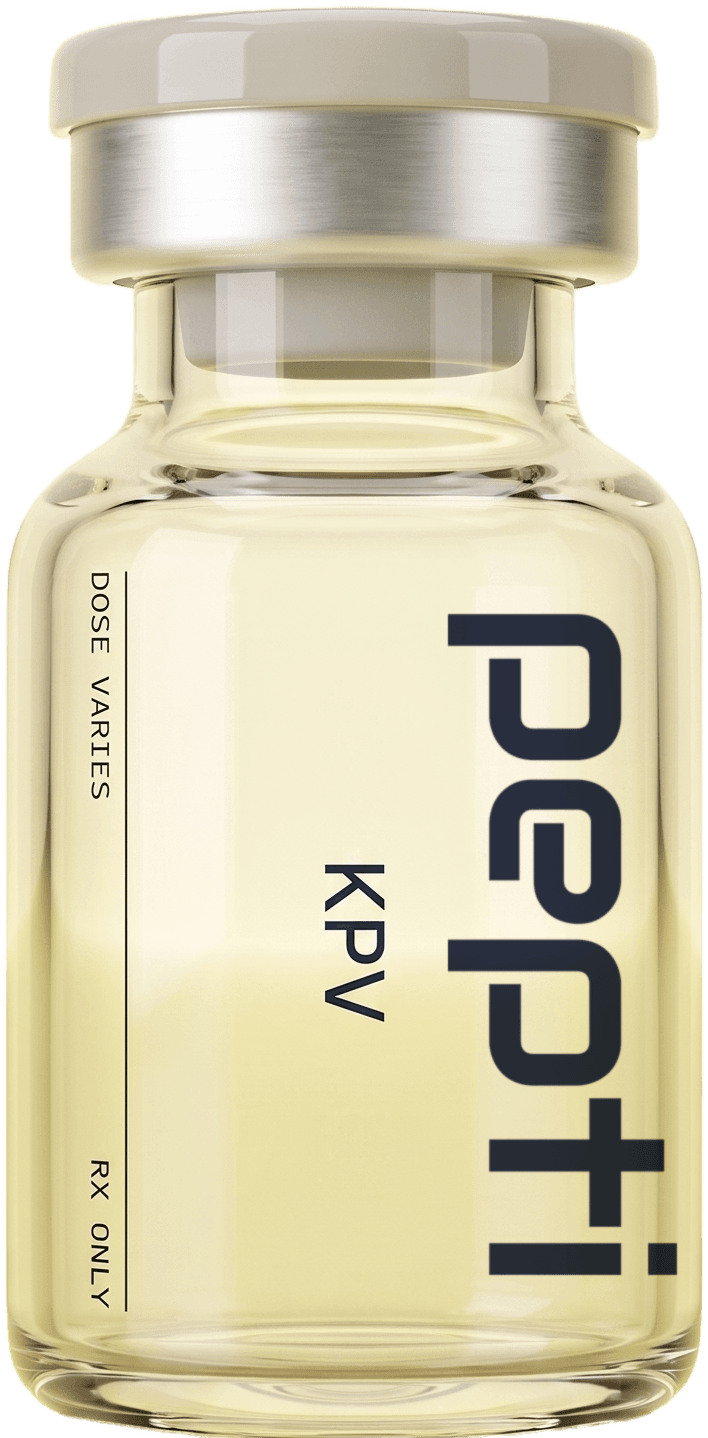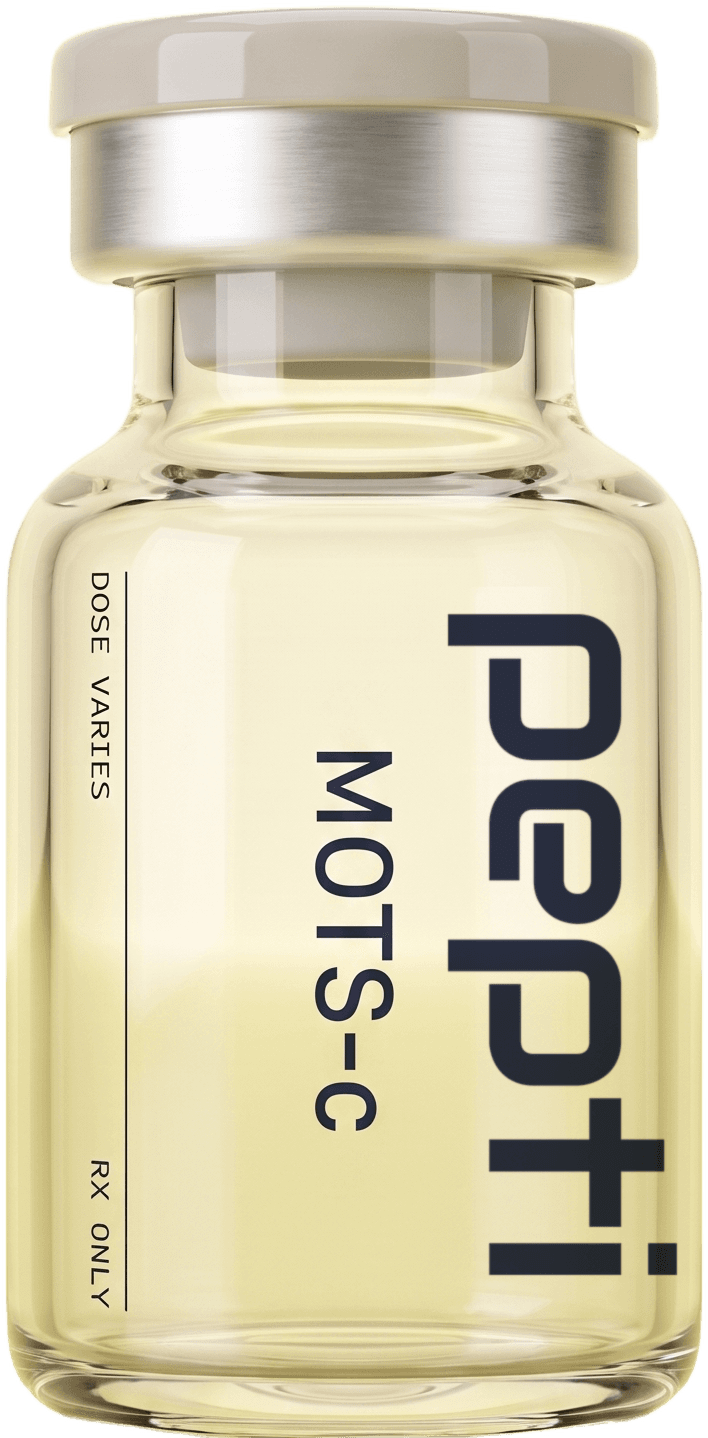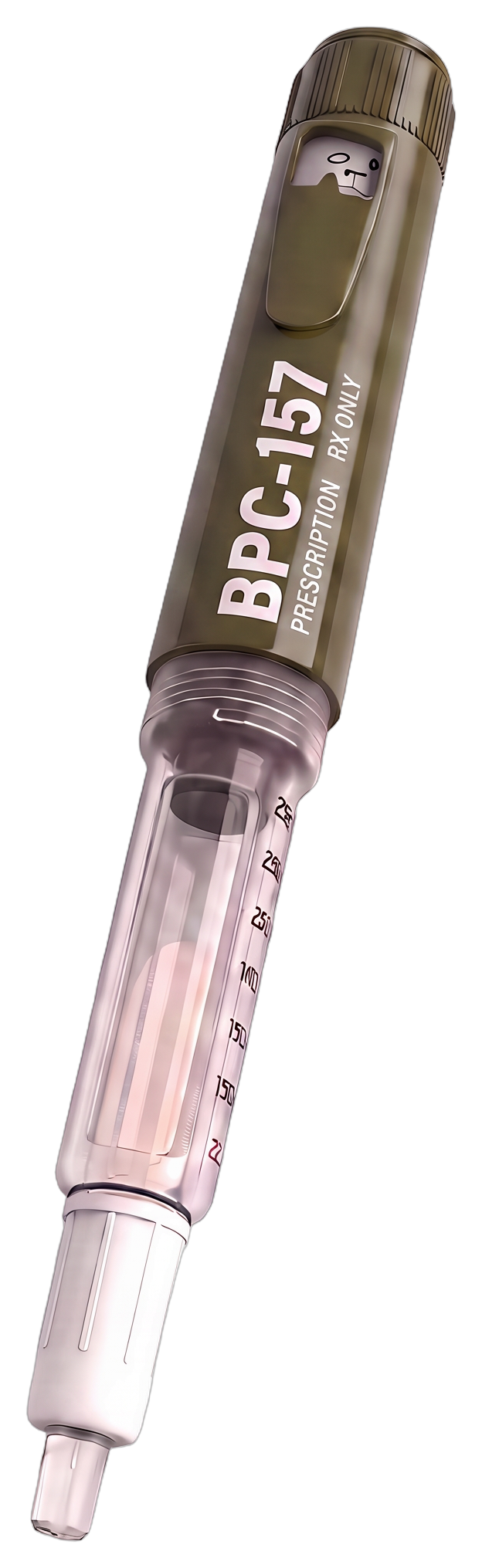
On 22 October 2026, a patient-safety advocacy group asked FDA to disregard the 23 July 2026 Pharmacy Compounding Advisory Committee vote on seven peptide substances and to oppose bulk compounding of BPC-157, KPV, TB-500, MOTS-c, emideltide, semax, and epitalon. The filing affects patients and clinicians following access to compounded peptides, including Pepti patients prescribed BPC-157, TB-500, KPV, MOTS-c, or semax, but it does not change treatment access as of 24 October 2026.
What happened
A citizen petition submitted to FDA on 22 October 2026 asks the agency to set aside the Pharmacy Compounding Advisory Committee vote held on 23 July 2026 and to reject bulk compounding of seven peptide substances: BPC-157, KPV, TB-500, MOTS-c, emideltide, semax, and epitalon.
FDA’s own meeting materials for the 23 July 2026 Pharmacy Compounding Advisory Committee meeting identify those substances as the peptide-related items under review for compounding under section 503A of the Federal Food, Drug, and Cosmetic Act. FDA staff materials for the meeting recommended against placing the seven substances on the 503A bulk drug substances list, while the committee vote did not follow the staff recommendation for most of the substances.
The petition argues that the committee’s vote should not be relied on because, according to the petition, some members had financial or professional ties related to the peptide industry. Federal conflict-of-interest law for federal employees and special government employees is set out in 18 U.S.C. 208, and FDA advisory committee members can be subject to those rules depending on appointment status and waivers.
The petition also says the group made test purchases of peptide products and alleges that shipments were sent across state lines with syringes and without research-use-only labeling. Those allegations are now before FDA as part of the petition request; they do not, by themselves, change the legal status of any Pepti product.
What it changes for patients
As of 24 October 2026, nothing changes immediately for Pepti patients. Patients prescribed BPC-157, TB-500, KPV, MOTS-c, or semax should continue to follow the instructions from their prescribing clinician.
A citizen petition is a request for FDA action, not an FDA decision. FDA may grant, deny, or issue a tentative response, but the petition does not itself remove a substance from clinical use, cancel prescriptions, or change a patient’s 28-day refill schedule.
For patients starting care, Pepti’s normal process still applies: medical intake through the assessment, clinician review, any indicated blood testing, and dispensing only when a clinician writes a prescription. Patients can also review Pepti’s quality process at quality and product testing information at lab results.
What it does not change
The petition does not change the prescription requirement. Peptides offered through Pepti are prescribed only after a licensed clinician determines that treatment is appropriate for an individual patient.
It also does not change the compounded status of these medications. FDA does not review compounded medications for premarket approval in the same way it reviews commercially manufactured drug products. FDA’s compounding guidance explains that compounded drugs can be prepared for identified individual patients when statutory conditions are met, but they remain different from approved new drug products.
The filing also does not mean that FDA has made a final policy decision on BPC-157, KPV, TB-500, MOTS-c, or semax. The relevant legal question is whether a substance can be used in compounding under the 503A framework, including the rules for bulk drug substances.
The background
Section 503A of the Federal Food, Drug, and Cosmetic Act describes conditions under which a state-licensed pharmacy or physician may compound drug products for identified individual patients. One condition involves whether a bulk drug substance is eligible for use in compounding, including whether it appears on a list developed by FDA or otherwise meets statutory requirements.
The Pharmacy Compounding Advisory Committee is an advisory body. Its vote can inform FDA, but FDA makes the agency decision.
The 23 July 2026 meeting focused on peptide substances that have drawn attention from patients, clinicians, compounders, and regulators. For Pepti reference pages, read what is BPC-157, what is TB-500, what is KPV, what is MOTS-c, and what is semax.
What happens next
The documented next step is FDA review of the citizen petition under the agency’s citizen-petition rule. Under 21 C.F.R. 10.30, FDA generally responds to a citizen petition by approving it, denying it, or issuing a tentative response explaining why the agency has not reached a decision.
Until FDA acts, Pepti will continue to monitor FDA materials, the 503A bulk-substance process, and any agency statement that changes prescribing or dispensing requirements. If FDA issues a decision affecting a Pepti product, Pepti will update patients with product-specific information.
Frequently asked questions
Does this stop access to BPC-157, KPV, TB-500, MOTS-c, or semax?
No. A citizen petition asks FDA to act, but it is not itself an FDA order, rule, or enforcement action. As of 24 October 2026, Pepti’s prescribing process for these products has not changed.
Why does the PCAC vote matter?
The Pharmacy Compounding Advisory Committee gives FDA advice on compounding issues, including whether nominated bulk drug substances should be used under section 503A. FDA can consider the committee vote, FDA staff analysis, public comments, and other information before making a decision.
Are compounded peptides reviewed the same way as approved drug products?
No. FDA’s compounding materials explain that compounded medications are prepared under a different legal framework and are not reviewed through the same premarket approval pathway used for new drug products. That is why Pepti emphasizes clinician oversight, prescription-only access, and quality documentation.
What should current Pepti patients do?
Current patients should keep following their prescribed instructions and contact their Pepti clinician with product-specific questions. Do not change dosing, stop treatment, or add another product without medical guidance.