On 1 October 2026, affiliate-supported GLP-1 price guides said many online sellers they reviewed advertised a lower headline price than the amount due at checkout. The claim affects patients comparing online semaglutide and tirzepatide options, but it does not change prescription rules, 28-day refills, or the compounded status of these medications.
What happened
On 1 October 2026, a commercial price-guide release said its review found that only about one in five online GLP-1 sellers published a price that passed every pricing check used by the guides. The release said more than half of the tirzepatide and semaglutide sellers it reviewed advertised a headline price that was lower than the amount shown at checkout, and it said 28-day billing intervals can look lower than calendar-month comparisons while covering fewer days.
The release also said most sellers it reviewed did not charge a recurring membership fee. At the same time, it highlighted other pricing variables that can affect the final amount due, including shipping, setup fees, required prepayment, and plan length.
This was not an FDA audit, a regulator action, or an independent peer-reviewed analysis. The release did not name sellers, did not provide a sample size, and said the guides earn affiliate revenue from some sellers they cover. The primary-source materials reviewed for this post address the regulatory status, prescription status, and labeling context for semaglutide and tirzepatide; they do not provide a seller-by-seller checkout-price audit.
What it changes for patients
Nothing changes today in how patients access semaglutide or tirzepatide through a legitimate medical channel. Patients still need a prescription, an appropriate clinical evaluation, and dispensing through a qualified pharmacy or outsourcing facility when a compounded medication is used.
What does change is the level of attention patients may want to bring to price comparison. A headline price may not include every required charge. Before starting or continuing care, patients should compare the final checkout amount, the refill interval, any required shipping or handling charge, any intake or setup charge, and whether the plan requires prepayment beyond the next 28-day refill.
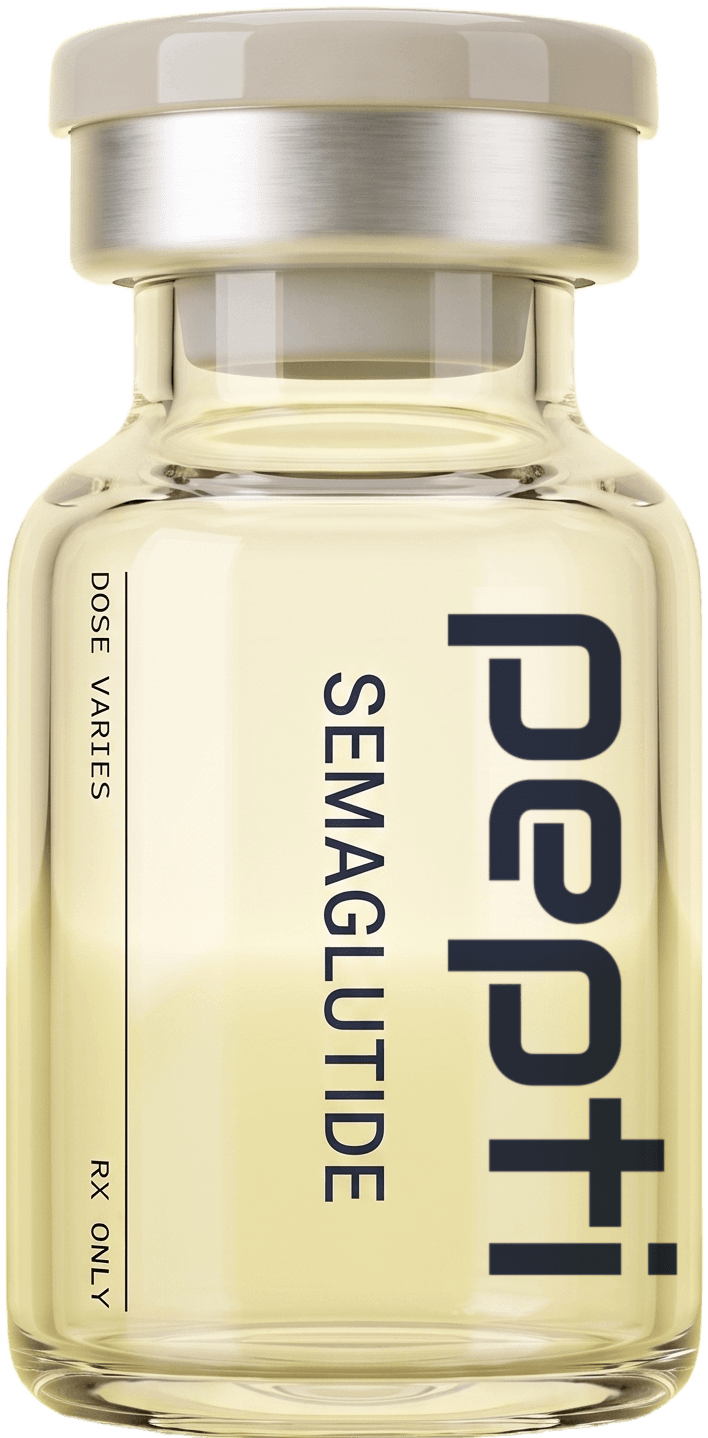
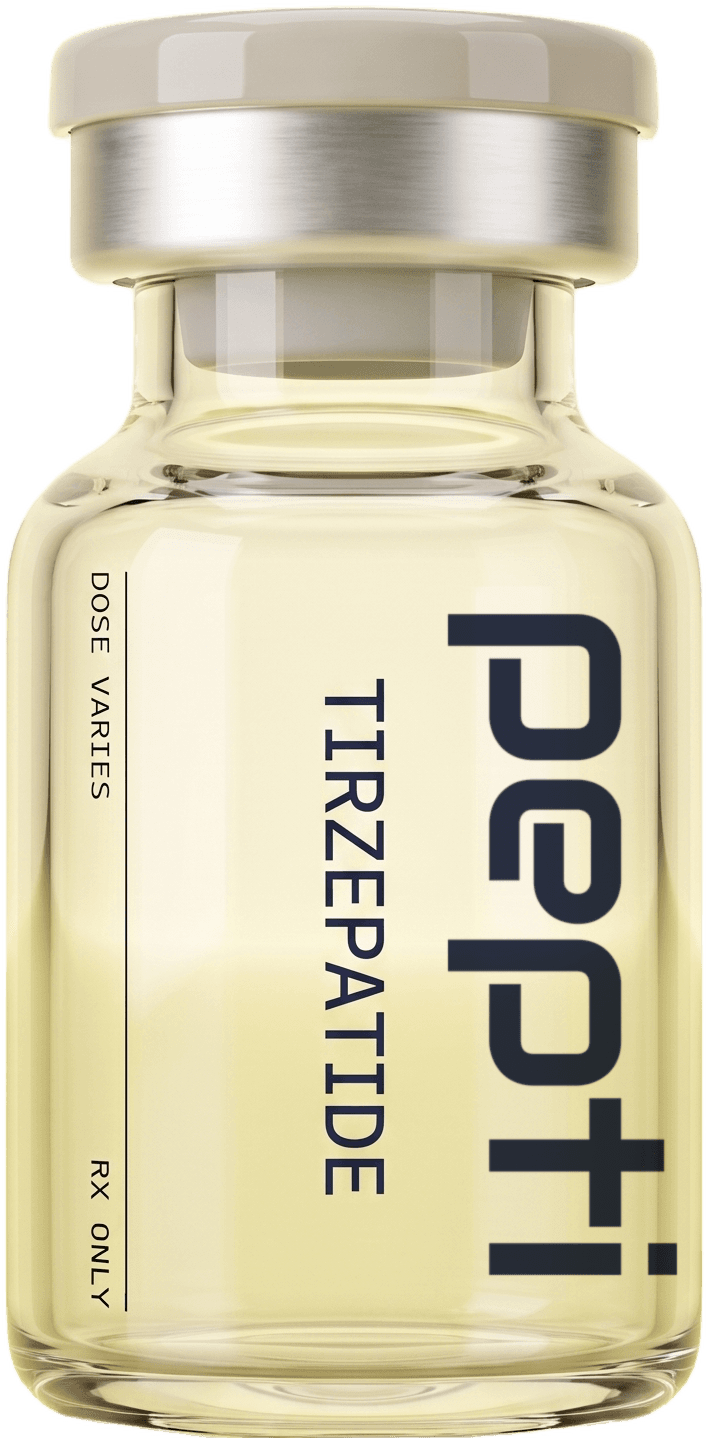
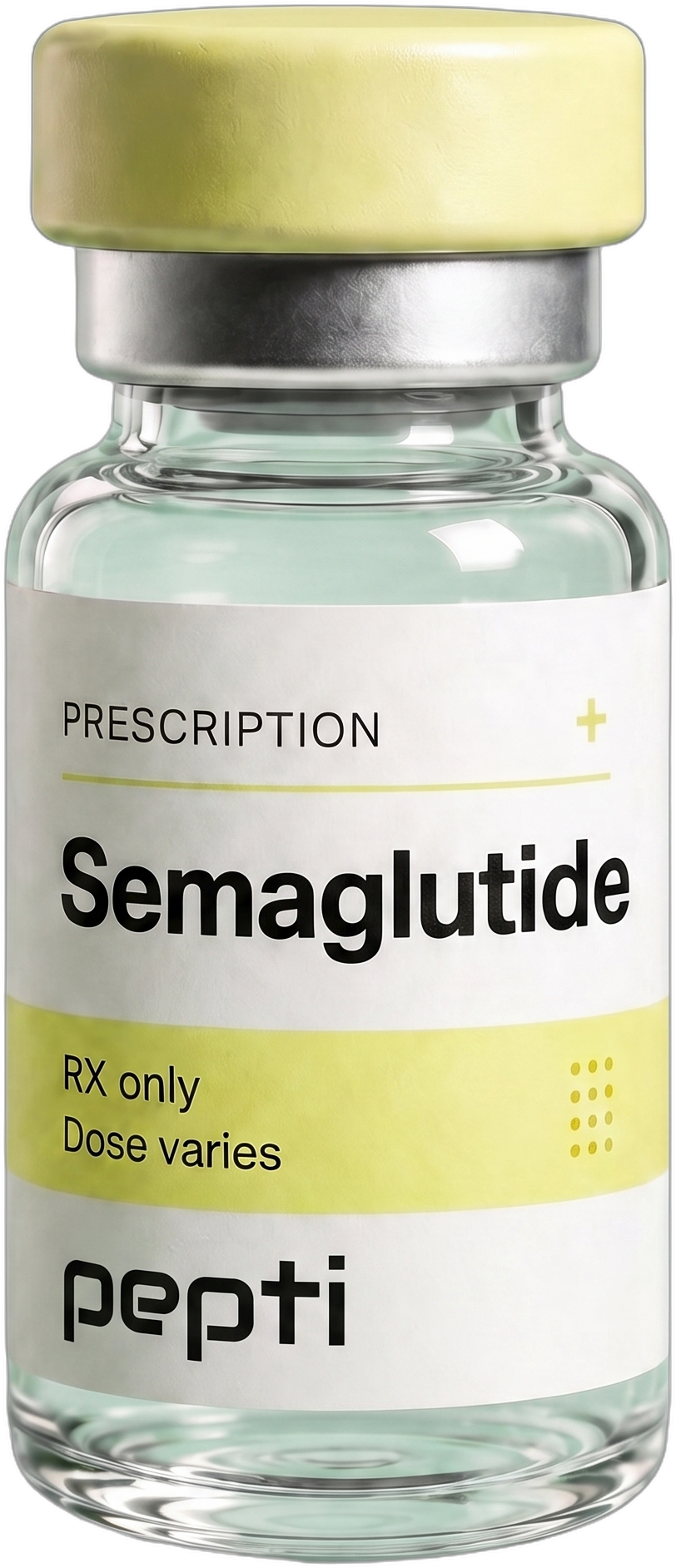
For Pepti information, patients can review semaglutide, tirzepatide, semaglutide cost, and tirzepatide cost pages before completing an assessment.
What patients should compare at checkout
Patients comparing GLP-1 telehealth options should look beyond the first number shown on an advertisement. The practical question is the total amount required to receive the next 28-day refill and the services attached to it.
Useful comparison points include whether shipping is included, whether clinician review is included, whether supplies are included, whether labs are required now or later, whether the plan can be canceled before the next refill, and whether the refill amount changes when a clinician adjusts the prescribed strength. Patients should also check whether the price displayed is for a 28-day refill, a calendar month, or a longer prepaid period.
If blood work is part of the care plan, patients should review how blood testing is handled. If a delivery device is part of the plan, patients should review device information such as the pen page when applicable.
What it does not change
The release does not change the prescription requirement. Federal law distinguishes prescription drugs from drugs that can be used safely without professional supervision, and prescription drugs must be dispensed under the conditions set by law.
The release also does not change the status of compounded medications. FDA states that compounded drugs are not FDA-approved, and FDA does not review compounded drugs for safety, effectiveness, or quality before they are marketed. That matters when reading advertising language: a compounded semaglutide or compounded tirzepatide product should not be described as FDA-approved.
The release does not change Pepti’s 28-day refill framing, clinical intake process, quality review, or pharmacy coordination standards. Patients can review Pepti’s quality and lab results information for more detail.
The background
Semaglutide is a GLP-1 receptor agonist. Tirzepatide is a GIP and GLP-1 receptor agonist. FDA labeling for branded semaglutide and tirzepatide injection products describes once-weekly subcutaneous administration, with dosing determined according to the product label and the prescribing clinician’s judgment.
Compounded semaglutide and compounded tirzepatide are different from branded labeled products. They may be prescribed when a licensed clinician determines that a compounded medication is appropriate for a specific patient, but compounded medications are not reviewed by FDA for safety, effectiveness, or quality before dispensing.
For background reading, see what is semaglutide and what is tirzepatide.
What the primary sources say
FDA’s compounding materials state that compounded drugs can serve an important role for patients whose medical needs cannot be met by an available drug product. FDA also states that compounded drugs present risks because they do not undergo FDA premarket review for safety, effectiveness, or quality.
FDA’s GLP-1 safety communication tells patients to obtain GLP-1 medications with a prescription from a licensed health care provider and from state-licensed pharmacies or FDA-registered outsourcing facilities. It also warns against unapproved sources and identifies concerns with dosing and product quality in the compounded GLP-1 market.
FDA labeling for semaglutide and tirzepatide injection products provides primary-source context on route and frequency of administration for the branded reference products. Those labels do not set online telehealth checkout prices, membership fees, shipping charges, or advertising rules for compounded offerings.
How Pepti handles pricing context
Pepti’s cost pages are intended to show product-specific pricing information in the same place patients review medication options. Patients can compare semaglutide cost and tirzepatide cost before beginning the intake process.
Patients should still read the full checkout page before payment. If a plan includes required labs, supplies, shipping, or a device, those items should be visible before the order is placed. A clear comparison is based on the final amount due for the next 28-day refill, not only the first number shown in an advertisement.
What happens next
There is no documented FDA rule change, enforcement action, or labeling change tied to the 1 October 2026 price-guide release in the primary sources reviewed for this post. The documented next step for patients is practical: verify the final checkout amount, refill interval, prescription process, and pharmacy pathway before payment.
Pepti will continue to present product and cost information through its own pages and assessment flow. Patients who have questions about whether semaglutide or tirzepatide is appropriate should start with the assessment, not with an advertisement alone.
Frequently asked questions
Did this release find that GLP-1 medications are unsafe?
No. The release was about advertised pricing and checkout charges, not a clinical safety finding. FDA’s separate materials discuss regulatory and quality concerns with compounded GLP-1 products and advise patients to use licensed medical and pharmacy channels.
Are compounded semaglutide and tirzepatide FDA-approved?
No. FDA states that compounded drugs are not FDA-approved and are not reviewed by FDA for safety, effectiveness, or quality before marketing. A prescription and clinician oversight are still required.
Why does a 28-day refill matter when comparing prices?
A 28-day refill covers four weeks. A calendar month can be longer than 28 days, so patients should compare the same refill length when evaluating advertised prices and checkout totals.
Where should I check Pepti pricing?
Use Pepti’s product cost pages rather than a third-party ad alone. The relevant pages are semaglutide cost and tirzepatide cost.