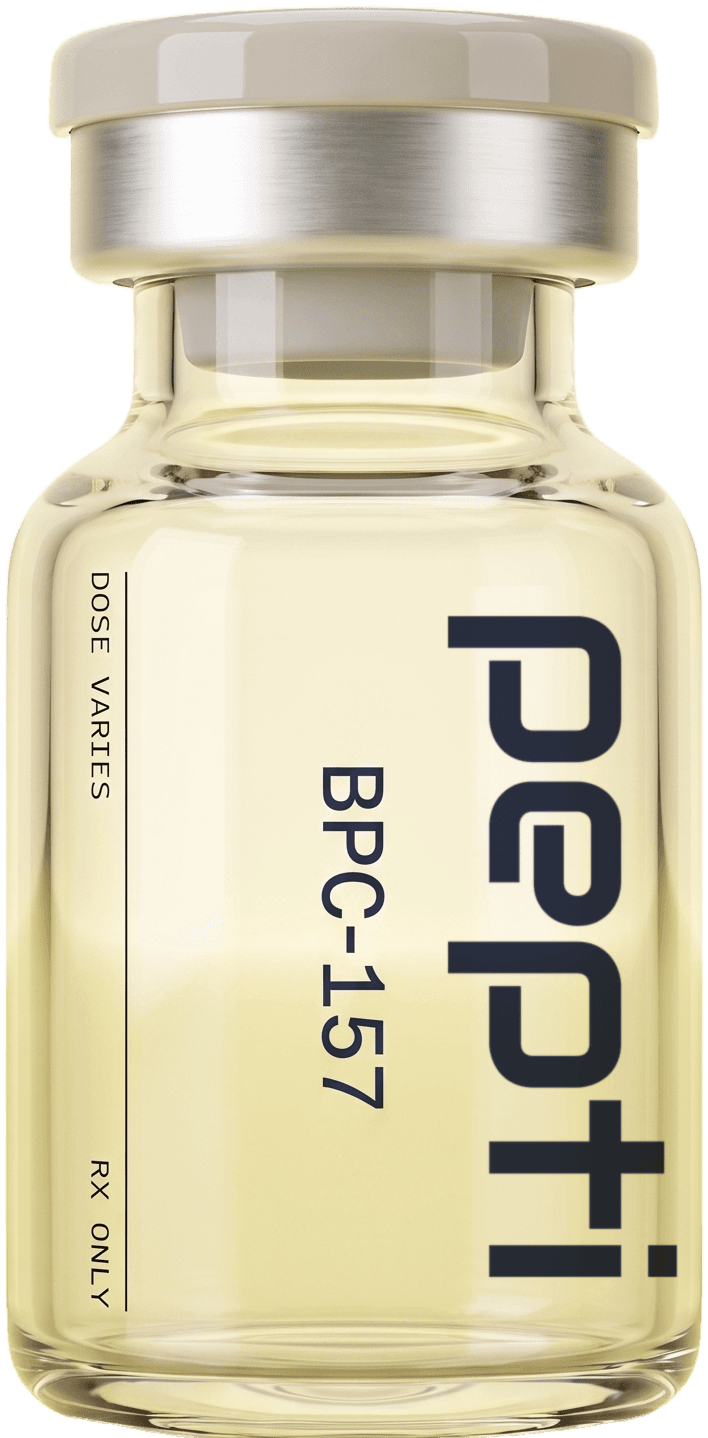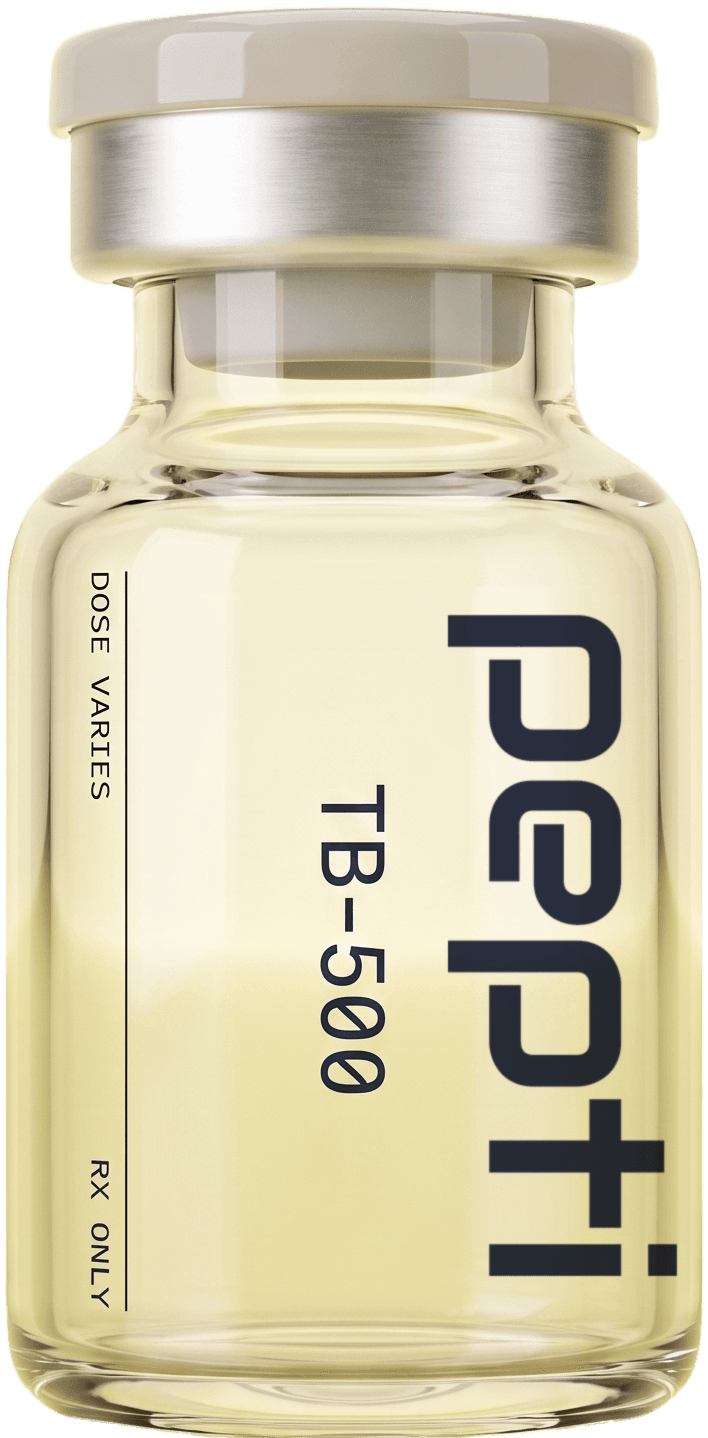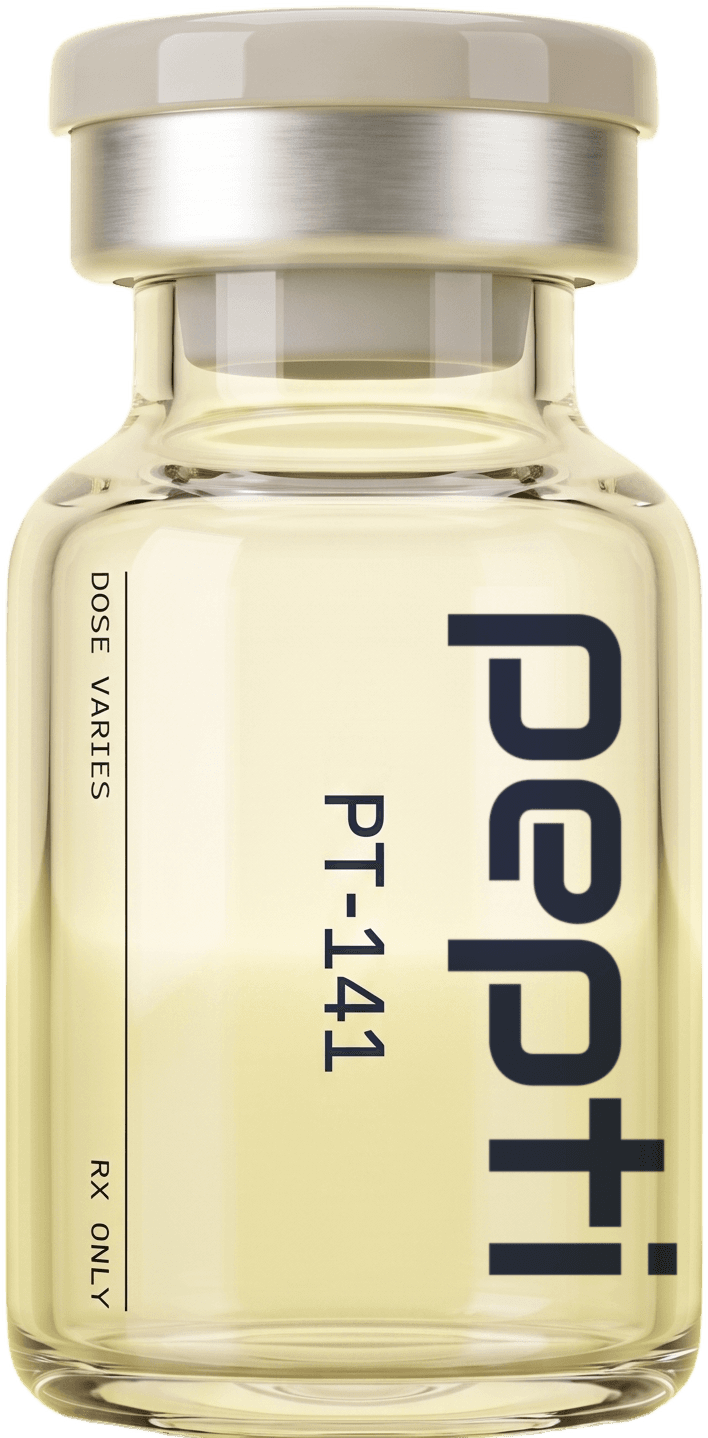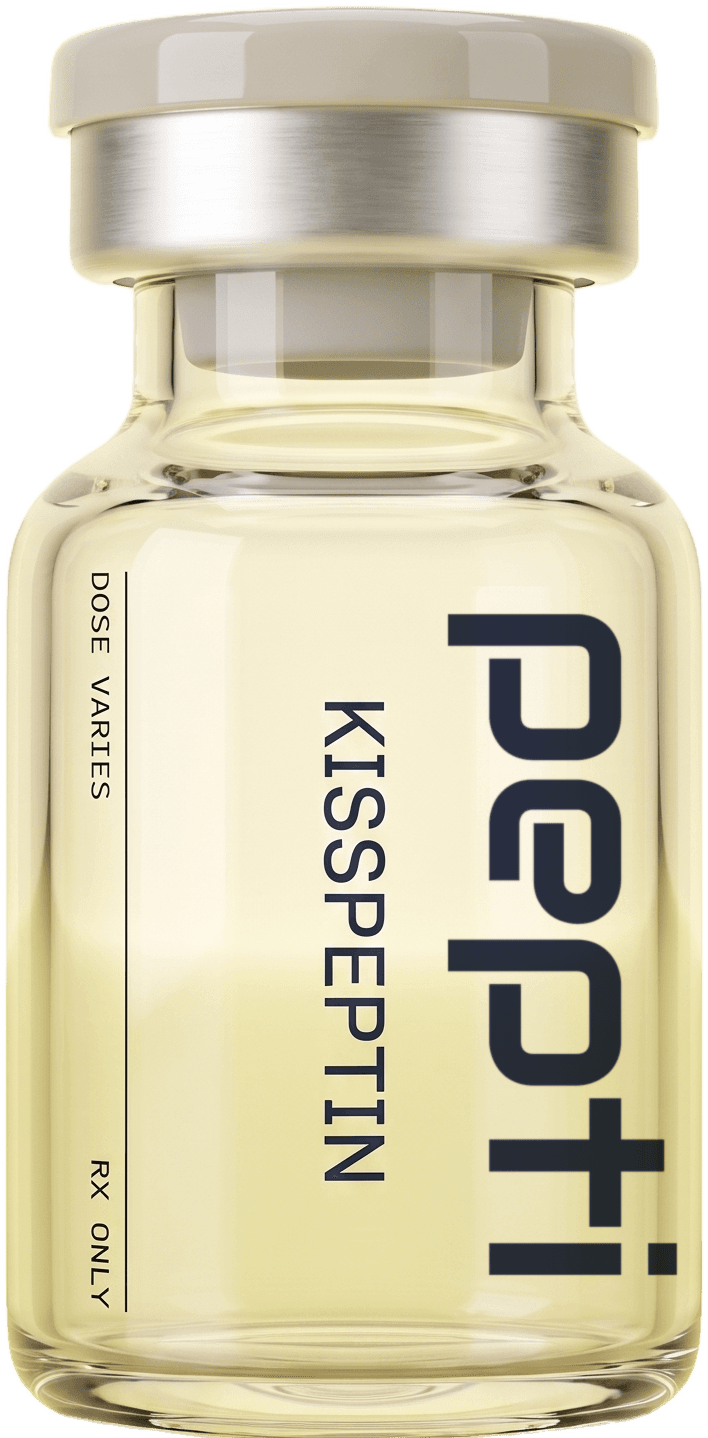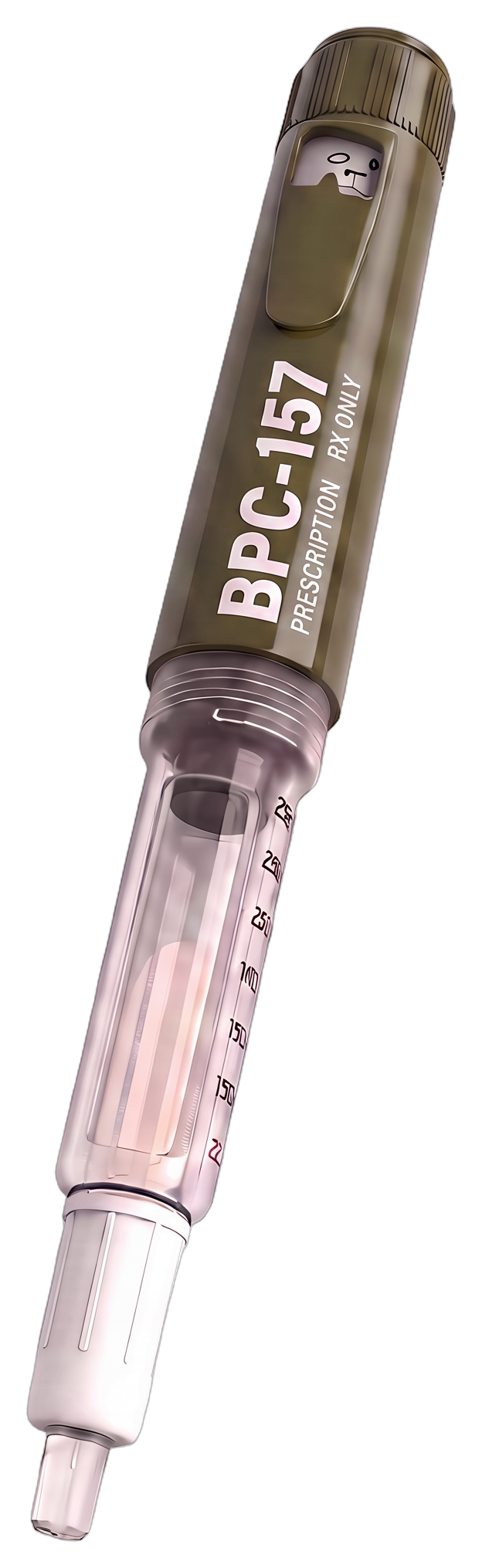
On 2 October 2026, a consumer explainer video challenged confident online claims about BPC-157, TB-500, PT-141, kisspeptin and melanotan. Pepti reviewed the underlying primary-source record for patients using or considering physician-supervised peptide care, and nothing in the video changes prescriptions today.
What happened — the event, dated, with the primary source
On 2 October 2026, a consumer science video examined Reddit-style claims about several peptides, including the BPC-157 and TB-500 pairing sometimes discussed online, kisspeptin, PT-141 and melanotan. The video’s main point was that online certainty often runs ahead of the public evidence base, especially when people discuss powdered research vials, sterility, certificates of analysis, drug interactions and long-term use.
Pepti checked the claims against primary sources rather than treating the video itself as a medical authority. FDA’s public compounding materials state that compounded drugs are not FDA-approved and that FDA does not evaluate compounded drugs for safety, effectiveness or quality before they are dispensed. FDA’s 503A bulk-substance materials also list BPC-157 within the agency’s compounding review framework, reflecting the agency’s concern that some nominated bulk substances can raise safety issues when used in compounded drugs.
The video also referred to tested peptide samples being contaminated. Pepti did not identify an allowed primary-source document that supports a blanket statement that all tested peptide samples were contaminated. The narrower, verifiable point is still important: peptides obtained outside a medical and pharmacy quality system can present identity, sterility, potency and contamination risks.
What it changes for patients
For current Pepti patients, the video does not change a prescription, refill schedule or physician instruction on 2 October 2026. Patients prescribed BPC-157, TB-500, PT-141 or kisspeptin should continue to follow the directions given by their clinician unless that clinician changes the plan.
What it does change is the level of attention patients should give to sourcing and supervision. A certificate of analysis is not the same thing as a physician evaluation, a valid prescription, pharmacy controls, sterility procedures, batch documentation or follow-up. Patients should avoid research-use products, unlabeled powders and social-media dosing instructions, and should use their Pepti account to ask a clinician about symptoms, other medications, blood pressure history, fertility goals or sports-eligibility concerns.
Patients who have peptide vials from nonmedical channels should not compare them to prescribed compounded medication as if they are interchangeable. If there is uncertainty about a product’s source or handling, the safest next step is to contact a licensed clinician before using it.
What it does not change
The video does not make any compounded peptide FDA-approved. Compounded medications are not FDA-approved, even when a clinician prescribes them and even when they are prepared by a licensed pharmacy under applicable compounding rules.
The video also does not remove the prescription requirement. Pepti’s model still starts with an assessment, physician review and, when clinically appropriate, an ongoing prescription with 28-day refills. Quality review also remains central: patients can read more about Pepti’s approach at quality and lab results.
For PT-141, it is important to separate two ideas. FDA-reviewed labeling exists for bremelanotide injection under an approved new drug application, and that labeling includes prescription-only use, contraindications and warnings. A compounded PT-141 prescription is still a compounded medication and is not FDA-approved.
The background
Online peptide discussions often combine early research, personal reports and product marketing into claims that sound more settled than the record supports. BPC-157 and TB-500 are frequently discussed together online, while PT-141 is commonly associated with bremelanotide and kisspeptin is often discussed in reproductive-hormone contexts. FDA, DailyMed-style labeling and clinical registries are narrower than social platforms: they document what has been reviewed, studied, labeled or registered, not every claim made online. Athletes have a separate issue because the World Anti-Doping Agency’s 2026 Prohibited List includes BPC-157 and identifies TB-500 within prohibited peptide-related categories.
For product-specific education, see what is BPC-157, what is TB-500, what is PT-141 and what is kisspeptin.
What happens next
No FDA enforcement action, label change or new compounding rule follows automatically from the 2 October 2026 video. The documented agency process to watch is FDA’s continuing 503A bulk-substance review process and any future federal notices or FDA updates that address specific bulk substances.
For individual patients, the next step is practical rather than regulatory. Use only prescribed medication, keep the prescribing clinician informed about all medications and supplements, and complete any requested blood testing or follow-up questions so the clinician can make decisions from your medical record rather than from online posts.
Frequently asked questions
Should I stop a prescribed peptide because of the video?
Do not change a prescribed medication based only on a consumer video or a social-media thread. If you have side effects, new medications, pregnancy plans, blood pressure concerns or uncertainty about your vial, contact your clinician through Pepti before taking the next dose.
Are Pepti compounded peptides FDA-approved?
No. Compounded medications are not FDA-approved, and FDA says it does not verify compounded drugs for safety, effectiveness or quality before they are dispensed. Pepti’s role is physician-led evaluation, prescribing when appropriate and use of quality processes rather than treating compounding as the same as FDA approval.
What should athletes know about BPC-157 and TB-500?
Athletes should treat this as a separate eligibility issue. The World Anti-Doping Agency’s 2026 Prohibited List identifies BPC-157 and includes TB-500 within prohibited peptide-related categories, so athletes should consult their sport’s rules and disclose any prescription to the appropriate medical and anti-doping professionals.
Is PT-141 different because FDA has labeling for bremelanotide?
Yes, but that distinction can be misunderstood. FDA-reviewed labeling for bremelanotide injection documents specific prescription use, contraindications and warnings, while a compounded PT-141 prescription remains a compounded medication and is not FDA-approved.