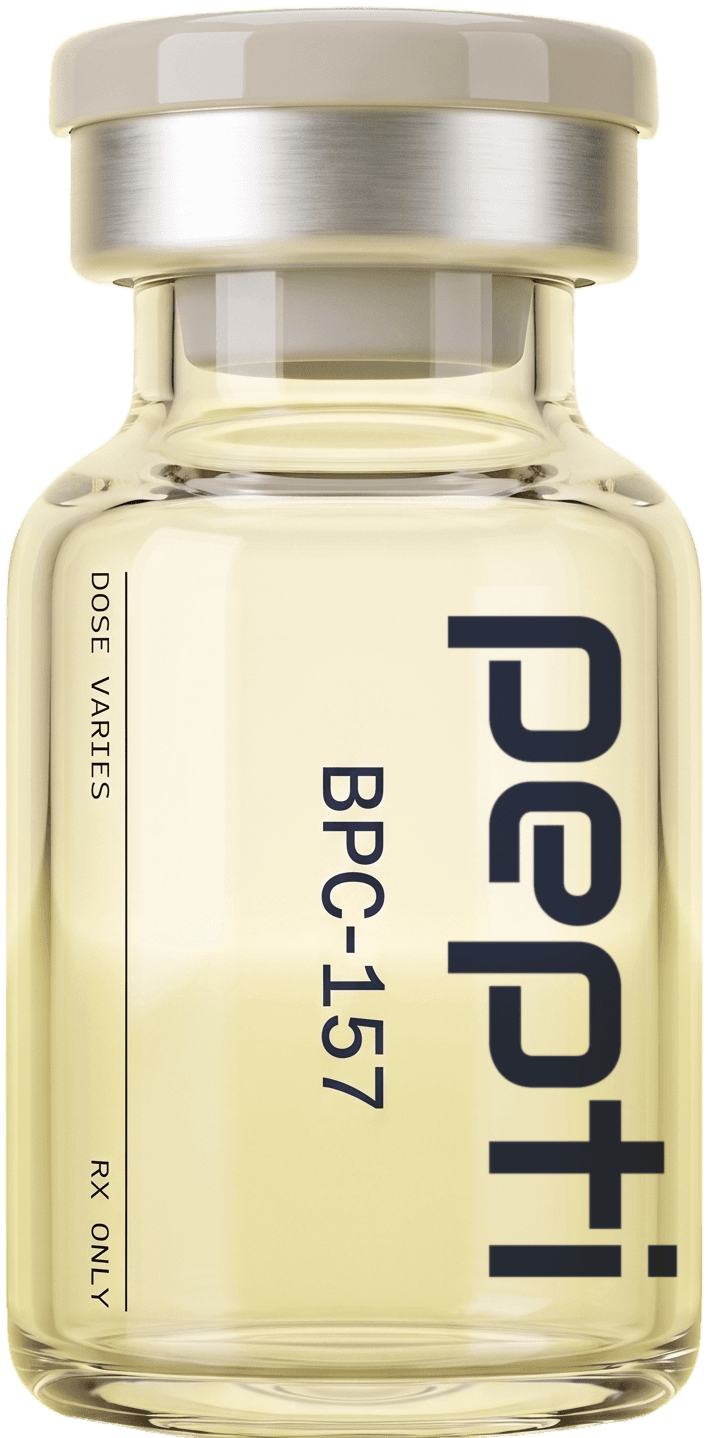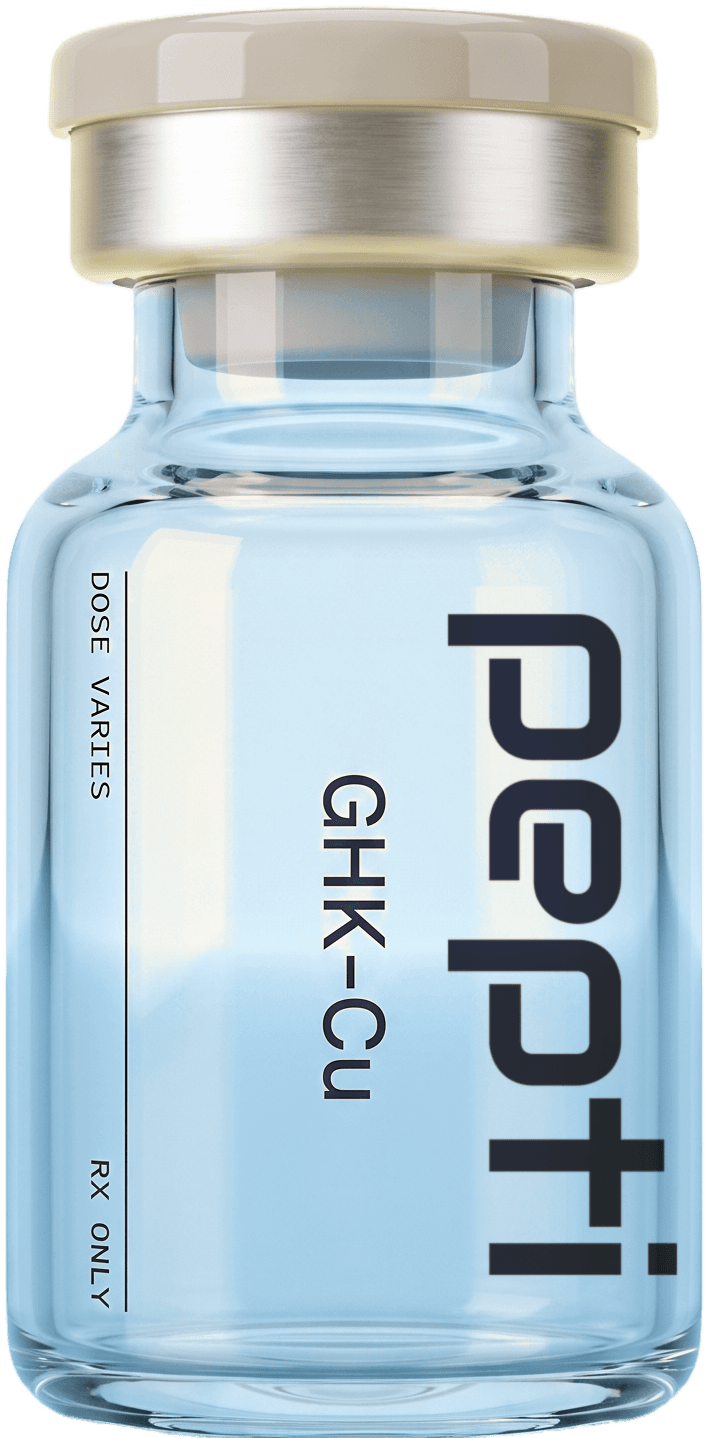
On 24 October 2026, public attention turned to a possible HHS interim access policy for compounded synthetic peptides, with BPC-157 and GHK-Cu named in the discussion. The issue affects patients asking whether access, prescribing rules, and safety review standards for compounded peptides are changing now.
What happened
On 24 October 2026, national attention shifted to whether HHS may create an interim access pathway for certain compounded synthetic peptides. Pepti reviewed the primary federal materials available on 26 October 2026, including FDA compounding pages, the federal statute governing traditional pharmacy compounding, DailyMed labeling records, and ClinicalTrials.gov registry searches for BPC-157 and GHK-Cu.
The key primary-source finding is straightforward: Pepti did not identify a final federal policy document that changes access to compounded BPC-157 or GHK-Cu today. FDA’s human-drug compounding materials still list BPC-157 among “Category 2” bulk drug substances, a category FDA uses for substances that may present significant safety risks in compounding. FDA’s compounding Q&A also states that compounded drugs are not reviewed by FDA for safety, effectiveness, or quality before they are dispensed.
ClinicalTrials.gov searches under the terms “BPC-157” and “GHK-Cu” did not identify a large completed human trial record under those exact search terms in the registry reviewed by Pepti on 26 October 2026. DailyMed searches under the same terms did not provide a marketed prescription-drug labeling basis for these ingredients under those names. Those records do not answer every clinical question, but they do show why clinicians are separating patient interest from the level of human evidence available in official records.
What it changes for patients
Nothing changes today for Pepti patients based on the primary federal records reviewed on 26 October 2026. Pepti has not identified a final HHS or FDA policy that alters who may receive compounded BPC-157 or GHK-Cu, how prescriptions are written, or how Pepti physicians evaluate patients.
Patients should expect the same core process: a medical intake, physician review, prescription decision when appropriate, and ongoing care with 28-day refills. If a clinician needs more information before prescribing or continuing a peptide, Pepti may ask follow-up questions or request testing when medically appropriate through /blood-testing.
Patients considering BPC-157 can review product information at /peptide/bpc-157 and cost information at /cost/bpc-157. Patients considering GHK-Cu can review product information at /peptide/ghk-cu and cost information at /cost/ghk-cu.
What it does not change
The discussion does not change the prescription requirement. Pepti peptides are available only after a licensed clinician determines that treatment is medically appropriate for an individual patient.
The discussion also does not change the compounded status of these medications. Under Section 503A of the Federal Food, Drug, and Cosmetic Act, traditional compounding depends on conditions that include a prescription order for an identified individual patient. Compounded medications are prepared under a different framework than commercially approved drug products, and FDA does not conduct premarket approval review for each compounded preparation.
The discussion does not convert preclinical or small-study interest into a large human evidence base. For BPC-157 in particular, FDA’s Category 2 listing remains an important source document because it flags safety questions in the compounding context. For GHK-Cu, the absence of a large registered trial record under the exact term reviewed by Pepti means clinicians should avoid overstating what official trial registries show.
The background
BPC-157 and GHK-Cu are synthetic peptides that have become common subjects of patient questions in telehealth, sports medicine, dermatology-adjacent care, and wellness settings. Patient interest has grown faster than the appearance of large, completed, registered human trials under the exact ingredient names reviewed in federal and registry records. That gap is why physician review matters: prescribing decisions should account for medical history, medication use, route of administration, and uncertainty in the evidence base.
For a plain-language reference, see /learn/what-is-bpc-157 and /learn/what-is-ghk-cu.
BPC-157 in the source documents
FDA’s Category 2 bulk drug substances page is the most important primary source for BPC-157 in this discussion. Category 2 is not a product approval list and should not be read as an access pathway. It is a safety-focused FDA compounding list, and BPC-157 appears there as a substance that may present significant safety risks when used in compounding.
Pepti’s review of ClinicalTrials.gov under the term “BPC-157” did not identify a large completed human trial record under that exact search term on 26 October 2026. That does not mean no clinician may ever prescribe a compounded preparation. It does mean patients should be wary of language that makes BPC-157 sound settled, routine, or proven at the level expected for an approved commercial drug product.
GHK-Cu in the source documents
GHK-Cu is also central to patient questions, but the primary-source picture is different from BPC-157. Pepti did not identify GHK-Cu on the same FDA Category 2 page reviewed for BPC-157. Pepti also did not identify a large completed ClinicalTrials.gov record under the exact term “GHK-Cu” in the registry search reviewed on 26 October 2026.
That combination should be interpreted carefully. Absence from the Category 2 page is not the same thing as a federal endorsement, and absence of a large registered trial record is not the same thing as proof of risk or proof of effectiveness. It means clinicians should discuss uncertainty in direct, practical terms before prescribing.
How Pepti is handling the discussion
Pepti is treating the 24 October 2026 policy discussion as a reason to be more explicit with patients, not as a reason to change standards without a federal document. Physicians will continue to make individualized decisions and will continue to document why a peptide is or is not appropriate for a given patient.
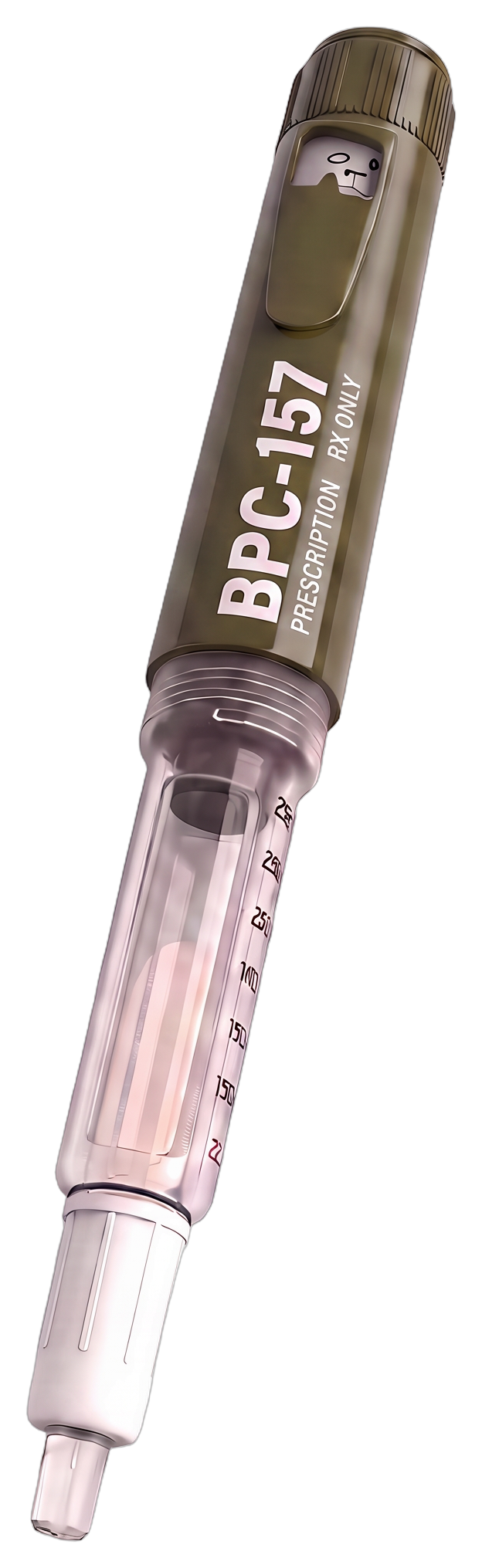
Pepti’s quality process remains relevant because compounded preparations require attention to sourcing, sterility expectations, testing documentation, and patient-specific prescribing. Patients can review Pepti’s quality standards at /quality and lab result information at /quality/lab-results. When injectable treatment is prescribed, patients can also review administration-device information at /pen.
What happens next
The documented next step is official publication if HHS or FDA adopts a new peptide compounding policy. Until a policy appears in an official federal source, Pepti will not treat media discussion as a change in law, prescribing requirements, or patient eligibility.
Pepti will continue to monitor FDA compounding materials, federal notices, DailyMed records, and ClinicalTrials.gov entries for BPC-157 and GHK-Cu. Patients with questions about current eligibility should start with /assessment rather than assuming that a possible policy would apply to them.
Frequently asked questions
Can I still request BPC-157 through Pepti?
Yes, you can request physician review through /assessment. A request is not a prescription, and BPC-157 requires clinician review because FDA’s compounding materials identify safety concerns in the compounding context.
Can I still request GHK-Cu through Pepti?
Yes, you can request review through /assessment. Pepti clinicians will consider your health history, goals, medications, and the limits of the available human evidence before making a prescribing decision.
Does this mean compounded peptides have been reviewed by FDA like commercial drugs?
No. FDA’s own compounding Q&A states that compounded drugs are not reviewed by the agency for safety, effectiveness, or quality before dispensing. That is why physician evaluation, appropriate sourcing, and quality documentation matter.
Will Pepti change access if HHS publishes a new policy?
Pepti will review any official federal policy if one is published and will update patients if prescribing, documentation, or access requirements change. Until then, the current physician-led review process remains in place.