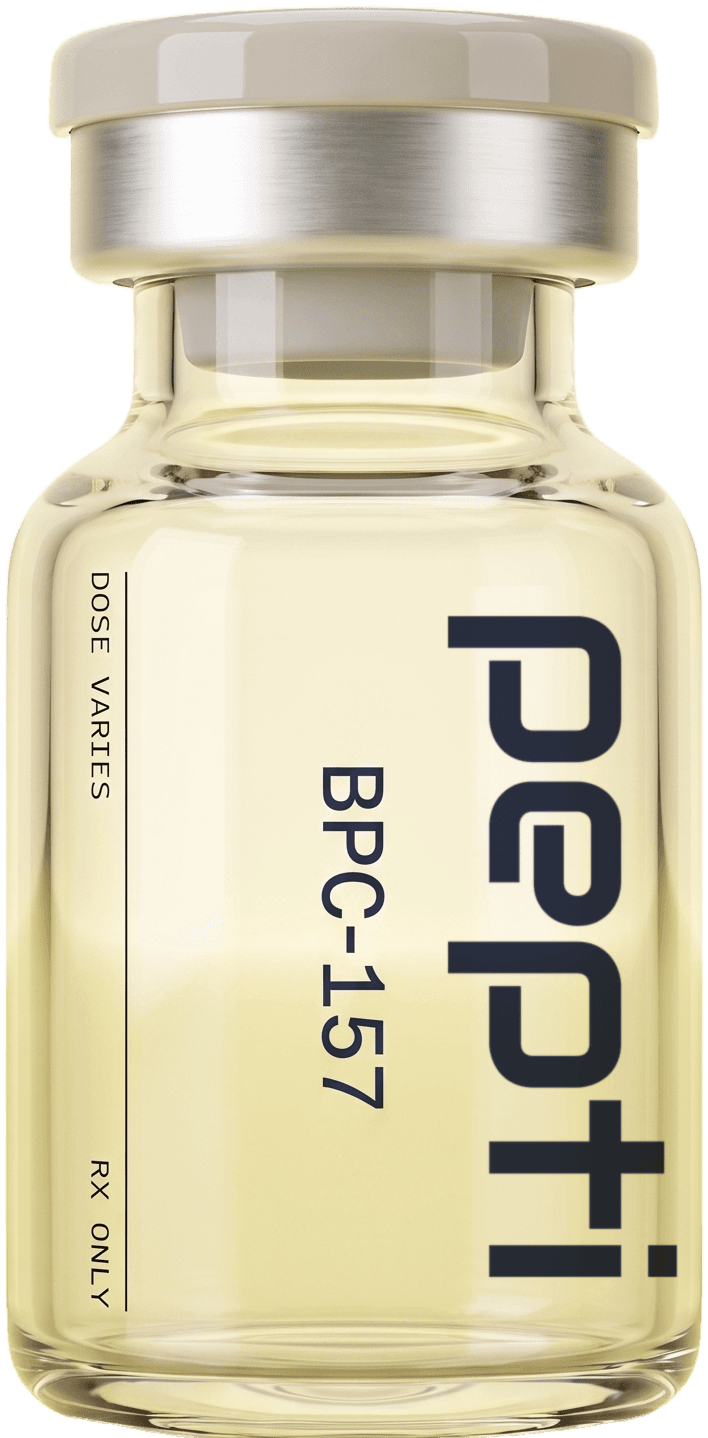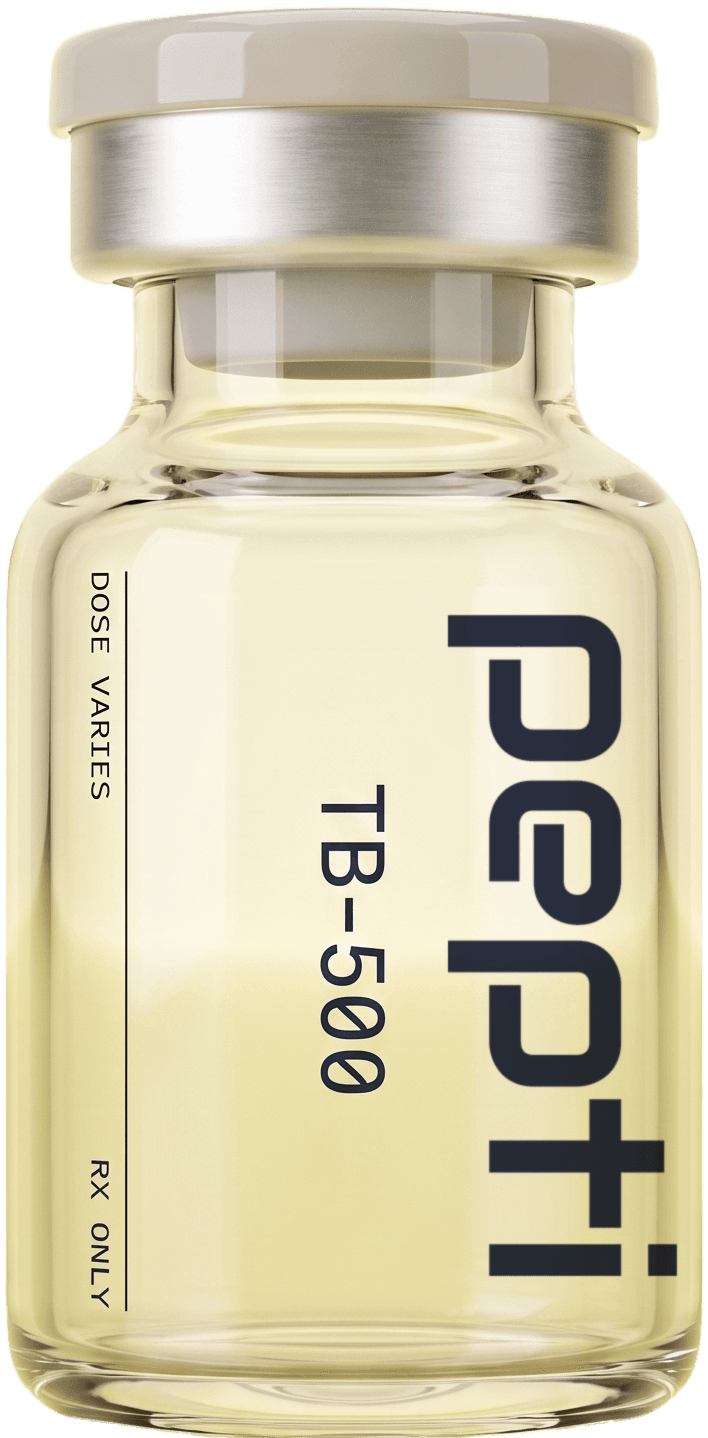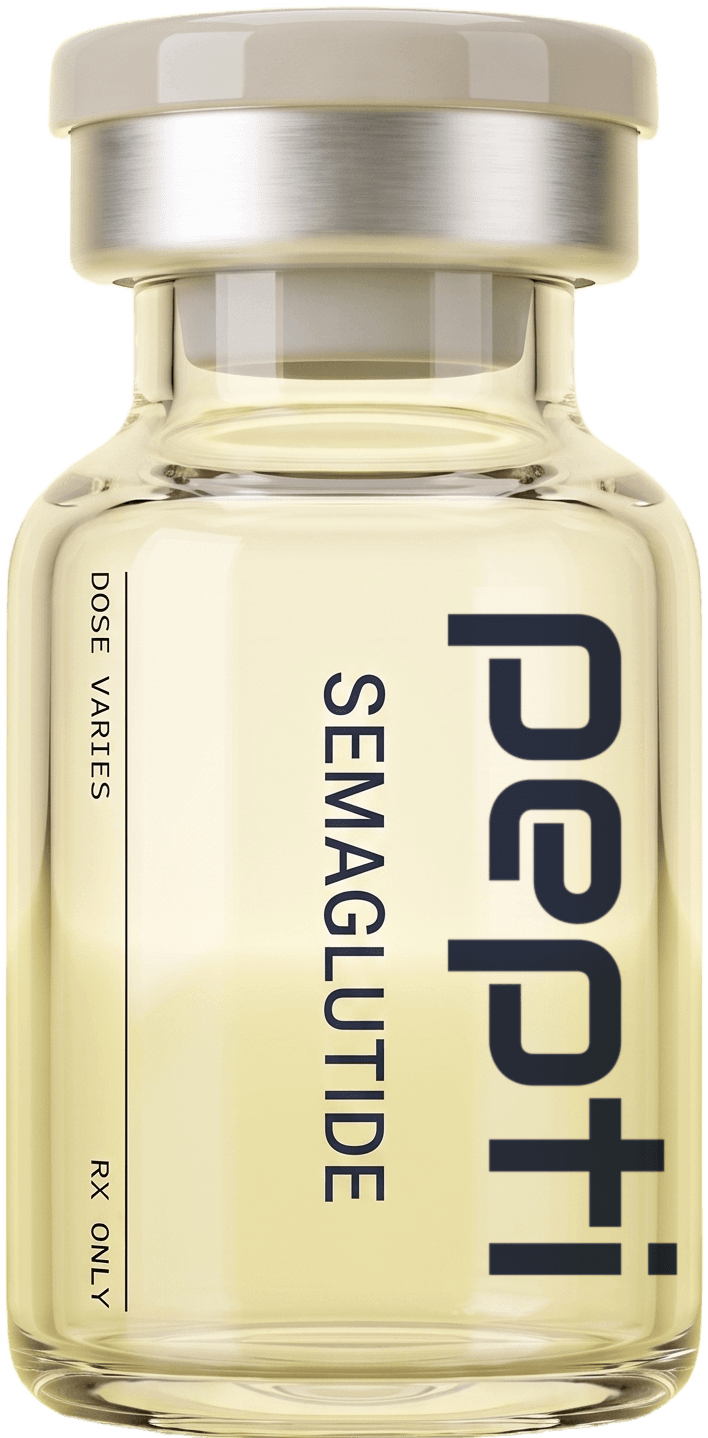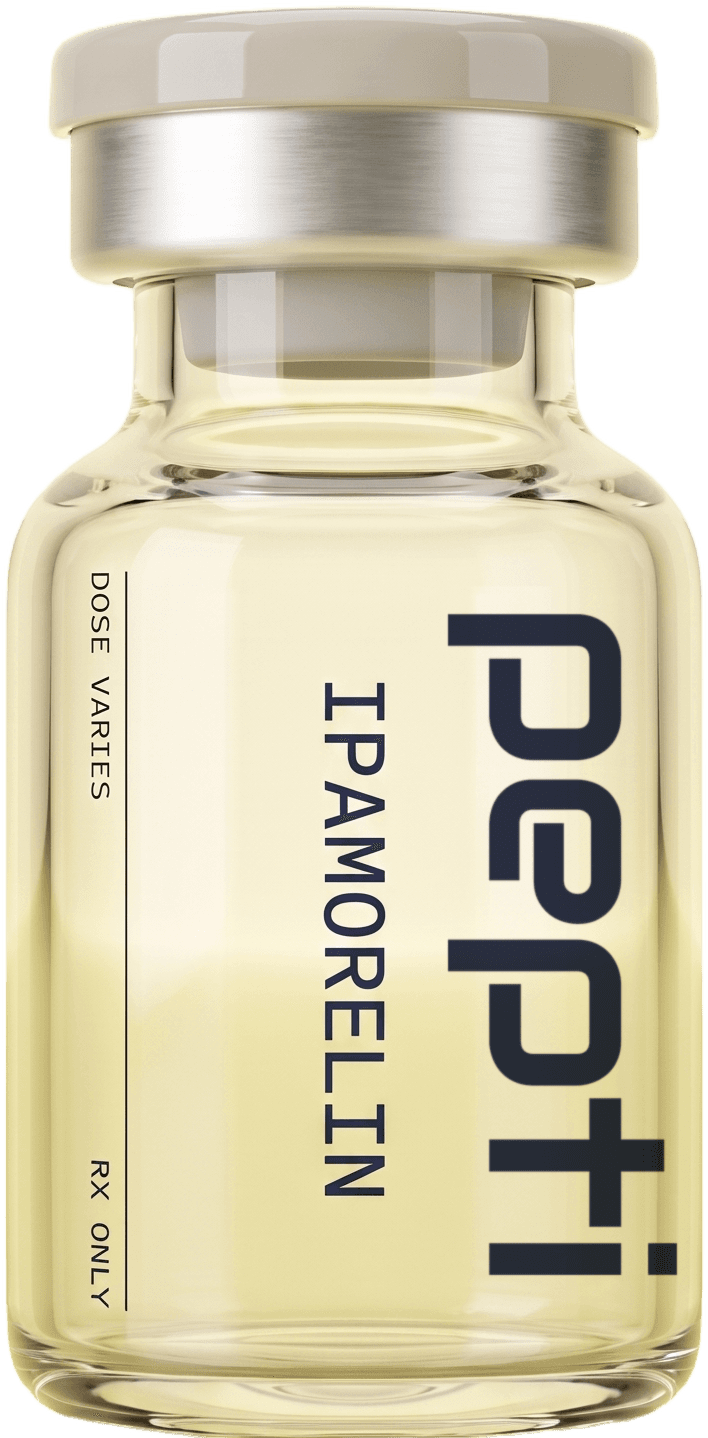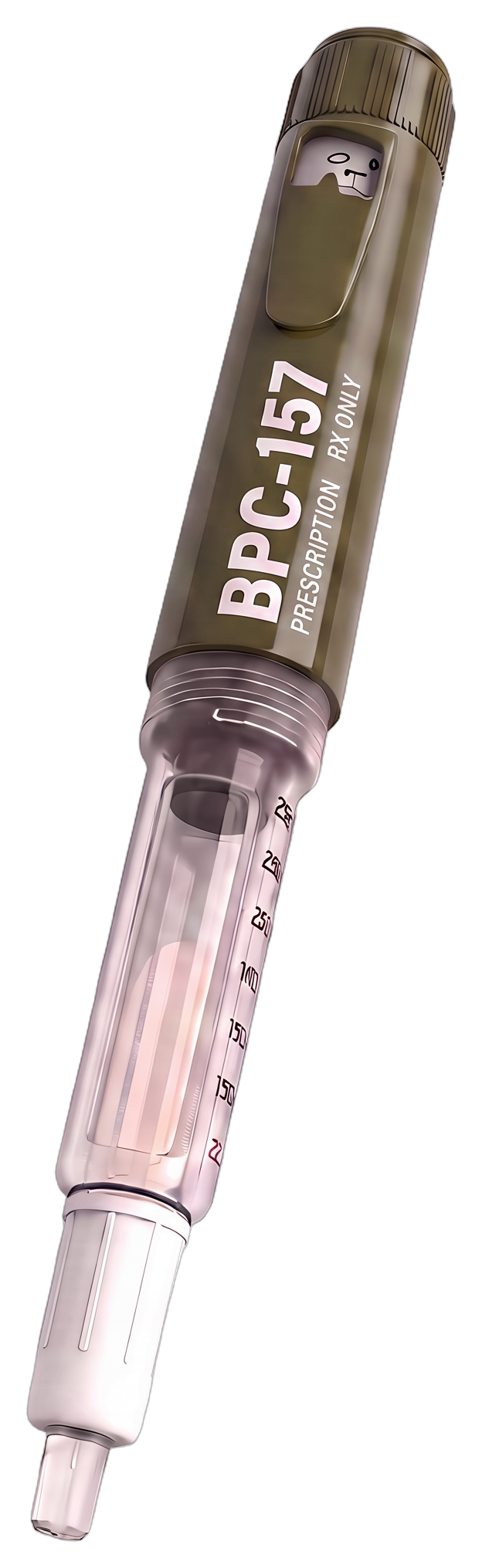
On 1 October 2026, a Harvard public-health expert warned that gray-market peptide vials sold as research chemicals may not have reliable identity, purity, sterility, or clinical oversight. The warning affects patients considering or already using peptides such as BPC-157, TB-500, MOTS-c, CJC-1295, ipamorelin, and semaglutide outside prescription care.
What happened
On 1 October 2026, S. Bryn Austin, a professor at the Harvard T.H. Chan School of Public Health, cautioned patients about peptide products promoted online and sold outside the prescription system, including products marketed as research chemicals. The warning named peptides often discussed on social media, including BPC-157, TB-500, MOTS-c, CJC-1295, and ipamorelin, and contrasted that gray-market channel with prescription medicines that have formal labeling and clinical oversight.
The primary-source record supports the core distinction. FDA materials on drug compounding state that compounded medications are not FDA approved and that FDA does not verify their safety, effectiveness, or quality before they are dispensed. FDA has also published warnings about certain compounded peptide drug products, including concerns tied to quality, dosing, immune reactions, and products that have not gone through the agency’s drug approval process.
That does not mean every peptide discussion online is the same. It does mean that patients should separate a prescription medication, clinician oversight, and documented quality controls from vials sold for “research use” that are then used by people without medical supervision.
What it changes for patients
Nothing changes today in Pepti’s prescribing standards or refill process. Pepti remains a physician-led telehealth service that evaluates patients through an assessment, uses appropriate screening and follow-up, and treats compounded medications as prescription medications, not wellness merchandise.
For patients, the practical change is attention. If a peptide is being sold without a prescription, without an identified licensed prescriber, without pharmacy documentation, or with instructions that avoid saying it is for human use, that is a different risk category than receiving care through a clinician and a licensed dispensing channel. Patients should not assume that a vial label, influencer recommendation, or lab-style product page verifies what is in the vial.
Patients using Pepti should continue using medications only as prescribed, maintain follow-up for 28-day refills, and raise side effects, dose questions, or sourcing concerns with the clinical team. Patients who obtained gray-market products should tell a clinician what they used, how it was used, the labeled concentration, the route of administration, and any symptoms that followed.
What it does not change
The warning does not make compounded medications FDA approved. Compounded medications are prepared for individual patient needs under federal and state compounding rules, but they do not go through FDA premarket approval, and they do not carry the same FDA-reviewed labeling as approved drug products.
The warning also does not remove the prescription requirement for prescription therapies. Semaglutide products with FDA-reviewed labeling are prescription-only medicines, and compounded semaglutide should be used only when prescribed and dispensed through an appropriate channel. Patients can read Pepti’s semaglutide overview at what is semaglutide, review treatment access at semaglutide, and check pricing information at semaglutide cost.
For BPC-157, TB-500, MOTS-c, and ipamorelin, the warning also does not create new FDA approvals or new accepted indications. It reinforces that patients should ask what legal pathway, prescription basis, pharmacy controls, testing, and clinical monitoring apply before starting any injectable peptide.
The background
Peptides are short chains of amino acids that can act as signals in the body, but that broad category includes very different products, evidence bases, routes of administration, and legal statuses. Online marketing often compresses those differences into simple claims, which can obscure whether a product is a prescription medicine, a compounded medication, a dietary-supplement-style product, or a vial labeled for laboratory use only. The most important patient question is not whether a product is called a peptide; it is whether there is a licensed clinician, lawful prescription, documented dispensing source, and appropriate monitoring.
Pepti maintains reference pages for commonly discussed therapies, including what is BPC-157, what is TB-500, what is MOTS-c, and what is ipamorelin. Those pages are intended to help patients separate terminology from prescribing decisions.
Why gray-market vials are a different risk
The central concern is not only the molecule named on the label. The concern is whether the finished product has reliable identity, concentration, purity, sterility, storage conditions, and dispensing documentation. Injectable products add extra risk because contamination, incorrect concentration, or poor handling can lead to local or systemic complications.
FDA’s compounding materials draw a clear line: compounded drugs can be appropriate when a patient-specific medical need is identified, but they are still not FDA approved. Gray-market or research-chemical products sit even farther away from the ordinary prescription pathway because they may be marketed without patient-specific evaluation, pharmacy counseling, or legally required drug labeling.
For that reason, patients should avoid using the appearance of scientific packaging as a proxy for quality. A certificate posted by a seller is not the same thing as a prescribing relationship, pharmacy accountability, sterility assurance, and transparent quality processes. Pepti’s quality information is available at quality and lab results.
How semaglutide is different
Semaglutide is often discussed alongside research peptides online, but the regulatory context is different. There are semaglutide drug products with FDA-reviewed labeling that describe prescription use, dosing instructions, contraindications, warnings, and adverse reactions. That labeling is part of why semaglutide should not be grouped casually with unlabeled research vials.
Compounded semaglutide is still different from an approved manufactured product. It is not FDA approved, and patients should not buy semaglutide from sellers that bypass prescription evaluation or provide unclear dosing instructions. Pepti uses clinician review, prescription documentation, and follow-up rather than self-directed vial purchasing.
Patients prescribed injectable medication may also need device and administration support. Pepti’s device information is available at pen, and patients who need lab monitoring can review blood testing.
What Pepti patients should do now
If you are already in Pepti care, keep using your medication only as prescribed and message the clinical team before changing dose, route, frequency, or source. Do not combine Pepti-prescribed medications with gray-market peptide products without telling your clinician.
If you are considering a peptide because of social media claims, start with a medical evaluation rather than a seller checkout page. A clinician can review your history, medications, labs when appropriate, contraindications, and whether a prescription option is suitable.
If you have used a non-prescription vial and feel unwell, seek medical care and bring the vial, label, lot number, and any dosing notes if available. That information can help clinicians evaluate possible contamination, concentration error, interaction, or injection-related complication.
What happens next
There is no new FDA approval, ban, or Pepti protocol change announced from the 1 October 2026 warning itself. The documented next step is the same patient-safety pathway already reflected in FDA compounding materials: use prescription medications only with a licensed clinician, avoid products sold outside lawful channels, and report suspected medication problems through appropriate safety channels.
Pepti will continue applying physician review, quality checks, and 28-day refill follow-up for eligible patients. Patients starting care can begin at assessment.
Frequently asked questions
Are research-chemical peptide vials the same as prescription compounded medications?
No. A research-chemical vial sold online may not be intended, labeled, prescribed, or dispensed for patient use. A compounded medication requires a lawful prescription and pharmacy process, although compounded medications are still not FDA approved.
Does this warning mean compounded semaglutide is FDA approved?
No. Compounded semaglutide is not FDA approved. The distinction is that semaglutide has FDA-reviewed labeling for approved manufactured drug products, while compounded semaglutide must be prescribed and dispensed under compounding rules when appropriate.
Should I stop a Pepti medication because of the warning?
Do not stop or change a prescribed medication without contacting your clinician, unless you are having urgent symptoms that require immediate medical care. The warning is mainly about products bought outside prescription channels and used without clinical oversight.
How can I evaluate peptide quality before starting care?
Ask whether there is a licensed prescriber, a lawful prescription, pharmacy documentation, clear dosing instructions, and transparent quality information. Pepti publishes quality information at quality and lab-related information at lab results.