Weight Loss · Reference
Natural GLP-1 Boosters: What "Natural GLP-1" Means and What the Evidence Supports
Your body already makes GLP-1 naturally: the small intestine releases it every time food arrives, and it is broken down within minutes.
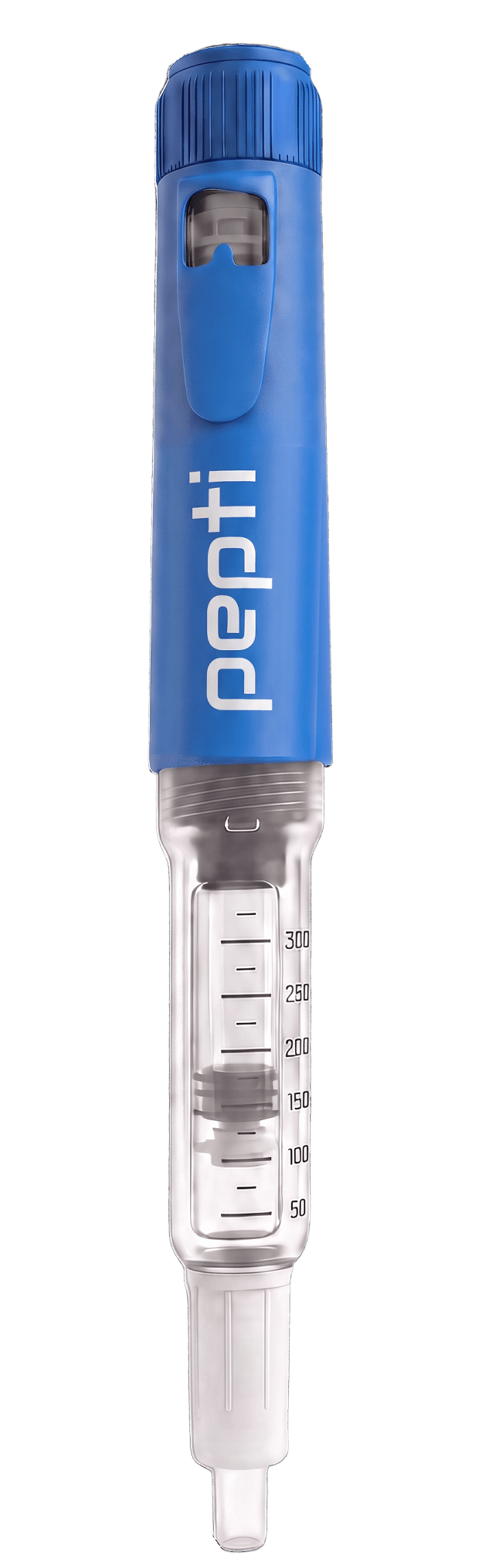
Treatments mentioned
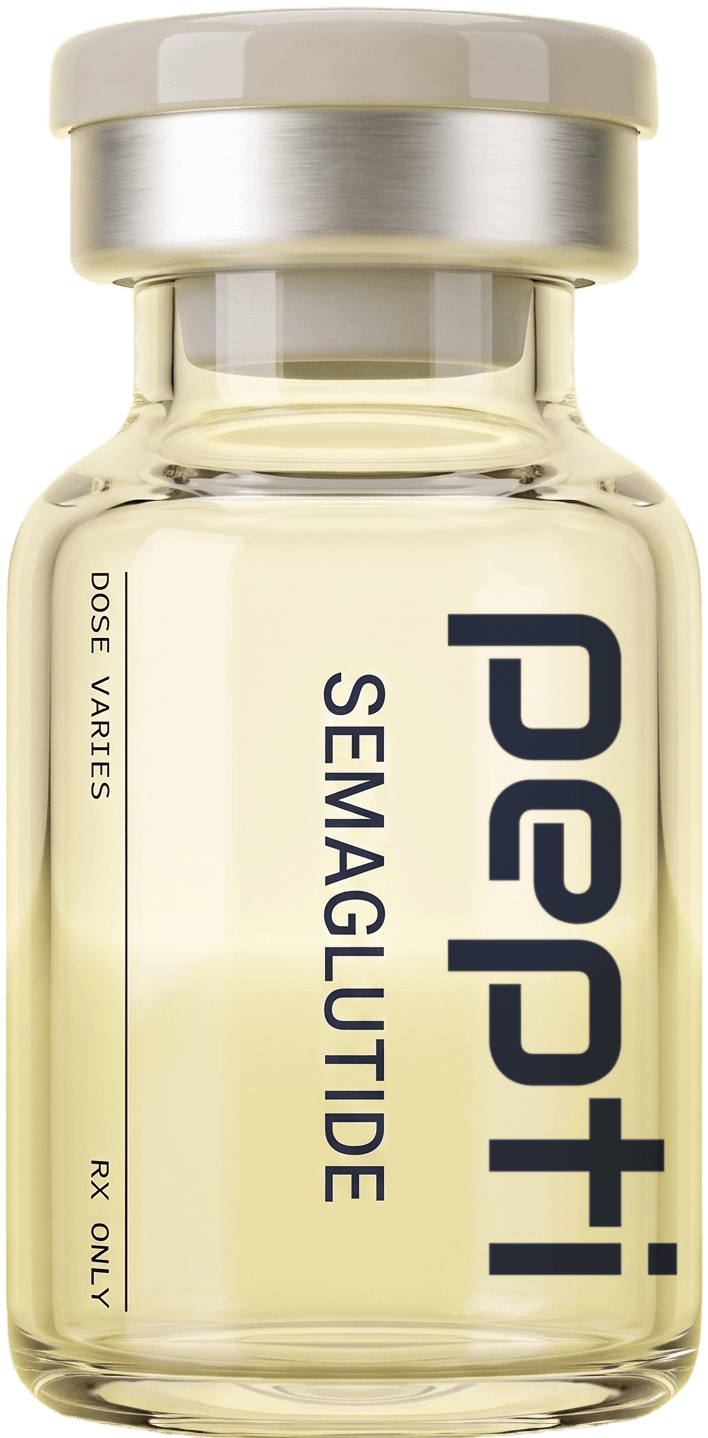
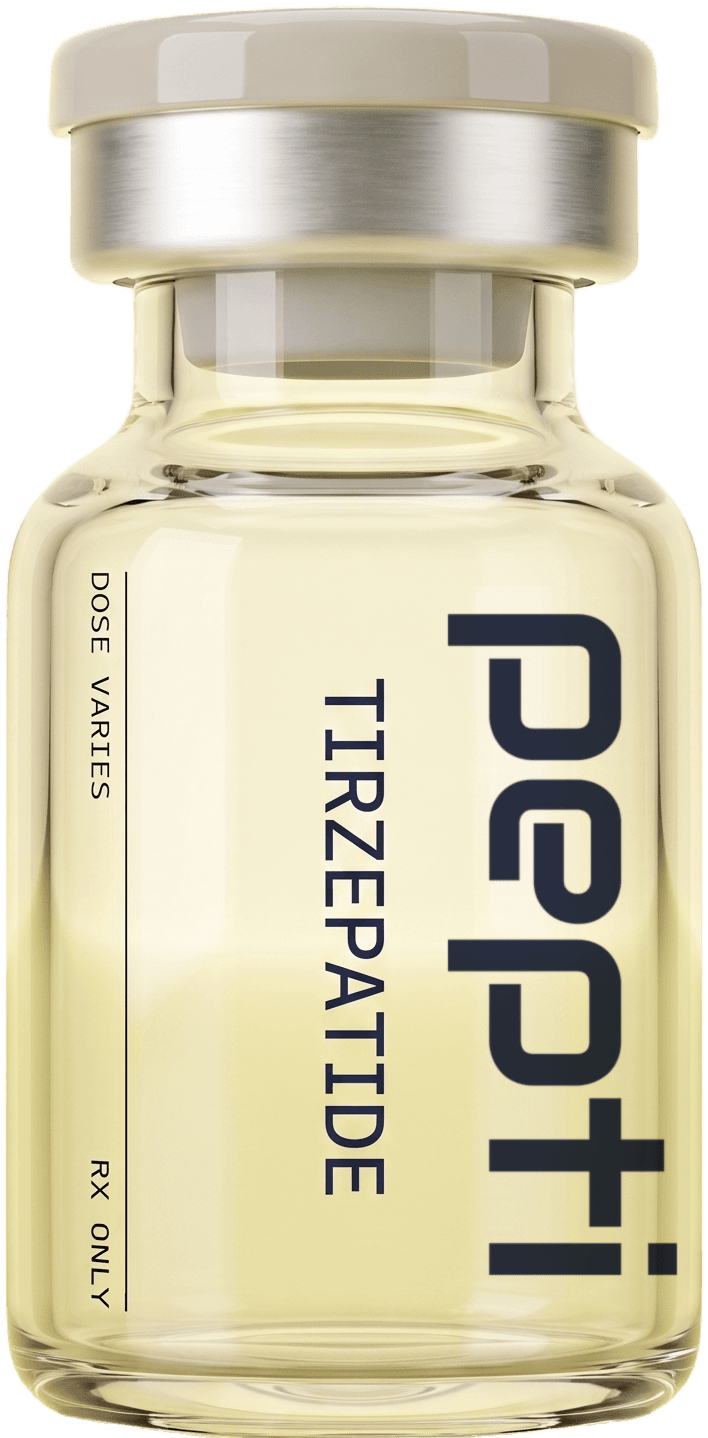
Foods, eating patterns and supplements marketed as "natural GLP-1 boosters" are described around nudging that short after-meal release, which is a very different thing from a GLP-1 medication engineered to keep the receptor activated for days. No food or supplement has been shown to do what semaglutide or tirzepatide do in their trials. Ordinary habits such as regular balanced meals with enough protein, good sleep and limited alcohol are sensible in their own right, but none of them is a substitute for a GLP-1 medication.
This page explains what natural GLP-1 is, why the body's own hormone and the medications differ so much, what is and is not established about foods, habits and supplements, which products are sometimes mistaken for GLP-1 alternatives, and how GLP-1 treatment is prescribed if that is what you want.
Natural GLP-1 Boosters
The short answer
| Question | Answer |
|---|---|
| Does the body make GLP-1 naturally? | Yes. The small intestine releases it after a meal |
| How long does natural GLP-1 last? | Minutes. An enzyme called DPP-4 breaks it down |
| How long do GLP-1 medications act? | Days. Semaglutide's half-life is roughly a week, tirzepatide's about five days |
| Can food raise natural GLP-1? | Eating is what triggers its release; that is a short, meal-linked rise |
| Is a "natural GLP-1 booster" the same as a GLP-1 medication? | No. Not in mechanism, duration or evidence |
| Is there trial evidence that a supplement matches a GLP-1 medication? | No |
| What has the strongest evidence? | Semaglutide and tirzepatide, as approved manufactured products |
What Pepti prescribes, if a GLP-1 medication is appropriate for you:
| Medication | What is in it | Price |
|---|---|---|
| Semaglutide | Dose-specific vials, six strengths from 0.25 mg to 2.5 mg weekly | From $99/mo |
| Tirzepatide | Dose-specific vials, six strengths from 2.5 mg to 15 mg weekly | From $159/mo |
Both are compounded preparations, and compounded medications are not FDA approved. GLP-1 prices are "from" prices because each strength is a separate vial. Every price is all-in, covering medication, physician review, refill management and shipping, with no separate membership fee.
Natural GLP-1 Boosters
What natural GLP-1 is
GLP-1, glucagon-like peptide-1, is a peptide hormone released by the small intestine when food arrives. It is one of two incretins, the hormones that explain why a meal produces a larger insulin response than the same amount of glucose given into a vein. The other incretin is GIP.
The natural hormone does four things:
| Action | Where it happens | What it means |
|---|---|---|
| Glucose-dependent insulin release | The pancreas | Insulin is released when blood glucose is high |
| Less glucagon | The pancreas | The liver is told to release less stored glucose |
| Slower stomach emptying | The stomach | Fullness lasts longer after a meal |
| Appetite signalling | The hypothalamus and brainstem | Less hunger, a sense of having eaten |
Why natural GLP-1 lasts only minutes
The natural hormone works locally and briefly. DPP-4 breaks it down within minutes, which is why GLP-1 itself was never a practical medicine. Your body releases a pulse of it after each meal, the pulse does its job, and it is cleared.
Why the medications last a week
Every GLP-1 medication is an answer to that problem. Semaglutide keeps most of the natural GLP-1 sequence and changes three things: an unnatural amino acid that blocks DPP-4, a substitution elsewhere in the chain, and a fatty-acid chain that binds it to albumin in the blood. Those changes stretch its half-life to roughly a week. Tirzepatide uses a similar albumin-binding chain, has a half-life of about five days, and activates the GIP receptor as well. That is the whole reason both are injected once weekly.
| Natural GLP-1 | GLP-1 medication | |
|---|---|---|
| Source | Your small intestine, after a meal | A prescription medication |
| How long it lasts | Minutes | Days |
| When the receptor is active | Briefly, around meals | Continuously across the week |
| Evidence for weight and metabolic outcomes | Not applicable; it is your normal physiology | Large randomised trials, for the approved products |
That gap is the honest core of this topic. Even if something raised your own after-meal GLP-1, it would still be a short, meal-linked pulse cleared within minutes, not the continuous receptor activation the medications are designed to produce.
Natural GLP-1 Boosters
Natural ways to increase GLP-1: what can honestly be said
Eating is the trigger
The plain fact is that eating is what releases GLP-1. Researchers have studied how the composition of a meal, such as its protein, fibre and fat content, affects the gut hormones released afterwards. That research measures hormone levels over the hours after a meal. It is not the same as showing a long-term effect on appetite or weight, and it does not show that a particular food matches a GLP-1 medication.
This page does not list "GLP-1 foods" with percentages, because no food has been shown to produce the effects reported in the GLP-1 medication trials, and any page giving you a figure for how much a food raises your GLP-1 "like a medication" is overstating what exists.
Habits worth having anyway
Some everyday habits are reasonable for appetite and general health whether or not they change GLP-1. They are worth having on their own merits, not as a medication substitute.
| Habit | Why it is reasonable | What it is not |
|---|---|---|
| Regular, balanced meals with enough protein | Protein and resistance training are what protect lean mass during any weight change | A GLP-1 medication |
| Eating slowly | The fullness signal arrives after you start eating | A way to activate the receptor for days |
| Enough sleep | Short and fragmented sleep changes appetite regulation and insulin sensitivity | A treatment for obesity on its own |
| Limiting alcohol | It adds calories that are rarely counted and degrades sleep | A GLP-1 booster |
| Resistance training | Protects lean mass; an energy deficit impairs lean-mass gains | A substitute for a prescription |
Untreated sleep apnoea, an untreated thyroid condition and medications that promote weight gain all change the metabolic picture. If you suspect any of them, that is a conversation with a physician; more is in why am I not losing weight on semaglutide.
Natural GLP-1 Boosters
Supplements marketed as natural GLP-1
Supplements sold as "natural GLP-1" or "GLP-1 boosters" commonly contain plant extracts, fibre or probiotic strains, alone or in blends. This page names no products or companies and makes no claim about any individual product. What can be said plainly:
- None of them is a GLP-1 receptor agonist.
- None has human trial evidence comparable to semaglutide or tirzepatide.
- Dietary supplements are not approved by the FDA before they are sold.
- "Supports GLP-1" describes a marketing angle, not a measured clinical effect.
GLP-1 patches
Patches sold under a GLP-1 name fall in the same category. They are not GLP-1 medications, and no GLP-1 medication by generic name is taken as a skin patch. The approved forms are injections and, for semaglutide, a daily tablet.
What is and is not established
| Statement | Status |
|---|---|
| The gut releases GLP-1 after meals and it is cleared within minutes | Established |
| GLP-1 medications activate the receptor for days and slow stomach emptying | Established, in the approved labels |
| The approved products have large randomised trials | Established |
| A food or supplement produces effects comparable to a GLP-1 medication | Not established |
| A "natural booster" can replace a prescribed GLP-1 | Not established |
Natural GLP-1 Boosters
Prescription products that are not GLP-1 medications
Some prescription products are discussed alongside GLP-1 medications but act through entirely different pathways, with much thinner evidence:
| Product | What it acts on instead | Price |
|---|---|---|
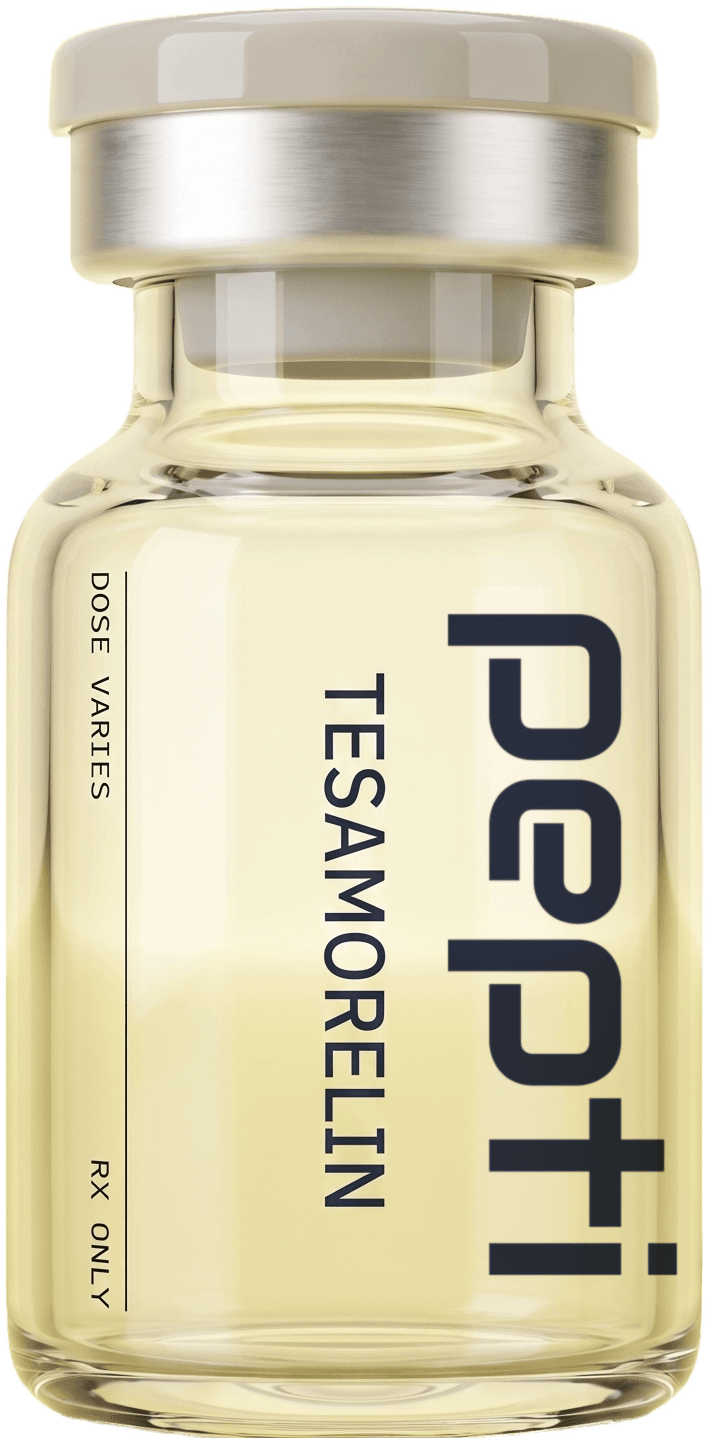
| Tesamorelin | The growth hormone axis; studied for visceral fat | $249/mo |
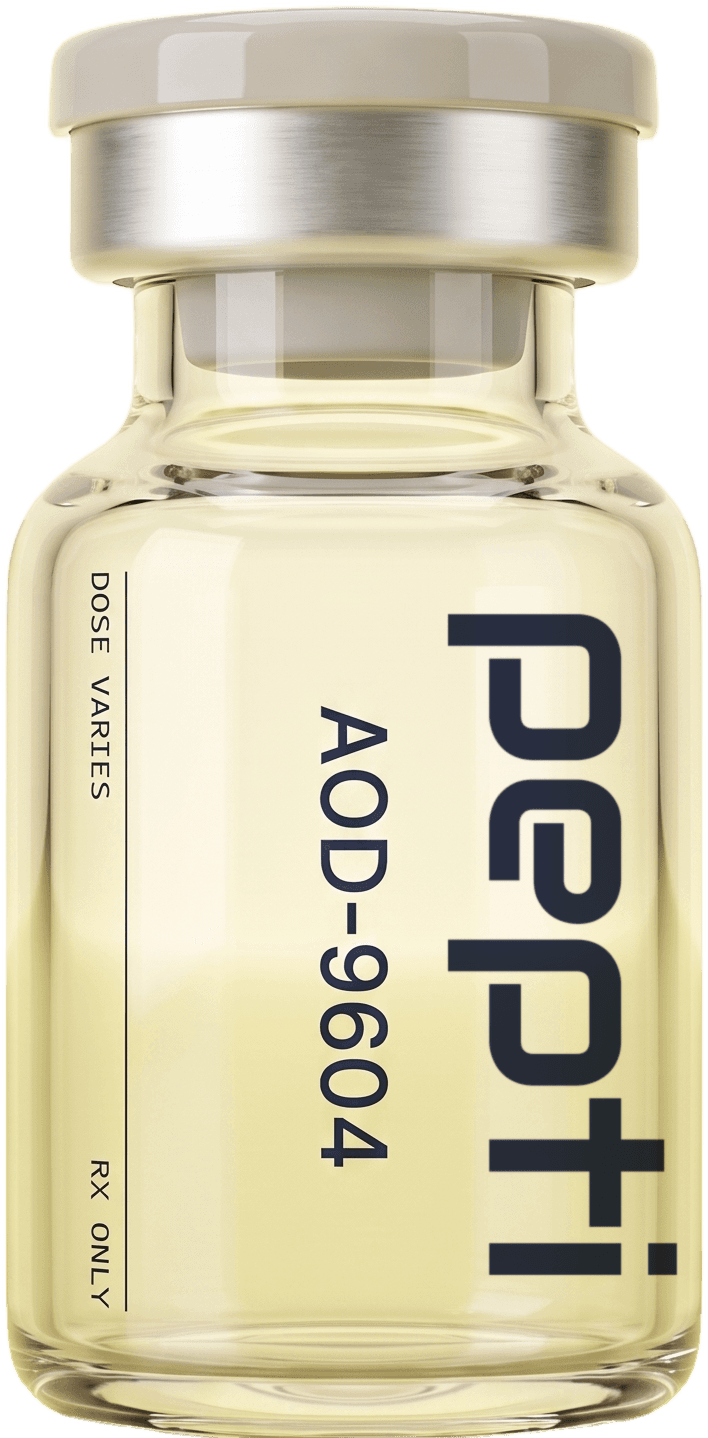
| AOD-9604 | A fragment of growth hormone; no appetite or incretin action | $229/mo |
| MOTS-c | A metabolic peptide described around muscle fuel handling | $259/mo |
| 5-Amino-1MQ | An enzyme inside fat cells; no appetite effect described | $219/mo |
| L-Carnitine | A nutrient adjunct, not an alternative | $219/mo |
None of them is a substitute for a GLP-1 medication. Any provider describing L-carnitine as a "natural GLP-1" is overstating what exists; see L-carnitine vs GLP-1. Where each fits is in best peptides for weight loss.
Natural GLP-1 Boosters
What a real GLP-1 medication involves
A GLP-1 medication works through the same receptors your body uses to register a meal, which is why it carries real effects and real side effects. The most common are gastrointestinal: nausea, diarrhea, vomiting, constipation and abdominal pain, mostly in the days after a dose increase, which is why treatment starts at the lowest strength and steps up. Less common but important: pancreatitis, gallbladder disease and dehydration that can affect the kidneys. A personal or family history of medullary thyroid carcinoma or MEN 2, pregnancy and breastfeeding rule these medications out.
GLP-1 medications also work while they are being taken. The withdrawal trials for both medications, STEP 4 and SURMOUNT-4, reported most of the weight returning after people were switched to placebo, which is why treatment is planned as long-term with 28-day refills.
Natural GLP-1 Boosters
What the evidence shows, honestly
Semaglutide and tirzepatide have the strongest evidence base in this category: large randomised trials in obesity, type 2 diabetes, cardiovascular disease, liver disease and sleep apnoea. That evidence belongs to the approved manufactured products; compounded preparations share the active ingredient, not the trials or the approval.
The natural side of this comparison is thinner by a wide margin. That the body releases GLP-1 after meals is basic physiology. That meal composition influences gut hormone release over the following hours is a research topic. That any food, habit or supplement produces what the GLP-1 medication trials report has not been shown. Habits such as balanced meals, protein, sleep and less alcohol are sensible and low-risk, and they are worth doing for their own sake. They are not a hidden alternative to a prescription.
Natural GLP-1 Boosters
Where to get a GLP-1 prescribed
- Complete a free online intake covering your history, medications and what you want help with.
- A physician licensed in your state reviews it, usually within 24 hours.
- If it is appropriate, a PCAB-accredited, FDA-registered US 503A pharmacy compounds it to that prescription. Lot test results are published at /quality/lab-results.
- It ships refrigerated with ice packs, sterile syringes and alcohol prep pads, with your directions printed on the vial.
- Your physician stays reachable for questions and dose changes, and refills run every 28 days, one vial per fill.
Pepti is cash-pay and does not bill insurance. Step-by-step pages: how to get semaglutide prescribed online and how to get tirzepatide prescribed online. Background on the class is in what is a GLP-1.
References
What this is based on.
References
- Wilding JPH, Batterham RL, Calanna S, et al.. Once-Weekly Semaglutide in Adults with Overweight or Obesity (STEP 1) · New England Journal of Medicine (2021) · PMID 33567185
- Lincoff AM, Brown-Frandsen K, Colhoun HM, et al.. Semaglutide and Cardiovascular Outcomes in Obesity without Diabetes (SELECT) · New England Journal of Medicine (2023) · PMID 37952131
- Wadden TA, Bailey TS, Billings LK, et al.. Effect of subcutaneous semaglutide vs placebo as an adjunct to intensive behavioral therapy on body weight in adults with overweight or obesity (STEP 3) · JAMA (2021) · PMID 33625476
- Rubino D, Abrahamsson N, Davies M, et al.. Effect of Continued Weekly Subcutaneous Semaglutide vs Placebo on Weight Loss Maintenance in Adults With Overweight or Obesity: The STEP 4 Randomized Clinical Trial · JAMA (2021) · PMID 33755728
- Marso SP, Bain SC, Consoli A, et al.. Semaglutide and Cardiovascular Outcomes in Patients with Type 2 Diabetes (SUSTAIN-6) · New England Journal of Medicine (2016) · PMID 27633186
- Davies M, Færch L, Jeppesen OK, et al.. Semaglutide 2.4 mg once a week in adults with overweight or obesity, and type 2 diabetes (STEP 2): a randomised, double-blind, double-dummy, placebo-controlled, phase 3 trial · The Lancet (2021) · PMID 33667417
- Garvey WT, Batterham RL, Bhatta M, et al.. Two-year effects of semaglutide in adults with overweight or obesity: the STEP 5 trial · Nature Medicine (2022) · PMID 36216945
- Rubino DM, Greenway FL, Khalid U, et al.. Effect of Weekly Subcutaneous Semaglutide vs Daily Liraglutide on Body Weight in Adults With Overweight or Obesity Without Diabetes: The STEP 8 Randomized Clinical Trial · JAMA (2022) · PMID 35015037
- Aronne LJ, Horn DB, le Roux CW, et al.. Tirzepatide as Compared with Semaglutide for the Treatment of Obesity (SURMOUNT-5) · New England Journal of Medicine (2025) · PMID 40353578
- Sanyal AJ, Newsome PN, Kliers I, et al.. Phase 3 Trial of Semaglutide in Metabolic Dysfunction-Associated Steatohepatitis (ESSENCE) · New England Journal of Medicine (2025) · PMID 40305708
- Wilding JPH, Batterham RL, Davies M, Van Gaal LF, Kandler K et al.. Weight regain and cardiometabolic effects after withdrawal of semaglutide: The STEP 1 trial extension · Diabetes Obes Metab (2022) · PMID 35441470
- Batsis JA, Gavras A, Gross DC, Cheever CR, Da Silva BR et al.. Effect of Incretin-Based and Nonpharmacologic Weight Loss on Body Composition: A Systematic Review · Ann Intern Med (2026) · PMID 41996180
Citations are provided for educational purposes. They do not constitute medical advice. Always discuss any peptide protocol with your prescribing physician.
Common questions
Natural GLP-1 Boosters, answered.
The hormone your small intestine releases after a meal. It prompts insulin release when glucose is high, lowers glucagon, slows stomach emptying and signals fullness, and it is broken down within minutes.
Eating is what releases it, and research has looked at how meal composition affects gut hormones afterwards. No food or habit has been shown to produce effects comparable to a GLP-1 medication. Regular balanced meals with enough protein, sleep and limited alcohol are sensible for their own sake.
There are supplements marketed that way, but none is a GLP-1 receptor agonist and none has trial evidence comparable to semaglutide or tirzepatide. Dietary supplements are not approved by the FDA before they are sold.
No. Semaglutide is engineered to keep the GLP-1 receptor activated for about a week. Anything that raises your own GLP-1 would produce a short, meal-linked pulse that is cleared within minutes.
Eating in general triggers GLP-1 release. This page does not rank foods, because no food has been shown to match the effects of a GLP-1 medication, and figures claiming otherwise are not supported by trials.
No. L-carnitine carries fatty acids into mitochondria; it does not act on the GLP-1 receptor, and no trial shows it adds weight loss on top of a GLP-1 medication. See L-carnitine vs GLP-1.
They are not GLP-1 medications, and none has trial evidence comparable to semaglutide or tirzepatide. No GLP-1 medication by generic name is taken as a skin patch.
Tell your physician about everything you take, including supplements. An unknown product makes it harder to tell what is causing a side effect, and some supplements are pharmacologically active.
It works through a natural pathway, the receptor your body's own GLP-1 uses, but the medication is an engineered molecule built to last days rather than minutes. Compounded versions are not FDA approved.
No. Bloodwork is not required for any Pepti treatment. If your physician wants labs for your care, they'll ask through your account. The free assessment goes to a physician licensed in your state. A consultation does not guarantee a prescription.
Related answers
Keep reading.
- What Is a GLP-1? Meaning, How GLP-1 Medications Work, and the List by Generic Name
- Are Peptides the Same as GLP-1? Peptides vs GLP-1 Medications Explained
- Is Phentermine a GLP-1? Phentermine vs GLP-1 Medications Explained
- Traveling With a GLP-1: Flights, TSA, Time Zones and Dose Day on Semaglutide or Tirzepatide
- Semaglutide and Birth Control: Does It Affect the Pill, and Why Contraception Still Matters
Next step
See what a physician recommends for you.
A licensed physician in your state reviews your intake to see whether treatment fits your history. A consultation does not guarantee a prescription.