Immune · Reference
Is Thymosin Alpha-1 Banned in Sports? WADA Status, S0 and Drug Tests
This page explains what the List does and does not say about thymosin alpha-1, the name confusion that trips athletes up, the products involved, workplace drug testing, where thymosin alpha-1 stands with the FDA, and how to get a real answer for your sport. It is general information, not legal or anti-doping advice. For what thymosin alpha-1 is and what its trials studied, see what is thymosin alpha-1.
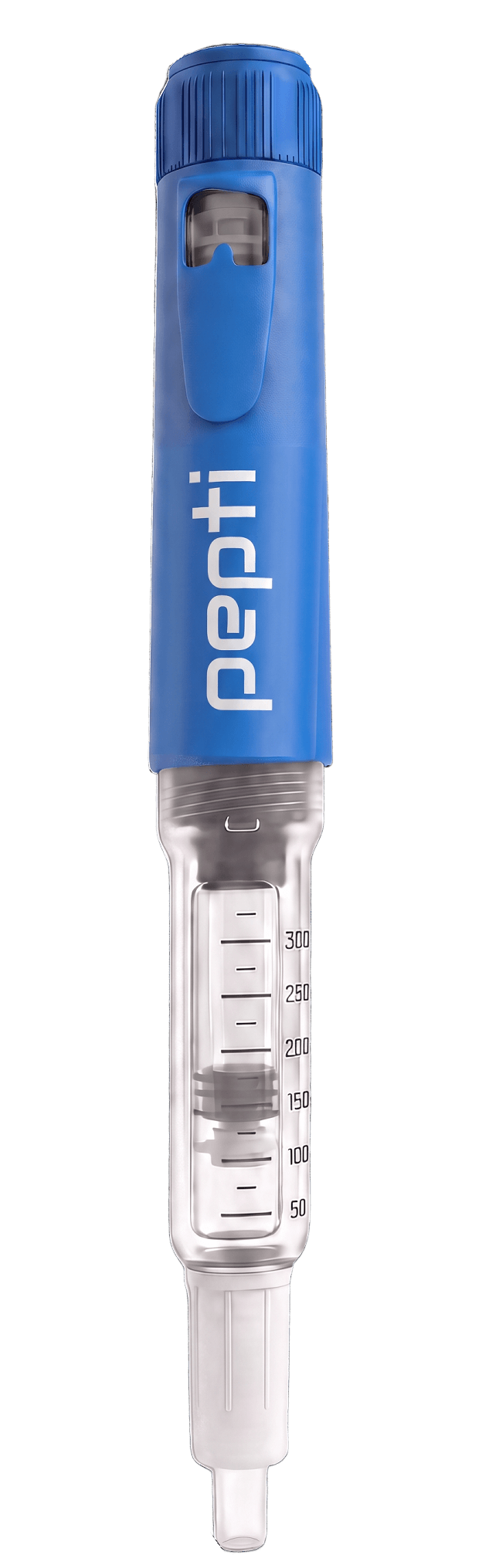
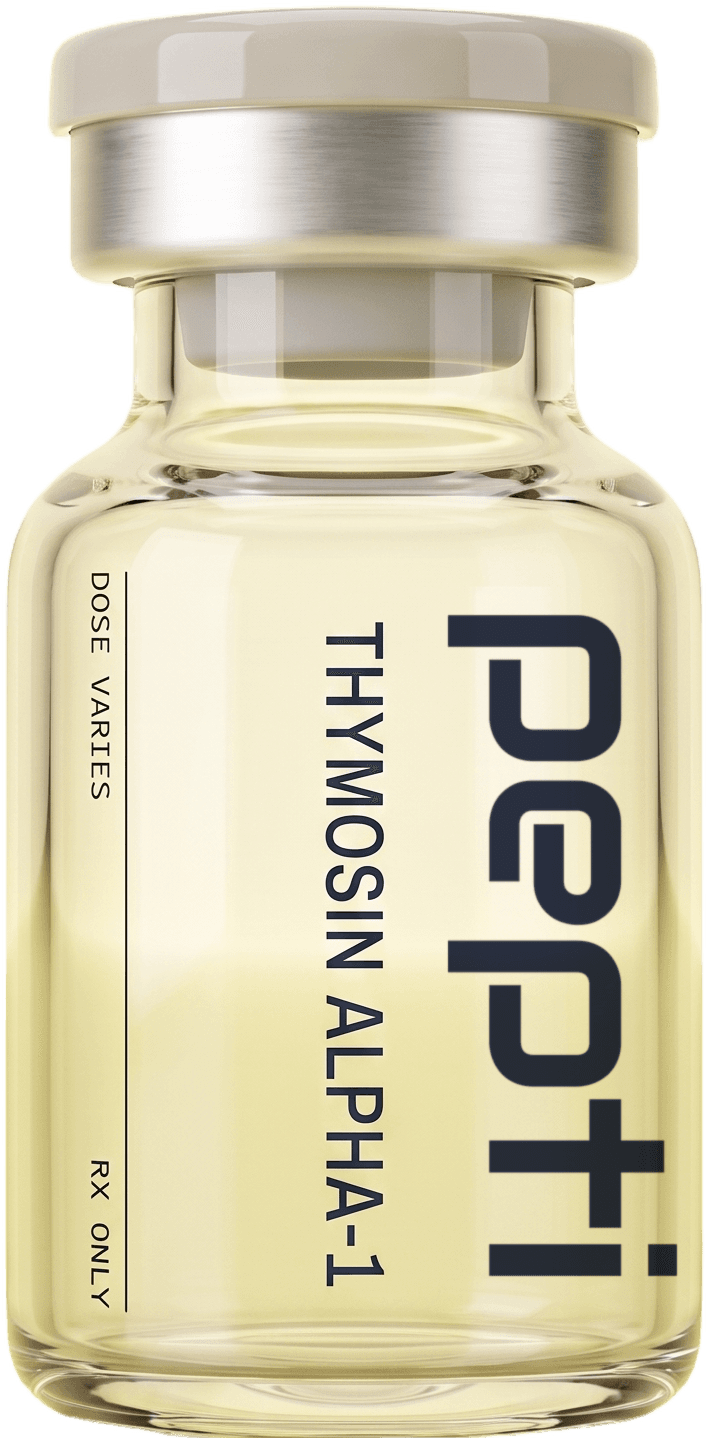
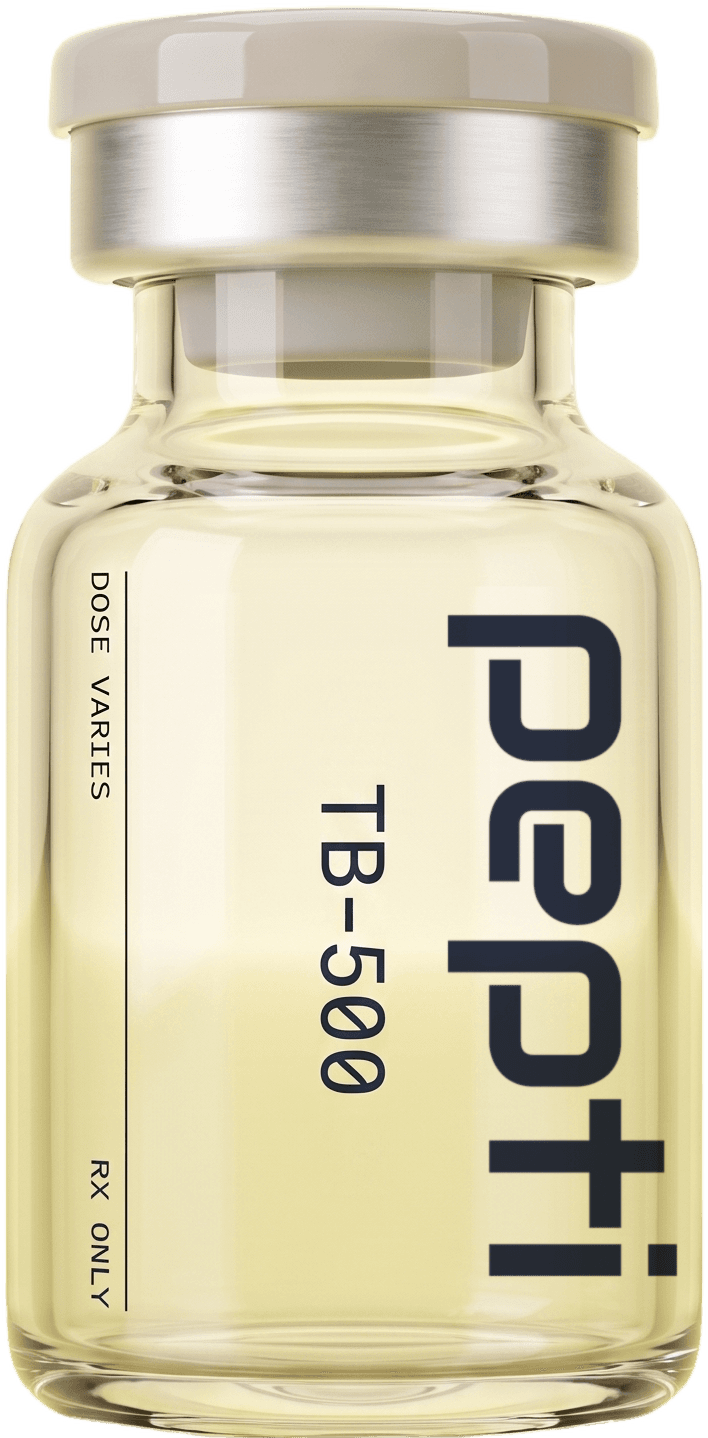
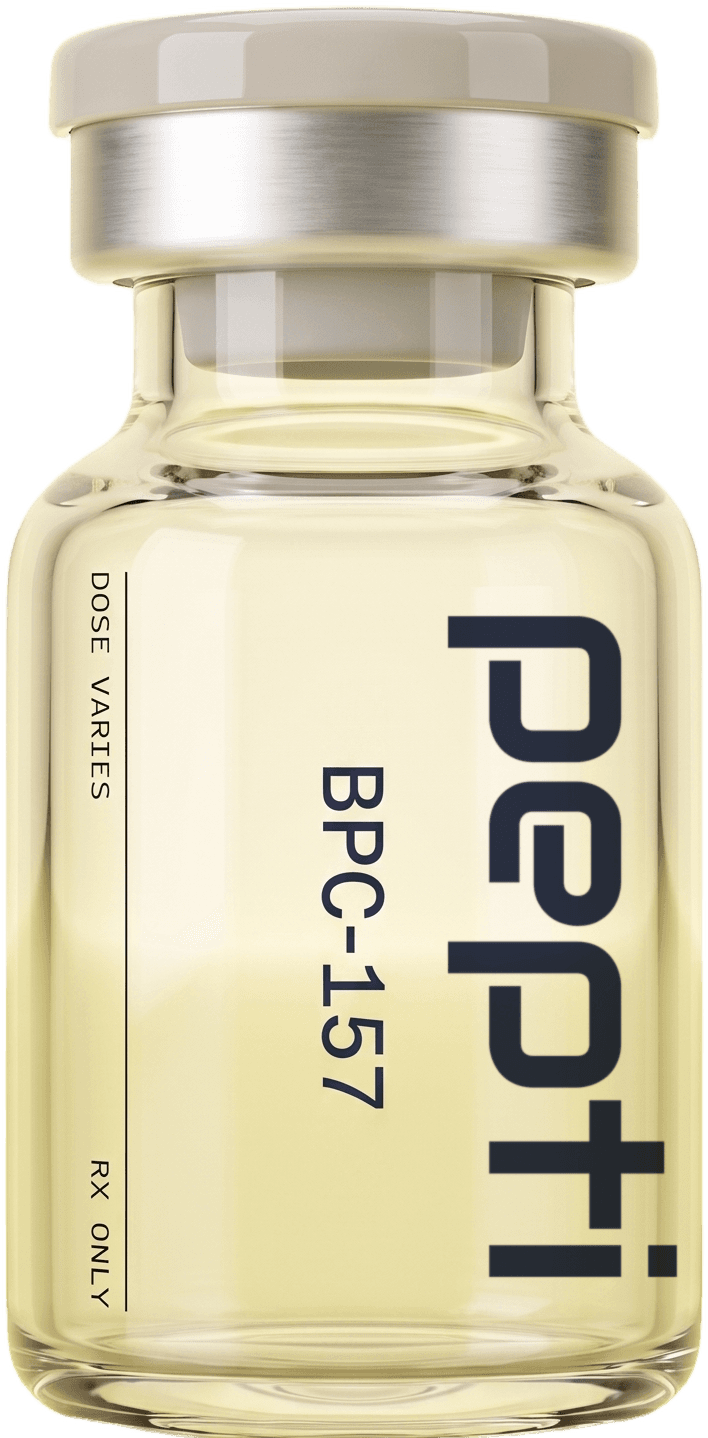
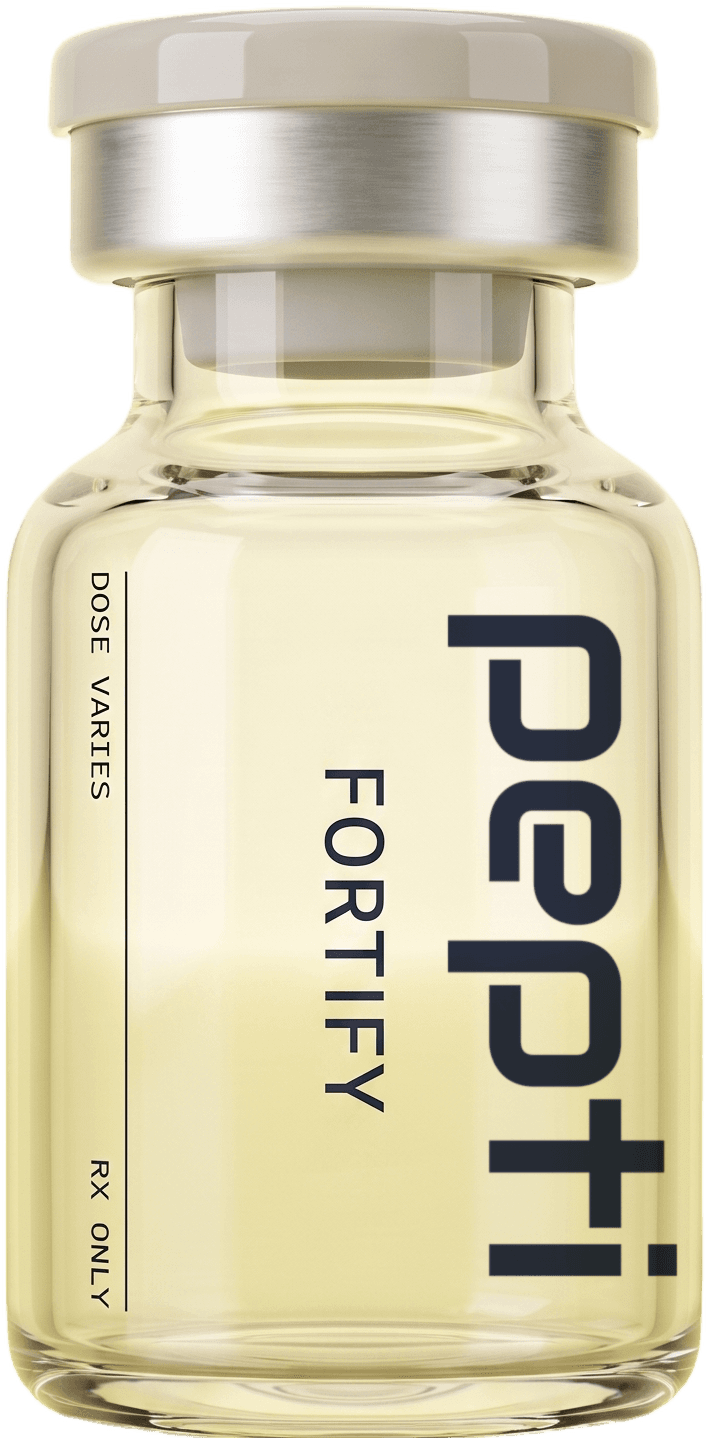
Thymosin alpha-1 is not named on the 2026 World Anti-Doping Agency Prohibited List, but that does not make it cleared for tested athletes. Class S0 prohibits, at all times, any pharmacological substance not covered elsewhere on the List and "with no current approval by any governmental regulatory health authority for human therapeutic use," and WADA's own note says an unnamed peptide "may still be prohibited." Thymosin alpha-1 is approved as thymalfasin in a number of countries but not in the United States, and how that affects its status is a question for your anti-doping organisation, not a web page. It is often confused with TB-500, which is a derivative of a different peptide, thymosin beta-4, and is banned by name. The FORTIFY blend is prohibited because it contains BPC-157.
This page explains what the List does and does not say about thymosin alpha-1, the name confusion that trips athletes up, the products involved, workplace drug testing, where thymosin alpha-1 stands with the FDA, and how to get a real answer for your sport. It is general information, not legal or anti-doping advice. For what thymosin alpha-1 is and what its trials studied, see what is thymosin alpha-1.
Is Thymosin Alpha-1 Banned in Sports? WADA Status, S0 and Drug Tests
The short answer
| The question | The answer | What to do |
|---|---|---|
| Is thymosin alpha-1 named on the 2026 WADA List? | No | Do not read that as permission |
| Could it still be prohibited? | Possibly; S0 and WADA's explanatory note cover unnamed peptides | Check Global DRO and ask your anti-doping organisation |
| Is it the same as TB-500? | No; TB-500 comes from thymosin beta-4 and is named under S2.3 | Check which one is on your label |
| Is the FORTIFY blend allowed? | No; it contains BPC-157, named under S0 | Not an option for a tested athlete |
| Does a prescription make a prohibited substance allowed? | No; only a TUE granted in advance does | Ask before starting, not after a test |
| Will it show up on a workplace drug test? | No; those panels screen for drugs of abuse | Declare prescriptions through the confidential route if asked |
| Is it a controlled substance? | No | Nothing to do |
| Is compounded thymosin alpha-1 FDA approved? | No; compounded medications are not FDA approved | Nothing to do |
Is Thymosin Alpha-1 Banned in Sports? WADA Status, S0 and Drug Tests
What the List actually says
Not named anywhere
Our anti-doping references check thymosin alpha-1 against the 2026 List and find it is not named in any class. It does not appear in S2 alongside the growth hormone axis peptides, and it is not one of the examples given under S0. That is a real difference from the peptides sold beside it: BPC-157 is named under S0, TB-500 under S2.3, kisspeptin under S2.2.1, MOTS-c under S4.4.1, and the GHRH analogues and secretagogues under S2.2.4.
Why "not named" is not the end of it
S0, Non-Approved Substances, is the catch-all at the top of the List. It prohibits, at all times, "any pharmacological substance which is not addressed by any of the subsequent sections of the List and with no current approval by any governmental regulatory health authority for human therapeutic use." It prohibits things it does not name. The List gives drugs in development, discontinued drugs, designer drugs and veterinary-only substances as the kind of thing it means.
The 2027 Prohibited List's explanatory note is blunt about peptides: many "not approved for human use by regulatory authorities, fulfill the criteria of the World Anti-Doping Code for inclusion on the Prohibited List and fall under the S0 (Non-Approved Substances) class, or other classes (such as S2 or S4). Even if a peptide is not specifically named on the List, utmost caution should be taken as it may still be prohibited."
Where thymosin alpha-1's approval history comes in
Thymosin alpha-1 is unusual among compounded peptides because it has been through drug approval somewhere. Its generic name is thymalfasin, and a synthetic version has been sold since the 1990s as a branded injection, approved in a number of countries, principally in the Asia-Pacific region, Latin America, Eastern Europe, the Middle East and Italy, mainly for hepatitis B and as a vaccine adjuvant. It has never been approved by the FDA, and the FDA's 2024 briefing noted it could not independently verify every approval the manufacturer lists.
S0 turns on approval "by any governmental regulatory health authority," so those approvals are relevant to how S0 reads. Whether they place thymosin alpha-1 outside S0, and whether a compounded US preparation is treated the same way as the approved branded product, is a determination for the anti-doping body that governs you. Every Pepti page on thymosin alpha-1 says the same thing for that reason: a tested athlete should confirm with their anti-doping organisation before starting.
Is Thymosin Alpha-1 Banned in Sports? WADA Status, S0 and Drug Tests
The name confusion that catches athletes
Thymosin alpha-1 and TB-500 share a word and nothing else. Both names go back to thymus extracts studied in the 1960s and 1970s, when researchers named each peptide they found a "thymosin" with a Greek letter.
| Thymosin alpha-1 | TB-500 | |
|---|---|---|
| What it is | 28-amino-acid immune-signalling peptide, cut from prothymosin alpha | Seven-amino-acid synthetic fragment of thymosin beta-4 |
| Studied for | Immune modulation; trials in hepatitis B, hepatitis C, sepsis, cancer and vaccine response | Cell migration and tissue repair, mostly using the full-length protein |
| 2026 WADA List | Not named; S0 question | Named under S2.3, "Thymosin-ß4 and its derivatives e.g. TB-500" |
| Status for a tested athlete | Confirm with your anti-doping organisation | Prohibited at all times |
| NCAA | Not given as an example | Named as an example in the peptide hormones class |
The practical risk is reading "thymosin is fine" in one place and applying it to the other. If you are tested, check the exact name on your label against the exact substance you looked up. The full comparison is in thymosin alpha-1 vs TB-500, and the TB-500 position is in is TB-500 banned in sports.
Is Thymosin Alpha-1 Banned in Sports? WADA Status, S0 and Drug Tests
The products involved
| Product | What is in it | Price | For a tested athlete |
|---|---|---|---|
| Thymosin Alpha-1 | 5 mL vial, thymosin alpha-1 2 mg/mL (10 mg per vial) | $249/mo | Not named on the List; confirm with your anti-doping organisation first |
| FORTIFY | 5 mL vial, 5 mg thymosin alpha-1, 5 mg BPC-157, 2 mg KPV, 1 mg LL-37 | $289/mo | Prohibited: BPC-157 is named under S0, at all times |
Prices are all-in monthly figures covering medication, physician review, refill management and shipping, with no membership fee. Both are compounded by PCAB-accredited, FDA-registered US 503A pharmacies, and neither is FDA approved.
The standalone vial's typical printed directions are 0.25 mL (25 units on a U-100 syringe) subcutaneously once daily Monday through Friday, which is 0.5 mg per dose and 20 doses per vial; your own directions are set by your physician after reviewing your intake and printed on the vial. The math is in thymosin alpha-1 dosage.
FORTIFY is the clearest case on this page. A blend is prohibited by virtue of any one of its components, and BPC-157 is named by example in S0 on the 2026 and 2027 Lists. The quantity does not matter. See is BPC-157 banned.
Is Thymosin Alpha-1 Banned in Sports? WADA Status, S0 and Drug Tests
A prescription does not settle it
Anti-doping runs on strict liability. Article 2.1.1 of the World Anti-Doping Code makes it the athlete's personal duty to ensure no prohibited substance enters their body, and a violation does not require intent, fault or negligence. A valid prescription from a licensed physician is good medicine and not a defence.
If a substance is prohibited, a therapeutic use exemption (TUE) granted in advance is the only route to permitted use. It requires a diagnosed medical condition supported by clinical evidence, no enhancement of performance beyond a return to normal health, no reasonable permitted alternative, and a need that does not come from earlier prohibited use. Thymosin alpha-1's trials were in people with hepatitis, sepsis or cancer, and those conditions have FDA-approved treatments with far stronger evidence; it was studied alongside them, never instead of them.
In the United States, USADA requires athletes in its testing pools to hold a TUE in advance of using a prohibited substance and directs other competitors, including recreational ones, to its TUE Pre-Check Form. A telehealth prescription is not a TUE, and no prescriber can grant one.
Is Thymosin Alpha-1 Banned in Sports? WADA Status, S0 and Drug Tests
Detection
Our references do not cite a published anti-doping detection method specific to thymosin alpha-1, in the way they do for TB-500, BPC-157, AOD-9604 and kisspeptin-10. That is not a reason to assume anything. Under the Code, a sample reported negative can be stored and reanalysed later (Article 6.6), and a charge can be brought within ten years (Article 17). If the substance turns out to be prohibited for you, strict liability applies whether or not a lab looked for it this season.
Is Thymosin Alpha-1 Banned in Sports? WADA Status, S0 and Drug Tests
What about workplace drug tests?
Standard pre-employment and workplace panels screen for drugs of abuse using immunoassays aimed at specific small molecules, confirmed by targeted mass spectrometry. Nobody makes a screening assay for thymosin alpha-1, and a 28-amino-acid peptide has no structural similarity to those targets, so a false positive is not a realistic concern. Expanded panels in safety-sensitive roles add more drugs of abuse, not therapeutic peptides.
If you are asked to declare prescriptions, do it through the confidential medical review route and include compounded medications. Before surgery, tell the treating clinician everything you take. Detail is in do peptides show up on a drug test.
Is Thymosin Alpha-1 Banned in Sports? WADA Status, S0 and Drug Tests
Where thymosin alpha-1 stands with the FDA
| Date | What happened |
|---|---|
| 2023 | Placed in Category 2 of the FDA's interim 503A bulks list; the placement was challenged in federal court |
| September 2024 | Nominators withdrew the nomination; the FDA removed it from Category 2 effective 27 September 2024 |
| 4 December 2024 | The Pharmacy Compounding Advisory Committee voted 4 to 17 against adding it to the 503A Bulks List |
| List updated 14 May 2026 | Not in Category 1, 2 or 3; no final FDA determination |
The FDA's 2024 review raised immunogenicity from aggregated or impure compounded material, which is a manufacturing-quality question; lot test results are at /quality/lab-results. None of the FDA history decides the anti-doping question, and the anti-doping question does not decide the FDA one.
Is Thymosin Alpha-1 Banned in Sports? WADA Status, S0 and Drug Tests
How a tested athlete gets a real answer
- Find out which rules cover you. Federations, Olympic-sport national championships, masters events and many age-group competitions sit under the World Anti-Doping Code. US professional leagues mostly run their own programs. College athletes are governed by the NCAA, which states that its list is not exhaustive and that related substances are banned.
- Check the exact substance on Global DRO for your sport and country, and keep the reference number it gives you.
- If the result is unclear, ask your national anti-doping organisation directly, or your athletics health care provider if you are a student-athlete.
- Tell the physician you are tested in your intake and again in your first message. It changes what will be prescribed, and being declined is the right outcome when the answer is unclear.
| If you are | What applies |
|---|---|
| In a testing pool, considering thymosin alpha-1 alone | Get a written answer from your anti-doping body first |
| In a testing pool, considering FORTIFY | Prohibited because of BPC-157 |
| Not in any testing program | The anti-doping rules do not reach you; everything else on this page still applies |
For people outside testing, what the evidence does and does not show is in thymosin alpha-1 benefits, and what to watch for is in thymosin alpha-1 side effects.
Is Thymosin Alpha-1 Banned in Sports? WADA Status, S0 and Drug Tests
Where to get thymosin alpha-1 prescribed
Thymosin alpha-1 cannot be bought legitimately without a prescription. Products sold "for research use only" carry no accountability for identity, purity, sterility or concentration, which is the quality question the FDA raised, and an unverified vial is a strict-liability problem for an athlete. The prescription route:
- Complete a free online intake covering your history, medications, what you want help with, and whether you are drug tested.
- A physician licensed in your state reviews it, usually within 24 hours.
- If it is appropriate, a PCAB-accredited, FDA-registered US 503A compounding pharmacy prepares it to that prescription.
- It ships refrigerated with ice packs, ready to use, with sterile syringes and alcohol prep pads, and your directions printed on the vial.
- Refills run every 28 days, one vial per fill.
Step by step: how to get thymosin alpha-1 prescribed online. Pepti is cash-pay and does not bill insurance.
References
What this is based on.
References
- Dominari A, Hathaway Iii D, Pandav K et al.. Thymosin alpha 1: A comprehensive review of the literature · World J Virol (2020) · PMID 33362999
- Pierluigi B, D'Angelo C, Fallarino F et al.. Thymosin alpha1: the regulator of regulators? · Ann N Y Acad Sci (2010) · PMID 20536444
- Wu J et al.. The efficacy and safety of thymosin α1 for sepsis (TESTS): multicentre, double blinded, randomised, placebo controlled, phase 3 trial · BMJ (2025) · PMID 39814420
- Wu J et al.. The efficacy of thymosin alpha 1 for severe sepsis (ETASS): a multicenter, single-blind, randomized and controlled trial · Crit Care (2013) · PMID 23327199
- Naing C et al.. Thymosin-ɑ1 for people with chronic hepatitis B · Cochrane Database Syst Rev (2026) · PMID 42713852
- Chien RN et al.. Efficacy of thymosin alpha1 in patients with chronic hepatitis B: a randomized, controlled trial · Hepatology (1998) · PMID 9581695
- Yang YF et al.. Comparison of the efficacy of thymosin alpha-1 and interferon alpha in the treatment of chronic hepatitis B: a meta-analysis · Antiviral Res (2008) · PMID 18078676
- Ciancio A et al.. Thymosin alpha-1 with peginterferon alfa-2a/ribavirin for chronic hepatitis C not responsive to IFN/ribavirin: an adjuvant role? · J Viral Hepat (2012) · PMID 22233415
- Maio M et al.. Large randomized study of thymosin alpha 1, interferon alfa, or both in combination with dacarbazine in patients with metastatic melanoma · J Clin Oncol (2010) · PMID 20194853
- Liu Y et al.. Thymosin Alpha 1 Reduces the Mortality of Severe Coronavirus Disease 2019 by Restoration of Lymphocytopenia and Reversion of Exhausted T Cells · Clin Infect Dis (2020) · PMID 32442287
- Camerini R, Garaci E. Historical review of thymosin α 1 in infectious diseases · Expert Opin Biol Ther (2015) · PMID 26098768
- Gravenstein S, Duthie EH, Miller BA, Roecker E, Drinka P, Prathipati K, Ershler WB. Augmentation of influenza antibody response in elderly men by thymosin alpha one. A double-blind placebo-controlled clinical study · J Am Geriatr Soc (1989) · PMID 2642497
Citations are provided for educational purposes. They do not constitute medical advice. Always discuss any peptide protocol with your prescribing physician.
Common questions
Is Thymosin Alpha-1 Banned in Sports? WADA Status, S0 and Drug Tests, answered.
It is not named on the 2026 WADA Prohibited List. The S0 class covers unnamed substances without regulatory approval for human therapeutic use, and WADA warns that unnamed peptides may still be prohibited, so confirm with your anti-doping organisation before using it.
No. They are unrelated peptides that share the word "thymosin." TB-500 is a fragment of thymosin beta-4 and is named under S2.3, prohibited at all times. Thymosin alpha-1 is a separate immune-signalling peptide.
Its research is about immune modulation in people with hepatitis, sepsis, cancer and vaccine response, not performance. That does not decide its anti-doping status, because S0 is a rule about approval status, not a finding about effect.
Yes. FORTIFY contains BPC-157, which is named under S0 of the 2026 and 2027 Lists and prohibited at all times, so the blend is prohibited whatever the status of its other components.
It is relevant, because S0 turns on approval by any governmental health authority, but it does not settle the question for you. Whether it applies to a compounded US preparation is your anti-doping organisation's determination. Ask them and keep the answer.
It is not given as an example in the NCAA's banned classes. The NCAA states its list is not exhaustive and that related substances are banned, so student-athletes should ask their athletics health care provider before starting.
Not on a standard workplace panel, which screens for drugs of abuse. For anti-doping testing, our references cite no specific detection method, but stored samples can be reanalysed for up to ten years.
If your anti-doping body tells you it is prohibited, you can apply in advance. A TUE requires a diagnosed condition, no reasonable permitted alternative, and no performance benefit beyond normal health.
Yes, with a valid prescription. It is not a controlled substance. It is not FDA approved, and the FDA's advisory committee voted against adding it to the 503A Bulks List in December 2024; that was a recommendation, and no final rule has been issued.
No. Bloodwork is not required for any Pepti treatment. If your physician wants labs for your care, they'll ask through your account. The free assessment goes to a physician licensed in your state. A consultation does not guarantee a prescription.
Next step
See what a physician recommends for you.
A licensed physician in your state reviews your intake and decides what is appropriate. A consultation does not guarantee a prescription.